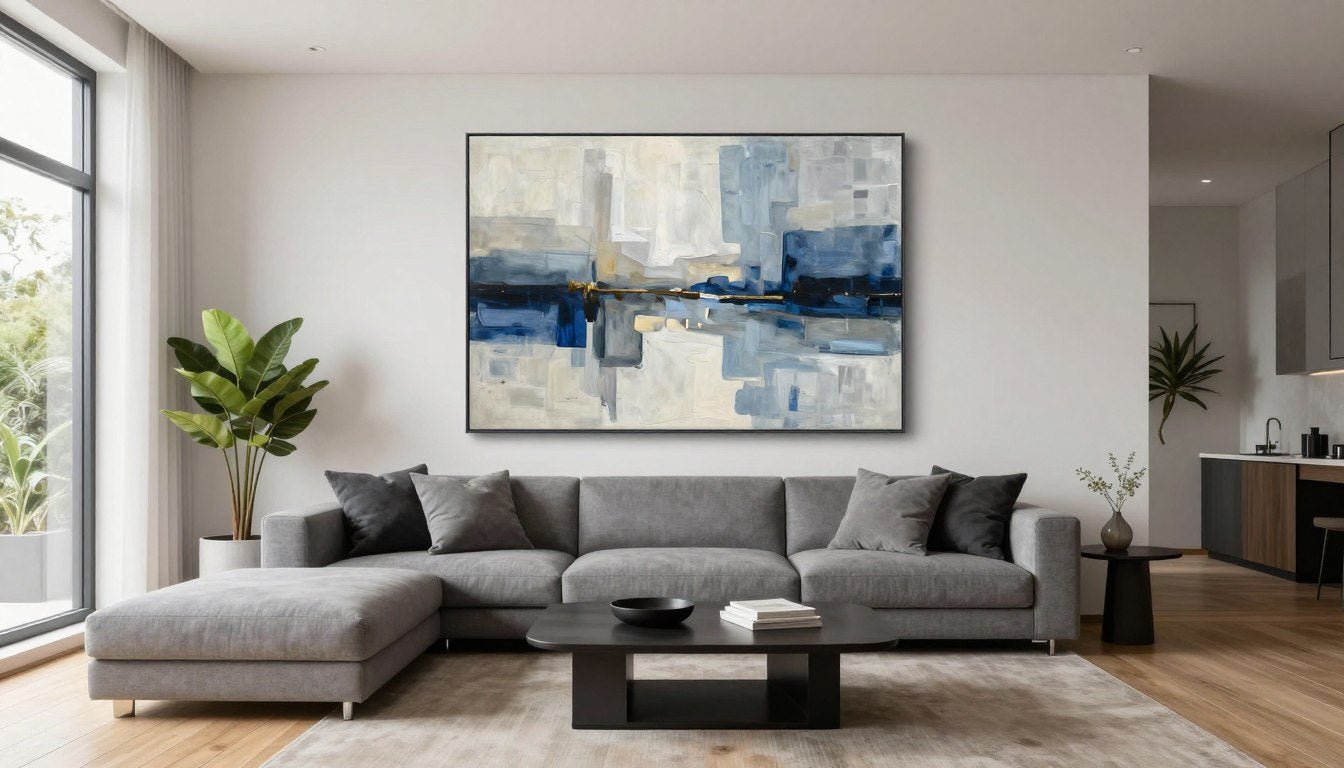
Your living room speaks volumes about your personal style before you say a word. The wall art you choose becomes the visual anchor that ties together furniture, color schemes, and the overall atmosphere of your space. Contemporary wall art offers a fresh, sophisticated approach to home decor that resonates with modern sensibilities while maintaining timeless appeal.
Selecting the right pieces transforms blank walls into captivating focal points. Whether you're drawn to bold abstracts, minimalist line drawings, or expressive portraits, contemporary artwork creates conversation and reflects your unique aesthetic vision.
This guide walks you through everything you need to know about contemporary wall art for living room spaces. You'll discover style categories, sizing principles, placement strategies, and how to create cohesive gallery arrangements that elevate your home's interior design.

Understanding Contemporary Wall Art: Styles and Characteristics
Contemporary wall art represents artistic expression created in the present era, reflecting current cultural movements and aesthetic preferences. Unlike modern art which references a specific historical period, contemporary art evolves continuously with emerging trends and technologies.
The beauty of contemporary pieces lies in their versatility. These artworks complement various interior design schemes from industrial lofts to coastal retreats. The style embraces experimentation with materials, techniques, and subject matter while maintaining visual accessibility.
Understanding the core characteristics helps you identify pieces that resonate with your personal taste. Contemporary art often features clean lines, bold color palettes, geometric patterns, and innovative compositions that challenge traditional conventions.

Key Style Categories in Contemporary Art
Contemporary wall art encompasses diverse visual languages. Abstract contemporary works use color, form, and gestural marks to create emotional impact without representing recognizable subjects. These pieces work exceptionally well as focal points in living spaces.
Geometric contemporary art employs mathematical precision and structured compositions. Clean shapes, repeating patterns, and balanced arrangements appeal to those who appreciate order and visual harmony in their environment.
Minimalist contemporary pieces embrace the "less is more" philosophy. Simple compositions with limited color palettes and negative space create calm, sophisticated atmospheres perfect for modern living rooms.
Figurative contemporary art reimagines portraits and human forms through modern lenses. Portrait canvas prints bring personality and human connection to your walls while maintaining contemporary aesthetics.


Color Psychology in Contemporary Wall Decor
Color selection dramatically influences the emotional atmosphere of your living room. Contemporary art leverages color psychology to create specific moods and energy levels within your space.
Cool tones like blues, greens, and purples promote relaxation and tranquility. These colors work beautifully in living rooms designed for unwinding after busy days. Abstract pieces in ocean-inspired palettes create serene, spa-like environments.
Warm colors including reds, oranges, and yellows energize spaces and encourage social interaction. These vibrant choices suit living rooms where family gatherings and entertaining take center stage.
Neutral contemporary artwork in blacks, whites, and grays offers timeless versatility. Black and white canvas prints coordinate effortlessly with evolving decor schemes and provide sophisticated visual impact.


Material Quality and Canvas Options
The physical quality of your wall art significantly impacts its visual presence and longevity. Museum-quality canvas prints utilize archival materials and premium inks that resist fading for decades, ensuring your investment maintains its beauty.
Professional giclée printing technology reproduces artwork with exceptional color accuracy and detail. This printing method creates gallery-worthy pieces that capture the nuances of original paintings and digital art.
Ready-to-hang canvas options eliminate installation hassles. Stretched canvases arrive with mounting hardware already attached, allowing you to transform your space immediately upon delivery.
Frame choices influence the overall aesthetic impact. Gallery-wrapped canvases where the artwork extends around the edges create contemporary, seamless presentations without traditional frames. This approach suits modern minimalist interiors.

If You Love Contemporary Minimalism
These three prints bring sophisticated, clean-lined elegance into any living room. Each piece combines artistic expression with restrained color palettes perfect for modern spaces.

Geometric Calm Collection
Clean geometric forms in soothing neutral tones create visual balance and modern sophistication.

Essential Lines Series
Expressive line work captures movement and energy through simplified contemporary forms.
Choosing the Right Size and Scale for Your Living Room
Size selection makes the difference between artwork that commands attention and pieces that disappear into the background. The scale of your contemporary wall art should correspond to the dimensions of your wall space and surrounding furniture.
Large-scale pieces create dramatic focal points that anchor entire rooms. A substantial canvas above your sofa draws the eye upward and adds vertical interest to your living space. This approach works particularly well in rooms with high ceilings or expansive wall areas.
Medium-sized artwork offers flexibility for various arrangements. These versatile pieces work as standalone statements or combine into curated gallery walls. Medium prints allow you to experiment with compositions and adjust your display as your style evolves.

The Sofa Art Sizing Formula
The relationship between your sofa and wall art follows specific proportional guidelines. Your canvas width should measure between two-thirds to three-quarters of your sofa length for balanced visual harmony.
For a standard seven-foot sofa, select artwork measuring approximately 50 to 65 inches wide. This proportion creates cohesive connection between furniture and wall decor without overwhelming the space.
Height placement matters equally. Hang your contemporary art so the center sits at eye level, typically 57 to 60 inches from the floor. When positioning above furniture, leave 6 to 12 inches of space between the sofa back and the bottom edge of your artwork.
Multiple smaller pieces can substitute for one large canvas. Canvas print sets allow you to achieve the same visual weight as a single large piece while adding dynamic variety to your wall composition.


Ceiling Height Considerations
Room height influences artwork scale dramatically. Standard eight-foot ceilings accommodate most art sizes, but vertical pieces add perceived height to lower spaces. Tall, narrow canvases draw the eye upward and make rooms feel more spacious.
High ceilings in lofts or great rooms demand substantial artwork to avoid the "postage stamp" effect. Oversized contemporary pieces measuring 60 inches or larger create appropriate visual impact in expansive vertical spaces.
Vaulted or cathedral ceilings present unique opportunities. Arrange multiple pieces in ascending compositions that follow the ceiling angle, creating dynamic installations that celebrate architectural features.

Multi-Panel and Triptych Arrangements
Multi-panel artwork offers contemporary alternatives to single large canvases. Triptychs and diptychs spread visual interest across wall space while maintaining cohesive design themes.
Panel spacing affects overall composition impact. Maintain consistent 2 to 4-inch gaps between panels for unified appearance. Wider spacing creates more distinct separate pieces, while closer placement reads as a single continuous artwork.
Horizontal triptychs suit long wall expanses above sofas or console tables. Vertical arrangements work beautifully flanking architectural features like fireplaces or between windows.
Consider the narrative flow across panels. Abstract compositions might flow from calm to energetic across three panels, creating visual movement that guides the eye through your space.


Strategic Placement and Arrangement Techniques
Where you position contemporary wall art transforms how visitors experience your living room. Strategic placement creates visual flow, establishes focal points, and enhances architectural features rather than fighting against them.
The primary focal point in most living rooms sits opposite the main entrance. This wall receives immediate attention when guests enter, making it prime real estate for your most impactful contemporary piece.
Secondary walls support the main focal point without competing for attention. These spaces accommodate complementary artworks that reinforce your chosen color palette and design theme throughout the room.

Creating Gallery Wall Compositions
Gallery walls showcase multiple artworks in curated arrangements that tell visual stories. This approach allows you to display diverse pieces while maintaining cohesive design unity through consistent framing or color themes.
Start gallery planning on the floor before committing to wall holes. Arrange your pieces on the ground, photographing different configurations until you discover the most pleasing composition. This planning prevents unnecessary wall damage.
Grid layouts create structured, modern gallery walls. Align pieces in rows and columns with consistent spacing for clean, organized presentations. This systematic approach suits contemporary aesthetics and simplified design philosophies.
Salon-style galleries embrace organized asymmetry. Mix different sizes while maintaining balanced visual weight across the arrangement. This eclectic approach adds personality and artistic sensibility to contemporary spaces.


Balancing Art with Other Wall Elements
Contemporary wall art coexists with functional elements like televisions, windows, and architectural details. Thoughtful integration creates harmonious spaces where all components work together.
Television placement often conflicts with ideal art positioning. Consider mounting your TV on a different wall than your primary artwork, allowing each element its own focal point. Alternatively, create a media wall that thoughtfully incorporates both elements.
Windows and natural light affect art visibility and longevity. Position valuable pieces away from direct sunlight to prevent fading. Use windows as natural framing elements, flanking them with complementary artworks that draw attention to outdoor views.
Architectural features like built-in shelving, fireplaces, and accent walls provide natural frameworks for art display. Work with these elements rather than against them, using artwork to highlight architectural character.

Layering and Depth Creation
Dimensional arrangement adds sophistication to flat wall displays. Layering techniques create visual depth and dynamic interest within your living room design.
Lean large canvases against walls on mantels or console tables for casual, collected aesthetics. This approach allows easy rotation and seasonal changes without permanent wall commitment.
Combine wall-mounted pieces with three-dimensional elements. Modern sculptures on shelves or pedestals add tangible depth that complements flat canvas artwork.
Shelving systems allow flexible art display that evolves with your collection. Mix framed prints with objects, books, and plants for curated vignettes that showcase personality alongside artistic taste.


Match This Vibe to Your Space
Every living room has a unique personality. Discover curated contemporary art collections designed to complement your specific style preferences and existing decor.

Bold & Expressive
Vibrant colors and dynamic compositions for spaces that celebrate energy and creativity.

Minimal & Refined
Clean lines and restrained palettes create calm, sophisticated contemporary atmospheres.

Organic & Natural
Nature-inspired forms bring the outdoors inside with contemporary interpretations of botanical themes.
Color Coordination and Design Harmony
Color relationships between your contemporary wall art and existing decor determine whether your space feels intentionally designed or haphazardly assembled. Strategic color coordination creates visual coherence that elevates the entire room.
The 60-30-10 rule provides foolproof color balance. Your dominant color covers 60 percent of the room through walls and large furniture. Secondary colors account for 30 percent via upholstery and curtains. Your artwork introduces accent colors comprising the final 10 percent.
Contemporary art serves as the accent layer, introducing pops of color that energize neutral foundations. A single bold canvas can justify accent pillows, throws, and decorative objects in matching hues throughout your space.

Complementary Color Schemes
Complementary colors sit opposite each other on the color wheel, creating vibrant, high-energy combinations. Blue and orange, purple and yellow, or red and green pairings generate visual excitement and dynamic tension.
Contemporary abstract art excels at complementary color exploration. Abstract canvas prints featuring complementary palettes become instant focal points that energize living spaces.
Balance intensity when using complementary schemes. Let one color dominate while the complement appears in smaller quantities. This prevents overwhelming visual competition and maintains sophisticated presentation.

Analogous and Monochromatic Approaches
Analogous colors neighbor each other on the color wheel, creating harmonious, low-contrast schemes. Blues with greens, or oranges with reds produce cohesive, flowing visual experiences perfect for relaxing living spaces.
Monochromatic designs use varying shades, tints, and tones of a single color. This sophisticated approach creates depth through variation while maintaining unified color stories. Gray-scale contemporary art demonstrates monochromatic power beautifully.
Texture becomes crucial in monochromatic schemes. Without color variation to create interest, textural differences between matte walls, glossy furniture, and canvas weaves provide necessary visual complexity.

Working with Existing Furniture Colors
Your furniture establishes color constraints and opportunities for artwork selection. Contemporary wall art either complements existing colors or introduces strategic contrasts that enhance what you already own.
Neutral furniture provides maximum flexibility. Beige, gray, and white sofas welcome virtually any contemporary art palette. This neutrality allows seasonal artwork rotation without requiring furniture changes.
Bold furniture demands thoughtful art coordination. If your sofa makes a statement in jewel tones or saturated colors, select artwork that either harmonizes within the same color family or provides neutral balance.
Consider undertones when matching colors. Cool gray furniture pairs beautifully with artwork featuring blue or purple undertones, while warm grays complement pieces with beige or brown influences.


Contemporary Art for Different Living Room Styles
Your living room design style guides appropriate contemporary art selections. While contemporary artwork suits diverse interiors, certain pieces naturally complement specific design philosophies better than others.
Understanding your dominant style helps narrow overwhelming art options into curated selections that enhance rather than conflict with your existing aesthetic vision.

Minimalist and Scandinavian Interiors
Minimalist spaces thrive with restrained contemporary artwork that respects the "less is more" philosophy. Single large-scale pieces create impact without cluttering simplified environments.
Black and white contemporary art reinforces minimalist restraint while providing necessary visual interest. Geometric line work and subtle abstracts complement clean-lined furniture and unadorned windows characteristic of Scandinavian design.
Negative space within the artwork itself echoes minimalist principles. Select pieces where composition includes substantial empty areas, allowing breathing room that mirrors the spaciousness of minimalist interiors.
Wooden frames in light ash or oak connect contemporary art to Scandinavian natural material preferences. Alternatively, frameless gallery-wrapped canvases maintain the streamlined aesthetic these styles prize.


Industrial and Urban Loft Spaces
Industrial interiors with exposed brick, concrete, and metal elements pair beautifully with bold, expressive contemporary art. These raw architectural features provide neutral backdrops that showcase vibrant artwork dramatically.
Oversized canvases suit the generous proportions typical of loft spaces. Large-scale abstract works or cityscape canvas prints complement industrial aesthetics while softening hard architectural surfaces.
Urban-inspired contemporary art reinforces loft character. Street art influences, graffiti-style compositions, and pop culture references feel authentic in industrial settings with urban warehouse roots.
Metal frames or floating metal mounts echo industrial materials. Consider contemporary pieces with metallic paint elements that reflect the steel and iron present in industrial furniture and light fixtures.


Coastal and Transitional Rooms
Coastal living rooms benefit from contemporary art in ocean-inspired palettes. Soft blues, aquas, sandy neutrals, and seafoam greens reinforce beach house atmospheres while maintaining contemporary sophistication.
Abstract wave and water-inspired compositions provide literal coastal connections without resorting to cliché seashell imagery. Contemporary interpretations of marine themes feel fresh and artistically relevant.
Transitional spaces blending traditional and contemporary elements require balanced artwork. Select pieces with classic compositional structure rendered in contemporary color palettes or techniques.
Neutral contemporary art with subtle coastal color hints bridges style divides beautifully. Beiges, whites, and soft grays with touches of blue or green complement transitional furniture mixing modern and traditional pieces.


Modern Farmhouse and Rustic Contemporary
Modern farmhouse style juxtaposes rustic elements with contemporary simplicity. Artwork selections should honor both influences through subject matter or presentation choices.
Botanical contemporary art connects to farmhouse garden traditions while maintaining modern artistic approaches. Botanical wall art prints in simplified forms or unexpected color palettes bridge rustic and contemporary sensibilities.
Black and white photography or line art provides contemporary sophistication that doesn't fight farmhouse warmth. Simple compositions in neutral tones complement shiplap walls and reclaimed wood furniture.
Thick wooden frames in weathered or distressed finishes connect sleek contemporary canvases to rustic elements. This framing choice makes modern artwork feel appropriate in spaces with vintage or antique accent pieces.


Lighting Your Contemporary Wall Art
Proper lighting transforms good artwork into stunning focal points. Contemporary wall art requires thoughtful illumination that enhances colors, reveals textures, and creates dramatic ambiance after dark.
Natural daylight provides ideal color-accurate viewing during daytime hours. Position artwork to receive indirect natural light rather than harsh direct sunlight that causes fading and glare on canvas surfaces.
Artificial lighting supplements natural light and showcases art during evening hours. Multiple lighting approaches layer ambient, accent, and task lighting to create flexible, functional living spaces.

Picture Lights and Accent Lighting
Dedicated picture lights mount directly above artwork, casting focused illumination that highlights your investment. Modern picture lights use LED technology providing energy-efficient, heat-free operation that protects valuable pieces.
Adjustable picture lights allow precise positioning to eliminate glare while maximizing color vibrancy. Aim the light at a 30-degree angle toward the center of your artwork for optimal viewing.
Track lighting offers flexible accent options for multiple pieces or changing displays. Individual fixtures adjust independently, allowing you to highlight different artworks or create varied lighting moods.
Recessed ceiling spotlights provide clean, architectural solutions for art illumination. Position spotlights approximately two to three feet from the wall to minimize shadowing and achieve even coverage.

Avoiding Glare and Reflections
Glare diminishes artwork appreciation by creating bright spots that obscure composition and color. Canvas texture typically reduces glare compared to glass-covered prints, but lighting angles still matter significantly.
Position lights above and slightly in front of artwork rather than directly overhead. This angled approach directs light onto the canvas surface while preventing reflective hotspots visible from primary viewing positions.
Matte or satin finish canvases minimize reflection better than high-gloss surfaces. Museum-quality prints typically use these finishes specifically to reduce glare in varied lighting conditions.
Consider viewer positions when planning lighting. Your sofa placement determines primary viewing angles, so adjust lighting to optimize visibility from these key positions rather than from room entrances.

Layered Lighting for Ambiance
Successful living room lighting combines multiple sources at different heights and intensities. This layered approach creates flexibility for various activities while maintaining focus on your contemporary wall art.
Ambient lighting provides overall illumination through ceiling fixtures, chandeliers, or recessed cans. Keep ambient sources dimmable to adjust overall brightness without affecting dedicated art lighting.
Table and floor lamps contribute mid-level lighting that fills dark corners and balances the visual environment. Position these fixtures to complement rather than compete with artwork illumination.
Accent lighting highlights architectural features and artwork as focal points. Use brighter, more focused beams on art while keeping surrounding light levels lower to create dramatic contrast and visual hierarchy.

Discover professional techniques for styling and arranging contemporary wall art in real living spaces. This video demonstrates practical installation approaches and design strategies you can implement immediately.
Mixing Contemporary Art with Other Decor Elements
Contemporary wall art doesn't exist in isolation. Successfully integrating artwork with furniture, textiles, and decorative objects creates cohesive interiors where every element supports your overall design vision.
The key to successful mixing lies in identifying unifying threads. Color, texture, scale, or thematic connections allow diverse elements to coexist harmoniously rather than competing for attention.

Incorporating Textiles and Soft Furnishings
Pillows, throws, and upholstery create textural contrast against flat canvas artwork. These soft elements add dimension while reinforcing color themes introduced by your contemporary pieces.
Pull accent colors from your artwork into textile selections. If your canvas features a prominent coral accent, incorporate coral pillows or throws that create visual connections across the room.
Pattern mixing requires careful balance with bold contemporary art. If your artwork makes a strong statement, keep textiles simpler with subtle patterns or solid colors that don't compete visually.
Texture provides interest when color palettes remain neutral. Varied fabric textures like linen, velvet, and wool add depth to monochromatic spaces anchored by black and white contemporary artwork.


Coffee Table Books and Decorative Objects
Coffee table styling creates visual conversations with wall art through complementary colors and themes. Curated book selections and decorative objects reinforce artistic sensibilities established by your contemporary pieces.
Art and design books provide literal thematic connections. Display volumes featuring artists working in similar styles or color palettes as your wall art, creating cohesive cultural narratives throughout your space.
Sculptural objects add dimensional interest that complements flat wall art. Abstract forms, ceramic pieces, or modern sculptures create dialogue between two-dimensional and three-dimensional artistic expression.
Color coordination between objects and artwork strengthens visual unity. Select decorative items in hues featured in your contemporary canvases, creating intentional color flows across surfaces and vertical planes.

Plants and Natural Elements
Living plants introduce organic textures and movement that beautifully offset the static nature of wall art. Strategic plant placement creates layered, dimensional compositions that feel collected and personal.
Large floor plants in corners or beside sofas add vertical elements that complement vertical canvas orientations. Fiddle leaf figs, snake plants, or bird of paradise create architectural presence matching bold contemporary artwork.
Smaller plants on shelves or side tables provide opportunities for creative styling. Group potted plants with framed prints in gallery-style arrangements that mix natural and artistic elements.
Plant colors influence overall palette harmony. Variegated foliage with cream and green tones suits neutral contemporary art, while deep green tropical plants complement vibrant, colorful abstract pieces.


Mirrors and Reflective Surfaces
Mirrors expand visual space while creating interesting relationships with wall art. Strategic mirror placement reflects artwork, effectively doubling its presence while adding light and depth to your living room.
Position mirrors to reflect appealing views or artwork rather than cluttered areas. A mirror opposite your favorite contemporary piece creates satisfying visual echo throughout the space.
Metallic and glass surfaces provide subtle reflections that add sparkle without mirror's dramatic effect. Metal-framed furniture, glass coffee tables, and metallic decorative objects create light play that enlivens contemporary art displays.
Balance reflective and matte surfaces to prevent overwhelming shimmer. If your coffee table is glass and you have metallic frames, balance with matte upholstery and natural wood elements.

Seasonal Art Rotation and Flexibility
Contemporary wall art collections grow and evolve with your taste. Building flexible display systems allows seasonal refreshment and artistic experimentation without permanent commitment to single pieces.
Seasonal rotation prevents visual stagnation and reflects changing light, colors, and moods throughout the year. This approach keeps your living space feeling current and responsive to your evolving preferences.

Building a Versatile Collection
Strategic collection building provides rotation options without requiring massive artwork inventory. Select pieces in varied color palettes and moods that suit different seasons and occasions.
Invest in core neutral pieces that remain year-round, then supplement with seasonal accent artwork. This approach maintains consistency while allowing refreshing changes that mark seasonal transitions.
Different sizes enable flexible arrangements. Combining large anchoring pieces with smaller supporting works creates options for complete redesigns or subtle adjustments as moods shift.
Consider theme variety when expanding your collection. Canvas prints spanning abstract, botanical, geometric, and figurative styles provide maximum rotation flexibility.

Storage Solutions for Rotated Art
Proper storage protects artwork between display periods. Climate-controlled spaces away from extreme temperatures and humidity preserve canvas quality for years of rotation enjoyment.
Vertical storage prevents canvas warping. Lean pieces against walls separated by acid-free paper or foam core to prevent surface scratching. Never stack canvases horizontally as weight causes permanent damage.
Cover stored artwork with breathable fabric rather than plastic. Air circulation prevents mold and mildew while protecting from dust accumulation during storage periods.
Label stored pieces with descriptions and dimensions. This organization system helps you plan rotations without pulling every canvas from storage to check sizes and subjects.

Easy-Change Display Systems
Picture hanging systems with adjustable rails eliminate wall damage from seasonal changes. These professional-grade systems allow artwork repositioning without new nails or holes.
Picture ledges and gallery shelves enable leaning displays that change effortlessly. Simply swap canvases on ledges for instant seasonal refreshment without tools or installation.
Lightweight canvases facilitate frequent changes. Gallery-wrapped pieces hang from single points, making rotation quick and easy compared to heavy frames requiring multiple mounting points.
Group similar-sized pieces in your collection to simplify swapping. When all your large pieces measure similarly, replacing one with another requires no hardware adjustments.


Budget-Friendly Approaches to Contemporary Art
Building impressive contemporary art collections doesn't require unlimited budgets. Strategic shopping, prioritization, and creative sourcing enable beautiful living spaces at various price points.
Quality matters more than quantity. One exceptional piece creates greater impact than multiple mediocre works. Invest in fewer, better pieces that truly resonate with your aesthetic sensibilities.

Prioritizing Your Art Investments
Identify your living room's primary focal wall as the top investment priority. This high-visibility location deserves your best, most impactful contemporary piece because it receives constant attention.
Start with one statement piece and build gradually. A single compelling canvas above your sofa establishes immediate visual interest while you thoughtfully add complementary works over time.
Consider the cost-per-view calculation. Artwork you see daily provides more value than pieces in rarely-used rooms. Prioritize living room art investments over secondary spaces when budget requires choices.
Original paintings command premium prices while living room canvas art prints offer accessible entry points. High-quality prints from professional artists provide artistic value without original artwork price tags.

Mixing Price Points Successfully
Gallery walls successfully combine expensive and affordable pieces when unified by consistent framing or color themes. Viewers perceive cohesive collections rather than individual price variations.
Invest in larger centerpiece artwork while surrounding it with smaller, less expensive supporting prints. This approach creates substantial visual presence while managing overall budget constraints.
Quality framing elevates affordable prints. Well-framed budget artwork often looks more expensive than poorly presented premium pieces. Allocate budget to professional framing for best results.
Original art and prints can coexist beautifully in curated collections. Mix media types confidently when color palettes and styles coordinate, creating dynamic variety within budget parameters.

Print Quality Considerations
Not all prints offer equal value. Understanding quality markers helps you identify pieces worth purchasing versus those likely to disappoint despite appealing preview images.
Giclée printing represents museum-quality reproduction standards. This archival process uses premium inks and substrates that resist fading, maintaining color vibrancy for decades with proper care.
Canvas material quality affects both appearance and longevity. Professional-grade cotton or poly-cotton blend canvases provide superior texture and durability compared to cheap synthetic alternatives.
Gallery wrapping adds perceived value and eliminates framing costs. Artwork extending around canvas edges creates finished presentations suitable for immediate hanging without additional investment.
Free shipping significantly impacts total cost. Factor shipping expenses when comparing prices, as free delivery can make apparently expensive pieces more affordable than cheaper options with high shipping fees.

Transform Your Living Room with Museum-Quality Art
Every piece in the Rossetti Art collection arrives ready to hang with premium materials, archival inks, and gallery-wrapped presentation. Enjoy free worldwide shipping on all orders, bringing contemporary sophistication directly to your door.
Designed by artist Chiara Rossetti, each canvas print combines artistic integrity with accessible pricing. Discover contemporary wall art that elevates your space while respecting your investment.
Common Contemporary Art Mistakes to Avoid
Even design enthusiasts make predictable errors when selecting and displaying contemporary wall art. Awareness of common pitfalls helps you avoid costly mistakes and achieve professional-looking results from the start.
These mistakes typically stem from uncertain decision-making, incomplete planning, or prioritizing trends over personal preference. Understanding what doesn't work clarifies the path toward successful art selection and display.

Proportion and Scale Errors
Undersized artwork represents the most common and easily avoided mistake. Tiny pieces floating on expansive walls create unbalanced, unfinished appearances regardless of the artwork's quality or appeal.
The "too small" problem typically results from fear of commitment to larger pieces. Homeowners select safe, smaller options that ultimately disappoint because they lack necessary visual weight and presence.
Conversely, overwhelming spaces with excessively large artwork in small rooms creates claustrophobic effects. Measure carefully and visualize scale using paper templates before committing to oversized contemporary pieces.
Multiple small pieces scattered randomly across walls creates visual chaos. If you prefer smaller works, group them intentionally in structured gallery arrangements rather than sporadic placement.

Placement Height Problems
Hanging artwork too high ranks among the most frequent mistakes, creating disconnection between art and living space. The center of your artwork should align with average eye level at 57 to 60 inches from the floor.
When hanging above furniture, maintain 6 to 12 inches between the furniture top and artwork bottom. This spacing creates visual relationship without excessive gap that separates elements.
Cathedral ceilings tempt many to hang art too high in attempts to fill vertical space. Resist this urge and maintain standard eye-level positioning even with tall ceilings.
Conversely, placing art too low makes spaces feel squat and compressed. If you question whether your placement is too low, it probably is. Err toward slightly higher rather than lower positioning.

Color Matching Overthinking
Excessive concern about exact color matching stifles creative expression and limits options unnecessarily. Your artwork doesn't require perfect color matching to every pillow and accessory in your room.
The goal involves color coordination and harmony rather than matchy-matchy identical hues. Complementary and analogous color relationships create sophisticated results that feel intentional without appearing forced.
Choosing art solely based on matching existing decor backwards-prioritizes your design process. Select artwork you genuinely love, then adjust accessories to coordinate rather than limiting art choices to match pillows.
Neutral artwork chosen purely for versatility often lacks personality and impact. While neutrals offer flexibility, don't sacrifice emotional connection for coordination convenience.

Trend Chasing vs. Personal Taste
Purchasing trendy artwork because it's currently popular rather than personally meaningful leads to regret when trends inevitably shift. Contemporary art investments should reflect authentic personal preferences.
Social media inspiration provides ideas but shouldn't dictate choices. That viral gallery wall might not suit your space, lifestyle, or genuine aesthetic preferences despite impressive Instagram engagement.
Expensive mistakes happen when following design influencer recommendations without considering personal taste. Trust your instincts about what you'll enjoy viewing daily for years ahead.
Timeless contemporary pieces transcend temporary trends. Select artwork based on enduring appeal and personal connection rather than current popularity for longest-lasting satisfaction.

Caring for Your Contemporary Canvas Art
Proper maintenance preserves your contemporary art investment for generations. Canvas pieces require minimal but specific care to maintain vibrant colors and structural integrity throughout their lifespan.
Understanding basic conservation principles protects your artwork from common environmental threats. Simple preventive measures prevent damage that diminishes beauty and value over time.

Environmental Protection
Direct sunlight represents the primary enemy of canvas artwork. UV radiation causes irreversible fading, particularly damaging vibrant colors and dark tones that lose intensity over years of sun exposure.
Position valuable pieces away from windows receiving direct sun, or use UV-filtering window films if relocation isn't possible. Even indirect natural light provides safer illumination than harsh direct rays.
Humidity extremes threaten canvas stability. Excessive moisture promotes mold growth while extreme dryness causes canvas materials to become brittle. Maintain indoor humidity between 40-60 percent for optimal preservation.
Temperature fluctuations stress canvas and stretcher materials. Avoid hanging artwork above heating vents, fireplaces, or air conditioning units that create temperature swings and direct airflow onto surfaces.

Cleaning and Dusting Techniques
Regular gentle dusting prevents buildup that embeds in canvas texture. Use soft, clean brushes or microfiber cloths, working with light touch from top to bottom to avoid grinding particles into fabric.
Never use liquid cleaners, commercial dusting sprays, or furniture polish on canvas artwork. These products leave residues, alter surface appearance, and potentially damage inks and coatings.
Compressed air removes dust from difficult areas but use cautiously. Hold cans upright, spray from at least 12 inches away, and use short bursts to prevent propellant residue or excessive force.
For stubborn dirt or stains, consult professional art conservators rather than attempting amateur cleaning. Improper cleaning causes permanent damage that professional intervention could have prevented.

Handling and Moving Artwork
Always handle canvas by the frame or stretcher bars rather than touching the canvas surface. Oils from skin transfer to fabric, creating permanent marks and attracting dirt accumulation.
When moving or storing pieces, protect corners with bubble wrap or foam padding. Corners suffer most damage during transport, and protective padding prevents tears and dents to stretcher frames.
Carry larger canvases with two people supporting both sides evenly. One-person carrying of substantial pieces risks dropping or bumping against doorframes and furniture.
Never slide artwork across floors or lean pieces against rough surfaces. These actions scratch, tear, or puncture canvas materials, causing damage ranging from minor to catastrophic.

Long-Term Preservation Strategies
Periodic inspection identifies developing problems before they become serious. Check for loose stretcher bars, canvas sagging, or surface changes indicating environmental stress requiring correction.
Rotate artwork in high-light areas occasionally to ensure even aging. This practice particularly benefits pieces in rooms with unavoidable bright light exposure that might cause gradual fading.
Professional conservation every few years maintains valuable pieces. Experts can re-stretch sagging canvases, clean surfaces safely, and address condition issues beyond homeowner capabilities.
Document your collection with photographs and purchase records. This documentation assists insurance claims, estate planning, and tracking condition changes over ownership periods.
Working with Interior Designers and Art Consultants
Professional guidance accelerates the journey to perfectly curated contemporary art collections. Interior designers and art consultants bring expertise that prevents costly mistakes while revealing possibilities you might never discover independently.
These professionals offer objective perspectives unclouded by indecision or emotional attachment. Their trained eyes identify proportional relationships, color harmonies, and stylistic coherence that create magazine-worthy results.

When to Seek Professional Help
Complete room redesigns benefit from professional involvement from the start. Designers coordinate art selection with furniture, finishes, and architectural elements for cohesive results.
Challenging spaces with awkward proportions, difficult lighting, or architectural quirks require expert problem-solving. Professionals transform liabilities into assets through creative solutions.
High-value art investments justify consultation fees. Professional guidance prevents expensive mistakes when selecting major pieces that represent significant financial commitments.
When you feel paralyzed by options or uncertain about direction, expert input provides clarity and confidence. Designers narrow overwhelming choices into curated selections matching your preferences.
Maximizing Designer Relationships
Prepare for consultations by gathering inspiration images showing styles, colors, and rooms that appeal to you. Pinterest boards and magazine tears communicate preferences more effectively than verbal descriptions.
Be honest about budget constraints from the beginning. Designers work more effectively when they understand financial parameters and can suggest appropriate options.
Trust professional recommendations while communicating concerns. Good designers balance their expertise with client preferences, finding solutions that satisfy both aesthetic excellence and personal comfort.
Ask questions and request explanations for suggestions. Understanding the reasoning behind recommendations helps you make confident decisions and learn for future projects.
DIY with Professional Principles
Apply professional design principles even when working independently. Study design fundamentals around proportion, color theory, and spatial relationships to inform your selections.
Create detailed floor plans and elevations showing furniture and proposed art placement. This planning reveals proportion issues before purchasing, preventing expensive sizing mistakes.
Use design apps and virtual room planners to preview artwork in your space. Digital mockups provide realistic representations that guide confident purchasing decisions.
Follow the 80/20 rule: invest 80 percent of your art budget in timeless pieces you absolutely love, reserving 20 percent for trendy experimental works you can replace without regret.

Where and How to Shop for Contemporary Wall Art
The contemporary art marketplace offers numerous purchasing channels, each with distinct advantages and considerations. Understanding where to shop helps you find pieces matching your aesthetic preferences and budget requirements.
Different sources serve different needs. Some prioritize convenience while others emphasize unique discoveries. Matching shopping channels to your priorities streamlines the selection process.

Online Art Galleries and Artists
Online galleries provide vast selections browseable from home comfort. Digital shopping allows easy comparison across styles, sizes, and price points without geographical limitations.
Artist websites offer direct purchasing that supports creators while often providing lower prices than third-party retailers. Many artists, including Chiara Rossetti, maintain online stores featuring their complete contemporary collections.
Virtual room preview tools help visualize artwork in your space before purchasing. Upload photos of your room and digitally place artwork options to assess size, color, and style compatibility.
Read return policies carefully before ordering. Reputable online art sellers offer satisfaction guarantees allowing returns if pieces don't meet expectations upon arrival.
Evaluating Online Purchases
Screen color accuracy varies significantly between devices. View artwork images on multiple screens and read detailed descriptions about actual colors to prevent surprises.
Check stated dimensions carefully, noting whether measurements include or exclude frames. Understanding exact sizes prevents proportion miscalculations based on misleading photos.
Research seller reputations through reviews and ratings. Established sellers with positive feedback histories provide greater confidence than unknown vendors with limited track records.
Verify material specifications and printing quality. Look for terms like giclée printing, archival inks, and museum-quality canvas that indicate professional production standards.

Physical Galleries and Art Fairs
In-person viewing reveals texture, color accuracy, and scale impossible to assess online. Physical galleries allow you to experience artwork's actual presence before committing to purchase.
Gallery staff provide expertise and can suggest pieces matching your described preferences. Their knowledge about artists, techniques, and styles helps you discover works outside your initial search parameters.
Art fairs showcase multiple galleries and artists simultaneously, exposing you to diverse contemporary styles in single visits. These events facilitate comparison shopping and trend awareness.
Negotiate pricing at physical venues, particularly during closing hours of fairs or end-of-month periods. Many sellers offer flexibility on prices, especially for multiple purchases.
Custom and Commission Options
Custom artwork ensures perfect size, color, and subject match for your space. Working directly with artists creates one-of-a-kind pieces precisely tailored to your vision and requirements.
Commissioning costs typically exceed ready-made pieces but deliver exact specifications. This option suits difficult spaces requiring unusual dimensions or specific color matching.
Communicate clearly about expectations, timelines, and budget when commissioning. Detailed discussions and preliminary sketches prevent misunderstandings about final results.
Build extra time into project schedules for custom work. Original paintings require drying time, and revisions extend timelines beyond instant purchase gratification.
Contemporary Art as Long-Term Investment
While aesthetic enjoyment remains the primary reason for acquiring contemporary wall art, understanding investment potential adds another dimension to purchasing decisions. Some contemporary pieces appreciate significantly, though predicting future value challenges even experienced collectors.
Art investment requires different thinking than decorating purchases. Investment-grade pieces demand research into artists, provenance, condition, and market trends beyond simple visual appeal.

Factors Affecting Art Value
Artist reputation and career trajectory significantly influence value. Emerging artists with growing recognition offer potential appreciation, though established artists provide more predictable value retention.
Provenance documenting artwork history enhances value. Original receipts, certificates of authenticity, and exhibition records establish legitimacy and increase desirability to future buyers.
Condition critically impacts value. Well-maintained pieces in original condition command premium prices while damaged artwork sells at discounts regardless of artist significance.
Edition size for prints affects scarcity and value. Limited editions numbered and signed by artists hold greater value than unlimited open-edition reproductions.
Building Collections Strategically
Focus collecting on artists or movements you genuinely appreciate. Passion-driven collecting provides satisfaction regardless of financial outcomes while informed enthusiasm often correlates with smart acquisitions.
Diversify across emerging and established artists. This balanced approach combines appreciation potential of rising talent with stability of recognized names.
Document everything meticulously. Maintain files with purchase receipts, certificates, condition reports, and photographs. This documentation proves essential for insurance, resale, or estate purposes.
Consider pieces from respected galleries and authenticated sources. Established provenance from reputable sellers adds credibility that benefits future valuation.
Balancing Investment and Enjoyment
Never purchase art solely as investment. Market unpredictability makes art speculation risky, and you'll live with these pieces daily regardless of financial outcomes.
Select works that provide personal satisfaction independent of monetary appreciation. This approach ensures worthwhile investments even if financial returns disappoint.
Understand that most contemporary art doesn't dramatically appreciate. Realistic expectations prevent disappointment and allow you to enjoy collections without constant value monitoring.
Insure valuable pieces appropriately. Regular appraisals and adequate coverage protect financial investments while allowing confident display and enjoyment.
Creating Your Contemporary Art Story
Contemporary wall art for living room spaces reflects personal journeys, aesthetic evolution, and the moments you want to celebrate daily. Your selections tell stories about who you are and what you value beyond mere decoration.
The perfect contemporary piece for your living room doesn't exist until you decide it does. Trust your instincts, apply the principles you've learned, and select artwork that genuinely excites you each time you enter the room.
Start with one piece you absolutely love rather than filling every wall immediately. Collections grow organically over time as your taste develops and opportunities emerge. The journey of building your art collection provides as much satisfaction as the completed display.
Remember that your living room should reflect your life and preferences, not magazine perfection. The contemporary wall art you choose succeeds when it makes you happy, sparks conversation, and transforms your house into a home that feels authentically yours.
Explore the full range of contemporary canvas prints designed to bring artistic sophistication into modern living spaces. Discover curated abstract geometric collections and specialized living room wall art selections that transform ordinary walls into extraordinary focal points.

Frequently Asked Questions About Contemporary Wall Art for Living Rooms
What size contemporary wall art should I choose for above my sofa?
Select artwork measuring two-thirds to three-quarters of your sofa's width for proper proportions. For a standard seven-foot sofa, choose pieces between 50 and 65 inches wide. This sizing creates visual balance without overwhelming the furniture. Alternatively, use multiple smaller pieces grouped together to achieve the same total width. Leave 6 to 12 inches of space between your sofa top and the artwork's bottom edge for optimal visual connection.
Consider your ceiling height as well. Higher ceilings accommodate taller artwork, while standard eight-foot ceilings work best with pieces under 36 inches tall when hung above furniture.
How do I choose between abstract and representational contemporary art?
Select based on your comfort level with interpretation and your room's existing style. Abstract contemporary art offers versatile color and form without specific subject matter, making it adaptable to various design schemes. Representational contemporary pieces provide recognizable subjects rendered in modern styles.
Abstract works suit minimalist, modern, and eclectic interiors where artistic expression takes precedence. Representational contemporary art complements transitional spaces bridging traditional and modern elements. Consider your personality: abstract appeals to those comfortable with ambiguity, while representational satisfies preferences for identifiable imagery.
View examples of both styles in person or online, noting your emotional responses. Abstract collections and portrait collections showcase different contemporary approaches.
What's the difference between contemporary and modern wall art?
Modern art refers to a specific historical period from the 1860s through the 1970s, encompassing movements like Impressionism, Cubism, and Abstract Expressionism. Contemporary art describes work created from the 1970s to present day, reflecting current artistic practices and cultural contexts.
Stylistically, modern art often emphasizes experimentation and breaking from tradition, while contemporary art embraces diverse approaches including traditional techniques with modern subjects. Contemporary pieces respond to current social issues, technology, and global perspectives unavailable to modern artists.
For decorating purposes, contemporary wall art offers more variety and typically feels more current in today's interiors. Modern art pieces can appear dated unless deliberately curated for vintage appeal.
How high should I hang contemporary wall art in my living room?
Hang artwork with its center at 57 to 60 inches from the floor, approximating average eye level. This standard applies whether hanging above furniture or on open walls. For pieces above sofas or consoles, maintain 6 to 12 inches between the furniture top and artwork bottom while keeping the center near 60 inches total height.
Adjust slightly for tall or short household members, positioning art where it feels most natural from standing viewing positions. In rooms with high ceilings, resist the temptation to hang too high; maintain eye-level positioning for best results.
Gallery walls can extend higher and lower than single pieces, but keep the arrangement's visual center near 60 inches for cohesive presentation.
Should my wall art match my furniture and decor colors exactly?
No, exact color matching creates overly coordinated spaces lacking visual interest. Instead, aim for color harmony through complementary or analogous relationships. Your artwork can introduce accent colors that appear in smaller quantities through pillows, throws, or accessories.
Select pieces featuring one or two colors present in your room while introducing new hues for variety. This approach creates connections without matchy-matchy appearance. Black and white artwork offers ultimate flexibility, coordinating with any color scheme.
Consider undertones when coordinating colors. Cool-toned grays pair better with blues and purples, while warm grays complement earth tones and yellows. Art should enhance your palette, not perfectly replicate it.
What are the best contemporary art styles for small living rooms?
Light-colored, minimalist contemporary art helps small spaces feel larger and more open. Pieces with substantial negative space prevent visual clutter. Avoid dark, heavy compositions that make compact rooms feel smaller.
Vertical artwork draws the eye upward, creating the illusion of height in rooms with limited square footage. Mirrors combined with art reflect light and expand perceived space.
One large statement piece often works better than multiple small works in tiny rooms. Gallery walls can overwhelm limited wall space, while single impactful canvases create focal points without crowding.
Consider line art prints or geometric minimalist pieces that provide interest without visual weight. Light backgrounds and simple compositions complement small-space strategies.
How do I create a gallery wall with contemporary art?
Start by laying out your arrangement on the floor, photographing different configurations before committing to wall placement. This planning prevents unnecessary holes and allows experimentation with composition.
Maintain consistent spacing between pieces, typically 2 to 4 inches, for cohesive appearance. Use templates cut from paper or newspaper to mark wall positions before hanging actual artwork.
Unify diverse pieces through consistent framing, coordinating color palettes, or thematic connections. Mix sizes for visual interest while maintaining balanced visual weight across the arrangement.
Grid layouts create structured, modern galleries. Salon-style arrangements embrace asymmetry for eclectic appeal. Choose the approach matching your personal style and room aesthetic. Canvas print sets provide coordinated options simplifying gallery wall creation.
Is it better to buy original paintings or high-quality prints?
Both options offer advantages depending on your priorities and budget. Original paintings provide unique, one-of-a-kind artworks with potential investment value and undeniable authenticity. However, they command significantly higher prices.
High-quality giclée prints offer accessibility to beautiful contemporary art at fraction of original costs. Museum-quality printing reproduces colors and details faithfully, creating pieces virtually indistinguishable from originals at normal viewing distances.
Prints allow you to afford larger sizes or multiple pieces within the same budget as a single original. This flexibility benefits those building complete room designs rather than collecting individual masterworks.
Consider mixing both in your collection. Invest in original artwork for primary focal points while using quality prints in secondary positions. This balanced approach maximizes impact within budget constraints.
Explore both original paintings and premium canvas prints to compare options suited to your specific needs and investment capacity.
How can I tell if contemporary wall art is good quality before purchasing?
Examine printing specifications for terms like giclée printing, archival inks, and museum-quality materials. These indicate professional production standards ensuring longevity and color accuracy.
Check canvas material quality. Premium cotton or poly-cotton blends provide superior texture and durability compared to synthetic alternatives. Gallery-wrapped edges where artwork extends around sides indicate quality presentation.
Read product descriptions for technical details about inks, substrates, and printing processes. Vague descriptions often hide inferior materials and methods.
Review customer feedback and photos showing actual received products. These real-world assessments reveal quality more accurately than marketing descriptions.
Verify seller reputation through reviews, business history, and return policies. Established sellers offering satisfaction guarantees demonstrate confidence in their quality standards. Free shipping and easy returns reduce risk when purchasing sight-unseen.
What contemporary art works best with different interior design styles?
Minimalist interiors suit clean-lined geometric art or restrained abstracts with limited color palettes. Pieces with substantial negative space reinforce minimalist principles.
Industrial spaces pair beautifully with bold, oversized contemporary works. Urban-themed art, expressive abstracts, or cityscape prints complement raw architectural elements like exposed brick and metal.
Coastal rooms benefit from ocean-inspired color palettes in blues, aquas, and sandy neutrals. Abstract wave compositions or botanical artwork reinforces beach-house atmospheres.
Traditional transitional spaces require balanced contemporary pieces with classic compositional structure rendered in modern palettes. Neutral colors bridge style divides effectively.
Modern farmhouse settings welcome botanical contemporary art, black and white photography, or simple line drawings that honor rustic elements while maintaining clean contemporary aesthetics.

About the Author
Chiara Rossetti
Chiara Rossetti is the founder of Rossetti Art, a canvas print and original art brand. She writes about interior design, wall art styling, and the art of making a home feel alive.

Leave a comment
This site is protected by hCaptcha and the hCaptcha Privacy Policy and Terms of Service apply.