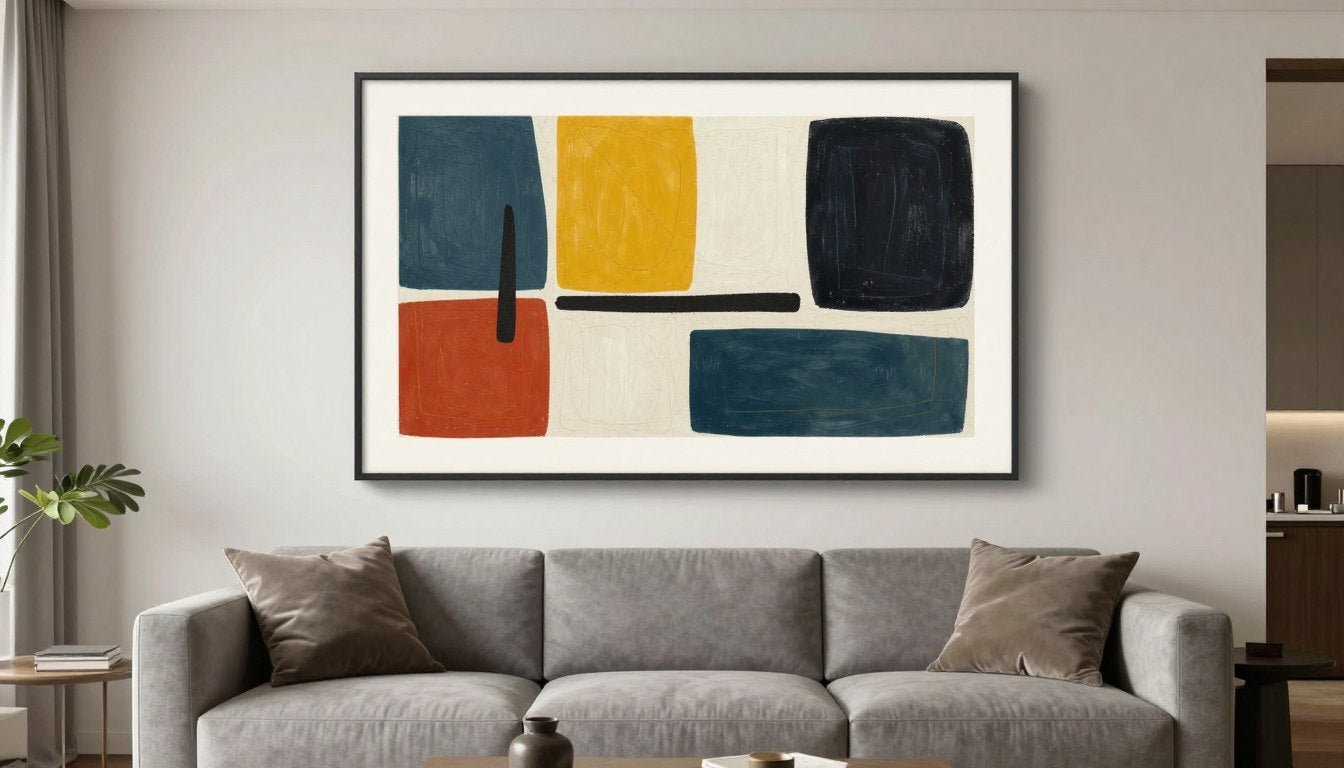

Your living room walls tell a story. They reveal your personality, set the mood for conversations, and create the backdrop for daily life. Yet many homes settle for blank walls or generic prints that blend into the background. The difference between ordinary and extraordinary lies in choosing unique wall art that speaks to you.
Unique wall art transforms a living room from simply functional to genuinely inspiring. It creates focal points that draw the eye, sparks conversations, and makes your space feel authentically yours. Whether you prefer bold abstracts, delicate line drawings, or vibrant botanical prints, the right art piece changes everything.
This guide walks you through selecting, styling, and displaying wall art that makes your living room unforgettable. You will discover proven strategies for choosing pieces that complement your space, create visual impact, and reflect your personal style.
Curated Picks: Three Statement Pieces That Define Modern Living
Finding the perfect wall art starts with understanding what speaks to you. These carefully selected pieces represent three distinct aesthetic directions, each capable of transforming your living room into a unique space. Every print brings museum-quality craftsmanship and ready-to-hang convenience.

Bold Abstract Geometry
If you love spaces that make a statement, geometric abstracts create instant visual drama. These pieces work beautifully above sofas or as gallery wall centerpieces. The interplay of color and shape adds depth without overwhelming your decor.
Perfect for contemporary and mid-century modern living rooms. The bold colors create conversation while maintaining sophistication. Pairs exceptionally well with neutral furniture and minimalist decor.

Minimalist Line Art
For those drawn to understated elegance, line art prints offer timeless sophistication. These pieces prove that less truly is more. A single continuous line creates entire portraits or botanical forms, bringing an artistic touch without visual clutter.
Ideal for Scandinavian, modern, and transitional living rooms. The simplicity allows the art to complement rather than compete with your existing decor. Works beautifully in both large statement sizes and curated gallery arrangements.

Lush Botanical Prints
Nature brings life to any living room, and botanical prints deliver that organic energy year-round. From tropical palm leaves to delicate wildflowers, these pieces add freshness and vitality. They create a calming atmosphere while introducing natural color palettes.
Complements coastal, bohemian, and organic modern aesthetics. The green tones promote relaxation and connect indoor spaces with the natural world. Particularly effective in rooms with abundant natural light.
Each of these styles offers a distinct approach to personalizing your living room. The key is selecting art that resonates with your aesthetic while serving the functional needs of your space. Consider how the colors, composition, and mood align with your vision for the room.
What Makes Wall Art Truly Unique

Unique wall art stands apart from mass-produced prints you find in every home store. The distinction lies in several key factors that elevate a piece from decorative to distinctive. Understanding these elements helps you identify truly special art for your living room.
Originality and Artistic Vision
Original artwork or limited edition prints carry the artist's unique perspective. Unlike reproductions of famous paintings everyone recognizes, these pieces offer fresh visual experiences. Original paintings by emerging and established artists bring one-of-a-kind energy to your walls.
The artistic vision behind a piece creates its uniqueness. An artist's choice of color palette, composition, technique, and subject matter results in work that cannot be duplicated. Even in print form, this originality shines through when compared to generic decor.
Quality Materials and Craftsmanship
Museum-quality canvas prints use archival materials that maintain color vibrancy for decades. The difference between cheap poster prints and professional canvas prints is immediately visible. Premium materials create depth, texture, and visual richness that cheap alternatives cannot match.
Professional printing techniques preserve every detail of the original artwork. Color accuracy, tonal range, and fine details all contribute to the final piece's impact. Canvas prints from Rossetti Art demonstrate this commitment to quality craftsmanship.

Limited Availability
Limited edition prints maintain exclusivity. When an artist releases only a certain number of prints, each piece gains value through scarcity. This ensures your wall art remains special rather than appearing in countless homes.
Working directly with artists or curated galleries like Rossetti Art provides access to pieces with controlled distribution. This approach guarantees your living room features art that truly stands out from mainstream options.
Personal Resonance
The most unique aspect of any artwork is how it makes you feel. A piece that connects with your emotions, memories, or aspirations becomes irreplaceable. This personal resonance transforms wall decor into meaningful art that enhances daily life.
Your connection to a piece matters more than trends or what designers recommend. Trust your instincts when something speaks to you. That emotional response is what makes art uniquely yours.
Choosing the Right Art Style for Your Living Room
Your living room style guides your art selection. The best wall art complements your existing decor while adding personality and visual interest. Understanding how different art styles work with various interior design aesthetics helps you make confident choices.
Modern and Contemporary Spaces

Modern living rooms thrive with bold geometric abstracts and striking line art. These styles echo the clean lines and intentional simplicity of contemporary design. Color blocking, negative space, and graphic compositions complement modern furniture beautifully.
Abstract geometric canvas prints bring energy without clutter. They create focal points that enhance rather than distract from your carefully curated modern aesthetic. Consider oversized pieces that make dramatic statements.
Black and white photography or line art adds sophistication to minimalist spaces. These pieces provide visual interest while maintaining the restrained palette modern design favors. The contrast creates depth in neutral rooms.
Traditional and Classic Interiors

Traditional living rooms pair beautifully with portrait canvas prints and classical compositions. These pieces honor timeless artistic traditions while bringing freshness to established design schemes. Figurative art adds human connection to formal spaces.
Landscape prints and botanical art complement traditional furniture and architectural details. Rich colors and detailed compositions match the layered approach of classic interior design. The art becomes part of a cohesive narrative.
Consider pieces with gilded frames or classic subjects rendered in contemporary styles. This blend of old and new creates interest while respecting traditional sensibilities. The contrast keeps spaces feeling current rather than dated.
Eclectic and Bohemian Style

Eclectic spaces celebrate bold choices and personal expression. Pop art canvas prints inject playful energy and vibrant color. These pieces embrace the "more is more" philosophy that defines bohemian style.
Mix multiple art styles and sizes for curated gallery walls. Combine abstract pieces with botanical prints and vintage-inspired designs. The variety creates visual richness that feels collected over time rather than purchased all at once.
Don't shy away from unusual subjects or unconventional color combinations. Eclectic design thrives on the unexpected. Let your personality shine through adventurous art selections that conventional wisdom might avoid.
Coastal and Natural Themes

Coastal living rooms benefit from organic subjects and soothing color palettes. Botanical nature prints bring the outdoors inside, creating calm and restorative atmospheres. Ocean-inspired blues and greens enhance the coastal vibe.
Seascape photography and abstract representations of water create immediate connections to coastal environments. These pieces evoke the tranquility of oceanside living regardless of your actual location. The visual association triggers relaxation.
Natural materials and textures in artwork complement rattan, linen, and weathered wood furniture. Look for pieces that incorporate organic forms and earth-inspired tones. The cohesive natural theme creates harmonious spaces.
Industrial and Urban Aesthetics
Industrial living rooms call for edgy, contemporary art that matches their bold architectural elements. Cityscape urban canvas prints celebrate metropolitan energy and architectural beauty. Black and white photography of urban landscapes adds grit and authenticity.

Abstract art with metallic accents or bold geometric shapes complements exposed brick and steel. The raw, unfinished quality of industrial spaces pairs well with contemporary art that pushes boundaries. Consider oversized pieces that command attention in high-ceilinged lofts.
Black and white canvas prints provide dramatic contrast against industrial materials. The monochromatic palette feels intentional and sophisticated. These pieces add refinement to otherwise rough-edged spaces.
Match This Vibe to Your Space
Every living room has a unique personality waiting to emerge. Whether you are drawn to bold dramatic statements or subtle sophisticated touches, the right art collection brings your vision to life. Explore curated collections designed specifically for modern living rooms.

Wall Art Size and Placement: Creating Perfect Balance
Even the most beautiful art loses impact with poor placement or incorrect sizing. Understanding scale, proportion, and strategic positioning ensures your wall art enhances rather than overwhelms your living room. These guidelines help you achieve professional-looking results.
Determining the Right Size
The furniture below your art determines its ideal size. For pieces hanging above sofas, aim for artwork that spans two-thirds to three-quarters of the furniture width. This proportion creates visual balance and prevents the art from appearing lost or overwhelming.

Measure your wall space before selecting art. Leave adequate breathing room around pieces. Generally, plan for 6-8 inches of space between the top of furniture and the bottom of artwork. This gap creates visual separation while maintaining connection.
Large walls demand substantial art to avoid the "postage stamp" effect. Consider canvas print sets or oversized single pieces for expansive spaces. Multiple smaller pieces often get lost on big walls, while bold large-scale art makes confident statements.
Height and Eye Level Positioning
Hang art at eye level for optimal viewing. In living rooms where people primarily sit, aim for the center of the artwork to be 57-60 inches from the floor. This slightly lower position accounts for seated sightlines and creates comfortable viewing angles.
Above furniture, the 6-8 inch rule applies. This keeps art visually connected to the furniture piece while preventing it from feeling cramped. The relationship between art and furniture anchors the entire wall composition.

Creating Focal Points
Every living room benefits from a clear focal point. Art often serves this purpose, drawing the eye and organizing the visual hierarchy of the space. Position your strongest piece on the wall you see first when entering the room.
Focal point art should be substantial enough to command attention. This is where you can be bold with color, size, or subject matter. The focal point piece sets the tone for the entire room and influences other design decisions.
Avoid competing focal points. If your living room has a fireplace or stunning window view, position art to complement rather than compete with these features. Strategic placement creates harmony instead of visual confusion.
Gallery Wall Arrangements
Gallery walls allow you to display multiple pieces as a cohesive installation. Plan the entire arrangement before hanging anything. Lay pieces on the floor to experiment with configurations, or create paper templates to test wall layouts.

Maintain consistent spacing between frames, typically 2-3 inches. This uniformity creates cohesion even when mixing different sizes and styles. Inconsistent spacing makes arrangements feel chaotic rather than intentionally eclectic.
Start with the largest or most important piece, then build around it. This anchor prevents the arrangement from feeling random. Ensure the overall gallery wall maintains a regular outer perimeter, even if the interior layout is asymmetrical.
Room-Specific Considerations
Living room function influences art placement. In conversation areas, avoid hanging distracting pieces directly behind seating where guests naturally look. Instead, place engaging art on opposite walls where it enhances the view without competing for attention.
Consider sightlines from different areas of your home. Art visible from dining rooms, entryways, or kitchens should work from multiple viewing angles. This cross-room visibility makes your art work harder throughout your home.
Natural and artificial lighting dramatically affect how art appears. Avoid direct sunlight that causes fading. Use picture lights or track lighting to highlight important pieces. The interplay of light and shadow adds depth and drama to your wall decor.
Color Coordination: Making Art Work With Your Decor
Color connects art to the broader living room palette. Strategic color coordination makes spaces feel intentional and pulled together. Understanding basic color relationships helps you select pieces that enhance rather than clash with your existing decor.
Complementary Color Schemes
Complementary colors sit opposite each other on the color wheel. Blue and orange, red and green, purple and yellow create vibrant, high-energy pairings. Art featuring complementary colors adds instant visual excitement to neutral living rooms.

Use complementary schemes when you want art to pop against your walls and furniture. A predominantly blue painting creates drama on warm beige walls. Orange accents in artwork energize cool gray spaces. The contrast creates depth and visual interest.
Analogous Color Harmony
Analogous colors sit next to each other on the color wheel. Blue-green-purple or red-orange-yellow create harmonious, flowing palettes. These schemes feel more subtle and cohesive than complementary pairings. They work beautifully in calming, restful living rooms.

Analogous color art blends seamlessly with existing decor while adding richness. If your living room features blue and green textiles, purple-toned art extends the palette naturally. The subtle progression creates sophisticated layering.
Using Neutral Art in Colorful Rooms
Black and white canvas prints provide visual rest in colorful, pattern-heavy spaces. The neutrality balances bold design choices elsewhere in the room. This approach prevents sensory overload while maintaining visual interest.
Neutral art works universally, adapting as your decor evolves. You can change throw pillows, rugs, and accessories without needing to replace wall art. This flexibility makes neutral pieces wise long-term investments for changing tastes.

Picking Up Accent Colors
Art can introduce accent colors or reinforce existing ones. A painting with touches of gold brings out brass fixtures and warm metallic accents throughout the room. Repeating colors creates intentional connections that make spaces feel cohesive.
The 60-30-10 rule applies to art selection too. Your dominant room color should occupy about 60% of the space, secondary colors 30%, and accent colors 10%. Art can serve any of these roles depending on its size and color intensity.
Don't feel obligated to match exactly. Colors within the same family work beautifully together even if not perfectly matched. A painting's teal complements your navy sofa, while its coral accents play with your rust-colored pillows. Harmony matters more than exact matching.
Seasonal Color Flexibility
Consider how art colors feel across seasons. While you might love warm oranges and reds in autumn, they could feel heavy in summer. Multi-colored abstracts offer flexibility, allowing you to emphasize different tones through seasonal decor changes.
Cool blues, greens, and purples maintain freshness year-round. Warm neutrals like beige, cream, and gold provide consistent comfort. Seasonal decorating becomes easier when your permanent art anchors a flexible palette.
Expert Styling and Installation Tips
Proper installation and thoughtful styling maximize your wall art's impact. Learn professional techniques for creating gallery-worthy displays in your own living room. These expert insights ensure your art looks its absolute best.
This video demonstrates professional installation techniques and styling approaches. You will see how proper spacing, lighting, and arrangement transform good art into stunning focal points. The visual demonstration clarifies concepts that written descriptions alone cannot fully convey.
Professional Hanging Techniques
Use proper hanging hardware for your wall type and art weight. Drywall requires anchors or wall studs for secure hanging. Never rely on adhesive strips for valuable art or heavy pieces. Professional picture-hanging hooks distribute weight safely.

Level art carefully using a quality level tool. Even slight tilting disrupts visual harmony and looks unprofessional. Take time to get placement perfect before hammering. Most installation mistakes happen from rushing this critical step.
For heavy pieces or valuable art, consider hiring professional installers. They have specialized equipment and expertise to ensure secure, level hanging. The investment protects your art and prevents wall damage from improper installation.
Lighting Your Art
Proper lighting reveals color depth, texture, and details that make art special. Picture lights mounted above frames create gallery-style illumination. Track lighting offers flexible positioning for multiple pieces or gallery walls.
Avoid direct sunlight that fades prints over time. UV-filtering glass or strategic placement away from windows preserves color vibrancy. North-facing light provides consistent illumination without damaging UV intensity.

Ambient room lighting affects how art appears throughout the day. Layer lighting sources to maintain consistent art visibility. Dimmer switches allow you to adjust intensity for different moods and times of day.
Creating Depth and Dimension
Vary frame depths and styles to add dimensional interest to gallery walls. Mix floating frames with traditional styles. This variation creates shadows and depth that flat arrangements lack. The interplay of different profiles adds sophistication.
Leave some wall space empty. Negative space provides visual breathing room and prevents cluttered appearances. This restraint makes your art stand out rather than blend into busy walls. Sometimes less truly is more.
Layer art with other wall elements like mirrors, shelves, or modern sculptures. The dimensional contrast creates dynamic installations. Just maintain balance to prevent overwhelming the space.
Trending Wall Art Styles for Living Rooms in 2024
Design trends evolve, bringing fresh inspiration for living room walls. While timeless pieces never go out of style, understanding current trends helps you make contemporary choices. These popular styles dominate today's most stylish living spaces.
Abstract Expressionism

Bold, gestural abstracts bring emotional energy to living rooms. Large-scale pieces with sweeping brushstrokes and vibrant color fields create instant impact. This style works particularly well in modern and contemporary spaces seeking dramatic focal points.
Abstract geometric prints combine structure with expressive color. The balance between chaos and control appeals to design-conscious homeowners. These pieces feel simultaneously sophisticated and emotionally resonant.
Minimalist Line Art

Single-line drawings and simplified forms dominate minimalist trend cycles. These pieces prove that simplicity creates powerful visual statements. The restraint feels refreshing in our visually cluttered world. Clean lines and ample negative space promote calm.
Face line art and botanical line drawings remain particularly popular. The human element or natural forms rendered with minimal strokes create intimate connections. These pieces work in virtually any living room style from ultra-modern to transitional.
Maximalist Gallery Walls

The pendulum swings toward bold maximalism for those tired of minimalism. Gallery walls featuring multiple pieces in varying sizes, styles, and colors create visual abundance. This approach celebrates personality and collected-over-time aesthetics.
Successful maximalist walls maintain cohesion through consistent framing or unified color palettes. The key is controlled chaos. Plan carefully to achieve intentional eclecticism rather than random clutter. Each piece should feel deliberately chosen.
Vintage and Retro Revival

Pop culture retro canvas prints tap into nostalgia for mid-century aesthetics. Vintage advertising art, retro color palettes, and period-specific subjects bring personality and conversation value. These pieces feel both fresh and familiar.
Vintage botanical prints and antique-style maps offer similar nostalgic appeal with timeless sophistication. The aged aesthetic pairs beautifully with both genuinely vintage furniture and contemporary pieces. This style bridges traditional and modern sensibilities.
Nature-Inspired Organic Art
Botanical prints, landscape photography, and organic abstract forms reflect our collective desire for nature connection. Biophilic design principles emphasize bringing natural elements indoors. Art serves this purpose beautifully when outdoor access is limited.

Oversized leaf prints, forest photography, and abstract representations of natural forms dominate this trend. The color palettes skew toward earth tones, greens, and natural neutrals. These pieces promote wellness and create restorative atmospheres in busy urban homes.
Botanical nature prints range from scientifically detailed illustrations to impressionistic interpretations. The variety allows personalization while maintaining the core nature-connection benefit. Consider your space's light and color when selecting specific botanical pieces.
Monochromatic Sophistication
Single-color artworks create sophisticated, cohesive looks. Monochromatic pieces in varying shades and tones add depth without color complexity. This approach feels particularly refined in neutral or monochromatic living rooms.
Black and white photography maintains perennial popularity within this trend. The timeless quality ensures longevity beyond temporary trend cycles. All-blue, all-green, or all-neutral pieces offer similar benefits with subtle color introduction.

Tailoring Art to Different Living Room Functions
Living rooms serve various purposes beyond simple relaxation. Understanding your room's primary function helps you select art that enhances rather than conflicts with daily activities. Function-appropriate art improves both aesthetics and livability.
Entertainment-Focused Living Rooms
Rooms centered around television or media systems require careful art placement. Avoid hanging important pieces where they compete with screens for attention. Instead, position art on perpendicular walls or flanking the entertainment center.

Choose art that enhances relaxation during movie nights or gaming sessions. Calming colors and non-distracting compositions work best. Save bold, attention-grabbing pieces for walls you primarily view when the TV is off.
Consider how art appears in low lighting conditions. Backlit pieces or work with strong contrast remains visible during evening entertainment. Art that disappears in dim lighting fails to serve its purpose during prime living room hours.
Conversation and Gathering Spaces
When your living room primarily hosts conversations and social gatherings, art becomes a conversation starter. Interesting subjects, unusual techniques, or thought-provoking compositions give guests something to discuss. Art enriches social experiences.
Movie canvas art prints featuring cinema icons provide instant conversation material. Music legends, cultural figures, and recognizable imagery spark stories and shared memories. These pieces serve social functions beyond pure aesthetics.

Position conversation-worthy art where seated guests naturally look. The wall opposite your sofa or above a fireplace creates ideal viewing angles. Art behind seating gets ignored during gatherings, wasting its potential impact.
Multi-Purpose Open Concept Spaces
Open floor plans connecting living rooms to dining areas or kitchens require cohesive art strategies. Visual flow matters when spaces share sightlines. Select pieces that work from multiple viewing angles and complement adjacent areas.
Use art to define zones within open spaces. A large piece anchors the living area, while smaller complementary works in the dining space create visual separation. The coordinated approach maintains open-concept benefits while establishing functional areas.

Dining room wall art should coordinate with living room selections for visual harmony. Maintain consistent styles, color palettes, or themes across spaces. This unity makes the entire area feel intentionally designed rather than randomly decorated.
Work-From-Home Living Spaces
Many living rooms now incorporate office functions. Art in these dual-purpose spaces should balance professionalism with comfort. Avoid overly casual pieces if video calls occur in the space, but maintain warmth that pure office art lacks.
Office canvas art brings sophisticated energy appropriate for virtual meetings. Abstract pieces, cityscapes, or refined photography project professionalism without corporate coldness. The art becomes part of your professional background.
Consider what appears in your video call background. Position inspiring art behind your desk area to create appealing, professional backdrops. This strategic placement serves both your work needs and the room's aesthetic requirements.
Building an Art Collection on Any Budget
Meaningful art collections develop over time across various price points. You don't need unlimited funds to create beautiful living room walls. Strategic collecting and smart purchasing decisions make quality art accessible to most budgets.
Start With Prints and Reproductions
High-quality canvas prints offer museum-worthy aesthetics at accessible prices. Modern printing technology reproduces original artwork with stunning accuracy. These pieces provide the visual impact of original art without the five-figure price tags.

Limited edition prints hold more value than unlimited reproductions. Numbered prints signed by artists combine affordability with collectibility. As artists gain recognition, these pieces can appreciate in value while beautifying your walls.
Invest in Key Statement Pieces
Allocate more budget to focal point pieces in high-impact locations. One substantial investment piece above your sofa creates more impact than several mediocre works. Save on secondary pieces to fund that perfect statement artwork.

Consider original paintings for spaces you plan to inhabit long-term. Original work carries unique energy prints cannot replicate. If budget allows, one original painting provides years of enjoyment and potential appreciation.
Shop Sales and Limited-Time Offers
Many galleries and online art retailers offer seasonal sales. Sign up for newsletters from favorite sources to receive sale notifications. Black Friday, post-holiday sales, and spring clearances provide opportunities for significant savings.
End-of-collection sales clear inventory when artists launch new work. These pieces offer full quality at reduced prices. The only "compromise" is that designs might not be the absolute newest releases.
Build Collections Gradually
Resist the urge to fill every wall immediately. Thoughtful collecting over months or years creates more meaningful spaces than rushed decorating. Each addition feels intentional rather than desperate to cover blank walls.

Start with one strong piece, then add complementary works as budget allows. This approach ensures each addition enhances existing art rather than competing with it. The gradual process also allows your taste to evolve naturally.
Create wish lists of pieces you love but can't purchase immediately. Revisit these lists during sales or when budgets allow. You'll know exactly what to buy when opportunities arise rather than making hasty decisions.
Mix Price Points Strategically
Combine investment pieces with affordable finds for layered, collected aesthetics. A gallery wall might feature one pricier central piece surrounded by less expensive complementary works. This strategy maximizes visual impact while managing costs.
Nobody will know which pieces cost more unless they ask. Quality prints from reputable sources hold up aesthetically against much pricier originals. The overall composition matters more than individual piece costs.
Exploring Unique Art Categories Beyond Traditional Prints
Wall art extends far beyond framed prints and paintings. Exploring diverse mediums and formats opens creative possibilities for truly unique living rooms. These alternative approaches offer fresh perspectives on wall decoration.
Three-Dimensional Wall Sculptures

Modern sculptures bring literal depth to flat walls. Metal works, wood carvings, and mixed-media pieces create dynamic shadow play. The dimensional aspect changes throughout the day as natural light shifts.
Sculptural art works particularly well in minimalist spaces where texture adds interest without visual clutter. The interplay of positive and negative space creates sophisticated focal points. These pieces feel more like installations than decorations.
Textile and Fiber Art

Woven wall hangings, macramé, and textile art introduce warmth and texture. These pieces soften hard surfaces and add acoustic benefits in echo-prone rooms. The handcrafted quality brings artisan authenticity to living spaces.
Fiber art spans from minimal geometric weavings to elaborate bohemian creations. The versatility suits various design aesthetics. Natural materials connect to biophilic design trends while offering visual and tactile interest.
Mixed Media and Unconventional Materials

Artists pushing material boundaries create truly unique pieces. Combinations of metal, wood, resin, fabric, and found objects result in one-of-a-kind artworks. These pieces guarantee nobody else has the same art on their walls.
Mixed media work tells stories through material choices. Reclaimed materials add sustainability narratives. The unconventional approaches spark conversations and reveal the artist's creative process. These pieces feel deeply personal and intentional.
Photographic Art
Fine art photography elevates snapshots to gallery-worthy status. Landscape photography brings natural beauty indoors. Urban and architectural photography celebrates human creativity. Portrait photography captures human emotion and connection.

Limited edition photographic prints combine visual beauty with collectibility. As photographers gain recognition, early prints increase in value. The investment aspect adds another dimension to the aesthetic enjoyment.
Consider subject matter carefully. Photography's realism makes subject choice particularly important. Abstract photographic work offers beauty without literal representation for those preferring non-figurative art.
Digital and New Media Art
Digital displays and light-based art represent frontier mediums. Digital frames cycle through multiple artworks, providing variety without rehanging. Light art and LED installations create atmospheric effects impossible with traditional media.
While not suitable for every aesthetic, digital art brings contemporary edge to tech-forward homes. The dynamic nature appeals to those who tire of static imagery. Programming different works for different times of day offers unprecedented flexibility.
Maintaining and Protecting Your Wall Art Investment
Proper care preserves wall art beauty and value for decades. Simple maintenance practices prevent damage and deterioration. Understanding basic art care ensures your investment continues bringing joy for years to come.
Protecting From Environmental Damage

Direct sunlight fades pigments over time, even in high-quality prints. Position art away from windows receiving harsh afternoon sun. Use UV-filtering window treatments in sun-exposed rooms. These simple measures dramatically extend color vibrancy.
Humidity and temperature fluctuations damage canvas, paper, and frames. Avoid hanging art above radiators, fireplaces, or heating vents. Maintain consistent climate conditions. Extreme fluctuations cause materials to expand and contract, leading to warping.
Regular Cleaning and Dusting

Dust accumulation dulls art over time. Gently dust frames and glass with soft microfiber cloths. Avoid harsh chemicals or abrasive materials. For canvas prints, use minimal contact to prevent surface damage. Light feather dusters work well for textured surfaces.
Clean glass-covered art with appropriate glass cleaners, but spray the cloth rather than the glass directly. This prevents liquid seeping behind glass and damaging artwork. Gentle circular motions remove fingerprints and smudges effectively.
Professional Conservation for Valuable Pieces
Original paintings and valuable prints warrant professional conservation. Art conservators assess condition, perform restoration, and recommend preservation strategies. The investment protects significant monetary and sentimental value.
Annual professional inspections catch developing problems early. Small issues like loose frames or minor foxing become major damage if ignored. Prevention costs far less than restoration after serious deterioration occurs.
Proper Storage During Moves or Renovations
Protect art during relocations or home improvements. Wrap pieces in acid-free paper or bubble wrap. Store flat rather than leaning when possible. Climate-controlled storage prevents temperature and humidity damage during extended storage periods.

Label stored art clearly to prevent accidental damage when retrieving pieces. Photograph each wrapped item and its storage location. This documentation simplifies finding specific pieces and provides insurance records if damage occurs.
Never store art in attics, basements, or garages without climate control. Extreme temperatures and humidity levels in these spaces cause irreversible damage. Invest in proper storage to protect your art investments.
Ready to Transform Your Living Room?
Museum-quality canvas prints arrive ready to hang, beautifully packaged, and protected for the journey to your home. Every piece features archival materials that preserve vibrant colors for generations. Free worldwide shipping ensures your perfect art reaches you safely, no matter where you live.

Explore collections curated specifically for living rooms, bedrooms, offices, and every space in your home. From bold abstracts to serene botanicals, from striking portraits to minimalist line art, discover pieces that speak to your unique style and transform your walls into personal galleries.
Watch: Professional Art Selection and Styling Techniques
Visual demonstrations bring art selection and styling concepts to life. This expert guide shows you professional techniques for creating gallery-worthy living room displays. Watch how small adjustments in placement, lighting, and arrangement dramatically impact the final result.
The video covers essential topics including measuring techniques, color coordination strategies, and creating balanced compositions. You'll see real-world examples of common mistakes and how to avoid them. Professional installers share insider tips developed through years of gallery experience.
Apply these techniques immediately to your own living room. The visual format makes complex concepts accessible and actionable. Whether you're planning a single statement piece or elaborate gallery wall, these professional insights ensure successful results.
Real Living Room Transformations: Before and After
Seeing dramatic transformations inspires confidence in art's power to change spaces. These real examples demonstrate how unique wall art converts bland living rooms into personalized sanctuaries. Each transformation illustrates principles discussed throughout this guide.
Minimalist Modern Makeover

This minimalist living room suffered from sterility despite quality furniture. The blank white wall above the sofa created an uninviting, cold atmosphere. The space felt more like a waiting room than a home.

A single large-scale abstract geometric print transformed the entire room. The bold color blocks introduced warmth while maintaining minimalist aesthetics. The careful size selection created perfect proportion with the sofa below.
Bohemian Eclectic Gallery Wall

This eclectic space had personality but lacked cohesion. Random small pieces scattered across the wall created visual clutter. The individual decorations competed rather than complemented each other.

A curated gallery wall unified the space while maintaining eclectic character. Mixing botanical prints, line art, and vintage-inspired pieces created intentional variety. Consistent frame finishes and strategic spacing brought order to the energetic arrangement.
Traditional to Transitional Update

Traditional living rooms risk feeling dated without updates. This space's outdated landscape painting and heavy ornate frame aged the entire room. The art contradicted efforts to modernize with updated furniture.

A contemporary portrait print in a simple frame bridged traditional and modern elements. The figurative subject honored classical sensibilities while the minimalist approach felt current. The transformation demonstrated how art updates entire aesthetics.
Coastal Calm Creation

Generic beige neutrals created blandness rather than the intended calm. The living room lacked any connection to the homeowner's love of coastal environments. The space felt characterless and uninspiring.

Large-scale tropical botanical prints instantly established coastal vibes. The lush greens and ocean-inspired blues created the desired serene atmosphere. Strategic placement and proper sizing ensured the art commanded attention while maintaining the calm aesthetic.
Each transformation required careful consideration of room function, existing decor, and personal style. The common thread is intentionality. Random art selections cannot achieve these dramatic improvements. Thoughtful choices aligned with clear visions create spaces that truly feel like home.
Selecting Art for Different Wall Colors
Wall color dramatically affects how art appears. The same piece looks entirely different against white, gray, or colored walls. Understanding these relationships helps you select art that shines in your specific living room environment.
Art for White and Light Neutral Walls
White walls provide the most versatile backdrop for art. Nearly any color, style, or subject works beautifully. The neutral canvas lets bold colors pop while allowing subtle pieces to shine through clarity.

Take advantage of this versatility with bold, colorful pieces. White walls prevent color clashing, allowing you to experiment with vibrant palettes. This backdrop works equally well for subtle monochromatic art that might disappear against colored walls.
Light neutral walls in cream, beige, or pale gray offer similar versatility with added warmth. These tones complement rather than compete with most art. The subtle background color can enhance warm or cool tones in artwork.
Art for Dark and Dramatic Walls

Dark walls create drama but require careful art selection. Light-colored pieces create stunning contrast against deep grays, navies, or blacks. The relationship feels intentional and sophisticated when executed well.
Metallic accents in art catch light beautifully against dark backgrounds. Gold leaf details or metallic paints create shimmer and depth. The interplay between matte dark walls and reflective art elements adds dimensional interest.
Avoid dark art on dark walls unless creating tonal sophistication is your goal. Ensure sufficient contrast for art to remain visible. Test how pieces appear in both natural daylight and artificial evening lighting against dark walls.
Art for Colored Feature Walls
Colored accent walls provide opportunities and challenges. The wall color becomes part of your art's color palette. Select pieces that either complement or strategically contrast with the wall tone.

Blue walls pair beautifully with warm-toned art featuring oranges, corals, and golds. The complementary relationship creates energy and visual interest. Green walls complement red-toned art, while purple walls enhance yellow and gold pieces.
Analogous color schemes create sophisticated harmony. Blue-green walls with blue or green-dominant art feel cohesive and calming. This approach suits serene living rooms where relaxation takes priority over visual excitement.
Neutral art provides safe choices for colored walls. Black and white prints work universally, letting wall color shine without competing for attention. This strategy highlights your bold wall choice while maintaining visual interest.
Seasonal Art Rotation and Flexible Styling
Many homeowners enjoy refreshing their spaces seasonally. While constantly changing wall art is impractical, strategic approaches allow seasonal updates without complete overhauls. These flexible styling techniques keep living rooms feeling current throughout the year.
Creating a Rotation System
Invest in several pieces you love and rotate them seasonally. Store off-season art properly to protect it between displays. This approach provides variety while maximizing your art investment. Each piece feels fresh when it returns after months in storage.

Label stored pieces clearly with their subjects and seasons. Photograph each stored work to remind yourself what you have. This organization prevents buying duplicate pieces and simplifies seasonal changeovers. Plan rotations in advance for smooth transitions.
Selecting Versatile Core Pieces
Some art works year-round, providing stable anchors for seasonal accessories. Neutral abstracts, classic black and white photography, and subtle botanical prints transcend seasons. Invest more in these versatile pieces that never need rotation.

Change seasonal accessories around permanent art. Swap throw pillows, blankets, and small decor items to reflect seasons while core wall art remains constant. This approach provides seasonal variety without the work of rehanging art.
Seasonal Color Considerations
Spring and summer favor light, bright colors. Pastels, vivid greens, and ocean blues feel fresh and energizing. These tones complement increased natural light and outdoor connections during warmer months.
Fall and winter suit deeper, richer tones. Burgundy, forest green, navy, and warm earth tones create cozy atmospheres. These colors complement shorter days and more time spent indoors. The psychological association with warmth makes spaces feel inviting.

Botanical art offers natural seasonal rotation. Spring florals, summer tropical leaves, autumn foliage, and winter branches each evoke their respective seasons. Rotating botanical subjects feels organic and connects indoor spaces to outdoor seasonal changes.
Holiday-Specific Art
Consider whether holiday-specific art suits your lifestyle. Some families love seasonal holiday decor including themed wall art. Others prefer year-round pieces that accommodate holiday decorations without competing.
If you enjoy holiday art, select quality pieces worth storing rather than disposable decorations. Well-executed holiday art becomes treasured tradition. Poor quality holiday art clutters storage and provides minimal joy during its brief display period.
Commissioning Custom Art for Your Living Room
Custom commissioned artwork offers ultimate uniqueness. Working directly with artists creates pieces perfectly suited to your space, style, and vision. While requiring larger budgets and patience, commissioned art delivers incomparable personalization.
Finding the Right Artist

Research artists whose existing work resonates with you. Their portfolio demonstrates style, skill, and aesthetic sensibility. Commissioning from artists you already admire increases likelihood of satisfaction with final results.
Attend art fairs, gallery openings, and studio tours to meet artists personally. These interactions reveal working styles and personalities. Good client-artist relationships produce better results than purely transactional arrangements.
Review multiple artists before committing. Compare not just artistic styles but also communication styles, timelines, and pricing structures. The right fit balances aesthetic alignment with practical compatibility.
The Commission Process

Provide clear briefs including size requirements, color preferences, subject matter, and intended placement. The more specific your vision, the better artists can execute it. Include photos of your space and existing decor for context.
Discuss timelines upfront. Custom work requires weeks or months depending on size and complexity. Factor creation time plus shipping when planning room reveals or special occasions. Rush fees increase costs significantly.
Establish payment terms before work begins. Typical arrangements involve deposits at commission acceptance and final payments upon completion. Understand refund policies and what happens if you're unsatisfied with results.
Budget Considerations for Commissions
Commissioned artwork costs more than prints but less than you might fear. Emerging artists offer accessible pricing while established artists command premium rates. Your budget determines which tier of artist you can commission.
Factor framing costs into commission budgets. Artists typically deliver unframed work unless framing is specifically included. Professional framing for large pieces adds hundreds to thousands to total costs. Clarify what's included in quoted prices.
Understand that commission prices reflect not just materials but also the artist's time, expertise, and creative energy. Undervaluing artistic labor damages the broader art community. Fair compensation ensures artists can continue creating.
Custom Print Services
For tighter budgets, custom print services offer personalization without full commissions. Upload personal photographs, family portraits, or meaningful images for professional printing. This approach creates unique art from your own content.

Work with designers to create custom color combinations or compositions from existing art. Some services modify licensed designs to match your specific color schemes. This middle ground between ready-made and fully custom offers flexibility at moderate cost.
Maximizing Impact in Small Living Rooms
Small living rooms present unique challenges and opportunities. Strategic art selection makes compact spaces feel larger while maintaining personality. These techniques help you avoid common small-space mistakes that make rooms feel cramped.
The Oversized Art Trick
Counterintuitively, one large piece often works better than multiple small ones in tiny living rooms. The single focal point creates cohesion and prevents visual clutter. Small art pieces can make small rooms feel even smaller through fragmentation.

Choose art that draws the eye upward, creating perceived height. Vertical compositions or pieces with upward movement make low ceilings feel higher. This visual trick expands small spaces without physical changes.
Light Colors and Reflective Surfaces
Light-colored art helps small rooms feel airy and open. Dark, heavy pieces can overwhelm limited space. Opt for pieces with plenty of white space or light backgrounds that reflect rather than absorb light.

Consider art with metallic or glossy elements that bounce light around rooms. These reflective surfaces brighten dark corners and make spaces feel more expansive. The play of light adds dimensional interest even in tight quarters.
Strategic Placement for Small Spaces
In small living rooms, place art on the wall you see when entering. This immediate focal point draws attention away from the room's size. The strategic distraction makes spaces feel more interesting than cramped.
Avoid overcrowding walls with too many pieces. Negative space remains crucial in small rooms. The restraint prevents claustrophobic feelings and allows each piece to shine. Quality over quantity applies especially to compact spaces.

Mirrors and Art Combinations
Combine mirrors with art to expand small spaces visually. The mirror's reflection creates depth while art provides personality. Position mirrors opposite windows to reflect natural light and outdoor views throughout the room.
Create gallery walls mixing art and mirrors for dimensional interest. The variety prevents monotony while the mirrors' reflective properties keep the arrangement from feeling heavy. This combination maximizes both aesthetic and functional benefits.
Advanced Lighting Techniques for Wall Art
Proper lighting transforms good art into stunning focal points. Professional lighting techniques elevate your living room's aesthetic while protecting your art investment. Understanding lighting fundamentals helps you showcase wall art effectively.
Picture Lights and Track Lighting

Picture lights mounted directly above frames provide focused illumination. These fixtures highlight art while creating ambient room lighting. Adjustable arms let you direct light exactly where needed for optimal viewing.
Track lighting offers flexibility for gallery walls or multiple pieces. Position track heads to eliminate glare while providing even coverage. Dimmable systems adjust intensity for different times of day and activities.
Recessed and Accent Lighting

Recessed ceiling lights with directional trims create museum-quality illumination. Angle fixtures to wash walls evenly or spotlight specific pieces. This integrated approach maintains clean ceilings while providing professional results.
LED accent lights offer energy efficiency and long lifespans. Modern LEDs produce warm tones matching traditional bulbs. The reduced heat output also protects art from heat damage over time.
Natural Light Management
While avoiding direct sunlight, maximize diffused natural light for daytime viewing. Sheer curtains filter harsh rays while maintaining brightness. North-facing walls receive consistent light without damaging UV intensity.
Observe how natural light changes throughout the day. Art appearing perfect in morning light might look completely different under afternoon sun. Consider these variations when selecting pieces and planning placement.

Avoiding Common Lighting Mistakes
Never light art from below. This unnatural angle creates shadows and distorts perception. Always illuminate from above or the front at appropriate angles. The goal is even coverage without hot spots or dark areas.
Avoid direct glare from light sources reflecting off glass or glossy surfaces. Position lights at angles that eliminate reflections when viewed from seating areas. Test lighting from multiple viewing positions before finalizing placement.
Don't overlook dimmer switches. Lighting needs change throughout the day and for different activities. Dimmers provide flexibility while protecting art from constant high-intensity exposure. The adjustability also enhances ambiance.
Timeless Choices: Art Trends to Approach Cautiously
While trends inspire fresh ideas, some quickly become dated. Distinguishing between lasting appeal and temporary fads protects your investment. These insights help you make choices you will love for years rather than months.
The Danger of Overly Trendy Pieces
Extremely trendy art creates instant dated atmospheres when trends shift. That viral art style dominating social media might feel tired within a year. Classic approaches to trendy subjects offer safer middle ground.
Consider whether you love a piece independent of its trend status. If something only appeals because everyone has it, the appeal will fade once the trend passes. Genuine personal connection outlasts temporary popularity.
Balancing Trends with Timelessness
Incorporate trends through smaller, less expensive pieces you can rotate out. Reserve significant investments for timeless styles with proven staying power. This strategy lets you enjoy current aesthetics without committing your entire living room to fleeting trends.

Classic subjects rendered in contemporary styles bridge timeless and current aesthetics. A portrait or landscape executed with modern techniques feels fresh without relying solely on trend status. This approach offers longevity with relevance.
Red Flags for Quickly-Dating Art
Extremely specific pop culture references age poorly. Unless deeply meaningful personally, avoid art dependent on current memes or viral moments. The cultural moment passes, leaving you with art referencing forgotten phenomena.
Excessively branded or logo-heavy art feels commercial rather than artistic. These pieces often rely on brand recognition rather than aesthetic merit. As brand popularity wanes, the art loses relevance.
Overly matchy-matchy coordination dates quickly. Art selected purely to match current throw pillows or rugs becomes problematic when you update accessories. Select art you love independently of current accent colors.
Safe Trend Integration
Abstract art offers trend participation without excessive specificity. Color trends translate beautifully into abstract compositions. When color preferences shift, abstract pieces adapt to new palettes through different accessory choices.
Line art canvas prints exemplify trend participation with timeless appeal. The minimalist aesthetic feels current but the classical approach ensures longevity. These pieces transition gracefully as design trends evolve.
Sustainable and Eco-Conscious Art Choices
Environmental consciousness influences art purchasing decisions for many homeowners. Understanding sustainable options helps you align aesthetic and ethical values. These considerations ensure your wall art beauty doesn't come at environmental cost.
Sustainable Materials and Production

Look for canvas prints using eco-friendly inks and sustainably sourced materials. Water-based inks reduce chemical pollution while maintaining color quality. FSC-certified wood frames ensure responsible forestry practices.
Some artists prioritize reclaimed or recycled materials in their work. These pieces carry sustainability narratives adding meaning beyond aesthetics. The environmental story becomes part of the art's appeal and your home's values.
Local and Handmade Options

Purchasing from local artists reduces shipping environmental impact while supporting community economies. Local art fairs and studio sales provide direct artist access. These purchases build cultural vibrancy in your community.
Handmade pieces generally carry smaller environmental footprints than mass-produced alternatives. The individual creation process typically uses fewer resources and creates less waste than factory production. Craftsmanship and sustainability align naturally.
Longevity as Sustainability
The most sustainable art is the kind you keep forever. Quality pieces lasting decades beat cheap trendy art requiring frequent replacement. Investing in timeless, well-made art reduces overall consumption and waste.
Proper care extends art lifespan significantly. Following maintenance guidelines discussed earlier ensures your pieces last generations. This longevity makes even resource-intensive pieces sustainable through extended use.

Vintage and Secondhand Art
Vintage and secondhand art represents ultimate sustainability. These pieces require no new production while offering unique character. Estate sales, antique shops, and online marketplaces provide access to pre-loved art needing new homes.
Vintage pieces often feature quality craftsmanship rare in contemporary mass production. The patina of age adds character impossible to replicate in new work. Environmental benefits combine with distinctive aesthetics for compelling purchases.
Restoration breathes new life into damaged vintage art. Professional conservation makes worn pieces gallery-worthy again. This preservation honors artistic heritage while preventing waste. The restored piece carries both historical and environmental value.
Frequently Asked Questions About Living Room Wall Art
How much should I spend on unique wall art for living room?
Budget between 3-8% of your total room furnishing budget for wall art. For a $5,000 living room budget, this means $150-400 for art. However, quality art lasts decades, making it worthwhile to invest more in key pieces.
Prioritize spending on focal point pieces in high-impact locations. You can save on secondary wall art while splurging on the statement piece above your sofa. Museum-quality canvas prints offer excellent value, providing high-end aesthetics at accessible prices.
Consider your art as a long-term investment rather than disposable decor. Well-chosen pieces provide enjoyment for years and often increase in value. Budget accordingly for quality that lasts.
What size wall art should I choose for above my sofa?
Art above sofas should span approximately two-thirds to three-quarters of the sofa width. For a standard 84-inch sofa, this means 56-63 inches of total art width. You can achieve this with a single large piece or multiple smaller pieces arranged together.
Maintain 6-8 inches of space between the sofa top and the art bottom. This gap creates visual breathing room while keeping the relationship connected. The art center should sit at approximately 60 inches from the floor for optimal seated viewing.
In rooms with high ceilings, you can go larger without overwhelming the space. Consider room proportions beyond just furniture size when making final decisions.
How do I choose art colors that work with my existing decor?
Start by identifying your room's existing color palette. Pull 3-5 dominant colors from your furniture, rugs, and textiles. Select art that either picks up these colors or provides complementary contrast.
Use the 60-30-10 rule: 60% dominant color, 30% secondary color, 10% accent color. Your art can serve any of these roles depending on size and color intensity. Abstract geometric prints offer flexibility by incorporating multiple colors you can emphasize through accessory choices.
Don't feel pressured to match exactly. Colors in the same family create harmony even without perfect matches. Navy art complements royal blue pillows, and coral accents work with rust-colored throws. Aim for harmony over exact matching.
Is it better to have one large piece or multiple smaller pieces?
Both approaches work beautifully depending on your space and style. Single large-scale pieces create bold, modern statements with immediate impact. They simplify wall composition and work particularly well in minimalist or contemporary spaces.
Gallery walls with multiple pieces allow for more personality expression and collected aesthetics. They work beautifully in eclectic, traditional, and bohemian interiors. Multiple pieces also offer flexibility to change the arrangement over time.
Consider your wall size and room style. Large empty walls often benefit from substantial single pieces, while gallery walls can make awkwardly sized walls feel intentional. Your personal design confidence also matters—gallery walls require more planning and arrangement skills.
How do I prevent sun damage to my wall art?
Avoid hanging valuable art in direct sunlight. UV rays fade pigments over time, even in high-quality prints. Position art on walls perpendicular to windows rather than directly across from them to minimize sun exposure.
Use UV-filtering window treatments in sun-exposed rooms. Sheer curtains, blinds, or UV-filtering films protect art while maintaining natural light. These solutions filter damaging rays without darkening your space.
Consider UV-protective glass or acrylic for especially valuable pieces. While more expensive initially, this protection preserves color vibrancy for decades. Museum-quality framing includes UV protection as standard, making it worthwhile for important art.
Rotate pieces occasionally if you have multiple artworks. This distributes any light exposure across your collection rather than concentrating it on constantly-displayed pieces.
What art styles work best in small living rooms?
Counterintuitively, one large piece often works better than multiple small ones in compact spaces. The single focal point creates cohesion and prevents visual clutter that makes small rooms feel cramped.
Light-colored art with plenty of white space helps small rooms feel airy and open. Minimalist line art and light botanical prints work beautifully, providing interest without overwhelming limited space.
Vertical compositions or pieces with upward movement create perceived height, making low ceilings feel higher. Avoid dark, heavy pieces that can overwhelm tight quarters. Reflective or metallic elements bounce light around, making spaces feel more expansive.
How often should I update or change my living room wall art?
Quality art should last years or even decades without needing replacement. Unlike trendy decor items, well-chosen art pieces transcend temporary styles. Update when your personal taste evolves significantly or during major room renovations, not according to arbitrary timelines.
Many homeowners enjoy seasonal rotations, swapping pieces every 3-6 months for variety. This approach requires investing in multiple pieces you love and proper storage for off-season art. It provides freshness without constantly purchasing new art.
If you tire of a piece quickly, it likely wasn't the right choice initially. Invest time in selection to ensure long-term satisfaction. Properly chosen art grows more beloved over time rather than feeling stale.
What's the difference between canvas prints and original paintings?
Original paintings are one-of-a-kind artworks created by hand by the artist. Each brushstroke is unique, and no two originals are identical. They typically command higher prices and may appreciate in value as artists gain recognition.
Canvas prints are high-quality reproductions of original artwork or digital designs. Museum-quality printing technology reproduces colors and details with stunning accuracy. They offer the aesthetic impact of original art at more accessible price points.
Both have merit depending on your budget and collecting goals. Canvas prints allow you to afford larger pieces or multiple artworks for the price of a single original. Originals provide the unique energy and investment potential of one-of-a-kind art.
Quality matters more than the original-versus-print distinction for most living rooms. A stunning museum-quality print beats a mediocre original for visual impact and daily enjoyment.
Can I mix different art styles in my living room?
Absolutely—mixing art styles creates dynamic, collected-over-time aesthetics when done thoughtfully. The key is finding common threads that unify diverse pieces. Consistent framing, unified color palettes, or complementary subjects create cohesion among varied styles.
Combining abstract geometric prints with botanical nature art works beautifully if colors coordinate. Mix photography with paintings, or combine vintage pieces with contemporary works. The variety prevents monotony and showcases your diverse tastes.
Avoid mixing too many disparate styles in small spaces, which can feel chaotic. In larger living rooms or throughout multiple walls, more variety works successfully. Trust your eye—if the combination feels intentional rather than random, it probably works.
Do I need to match my wall art to my furniture style?
Art doesn't need to match furniture style exactly. In fact, strategic contrasts often create more interesting spaces than perfect matching. Modern art can enliven traditional furniture, while classical subjects rendered in contemporary styles bridge aesthetic gaps.
Consider overall mood and color palette over strict style matching. If your furniture is neutral and simple, bold art adds personality. If furniture is ornate and detailed, simpler art provides visual rest. The relationship should feel balanced rather than redundant.
Your personal taste matters most. If you love how a piece looks with your furniture despite style differences, trust that instinct. Confidence in your choices creates cohesive spaces more effectively than rigid rule-following.
How do I hang heavy wall art safely?
Use appropriate hardware rated for your art's weight. Standard picture hooks support up to 50 pounds on drywall. For heavier pieces, locate wall studs and use screws directly into solid wood, or use heavy-duty anchors designed for your specific wall type.
Always check your art's hanging hardware before installation. D-rings and wire must be securely attached to the frame. Test by lifting the piece by its hanging mechanism before putting it on the wall.
For very heavy or valuable pieces, consider hiring professional installers. They have specialized equipment and expertise to ensure secure, level hanging. The investment protects both your art and your walls from damage.
Never use adhesive strips or hooks for pieces over 10 pounds or for any valuable art. While convenient, these solutions cannot safely support substantial weight and risk damaging both art and walls when they fail.
What's the best place to buy unique wall art online?
Look for galleries and artists offering curated collections with quality guarantees. Rossetti Art provides museum-quality canvas prints, original paintings, and modern sculptures with free worldwide shipping. The curated approach ensures every piece meets professional artistic standards.
Read return policies carefully before purchasing. Reputable sellers offer satisfaction guarantees understanding that art looks different in person than on screens. Clear return windows protect your investment while allowing you to ensure pieces work in your actual space.
Check for customer reviews and examples of the art in real homes. This social proof demonstrates quality and helps you envision pieces in residential settings rather than sterile white backgrounds. Video tours and detailed product photography indicate seller confidence in their offerings.
Creating Your Unique Living Room Gallery
Unique wall art transforms living rooms from ordinary spaces into personal sanctuaries. Every principle, technique, and insight shared throughout this guide empowers you to make confident art decisions. Your walls await transformation into curated galleries reflecting your personality and style.
Start with pieces that genuinely move you. Personal connection trumps every design rule and trend recommendation. Art you love daily enriches life in ways perfectly coordinated but emotionally empty decor never can. Trust your instincts while applying the practical guidelines that ensure visual success.

Quality matters more than quantity. One stunning statement piece creates more impact than a dozen mediocre prints. Invest in art that will grow more beloved with time rather than settling for quick fixes that never fully satisfy. Your living room deserves better than placeholder art.
The journey to perfect living room walls is ongoing. Collections evolve as you discover new artists, styles, and personal preferences. Embrace this evolution. Each addition tells part of your story, creating spaces that feel authentically yours.
Remember that rules serve as guidelines rather than restrictions. Break conventions when your vision demands it. The most memorable living rooms result from confident personal expression rather than rigid rule-following. Your space should reflect you, not generic design formulas.
Take action on the inspiration you have gained. Browse collections, measure your walls, envision possibilities. The perfect piece for your living room exists—discovering it begins with taking that first step. Your transformed space awaits.
Begin Your Living Room Transformation Today
Explore thoughtfully curated collections designed to bring personality, style, and visual impact to your living room walls. From bold abstracts to serene botanicals, from striking portraits to minimalist line art, discover museum-quality pieces that transform ordinary walls into extraordinary focal points.
Every canvas print arrives ready to hang with premium materials that preserve vibrant colors for generations. Free worldwide shipping ensures your perfect art reaches you safely wherever you are. Start creating your unique living room gallery with confidence backed by quality, expertise, and artistry.
Your living room deserves art as unique as you are. Make it happen today.

Leave a comment
This site is protected by hCaptcha and the hCaptcha Privacy Policy and Terms of Service apply.