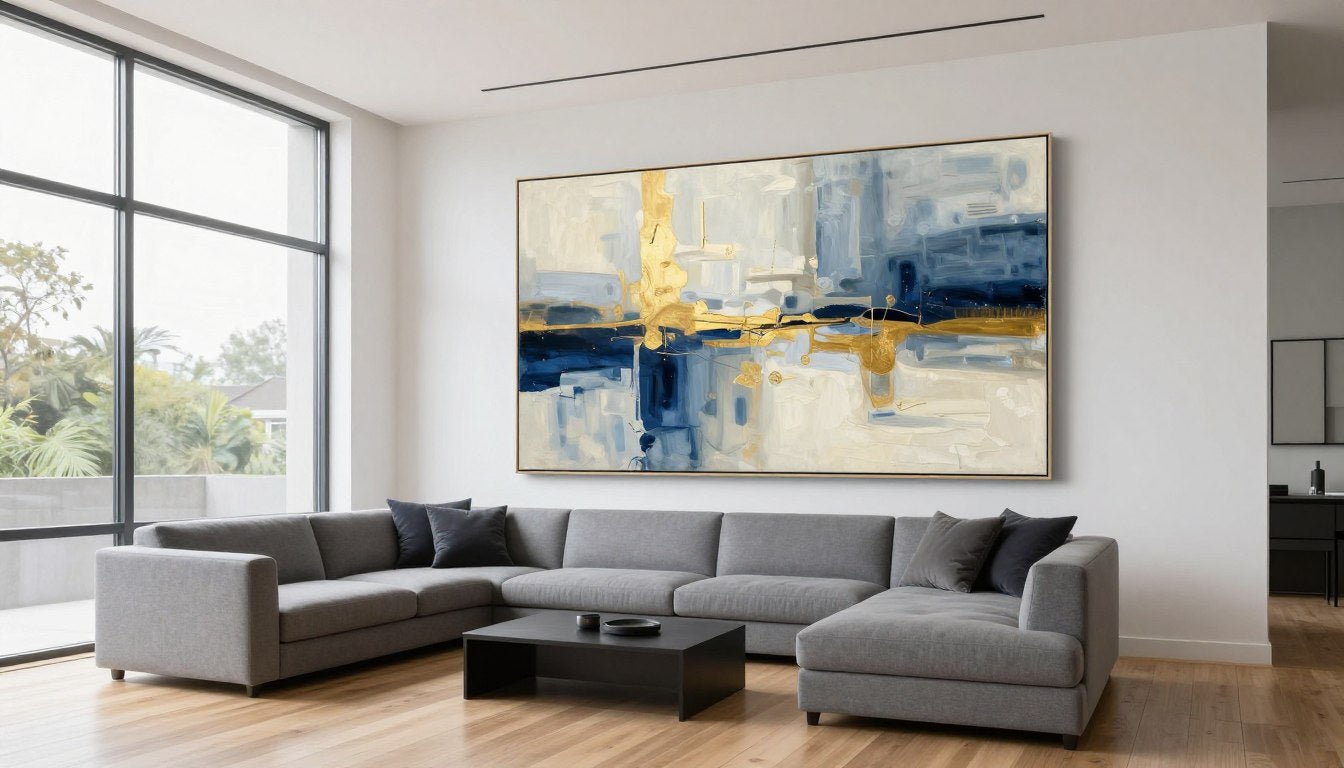
A blank wall stretches fifteen feet across your living room. Furniture sits perfectly arranged, lighting creates the right atmosphere, yet something feels incomplete. That expansive wall space calls for a bold visual anchor, a piece that commands attention the moment someone enters the room.
Extra large wall art transforms empty walls into focal points that define entire spaces. These statement pieces do more than fill space—they create atmosphere, spark conversation, and reveal your design sensibility.
The right oversized artwork can make high ceilings feel purposeful. It can unite disparate furniture pieces under a cohesive visual theme. It adds depth and energy to rooms that otherwise feel flat or lifeless.

What Qualifies as Extra Large Wall Art
The term "extra large wall art" refers to pieces measuring at least 40 inches on their shortest side. Most extra large pieces range from 40x60 inches to 60x90 inches or larger.
These dimensions create presence that smaller artwork cannot achieve. An extra large piece becomes the room's visual anchor, drawing eyes immediately upon entry.
Industry standards categorize wall art sizes this way:
- Small: up to 20 inches on the longest side
- Medium: 20 to 30 inches
- Large: 30 to 40 inches
- Extra Large: 40 inches and above
- Oversized: 60 inches and above
The distinction between large and extra large wall art matters for design impact. A 36-inch piece might work above a console table, but a 60-inch canvas transforms an entire wall into an art moment.

Scale Creates Visual Weight
Big wall art carries visual weight that smaller pieces lack. This weight balances architectural elements like tall windows, expansive walls, or high ceilings.
In rooms with 10-foot ceilings, standard 24x36-inch artwork often appears lost. An oversized wall art piece measuring 48x72 inches fills the vertical space appropriately, creating proportion that feels intentional rather than accidental.
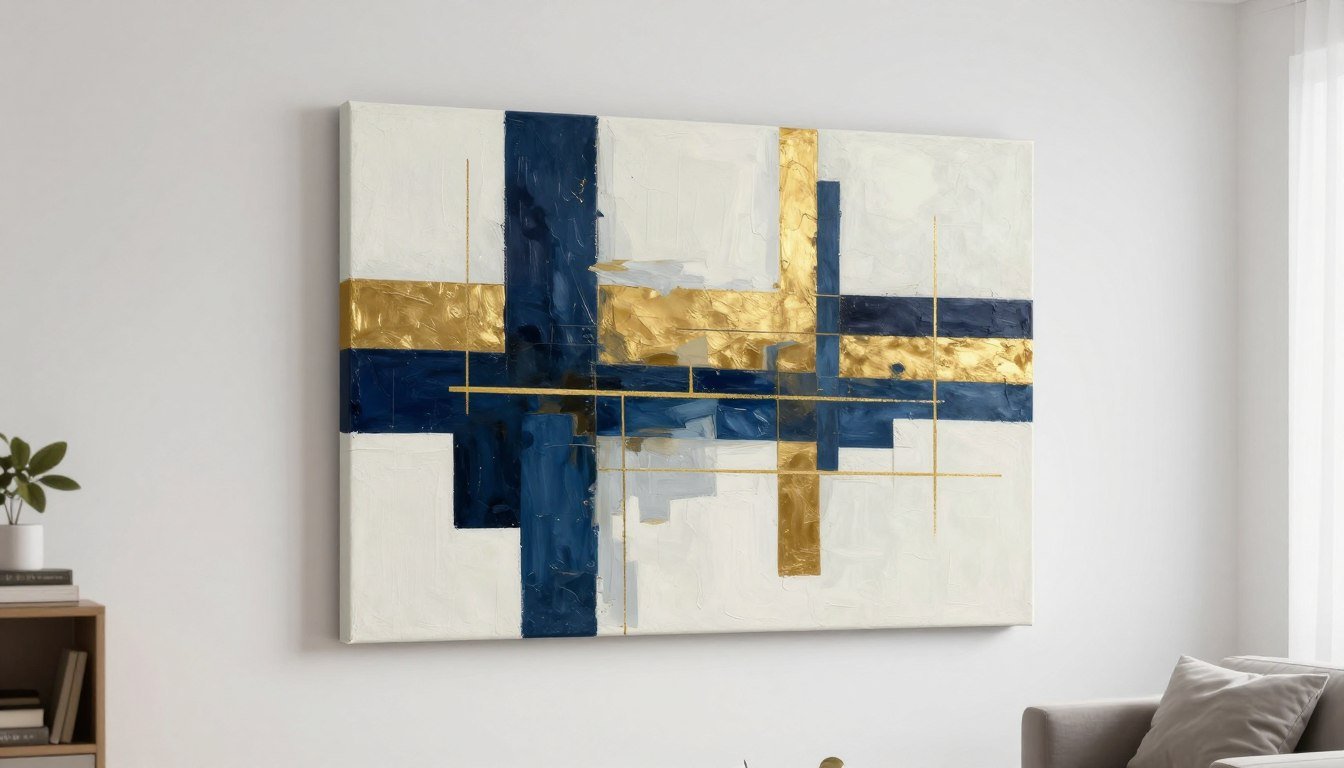
Gallery-quality canvas prints from Rossetti Art's abstract collection demonstrate how scale transforms perception. A bold geometric design at 50x70 inches commands attention in ways a smaller version cannot replicate.
Material Considerations for Large Formats
Extra large wall art requires sturdy construction. Hand-stretched canvas over wood frames provides durability that paper prints cannot match at these dimensions.
Quality matters more as size increases. Pixelation and print quality issues become more apparent on big wall decor. Archival inks and UV-resistant coatings protect investment pieces from fading over time.
Canvas art at large scales needs proper stretching to prevent sagging. Professional gallery wrapping around pine wood frames ensures the piece maintains its shape for years.

Choosing the Right Size for Your Wall
Selecting oversized wall art requires measuring both your wall space and surrounding furniture. The right piece fills space without overwhelming the room or appearing cramped.
Start by measuring your wall's width and height. For walls above furniture, measure the furniture width as well. Your artwork should relate proportionally to both elements.
The Two-Thirds Rule
Interior designers use a simple guideline: wall art above furniture should span two-thirds to three-quarters of the furniture's width.
For an 8-foot sofa (96 inches), look for art measuring 64 to 72 inches wide. This proportion creates visual balance without leaving awkward gaps or extending beyond the furniture edges.
The rule applies to console tables, beds, and dining room buffets. A 60-inch console needs art approximately 40 to 45 inches wide.

Quick Sizing Formula
Measure your furniture width in inches. Multiply by 0.67 for minimum art width. Multiply by 0.75 for maximum width.
Example: 84-inch dining table × 0.67 = 56 inches minimum. 84 × 0.75 = 63 inches maximum.
Your ideal large wall art falls within this 56 to 63-inch range.
Empty Wall Calculations
Walls without furniture below require different considerations. Measure the wall and aim to fill 50 to 75 percent of the available space.
A 120-inch wide wall (10 feet) accommodates art from 60 to 90 inches wide. This leaves appropriate breathing room while making a statement.
Consider the room's purpose and traffic flow. Entryways can handle bolder proportions. Hallways need narrower pieces that don't visually block the passage.
[YOUTUBE VIDEO — https://youtu.be/EtnpEMViJdo?t=1]Vertical Space Matters Too
Height calculations follow similar principles. Art pieces should relate to ceiling height and available wall space between architectural features.
For standard 8-foot ceilings, extra large wall art typically maxes out around 48 to 60 inches tall. Taller ceilings accommodate proportionally taller pieces.
In rooms with 12-foot ceilings, don't hesitate to go big wall art—pieces measuring 60x80 inches or even 70x90 inches create appropriate scale for the space.

Using the Size Calculator Tool
📐 Not sure what size to choose? Use our free Wall Art Size Calculator → https://rossettiart.com/blogs/news/wall-art-size-calculator
This tool accounts for wall dimensions, furniture size, and ceiling height to recommend appropriate canvas dimensions. Input your measurements to receive instant sizing guidance tailored to your specific space.
Best Rooms for Oversized Wall Art
Certain rooms benefit most from extra large wall art. These spaces have the physical dimensions and visual importance to showcase statement pieces effectively.
Living rooms top the list. As gathering spaces where families relax and guests congregate, living areas need focal points that anchor the design and create conversation.
Living Room Opportunities
The wall behind your sofa presents prime real estate for big wall art. This location draws attention naturally as people enter the room.
Oversized wall art above the sofa creates a finished, intentional look. It fills vertical space that otherwise feels empty, especially in homes with vaulted or high ceilings.
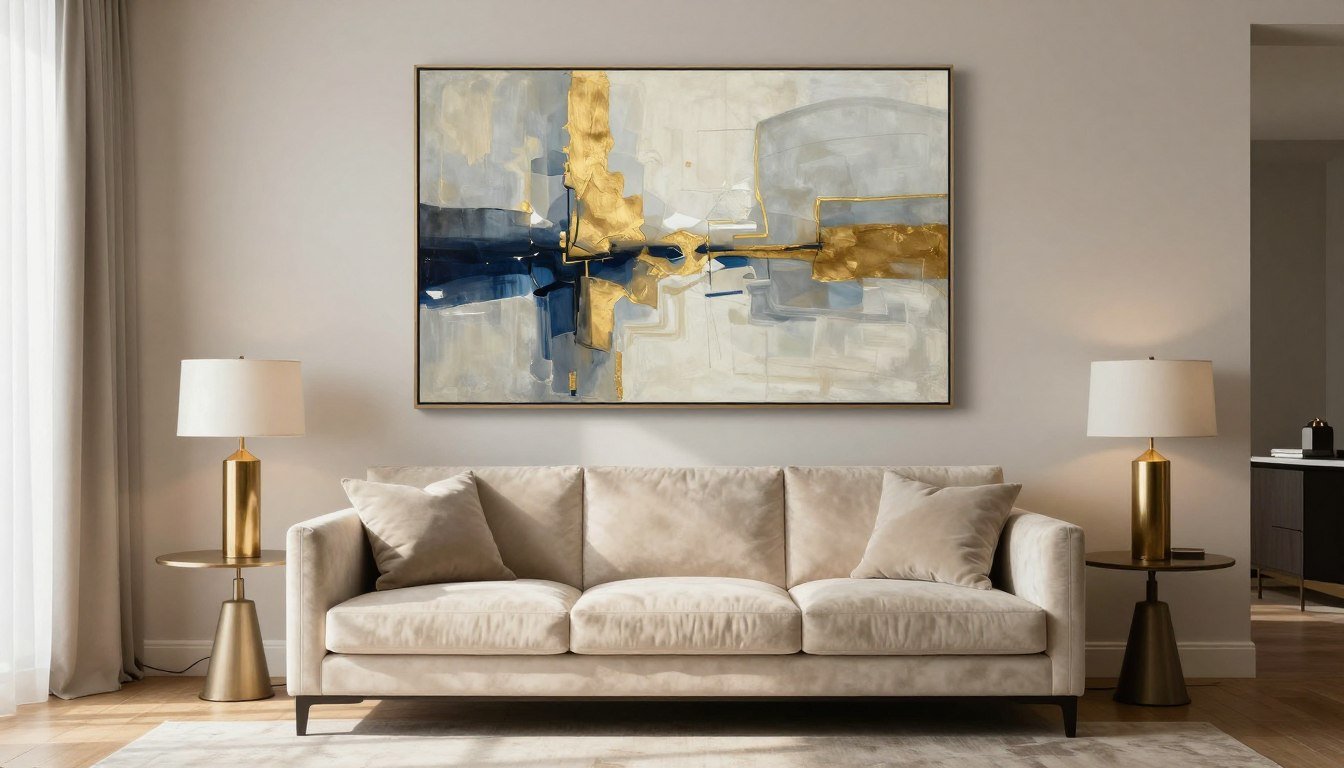
Choose pieces that complement your furniture colors without matching exactly. A navy and gold abstract canvas print works beautifully above a gray or cream sofa, adding visual interest through contrast.

Dining Room Drama
Dining rooms offer another excellent location for large wall art. The wall adjacent to or behind the dining table becomes a backdrop for meals and gatherings.
Oversized art in dining spaces adds sophistication and creates ambiance for dinner parties. The scale makes the room feel more formal and intentionally designed.
Consider botanical wall art prints for dining areas. Nature-inspired pieces measuring 50x70 inches bring organic energy to meal spaces.
Position artwork at eye level when seated. This typically means hanging the center point around 54 to 60 inches from the floor, lower than standard hanging height.

Dining Room Sizing
For standard dining tables (60 to 84 inches), select art measuring 40 to 65 inches wide. Buffets and sideboards typically need pieces 40 to 50 inches wide.

Style Selection
Match your dining room formality. Traditional spaces suit portrait canvas prints. Modern dining rooms shine with cityscape prints.
Bedroom Serenity
Bedrooms accommodate extra large wall art above the headboard. This location creates a hotel-like luxury feel while providing a calming visual focus.
Choose artwork wider than your bed frame. For queen beds (60 inches wide), look for art measuring 50 to 60 inches. King beds (76 inches) need pieces 60 to 75 inches wide.
Bedroom art should promote relaxation. Soft colors, abstract compositions, and nature themes work better than energetic or bold pieces that might disrupt sleep.

Entryway Statements
First impressions matter. Oversized art in entryways or foyers announces your design aesthetic immediately as guests arrive.
Entryway walls often run narrow but tall. Vertical pieces measuring 36x60 or 40x70 inches work well in these spaces, filling height without overwhelming limited width.
Bold colors or dramatic subjects create impact in entries where viewing time is brief. People pass through quickly, so the art needs immediate visual power.
Home Office Authority
Home offices benefit from large wall art that adds personality to workspaces. A statement piece behind your desk creates a professional backdrop for video calls.
Choose art that inspires productivity without distraction. Geometric abstracts, line art, or minimalist designs provide visual interest that energizes without overwhelming focus.
Office art should span 50 to 70 percent of desk width. For a 60-inch desk, consider pieces 30 to 42 inches wide.

Ready to Transform Your Space?
Explore Rossetti Art's collection of gallery-quality canvas prints, hand-stretched over durable hardwood frames with archival inks for lasting beauty. From abstract to botanical, find pieces that command attention and define your space.
Style Considerations for Large Wall Art
Style selection impacts how extra large wall art integrates with your existing decor. The right style complements your room's design language while adding personality and visual depth.
Consider your room's current aesthetic. Modern minimalist spaces need different artwork than traditional or eclectic interiors.
Abstract and Geometric Designs
Abstract canvas art works in virtually any setting. The lack of literal imagery allows interpretation, making abstract pieces versatile focal points.
Large abstract pieces add energy to modern and contemporary spaces. Bold colors create vibrant focal points. Muted abstracts in neutrals provide sophisticated backgrounds that don't compete with furniture.
Geometric designs bring structure and order. Shapes and lines create movement that draws eyes across the composition, making rooms feel more dynamic.

For maximum impact, explore abstract and geometric canvas prints that transform walls into art moments. These pieces work especially well in living rooms and offices where bold visual statements enhance the space.
Nature and Botanical Themes
Botanical wall art prints bring organic calm to interiors. Oversized nature themes create serene atmospheres perfect for bedrooms and dining spaces.
Large-scale botanical prints make dramatic statements without aggression. A 60-inch canvas showing tropical leaves or delicate flowers adds life and freshness.
Nature artwork connects indoor spaces to the outdoors. In urban apartments or homes lacking views, big wall decor featuring landscapes or plants provides that missing connection.

Discover botanical wall art that brings natural beauty indoors at scale. These pieces excel in creating calm, inviting environments.
Portrait and Figurative Art
Figurative and portrait pieces add humanity to spaces. Large-scale portraits create intimacy and emotional connection that abstract art cannot achieve.
Black and white portraits work particularly well at large sizes. The simplified palette focuses attention on form, expression, and composition.
Fashion photography, artistic nudes, or celebrity portraits scaled to 50x70 inches make powerful statements in bedrooms, dressing areas, or creative spaces.

Cityscape and Urban Art
Urban landscapes and cityscapes suit contemporary homes and apartments. Skylines, architecture, and street photography at large scale add cosmopolitan energy.
Black and white cityscape prints create sophistication. Color versions can be bold or muted depending on your palette preferences.
These pieces work especially well in modern dining rooms, home offices, and living spaces with industrial or urban-inspired decor.
Color Coordination Strategies
Color selection in large wall art significantly impacts room atmosphere. Bold colors energize spaces, while muted tones create calm.
Pull colors from your existing palette. If your room features navy pillows and gold accents, artwork incorporating these colors creates cohesion.
Alternatively, use art to introduce new colors. A neutral room gains personality from a piece with bold orange or deep green.
Monochromatic Approach
Black and white or single-color pieces work universally. They add visual interest without color coordination concerns.
Black and white canvas prints provide timeless sophistication that transcends trends.

Multi-Panel Canvas Sets
Canvas print sets offer an alternative to single large pieces. Multi-panel art spreads one image across two, three, or more canvases.
Triptychs (three panels) work well above sofas or beds. The panels create visual interest through separation while maintaining cohesive imagery.
Sets allow flexible arrangement. Hang panels close together for a unified look or space them apart for a gallery wall effect.

Browse canvas print sets for curated multi-piece solutions that create oversized impact through multiple coordinated panels.
Placement and Hanging Tips for Extra Large Wall Art
Proper placement ensures your extra large wall art looks intentional and professional. Height, spacing, and mounting methods all contribute to the final impact.
Incorrect hanging diminishes even the most beautiful artwork. Too high, and pieces disconnect from furniture. Too low, and they appear to sit on surfaces rather than hang above them.
Standard Hanging Height
The art world standard places artwork center at 57 to 60 inches from the floor. This eye-level measurement works for galleries and most homes.
For large wall art, measure to the piece's center point, not its bottom edge. Calculate where the center falls, then position accordingly.
Example: A 48-inch tall canvas should have its center at 58 inches from floor. This means the bottom edge sits at 34 inches (58 minus 24).
Quick Formula: Measure 58 inches from floor. Mark lightly. This is your center point. Measure half your artwork height up from this mark to find top. Measure half down to find bottom. This establishes correct positioning.
Above Furniture Adjustments
Art above furniture requires lower positioning. The piece should relate to the furniture below, not float independently.
Hang artwork 6 to 8 inches above furniture tops. For a sofa with a 32-inch back height, the art's bottom edge should sit at 38 to 40 inches from floor.
This spacing connects the art to furniture visually while providing breathing room. Too close (under 4 inches), and they appear cramped. Too far (over 12 inches), and they disconnect.

Mounting Methods for Heavy Pieces
Extra large wall art weighs substantially. A 60x40-inch canvas with wood frame can weigh 15 to 25 pounds. Proper mounting hardware prevents accidents.
Never use picture hooks alone for pieces over 15 pounds. Use wall anchors or screws into studs for secure mounting.
For drywall without studs, heavy-duty wall anchors rated for 50+ pounds provide security. Install two mounting points rather than one to distribute weight.
- Screw directly into wall studs
- Heavy-duty wall anchors (50+ lb rating)
- D-rings with wire on frame back
- Two mounting points for weight distribution
- Professional picture hanging systems
Secure Mounting Methods
- Single lightweight picture hook
- Adhesive strips for heavy art
- Nails in drywall without anchors
- Mounting on single center point only
- Wire rated below artwork weight
Avoid These Methods
Using a Level and Measuring Tools
Professional results require proper tools. A level ensures artwork hangs straight. A tape measure confirms accurate spacing.
Mark lightly with pencil before committing. Hold artwork against wall or use paper templates to visualize final placement.
For multi-panel pieces, measure spacing carefully. Consistent gaps between panels (2 to 4 inches) create polished looks.
Lighting Considerations
Lighting dramatically affects how artwork appears. Natural light reveals colors accurately but can cause fading without UV protection.
UV-resistant coatings protect canvas art from sun damage. Hand-stretched canvases with archival inks and protective finishes maintain color integrity over years.
Add picture lights or track lighting to highlight evening artwork. Position lights at 30-degree angles approximately 12 to 18 inches from the wall to minimize glare.

Gallery Wall Alternative
Instead of one oversized piece, create gallery walls with multiple smaller works. This approach fills large wall space with varied artwork.
Gallery walls work well on staircase walls, long hallways, or above console tables where single pieces might look odd.
Plan layouts on the floor first. Arrange pieces until composition feels balanced, then transfer measurements to wall.
Maintain consistent spacing (2 to 3 inches) between frames for cohesive appearance. Mix sizes but keep frame styles or colors unified.
Framing and Material Options for Extra Large Wall Art
Material and framing choices affect both appearance and longevity of large wall art. Quality construction ensures your investment maintains beauty for years.
Canvas remains the most popular medium for oversized wall art. It's lightweight relative to size, durable, and presents art beautifully without glass glare.
Gallery-Wrapped Canvas
Gallery wrap refers to canvas stretched around frame sides, with the image continuing around edges. This frameless finish creates contemporary, clean aesthetics.
Gallery-quality canvas prints look polished straight from the box. No additional framing is needed, reducing cost and installation complexity.
Hand-stretched canvas over pine wood frames provides structure that prevents warping or sagging over time. The stretcher bars should measure at least 1.5 inches deep for extra large pieces.

Wood Frame Options
Adding wood frames to canvas provides traditional elegance. Frames protect edges and add visual weight to large pieces.
Pine wood frames offer lightweight durability. Natural wood tones work with most decor styles from rustic to contemporary.
Oak floater frames create a modern look where canvas appears to float within the frame. A small gap between canvas and frame adds dimension and sophistication.
Frame width matters for large art. Thin frames (0.75 to 1 inch) work on pieces up to 40 inches. Larger works need proportionally wider frames (1.5 to 2.5 inches) for visual balance.
Print Quality and Inks
Archival inks ensure colors remain vibrant decades after purchase. These museum-quality inks resist fading from light exposure better than standard printing.
UV-resistant coatings add another layer of protection. This finish blocks harmful ultraviolet rays that degrade pigments over time.
Print resolution matters more at large sizes. Images need high resolution (at least 150 DPI at final size) to avoid pixelation or blurriness.
Made to Order Advantage: Custom canvas prints created on demand ensure optimal print quality for your specific size. Mass-produced prints often compromise resolution to fit multiple sizes, but made-to-order pieces maintain image integrity at any dimension.
Canvas Weight and Texture
Canvas weight affects durability and appearance. Heavier canvas (12 to 16 oz per square yard) resists damage better than lightweight options.
Canvas texture adds dimension to prints. Fine weave creates smooth finishes suitable for detailed images. Coarse weave adds artistic texture that enhances abstract or painterly designs.
Quality canvas accepts ink evenly without bleeding or color variation. The weave should be consistent across the entire surface.

Acrylic and Metal Prints
Alternative materials offer different aesthetics. Acrylic prints sandwich images between clear acrylic sheets, creating glossy, vibrant displays.
Metal prints infuse ink into aluminum sheets. The result is incredibly durable artwork with unique luminosity and color depth.
Both options work well for contemporary spaces. They're more expensive than canvas but offer distinct modern appearances.
Maintenance and Care
Extra large wall art requires minimal maintenance when properly constructed. Dust occasionally with soft, dry cloths.
Avoid harsh cleaners or water on canvas prints. If cleaning is necessary, use barely damp cloth and blot rather than rub.
Keep artwork away from direct heat sources like radiators or fireplaces. Extreme temperature changes can damage canvas or frames over time.
UV protection and archival materials minimize maintenance needs. Quality pieces maintain appearance with only occasional dusting for years.
Frequently Asked Questions About Extra Large Wall Art
Q: What is considered extra large wall art?
A: Extra large wall art refers to pieces measuring at least 40 inches on the shortest side. Most range from 40x60 inches to 60x90 inches or larger. These dimensions create significant visual presence that transforms entire walls into focal points.
The distinction from regular large art matters for impact—a 40+ inch piece commands attention in ways smaller artwork cannot achieve, making it ideal for spacious living rooms, above king beds, or on prominent accent walls.
Q: How do I choose the right size artwork for my wall?
A: Use the two-thirds rule for furniture: artwork should span 66-75% of furniture width below it. For a 90-inch sofa, choose art 60-68 inches wide. For empty walls, fill 50-75% of available wall space.
Measure your wall and furniture dimensions first. Account for ceiling height too—rooms with 10+ foot ceilings accommodate proportionally taller pieces. Our free size calculator provides specific recommendations based on your measurements.
Q: Where should I hang large wall art in my home?
A: Best locations include above sofas in living rooms, behind dining tables, over bed headboards, and in entryways. These high-visibility spots benefit most from statement pieces.
Hang art center at 57-60 inches from floor for standalone pieces. Above furniture, position the bottom edge 6-8 inches above furniture tops. This spacing creates visual connection while providing breathing room.
Q: How much does extra large canvas art typically weigh?
A: A 60x40-inch canvas with wood stretcher typically weighs 15-25 pounds. Larger pieces (70x50 inches) can reach 30-40 pounds depending on frame depth and materials.
Use heavy-duty wall anchors rated for 50+ pounds or mount directly into wall studs. Install two mounting points to distribute weight evenly. Never rely on single picture hooks for pieces over 15 pounds.
Q: What style of large wall art works best for modern homes?
A: Abstract and geometric designs complement modern aesthetics perfectly. Bold colors add energy while muted abstracts provide sophisticated backgrounds. Abstract canvas prints work versatilely across minimalist to contemporary styles.
Black and white pieces, line art, and cityscape prints also suit modern interiors. These styles create impact without overwhelming clean-lined furniture and neutral palettes.
Q: Should I frame canvas prints or hang them unframed?
A: Gallery-wrapped canvas prints look polished without frames. The contemporary frameless finish works in most settings and eliminates additional cost.
Add wood frames for traditional spaces or when you want extra visual weight. Oak floater frames create modern sophistication where canvas appears suspended. Choose based on your decor style—both options look professional when executed well.
Q: How do I prevent large canvas art from fading?
A: Choose prints made with archival inks and UV-resistant coatings. These protective finishes block harmful ultraviolet rays that degrade pigments over time.
Avoid hanging artwork in direct sunlight if possible. If sun exposure is unavoidable, UV-protective glazing or museum-quality prints with fade-resistant treatments maintain color integrity for decades. Quality materials matter significantly for longevity.
Q: Can I hang multiple pieces instead of one large artwork?
A: Yes, gallery walls or canvas print sets create similar impact. Multi-panel art spreads one image across multiple canvases, maintaining cohesion while filling space.
Canvas print sets offer curated solutions that work together as unified compositions. Maintain 2-3 inch consistent spacing between pieces for professional appearance.
Transform Empty Walls into Art Moments
Extra large wall art does more than decorate—it defines spaces, creates atmosphere, and expresses personality at a scale impossible for smaller pieces.
The right oversized artwork transforms that empty living room wall into a conversation starter. It turns your bedroom into a personal sanctuary. It makes dining spaces feel intentionally designed rather than accidentally furnished.
Size matters when creating visual impact. Those expansive walls need proportional art that relates to your room's dimensions and furniture scale. The two-thirds rule, proper hanging height, and quality materials ensure professional results.
Whether you choose bold abstract compositions, serene botanical prints, or dramatic portraits, extra large canvas art commands attention and anchors your design vision.
Gallery-quality construction matters at these dimensions. Hand-stretched canvas over durable wood frames, archival inks, and UV-resistant finishes protect your investment while maintaining beauty for years.

Ready to transform your space? Explore our curated collection of abstract canvas prints, botanical wall art, and canvas print sets designed to make every wall a masterpiece.
Discover Your Perfect Statement Piece
Rossetti Art offers gallery-quality canvas prints made to order with hand-stretched construction, archival inks, and durable hardwood frames. Find artwork that transforms your space from ordinary to extraordinary.

About the Author
Chiara Rossetti
Chiara Rossetti is the founder of Rossetti Art, a canvas print and original art brand. She writes about interior design, wall art styling, and the art of making a home feel alive.

Leave a comment
This site is protected by hCaptcha and the hCaptcha Privacy Policy and Terms of Service apply.