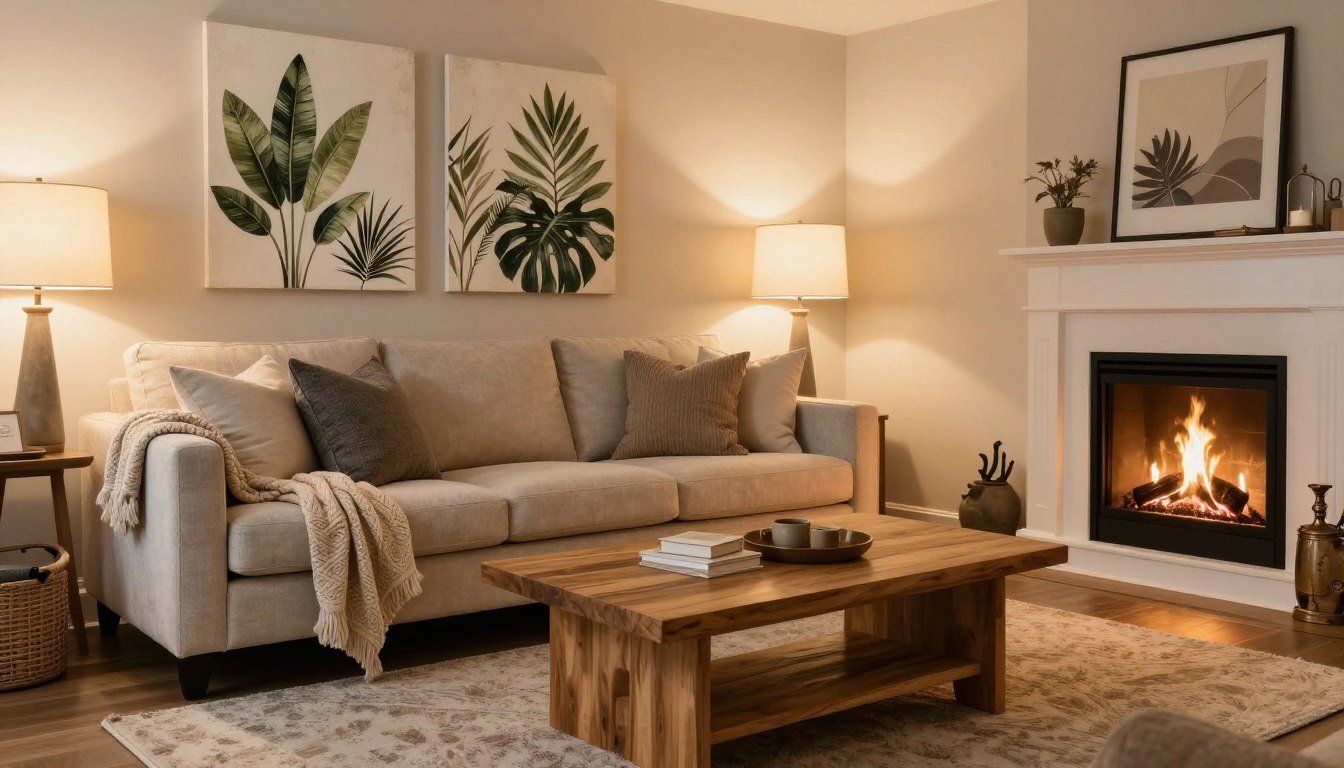

Creating a cozy living room doesn't happen by accident. It takes thoughtful choices and the right decor items to transform a cold space into a warm sanctuary. Your living room serves as the heart of your home where family gathers and memories form.
The secret lies in layering textures, choosing warm colors, and selecting furniture that invites relaxation. Small changes can make a big difference in how your room feels.
This guide reveals the must-have decor items for a cozy living room that interior designers rely on. You'll discover practical tips that work in small spaces and large rooms alike.
The Foundation: Comfortable Seating That Invites Relaxation

Choosing the Right Sofa for Your Space
Your sofa sets the tone for your entire living room. A well-chosen piece creates an anchor for the space and determines how comfortable your room feels. Interior designers recommend selecting a sofa that fits your room's scale while providing ample seating.
Consider a sectional for larger living rooms or open floor plans. These versatile pieces maximize seating without cluttering the space. For small spaces, a loveseat or apartment-sized sofa works better.
The fabric matters as much as the style. Soft, durable materials like linen or performance fabrics combine comfort with practicality. Leather and velvet add luxury but require more maintenance.
Layering with Accent Chairs
Accent chairs add personality and extra seating to your living room. These pieces fill empty corners and create conversation areas. Choose chairs that complement your sofa without matching exactly.
A cozy armchair near a window creates the perfect reading nook. Add a small side table and you have a functional space within your larger room. Designers often mix different chair styles for visual interest.
Consider scale when selecting chairs. Oversized pieces overwhelm small spaces while tiny chairs look lost in large rooms. The goal is balance across all your furnishings.
The Power of Throw Pillows
Throw pillows transform ordinary seating into cozy retreats. These affordable accessories add color, texture, and comfort to sofas and chairs. Interior designers recommend using odd numbers of pillows for the most appealing arrangements.
Mix different sizes and textures for visual interest. Combine large square pillows with smaller lumbar styles. Vary fabrics between velvet, linen, and knit materials.
Change pillow covers seasonally to refresh your room without major purchases. This simple swap keeps your space feeling current and cozy year-round.
Art That Creates Atmosphere

Warm Abstract Harmony
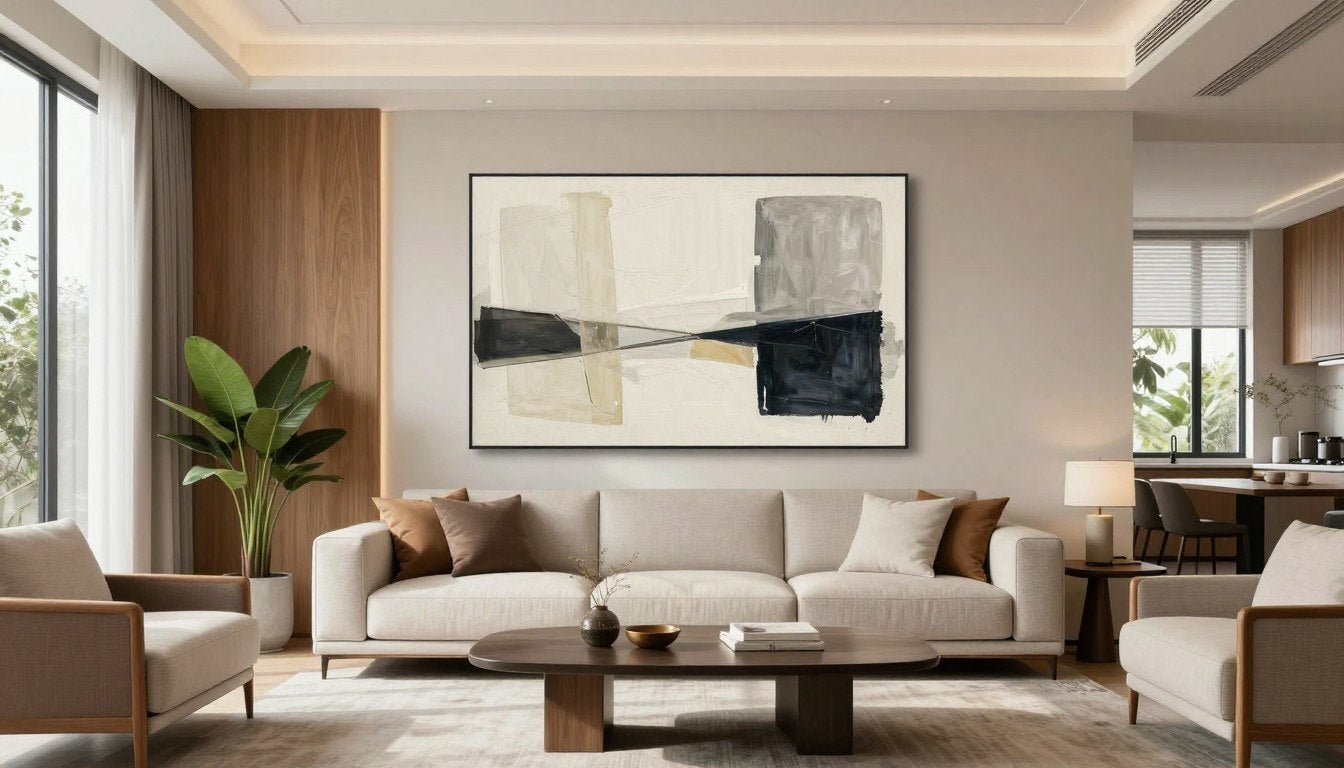
This abstract geometric piece brings warmth through earthy tones and organic shapes. The layered composition creates visual depth while maintaining a calming presence. Perfect for modern and transitional living rooms seeking sophisticated comfort.

Botanical Serenity
Bring nature indoors with botanical wall art that creates instant tranquility. Green tones promote relaxation while connecting your interior to the natural world. These prints work beautifully in spaces with natural wood elements and organic textures.

Timeless Portraits
Black and white portrait art adds sophistication and emotional depth to cozy spaces. The monochromatic palette creates focal points without overwhelming your color scheme. These pieces anchor minimalist and modern living room designs with artistic gravitas.
If you love warm, inviting spaces, these three prints bring that cozy mood into your room. Each piece serves as more than decoration. They create atmosphere and reflect your personal style while anchoring your design scheme.
The right artwork transforms blank walls into focal points. Interior designers treat art selection as seriously as furniture choices because it dramatically impacts how a room feels. Quality canvas prints create the same impact as original paintings at a fraction of the cost.
Essential Lighting Layers for Warmth

Table Lamps as Functional Art
Table lamps serve double duty in creating cozy living room decor. They provide essential task lighting while acting as decorative elements. Place lamps on side tables flanking your sofa for balanced illumination.
Choose lamp bases that complement your design style. Ceramic bases work in traditional spaces while metal or wood suits modern aesthetics. The shade material affects the quality and color of light.
Designers recommend using bulbs with warm color temperatures between 2700K and 3000K. This range creates the inviting glow that makes a living room feel cozy. Avoid cool blue-toned bulbs that feel clinical.
Floor Lamps for Ambient Light
Floor lamps fill vertical space and provide ambient lighting from different heights. Arc floor lamps create dramatic effects by casting light from unexpected angles. Traditional floor lamps work in corners where table lamps won't fit.
Position floor lamps behind seating to create reading light without glare. This placement also highlights textures in your furnishings and wall art. Dimmer switches give you control over mood and intensity.
Consider multi-arm floor lamps for flexibility. These adjustable pieces direct light where you need it most while maintaining design cohesion.
The Magic of String Lights and Candles
String lights aren't just for holidays. Draped along bookshelves or around mirrors, they add twinkling ambient light that feels magical. LED string lights offer energy efficiency and safety.
Candles create instant coziness through flickering light and pleasant scents. Group candles of varying heights on coffee tables or mantels. Battery-operated LED candles provide the same visual effect without fire risk.
Layer different light sources to create depth and interest. Combine overhead lighting with table lamps, floor lamps, and accent lights for maximum coziness.
Textiles and Soft Furnishings That Add Warmth

Area Rugs That Define Space
An area rug anchors your furniture arrangement and adds warmth underfoot. The right rug makes your living room feel finished and intentional. Interior designers recommend choosing rugs large enough that front furniture legs rest on them.
Natural fiber rugs like jute or sisal add texture in casual spaces. Wool rugs provide softness and durability for high-traffic living rooms. Synthetic rugs offer affordability and easy maintenance for families with children or pets.
Layer rugs for added dimension in eclectic spaces. Place a smaller patterned rug over a larger neutral base. This technique works especially well in small spaces where oversized rugs overwhelm.
The area rug color should complement your overall palette. Neutral rugs provide flexibility for changing decor while bold patterns make strong statements that require commitment.
Throw Blankets for Instant Coziness
Throw blankets invite snuggling and add visual texture to seating. Drape them over sofa arms or fold them in decorative baskets nearby. Keep throws accessible so family and guests actually use them.
Choose different textures for seasonal variation. Chunky knit throws feel perfect for winter while lightweight cotton works in summer. Faux fur adds luxury and warmth to modern and traditional spaces alike.
Color coordination matters but doesn't require exact matching. Select throw colors that appear in your living room art or accent pillows for cohesive design.
Window Treatments That Control Light
Curtains and blinds affect both privacy and ambiance in your living room. Heavy drapes create drama and block light completely. Sheer curtains filter natural light while maintaining privacy during the day.
Hang curtain rods close to the ceiling to make walls appear taller. Extend rods beyond window frames so curtains stack without blocking glass when open. These tricks maximize natural light and create better proportions.
Layered window treatments offer maximum flexibility. Combine sheer panels with blackout curtains to control light throughout the day. This approach works particularly well in living rooms that serve multiple purposes.
The Coffee Table as a Centerpiece

Choosing the Right Coffee Table Size and Style
Your coffee table serves as the functional and visual center of your seating arrangement. Choose a piece that sits about the same height as your sofa cushions for comfortable reach. The table should be roughly two-thirds the length of your sofa.
Wood coffee tables add natural warmth to any living room style. Glass tables create openness in small spaces while metal and marble bring modern sophistication. Consider storage options like drawers or lower shelves for practical functionality.
Round coffee tables work better in tight spaces and with sectional sofas. Rectangular tables suit traditional furniture arrangements and larger rooms. Oval tables offer compromise between these shapes.
Styling Your Coffee Table Surface
A well-styled coffee table looks intentional without appearing cluttered. Interior designers recommend the rule of three when selecting decorative objects. Group items in odd numbers for the most pleasing arrangements.
Start with books as your base layer. Stack two or three large design or photography books to add height. Place a decorative object like a small sculpture or vase on top of the stack.
Add a tray to corral smaller items like candles or coasters. This creates organization while maintaining style. Leave empty space on the table surface so it remains functional for drinks and snacks.
Incorporate natural elements like fresh flowers or a small plant. Greenery adds life and color to your coffee table display. Change these elements seasonally to keep your living room feeling fresh.
Practical Accessories for Daily Use
Beautiful coasters protect your coffee table while adding design interest. Choose materials that complement your table surface. Marble coasters suit modern spaces while wooden ones work in traditional rooms.
A decorative box or basket holds remote controls and keeps them accessible but hidden. This simple addition maintains the styled look of your coffee table during daily use.
Consider a coffee table book collection that reflects your interests. These pieces spark conversation and reveal personality. Rotate books periodically to keep your display feeling current.
Wall Decor Beyond Art

Mirrors That Expand Space
Mirrors work magic in living rooms by reflecting light and creating the illusion of more space. Position mirrors across from windows to maximize natural light distribution. This technique brightens dark corners and makes small spaces feel larger.
Large statement mirrors serve as focal points above sofas or fireplaces. Ornate frames add traditional elegance while simple frames suit modern aesthetics. Round mirrors soften angular furniture arrangements.
Group smaller mirrors in gallery wall arrangements for eclectic style. Mix mirror shapes and frame styles for dynamic visual interest. This approach works especially well in transitional living room designs.
Floating Shelves for Display and Storage
Floating shelves add functional storage without the bulk of traditional bookcases. Install them in groupings to create asymmetrical arrangements that feel modern and intentional. Use shelves to display books, plants, and decorative objects.
Wood shelves bring natural warmth while metal shelves suit industrial spaces. Consider the shelf depth based on what you'll display. Shallow shelves work for frames and small objects while deeper versions hold books and larger pieces.
Style shelves with varying heights and textures. Lean framed art against the wall instead of hanging it. Intersperse books with small plants and sculptural objects for visual rhythm.
Architectural Elements and Accent Walls
Wall paneling adds architectural interest and texture to plain walls. Board and batten creates traditional charm while simple paneling suits modern spaces. Paint paneling in contrasting colors for maximum impact.
Accent walls draw attention without overwhelming your room. Choose one wall to paint in a bold color or cover with wallpaper. This technique works best on walls with architectural features or behind key furniture pieces.
Exposed brick or stone walls add instant character and texture. If your space lacks these features, consider removable wallpaper that mimics these materials. The texture creates depth and visual warmth.
Match This Cozy Vibe to Your Space
Whether you lean toward modern minimalism, warm bohemian style, or classic elegance, curated art collections help you find pieces that feel like home. Discover canvas prints organized by style, color palette, and room to make selection effortless.

The Fireplace as a Natural Focal Point

Styling Your Mantel
A fireplace mantel provides the perfect platform for creating visual interest. Start with a large piece of art or mirror centered above the mantel as your anchor. This establishes scale for everything else you add.
Flank your central piece with matching or complementary objects like candlesticks or vases. This symmetrical arrangement feels classic and balanced. For more casual spaces, use asymmetrical groupings with varied heights.
Layer items at different depths on the mantel surface. Place some objects against the wall and others toward the front edge. This creates dimension and prevents a flat, one-dimensional look.
Change mantel decor seasonally to keep your living room feeling fresh. Swap out accessories while keeping key anchor pieces in place. This approach maintains cohesion while allowing for variety throughout the year.
Creating a Faux Fireplace Effect
Not every living room has a fireplace, but you can create similar warmth through design. Electric fireplaces offer realistic flames without construction requirements. Many models include heating elements for functional warmth.
Built-in shelving around a television can mimic fireplace proportions. Add abstract canvas prints above the unit to create a focal point. Flank with matching lamps or plants for balance.
Candle groupings in various heights create the visual warmth of a fireplace. Arrange pillar candles on a decorative tray or directly on a low console table. Battery-operated LED candles provide safety without sacrificing ambiance.
Fireside Seating Arrangements
Arrange seating to take advantage of your fireplace focal point. Position your sofa perpendicular to the fireplace with chairs angled to face it. This creates natural conversation areas that feel intimate and cozy.
Small spaces benefit from floating furniture away from walls. Place a sofa facing the fireplace with space behind for circulation. This arrangement makes rooms feel larger while maintaining the fireplace as the room's center.
Add a plush area rug in front of the fireplace to define the seating area. This grounds your furniture arrangement and adds warmth underfoot. Choose rug materials that can withstand heat if you have a working fireplace.
Incorporating Natural Elements and Plants

Low-Maintenance Plants for Living Rooms
Indoor plants bring life and color to your living room while improving air quality. Choose varieties that thrive in your room's natural light conditions. Snake plants and pothos tolerate low light while fiddle leaf figs need bright indirect sunlight.
Large floor plants like monstera or bird of paradise create dramatic statements in empty corners. These pieces add vertical interest and fill space that might otherwise feel bare. Use decorative planters that complement your design style.
Small plants work beautifully on shelves, side tables, and coffee tables. Succulents require minimal care and add organic shapes. Group small plants in odd numbers for the most pleasing arrangements.
Natural Wood Elements
Wood brings warmth and natural texture to living room decor. Incorporate wood through furniture pieces, decorative bowls, or picture frames. Different wood tones create depth and prevent the space from feeling too matched.
A wooden coffee table provides natural warmth as your room's centerpiece. Pair it with metal or upholstered pieces for contrast. Wood side tables bring organic elements near seating areas.
Decorative wood elements like carved bowls or sculptural pieces add interest to surfaces. These accessories bring nature indoors while serving as conversation starters. Look for pieces with interesting grain patterns or unique shapes.
Stone and Natural Fiber Accents
Stone elements add earthy texture and visual weight to cozy living rooms. Marble or granite coasters bring sophistication to coffee tables. Stone bookends keep your collections organized while adding decorative interest.
Natural fiber elements like jute, sisal, and rattan create casual comfort. Baskets provide storage for throws and magazines while adding texture. Woven wall hangings bring dimension and artisanal quality.
Combine natural elements with modern pieces for balanced design. A sleek sofa pairs beautifully with a chunky wood coffee table. Metal lamps work alongside stone accessories. This mixing prevents any single style from dominating.
Color Palette and Paint Choices

Warm Neutrals as a Base
Neutral paint colors create versatile backgrounds for cozy living room decor. Warm whites, beiges, and greiges provide calm foundations that won't compete with furnishings. These colors make spaces feel larger and brighter while maintaining warmth.
Choose paint colors with warm undertones rather than cool. Beige with yellow or pink undertones feels cozier than gray-based neutrals. Test paint samples in your space before committing because lighting dramatically affects color appearance.
Neutral walls allow flexibility with accent colors in furniture and accessories. You can easily update your room's look by changing pillows and art without repainting. This approach saves money and effort over time.
Adding Bold Colors Strategically
Bold colors create energy and personality when used thoughtfully. An accent wall in deep blue or terracotta adds drama without overwhelming. Choose the wall behind your sofa or the one you see when entering the room.
Introduce bold colors through smaller elements first. Colorful throw pillows, artwork, or a statement chair let you test bolder palettes. If you love the look, expand the color to larger elements like curtains or an area rug.
Interior designers recommend the 60-30-10 rule for color distribution. Use neutral tones for 60 percent of the room, a secondary color for 30 percent, and bold accents for 10 percent. This creates balance and prevents color overload.
Seasonal Color Adjustments
Adjust accent colors seasonally to keep your living room feeling fresh and current. Swap pillow covers and throws from warm tones in fall and winter to lighter hues in spring and summer.
Art rotation offers another way to shift your color palette. Botanical wall art brings spring energy while rich abstracts feel perfect for autumn. This simple change refreshes your entire space.
Seasonal decorative objects like vases, candles, and books let you introduce new colors affordably. Change these small elements every few months to prevent design fatigue without major investment.
Small Space Solutions for Maximum Coziness

Multi-Functional Furniture Pieces
Small living rooms require furniture that works harder. Ottoman coffee tables provide seating, surface space, and hidden storage. Lift-top coffee tables reveal storage compartments perfect for blankets and remotes.
Nesting tables offer flexibility in small spaces. Pull them apart when you need extra surface area and tuck them together when not in use. This adaptability prevents overcrowding while maintaining functionality.
Sofa beds or sleeper sectionals turn living rooms into guest rooms when needed. Choose styles with comfortable mattresses so the piece truly serves both purposes well. Storage drawers underneath add even more utility.
Vertical Space Utilization
Think vertically in small living rooms to maximize limited square footage. Tall bookcases draw the eye upward and create storage without consuming floor space. Install floating shelves above furniture for display without bulk.
Wall-mounted lighting frees up side table space. Sconces flanking a sofa provide reading light without requiring surface area. This approach keeps small rooms feeling open and uncluttered.
High-mounted artwork creates the illusion of taller ceilings. Hang pieces slightly higher than standard height in small spaces. This trick makes rooms feel more spacious and draws attention to your carefully chosen art.
Light Colors and Reflective Surfaces
Light paint colors make small living rooms feel more spacious. White, cream, and pale gray reflect light and create airiness. Avoid dark colors on walls in small spaces as they can feel cave-like.
Mirrors strategically placed reflect light and create depth. Position a large mirror across from windows to maximize natural light. Mirror-backed shelving units combine storage with space-enhancing reflection.
Glass and lucite furniture pieces maintain functionality while appearing nearly invisible. A glass coffee table provides surface space without visual weight. Lucite chairs work beautifully in small spaces for this same reason.
Personal Touches and Meaningful Collections

Displaying Family Photos
Family photos add personality and warmth that generic decor cannot match. Create gallery walls that mix photo sizes and frame styles for dynamic interest. Include black and white images alongside color for sophisticated variety.
Ledge shelves allow easy photo rotation without nail holes. Lean frames against the wall and rearrange them as your collection grows. This flexible approach suits families with frequently changing photo collections.
Choose frames that complement your overall design scheme. Matching frames create cohesion while mixed styles feel more collected and personal. Either approach works if executed consistently.
Book Collections as Decor
Books bring color, texture, and intellectual character to living rooms. Style them on shelves with decorative objects interspersed. Stack books horizontally to create platforms for small sculptures or plants.
Organize books by color for dramatic visual impact. This designer trick creates rainbow effects that double as art. Alternatively, group books by subject matter for a more library-like feel.
Coffee table books serve decoration and function. Choose volumes that reflect your interests and spark conversation. Rotate these books seasonally to keep your coffee table display fresh.
Travel Souvenirs and Collected Objects
Travel souvenirs tell your story and create conversation starters. Display meaningful objects from trips on shelves or in glass cabinets. Group similar items together rather than scattering them randomly.
Textiles from travels add global flair to cozy living rooms. Moroccan poufs provide extra seating with exotic appeal. Turkish rugs layer texture and pattern. These authentic pieces bring uniqueness that mass-produced decor lacks.
Edit your collections thoughtfully to prevent clutter. Display your favorite pieces and rotate others seasonally. This curation keeps surfaces from appearing chaotic while honoring your collections.
Scent and Ambiance Elements

Candles and Diffusers
Scent creates powerful emotional responses and contributes significantly to cozy atmosphere. Scented candles provide both fragrance and soft lighting. Choose natural soy or beeswax candles for cleaner burning.
Essential oil diffusers offer flame-free fragrance with therapeutic benefits. Lavender promotes relaxation while citrus scents energize. Change oils based on the mood you want to create in your living room.
Layer scents subtly rather than overwhelming the space. Use one primary scent throughout the room and avoid mixing competing fragrances. This creates cohesive sensory experience.
Fresh Flowers and Natural Scents
Fresh flowers bring natural beauty and gentle fragrance to living spaces. Choose seasonal blooms for the freshest options and best value. Simple arrangements in clear vases work in modern spaces while elaborate bouquets suit traditional rooms.
Herbs like rosemary and lavender provide natural fragrance when placed in sunny spots. These living plants offer visual appeal and practical uses beyond decoration. Brush against them to release scent throughout the day.
Citrus fruits in decorative bowls add visual appeal and subtle natural fragrance. Lemons and limes last weeks when displayed this way. This approach brings color and scent affordably.
Creating Signature Scents
Develop a signature scent for your living room that guests will associate with your home. Use the same fragrance consistently so it becomes part of your space's identity. This creates memorable sensory experiences.
Simmer spices on the stove for seasonal fragrances. Cinnamon and cloves evoke fall while vanilla feels comforting year-round. These natural methods cost little and fill your home with genuine scents.
Air quality matters as much as fragrance. Open windows regularly to refresh stale air. Use air-purifying plants like snake plants and peace lilies to naturally improve indoor air.
Seasonal Updates and Refreshes

Fall and Winter Coziness
Fall and winter call for layers and warmth in living room decor. Add chunky knit throws in rich colors like burgundy and forest green. Replace lightweight summer curtains with heavier drapes that insulate and create coziness.
Velvet pillows bring luxury and warmth to seating. Deep jewel tones like emerald and sapphire feel perfect for colder months. These rich colors create dramatic contrast against neutral furnishings.
Incorporate seasonal elements like pinecones, branches, and candles in autumn colors. These natural touches celebrate the season without requiring significant investment. Swap them out as seasons change.
Spring and Summer Lightness
Spring and summer updates bring freshness and lightness to cozy living rooms. Replace heavy throws with lightweight cotton or linen versions in pale colors. Open curtains fully to maximize natural light.
Fresh flowers in bright colors add seasonal cheer. Peonies, tulips, and daisies bring springtime energy. Simple arrangements in white vases keep the look clean and fresh.
Lighter pillow covers in whites, soft blues, and greens create breezy summer feel. Remove some pillows entirely to make seating feel less layered. This simple change dramatically shifts the room's mood.
Holiday Decor Integration
Integrate holiday decor without overwhelming your established design. Choose holiday elements in your existing color palette so they feel cohesive rather than jarring. This approach maintains your room's personality.
Edit holiday decorations ruthlessly to prevent clutter. Select a few meaningful pieces rather than displaying everything you own. Quality over quantity creates sophisticated holiday style.
Return to your base layer of decor after holidays. This gives your living room consistency throughout the year while allowing seasonal variation. Your foundational pieces should work year-round.
Budget-Friendly Tips for Creating Coziness

Thrifting and Second-Hand Finds
Thrift stores and estate sales offer unique furniture and decor at fraction of retail prices. Look for solid wood pieces that can be refreshed with paint or new hardware. Vintage items add character that new mass-produced pieces lack.
Reupholster thrifted chairs to fit your color scheme. This costs less than buying new furniture while creating custom pieces. Choose durable fabrics that will withstand years of use.
Mix thrifted finds with new pieces for collected look. A vintage coffee table pairs beautifully with a new sofa. This approach creates depth and interest while controlling costs.
DIY Projects and Upcycling
Paint transforms outdated furniture into fresh pieces that match your style. Chalk paint requires minimal prep and creates beautiful matte finishes. Change hardware on dressers and cabinets for instant updates.
Create your own artwork to fill walls affordably. Abstract pieces require no special skills and can be customized to your color palette. Frame fabric or wallpaper samples for quick and inexpensive art.
Repurpose items creatively to save money. Old ladders become blanket displays. Vintage crates stack into side tables. These unique solutions add personality while stretching your budget.
Shopping Sales and Planning Purchases
Major furniture sales occur during specific times of year. Presidents Day, Memorial Day, and Black Friday offer deep discounts. Plan large purchases around these sales events to maximize savings.
Buy classic pieces full-price and trendy items on sale. Your sofa should last years so invest in quality. Pillows and accessories can be bargain finds since you'll update them regularly.
Create a wishlist and wait for sales rather than buying impulsively. This patience saves money and ensures you get pieces you truly love. Track prices to know when you're getting genuine deals.
Common Mistakes to Avoid

Overcrowding Small Spaces
The biggest mistake in small living rooms is cramming in too much furniture. Less is more when square footage is limited. Choose fewer, well-scaled pieces rather than filling every corner.
Leave breathing room around furniture so the space feels open. Push everything against walls makes rooms feel smaller, not larger. Float furniture to create better flow and visual interest.
Edit decorative accessories ruthlessly in small spaces. A few meaningful pieces create more impact than cluttered surfaces. Curate your displays to show only your favorite items.
Ignoring Scale and Proportion
Furniture scale dramatically affects how rooms feel. Oversized sectionals overwhelm small living rooms while tiny sofas look lost in large spaces. Measure carefully before purchasing to ensure proper fit.
Artwork size should relate to furniture below it. A small piece above a large sofa looks unbalanced. Choose art that fills roughly two-thirds to three-quarters of the furniture width.
Coffee tables should be proportional to seating. Tiny tables with large sectionals lack functionality. Oversized tables in small spaces prevent comfortable circulation. Balance is key.
Neglecting Lighting Variety
Relying solely on overhead lighting creates flat, unwelcoming atmosphere. Layer multiple light sources at different heights for depth and warmth. Combine ceiling lights with table lamps, floor lamps, and accent lighting.
Dimmer switches provide flexibility overhead lights lack. Adjust brightness based on time of day and activity. This simple addition dramatically improves ambiance.
Natural light deserves as much attention as artificial. Avoid blocking windows with furniture. Use sheer curtains that filter rather than block daylight. Maximize every source of illumination.
Maintaining Your Cozy Living Room

Fabric and Upholstery Care
Regular maintenance keeps your cozy living room looking fresh. Vacuum upholstered furniture weekly to remove dust and prevent dirt from settling into fibers. Rotate cushions to ensure even wear and maintain shape.
Treat stains immediately for best results. Blot rather than rub to prevent spreading. Keep furniture manufacturer's cleaning codes handy so you use appropriate cleaning methods.
Professional cleaning extends furniture life significantly. Schedule upholstery cleaning annually or as needed based on use. This investment protects your furniture and keeps it looking new longer.
Wood Furniture Maintenance
Dust wood furniture regularly with microfiber cloths to prevent buildup. Polish periodically with appropriate products for your furniture's finish. Avoid silicone-based polishes that create buildup over time.
Protect wood surfaces from water rings with coasters and trivets. Heat and moisture damage wood permanently. Use felt pads under decorative objects to prevent scratches.
Address scratches and damage promptly to prevent worsening. Touch-up markers fix minor scratches while deeper damage may require professional refinishing. Regular care prevents costly repairs.
Keeping Textiles Fresh
Wash throw pillow covers and blankets according to care labels. Most can be machine washed on gentle cycles. Air dry when possible to prevent shrinkage and maintain fabric integrity.
Rotate throw pillows and blankets seasonally to distribute wear evenly. This also gives you opportunity to refresh your color scheme. Store off-season textiles in breathable containers to prevent musty odors.
Vacuum area rugs weekly and have them professionally cleaned annually. Rotate rugs to prevent uneven fading and wear. Address spills immediately to prevent permanent staining.
Ready-to-Hang, Museum-Quality Canvas Art

Every Rossetti Art print arrives gallery-wrapped and ready to display. Our canvas prints feature archival inks and premium materials that last for generations. Free worldwide shipping brings museum-quality art directly to your door. Transform your living room into a cozy sanctuary with carefully curated pieces that reflect your personal style.
Why Choose Rossetti Art
- Museum-quality archival printing
- Gallery-wrapped ready-to-hang canvas
- Free worldwide shipping on all orders
- Curated collections for every design style
- Room-specific art recommendations
- Satisfaction guaranteed
Expert Interior Designer Insights

Creating Cohesive Design Stories
Interior designers think about rooms as complete stories rather than collections of individual pieces. Every element should relate to an overall narrative. This cohesion creates rooms that feel intentional rather than haphazard.
Start with an inspiration piece like a rug or artwork. Pull colors and textures from this anchor to guide other selections. This method ensures everything works together harmoniously.
Repeat key colors and materials throughout the space for visual continuity. If your sofa is navy, echo that color in pillows, artwork, or accessories. This repetition creates sophisticated cohesion.
Balancing Trends with Timelessness
Successful living rooms balance current trends with timeless elements. Invest in classic furniture pieces that transcend trends. Add trendy elements through affordable accessories you can easily update.
Neutral foundations allow flexibility as your taste evolves. A beige sofa works with countless color schemes and styles. Bold teal seating limits your options and dates quickly.
Follow the 80/20 rule with timeless and trendy pieces. Make 80 percent of your room classic and incorporate trends in the remaining 20 percent. This approach keeps spaces feeling current without requiring constant updates.
Working with What You Have
Professional designers often start projects by editing existing items rather than buying everything new. Assess what you already own before shopping. Many pieces work beautifully with simple updates.
Rearrange furniture to create new floor plans before purchasing additions. Often, better layout solves problems that seem to require new furniture. Try multiple arrangements to find the best flow.
Repurpose items from other rooms to refresh your living space. The dresser from your bedroom might work as a media console. Dining chairs could become accent seating. Creative thinking saves money and resources.
Creating Your Perfect Cozy Living Room

Creating a cozy living room combines practical choices with personal touches. The must-have decor items work together to build comfort and warmth. Start with quality seating that invites relaxation and layer from there.
Remember that coziness comes from thoughtful details more than expensive purchases. Soft textiles, warm lighting, and meaningful accessories create atmosphere. These elements transform any space into a welcoming retreat.
Take time to curate your living room rather than filling it quickly. Each piece should serve a purpose and bring you joy. A well-designed cozy living room evolves over time as you discover what works for your lifestyle.
Your living room reflects your personality and becomes the backdrop for life's important moments. Invest in pieces that will grow with you and create lasting comfort. The result will be a space you love coming home to every single day.
For more inspiration and design tips, explore our design blog where we share expert insights on creating beautiful spaces. Discover how the right art and décor choices transform houses into homes filled with warmth and personality.
Frequently Asked Questions
What are the essential items needed to make a living room cozy?
The essential items for a cozy living room include comfortable seating like a quality sofa or sectional, soft textiles such as throw pillows and blankets, layered lighting with table lamps and floor lamps, an area rug to anchor the space, and personal touches like artwork or family photos. These elements work together to create warmth and comfort.
How can I make my small living room feel cozy without cluttering it?
Make small living rooms cozy by choosing multi-functional furniture, using vertical space with wall-mounted shelves, selecting light colors that reflect natural light, and carefully editing decorative items to display only your favorites. Float furniture away from walls and use mirrors to create the illusion of more space while maintaining coziness through soft textiles and warm lighting.
What type of lighting works best for creating a cozy atmosphere?
Layered lighting creates the coziest atmosphere. Combine ambient lighting from ceiling fixtures with task lighting from table lamps and floor lamps. Use warm-toned bulbs between 2700K and 3000K rather than cool blue tones. Add accent lighting like string lights or candles for extra warmth. Dimmer switches provide flexibility to adjust brightness based on mood and time of day.
How do I choose the right size area rug for my living room?
Choose an area rug large enough that at least the front legs of your furniture rest on it. For most living rooms, this means selecting a rug that extends 12-18 inches beyond the front of your sofa on all sides. In smaller spaces, the rug should fit under the coffee table with a few inches extending beyond. Proper rug sizing makes rooms feel more cohesive and finished.
What colors make a living room feel most cozy?
Warm neutrals like beige, cream, and warm gray create cozy foundations. Layer in accent colors like terracotta, rust, deep blues, forest green, or burgundy through pillows, artwork, and accessories. Earth tones and jewel tones add richness without feeling cold. Avoid stark whites and cool grays which can feel clinical. The key is choosing colors with warm undertones rather than cool.
How often should I update my living room decor?
Update small decorative elements seasonally to keep your space feeling fresh. Change throw pillow covers, blankets, and accessories every 3-6 months. Major furniture pieces should last 7-10 years or more with proper care. Update larger elements like sofas and rugs when they show wear or your lifestyle changes. This approach balances freshness with practicality and budget considerations.
Can I create a cozy living room on a tight budget?
Absolutely. Create coziness on a budget by shopping thrift stores for unique furniture pieces, making DIY artwork, using affordable textiles like throw blankets and pillows to add warmth, and focusing on lighting improvements which dramatically impact ambiance. Paint is inexpensive and transforms spaces quickly. Rearrange existing furniture for fresh perspectives before buying new items. Coziness comes from thoughtful layering more than expensive purchases.
What's the best way to arrange furniture in a cozy living room?
Arrange furniture to create conversation areas by positioning seating pieces facing each other rather than all facing the television. Float furniture away from walls in larger spaces to create intimate groupings. Ensure adequate walking space between pieces. Anchor arrangements with an area rug and coffee table. Create balance by distributing visual weight evenly throughout the room.
How do I incorporate personal style while keeping my living room cozy?
Incorporate personal style through artwork that reflects your taste, family photos in coordinated frames, collections displayed thoughtfully on shelves, and travel souvenirs that tell your story. Choose furniture styles that appeal to you personally rather than following trends blindly. Layer in colors and textures you love. Personal touches make spaces feel lived-in and authentic while maintaining coziness through soft furnishings and warm lighting.
What role does artwork play in creating a cozy living room?
Artwork significantly impacts the atmosphere of cozy living rooms by adding color, creating focal points, and expressing personal style. Canvas prints in warm tones contribute to inviting atmospheres while large-scale pieces anchor seating areas. Choose art that evokes positive emotions and complements your color palette. Gallery walls add personality and visual interest. Quality living room canvas art creates the same impact as original paintings while offering affordability and variety.

About the Author
Chiara Rossetti
Chiara Rossetti is the founder of Rossetti Art, a canvas print and original art brand. She writes about interior design, wall art styling, and the art of making a home feel alive.

Leave a comment
This site is protected by hCaptcha and the hCaptcha Privacy Policy and Terms of Service apply.