When you invest in canvas art, presentation matters as much as the artwork itself. The framing choice you make can elevate a beautiful print into a gallery-worthy statement piece or leave it looking incomplete.
Two popular presentation styles dominate today's art market: the modern floating frame and the sleek gallery wrap. Each delivers a distinct visual impact that affects how expensive your artwork appears on the wall.
Understanding these differences helps you make the right choice for your space and budget. This comprehensive guide breaks down the visual appeal, cost factors, and premium presentation qualities of both options so you can confidently select the finish that makes your canvas prints look their absolute best.
What Is a Floater Frame?

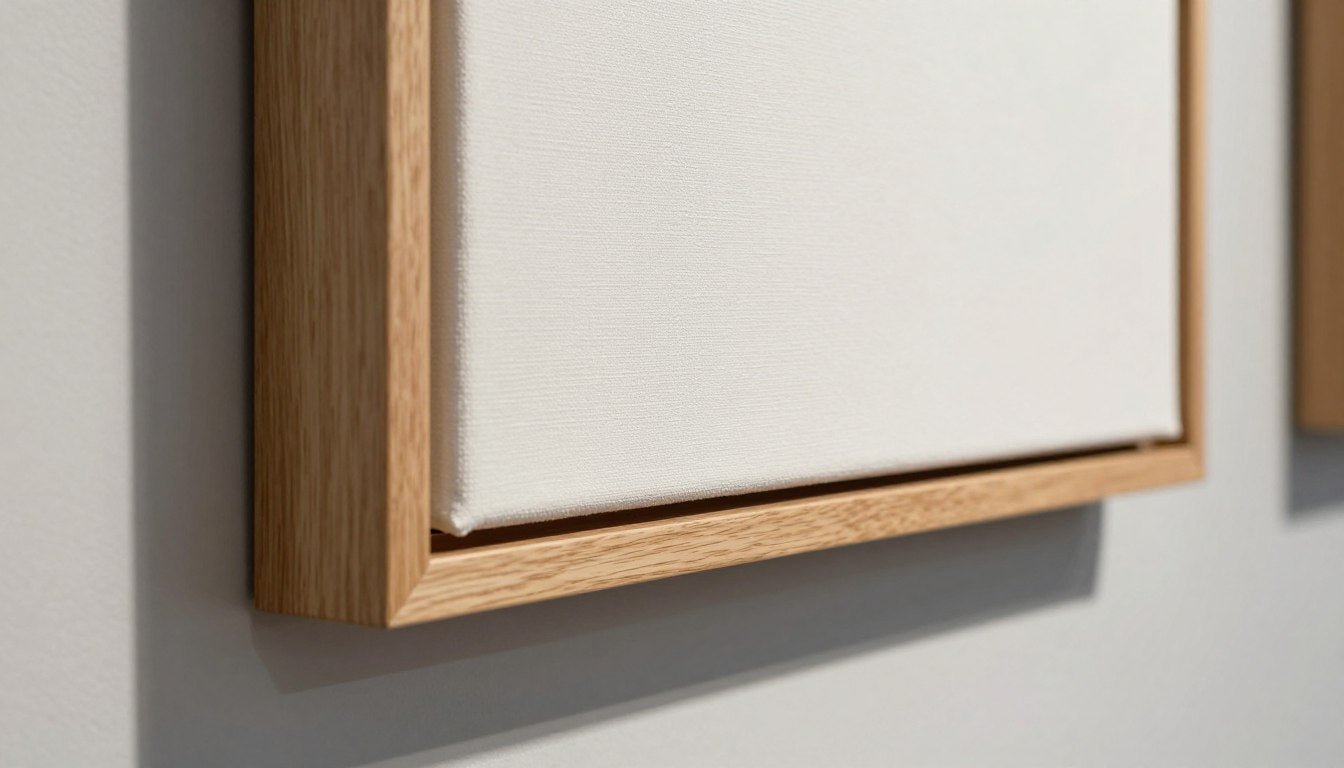
A floating frame creates the illusion that your canvas artwork is suspended within the frame rather than pressed against it. This presentation style features a small gap between the canvas edge and the inner frame border.
The design showcases the full canvas, including the wrapped edges. Your artwork appears to float inside its frame, creating dimensional depth that draws the eye.
Most floating frames are constructed from wood or metal materials. The frame depth typically ranges from half an inch to two inches, with deeper frames producing more dramatic shadow effects.
How Floating Frames Work
The canvas stretches over wooden stretcher bars, exactly like traditional gallery wraps. Then it mounts into the floater frame using brackets or clips attached to the back.
This mounting method keeps the canvas recessed slightly from the frame's inner edge. The resulting gap usually measures 8 mm, or 5/16 inch, around all sides.
The frame itself extends beyond the canvas surface, creating a shadow line. This architectural detail adds sophisticated dimension to your wall display.
Common Floating Frame Materials and Finishes
Wood frames dominate the floating frame market, offering natural, stained, or painted finishes. Popular choices include oak, walnut, maple, and pine in both light and dark tones.
Metal floating frames deliver contemporary appeal with aluminum or steel construction. These come in brushed, polished, or powder-coated finishes in black, white, gold, or silver.
Frame width varies from slim half-inch profiles to substantial three-inch borders. Wider frames make stronger visual statements and work beautifully with larger abstract canvas prints.
Elevated Presentation: 3 Prints That Command Attention
These curated selections demonstrate how premium framing transforms canvas art into gallery-worthy statements for your space.
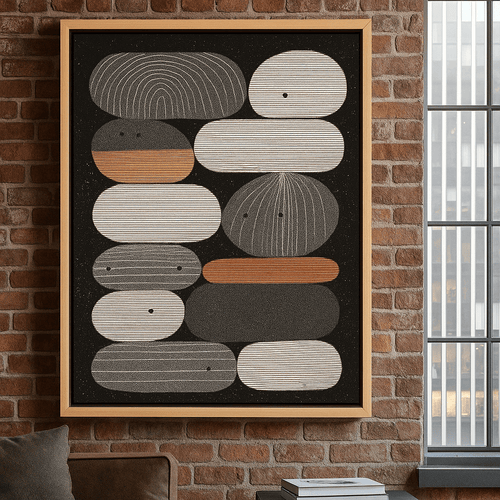
Modern Abstract Statements
Bold geometric designs and contemporary color palettes gain museum-quality presence with floating frame presentation. The elevated depth creates sophisticated dimension.
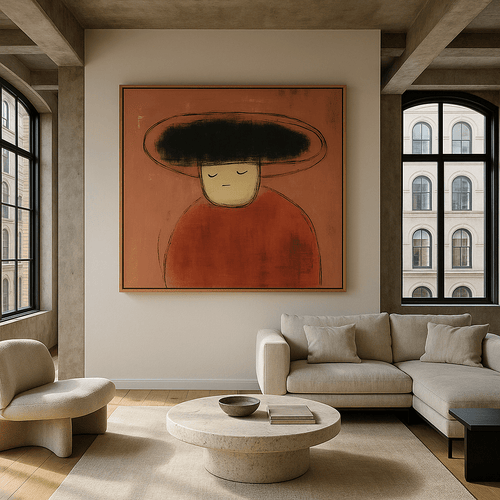
Timeless Portrait Art
Classic figurative works and portrait studies achieve refined elegance with gallery wrap simplicity. The clean presentation lets the artwork take center stage.
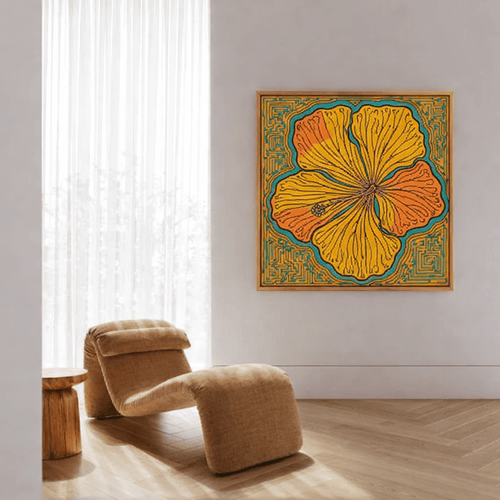
Organic Botanical Prints
Nature-inspired designs and botanical illustrations complement both framing styles. Choose based on your room's aesthetic—modern or traditional.
What Is Gallery Wrap Canvas?

Gallery wrap describes a frameless canvas presentation where the printed image wraps around all four edges of the stretcher bars. The canvas staples attach to the back of the wooden frame, leaving the sides completely clean.
This finishing style creates a three-dimensional artwork that requires no additional framing. The piece hangs directly on the wall as a complete, ready-to-display unit.
Many artists and photographers prefer gallery wraps because they deliver a contemporary, minimalist aesthetic. The absence of a frame keeps full attention on the artwork itself.
Gallery Wrap Construction Methods
Two primary techniques exist for wrapping canvas edges. The mirror wrap method reflects the border area of the image around the sides, creating visual continuity.
The image wrap technique extends the actual artwork around the edges. This works beautifully when the design naturally flows to the borders without critical content at the margins.
Some gallery wraps use solid color sides that match the artwork's dominant tone. This neutral approach suits images where neither mirror nor image wrap would look natural.
Standard Gallery Wrap Depths
Canvas depth significantly impacts the final appearance. Standard gallery wraps typically come in three depths: three-quarter inch, one and a half inches, and two inches.
Deeper stretcher bars create more substantial presence on the wall. A two-inch depth makes even moderately sized prints appear more significant and expensive.
Thinner depths work well for canvas print sets where multiple pieces hang together. The lower profile creates cohesive groupings without overwhelming the wall space.
Visual Appearance: Side-by-Side Comparison
The aesthetic differences between floating frames and gallery wraps dramatically affect how expensive your artwork appears. Each presentation style creates distinct visual effects that suit different design approaches.
Floating Frame Visual Characteristics

Floating frames add architectural interest through layered depth. The shadow gap between canvas and frame creates subtle dimension that changes throughout the day as natural light shifts.
The frame acts as a border that defines and contains the artwork. This structured presentation feels more traditional and formal, even when using modern frame styles.
Frame materials and finishes contribute their own design element. A gold metal frame adds glamour, while natural wood brings warmth. Your frame choice becomes part of the overall aesthetic.
The floating effect draws attention to the canvas as an object, not just an image. This three-dimensional quality makes the artwork feel more substantial and valuable.
Gallery Wrap Visual Characteristics
Gallery wraps deliver clean, contemporary minimalism. Without a frame border, the artwork integrates seamlessly into modern interior design schemes.
The wrapped edges create continuous visual flow around all sides. This presentation style makes the canvas feel like part of the wall rather than something attached to it.
The lack of frame keeps complete focus on the artwork content. Nothing competes for visual attention, allowing the colors, composition, and subject to dominate.
Gallery wraps appear lighter and less formal than framed presentations. This relaxed aesthetic suits casual spaces and contemporary design philosophies. The style works exceptionally well for living room wall art in modern homes.
Which Presentation Style Looks More Expensive?
Perceived value depends on context, room style, and artwork type. Both presentation methods can appear equally premium when executed properly and matched to the right setting.
When Floating Frames Look More Expensive

Floating frames elevate perceived value in traditional and transitional interior spaces. The added frame material signals extra investment and careful curation.
High-quality frame materials—solid hardwoods, hand-rubbed finishes, or museum-grade metals—immediately communicate premium quality. The craftsmanship is visible and tangible.
The architectural depth and shadow effect create gallery-quality presentation. This professional finish matches what you see in high-end art galleries and upscale commercial spaces.
Wider frame profiles make stronger luxury statements. A substantial two-inch wood frame surrounding your canvas commands attention and suggests significant value.
Floating frames work beautifully with line art canvas prints and detailed compositions where the border provides elegant containment without competing with the artwork.
When Gallery Wraps Look More Expensive
Gallery wraps signal sophistication in ultra-modern and minimalist interiors. The absence of framing demonstrates confidence in the artwork's ability to stand alone.
Thick gallery wrap depths—especially two inches or deeper—create substantial wall presence without additional framing. The canvas itself becomes a sculptural object.
Museum-quality canvas materials and professional stretching techniques are more apparent in frameless presentations. You can see and feel the premium construction.
Large-scale gallery wraps make powerful statements. A five-foot wide canvas with deep edges doesn't need a frame to command respect and communicate value.
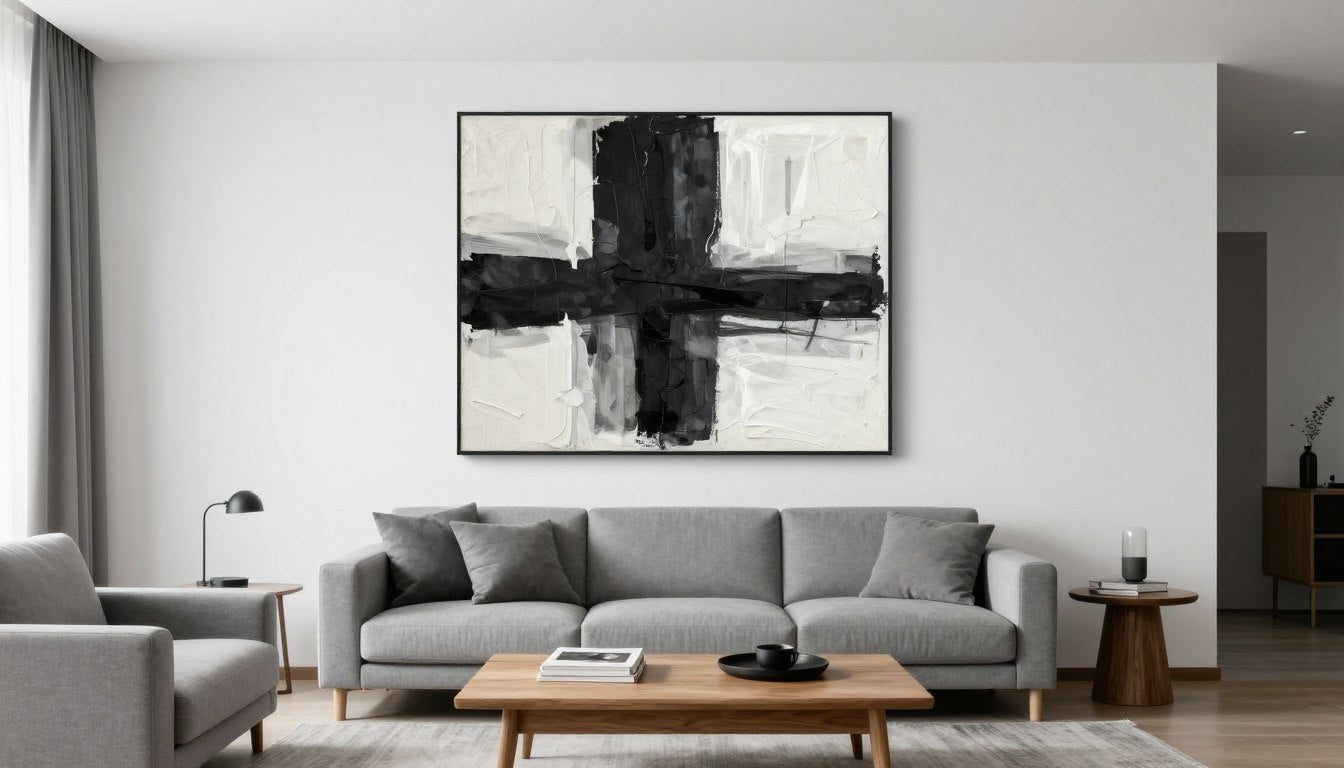
Contemporary artworks, abstract designs, and photography often look more expensive without frames. The modern aesthetic aligns with frameless presentation, particularly for black and white canvas prints.
Context Matters Most
Your room design determines which option appears more premium. Traditional spaces with classic furniture, crown molding, and formal layouts favor floating frames.
Modern interiors with clean lines, minimal ornamentation, and contemporary furnishings showcase gallery wraps to their best advantage.
Transitional spaces that blend traditional and modern elements can successfully incorporate either style. Your specific artwork and personal preference should guide the choice.
Actual Cost Differences
Price variations between floating frames and gallery wraps affect the overall investment in your wall art. Understanding these cost factors helps you budget appropriately.
Gallery Wrap Pricing
Gallery wraps typically cost less than floater frame presentations because they require no additional frame material. The canvas and stretcher bars represent the complete product.
Standard depth gallery wraps are usually the most affordable option. As depth increases, so does the price due to larger stretcher bars and additional canvas material needed to wrap thicker edges.
Premium canvas materials, protective coatings, and professional stretching techniques add to the base cost. Museum-quality gallery wraps may approach floater frame prices when using top-tier materials.
Floating Frame Pricing
Floating frames add significant cost to your canvas investment. The frame itself represents a separate component with its own material and construction expenses.
Frame pricing varies dramatically based on material and width. Simple wood frames in standard finishes are most affordable, while custom hardwoods, hand-applied finishes, and metal frames increase costs substantially.
Wider frames require more material and cost proportionally more. A three-inch frame uses significantly more wood or metal than a one-inch profile, affecting the final price.
Custom frame sizing adds to the expense. Standard sizes fit pre-made frames more economically, while unusual dimensions require custom frame construction.
Long-Term Value Considerations
Floating frames offer protection advantages that may justify higher initial costs. The frame guards canvas edges from accidental damage and provides a buffer zone around the artwork.
Gallery wraps have fewer components that can fail over time. There's no frame to separate, no glass to break, and no mounting hardware between frame and canvas.
Both options provide excellent durability when using quality materials. The choice should balance initial budget with your desired aesthetic outcome.
Match Your Framing Choice to Your Space
Different rooms call for different presentation styles. Formal dining rooms and traditional offices often showcase floater frames beautifully, while contemporary living areas and modern bedrooms complement gallery wraps. Consider your existing decor, architectural details, and the impression you want to create.
Floating Frame Advantages and Disadvantages
Floating frames deliver specific benefits while presenting certain limitations. Weighing these factors against your needs helps determine if this presentation style matches your requirements.
Floating Frame Advantages
- Adds architectural depth and dimensional visual interest to flat walls
- Provides protective barrier around canvas edges preventing accidental damage
- Frame material and finish contribute additional design elements
- Creates formal, gallery-quality presentation appropriate for traditional spaces
- Easy to update aesthetic by changing frame without replacing canvas
- Shadow gap effect creates dynamic appearance as lighting changes throughout day
- Works beautifully with artwork containing important edge details
- Signals premium quality and careful curation to viewers
Floating Frame Disadvantages
- Significantly increases total cost of artwork investment
- Adds weight making larger pieces more difficult to hang securely
- Frame styles may eventually feel dated requiring replacement
- More components mean more potential points of failure over time
- Cleaning requires attention to frame surfaces in addition to canvas
- Frame can compete visually with artwork if not carefully chosen
- May appear overly formal in contemporary minimalist interiors
- Requires careful frame selection to complement rather than distract from art
Gallery Wrap Advantages and Disadvantages
Gallery wraps offer distinct benefits for contemporary presentation while accepting certain trade-offs. Understanding these characteristics helps you make an informed choice.
Gallery Wrap Advantages
- Lower cost than floater frame presentations due to fewer components
- Clean contemporary aesthetic perfect for modern interior design
- Lighter weight makes hanging easier and safer for walls
- Ready to hang immediately without additional frame selection
- Timeless presentation style won't feel dated as trends change
- Full focus remains on artwork without frame competition
- Wrapped edges create continuous three-dimensional visual flow
- Seamlessly integrates into wall space rather than sitting on surface
Gallery Wrap Disadvantages
- Canvas edges more vulnerable to accidental bumps and damage
- Image wrapping may cut off important compositional elements at borders
- Less formal appearance may not suit traditional interior spaces
- Cannot easily change aesthetic without replacing entire canvas
- Requires careful image selection ensuring edge areas work when wrapped
- May appear too casual for certain professional or formal settings
- Thinner depths can look insubstantial on large wall areas
- Dust accumulation on top edge more visible without frame protection

How to Choose Between Floater Frame and Gallery Wrap
The right presentation choice depends on multiple factors including your artwork type, room design, budget, and personal aesthetic preferences. This selection framework helps you identify the best option.
Consider Your Artwork Characteristics
Examine your canvas design carefully. Artwork with important details extending to the edges benefits from floating frames that preserve and protect those border elements.
Abstract designs, modern compositions, and images with generous margins work beautifully as gallery wraps. The edge treatment becomes less critical when the central composition is self-contained.
Photography often looks more expensive in gallery wrap format, especially landscape and architectural images. The frameless presentation aligns with contemporary photographic display standards.
Traditional paintings, reproductions of classical works, and detailed illustrations gain prestige from floating frames. The frame provides appropriate context for these art styles.
Evaluate Your Room Style

Traditional interiors with crown molding, classic furniture, and formal layouts almost always favor floating frames. The structured presentation complements architectural details.
Modern spaces with minimal ornamentation, contemporary furniture, and clean lines showcase gallery wraps perfectly. The frameless aesthetic matches the design philosophy.
Transitional rooms blending traditional and modern elements can accommodate either style. Let your existing wall art guide consistency, or mix presentations intentionally for eclectic appeal.
Consider what's already on your walls. Matching presentation styles creates cohesive gallery walls, while mixing styles requires careful planning to avoid visual chaos. Office canvas art particularly benefits from consistent framing approaches.
Budget Impact
If budget is your primary concern, gallery wraps deliver premium appearance at lower cost. Quality canvas and professional stretching create impressive results without frame expenses.
Floating frames justify their higher cost when you need maximum visual impact in important spaces. Entry areas, formal dining rooms, and primary bedroom walls warrant the extra investment.
Consider the cost per square foot of wall coverage. Large gallery wraps may actually be more economical than multiple smaller framed pieces to fill the same wall area.
Lifestyle and Practical Factors
Homes with children or pets benefit from the edge protection floating frames provide. The frame creates a buffer zone that prevents direct contact with canvas edges during everyday activity.
If you change decor frequently, gallery wraps offer more flexibility. Their neutral presentation works with evolving color schemes and design styles without requiring frame updates.
Consider your hanging capabilities. Gallery wraps are lighter and easier to hang securely. Floater frame presentations may require professional installation for larger sizes.
Can You Mix Floating Frames and Gallery Wraps?
Combining both presentation styles in the same space requires intentional planning but can create dynamic, sophisticated displays when done thoughtfully.
When Mixing Works Well
Different walls in the same room can feature different presentation styles successfully. One accent wall might showcase a large gallery wrap while adjacent walls display smaller floater frame pieces.
Varying presentations by room creates distinct atmospheres throughout your home. Formal spaces get floater frames while casual areas feature gallery wraps.
Grouping similar presentations together maintains visual coherence even when mixing styles overall. A gallery wall of all floater frames appears intentional rather than haphazard.
Rules for Successful Mixing
Maintain consistency in frame finish if using floating frames in mixed displays. All black frames or all natural wood creates visual connection even when some pieces are frameless.
Balance the visual weight carefully. A large gallery wrap can balance multiple smaller framed pieces on the opposite wall.
Use similar canvas depths across both presentation styles. All pieces having two-inch depth creates consistency whether framed or not.
Consider the sight lines in your space. Pieces visible simultaneously from main seating areas should work together visually, while artwork in separate zones can vary more freely. This approach works particularly well when styling bedroom canvas prints across multiple walls.

Maintenance and Durability Considerations
Long-term care requirements differ between presentation styles. Understanding maintenance needs helps protect your investment and preserve appearance over time.
Caring for Floating Frames
Frame surfaces require regular dusting to maintain appearance. Wood frames benefit from occasional treatment with appropriate wood cleaners or polishes based on the finish.
The gap between canvas and frame can collect dust. Use a soft brush or compressed air to clean this area gently without touching the canvas surface.
Check frame attachments periodically to ensure the canvas remains securely mounted. Loose brackets or clips should be tightened promptly to prevent canvas damage.
Wood frames may respond to humidity changes, potentially expanding or contracting slightly. Monitor frame joints for any separation and address promptly if needed.
Caring for Gallery Wraps
Gallery wraps require less maintenance overall due to fewer components. Regular dusting of the canvas surface and edges keeps the piece looking fresh.
The top edge accumulates dust most noticeably. Wipe gently with a soft, dry cloth during regular cleaning routines.
Inspect stretcher bar corners periodically. Well-constructed gallery wraps maintain tight corners, but lower quality pieces may develop loose canvas over time.
Avoid placing gallery wraps in high-traffic areas where edges might suffer accidental bumps. The unprotected canvas is more vulnerable than framed presentations.
Protecting Your Investment
Regardless of presentation style, avoid hanging canvas prints in direct sunlight. UV exposure fades colors and degrades canvas materials over time.
Maintain consistent humidity levels in display areas. Extreme dryness or moisture affects canvas tension and can cause warping or sagging.
Handle pieces carefully during hanging or moving. Support the stretcher frame rather than pulling on canvas edges to prevent damage.
Professional cleaning is advisable for valuable pieces rather than attempting aggressive cleaning yourself. Art conservators have specialized techniques for canvas care.
See the Difference: Floating Frame vs Gallery Wrap
Visual demonstrations help clarify the distinctions between these presentation styles. Watch how each option appears in real interior settings and learn professional installation techniques.
Understanding proper installation ensures your chosen presentation style looks its best. Professional mounting techniques maximize the visual impact of both floating frames and gallery wraps.
Current Design Trends in Canvas Presentation

Contemporary interior design embraces both floating frames and gallery wraps, with specific trends emerging in how designers specify each presentation style.
Floating Frame Trends
Wider frame profiles are gaining popularity. Two to three-inch frames make bold statements that work particularly well with large-scale artwork.
Natural wood finishes dominate current frame selections. Light oak, walnut, and maple in organic tones complement various interior styles from Scandinavian to modern farmhouse.
Black metal frames continue their strong presence in contemporary spaces. The crisp contrast works beautifully with cityscape canvas prints and architectural photography.
Mixed metal finishes are emerging as designers pair brass and black or combine brushed and polished surfaces in single installations.
Gallery Wrap Trends
Deeper canvas depths are increasingly popular. Two-inch and even three-inch gallery wraps create substantial wall presence without frames.
Edge printing techniques are advancing. More sophisticated image wrapping and mirroring algorithms create seamless visual flow around canvas sides.
Oversized single pieces are replacing gallery wall clusters in many modern interiors. One dramatic six-foot gallery wrap makes a stronger statement than multiple smaller pieces.
Monochromatic presentations are trending. Large black and white gallery wraps deliver sophisticated minimalism that anchors contemporary color schemes.
Emerging Hybrid Approaches
Some innovative presentations combine elements of both styles. Thin metal frames with significant float gaps blur the line between traditional frames and gallery wraps.
Colored frame finishes that match or complement artwork are gaining traction. This approach integrates frame and canvas more cohesively than traditional neutral frame options.
Acrylic floating frames offer a modern twist on traditional frame presentations. The transparent material adds depth without the visual weight of wood or metal.
Best Presentation Choices by Room
Different spaces in your home have distinct design requirements and functional considerations that influence optimal canvas presentation choices.
Living Room Recommendations
Living rooms are your home's primary gathering spaces where first impressions matter most. Both presentation styles work beautifully depending on your overall design aesthetic.
Traditional living rooms with classic furniture benefit from floating frames in wood or metal finishes. The structured presentation complements formal seating arrangements and architectural details.
Contemporary living areas with modern furniture showcase gallery wraps to their best advantage. The clean, frameless aesthetic aligns with minimalist design principles.
Consider scale carefully. Large living room walls accommodate oversized pieces that make powerful statements. A six-foot gallery wrap or substantially framed canvas commands attention appropriately.
Bedroom Display Options
Bedrooms call for calming, cohesive presentations that support restful atmospheres. The choice between floating frames and gallery wraps affects the room's overall feeling.
Gallery wraps often work better in bedrooms where you want minimal visual clutter. The frameless presentation creates serene simplicity that enhances relaxation.
If using floating frames in bedrooms, choose finishes that match existing furniture. Wood tones coordinating with bed frames and nightstands create harmonious design flow.
Over-bed artwork particularly benefits from gallery wrap presentation. The unframed canvas won't accidentally fall and injure occupants since there's no heavy frame component.
Dining Room Art Selection
Dining rooms often embrace more formal design aesthetics than other spaces. Presentation choices should enhance the sophisticated atmosphere appropriate for entertaining.
Floating frames excel in dining areas where traditional design prevails. The structured presentation complements formal dining furniture and classic lighting fixtures.
Contemporary dining spaces can successfully feature gallery wraps, especially large-scale pieces. The bold, frameless presentation creates conversation-starting focal points.
Consider viewing angles from seated positions. Artwork should look impressive from chairs around the table, not just from standing perspectives. Dining room wall art requires careful height and scale consideration.
Office and Study Spaces
Home offices and studies benefit from presentations that project professionalism while reflecting personal taste. Your choice signals your aesthetic sophistication to video call participants and visiting clients.
Floating frames often work best in professional settings. The gallery-quality presentation suggests attention to detail and refined taste.
Gallery wraps can work in creative industry offices where contemporary aesthetics are expected. The modern presentation aligns with innovative, forward-thinking brand images.
Consider the impression you want to make during video conferences. Artwork visible behind you contributes to how others perceive your professionalism and personality.
Entryway and Hallway Presentations
Entry areas and hallways are transitional spaces where first impressions form. Presentation choices here set the tone for your entire home's aesthetic.
Floating frames create immediate impact in entryways. The structured, gallery-quality presentation signals a carefully curated home.
Hallway gallery walls can mix presentations successfully since viewers typically see pieces sequentially rather than simultaneously. Consider alternating framed and unframed pieces for visual interest. Entryway wall art serves as your home's aesthetic introduction.

Matching Presentation Style to Art Type
The artwork itself provides important clues about optimal presentation. Different art styles have traditional display expectations that affect how expensive they appear.
Abstract and Modern Art
Abstract compositions and modern art generally look more expensive in gallery wrap format. The contemporary presentation style matches the artwork's aesthetic philosophy.
Bold, colorful abstracts benefit from the continuous visual flow gallery wraps provide. The image wrapping around edges enhances the sense of artwork as object rather than picture.
Minimalist abstracts particularly suit frameless presentation. Adding a frame would contradict the spare, essential aesthetic the artwork embodies.
Large-scale modern pieces command premium perception as gallery wraps. The substantial presence requires no additional frame to communicate value and sophistication.
Photography and Landscapes
Contemporary photography almost always appears more expensive without frames. Gallery wraps align with current professional photography display standards.
Landscape photography benefits from edge-to-edge presentation. Gallery wraps create immersive viewing experiences that draw viewers into the scene.
Black and white photography looks particularly sophisticated as gallery wraps. The monochromatic palette gains intensity without competing frame elements.
Architectural photography suits both presentations depending on the image. Modern buildings often look best unframed while historical architecture can benefit from floating frames.
Portraits and Figurative Work
Portrait art presents unique considerations. The presentation choice affects how viewers perceive the subject and the artwork's formality level.
Classical portraits and formal figurative work benefit from floating frames. The structured presentation matches traditional portrait display expectations.
Contemporary portrait art can work as gallery wraps, especially bold, graphic interpretations. The modern presentation complements innovative portraiture styles.
Consider the subject's clothing and setting. Formal attire and traditional poses suggest floating frames while casual subjects suit gallery wraps.
Reproductions of Classic Art
Reproductions of famous paintings and classical works almost always look more expensive with floating frames. The presentation acknowledges the artwork's traditional heritage.
Renaissance and Baroque reproductions require framing to appear authentic. Gallery wrap presentation feels anachronistic and diminishes perceived quality. If you're working with a reproduction of an oil painting, our guide to framing oil paintings on canvas covers the specific considerations that medium calls for.
Impressionist and Post-Impressionist reproductions also benefit from floating frames. The structured presentation honors the historical context these movements represent.
Even modern reproductions of vintage travel posters and retro advertising gain authenticity from appropriate framing. The period-appropriate presentation enhances nostalgic appeal.
Museum-Quality Canvas Prints
Every Rossetti Art canvas is printed with archival inks on premium materials, ensuring decades of vibrant display. Choose your presentation style—floater frame or gallery wrap—and enjoy free worldwide shipping on all orders. Our ready-to-hang canvases arrive perfectly prepared for immediate display, bringing gallery-quality art into your home.
Signs of Premium Quality in Both Presentation Styles
Understanding quality markers helps you invest in pieces that truly look expensive regardless of whether you choose floating frames or gallery wraps.
Canvas Quality Indicators
Premium canvas has visible texture and substantial weight. Cheap canvas feels thin and flimsy, lacking the professional density that signals quality.
Color vibrancy indicates quality printing processes. Rich, deep blacks and brilliant whites with nuanced mid-tones demonstrate superior ink and printing technology.
Even edge wrapping shows professional construction. Sloppy corners or visible staples on the sides reveal rushed production that undermines expensive appearance.
UV protective coatings preserve vibrancy and extend lifespan. This invisible quality marker separates premium canvases from budget alternatives.
Frame Quality Indicators
Solid wood frames significantly outperform composite materials. Real hardwoods have visible grain, natural weight, and superior durability compared to pressed wood products.
Hand-applied finishes create depth and richness impossible with factory spray applications. Look for consistent coverage without runs or uneven areas.
Metal frames should feel substantial with smooth, even finishes. Thin, lightweight metals with rough welds signal low quality.
Corner joints reveal construction quality. Mitered corners should fit tightly without gaps, indicating precision manufacturing.
Stretcher Bar Quality
Substantial stretcher bars create the foundation for quality presentations. Thick, solid wood bars resist warping and maintain proper canvas tension.
Cross-bracing on larger pieces prevents sagging and warping. Premium canvases over 24 inches include internal support structures.
Kiln-dried wood prevents future warping from humidity changes. This invisible quality marker ensures long-term structural integrity.
Precise corner joints that remain tight over time indicate quality craftsmanship in stretcher bar construction.
Professional Installation Techniques
Proper installation maximizes the expensive appearance of your chosen presentation style. Professional hanging techniques ensure your artwork displays to its full potential.
Hanging Gallery Wraps
Gallery wraps typically hang from D-rings or sawtooth hangers attached to the back stretcher bars. Position hangers about one-third down from the top edge for proper weight distribution.
Use appropriate wall anchors for your wall type. Drywall requires anchors rated for the canvas weight, while plaster or brick walls need specialized fasteners.
Hang artwork at eye level, with the center approximately 57 to 60 inches from the floor. This standard gallery height ensures comfortable viewing.
Level the canvas carefully using a spirit level. Even slight tilts are visually disturbing and undermine professional appearance.
Mounting Floating Frames
Floater frame presentations are heavier and require more robust hanging systems. Heavy-duty D-rings or hanging wire are essential for secure installation.
Distribute weight across two mounting points rather than relying on a single hanger. This approach prevents tilting and reduces stress on individual anchors.
Use wall anchors rated for significantly more than the actual frame weight. This safety margin prevents accidents as anchors age.
Consider professional installation for pieces over 36 inches or particularly valuable artworks. The investment protects both your wall and your art.
Creating Gallery Walls

Gallery walls require careful planning regardless of presentation style. Map the complete arrangement on the floor before making any wall holes.
Maintain consistent spacing between pieces—typically two to four inches. Uniform gaps create cohesive, professional appearance.
Balance visual weight across the arrangement. Larger pieces can anchor corners while smaller works fill central areas.
Use paper templates taped to the wall to finalize positioning before committing to nail holes. This preparation prevents costly mistakes.
Maximizing Perceived Value Within Your Budget
Strategic choices allow you to achieve expensive appearance regardless of your budget constraints. Understanding where to invest and where to save optimizes your results.
When to Invest in Floating Frames
Prioritize floating frames for focal wall pieces in high-visibility areas. Your primary living room wall warrants the extra investment more than secondary hallway locations.
Smaller pieces in premium frames often appear more valuable than larger unframed canvases. A beautifully framed 24x36 inch print can command more visual respect than an unframed 40x60 inch piece.
Invest in quality frame materials and finishes for pieces at eye level where viewers can examine details. Less visible artwork can use simpler presentations.
When Gallery Wraps Deliver Best Value
Large-scale pieces gain more from size than framing. A six-foot gallery wrap makes a bigger statement than a three-foot framed piece at similar total cost.
Multiple gallery wraps cost less than equivalent framed pieces while covering more wall space. Five unframed canvases can create dramatic gallery walls for less than three framed pieces.
Gallery wraps in premium depths—two inches or more—deliver luxury appearance without frame costs. The substantial depth creates high-end presence.
Strategic Spending Priorities
Invest in superior canvas quality and printing before spending on frames. Beautiful artwork in simple presentation outperforms mediocre prints in expensive frames.
Prioritize pieces in main living areas over secondary spaces. Bedroom and office art can use more economical presentations while living and dining areas get premium treatment.
Consider the lifespan of your design choices. Classic presentations—quality gallery wraps or neutral floating frames—provide better long-term value than trendy finishes requiring frequent updates.
Sustainability and Environmental Impact
Environmental consciousness increasingly influences purchasing decisions. Understanding the sustainability factors of different presentation styles helps make responsible choices.
Gallery Wrap Sustainability
Gallery wraps typically have lower environmental impact due to fewer materials. The absence of frame components reduces resource consumption and manufacturing energy.
Quality canvas stretcher bars use sustainably harvested wood from managed forests. Certifications like FSC ensure responsible forestry practices.
Canvas materials themselves are often cotton-based and more environmentally friendly than synthetic alternatives. Some premium canvases use recycled materials in their construction.
The lighter weight of gallery wraps reduces shipping emissions compared to heavier framed presentations.
Floating Frame Sustainability
Floating frames add environmental impact through additional materials and manufacturing processes. However, quality frames provide benefits that may offset this concern.
Solid wood frames from sustainable sources are environmentally preferable to composite materials containing plastics and adhesives.
Durable, high-quality frames that last decades provide better long-term environmental value than cheap frames requiring frequent replacement.
The protective benefits of floating frames extend canvas lifespan, potentially preventing premature disposal and replacement.
Longevity and Waste Reduction
Both presentation styles can be environmentally responsible when emphasizing quality and longevity over disposable decoration.
Investing in superior materials and construction—whether framed or not—reduces waste by preventing premature replacement.
Classic presentation styles that remain visually relevant for decades provide better environmental value than trendy options requiring frequent updates.
Supporting artists and companies using sustainable materials and ethical manufacturing practices amplifies positive environmental impact.
What Interior Designers Recommend
Professional interior designers develop strong preferences based on experience with how different presentations perform in various settings. Their insights provide valuable guidance.
Designer Preferences for Floating Frames
Interior designers consistently recommend floating frames for traditional and transitional spaces where architectural details deserve complementary art presentations.
Designers appreciate the flexibility frames provide for adjusting artwork without replacing entire pieces. Changing frame finishes updates room aesthetics more economically than replacing canvases.
The structured containment frames provide helps less confident clients feel secure in their art choices. The defined border creates comfortable boundaries around potentially intimidating abstract or modern pieces.
Professional designers value how floating frames create consistent presentation across gallery walls with varying artwork sizes and styles.
Designer Preferences for Gallery Wraps
Contemporary designers overwhelmingly favor gallery wraps for modern and minimalist interiors where clean lines and uncluttered aesthetics are paramount.
The frameless presentation allows artwork to integrate seamlessly with architecture rather than sitting obviously on wall surfaces.
Designers appreciate how gallery wraps maintain focus on artwork without competing frame elements that might clash with room furnishings or finishes.
The cost savings gallery wraps provide allows designers to specify larger pieces or more artworks within client budgets, creating more dramatic results.
Professional Consensus
Most designers agree that context determines the right choice. They analyze room style, architectural features, existing furnishings, and client preferences before recommending presentation styles.
Quality matters more than presentation style in professional opinions. Designers emphasize investing in superior canvas and printing rather than choosing presentation based solely on trends.
The best designers tailor recommendations to individual situations rather than applying universal rules. Your specific space and needs should drive the decision.
Common Mistakes to Avoid
Certain errors consistently undermine the expensive appearance both presentation styles can achieve. Avoiding these mistakes ensures your investment displays to its full potential.
Frame Selection Errors
Choosing frames that compete with artwork for attention is a frequent mistake. The frame should complement and enhance, never overpower the canvas it surrounds.
Mismatched frame styles within the same room create visual chaos rather than intentional eclectic appeal. Maintain consistency in frame finishes even when mixing artwork styles.
Overly narrow frames on large canvases look cheap and insubstantial. Match frame width to artwork scale—larger pieces need wider frames for proper visual balance.
Sacrificing frame quality to save money undermines the entire presentation. A cheap-looking frame makes even premium canvas appear less valuable.
Gallery Wrap Mistakes
Using insufficient canvas depth is a common error. Thin gallery wraps look unfinished and cheap compared to deeper presentations.
Poor edge treatment reveals low production quality. Visible staples, sloppy wrapping, or inadequate image continuation around sides all signal cut-rate manufacturing.
Hanging gallery wraps too low makes them appear like afterthoughts rather than intentional design elements. Maintain proper eye-level positioning.
Choosing gallery wraps for artwork with critical edge details results in lost visual information and compromised compositions.
General Presentation Errors
Mixing too many presentation styles creates visual confusion. Limit yourself to two approaches maximum within any single room.
Ignoring room architecture leads to poor presentation choices. Work with your space's existing features rather than against them.
Prioritizing price over quality consistently produces disappointing results. Budget constraints are real, but compromising quality rarely delivers the expensive appearance you desire.
Neglecting proper lighting undermines even the best presentation choices. Artwork needs appropriate illumination to showcase its full visual impact and perceived value.
Future-Proofing Your Art Investment
Making choices that remain visually relevant for years maximizes your investment value and prevents premature replacement costs.
Timeless Presentation Approaches
Classic presentation styles outlast trends. Simple black or natural wood floating frames and standard gallery wraps remain appropriate across changing design movements.
Neutral frame finishes adapt to evolving color schemes more successfully than trendy colors that quickly date your presentation.
Quality construction withstands time both physically and aesthetically. Well-made pieces remain beautiful as manufacturing trends change.
Flexible Design Strategies
Choosing presentation styles that complement various design aesthetics provides flexibility as your tastes evolve. Gallery wraps particularly offer this versatility.
Investing in quality artwork worth reframing justifies future presentation updates. Premium canvas can accept new framing approaches as your preferences change.
Selecting classic artwork subjects rather than trendy imagery ensures continued relevance regardless of presentation style changes.
Investment Protection
Proper care and maintenance preserve your presentation investment. Regular cleaning and appropriate environmental conditions extend lifespan significantly.
Documentation of purchase details, including artist information and provenance, protects investment value for quality original artwork and original paintings.
Insurance coverage for valuable pieces provides financial protection while encouraging proper care and installation practices.
Making Your Final Decision
The question of whether floating frames or gallery wraps look more expensive has no universal answer. Both presentation styles can appear equally premium when matched appropriately to artwork, room design, and quality standards.
Floating frames deliver expensive appearance through structured presentation, quality materials, and gallery-quality depth. They excel in traditional spaces and with classical artwork where formal presentation expectations exist.
Gallery wraps achieve premium perception through clean contemporary aesthetic, substantial depth, and confidence in the artwork to stand alone. They thrive in modern interiors and with artwork designed for frameless display.
Your specific situation should drive your choice. Consider your room style, artwork characteristics, budget, and personal preferences. The presentation that makes you feel confident and proud when viewing your walls is the right choice.
Quality matters more than presentation style. Investing in superior canvas, professional printing, solid construction, and appropriate materials ensures expensive appearance regardless of whether you add a frame.
Both options deserve consideration for different applications throughout your home. Mix presentations intentionally, matching each piece's needs to the most appropriate style. The result will be a thoughtfully curated environment that reflects your sophisticated taste.
Explore how different presentation styles can transform your space with museum-quality canvas prints from Rossetti Art. Whether you choose the architectural depth of floating frames or the contemporary elegance of gallery wraps, premium materials and expert craftsmanship ensure your walls make the impression you desire.
For more art inspiration and styling guidance, visit our art blog where we share insights on creating beautiful spaces that reflect your unique style.
Frequently Asked Questions
What is the main difference between a floater frame and gallery wrap?
A floater frame adds a wooden or metal border around the canvas with a small gap creating a floating appearance. Gallery wrap is a frameless presentation where the canvas image wraps around all edges of the stretcher bars. Floater frames add architectural depth through the frame material and shadow gap, while gallery wraps offer clean, contemporary minimalism with continuous canvas surfaces.
Which option actually costs more?
Floating frames typically cost more because you're purchasing both the canvas and a separate frame component. Gallery wraps cost less since they require no additional framing materials. However, premium gallery wraps with deeper stretcher bars and superior canvas quality can approach floater frame prices. The cost difference usually ranges from 30% to 100% more for floating frames compared to equivalent gallery wraps.
Do floating frames protect the canvas better?
Yes, floating frames provide better edge protection than gallery wraps. The frame creates a protective barrier around the canvas perimeter, preventing accidental bumps and damage to vulnerable edges. This protection advantage is particularly valuable in homes with children or pets, or in high-traffic areas where artwork might be brushed against during daily activities.
Can I add a floater frame to an existing gallery wrap canvas?
Yes, you can add a floating frame to most gallery wrap canvases. The canvas must have standard depth—usually three-quarters inch, one and a half inches, or two inches—to fit commercial floater frames. Many frame shops offer custom floating frames sized to your specific canvas dimensions. This flexibility allows you to update your presentation style without replacing the canvas itself.
Which presentation style works best for modern abstract art?
Gallery wraps typically work best for modern abstract art because the frameless presentation matches contemporary aesthetic principles. The clean, uninterrupted edges allow bold colors and geometric shapes to flow around the canvas sides, creating an immersive viewing experience. However, modern abstract art can also look stunning in simple black or natural wood floating frames when you want to add architectural interest or match other framed pieces in your space. You can see beautiful examples in our abstract canvas collection.
How do I choose between the two for my living room?
Consider your existing furniture and architectural style. Traditional living rooms with classic furniture, crown molding, and formal layouts favor floating frames that complement these structural elements. Contemporary living rooms with modern furniture and minimal ornamentation showcase gallery wraps beautifully. If your space blends both styles, choose based on your primary furniture pieces and the specific artwork you're displaying. Both options can look equally expensive when properly matched to their setting. Browse our living room canvas art collection to see various presentation options styled in different room types.
Does canvas depth matter for gallery wraps?
Canvas depth significantly impacts gallery wrap appearance and perceived value. Deeper canvases—one and a half to two inches—create more substantial wall presence and appear more expensive than thin three-quarter inch depths. The deeper profile casts more dramatic shadows and gives the artwork sculptural quality. Larger pieces particularly benefit from greater depth, while smaller canvases can work well with standard depths. Two-inch gallery wraps often deliver luxury appearance comparable to framed presentations.
Can I mix floating frames and gallery wraps in the same room?
Yes, you can successfully mix both presentation styles in one room with careful planning. Place different presentation types on separate walls rather than adjacent to each other. Maintain consistency within gallery wall groupings—don't mix framed and unframed pieces in the same cluster. Use similar frame finishes if incorporating floating frames in a mixed presentation approach. Balance visual weight carefully so a large gallery wrap can balance multiple smaller framed pieces on opposite walls.
What frame color makes canvas look most expensive?
Black frames and natural wood tones are the most universally sophisticated frame colors that enhance expensive appearance. Matte black creates crisp, gallery-quality presentation that works with virtually any artwork and interior style. Natural walnut and oak finishes bring organic warmth while maintaining premium perception. White and light wood frames work beautifully in bright, airy spaces but may appear less formal than darker options. Gold and brass frames can look expensive in traditional settings but risk appearing dated or gaudy if not carefully matched to artwork and room style.
How much space should I leave between canvas edge and floater frame?
The standard gap between canvas edge and floater frame inner border is 8 mm (5/16 inch) on all sides. This narrow spacing creates the characteristic floating effect while maintaining clear visual separation. Gaps larger than one-quarter inch can make the presentation look disconnected, while smaller gaps may not create sufficient shadow depth for the floating illusion. Most commercial floater frames are designed with this optimal spacing built into their construction.
Are gallery wraps still in style?
Gallery wraps remain highly popular and are considered a timeless presentation choice for contemporary and modern interiors. The style has been standard in art galleries and museums for decades and shows no signs of declining popularity. Current trends actually favor deeper gallery wrap profiles—two inches or more—creating even more substantial presentations. The clean, frameless aesthetic aligns with ongoing minimalist design movements, ensuring gallery wraps will remain stylish for years to come.
Which option is better for a bedroom?
Gallery wraps often work better in bedrooms because they create calming, minimal visual clutter that supports restful environments. The frameless presentation feels less formal and more relaxing than structured frames. However, floating frames can work beautifully in bedrooms when you want to coordinate with wood furniture finishes. For artwork positioned over beds, gallery wraps offer safety advantages since there's no heavy frame component that could potentially fall. Consider your bedroom's overall design—contemporary bedrooms favor gallery wraps while traditional bedrooms suit floating frames. Explore options in our bedroom canvas prints collection.
What material is the Rossetti Art floater frame made of?
The hardwood floater frame is crafted from solid poplar hardwood with a natural grain finish — not MDF or veneer. The canvas inside it is hand-stretched over a kiln-dried pine wood frame and printed with archival pigment inks designed to resist fading.
My canvas print is 18×24" — do I need to buy a matching 18×24" floater frame?
No — you don't need to buy or size a frame separately. A floater frame is built slightly larger than the canvas itself, which is what creates the visible floating gap around the edges. When you choose the floating frame option on a Rossetti Art canvas, the frame is matched to that exact canvas at production, so the gap comes out even on all four sides by design.


Leave a comment
This site is protected by hCaptcha and the hCaptcha Privacy Policy and Terms of Service apply.