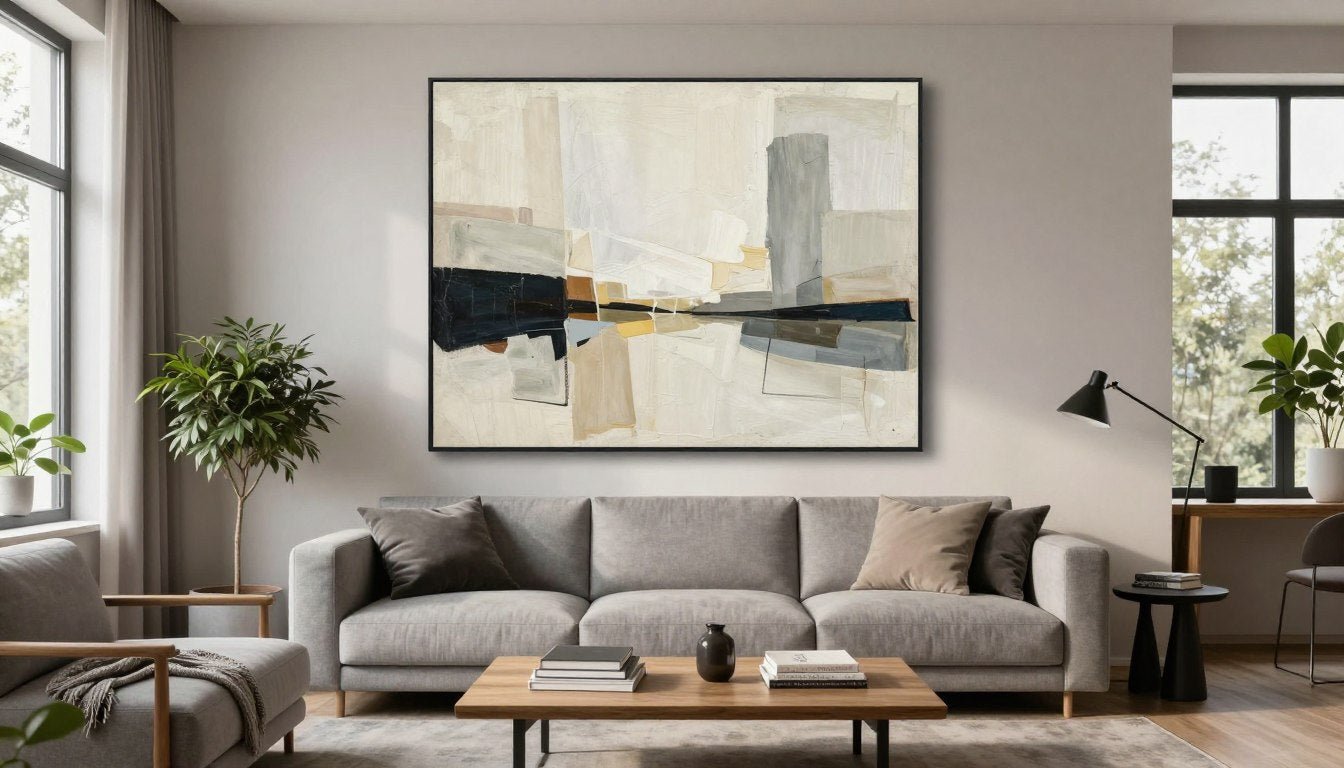
Your living room deserves more than bare walls. It craves personality, depth, and visual interest that reflects your unique style. Abstract canvas wall art for living room spaces offers the perfect solution to transform an ordinary room into an extraordinary sanctuary. Whether you're seeking bold geometric patterns or soft organic shapes, the right abstract wall art can become the focal point that ties your entire space together.
Choosing abstract art might feel overwhelming at first. With countless styles, colors, and sizes available, how do you know which piece will work in your specific living room? This comprehensive guide walks you through everything you need to know about selecting, sizing, and placing abstract canvas wall art. You'll discover how different abstract styles create distinct moods, which colors complement your existing decor, and how to position your artwork for maximum impact.
From understanding the psychology behind abstract compositions to practical tips on measuring your wall space, this article provides the expertise you need to make confident decisions. You'll learn insider secrets from art professionals about creating visual balance, coordinating multiple pieces, and avoiding common mistakes that diminish your wall art's effectiveness. By the end, you'll have the knowledge to select abstract canvas wall art that not only fits your living room but elevates it into a space you're proud to call home.

If You Love Abstract Art, Here Are 3 Prints That Bring That Mood Into a Room
Before diving into the technical details, let's explore three stunning examples that showcase the transformative power of abstract canvas wall art. Each piece demonstrates a different approach to abstract expression, helping you visualize how these styles can work in your own living room. These carefully curated selections from the Abstract Canvas Prints collection by Chiara Rossetti represent diverse aesthetic directions while maintaining museum-quality standards.

Bold Geometric Abstract
This striking piece combines sharp geometric forms with a bold color palette. The interplay of warm oranges and cool navy creates visual tension that energizes any living room. Perfect for modern and contemporary spaces that need a confident focal point.

Organic Minimalist Abstract
Featuring flowing, organic shapes in a soothing neutral palette, this artwork brings calm sophistication to your living room. The gentle curves and earthy tones create a sense of tranquility that complements natural materials and minimalist decor.

Expressive Brushwork Abstract
This dynamic piece showcases bold brushstrokes and rich, saturated colors that add depth and emotion to your living room. The visible texture and energetic composition create visual interest from every angle, perfect for spaces that embrace artistic expression.

Understanding Different Abstract Wall Art Styles for Your Living Room
Abstract art encompasses a vast spectrum of styles. Each approach creates a distinct atmosphere and visual impact. Understanding these differences helps you select abstract canvas wall art that aligns with your living room's personality and your personal aesthetic preferences.

Geometric Abstract Art
Geometric abstract wall art features clean lines, precise shapes, and structured compositions. This style brings order and sophistication to your living room. Circles, squares, triangles, and rectangles combine to create visual harmony. The mathematical precision appeals to those who appreciate clarity and organization in their home decor.
These pieces work exceptionally well in modern and contemporary living rooms. They complement minimalist furniture and architectural elements. The structured nature of geometric abstraction creates a sense of calm and control. Colors in geometric abstract art range from monochromatic schemes to vibrant multi-hued palettes.
If your living room features clean-lined furniture and uncluttered surfaces, geometric abstract canvas wall art reinforces this aesthetic. The style creates visual interest without introducing chaos. Many homeowners choose geometric pieces as their primary focal point above the sofa or fireplace.

Organic and Fluid Abstract Styles
Organic abstract art embraces natural forms and flowing movements. Curves, waves, and biomorphic shapes dominate these compositions. This style brings a sense of nature indoors without literal representation. The soft edges and gentle transitions create a calming atmosphere in your living room.
Fluid abstract wall art often features watercolor-like effects or paint pours. The unpredictable nature of these techniques creates unique pieces. No two organic abstracts are exactly alike. This uniqueness adds character and authenticity to your space.
Living rooms with natural materials like wood, stone, or plants benefit from organic abstract canvas wall art. The style complements earthy color palettes and textured fabrics. It softens angular furniture and architectural elements. Many people find organic abstracts feel more approachable and less intimidating than geometric counterparts.
Color choices in organic abstract art tend toward nature-inspired hues. Greens, blues, earth tones, and soft neutrals predominate. However, bold organic pieces with vibrant colors also exist. Consider your existing living room palette when selecting from the Botanical Nature Canvas Prints collection for complementary organic styles.

Expressionist Abstract Wall Art
Expressionist abstract art captures emotion through bold brushstrokes and intense colors. This style prioritizes feeling over form. Visible brush marks, thick paint application, and dynamic compositions characterize expressionist pieces. They bring energy and passion to your living room.
These artworks make powerful statements. They demand attention and spark conversation. If your living room serves as an entertainment space, expressionist abstract canvas wall art creates an engaging backdrop. The visible texture adds depth that photographs cannot capture.
Expressionist pieces work well in eclectic living rooms that mix styles and periods. They can either complement or deliberately contrast with your existing decor. The bold nature of expressionism allows it to hold its own against patterned furniture and busy spaces.
Color intensity varies in expressionist abstract art. Some pieces feature dark, moody palettes. Others explode with saturated primaries and secondaries. The emotional content often determines the color choices. When selecting expressionist wall art, consider the mood you want to establish in your living room.

Minimalist Abstract Compositions
Minimalist abstract wall art strips away all non-essential elements. Simple forms, limited color palettes, and generous negative space define this style. These pieces create breathing room in your living room. They offer visual rest in our over-stimulated world.
The beauty of minimalist abstraction lies in its restraint. A single brushstroke or a few geometric shapes can carry profound meaning. This approach aligns perfectly with the "less is more" philosophy. Your living room gains sophistication without visual clutter.
Minimalist abstract canvas wall art pairs beautifully with Scandinavian, Japanese-inspired, or modern design schemes. The simplicity complements natural materials and neutral color palettes. These pieces prove that powerful art doesn't require complexity.
White, black, grey, and beige dominate minimalist abstract color schemes. Occasionally, a single accent color provides subtle interest. The restraint extends to composition as well. Large areas of blank canvas balance smaller areas of mark-making. This balance creates a meditative quality perfect for living rooms designed as peaceful retreats.
For additional minimalist options, explore the Black & White Canvas Prints collection, which offers timeless sophistication through simplified palettes.

Choosing Colors That Transform Your Living Room
Color selection in abstract canvas wall art for living room spaces goes beyond personal preference. Colors influence mood, perceived room size, and overall atmosphere. Understanding color psychology helps you make choices that enhance your daily living experience.

Warm Colors Create Energy and Intimacy
Warm colors in abstract wall art include reds, oranges, yellows, and warm neutrals like terracotta and golden beige. These hues advance visually, making them appear closer to the viewer. In your living room, warm-toned abstract canvas wall art creates a sense of coziness and energy.
Red abstract art stimulates conversation and activity. It raises energy levels and heart rate. This makes red-dominant pieces ideal for social living rooms where you entertain guests. However, too much red can feel overwhelming. Balance is key.
Orange brings warmth without red's intensity. It promotes enthusiasm and friendliness. Orange abstract wall art works well in living rooms that feel cold or impersonal. The color adds approachability and comfort.
Yellow introduces sunshine and optimism. Light yellows create airiness. Deep golden yellows add richness and luxury. Yellow abstract pieces can brighten north-facing living rooms that lack natural light. The color reflects light, making spaces feel larger and more welcoming.
Warm neutral abstracts in cream, beige, and tan provide warmth without color intensity. These pieces create a sophisticated backdrop that allows other decor elements to shine. They work in virtually any living room style.

Cool Colors Promote Calm and Spaciousness
Cool colors encompass blues, greens, purples, and cool grays. These hues recede visually, creating the illusion of distance. In smaller living rooms, cool-toned abstract canvas wall art can make walls appear farther away. This optical effect enhances the sense of spaciousness.
Blue abstract art brings tranquility and serenity. Light blues evoke sky and water, creating peaceful environments. Navy and deep blues add sophistication and depth. Blue works exceptionally well in living rooms designed for relaxation and unwinding after busy days.
Green connects us to nature and promotes balance. It's the most restful color for the human eye. Green abstract wall art creates harmony in your living room. The color bridges warm and cool, making it versatile for various decor schemes.
Purple carries associations with luxury and creativity. Lavender offers gentle sophistication. Deep purples like eggplant add drama and richness. Purple abstract pieces work well in eclectic or bohemian living rooms.
Cool grays provide contemporary elegance without the starkness of black. Gray abstract canvas wall art offers versatility. It complements both warm and cool color schemes. The neutral quality allows you to change accent colors in your living room without replacing your artwork.
Explore calming blue and green options in the Abstract Canvas Prints collection to find pieces that bring serenity to your space.

Neutral Abstract Art for Timeless Appeal
Neutral abstract wall art uses black, white, gray, beige, and brown. These pieces offer maximum versatility. They adapt to changing decor trends without feeling dated. Neutral abstract canvas wall art for living room spaces provides a sophisticated foundation that never goes out of style.
Black and white abstract art creates dramatic contrast. The high-contrast nature draws the eye and creates a focal point. These pieces work in modern, contemporary, minimalist, and even traditional living rooms. The timeless quality ensures long-term satisfaction with your purchase.
Beige and cream abstracts provide warmth with subtlety. They add visual interest without competing with other decor elements. These pieces allow patterned furniture and colorful accessories to take center stage. The neutral canvas acts as a supporting player rather than the star.
Brown-toned abstract art brings organic warmth. Chocolate browns, taupes, and espresso hues complement wood furniture and natural materials. These pieces ground your living room design in earthy stability.
The advantage of neutral abstract wall art lies in its adaptability. You can completely change your living room's color scheme without replacing your artwork. The neutral palette accommodates seasonal decor changes and evolving personal tastes. This flexibility makes neutral abstracts a smart investment for long-term home design.
For timeless sophistication, browse the Black & White Canvas Prints collection, offering elegant neutral options that transcend trends.

Bold Multi-Color Abstract Pieces
Multi-colored abstract art incorporates three or more distinct hues. These vibrant pieces make bold statements. They work best when your living room has a relatively neutral foundation. The artwork becomes the color source that influences your entire design scheme.
When selecting multi-colored abstract canvas wall art, identify the dominant colors. These should harmonize with your existing living room palette. Secondary colors can introduce new accent hues that you echo in throw pillows, blankets, or decorative objects.
The advantage of multi-colored abstracts is their ability to tie together disparate decor elements. If your living room contains furniture pieces in different wood tones or upholstery colors, a well-chosen abstract piece can unify them. The artwork acts as a bridge between seemingly unrelated elements.
Vibrant abstract wall art energizes neutral living rooms. It prevents beige or gray spaces from feeling bland. The color injection creates visual excitement without permanent commitment. Unlike painting walls in bold colors, you can easily replace artwork if your tastes change.
Consider the 60-30-10 color rule when working with multi-colored abstract pieces. Your dominant living room color should occupy 60% of the space. The secondary color fills 30%. The artwork can introduce the 10% accent color that adds personality and interest.

Sizing Your Abstract Canvas Wall Art Perfectly
The right size makes or breaks your wall art display. Too small, and your abstract canvas wall art for living room gets lost on the wall. Too large, and it overwhelms your space. Finding the sweet spot requires understanding fundamental design principles and accurate measurements.

The Sofa Rule for Wall Art Sizing
The most common placement for abstract wall art in living rooms is above the sofa. A simple rule guides your size selection. The artwork should span two-thirds to three-quarters of the sofa's width. This proportion creates visual balance and prevents the piece from appearing floating or cramped.
For example, if your sofa measures 84 inches wide, your abstract canvas wall art should be 56 to 63 inches wide. This can be a single large piece or multiple smaller pieces arranged together. The total width matters more than the individual piece count.
Height considerations matter equally. The bottom edge of your artwork should sit 8 to 10 inches above the sofa back. This creates breathing room while maintaining visual connection. The art and furniture should feel related but not touching.
If your living room has high ceilings, you can go larger with your abstract wall art. The extra vertical space accommodates taller pieces without making them feel cramped. Measure your wall height and ensure adequate space above the artwork for visual balance.
Single large-scale abstract pieces make bold statements. They work well in minimalist living rooms with limited decor. The artwork becomes the primary focal point. Multiple smaller pieces arranged in a gallery wall offer flexibility and visual interest. This approach suits eclectic or maximalist design styles.

Alternative Placement Options
Not all abstract canvas wall art belongs above the sofa. Your living room may have other walls that benefit from artistic attention. Fireplace walls, entry walls, and dining areas within open-concept spaces all present opportunities for abstract wall art display.
Above a fireplace, the mantel serves as the baseline instead of furniture. Position your artwork 4 to 6 inches above the mantel. The width should not exceed the fireplace opening's width. This creates a cohesive, balanced appearance.
For standalone walls without furniture, center your abstract art at eye level. The standard eye level sits at 57 to 60 inches from the floor to the artwork's center. This height works for most viewers and creates comfortable viewing angles.
In spaces with multiple seating arrangements, consider creating a gallery wall. Mix different sizes of abstract canvas wall art for visual interest. Maintain consistent spacing between pieces, typically 2 to 3 inches. The overall gallery shape should form a pleasing outline, whether rectangular, square, or salon-style organic.
Corner walls present unique opportunities. Large vertical abstract pieces can emphasize ceiling height. Horizontal pieces widen narrow walls visually. Use the wall's dimensions to guide your orientation choice.
For versatile sizing options, explore Canvas Print Sets that offer pre-coordinated pieces in complementary sizes.

Scale and Proportion Principles
Understanding scale means relating your abstract wall art to surrounding elements. Large living rooms with high ceilings demand larger artwork. Small, intimate spaces work better with modestly sized pieces. Matching scale to space prevents visual discord.
Proportion addresses the relationship between width and height. Horizontal abstract canvas wall art emphasizes width. It makes walls appear wider and works well above long sofas or credenzas. Vertical pieces draw the eye upward. They suit narrow walls or spaces where you want to emphasize ceiling height.
Square abstract pieces offer balance and stability. They work in many contexts but particularly suit square or nearly square wall spaces. The symmetry creates a sense of order and calm.
Consider your furniture's visual weight when selecting artwork size. Heavy, substantial furniture can support larger, bolder abstract pieces. Delicate, minimal furniture pairs better with similarly restrained artwork. The goal is visual equilibrium across all elements.
Room function influences size selection too. Active, social living rooms can handle large, attention-grabbing abstract wall art. Quiet reading rooms or meditation spaces benefit from smaller, more contemplative pieces. Align your art's scale with how you use your living room.

Match This Vibe to Your Space
Discover Your Perfect Abstract Style
Now that you understand how different styles, colors, and sizes impact your living room, it's time to explore curated collections designed specifically for your space. Whether you gravitate toward bold geometrics, serene organics, or timeless neutrals, the right abstract canvas wall art awaits. Browse thoughtfully organized collections that make finding your perfect piece effortless.

Creating the Perfect Focal Point with Abstract Wall Art
Every living room needs a focal point that anchors the space and guides the eye. Abstract canvas wall art for living room environments serves this purpose beautifully. The right piece draws attention, establishes the room's aesthetic direction, and creates visual hierarchy among competing elements.

Single Statement Pieces vs. Gallery Walls
A single large abstract piece creates immediate impact. It commands attention and makes a bold declaration about your style. This approach works best when you want the art to be the undisputed star of your living room. The surrounding decor should support rather than compete with the artwork.
Large-scale abstract canvas wall art simplifies decision-making. You select one piece you love rather than coordinating multiple elements. This approach aligns with minimalist principles and reduces visual clutter. The singular focus creates a clean, sophisticated aesthetic.
Gallery walls offer flexibility and personality. Multiple pieces allow you to showcase different aspects of your taste. You can mix abstract styles, sizes, and even orientations. This approach suits eclectic living rooms and collectors who can't choose just one favorite.
When creating a gallery wall, plan your layout before hanging. Use paper templates to experiment with arrangements. Maintain consistent spacing between pieces for cohesion. The overall shape should feel intentional, whether grid-based or organic.
Mixing abstract wall art with other art types adds depth to gallery walls. Combine abstract pieces with Line Art Canvas Prints or Portrait Canvas Prints for eclectic sophistication.

Balancing Your Abstract Art with Room Elements
Visual balance prevents your living room from feeling lopsided or chaotic. When your abstract canvas wall art acts as the focal point, other elements should support this hierarchy without competing for attention. Balance doesn't mean symmetry. It means distributing visual weight thoughtfully.
If your abstract wall art features bold colors, balance them with neutral furniture. Conversely, neutral abstract pieces allow colorful furniture and accessories to shine. This push-pull relationship creates harmony.
Consider texture when balancing elements. Heavily textured abstract art pairs well with smooth, sleek furniture. This contrast prevents monotony. Similarly, rough-hewn natural materials balance refined, polished artwork.
Lighting plays a crucial role in highlighting your focal point. Position floor lamps or picture lights to illuminate your abstract wall art. This draws the eye and emphasizes the artwork's importance in your design scheme.
Furniture arrangement should orient toward your focal point. Position sofas and chairs to face your abstract canvas wall art. This arrangement acknowledges the artwork's central role and creates natural conversation groupings that appreciate the art.

Seasonal and Occasional Artwork Rotation
Some homeowners enjoy changing their abstract wall art seasonally. This keeps your living room feeling fresh and responsive to changing light conditions. Summer might call for cool, airy abstracts. Winter welcomes warm, cozy pieces.
Artwork rotation requires planning. Invest in quality hanging systems that allow easy changes without wall damage. Proper storage protects unused pieces from dust and damage. Canvas prints should be stored vertically in a climate-controlled space.
Rotating abstract canvas wall art for living room displays lets you honor different moods and occasions. Holiday gatherings might benefit from festive colors. Quiet winter months might call for contemplative, minimal pieces. This flexibility keeps your space dynamic.
Building a collection over time supports rotation strategies. Start with pieces that work year-round. Add seasonal or mood-specific works as your collection grows. This approach spreads the investment and allows you to discover your evolving preferences.
Consider digital planning tools to preview how different abstract pieces look in your space. Many retailers offer visualization apps. These help you plan rotations and ensure each piece works in your specific living room context.

Quality Matters: Canvas, Framing, and Longevity
Not all abstract canvas wall art offers equal quality. The materials and construction methods determine how your artwork looks today and how it will age over time. Understanding quality markers helps you make informed investments that deliver lasting beauty in your living room.

Canvas Material and Print Quality
Premium canvas material uses heavyweight cotton or poly-cotton blends. These materials provide durability and a professional finish. The weight of canvas is measured in ounces per square yard. Quality canvas typically weighs 340-400 gsm (grams per square meter).
Print technology affects longevity and color accuracy. Giclée printing uses archival inks that resist fading for decades. This museum-quality process reproduces colors with exceptional accuracy. UV-resistant inks extend the life of your abstract wall art, especially in sun-exposed living rooms.
Canvas texture influences the artwork's appearance. Fine weave creates smooth surfaces suitable for detailed abstract compositions. Coarse weave adds texture that enhances impressionistic or expressive abstracts. The texture choice should complement the art style.
Coating and finishes protect your abstract canvas wall art. Protective sprays shield against dust and minor moisture. Matte finishes prevent glare and maintain color depth. Glossy finishes enhance color vibrancy but may create reflections in certain lighting conditions.
The Rossetti Art canvas collection uses museum-quality materials and archival printing processes to ensure your investment maintains its beauty for generations.

Framing Options and Gallery Wrapping
Gallery wrapping extends the canvas around wooden stretcher bars. The image continues around the sides, eliminating the need for a traditional frame. This modern presentation style works beautifully with abstract canvas wall art for living room spaces. The clean edges complement contemporary design aesthetics.
Framed canvas offers traditional elegance. The frame protects canvas edges and adds a finished appearance. Frame styles range from ornate traditional to sleek modern. Your frame choice should complement both the artwork and your living room's style.
Floating frames create a contemporary look. The canvas sits inside the frame with a small gap between artwork and frame edge. This creates visual lightness and emphasizes the art rather than the frame. Floating frames work well with minimalist living rooms.
Frame color impacts how your abstract wall art integrates with surrounding decor. Black frames create classic sophistication. White frames offer clean, gallery-like presentation. Wood frames bring warmth and natural texture. Metallic frames add contemporary glamour.
For artwork that requires framing, explore options in the Living Room Canvas Art collection, which includes both framed and unframed selections.

Hanging Systems and Installation
Proper installation ensures your abstract canvas wall art hangs securely and level. Gallery-wrapped canvases typically include sawtooth hangers or wire hanging systems. These simple solutions work for lighter pieces but may not support larger, heavier artworks.
For substantial abstract wall art, use heavy-duty picture hooks rated for the artwork's weight. Always hang from wall studs when possible. Hollow walls require specialized anchors that distribute weight across a larger area. Never underestimate weight requirements. It's better to over-engineer than risk damage.
Level hanging requires proper tools. A quality level ensures your abstract canvas wall art doesn't tilt. Measure carefully to center artwork on walls or above furniture. Mark your hanging points lightly with pencil before committing to holes.
French cleats offer the most secure hanging system for heavy pieces. These interlocking brackets distribute weight evenly and allow easy leveling adjustments. Professional installers often use French cleats for valuable or oversized abstract wall art.
Consider professional installation for particularly large or valuable pieces. The investment protects your artwork and prevents wall damage. Many art retailers offer installation services or can recommend qualified professionals.

Styling Your Living Room Around Abstract Wall Art
Once you've selected and hung your abstract canvas wall art, the design work continues. Your artwork should integrate seamlessly with your overall living room aesthetic. These styling strategies help you create a cohesive space where art and decor enhance each other.

Color Coordination Without Matching
A common mistake is over-matching decor to artwork colors. Instead of exact matching, echo the art's colors in varying shades and intensities. If your abstract wall art features navy blue, incorporate navy throw pillows, a lighter blue throw blanket, and perhaps deeper midnight blue in a decorative vase.
The 60-30-10 rule guides color distribution. Your dominant neutral color occupies 60% of the space (walls, large furniture). A secondary color fills 30% (accent chairs, rugs). Your abstract canvas wall art can inspire the 10% accent color in accessories.
Complementary colors create visual vibration and energy. If your abstract art features warm oranges, cool blue accessories create dynamic contrast. This approach adds sophistication and prevents the space from feeling too coordinated or staged.
Analogous color schemes use colors adjacent on the color wheel. If your abstract wall art includes blue-greens, add blues and pure greens in your living room decor. This creates harmony and flow. The colors relate without monotony.
Neutral spaces benefit from artwork that introduces color. Let your abstract canvas wall art be the primary color source. Keep walls, floors, and major furniture neutral. This approach allows you to change accent colors easily by swapping smaller decor items.

Texture and Pattern Interplay
Abstract art often features interesting textures, even in printed reproductions. Balance textured artwork with varied textures in your living room. Smooth leather furniture contrasts beautifully with heavily textured abstract pieces. Rough linen upholstery complements sleek, minimalist abstracts.
Pattern mixing requires confidence. If your abstract canvas wall art contains bold patterns or shapes, limit patterns elsewhere. Choose one or two patterned accessories maximum. This prevents visual chaos and allows the art to remain the focal point.
Alternatively, minimal abstract wall art can support more patterned decor. Simple geometric or color field abstracts provide calm backgrounds for busy patterned rugs, pillows, and curtains. The art grounds the space without adding to the pattern overload.
Natural textures enhance abstract art appreciation. Wood, stone, plants, and woven materials create organic contrast to the artistic abstraction. These elements prevent living rooms from feeling too precious or gallery-like. They add livability and warmth.
Metallic accents complement many abstract styles. Gold, silver, copper, or brass accessories pick up metallic elements in abstract wall art. These reflective surfaces add glamour and catch light, creating visual interest throughout your living room.

Furniture Arrangement and Spacing
Your furniture arrangement should acknowledge your abstract canvas wall art as the focal point. Primary seating should face or angle toward the artwork. This creates natural conversation areas that also appreciate the art. The arrangement tells visitors what's important in the space.
Maintain breathing room around your abstract wall art. Avoid placing furniture so close that it visually crowds the artwork. The recommended 8-10 inch gap between sofa and art provides necessary visual separation. This spacing allows each element to be appreciated independently.
Console tables or credenzas beneath wall art create layering opportunities. Style these surfaces with objects that complement but don't compete with the artwork above. Keep arrangements lower than one-third the artwork's height. This maintains proper visual proportion.
Traffic flow matters in living room arrangement. Ensure pathways don't force people to walk between primary seating and the abstract wall art. This interruption disrupts viewing and diminishes the art's impact. Design circulation paths that respect viewing angles.
Consider sightlines from adjacent rooms in open-concept homes. Your abstract canvas wall art for living room spaces might be visible from the kitchen or dining area. Ensure the artwork looks intentional from all viewing angles. This holistic approach creates cohesive design throughout your home.

Lighting to Enhance Your Artwork
Proper lighting transforms good abstract wall art into stunning focal points. Natural light provides the most accurate color rendering. Position artwork to receive indirect natural light when possible. Direct sunlight causes fading over time, even with UV-protective inks.
Artificial lighting extends art appreciation beyond daylight hours. Picture lights mount directly above artwork, washing it in focused illumination. LED picture lights offer energy efficiency and minimal heat output. They won't damage your abstract canvas wall art over time.
Track lighting provides flexible illumination. Adjustable heads let you direct light exactly where needed. This works well in living rooms with multiple art pieces or when you rotate artwork seasonally. The flexibility supports changing displays.
Recessed ceiling lights create ambient illumination. Position them to graze your abstract wall art at a 30-degree angle. This highlights texture and creates visual drama. Avoid direct overhead lighting that creates harsh shadows.
Accent lamps on side tables or console tables below artwork create layered lighting. This approach adds warmth and prevents the space from feeling like a gallery. The varied light sources create depth and visual interest throughout your living room.
Dimmer switches allow you to adjust lighting intensity based on time of day and activity. Bright light for reading, softer light for entertaining. This flexibility enhances both the artwork and the living room's functionality.

Visual Inspiration for Your Living Room Transformation
Seeing abstract canvas wall art in real living room settings helps you visualize possibilities for your own space. This curated video tour showcases diverse approaches to incorporating abstract art into living room design, offering practical insights and creative inspiration.
The principles demonstrated in these examples apply across various design styles and budgets. Notice how each space treats the abstract wall art as an integral design element rather than an afterthought. The artwork influences color choices, furniture placement, and overall room atmosphere.
Pay attention to the relationship between art size and room scale. Larger spaces accommodate oversized statement pieces. Smaller living rooms benefit from appropriately scaled artwork that enhances rather than overwhelms. The video examples demonstrate these proportional relationships in real-world contexts.

Avoiding Common Abstract Wall Art Mistakes
Even with good intentions, homeowners make predictable mistakes when selecting and displaying abstract canvas wall art for living room spaces. Recognizing these pitfalls helps you avoid them, ensuring your investment enhances rather than detracts from your home.

Sizing and Placement Errors
The most frequent mistake is selecting artwork that's too small for the wall or furniture it accompanies. Undersized abstract wall art appears insignificant and fails to create the intended focal point. Always measure before purchasing. Use painter's tape to outline the artwork's dimensions on your wall. This preview prevents costly sizing mistakes.
Hanging art too high ranks as the second most common error. The center of your artwork should sit at eye level, approximately 57-60 inches from the floor. Many people hang art at their own eye level, which may be too high for average viewers. Remember that most people view art while seated in living rooms.
Ignoring furniture relationships creates disconnected design. Your abstract canvas wall art should relate proportionally to the furniture below it. The two-thirds to three-quarters width rule ensures visual harmony. Artwork that's too narrow or too wide for the accompanying furniture looks awkward.
Overcrowding walls with too many pieces creates visual chaos. While gallery walls can be beautiful, they require careful planning. Maintain consistent spacing between pieces. Ensure the overall arrangement has a clear shape and purpose. Random placement never looks intentional.
Neglecting proper anchoring and hanging hardware leads to crooked or fallen artwork. Always use appropriate wall anchors for your wall type and artwork weight. Invest in a quality level. Take time to measure and mark hanging points accurately. Rushing the installation process causes avoidable problems.

Color and Style Mismatches
Choosing abstract wall art solely based on isolated appeal without considering your living room's existing palette creates discord. The artwork might be beautiful in isolation but clash with your space. Always evaluate art in context. Consider your wall color, furniture tones, and existing accessories.
Over-matching creates sterile, overly coordinated spaces. Exact color matching between your abstract canvas wall art and throw pillows looks contrived. Instead, use varying shades and intensities of the art's colors. This creates sophisticated cohesion without monotony.
Mixing too many competing styles confuses your design narrative. If your living room features mid-century modern furniture, traditional landscape paintings, and bold geometric abstracts, the lack of cohesion creates visual tension. Choose a dominant style and use others sparingly as accent pieces.
Ignoring your home's architectural style leads to incongruent design. Ultra-modern abstract wall art may look out of place in a Victorian home unless you're deliberately creating eclectic contrast. Consider your home's bones when selecting art styles.
Temporary trend-chasing results in dated interiors. While staying current has appeal, timeless abstract pieces maintain their relevance for decades. Invest in quality pieces that transcend trends. If you love a trendy style, incorporate it through easily changed accessories rather than major art investments.

Quality and Value Compromises
Prioritizing low price over quality leads to disappointing results. Inexpensive abstract wall art often uses inferior materials that fade quickly or develop problems. The canvas may sag, inks may bleed, and edges may fray. Quality abstract canvas wall art for living room spaces represents an investment in long-term beauty.
Mass-produced prints lack the uniqueness that makes art special. When your neighbor has the identical piece, the artwork loses personal significance. Seek limited edition prints or artist-created designs. The exclusivity adds value and meaning to your living room.
Neglecting framing and finishing details diminishes even quality artwork. Exposed canvas edges, visible staples, or cheap frames make beautiful art look amateur. Gallery wrapping or quality framing elevates the artwork's presentation. This finishing touch demonstrates respect for the art and your home.
Skipping UV protection in sun-exposed living rooms guarantees premature fading. Direct sunlight destroys artwork over time. Use UV-protective glass for framed pieces or position canvas art away from direct sun. Window treatments that filter UV rays protect both artwork and furniture.
The Chiara Rossetti Abstract Collection offers museum-quality pieces that avoid these common quality compromises, ensuring your investment maintains its beauty and value.

Ready to Transform Your Living Room
Museum-Quality Abstract Canvas Wall Art for Your Living Room
You've learned the principles of selecting, sizing, and styling abstract canvas wall art. Now it's time to bring that knowledge to life in your own space. Rossetti Art offers museum-quality canvas prints designed by artist Chiara Rossetti, combining artistic excellence with the durability and presentation your living room deserves. Each piece ships ready to hang with free worldwide shipping, making your transformation effortless.

Caring for Your Abstract Canvas Wall Art
Proper maintenance extends the life and beauty of your abstract canvas wall art for living room displays. Simple care routines protect your investment and keep colors vibrant for decades. These practices require minimal effort but deliver significant long-term benefits.

Regular Cleaning and Dusting
Dust accumulation dulls your artwork's appearance over time. Gently dust your abstract wall art monthly using a soft, dry microfiber cloth or a clean, soft-bristled brush. Work from top to bottom with light strokes. Never apply pressure that might damage the canvas or dislodge the stretcher bars.
Avoid liquid cleaners on canvas unless specifically designed for artwork. Water and household cleaners can damage inks and canvas fibers. If your abstract canvas wall art requires more than dusting, consult a professional art conservator. The cost of professional cleaning far exceeds the risk of DIY damage.
For framed pieces with glass, clean the glass with appropriate glass cleaner. Spray the cloth, not the glass directly. This prevents cleaner from seeping behind the glass and damaging the artwork. Use lint-free cloths to avoid leaving fibers on the glass surface.
Keep abstract wall art away from kitchen areas where grease and cooking particles accumulate. These contaminants are difficult to remove and can permanently stain canvas. If your living room connects to your kitchen in an open plan, position artwork away from cooking zones.
Regular inspection catches problems early. Check for loose stretcher bars, sagging canvas, or any discoloration. Address issues promptly to prevent worsening. Tightening keys (small wooden wedges in the corners of gallery-wrapped pieces) can restore canvas tension if sagging occurs.

Environmental Protection
Temperature and humidity fluctuations damage canvas and inks over time. Maintain consistent conditions in your living room. Ideal temperature ranges between 65-75°F with 40-50% relative humidity. Extreme fluctuations cause canvas expansion and contraction that weakens the material.
Direct sunlight fades even UV-resistant inks eventually. Position your abstract canvas wall art away from windows that receive direct sun. If sun exposure is unavoidable, use window treatments to filter UV rays. UV-filtering window film provides invisible protection while maintaining your view.
Avoid hanging abstract wall art above heat sources like radiators or fireplaces. Constant heat exposure dries out canvas fibers and accelerates deterioration. The rising heat also carries particulates that settle on the artwork, requiring more frequent cleaning.
Moisture poses risks to canvas. Avoid displaying abstract wall art in bathrooms or other high-humidity areas unless specifically designed for such conditions. Moisture promotes mold growth and causes canvas warping. Your living room's controlled environment provides ideal conditions.
Air conditioning and heating vents shouldn't blow directly on artwork. The constant air movement carries dust and creates uneven temperature exposure. Adjust vents to redirect airflow away from your abstract canvas wall art. This simple adjustment provides significant protection.

Long-Term Preservation
If you rotate artwork seasonally or need to store pieces, do so properly. Store canvas vertically, never rolled or folded. Rolling creates permanent creases in canvas. Folding causes irreparable damage. Vertical storage maintains the canvas's structure.
Wrap stored artwork in acid-free paper or clean cotton sheets. Avoid plastic, which traps moisture and promotes mold growth. The breathable covering protects against dust while allowing air circulation. Store in a climate-controlled space away from basements or attics with temperature extremes.
Document your abstract wall art with photos and purchase records. This documentation proves provenance and helps with insurance claims if needed. Store these records separately from the artwork itself. Digital backups ensure you never lose important documentation.
Consider professional conservation for valuable pieces. Art conservators assess condition, recommend protective measures, and perform necessary restoration. This professional attention preserves your abstract canvas wall art for future generations. The investment protects both monetary and sentimental value.
Insurance coverage for valuable art provides peace of mind. Standard homeowner's policies may not adequately cover fine art. Discuss your collection with your insurance agent. Specific art insurance policies offer comprehensive protection for your investment in abstract wall art.

Understanding the Investment Value of Quality Abstract Art
Abstract canvas wall art for living room spaces represents more than decoration. It's an investment in your home's aesthetic value and your daily quality of life. Understanding what determines art value helps you make informed purchasing decisions that balance personal enjoyment with financial wisdom.

Factors That Determine Art Value
Artist reputation influences abstract wall art value significantly. Established artists command higher prices than emerging artists. However, emerging artists offer opportunities to acquire quality work at accessible prices. Their work may appreciate as their reputation grows. Research artists whose style resonates with you.
Limited edition prints hold more value than unlimited reproductions. Edition size matters. A print numbered 15/100 has more exclusivity than 500/1000. The smaller the edition, the greater the scarcity and potential value. Look for pieces signed and numbered by the artist.
Condition directly affects value. Well-maintained abstract canvas wall art retains its worth. Faded colors, damaged canvas, or poor repairs diminish value. This emphasizes the importance of proper care and environmental protection. Your maintenance efforts protect your financial investment.
Provenance, or documented history of ownership, adds value to artwork. Keep purchase receipts, certificates of authenticity, and any artist documentation. This paper trail proves legitimacy and can significantly impact resale value. Organized records demonstrate responsible ownership.
Quality materials and craftsmanship create lasting value. Museum-quality canvas, archival inks, and professional construction justify higher prices. These pieces maintain their appearance and structural integrity for decades. The initial premium pays dividends in longevity and satisfaction.
Investment-quality pieces are available in the Original Paintings collection, offering made-to-order works by Chiara Rossetti with maximum appreciation potential.

Personal Value vs. Market Value
Market value represents what others will pay for artwork. Personal value reflects what the piece means to you. The best abstract wall art purchases balance both considerations. You should love the work while also respecting its objective quality and potential value retention.
Don't buy art solely as financial investment unless you're an experienced collector. The art market's unpredictability makes it risky for amateurs. Instead, focus on pieces that enhance your daily life. If they appreciate financially, that's a bonus. Your living room should display art you love, not art you're waiting to sell.
Personal value includes the emotional response artwork evokes. Does your abstract canvas wall art make you happy every time you see it? Does it create the atmosphere you want in your living room? These intangible benefits often outweigh monetary considerations. The daily pleasure justifies the investment.
Consider resale potential when making major purchases. Even if you don't plan to sell, life circumstances change. Artwork from recognized artists or reputable galleries retains value better than mass-produced pieces. This doesn't mean avoiding affordable art, just being realistic about long-term value.
The true value of abstract wall art lies in its ability to transform your living space and enrich your daily experience. A piece that brings you joy for decades offers returns no financial calculation can capture. Prioritize this personal value while remaining informed about market realities.

Contemporary Trends in Abstract Canvas Wall Art
The world of abstract art constantly evolves. Understanding current trends helps you make selections that feel fresh and contemporary while maintaining timeless appeal. These trends reflect broader cultural movements and technological advances in art production and distribution.

Maximalist Color and Pattern
After years of minimalist neutrals, maximalist color is making a bold return. Vibrant, saturated hues in complex compositions create energy and personality. This trend embraces "more is more" philosophy. If you're drawn to bold expression, now is the perfect time to explore colorful abstract canvas wall art for living room displays.
Layered patterns and complex compositions define maximalist abstract art. Multiple colors, shapes, and techniques combine in single pieces. This approach rewards extended viewing as new details emerge over time. These artworks act as dynamic focal points in living rooms.
The maximalist trend doesn't mean abandoning sophistication. Contemporary maximalism demonstrates controlled chaos. Colors are bold but harmonious. Patterns are complex but balanced. This refined approach distinguishes contemporary maximalism from overwhelming clutter.
Maximalist abstract wall art works best when surrounding decor provides some visual rest. Pair these bold pieces with simpler furniture and limited accessories. The contrast allows the artwork to shine without creating sensory overload. Balance remains essential even in maximalist design.
This trend particularly suits large living rooms with high ceilings. The space can accommodate the visual weight of bold, complex artwork. Smaller rooms can incorporate the trend through modestly sized pieces or by limiting maximalism to the artwork alone.

Organic and Biomorphic Forms
Nature-inspired abstract shapes represent another strong trend. Organic curves, cellular structures, and fluid forms dominate contemporary abstract art. This trend reflects increasing desire to connect with nature, especially among urban dwellers. These pieces bring natural serenity into living rooms.
Earth-toned color palettes often accompany organic abstract forms. Terracotta, sage green, warm browns, and creamy neutrals create grounding, peaceful atmospheres. These colors complement the natural materials popular in contemporary interior design.
The organic trend extends beyond visual elements to creation methods. Many artists use fluid techniques like paint pouring or water-based manipulation. These unpredictable processes create unique results that cannot be exactly replicated. Each piece carries authentic individuality.
Biomorphic abstract wall art pairs beautifully with natural materials in your living room. Wood furniture, stone accents, and abundant plants amplify the nature-connected aesthetic. This creates cohesive, wellness-focused spaces that prioritize calm and rejuvenation.
Scale varies in organic abstract art. Large pieces create immersive natural experiences. Smaller works offer intimate nature connections. Consider your living room's relationship to outdoor spaces. Art can extend views or compensate for limited natural access.
Explore organic aesthetics in the Botanical Nature Canvas Prints collection, which bridges abstract and natural forms beautifully.

Textural and Mixed Media Effects
Texture adds dimensional interest to abstract canvas wall art. Artists incorporate techniques that create raised surfaces, varied finishes, and tactile elements. Even in printed reproductions, these textural effects add depth and visual richness. The trend responds to our increasingly digital world's lack of physical texture.
Impasto techniques, where paint is applied thickly, create dramatic texture. Visible brushstrokes and palette knife marks add authenticity and artistic presence. These pieces particularly benefit from proper lighting that emphasizes the dimensional quality.
Mixed media combinations blend painting with collage, metallic elements, or other materials. The resulting pieces offer complexity and uniqueness. This approach creates conversation-starting abstract wall art that reveals new details upon repeated viewing.
Texture considerations extend to canvas choice. Coarse-weave canvas emphasizes texture even in flat prints. The material itself becomes part of the artistic expression. This attention to substrate quality distinguishes premium abstract canvas wall art from basic reproductions.
Photographing textured pieces for online viewing presents challenges. Seek retailers who provide detailed close-up images showing texture. Video walkarounds offer even better texture representation. Understanding the piece's dimensional qualities before purchase prevents disappointment.

Digital-Age Abstracts and Glitch Art
Technology influences contemporary abstract art significantly. Digital-age aesthetics include glitch effects, pixelation, and screen-inspired compositions. These pieces reflect our technologically mediated lives. They bring contemporary relevance to the abstract art tradition.
Color gradients inspired by digital screens appear in contemporary abstract wall art. Smooth transitions between hues create ethereal, modern effects. These pieces feel simultaneously futuristic and accessible. They work particularly well in modern or contemporary living rooms.
Geometric precision enabled by digital creation tools produces crisp, exact compositions impossible to achieve by hand. While hand-painted qualities have appeal, digitally precise abstracts offer different strengths. The perfection can feel refreshing and contemporary.
Augmented reality (AR) features represent the cutting edge of digital-age art. Some artists offer AR experiences that animate or transform the physical artwork when viewed through smartphones. This interactive dimension adds playful contemporary appeal to abstract canvas wall art for living room spaces.
Despite digital creation methods, quality printing on canvas maintains traditional art presentation. The combination of contemporary digital aesthetics with classic canvas display bridges old and new. This fusion appeals to collectors who appreciate innovation within traditional formats.

Tailoring Abstract Art to Different Living Room Styles
Your living room's existing style guides abstract canvas wall art selection. Different design aesthetics call for distinct approaches to abstract art. Understanding these relationships ensures your artwork enhances rather than conflicts with your carefully curated space.

Modern and Contemporary Living Rooms
Modern design principles align naturally with abstract art. Clean lines, minimal ornamentation, and emphasis on form create perfect backdrops for abstract wall art. Bold geometric pieces reinforce modern aesthetics. Large-scale works make powerful statements in these uncluttered spaces.
Color-blocking and high-contrast abstract pieces complement modern furniture's crisp profiles. Black and white abstracts create sophisticated focal points. Monochromatic pieces in unexpected colors add personality while maintaining modern restraint.
Contemporary living rooms embrace current trends while maintaining timeless appeal. These spaces accommodate bolder abstract canvas wall art than strict modernism allows. Mixed media pieces, textural elements, and vibrant colors all work in contemporary contexts.
Floating frames and frameless gallery wrapping suit modern and contemporary aesthetics perfectly. Traditional ornate frames would clash with the clean-lined furniture. The minimal presentation keeps focus on the artwork itself rather than decorative framing.
Scale boldly in modern and contemporary spaces. These design styles handle oversized abstract wall art beautifully. The clean backgrounds provide visual rest that balances bold artistic statements. Don't shy away from pieces that command attention.
Find perfect modern pieces in the Abstract Geometric Canvas Prints collection, designed specifically for contemporary spaces.

Traditional and Transitional Spaces
Traditional living rooms can absolutely incorporate abstract art. The key lies in selection and presentation. Softer abstract styles with organic forms feel more at home than hard-edge geometrics. Muted color palettes blend better than neon brights.
Frame selection matters enormously in traditional spaces. Ornate gold or wood frames bridge the gap between contemporary abstract art and traditional decor. The classical framing provides familiar context that makes abstract content more accessible.
Transitional design blends traditional and contemporary elements. These spaces offer particular freedom in abstract wall art selection. You can lean traditional with framing while choosing more contemporary artwork. Or vice versa. The flexibility suits collectors with diverse tastes.
Color coordination becomes especially important in traditional living rooms. Abstract canvas wall art should pick up existing room colors rather than introducing entirely new palettes. This integration helps the modern artwork feel intentional within the traditional context.
Scale tends more modest in traditional spaces. Oversized contemporary abstracts can overwhelm traditional furniture and architectural details. Medium-sized pieces or curated groupings work better. They add interest without dominating period elements.
Landscape-oriented abstracts often feel more traditional than vertical pieces. The horizontal emphasis mirrors traditional landscape painting formats. This familiarity eases abstract art into traditional contexts more comfortably.

Industrial and Loft Spaces
Industrial living rooms with exposed brick, concrete, and metal elements provide dramatic backdrops for abstract art. Raw materials create interesting textural contrast with refined canvas artwork. Bold, oversized pieces hold their own against substantial architectural elements.
Expressionist abstract wall art particularly suits industrial aesthetics. Visible brushstrokes and textural painting techniques echo the rough, authentic quality of industrial materials. The artistic spontaneity balances architectural rigidity.
Color choices can go either direction in industrial spaces. Monochromatic pieces reinforce the industrial palette of greys, blacks, and whites. Conversely, vibrant color injections provide welcome relief from industrial coolness. Both approaches work depending on your vision.
Frameless gallery-wrapped canvas aligns perfectly with industrial minimalism. The utilitarian presentation suits the aesthetic. However, raw steel or reclaimed wood frames can also complement industrial spaces beautifully. The frames become architectural elements themselves.
Scale boldly in loft spaces with high ceilings and open plans. These environments can handle massive abstract canvas wall art that would overwhelm traditional rooms. The generous proportions demand substantial artwork to maintain visual balance.
Consider creating gallery walls in industrial spaces. The collected, curated appearance suits the artistic, creative atmosphere many industrial lofts cultivate. Mix sizes and styles while maintaining cohesive color themes.

Scandinavian and Minimalist Interiors
Scandinavian design prioritizes simplicity, functionality, and connection to nature. Abstract wall art in these spaces should honor these principles. Minimalist compositions, limited color palettes, and organic forms all work beautifully in Scandi-style living rooms.
Black and white abstract canvas wall art aligns perfectly with Scandinavian aesthetics. The high-contrast simplicity creates focal points without color complexity. Line drawings and minimal compositions particularly suit this design approach.
When introducing color, choose nature-inspired hues. Soft greens, blues, warm woods, and gentle earth tones complement Scandinavian palettes. These colors maintain the calm, serene atmosphere characteristic of the style.
Single statement pieces work better than gallery walls in minimalist spaces. The "less is more" philosophy extends to artwork quantity. Choose one impactful piece rather than multiple smaller works. The restraint reinforces minimalist principles.
Natural wood frames or frameless presentation suit Scandinavian living rooms. The simplicity keeps focus on the artwork while honoring the material authenticity Scandinavian design prizes. Avoid ornate or overly decorative framing.
Scale should feel balanced but not overwhelming. Scandinavian spaces cultivate calm, not drama. Abstract wall art should enhance the peaceful atmosphere rather than demanding constant attention. Thoughtful restraint characterizes successful Scandi art selection.
Explore Scandinavian-friendly options in the Black & White Canvas Prints and Line Art Canvas Prints collections.

Frequently Asked Questions About Abstract Canvas Wall Art for Living Rooms
What size abstract canvas wall art should I choose for above my sofa?
The artwork should span two-thirds to three-quarters of your sofa's width for proper proportion. For an 84-inch sofa, choose art that's 56 to 63 inches wide. This can be a single large piece or multiple smaller pieces arranged together. Position the bottom edge 8 to 10 inches above the sofa back to create visual breathing room while maintaining connection between furniture and art.
Measure your sofa and wall space before shopping. Use painter's tape to outline the artwork's dimensions on your wall. This preview ensures proper sizing. For high ceilings, you can go larger with your abstract wall art. The extra vertical space accommodates taller pieces without making them feel cramped. Browse appropriately sized options in the Living Room Canvas Art collection.
How do I choose abstract art colors that match my living room decor?
Don't aim for exact color matching, which creates overly coordinated spaces. Instead, echo the art's colors in varying shades and intensities throughout your room. If your abstract wall art features navy blue, incorporate lighter blues, deeper midnight blues, and perhaps blue-greens in accessories. This creates sophisticated cohesion without monotony.
Use the 60-30-10 color rule as a guide. Your dominant neutral color should occupy 60% of the space. A secondary color fills 30%. Your abstract canvas wall art can inspire the 10% accent color. Alternatively, choose neutral abstract art that allows colorful furniture and accessories to take center stage. The Abstract Canvas Prints collection offers pieces in various color palettes to complement any decor scheme.
Is abstract art suitable for traditional living rooms?
Absolutely. Abstract canvas wall art works beautifully in traditional spaces when selected and presented thoughtfully. Choose softer abstract styles with organic forms rather than hard-edge geometrics. Opt for muted color palettes instead of neon brights. These choices blend more naturally with traditional aesthetics.
Frame selection matters enormously in traditional living rooms. Ornate gold or wood frames bridge the gap between contemporary abstract art and traditional decor. The classical framing provides familiar context that makes abstract content more accessible. Landscape-oriented abstracts often feel more traditional than vertical pieces. The horizontal emphasis mirrors traditional landscape painting formats, easing abstract art into traditional contexts more comfortably.
What's the difference between canvas prints and original paintings?
Original paintings are one-of-a-kind artworks created by hand directly by the artist. They offer unique brushstrokes, texture, and investment potential that prints cannot match. Canvas prints reproduce artwork through high-quality printing processes, typically giclée printing with archival inks. This allows multiple people to enjoy the same design at more accessible price points.
Quality canvas prints use museum-grade materials and archival processes that resist fading for decades. They offer excellent value for homeowners who want beautiful abstract wall art without original painting prices. The Rossetti Art canvas collection provides museum-quality prints, while the Original Paintings collection offers unique one-of-a-kind works for serious collectors.
How high should I hang abstract wall art in my living room?
The center of your artwork should sit at eye level, approximately 57 to 60 inches from the floor to the artwork's center. This standard height works for most viewers and creates comfortable viewing angles. However, when hanging art above furniture, measure 8 to 10 inches above the furniture top instead. This maintains visual connection while preventing the art from appearing cramped.
For very high ceilings, you can adjust slightly higher, but avoid hanging art so high that viewers strain to see it. Remember that most people view living room art while seated, so the eye level should account for seated viewing height. Use a level to ensure your abstract canvas wall art hangs straight. Mark your hanging points lightly with pencil before committing to holes.
Can I mix abstract art with other art styles in my living room?
Yes, but maintain a cohesive thread that unifies the different styles. This could be a consistent color palette, similar framing, or complementary subject matter. In gallery walls, abstract pieces can mix beautifully with line art, portraits, or botanical prints when thoughtfully curated.
The key is establishing one dominant style with others as accents. If abstract art is your primary focus, let it occupy the largest or most prominent positions. Use other styles to support and complement rather than compete. This approach creates visual interest while avoiding chaotic disconnection. Consider your overall living room aesthetic when mixing styles. Eclectic spaces handle more variety than minimalist or traditional rooms.
How do I care for and clean my abstract canvas wall art?
Dust your abstract canvas wall art monthly using a soft, dry microfiber cloth or clean, soft-bristled brush. Work from top to bottom with light strokes. Never apply pressure that might damage the canvas. Avoid liquid cleaners unless specifically designed for artwork, as water and household cleaners can damage inks and canvas fibers.
Protect your artwork from direct sunlight, which causes fading over time. Use window treatments to filter UV rays in sun-exposed living rooms. Maintain consistent temperature (65-75°F) and humidity (40-50%) levels. Avoid hanging abstract art above heat sources or in high-moisture areas. These simple care practices ensure your investment maintains its beauty for decades. For valuable pieces, consult professional art conservators for specialized care and restoration needs.
Should I choose one large piece or multiple smaller pieces?
Both approaches work beautifully depending on your aesthetic preference and space characteristics. A single large abstract canvas wall art piece creates immediate impact and serves as an undisputed focal point. This approach aligns with minimalist principles and simplifies decision-making. It works exceptionally well in modern, contemporary, and Scandinavian living rooms.
Multiple smaller pieces arranged as a gallery wall offer flexibility and personality. This approach suits eclectic living rooms and allows you to showcase different aspects of your taste. When creating gallery walls, maintain consistent spacing (2-3 inches between pieces) and plan your layout before hanging. The total width of your arrangement should still follow the two-thirds to three-quarters sofa width rule. Explore Canvas Print Sets for pre-coordinated multi-piece options.
What abstract art styles work best in small living rooms?
Lighter colors and simpler compositions work best in smaller living rooms. Cool colors (blues, greens, soft grays) recede visually, making walls appear farther away and creating the illusion of spaciousness. Minimalist abstract pieces with generous negative space prevent visual crowding. Avoid overly busy or dark abstracts that can make small spaces feel cramped.
Don't automatically choose tiny artwork for small rooms. Appropriately sized pieces following proper proportions work better than undersized art. A well-proportioned medium piece creates a proper focal point. Multiple tiny pieces can actually make small spaces feel cluttered. Vertical orientation can emphasize ceiling height in small rooms with low ceilings. Light, airy abstracts from the Black & White collection particularly suit compact spaces.
How much should I expect to invest in quality abstract canvas wall art?
Quality abstract canvas wall art prices vary based on size, artist reputation, edition limits, and materials. Museum-quality canvas prints typically range from $100-$500 for medium sizes, while large statement pieces may cost $300-$1,000+. Limited edition prints command higher prices than unlimited reproductions due to scarcity and exclusivity.
Original paintings represent significant investments, often starting at $500 and extending into thousands for established artists. Consider quality materials and construction when evaluating price. Museum-quality canvas, archival inks, and professional framing justify higher costs through longevity and maintained appearance. View abstract art as a long-term investment in your home's aesthetic value. Quality pieces from Rossetti Art offer free worldwide shipping, adding value to your investment.

Expanding Your Abstract Art Knowledge
Your journey into abstract canvas wall art for living room design extends beyond this guide. Continuing education helps you refine your taste, discover new artists, and make increasingly confident selections. These resources support your ongoing exploration of abstract art.

Design Inspiration Sources
Interior design magazines and websites showcase abstract wall art in real living rooms. Publications like Architectural Digest, Elle Decor, and Dwell regularly feature abstract art in their room tours. These examples provide context for how professional designers integrate art into cohesive spaces.
Pinterest offers endless inspiration for abstract art styling. Create boards organized by color palette, style, or room type. This visual collection helps you identify patterns in your preferences. You might discover you're drawn to certain color combinations or compositional styles you hadn't consciously recognized.
Instagram accounts dedicated to interior design and art provide daily inspiration. Follow interior designers, art galleries, and abstract artists. The visual feed exposes you to new styles and applications. Many artists and galleries offer behind-the-scenes content that deepens your appreciation of the creative process.
Virtual gallery tours have become widely available. Major museums offer online exhibitions of their abstract art collections. The Museum of Modern Art (MoMA), Guggenheim, and Tate Modern all provide digital access. Studying historical and contemporary abstract works expands your understanding and appreciation.
The Rossetti Art blog offers regular articles about art selection, styling, and design trends. This curated content helps you stay current with abstract art developments while learning practical application strategies.
For authoritative design guidance, consult resources like Apartment Therapy and Houzz, which offer extensive advice on incorporating art into home design.

Building Your Personal Collection
Start small and build your abstract wall art collection gradually. This approach allows your taste to develop while spreading investment over time. Your first pieces teach you about your preferences. Later selections benefit from this self-knowledge and experience.
Document your collection with photographs and purchase records. Note what drew you to each piece and how it functions in your living room. This record reveals patterns in your aesthetic preferences. It also provides valuable information for insurance purposes.
Rotate artwork seasonally if you have the space and multiple pieces. This keeps your living room feeling fresh and allows you to appreciate different works. Proper storage protects unused pieces for future rotation. Canvas should be stored vertically in climate-controlled spaces.
Consider mixing investment pieces with more affordable options. Allocate larger budgets to statement pieces that anchor your living room. Support emerging artists with smaller purchases. This balanced approach builds diverse collections while managing costs.
Join art communities online or in your local area. Connecting with other collectors and enthusiasts expands your knowledge and appreciation. These communities often share information about new artists, exhibitions, and collecting strategies. The social aspect enhances the joy of collecting beyond the artwork itself.
Explore diverse collections at Rossetti Art, offering everything from abstract geometrics to pop art, supporting collection building across styles and budgets.

Expert Styling Techniques in Action
Visual demonstrations of styling techniques bring abstract canvas wall art principles to life. This additional video resource showcases professional approaches to incorporating abstract art into diverse living room contexts, offering practical insights you can apply immediately.
Study how professionals approach color coordination, furniture arrangement, and lighting in relation to abstract wall art. Notice the deliberate choices about scale, placement, and supporting decor. These real-world examples translate theory into practice, helping you visualize how to implement similar strategies in your own living room.

Bringing It All Together: Your Abstract Art Journey
Selecting abstract canvas wall art for living room spaces transforms houses into homes. The right piece creates focal points, establishes atmosphere, and reflects your unique personality. You've learned how different abstract styles create distinct moods, how colors influence perception, and how proper sizing ensures visual harmony.
Your living room deserves artwork that inspires you daily. Whether you choose bold geometric compositions, serene organic abstracts, or expressive brushwork pieces, let your selection reflect both aesthetic principles and personal resonance. The technical knowledge about sizing, placement, and color coordination provides the foundation. Your individual taste and emotional response complete the picture.
Quality matters in abstract wall art investments. Museum-grade materials, archival printing processes, and thoughtful construction ensure your artwork maintains its beauty for decades. The initial investment in quality pays dividends through longevity and sustained visual impact. Proper care and environmental protection extend this investment even further.
Remember that living with art is a journey, not a destination. Your preferences may evolve as you gain exposure to different styles and artists. Starting your collection opens doors to ongoing discovery and refinement. Each piece you add teaches you more about your aesthetic preferences and how art enhances your daily living experience.
The transformation abstract canvas wall art brings extends beyond decoration. It elevates your living room into a curated space that nurtures creativity, sparks conversation, and provides daily visual pleasure. This enhancement of your home environment represents one of the most rewarding investments you can make.

Your abstract art journey begins with a single piece that speaks to you. Trust your instincts while applying the principles you've learned. The intersection of knowledge and intuition leads to selections that enhance your living room beautifully. Start exploring, keep learning, and enjoy the transformative power of abstract art in your home.

About the Author
Chiara Rossetti
Chiara Rossetti is the founder of Rossetti Art, a canvas print and original art brand. She writes about interior design, wall art styling, and the art of making a home feel alive.


Leave a comment
This site is protected by hCaptcha and the hCaptcha Privacy Policy and Terms of Service apply.