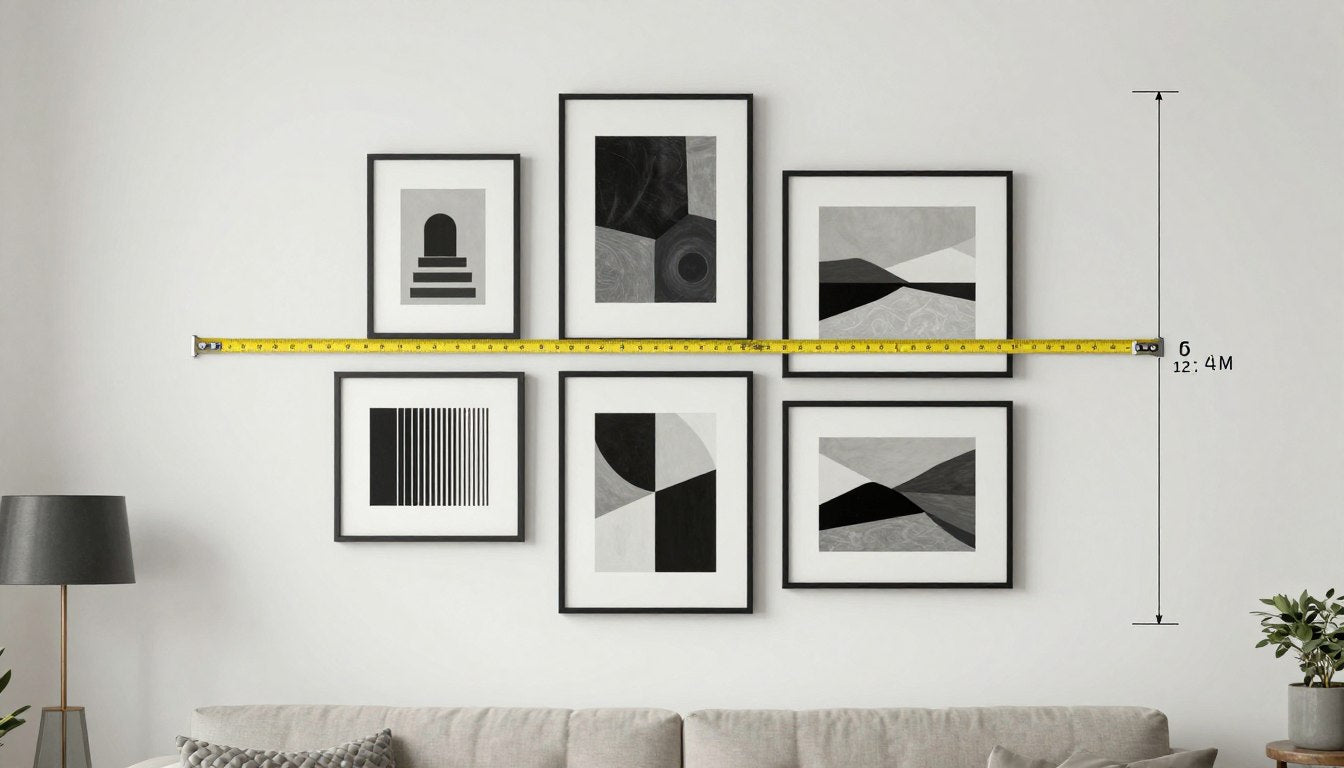

Choosing the right wall art size transforms a room from ordinary to extraordinary. The wrong size can make your space feel cramped or empty. This guide helps you select artwork that creates perfect visual balance in any room.
Understanding scale and proportion ensures your art complements your furniture and space. You'll learn practical measurement tips for different wall areas. Whether you're decorating above a sofa or creating a gallery wall, proper sizing makes all the difference.
The principles in this wall art size guide apply to canvas prints, original paintings, and modern sculptures. Master these simple rules to confidently choose artwork that enhances your home's aesthetic. Discover more decorating insights in our art blog for ongoing inspiration and expert tips.
Understanding Basic Wall Art Proportions

The foundation of choosing the right art size starts with understanding proportions. Wall art should occupy two-thirds to three-quarters of the furniture width below it. This creates visual harmony between your furniture and artwork.
For a 90-inch sofa, your wall art should span 60 to 68 inches wide. This applies to single pieces or grouped artwork combined width. The rule ensures your art doesn't look lost above large furniture pieces.
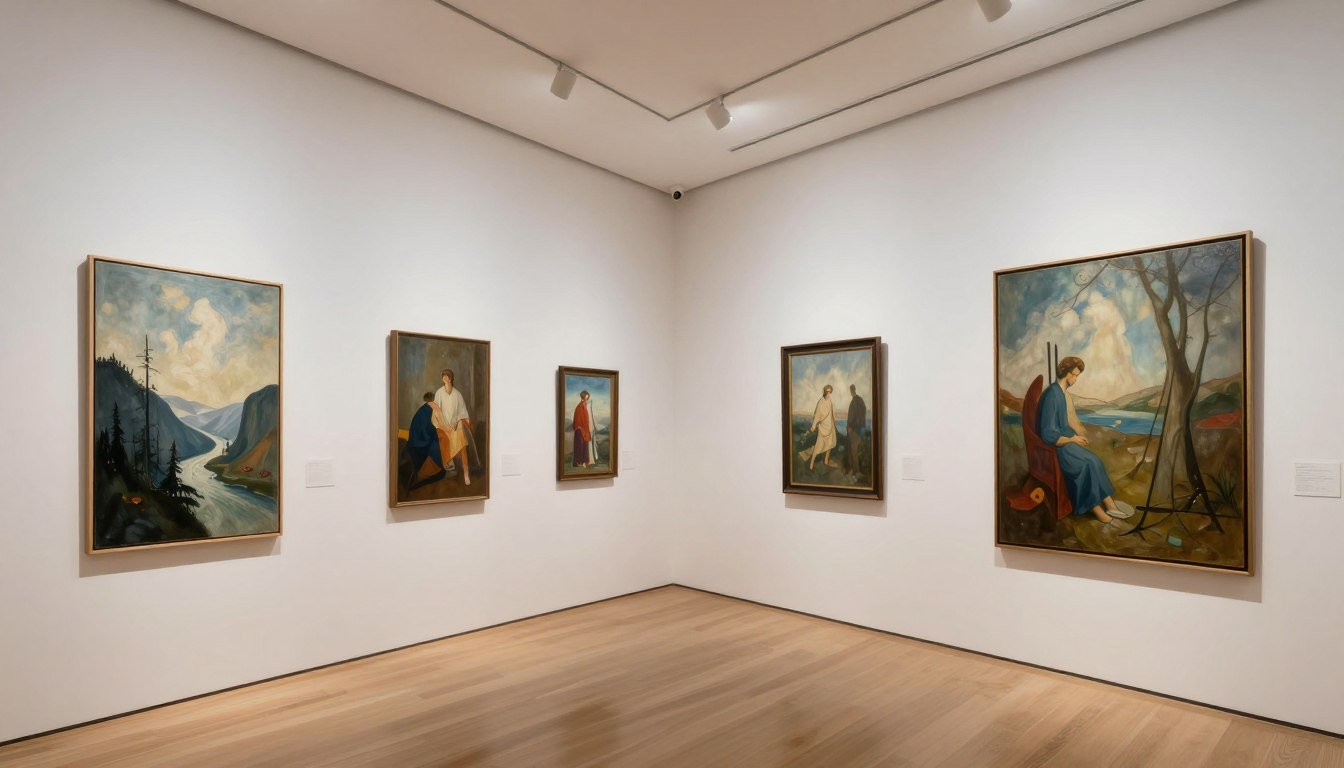
Eye level placement matters just as much as width. Hang artwork so the center sits 57 to 60 inches from the floor. This standard height works in most rooms and matches museum gallery standards.

Room ceiling height affects your size choices significantly. Standard 8-foot ceilings accommodate artwork up to 36 inches tall above furniture. Higher ceilings in contemporary homes allow for larger statement pieces reaching 48 inches or more.
Empty wall space requires different calculations than furniture-anchored displays. For blank walls, consider the wall's total dimensions rather than furniture measurements. Your canvas prints should fill the space without overwhelming the room's overall aesthetic balance.
Measuring Your Wall Space Accurately
Accurate measurements prevent costly sizing mistakes. Start by measuring the wall width and height using a metal tape measure for precision. Record these dimensions before shopping for artwork.
Account for existing furniture when measuring available wall space. Measure the width of sofas, beds, or console tables that sit below your intended art placement. Leave at least 6 to 12 inches of space on each side of the furniture.

Essential Measurement Steps
Measure in three key areas for complete accuracy. First, measure the full wall width from corner to corner. Second, measure the furniture width that anchors your art display.
Third, measure the vertical space from furniture top to ceiling. This determines maximum artwork height. Write down all measurements to reference when shopping online or in stores.

Common Measurement Mistakes
Many homeowners forget to account for frame width when measuring. A 30x40 inch print becomes larger with its frame and matting. Add 3 to 6 inches to your art dimensions for frame consideration.
Ignoring door and window clearances creates awkward placements. Ensure your artwork doesn't crowd architectural features. Leave breathing room around windows and doorways for balanced visual flow.
Create a simple floor plan sketch showing your furniture layout. Mark the wall space available for art with actual measurements. This visual reference helps you imagine how different size artwork will fit your space.
Choosing Art Size for Living Rooms

Living room walls often accommodate the largest artwork in your home. The space above your sofa presents the perfect opportunity for a statement piece. A 90-inch sofa pairs beautifully with artwork between 60 and 75 inches wide.
Consider a single oversized piece for dramatic impact. Large canvas prints measuring 40x60 inches or 48x72 inches create bold focal points. These sizes work especially well in contemporary spaces with high ceilings and minimal furniture.
Sectional sofas require different approaches than standard sofas. Measure the main wall section where your artwork will hang. Avoid spanning the entire sectional width, which can make art look stretched and unbalanced.

Console tables and entertainment centers need scaled-down artwork proportions. For a 60-inch console, choose art between 40 and 50 inches wide. This maintains proper visual weight without overwhelming the furniture piece below.
Living rooms with empty walls benefit from larger standalone pieces. Without furniture anchoring the display, aim for art that fills 30 to 40 percent of the wall width. This prevents the artwork from looking lost on expansive walls.
Explore our collection of original paintings perfect for creating stunning living room focal points. These pieces bring character and sophistication to your main living space.
Bedroom Wall Art Sizing Guidelines
Bedroom walls demand careful art size consideration for peaceful atmospheres. The wall above your bed serves as the primary focal point. Your artwork width should match two-thirds of your headboard or bed frame width.
Queen beds typically measure 60 inches wide, requiring art between 40 and 50 inches. King beds at 76 inches wide accommodate artwork spanning 50 to 60 inches. These proportions create balanced, harmonious bedroom aesthetics.

Above the Bed Placement
Hang your bedroom art 5 to 9 inches above the headboard top. This spacing prevents the artwork from appearing disconnected from the bed. Lower placements work for beds without headboards.
Vertical artwork suits bedrooms with limited wall width. A portrait-oriented piece measuring 30x40 inches fits well above double beds. This orientation draws the eye upward in rooms with standard ceiling heights.

Alternative Bedroom Walls
Side walls in bedrooms accommodate smaller art pieces. Areas flanking windows or beside dressers work well with 20x30 inch or 24x36 inch frames. These sizes add interest without competing with the bed wall.
Bedroom sitting areas benefit from intimate art sizes. Pieces measuring 16x20 inches or 18x24 inches suit reading nooks and vanity areas. Smaller artwork creates cozy, personal spaces within larger bedrooms.

Master bedrooms with tall ceilings allow for oversized statement pieces. Consider artwork reaching 48 to 60 inches in height for dramatic effect. Balance large art with substantial headboards or four-poster bed frames.
Browse our canvas prints perfect for bedroom walls, featuring serene designs that promote restful environments. Our collection includes sizes specifically suited for standard bed dimensions.
Dining Room Art Scale Considerations

Dining room walls present unique sizing challenges due to furniture height variations. Art placement depends on whether you're hanging above a buffet, sideboard, or empty wall space. Each scenario requires different size calculations.
Buffets and sideboards typically stand 30 to 36 inches tall. Choose artwork measuring 24 to 36 inches in height to complement these furniture pieces. Width should follow the two-thirds rule based on buffet dimensions.
A 72-inch sideboard pairs perfectly with art spanning 48 to 58 inches wide. This proportion creates sophisticated dining room displays. Single horizontal pieces work better than vertical orientations in dining spaces.

Empty dining room walls without furniture anchors need larger artwork. Aim for pieces that occupy 40 to 50 percent of the wall width. This prevents art from appearing insignificant in formal dining spaces.
Consider the dining table position when selecting art size. Artwork should center over the table rather than the wall itself. This creates visual connection between the table and art, enhancing the room's cohesive design.
Elevate Your Dining Experience
Transform your dining room into an elegant gathering space with carefully selected wall art. Our modern sculptures add sophisticated three-dimensional interest to dining areas, creating conversation-worthy focal points for memorable meals.
Dining rooms with wainscoting or chair rail molding require special consideration. Measure from the molding top to the ceiling. Select artwork heights that fit comfortably within this space without crowding architectural details.
Hallway and Stairway Art Sizing
Narrow hallways demand thoughtful art size selection. Vertical pieces work better than horizontal orientations in tight spaces. Choose artwork measuring 18x24 inches or 20x30 inches for standard hallway widths.
Hallway galleries showcase multiple smaller pieces effectively. Create visual interest with a series of 11x14 inch or 16x20 inch frames. Space them 3 to 6 inches apart horizontally for cohesive hallway displays.

Stairway walls accommodate ascending art arrangements. Start with a 24x36 inch piece at the bottom, then decrease sizes as you move upward. This creates dynamic visual flow following the staircase angle.

Maintain consistent spacing between stairway frames. Keep 4 to 6 inches between each piece regardless of size variations. This consistency unifies the display despite different frame dimensions.
Landing areas at stairway tops offer opportunities for larger statement pieces. These transition spaces accommodate artwork up to 36x48 inches. Use landings to feature your most impressive pieces at prominent viewing points.
Long hallways benefit from evenly spaced artwork creating rhythm. Place pieces every 6 to 8 feet along the hallway length. Consistent sizing throughout the hallway creates elegant, museum-like corridors in your home.
Hallway ceiling height affects maximum art size dramatically. Standard 8-foot ceilings limit artwork to 30 inches in height. Taller hallway ceilings in newer homes accommodate pieces reaching 40 to 48 inches tall.
Creating Perfect Gallery Walls

Gallery walls combine multiple artwork pieces into unified displays. The total width of all frames combined should follow the two-thirds furniture rule. Measure your wall space carefully before selecting individual piece sizes.
Start gallery walls with a large anchor piece measuring 24x36 inches or 30x40 inches. Build around this focal point with smaller frames ranging from 8x10 to 16x20 inches. This approach creates balanced, professional-looking arrangements.
Maintain 2 to 3 inches of space between all gallery wall frames. This breathing room prevents cluttered appearances while maintaining visual connection. Consistent spacing matters more than perfect alignment in gallery wall success.

Limit gallery walls to three different frame sizes for cohesion. Too many size variations create chaotic displays. Stick to small (8x10), medium (16x20), and large (24x36) for harmonious galleries.
Gallery wall shapes affect room perception significantly. Horizontal rectangular arrangements make walls appear wider. Vertical arrangements draw eyes upward, making rooms feel taller. Choose shapes based on your space dimensions and desired effect.
Build Your Perfect Gallery Wall
Create stunning gallery wall arrangements with our diverse collection of canvas prints. Mix sizes and styles to express your unique aesthetic while following professional proportion guidelines for balanced, museum-worthy displays.
Symmetrical gallery walls suit formal spaces like dining rooms and offices. Asymmetric arrangements work better in casual living areas and bedrooms. Match your gallery wall style to the room's overall design aesthetic for best results.
Oversized Statement Piece Guidelines
Oversized wall art makes powerful design statements in spacious rooms. These pieces typically measure 48x72 inches or larger. They work best in rooms with at least 10-foot ceilings and substantial wall space.
Statement pieces replace traditional furniture-to-art proportion rules. Focus on wall dimensions rather than furniture width when selecting oversized artwork. Aim for art that fills 50 to 60 percent of the available wall width.

Living rooms with empty walls benefit most from statement pieces. These large artworks anchor the space without competing with furniture. Position them on the main focal wall visible from the room's entrance.
Balance oversized art with appropriate furniture scale. Large artwork pairs best with substantial sofas, sectionals, or architectural features. Avoid pairing massive art with delicate or minimalist furniture arrangements.

Vertical Statement Pieces
Vertical oversized art suits rooms with exceptionally high ceilings. Pieces measuring 36x72 inches or 40x80 inches draw eyes upward. These work wonderfully in entryways and stairwell landings.
Consider architectural elements when placing vertical statement art. Position pieces between windows or beside fireplaces. This integration makes the artwork feel intentional rather than overwhelming.

Horizontal Statement Pieces
Horizontal oversized artwork complements long walls and wide furniture. Pieces spanning 60x40 inches or 72x48 inches create panoramic visual impact. These sizes work perfectly above king beds and long sectionals.
Ensure adequate clearance around horizontal statement pieces. Leave at least 12 inches from ceiling and 8 to 10 inches above furniture. This spacing prevents cramped appearances despite the artwork's large size.
Oversized art requires professional installation for safety. These heavy pieces need proper wall anchors and support systems. Consider hiring installers for artwork exceeding 40 pounds to protect your investment and walls.
Small Space Wall Art Solutions

Small rooms demand careful art size selection to avoid overwhelming limited wall space. Choose pieces between 16x20 and 24x36 inches for compact living rooms. These sizes provide visual interest without dominating small areas.
Multiple smaller pieces often work better than single large artworks in tight spaces. Create mini gallery walls with three to five frames measuring 11x14 or 8x10 inches. This approach adds personality without crowding walls.
Vertical orientations maximize wall space in small rooms. Portrait-style pieces measuring 20x30 inches or 24x36 inches draw eyes upward. This vertical emphasis makes small spaces feel taller and more spacious.

Light-colored artwork helps small spaces feel more open. Choose pieces with white, cream, or pale backgrounds. Dark or heavy artwork can make compact rooms feel even smaller and more confined.
Avoid oversized furniture in small rooms when displaying art. A large sofa leaves no wall space for properly sized artwork. Scale down furniture to allow room for art that follows standard proportion rules.
Corner spaces in small rooms accommodate narrow vertical pieces effectively. Art measuring 16x24 inches or 18x30 inches fits corner walls without overwhelming. These placements utilize often-ignored areas in compact spaces.
Small entryways benefit from single medium-sized pieces. Choose artwork between 20x24 and 24x30 inches for narrow entry walls. This size creates welcoming first impressions without cluttering tight entrance areas.
Apartment dwellers should prioritize removable hanging solutions with appropriately sized art. Smaller pieces measuring 16x20 to 24x30 inches work with damage-free hanging strips. This combination protects walls while allowing personal expression through artwork.

Office and Workspace Art Sizing
Home office walls require professional yet inspiring artwork proportions. Desk areas accommodate pieces between 20x30 and 30x40 inches positioned at eye level when seated. This sizing maintains professional atmosphere while adding personality.
Art behind computer monitors should stay medium-sized to avoid distraction. Choose pieces measuring 24x30 inches or smaller for walls directly in your line of sight. Larger artwork suits side walls outside direct viewing angles during work.

Meeting room walls in home offices benefit from larger statement pieces. Artwork measuring 36x48 inches or 40x60 inches creates impressive backdrops for video conferences. These sizes project professionalism during virtual meetings.
Workspace art should complement desk width using furniture proportion rules. A 60-inch desk pairs with artwork spanning 40 to 50 inches wide. This balance creates organized, intentional office designs rather than random decorating.

Creative Workspace Art
Creative professionals benefit from slightly larger, more vibrant office artwork. Pieces between 30x40 and 36x48 inches inspire creativity without overwhelming. Choose dynamic designs that energize your creative thinking process.

Corporate Style Offices
Traditional office spaces suit more conservative art sizes. Stick with pieces between 20x30 and 30x40 inches in neutral tones. These dimensions maintain professional appearance while adding sophisticated visual interest to workspaces.
Multiple monitors or dual-screen setups require careful art placement consideration. Position artwork on side walls rather than directly behind screens. This prevents visual competition and maintains focus on work tasks during office hours.
Three-Dimensional Art and Sculpture Sizing

Three-dimensional wall art and sculptures follow different sizing rules than flat artwork. Consider both width and projection depth when selecting sculptural pieces. Wall sculptures extending 3 to 6 inches from the wall create dramatic shadows and visual interest.
Dimensional art appears larger than flat pieces due to shadow effects. Choose sculptures 10 to 20 percent smaller than equivalent flat artwork for the same wall space. A sculpture measuring 24x30 inches creates similar visual impact as a 30x40 inch print.
Placement height for sculptures depends on their dimensional projection. Pieces extending more than 4 inches from the wall should hang slightly higher than standard art. This prevents head bumps in high-traffic areas while maintaining aesthetic appeal.

Sculptural pieces work beautifully as statement art in entryways and hallways. Choose dimensions between 24x24 and 36x36 inches for square-shaped sculptures. These sizes create impressive focal points without protruding too far into walking spaces.
Group multiple small sculptures instead of single large pieces for dynamic displays. Combine three to five dimensional pieces measuring 12x12 to 18x18 inches. This approach creates gallery-style installations with varied depths and visual texture.
Add Dimension to Your Walls
Move beyond flat artwork with our stunning collection of modern sculptures. These three-dimensional pieces create captivating focal points with dramatic shadows and depth. Transform ordinary walls into extraordinary displays that invite closer inspection and conversation.
Living room walls with abundant natural light showcase sculptures most effectively. Position dimensional art where sunlight creates changing shadow patterns throughout the day. This dynamic quality makes sculptural art more engaging than traditional flat pieces.
Consider weight and mounting requirements for dimensional art. Sculptures typically weigh more than flat artwork of similar size. Ensure proper wall anchors support the weight, especially for pieces projecting significantly from the wall surface.
Common Wall Art Sizing Mistakes
Choosing art too small ranks as the most frequent sizing error. Undersized artwork looks lost on large walls and creates unfinished appearances. When in doubt, select the larger size option for more impactful results.
Hanging art too high disconnects it from furniture and room flow. Maintain the 57 to 60-inch eye-level standard for optimal viewing. Many homeowners place art near the ceiling, creating awkward gaps above furniture pieces.

Ignoring furniture proportion leads to unbalanced room aesthetics. Art width must relate to furniture dimensions below it. Random sizing choices create disconnected designs rather than cohesive room schemes.
Overcrowding walls with too many pieces overwhelms spaces. Limit gallery walls to appropriate sizes and quantities. Three to seven frames work well for most gallery wall arrangements without creating visual chaos.

Spacing and Placement Errors
Excessive spacing between gallery wall frames breaks visual unity. Keep spacing consistent at 2 to 3 inches between all pieces. Too much space makes collections look random rather than intentionally curated.
Mismatched frame styles within gallery walls create chaotic appearances. Stick with consistent frame finishes even when mixing sizes. Cohesive framing unifies diverse artwork into professional-looking displays.

Height and Scale Errors
Placing art too close to ceilings wastes valuable wall space. Maintain at least 6 to 12 inches between artwork top and ceiling. This breathing room prevents cramped, uncomfortable visual impressions.
Selecting vertical art for horizontal spaces fights natural room proportions. Match artwork orientation to wall shape. Horizontal pieces suit wide walls while vertical art complements narrow wall spaces.
Failing to measure before purchasing causes return headaches and disappointment. Always measure your wall space and furniture dimensions before shopping. Bring measurements when visiting galleries or reference them for online purchases.
Need more guidance on avoiding decorating mistakes? Read more expert tips in our decorating blog for comprehensive advice on creating beautiful, balanced room designs that showcase your artwork perfectly.
Tips for Mixing Multiple Art Sizes

Mixing artwork sizes creates dynamic, interesting wall displays. Limit yourself to three distinct size categories for cohesion. Combine small (8x10 to 11x14), medium (16x20 to 20x30), and large (24x36 to 30x40) pieces for balanced arrangements.
Start with your largest piece as the anchor point. Position this focal artwork first, then arrange smaller pieces around it. This approach ensures your display has clear visual hierarchy and intentional composition.
Maintain odd numbers of frames for most pleasing arrangements. Groups of three, five, or seven frames create natural visual balance. Even numbers tend to split viewer attention rather than guiding the eye through the display.

Grid arrangements work best with identical sizes throughout. Choose one frame dimension and repeat it in neat rows and columns. This modern approach suits contemporary spaces and creates clean, organized aesthetics.
Salon-style walls embrace varied sizes for eclectic charm. Mix numerous frames from tiny 5x7 pieces to large 24x36 artworks. This traditional gallery approach works beautifully in homes with vintage or collected aesthetics.

Asymmetric arrangements require careful visual weight balancing. Larger pieces anchor one side while multiple smaller frames balance the opposite side. Step back frequently while arranging to assess overall visual equilibrium.
Color and subject matter unify mixed-size displays effectively. Choose artwork with related color palettes or themes even when sizes vary. This content connection makes size differences feel intentional rather than random.
Test arrangements on the floor before hanging. Lay out your frames in your planned configuration. Take photos from standing height to preview how the arrangement will appear on the wall before making holes.
Horizontal and vertical orientations can mix successfully within displays. Alternate orientations throughout your arrangement for rhythm and variety. Avoid clustering all horizontal or vertical pieces in one area of the display.
Seasonal Art Rotation and Sizing Flexibility
Seasonal art rotation keeps your home fresh without major redesign efforts. Invest in multiple artwork sets within the same size range. This approach allows easy swapping while maintaining proper wall proportions year-round.
Standard frame sizes facilitate seasonal changes most efficiently. Stick with common dimensions like 16x20, 20x30, or 24x36 inches. These sizes accommodate diverse mat and print options for varied seasonal looks.

Create seasonal art collections within consistent frame styles. Purchase matching frames in standard sizes, then rotate just the artwork prints. This method maintains design cohesion while refreshing your space with seasonal themes.
Gallery walls adapt perfectly to seasonal rotation strategies. Replace two or three pieces within your existing gallery arrangement. This partial rotation updates your display without requiring complete rehang of all frames.

Storage and Organization
Store off-season artwork properly to protect your investment. Use flat storage boxes with acid-free tissue between prints. Label boxes by season and size for easy rotation when decorating for different times of year.
Vertical storage saves more space than stacking artwork flat. Invest in portfolio cases or file systems designed for art storage. This organization makes seasonal swaps quick and protects artwork from damage during storage periods.

Hanging System Solutions
Removable hanging strips simplify seasonal art changes. These damage-free solutions work well for lightweight frames under 8 pounds. Perfect for renters or those who rotate artwork frequently throughout the year.
Picture rail systems offer ultimate flexibility for rotation. Install rails once, then slide hooks anywhere along the rail. This method eliminates new holes with each seasonal change while accommodating size variations easily.
Plan rotations around your home's existing color scheme. Choose seasonal artwork that complements permanent furniture and wall colors. This ensures each rotation feels cohesive rather than clashing with established room designs.
Budget-Friendly Sizing Strategies

Standard sizes offer significant cost savings over custom dimensions. Frames and mats in common sizes like 16x20 or 24x36 inches cost substantially less. Choose artwork available in these standard sizes to maximize your decorating budget.
Print-on-demand services provide affordable large-scale artwork options. Many online retailers offer canvas prints in various sizes at reasonable prices. This approach delivers proper sizing without the investment of original artwork or custom framing.
Mat boards transform small art into larger display sizes economically. An 8x10 inch print matted to 16x20 inches fills more wall space. This technique achieves proper proportions while using affordable smaller original artworks.

Thrift stores and discount retailers stock standard-size frames at fraction of retail costs. Purchase frames first, then find artwork to fit. This reverse approach guarantees proper sizing while maintaining strict budget constraints.
Digital downloads eliminate shipping costs and reduce artwork prices significantly. Purchase high-resolution digital files, then print locally at your required size. This method provides flexibility in sizing while controlling total project expenses.
Group smaller affordable pieces instead of purchasing one large expensive artwork. Five 11x14 inch prints cost less than one 30x40 inch piece. This gallery approach achieves proper wall coverage within limited budgets.
Focus budget on key rooms rather than decorating entire home immediately. Invest in properly sized artwork for your living room first. Add to other rooms gradually as budget allows while maintaining correct proportions in each space.
DIY framing reduces costs dramatically when working with standard sizes. Purchase pre-made frames and frame your own prints. This approach requires minimal tools while achieving professional-looking results at fraction of custom framing costs.

Our canvas prints offer gallery-quality artwork in standard sizes at accessible price points. Invest in pieces that provide lasting value while maintaining proper proportion guidelines for your specific wall spaces.
Final Thoughts on Wall Art Sizing

Choosing the right wall art size transforms ordinary rooms into designer-worthy spaces. The two-thirds furniture proportion rule serves as your foundation. Remember to measure carefully and consider both wall dimensions and furniture scale.
Every room type requires slightly different sizing approaches. Living rooms accommodate larger statement pieces while bedrooms suit more intimate scales. Hallways and small spaces benefit from vertical orientations and smaller dimensions.
Gallery walls and mixed-size displays offer creative flexibility within proportion guidelines. Start with an anchor piece, maintain consistent spacing, and limit size variations to three categories. These strategies ensure professional-looking results regardless of your decorating style.
Trust your instincts while following these fundamental sizing principles. When debating between two sizes, the larger option typically creates more impressive results. Undersized artwork rarely looks intentional, while slightly oversized pieces make bold design statements.
Consider your artwork as a long-term investment in your home's atmosphere. Properly sized pieces enhance daily living experiences and increase home value. Take time to measure, plan, and select artwork that truly fits your space.
Ready to Find Your Perfect Piece?
Now that you understand wall art sizing principles, explore our complete collection of gallery-quality wall art. From canvas prints to original paintings and modern sculptures, we offer diverse styles in all the standard sizes discussed in this guide. Each piece is crafted to bring beauty, balance, and perfect proportions to your home.
Your walls deserve artwork that complements their proportions perfectly. Whether you're decorating a single room or your entire home, these sizing guidelines help you make confident decisions. Apply these principles to create spaces that reflect your personal style while maintaining professional design standards.
Start your wall art journey today with proper measurements and clear proportion guidelines. Transform your empty walls into stunning focal points that enhance your daily environment. The right size makes all the difference between mediocre and magnificent interior design results.

About the Author
Chiara Rossetti
Chiara Rossetti is the founder of Rossetti Art, a canvas print and original art brand. She writes about interior design, wall art styling, and the art of making a home feel alive.


Leave a comment
This site is protected by hCaptcha and the hCaptcha Privacy Policy and Terms of Service apply.