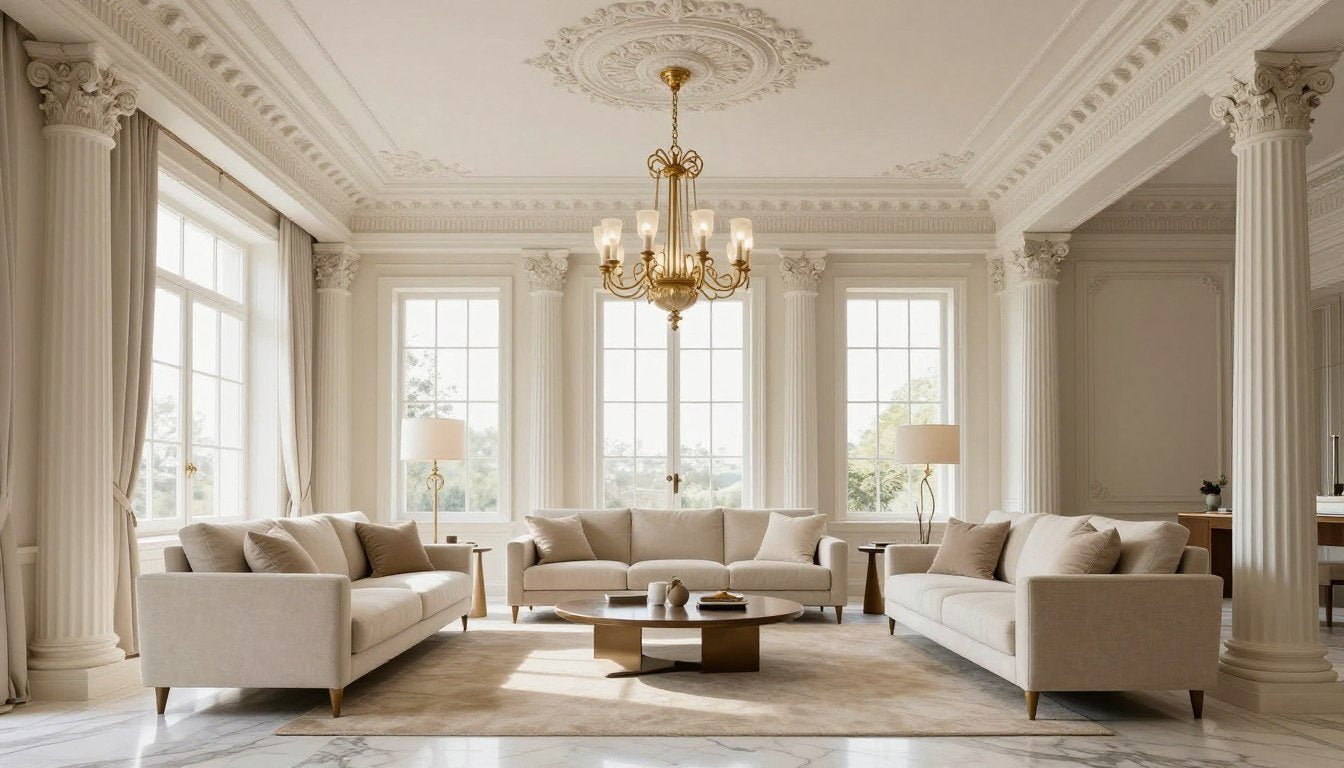

The neoclassical style at home represents a return to classical elegance that originated in the mid-18th century. This design movement brought ancient Greece and Rome into modern living spaces. Today, homeowners embrace this timeless aesthetic for its balance and sophistication.
Classical architecture and refined details define this enduring style. The approach emphasizes harmony through careful proportion and restrained ornamentation. Many appreciate how neoclassical design creates spaces that feel both grand and welcoming.
This comprehensive guide explores the key elements that make neoclassical interiors so captivating. You'll discover practical ways to incorporate symmetry, neutral palettes, and curated wall art into your home. For more interior design inspiration and expert tips, explore our design blog featuring ongoing insights into classical and contemporary aesthetics.
Understanding Neoclassical Interior Design
Neoclassical interior design emerged as a response to the elaborate baroque rococo styles of the early 18th century. This movement represented a cultural shift toward simplicity and classical ideals. Designers looked back to ancient Greece and Rome for inspiration during this transformative period.

The style emphasizes clean lines and geometric shapes rather than excessive decoration. Neoclassical furniture features straight lines and refined details that echo classical forms. This approach creates spaces that feel ordered and harmonious.
Neoclassical architecture incorporates elements like columns, pediments, and balanced proportions. These features connect modern homes to ancient traditions. The White House stands as one of the most famous examples of neoclassical architecture in America.
Key characteristics distinguish neoclassical design from other styles. The movement values proportion, symmetry, and restrained ornamentation. Natural materials like wood and marble play essential roles in authentic neoclassical spaces.
Historical Context
The neoclassical period flourished from the 1760s through the 1830s. Archaeological discoveries at Pompeii and Herculaneum sparked renewed interest in classical antiquity. This cultural movement influenced architecture, furniture, and decorative arts across Europe and America.
Modern Interpretation
Today, neoclassical style adapts classical principles for contemporary living. Modern homes blend traditional elements with current needs. This fusion creates spaces that honor the past while serving present-day functions.
The Foundation of Symmetry and Balance
Symmetry serves as the cornerstone of neoclassical style at home. Every element within a room reflects its counterpart on the opposite side. This principle creates visual harmony that feels naturally pleasing to the eye.

Balance extends beyond simple mirroring in neoclassical design. The approach considers visual weight and proportion throughout the space. Furniture placement, architectural features, and decorative elements all contribute to overall equilibrium.
A classic neoclassical living room demonstrates this principle clearly. Matching sofas face each other across a central coffee table. Identical side tables and lamps flank each seating area. This arrangement creates a sense of order and tranquility.
Creating Symmetrical Arrangements
Start with a focal point when planning symmetrical spaces. Fireplaces, windows, or architectural features often serve this purpose. Arrange furniture and decor in balanced pairs around this central element.
- Position matching furniture pieces at equal distances from the center
- Use pairs of lamps, vases, or decorative objects on mantels and tables
- Hang wall art in balanced arrangements on either side of focal points
- Place matching columns or pilasters to frame doorways and windows
- Align rugs and floor patterns to reinforce symmetrical layouts
The bedroom benefits significantly from symmetrical design principles. Identical nightstands flank the bed with matching lamps. Wall sconces or artwork mirror each other above the bedside tables. This balanced approach promotes restful, orderly environments.

Proportional Harmony
Proportion works hand-in-hand with symmetry in neoclassical spaces. Classical architecture relied on mathematical ratios derived from ancient Greece and Rome. These golden proportions create naturally pleasing relationships between elements.
Furniture scale matters tremendously in achieving proper balance. Oversized pieces overwhelm rooms while undersized items appear lost. Neoclassical design carefully considers the relationship between furniture size and room dimensions.
High ceilings characteristic of neoclassical homes demand appropriately scaled furnishings. Tall windows require substantial drapery treatments. Wall art and decorative elements must match the grandeur of architectural features.
Mastering Neutral Color Palettes
Neutral palettes define the neoclassical color approach. Creams, whites, soft grays, and beiges dominate these sophisticated spaces. These timeless colors create calm backgrounds that highlight architectural details and decorative elements.

The foundation of neoclassical color schemes starts with warm whites and ivories. These shades provide a clean canvas while maintaining warmth. Walls in soft cream tones complement white architectural trim and moldings beautifully.
Light plays a crucial role in how neutral colors appear throughout the day. Natural illumination brings out subtle undertones in beige and gray. Consider how sunlight moves through your space when selecting specific neutral shades.
Building Depth with Neutrals
Layering different neutral tones prevents spaces from feeling flat or sterile. Combine warm and cool neutrals for visual interest. A warm beige sofa pairs elegantly with cool gray walls and crisp white trim.
- Use varying shades of the same neutral family for subtle contrast
- Incorporate texture through fabrics like linen, silk, and velvet
- Add depth with matte, satin, and glossy finishes
- Layer lighter neutrals in foreground with darker tones in background
- Introduce natural wood tones to warm predominantly cool palettes
The dining room showcases neutral palette sophistication through careful material selection. Marble tabletops in cream or gray anchor the space. Upholstered chairs in complementary neutral fabrics provide comfortable seating. Crystal or glass elements add sparkle without introducing color.
Strategic Color Accents
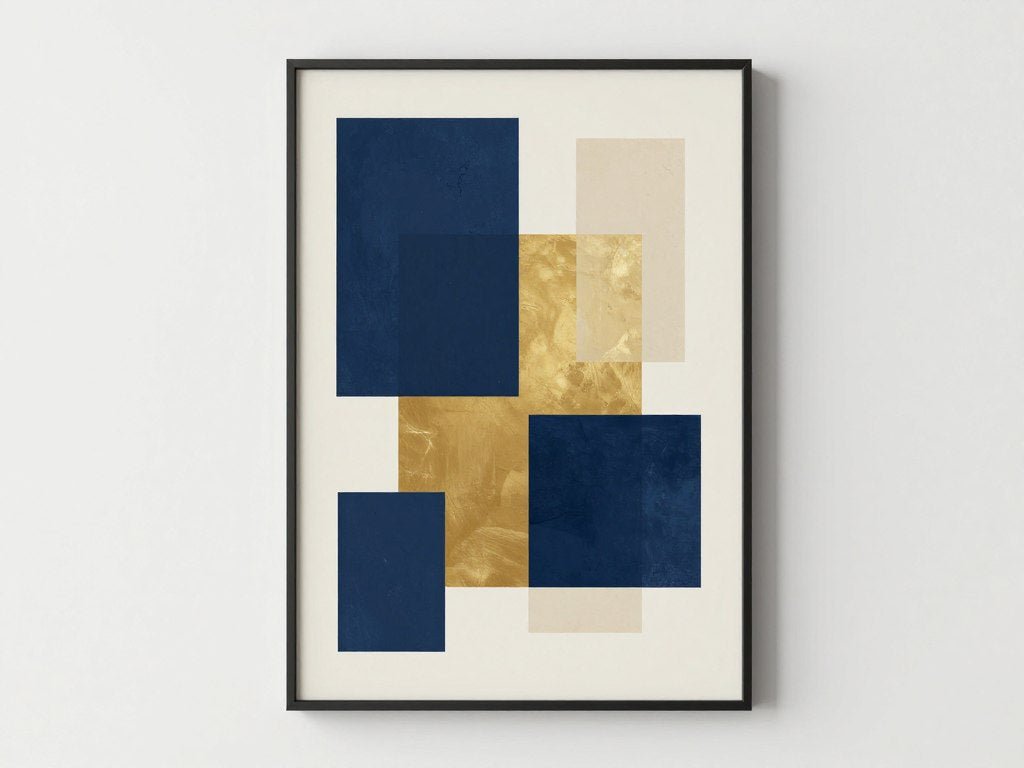
While neutrals dominate, neoclassical style allows for restrained color accents. Deep blues, muted greens, and soft golds appear in small doses. These touches reference classical art and architecture without overwhelming the palette.

Consider adding curated canvas prints that incorporate these accent colors thoughtfully. Artwork provides an ideal opportunity to introduce measured color while maintaining overall neutrality.
Textiles offer another avenue for subtle color introduction. Curtains in muted tones add softness without disrupting the neutral foundation. Throw pillows and blankets in restrained hues provide comfort and visual interest.
Classical Architectural Features
Neoclassical architecture brings ancient Greece Rome elements into modern homes. Columns, pediments, and moldings create visual connections to classical antiquity. These features elevate ordinary spaces into refined environments.

Columns represent the most iconic element of neoclassical design. Fluted columns with Corinthian or Ionic capitals frame doorways and define spaces. Even simplified column forms add classical gravitas to contemporary interiors.
High ceilings allow neoclassical homes to incorporate dramatic vertical elements. Crown molding, ceiling medallions, and coffered ceilings draw the eye upward. These details create a sense of grandeur characteristic of the style.
Incorporating Classical Details
Moldings and trim work throughout neoclassical interiors reference ancient Greek and Roman architecture. Baseboards, chair rails, and picture moldings divide walls into classical proportions. These elements add depth and visual interest to flat surfaces.
- Install substantial crown molding with classical profiles
- Add wainscoting or paneling to walls for traditional elegance
- Frame doorways with decorative casings and pediments
- Incorporate ceiling medallions around light fixtures
- Use pilasters to create architectural rhythm along walls
Window treatments in neoclassical spaces complement architectural features. Floor-to-ceiling drapery emphasizes vertical lines and high ceilings. Valances with classical motifs frame windows elegantly. The overall effect enhances natural light while maintaining grandeur.

Modern Adaptations
Contemporary neoclassical homes adapt traditional elements for today's lifestyles. Simplified molding profiles offer classical references without overwhelming modern spaces. Clean lines maintain the spirit of neoclassical design while feeling current.
Materials bridge classical and modern sensibilities in updated neoclassical interiors. Traditional marble and wood combine with contemporary finishes. This blend honors historical roots while embracing present-day aesthetics and functionality.
Neoclassical Furniture and Furnishings
Neoclassical furniture embodies the style's core principles through form and decoration. Straight lines and geometric shapes replace the curves of baroque rococo styles. Each piece demonstrates restraint and classical proportion.

Characteristic features of neoclassical furniture include tapered legs, fluted details, and classical motifs. Greek key patterns, laurel wreaths, and medallions appear as refined decorative elements. Wood finishes tend toward lighter tones or painted surfaces in neutral colors.
The emphasis remains on quality materials and expert craftsmanship. Solid wood construction ensures durability and substance. Upholstery in fine fabrics like silk, velvet, or linen adds luxury without excessive embellishment.
Essential Furniture Pieces
A neoclassical living room centers around substantial seating arrangements. Sofas and chairs feature straight backs and arms with classical details. Occasional tables showcase marble tops or fine wood surfaces. Every piece contributes to the overall symmetrical composition.
- Select sofas with exposed wood frames and classical leg styles
- Choose armchairs with straight lines and refined proportions
- Incorporate console tables with classical column supports
- Add side tables with marble tops and fluted legs
- Include a statement piece like a classical-style settee or chaise
The bedroom embraces neoclassical furniture principles through substantial case pieces. Armoires, dressers, and nightstands feature architectural details like pilasters and pediments. Beds with classical headboards anchor the space with appropriate gravitas.
Decorative Objects and Accents
Carefully selected decorative elements enhance neoclassical interiors without cluttering them. Classical sculptures, urns, and vases reference ancient Greece and Rome directly. These objects appear in pairs to maintain symmetry.

Consider incorporating modern sculptures that echo classical forms while offering contemporary interpretations. These pieces bridge traditional neoclassical style with current design trends, creating spaces that feel both timeless and fresh.
Books, candlesticks, and decorative boxes add personality within the neoclassical framework. Group these items in odd numbers on surfaces while maintaining overall balance. Quality matters more than quantity in creating refined displays.
Curated Wall Art for Neoclassical Spaces
Wall art plays a defining role in neoclassical interior design. Carefully selected pieces provide focal points while reinforcing the style's classical heritage. The approach emphasizes quality and thoughtful placement over quantity.
Classical subjects and themes align naturally with neoclassical interiors. Landscape paintings, architectural studies, and figurative works echo the period's aesthetic values. Neutral tones in artwork complement the overall color palette while maintaining visual interest.
Frame selection matters significantly in achieving authentic neoclassical presentation. Traditional gilt frames with classical motifs enhance period artwork. Simple, refined frames in gold or white work beautifully with both classical and contemporary pieces.
Gallery Wall Arrangements
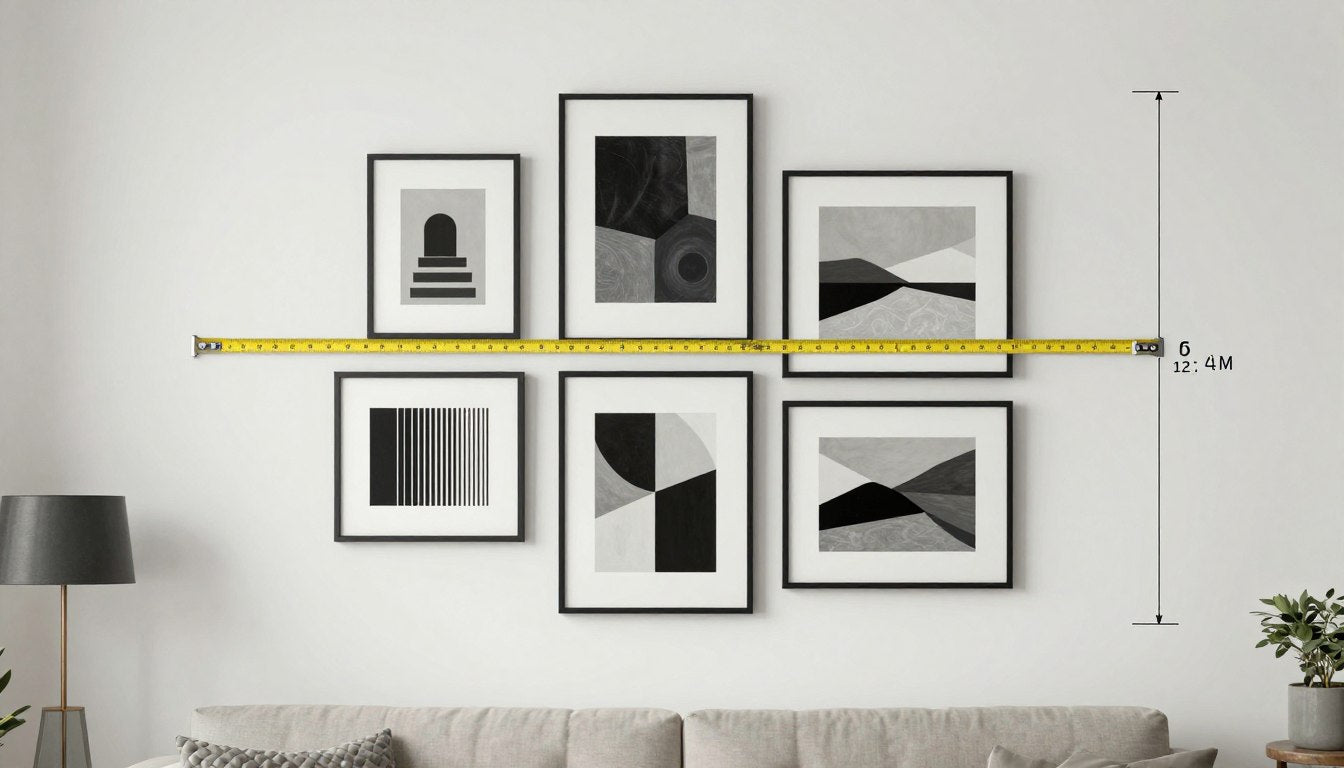
Symmetrical gallery walls demonstrate neoclassical principles through balanced composition. Arrange artwork in grid patterns or symmetrical groupings. Center the arrangement on a wall and maintain equal spacing between frames.
- Create grid layouts with same-sized frames for formal symmetry
- Balance larger central pieces with smaller works on either side
- Maintain consistent frame styles throughout a single arrangement
- Align artwork at eye level, typically 57-60 inches from floor to center
- Use paper templates to plan arrangements before hanging

Explore modern canvas wall art that complements neoclassical interiors while adding contemporary sophistication. Quality reproductions of classical works or abstract pieces in neutral palettes integrate seamlessly into traditional settings.
Statement Pieces
Large-scale artwork serves as dramatic focal points in neoclassical rooms. Position a substantial painting above a fireplace or sofa to anchor the space. The piece should relate proportionally to the furniture and architectural elements below it.

Original paintings bring unique character and investment value to neoclassical homes. Quality matters more than size when selecting statement pieces. Discover original paintings that offer both artistic merit and stylistic compatibility with classical interiors.
Sculpture and three-dimensional art add depth to wall displays. Classical busts or relief sculptures mounted on walls create architectural interest. These elements reference ancient Rome and Greece while functioning as sophisticated decorative features.
Lighting in Neoclassical Interiors
Lighting design significantly impacts the success of neoclassical style at home. Chandeliers, sconces, and lamps combine functionality with classical elegance. These fixtures serve as decorative elements while providing essential illumination.

Crystal chandeliers represent quintessential neoclassical lighting fixtures. These elaborate pieces draw the eye upward while emphasizing high ceilings. Position chandeliers centrally in rooms to reinforce symmetrical layouts and provide balanced illumination.
Wall sconces in classical styles flank mirrors, artwork, or architectural features. Paired sconces maintain the symmetry essential to neoclassical design. Choose fixtures with classical details like fluting, acanthus leaves, or Greek key patterns.
Layered Lighting Approach
Successful neoclassical lighting combines ambient, task, and accent illumination. Overhead fixtures provide general lighting while table and floor lamps offer focused light for specific activities. Accent lighting highlights architectural details and artwork.
- Install dimmer switches to control ambient lighting levels throughout the day
- Use matching table lamps in pairs for symmetry on side tables and consoles
- Add picture lights to illuminate artwork and create focal points
- Position floor lamps strategically for reading areas while maintaining balance
- Incorporate cove lighting to wash walls and emphasize architectural elements
Natural light remains paramount in neoclassical design. Large windows characteristic of the style flood spaces with daylight. Control natural light with elegant drapery while maximizing illumination during daytime hours.
Fixture Selection Guidelines
Choose lighting fixtures that complement rather than compete with architectural features. Scale matters tremendously in this style. A chandelier should fill approximately one-third of the room's width for proper proportion.

Finishes should harmonize with other metallic elements in the room. Brass, gold, or silver fixtures coordinate with hardware, mirrors, and decorative objects. Consistency in metal finishes creates cohesion throughout the space.
Practical Styling Tips for Neoclassical Homes
Implementing neoclassical style at home requires attention to detail and careful planning. Start with architectural elements and build outward to furnishings and accessories. This methodical approach ensures cohesive results.
Begin by assessing your space's existing architecture. Original moldings, ceiling height, and window placement influence design decisions. Work with these features rather than against them for authentic neoclassical character.
Room-by-Room Guidance
The living room serves as the primary space for entertaining in neoclassical homes. Create a symmetrical seating arrangement around a central focal point. Balance furniture placement and decorative elements to establish harmony throughout the room.
Living Room Essentials
- Position matching sofas facing each other or flanking a fireplace
- Add pairs of armchairs for additional symmetrical seating
- Center a substantial coffee table or ottoman
- Hang balanced artwork or mirrors above the mantel
- Include matching table lamps on side tables
Bedroom Elements
- Center the bed on the main wall as the focal point
- Flank with identical nightstands and lamps
- Add symmetrical wall sconces or artwork above the bed
- Use matching drapery panels on windows
- Include classical-style furniture in balanced arrangements
The dining room exemplifies formal neoclassical style through furniture selection and placement. A substantial table centers the space with chairs arranged symmetrically around it. A chandelier hangs directly above, reinforcing the room's central axis.
Avoiding Common Mistakes
Balance restraint with richness when styling neoclassical interiors. Too little ornamentation creates cold, sterile spaces. Excessive decoration contradicts the style's emphasis on classical simplicity and clean lines.

- Avoid mixing too many decorative styles that clash with neoclassical principles
- Don't overcrowd spaces with excessive furniture or accessories
- Resist using bold, trendy colors that contradict neutral palette foundations
- Skip modern minimalist furniture that lacks classical references
- Avoid asymmetrical arrangements that work against the style's core principles
Maintain consistent quality throughout your home. A few exceptional pieces create more impact than numerous mediocre items. Invest in key furniture, lighting, and art that exemplify neoclassical style excellence.
Contemporary Interpretations of Neoclassical Style
Modern neoclassical homes adapt traditional elements for contemporary lifestyles. This evolution honors historical roots while embracing current design trends and functional needs. The result feels fresh yet timeless.

Simplified classical details work effectively in contemporary contexts. Streamlined moldings reference traditional profiles without elaborate ornamentation. Columns and pilasters adopt cleaner forms while maintaining proportional relationships characteristic of the style.
Contemporary materials integrate with traditional elements in updated neoclassical spaces. Glass, steel, and concrete join marble and wood to create interesting contrasts. These combinations respect classical principles while acknowledging modern construction and design possibilities.
Balancing Old and New
Successful modern neoclassical design maintains classical proportions and symmetry while incorporating contemporary comfort. Traditional room layouts accommodate modern technology and lifestyle requirements. The approach preserves aesthetic integrity while serving practical needs.
- Integrate modern conveniences discreetly within classical frameworks
- Use contemporary art that complements rather than contradicts classical elements
- Select furniture with classical proportions but updated materials or finishes
- Maintain neutral palettes while allowing for broader accent color ranges
- Adapt symmetry principles flexibly for irregular or challenging spaces
Color palettes in modern neoclassical homes expand beyond strict neutrals while remaining sophisticated. Soft blues, greens, and warm grays join traditional creams and whites. These expanded options provide personality without abandoning the style's refined character.
Regional and Cultural Variations
Neoclassical style adapts to different regions while maintaining core principles. American neoclassical homes often incorporate elements from Federal and Greek Revival periods. European interpretations draw from Empire and Regency styles of the same era.

Climate and geography influence material choices and spatial arrangements. Southern homes emphasize porches and tall windows for ventilation. Northern examples feature more compact layouts optimized for heating efficiency. Local traditions shape how classical principles manifest in specific contexts.
Examples of successful modern neoclassical homes demonstrate the style's adaptability. New constructions reference historical precedents while incorporating contemporary conveniences. Renovated period homes update systems and amenities while preserving architectural character.
Creating Your Neoclassical Home
Neoclassical style at home offers timeless elegance through symmetry, neutral palettes, and curated decorative elements. This design approach creates spaces that feel both grand and livable. The principles adapt successfully to various home sizes and architectural contexts.

Begin your transformation by focusing on symmetry and balance in furniture placement. Establish neutral foundations through paint colors and major furnishings. Layer in architectural details, appropriate lighting, and carefully selected decorative elements gradually.
Remember that quality exceeds quantity in neoclassical design. Invest in fewer, better pieces rather than filling spaces with mediocre items. Each element should contribute to the overall harmony and classical aesthetic you're creating.
Wall art remains one of the most impactful ways to enhance neoclassical interiors. Thoughtfully chosen pieces provide focal points and express personal taste within the style's framework. Consider how artwork relates to architectural features and complements your neutral palette.
Transform Your Space with Curated Art
Discover our carefully selected collections of canvas prints, original paintings, and sculptures designed to complement neoclassical interiors. Each piece honors classical principles while offering contemporary sophistication for today's homes.
The beauty of neoclassical style lies in its enduring appeal and adaptability. Whether you're decorating a new construction or renovating a historic property, these principles create sophisticated, welcoming environments. Classical elegance never goes out of fashion.
Start your neoclassical journey today by implementing one principle at a time. Focus on symmetry first, then build your neutral palette, and finally add those curated touches that make the space uniquely yours. The result will be a home that honors centuries of design excellence while serving modern life beautifully.

About the Author
Chiara Rossetti
Chiara Rossetti is the founder of Rossetti Art, a canvas print and original art brand. She writes about interior design, wall art styling, and the art of making a home feel alive.

Leave a comment
This site is protected by hCaptcha and the hCaptcha Privacy Policy and Terms of Service apply.