The main difference comes down to height, legs, and room placement. Buffets are tall with legs for dining rooms. Sideboards sit lower with storage for living or dining spaces. Credenzas hug the floor without legs and work best in offices or modern living rooms.
In this guide, you'll learn exactly how to tell these three pieces apart. You'll also discover practical decorating tips for each furniture type. Plus, we'll show you how Rossettiart canvas prints can transform the wall space above your storage furniture.
Let's break down these furniture differences so you can pick the right piece and style it with confidence.
Find Your Style: Prints That Match Your Furniture Vibe
If you love clean lines and modern aesthetics, here are 3 prints that bring that mood into a room.

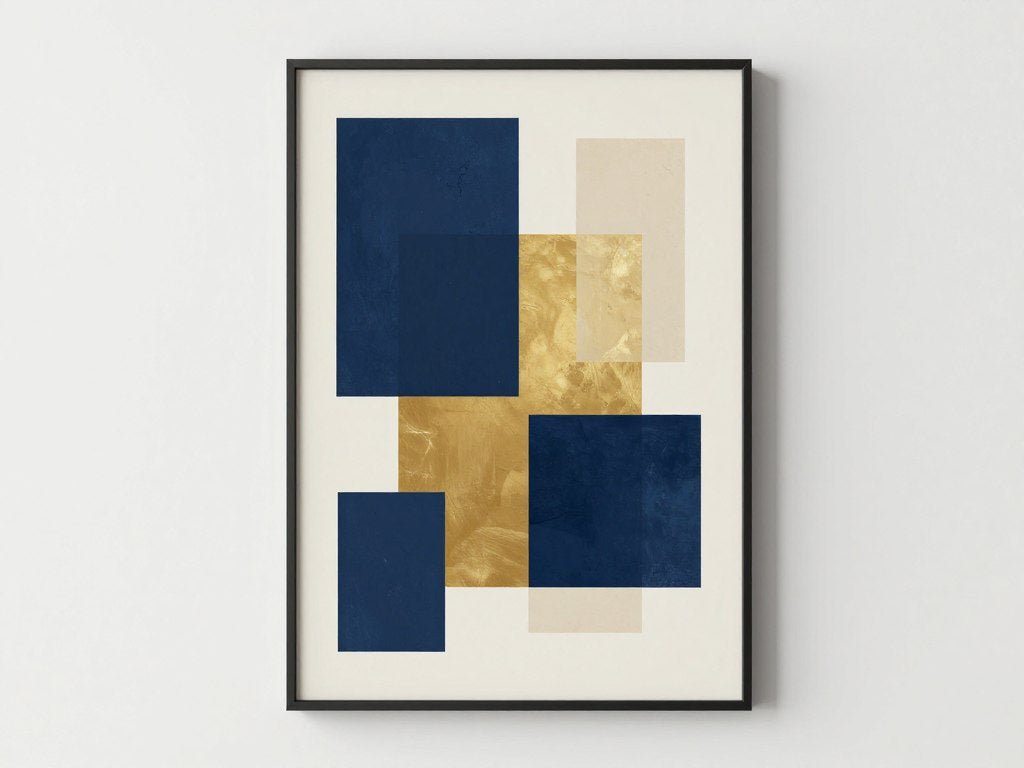
Modern Geometric Abstract Print
Bold shapes and neutral tones complement sleek credenzas and contemporary sideboards.

Minimalist Line Art Portrait
Simple elegance that pairs perfectly with mid-century modern buffets and Scandinavian designs.

Oversized Botanical Canvas
Brings natural texture to any sideboard or credenza in living spaces and dining rooms.
What Is a Buffet?

A buffet is a tall storage piece designed specifically for dining rooms. It typically stands between 34 and 38 inches high.
The defining feature is its long legs. These elevate the piece off the floor and create a formal appearance.
Buffets were originally created for serving food during meals. The top surface provides space for platters, serving dishes, and dining items.
Inside, you'll find cabinets and drawers for storing linens, silverware, and dishes. Some models include wine racks or specialized compartments.
Key Buffet Characteristics
- Height ranges from 34 to 38 inches
- Features prominent legs that lift the piece off the ground
- Designed primarily for dining room use
- Top surface serves as a serving station during meals
- Storage focuses on dining essentials like linens and dishes
- Traditional or formal design aesthetic
Best Rooms for Buffets
Dining rooms are the natural home for buffet tables. The height aligns with standard dining tables.
The furniture piece works best in formal dining spaces where you host meals regularly. It provides functional serving space and keeps dining items organized.
Some homeowners place buffets in large entryways or hallways. However, the design truly shines in dining settings.
What Is a Sideboard?

A sideboard is a versatile storage piece that sits lower than a buffet. Most sideboards measure 30 to 34 inches in height.
These pieces have shorter legs compared to buffets. The legs provide some elevation but maintain a lower profile.
Sideboards work in multiple rooms throughout your home. You'll see them in dining rooms, living rooms, hallways, and even bedrooms.
The design is less formal than traditional buffets. This flexibility makes sideboards popular in modern and transitional spaces.
Key Sideboard Features
- Height typically between 30 and 34 inches
- Shorter legs than buffets but still elevated off the floor
- Works in dining rooms, living rooms, and other spaces
- More casual and versatile than buffets
- Storage includes drawers and cabinets for various items
- Top surface displays decor, media equipment, or serving pieces
Sideboard Versatility
The sideboard's adaptability makes it a smart furniture investment. In dining rooms, it functions similarly to a buffet.
In living rooms, sideboards serve as media consoles or display surfaces. The storage keeps clutter hidden while the top showcases decorative items.
Bedrooms can use sideboards as dressers or storage alternatives. The piece provides ample room for folded clothes, accessories, and personal items.
What Is a Credenza?

A credenza is the lowest of the three furniture types. These pieces sit directly on the floor without legs.
The absence of legs creates a sleek, grounded look. This design aesthetic works perfectly in modern and contemporary spaces.
Credenzas originated as office furniture. They traditionally sit behind desks to provide additional storage and work surface.
Today, credenzas appear in living rooms, bedrooms, and dining spaces. The modern design fits various interior styles.
Credenza Defining Traits
- No legs—sits flush against the floor
- Lower profile than sideboards and buffets
- Originally designed for office environments
- Clean, modern aesthetic with minimal ornamentation
- Long horizontal proportions emphasize width over height
- Storage typically features sliding doors or push-to-open mechanisms
Modern Credenza Uses
In offices, credenzas provide file storage and display space for office supplies. The surface holds printers, documents, or decorative items.
Living rooms benefit from credenzas as media consoles. The low height works well with wall-mounted TVs.
Bedrooms can use credenzas for clothing storage or as statement pieces. The horizontal lines create visual balance in rectangular rooms.
Design Palettes for Each Furniture Type
Choosing the right color scheme transforms your furniture piece from functional to stunning. Each furniture type pairs naturally with specific palettes.
Traditional Buffet Palette
- Base: Rich wood tones like mahogany, cherry, or walnut
- Accent: Deep burgundy, forest green, or navy blue in table linens
- Materials: Polished brass hardware, crystal glassware, formal china
- Lighting: Use a chandelier or wall sconces above for elegant dining room ambiance
Common mistake: Mixing too many metal finishes. Stick to one primary metal tone for cohesive design.
Versatile Sideboard Palette
- Base: Light to medium wood or painted finishes in white, gray, or navy
- Accent: Warm metallics like brass or copper in decor and hardware
- Materials: Mix textures—ceramic vases, woven baskets, metal picture frames
- Lighting: Table lamps on each end create balanced illumination in living spaces
Common mistake: Overcrowding the top surface. Leave 30-40% empty space for visual breathing room.
Modern Credenza Palette
- Base: Dark woods, black lacquer, or white high-gloss finishes
- Accent: Bold pops of color in artwork—coral, emerald, or mustard yellow
- Materials: Sleek materials like glass, chrome, and smooth ceramics
- Lighting: Recessed ceiling lights or minimal track lighting maintain clean modern lines
Common mistake: Choosing overly ornate decor. Keep accessories simple to honor the minimalist aesthetic.
Transitional Style Palette
- Base: Medium-toned woods or two-tone finishes combining wood and paint
- Accent: Soft neutrals—taupe, cream, sage green, or dusty blue
- Materials: Balance traditional and modern—linen textiles with metal accents
- Lighting: Swing-arm wall lamps provide flexibility in dining or living rooms
Common mistake: Choosing too many different wood tones. Limit yourself to two wood finishes per room.
Coastal-Inspired Palette
- Base: Whitewashed or driftwood-finish furniture pieces
- Accent: Ocean blues, sandy beiges, and crisp white in textiles and decor
- Materials: Natural textures—rope, seagrass, coral, and weathered wood
- Lighting: Natural light maximizes the airy coastal feel; use sheer window treatments
Common mistake: Going too nautical with themed decor. Subtle references to coastal elements work better than literal anchors and ships.
For artwork that complements any of these palettes, explore original paintings that bring authentic texture and color to your space.
Match This Vibe to Your Space
Discover Art That Completes Your Furniture
The wall above your buffet, sideboard, or credenza needs the right visual anchor. Explore our collections to find pieces that match your style and room.
Side-by-Side: Buffet vs Sideboard vs Credenza
Understanding the core differences helps you choose the right piece for your space and needs.
| Feature | Buffet | Sideboard | Credenza |
| Height | 34-38 inches | 30-34 inches | 28-32 inches |
| Legs | Long, prominent legs | Short legs or low base | No legs—sits on floor |
| Primary Room | Dining room | Dining room or living room | Office or living room |
| Design Style | Traditional, formal | Versatile, transitional | Modern, contemporary |
| Storage Type | Dining linens, dishes, silverware | Multi-purpose storage | Office supplies, media equipment |
| Top Surface Use | Food serving during meals | Decor display or media setup | Work surface or media console |

Height Matters Most
The height difference is the quickest way to identify each piece. Buffets tower tallest for formal dining service.
Sideboards sit at a comfortable middle height. This makes them perfect for multiple room types.
Credenzas hug the floor with their legless design. The low profile suits modern spaces and offices.
Leg Styles Define Character
Buffet legs are impossible to miss. They're often turned, carved, or decoratively shaped.
Sideboard legs are present but subtle. They lift the piece just enough to create visual lightness.
Credenza legs don't exist. The piece rests directly on the ground for maximum stability and modern appeal.
Depth and Width: Practical Sizing Guide
Height isn't the only measurement that matters. Depth and width determine whether a piece fits your space properly.
Standard Depth Ranges
Most buffets, sideboards, and credenzas measure 18 to 24 inches deep. This depth provides adequate storage without jutting too far into rooms.
Shallow pieces at 16-18 inches work in narrow hallways or tight dining spaces. They won't block traffic flow.
Deep pieces at 24-28 inches offer maximum storage capacity. These work best in spacious rooms where depth isn't an issue.
Width and Room Proportion
Width varies dramatically based on room size and available wall space. Pieces range from 48 inches to over 80 inches wide.
Measure your wall space before shopping. Leave at least 6 inches of clearance on each side of the furniture.
The piece should occupy roughly 50-75% of the wall width. This creates visual balance without overwhelming the space.

Traffic Flow Considerations
Allow 36-48 inches of clearance between your furniture piece and any opposite furniture. This ensures comfortable movement.
In dining rooms, position buffets where servers can access them during meals. The piece shouldn't block chair movement.
In living rooms, credenzas and sideboards should leave clear pathways to doorways and seating areas.
Storage Features: Drawers, Cabinets, and Shelving
The interior design of these furniture pieces varies significantly. Understanding storage options helps you choose based on what you need to store.
Drawer Configurations
Buffets typically feature smaller drawers for silverware, linens, and dining accessories. Drawers often include dividers for organization.
Sideboards offer medium-sized drawers suitable for various items. From office supplies to media accessories, these drawers handle diverse storage needs.
Credenzas may have minimal drawer space. The focus shifts to cabinet storage with adjustable shelving inside.

Cabinet Door Styles
Traditional buffets use hinged cabinet doors. These open outward and may feature glass panels to display china or glassware.
Modern credenzas often use sliding doors. This mechanism saves space and maintains clean lines in contemporary designs.
Sideboards offer both options depending on the style. You'll find hinged, sliding, and even push-to-open door mechanisms.
Adjustable Shelving
Most pieces include adjustable shelves inside cabinets. This flexibility accommodates items of various heights.
Shelves typically adjust in 1-inch increments. This allows precise customization for your specific storage items.
Some furniture includes specialized features like wine racks, plate grooves, or felt-lined shelves for delicate items.
Materials and Construction Quality
The materials determine both appearance and longevity. Quality construction ensures your investment lasts for years.
Wood Types and Finishes
Solid wood construction offers superior durability and timeless beauty. Common woods include oak, walnut, cherry, and mahogany.
Wood veneers over engineered wood reduce costs while maintaining attractive surfaces. Quality veneers resist warping and peeling.
Painted finishes on solid wood or MDF create modern looks. Multiple paint layers and proper sealing ensure chip resistance.
Hardware and Joinery
Dovetail joints in drawers signal quality construction. These interlocking joints prevent drawers from separating over time.
Soft-close hinges and drawer glides indicate thoughtful design. These features prevent slamming and extend hardware life.
Metal hardware should feel substantial. Avoid pieces with lightweight, hollow-feeling handles and knobs.

Surface Durability
Top surfaces endure the most wear. Look for finishes that resist water rings, scratches, and heat damage.
Polyurethane and lacquer finishes offer excellent protection. These sealed surfaces clean easily and maintain their appearance.
Consider using protective pads under decorative items. This prevents scratches and maintains the surface quality.
Rossettiart Picks for Buffet vs Sideboard vs Credenza Styling
The right artwork transforms functional furniture into a stunning focal point. These selections work perfectly above each furniture type.

For Traditional Buffets
Large landscape canvas prints complement formal dining rooms and traditional buffet styling. The horizontal orientation matches the furniture proportions. Explore landscape prints
Classic still life original paintings bring timeless elegance to buffet displays. The subject matter aligns with dining themes and traditional decor. View original paintings
For Versatile Sideboards
Abstract geometric prints bridge traditional and modern styles perfectly for transitional sideboards. The shapes add visual interest without overwhelming the space. See geometric options
Botanical canvas art brings natural elements to living room and bedroom sideboards. The organic forms soften hard furniture lines. Browse botanicals
Sculptural wall pieces create three-dimensional interest above sideboards in hallways and entryways. The depth adds architectural detail. Discover sculptures
For Modern Credenzas
Minimalist line art enhances the clean aesthetic of contemporary credenzas in offices and living rooms. The simplicity maintains visual calm. Find minimalist art
Large-scale abstract paintings make bold statements above low-profile credenzas. The size contrast creates dynamic visual tension. View abstracts

How to Decorate Each Furniture Type
Styling these pieces requires different approaches based on their design, height, and room location.
Buffet Decorating Strategy
Start with a centerpiece at the midpoint of the buffet surface. This could be a floral arrangement, decorative bowl, or statement sculpture.
Add symmetrical elements on each side. Matching candlesticks, table lamps, or decorative boxes create formal balance.
Layer heights by placing shorter items in front of taller ones. This creates depth and visual interest.
Hang artwork 6-8 inches above the buffet surface. The art should be roughly two-thirds the width of the furniture piece.

Sideboard Styling Approach
Use the rule of three for balanced arrangements. Group items in sets of three with varying heights.
Mix textures and materials. Combine wood, metal, glass, and ceramic items for visual variety.
Leave negative space. Don't fill every inch of the surface—empty areas give the eye rest.
Consider function alongside aesthetics. If you use the sideboard for media storage, factor in remotes, gaming controllers, and cable management.
Credenza Design Principles
Keep the surface minimal. Modern credenzas look best with one or two carefully chosen items.
Focus attention on the wall art. The low furniture height makes the artwork above the primary visual element.
Use sculptural objects sparingly. One striking piece often works better than multiple small items.
In offices, balance work function with aesthetics. Keep necessary items organized in attractive containers.

Art Sizing: Getting Proportions Right
Proper art sizing makes or breaks the visual impact above your furniture. Follow these guidelines for professional results.
Width Guidelines
Your artwork should measure between 50-75% of the furniture width. For a 60-inch buffet, choose art that's 30-45 inches wide.
Single large pieces create bold statements. Multiple smaller pieces grouped together work equally well if the combined width follows the same rule.
Avoid tiny art above large furniture. Small pieces look lost and create awkward proportions.
Height Placement
Hang artwork 6-10 inches above the furniture surface. This creates visual connection while maintaining separation.
The art's center should sit at eye level, typically 57-60 inches from the floor. Adjust slightly based on furniture height.
Consider ceiling height. In rooms with high ceilings, you can hang art slightly higher to fill vertical space.

Gallery Wall Arrangements
Gallery walls work beautifully above longer pieces. Maintain the 50-75% width rule for the entire arrangement.
Keep spacing between frames consistent. Use 2-3 inches between pieces for cohesive appearance.
Arrange pieces on the floor first. Take a photo to visualize before hanging anything.
Mix frame styles cautiously. Too much variety creates chaos rather than intentional design.
Room-by-Room Furniture Selection
Different rooms call for specific furniture types. Choose based on function and design requirements.
Dining Room Decisions
Traditional formal dining rooms pair best with buffets. The height and formality match dining table aesthetics.
Casual dining spaces work well with sideboards. The relaxed style fits everyday family meals.
Small dining areas benefit from narrower pieces. Measure carefully to maintain traffic flow around the dining table.
Living Room Options
Large living rooms can accommodate longer sideboards or credenzas. These provide media storage and display surfaces.
Behind-sofa placement works for credenzas. The low profile doesn't block sightlines across the room.
Corner placements maximize space in smaller living rooms. Angle the piece to create visual interest.

Office and Home Workspace
Credenzas originated in offices for good reason. They provide storage without dominating the space visually.
Position credenzas perpendicular to desks for L-shaped work configurations. This creates additional work surface.
Use credenzas for printer storage, file organization, and office supply containment. Keep desk surfaces clear by moving items to credenza storage.
Bedroom Applications
Sideboards function as stylish dresser alternatives in master bedrooms. The height works well for folded clothing storage.
Place sideboards at the foot of beds for blanket storage and display surfaces. This adds functionality without cluttering nightstand areas.
Low credenzas work in smaller bedrooms. They provide storage without making the room feel cramped.
Watch: Styling Secrets for Sideboards and Buffets
See these design principles in action with expert decorating demonstrations and real-room examples.
Bonus: What About Console Tables?
Console tables often get confused with these three furniture types. They deserve clarification.
Console Table Characteristics
Console tables are narrower than buffets, sideboards, or credenzas. Most measure just 12-18 inches deep.
These tables typically have legs and sit at approximately the same height as buffets. However, they lack substantial storage.
Console tables work best in entryways, hallways, and behind sofas. The shallow depth prevents blocking walkways.

Storage Differences
Console tables offer minimal storage compared to buffets, sideboards, and credenzas. You might find one or two small drawers.
The primary function is display rather than storage. Console tables showcase decorative items, mail, keys, and small personal items.
If you need substantial storage, choose a sideboard or credenza instead. Console tables serve aesthetic purposes more than functional ones.
Smart Shopping: What to Look for When Buying
Making an informed purchase requires attention to several key factors beyond basic appearance.
Budget and Value
Quality pieces start around $500 for basic models. Expect to spend $1,000-$3,000 for solid wood construction with quality hardware.
High-end designer pieces can exceed $5,000. These offer superior materials, craftsmanship, and unique design elements.
Consider cost per year of use. A $2,000 piece that lasts 20 years costs just $100 annually.
Assembly Requirements
Many furniture pieces require assembly. Check reviews for feedback on assembly difficulty and instruction quality.
Fully assembled options cost more but save time and frustration. Factor in assembly costs if you plan to hire help.
Heavy pieces need two people for safe assembly and positioning. Plan accordingly before your delivery date.
Return Policies and Warranties
Understand return windows before purchasing. Most retailers offer 30-90 day returns.
Check warranty coverage for construction defects. Quality furniture often includes 1-5 year warranties.
Photograph your piece upon delivery. Document any damage immediately for insurance and return purposes.
Complete Your Space with Museum-Quality Art
Ready-to-hang, museum-quality canvas. Free worldwide shipping.

FAQ: Buffet vs Sideboard vs Credenza: What's the Difference (and How to Decorate One)
What is a sideboard?
A sideboard is a versatile storage furniture piece that stands 30-34 inches tall with short legs. It works in multiple rooms including dining rooms, living rooms, and hallways.
Sideboards feature a combination of drawers and cabinets for storage. The top surface displays decorative items or serves as a functional work area for media equipment.
Should I choose a buffet or sideboard for my dining room?
Choose a buffet for formal dining rooms where you host regular meals and need serving space. Buffets stand taller (34-38 inches) with prominent legs that create an elegant appearance.
Select a sideboard for casual dining spaces or multi-functional rooms. Sideboards offer more versatility and work in various interior design styles beyond traditional formal settings.
What's the main difference in a credenza vs buffet?
The main difference lies in the legs and height. Credenzas sit directly on the floor without legs and maintain a low profile, while buffets have long prominent legs and stand much taller.
Credenzas originated as office furniture with a modern aesthetic. Buffets were designed specifically for formal dining rooms with traditional styling and serving functionality.
Can I use a buffet or credenza in my living room?
Credenzas work perfectly in living rooms as media consoles due to their low profile and modern design. The piece won't block sightlines and provides ample storage for electronics and media.
Buffets can work in large, formal living rooms but may look out of place in casual contemporary spaces. Consider the overall room style before placing a traditional buffet outside the dining room.
How do I decorate the wall above a sideboard or buffet?
Hang artwork 6-10 inches above the furniture surface. The art should measure 50-75% of the furniture width for proper proportions.
Choose pieces that complement your room style—traditional landscapes for formal buffets, abstract prints for modern credenzas, or botanical art for versatile sideboards. For curated options, visit Rossettiart's design blog for styling inspiration.
What items should I store in a buffet versus a credenza?
Buffets are designed for dining essentials like table linens, silverware, serving dishes, and formal dinnerware. The storage compartments typically include dividers for organized placement.
Credenzas work best for office supplies, files, media equipment, and modern home storage needs. The design prioritizes clean aesthetics over specialized dining storage features.
Are sideboards and buffets the same thing?
Sideboards and buffets are not the same, though they share similarities. Buffets stand taller (34-38 inches) with longer legs and formal styling for dining rooms.
Sideboards measure 30-34 inches tall with shorter legs and more casual design. Sideboards offer greater versatility for use in multiple rooms and interior styles beyond formal dining spaces.
What depth should I look for in a buffet, sideboard, or credenza?
Standard depth ranges from 18-24 inches for most dining and living room pieces. This provides adequate storage capacity without protruding too far into your room space.
Choose 16-18 inch depths for narrow hallways or tight spaces where traffic flow matters. Select 24-28 inch depths if you have ample room and need maximum storage volume for larger items.
Can a credenza work as a TV stand?
Yes, credenzas make excellent TV stands due to their low profile and wide proportions. The design works perfectly with wall-mounted televisions in modern living rooms.
Ensure the credenza has proper ventilation for media equipment and cable management solutions. Measure your TV width and choose a credenza that's at least as wide as your television for proper visual balance.
How much space should I leave around my buffet or sideboard?
Allow 36-48 inches of clearance between your furniture piece and any opposing furniture or walls. This ensures comfortable traffic flow and functional access to storage.
In dining rooms, make sure chairs can pull out fully without hitting the buffet. Leave at least 6 inches of wall space on each side of the furniture for visual breathing room and balanced proportions.
Making Your Choice: Final Thoughts
Now you understand the core differences between buffets, sideboards, and credenzas. Height, legs, and design style separate these three furniture types.
Buffets serve formal dining rooms with their tall stature and prominent legs. Sideboards offer versatility across multiple rooms with their medium height and adaptable design.
Credenzas bring modern aesthetics to offices and contemporary living spaces with their legless, low-profile construction.
Your choice depends on your room type, design style, and storage needs. Measure your space carefully before purchasing.
Remember that the wall above your furniture matters just as much as the piece itself. The right artwork completes the look and transforms functional storage into a stunning focal point.
Consider your existing decor, color palette, and room function. Then select the furniture type that serves both your practical needs and aesthetic goals.

With the right piece in place and thoughtful styling on the surface and wall above, you'll create a space that's both beautiful and functional for years to come.

About the Author
Chiara Rossetti
Chiara Rossetti is the founder of Rossetti Art, a canvas print and original art brand. She writes about interior design, wall art styling, and the art of making a home feel alive.


Leave a comment
This site is protected by hCaptcha and the hCaptcha Privacy Policy and Terms of Service apply.