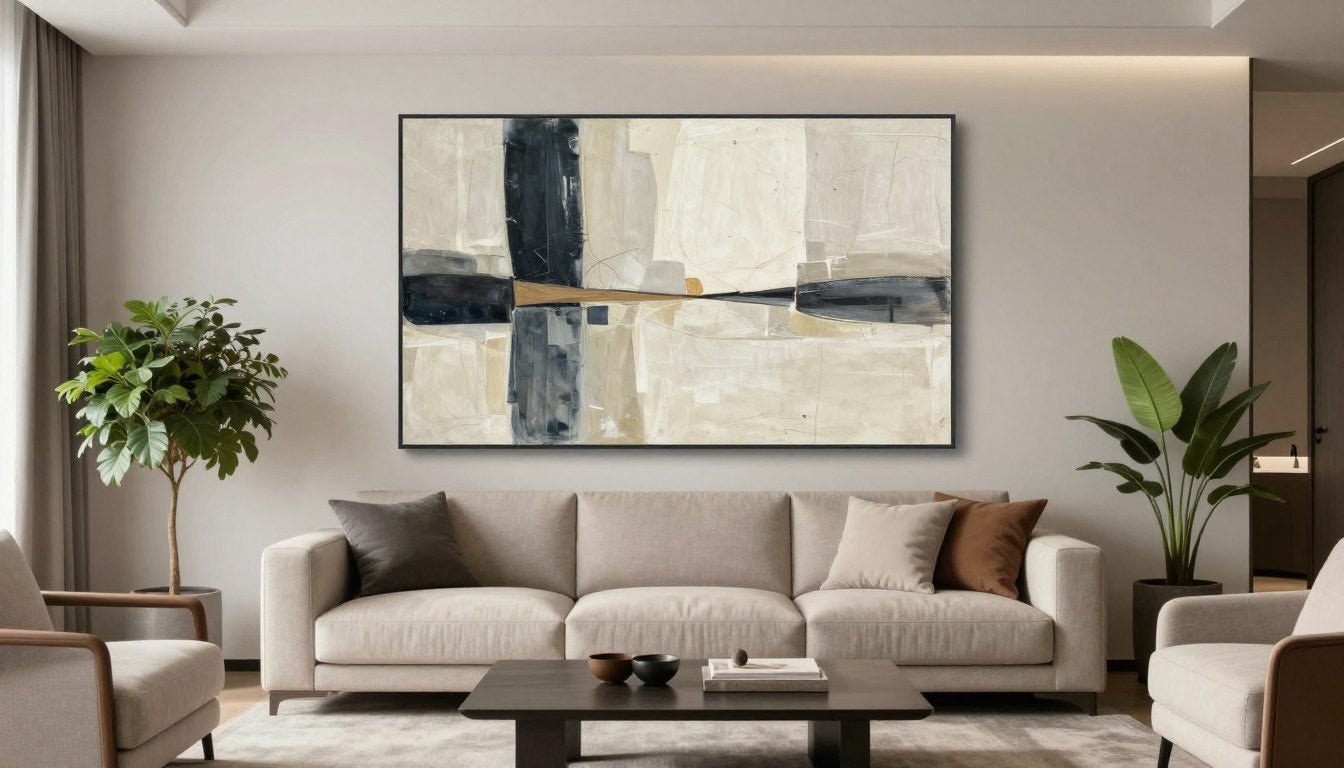

Choosing wall art for the home transforms empty walls into personal galleries that reflect your style and personality. The right artwork creates focal points, adds color and texture, and makes your space feel complete. Whether you're decorating your first apartment or refreshing an established home, understanding how to select and place wall art makes all the difference.
This guide walks you through everything you need to know about wall art. You'll learn about different styles, sizing rules, placement strategies, and room-specific considerations. By the end, you'll have the confidence to curate a collection that turns your house into a home.
Wall decor isn't just about filling blank spaces. It's about creating an environment that feels authentically yours. Each piece you choose tells a story and contributes to the overall atmosphere of your room. Let's explore how to make those choices count.
Understanding Different Wall Art Styles for Your Home

Wall art comes in countless styles, each bringing its own energy to a space. Understanding these styles helps you identify what resonates with your personal taste. The art you choose should complement your existing decor while adding visual interest.
Abstract art uses shapes, colors, and forms to create compositions that don't represent literal subjects. These pieces work beautifully in contemporary spaces and offer flexibility in interpretation. Abstract canvas prints by Chiara Rossetti feature bold geometrics and fluid forms that adapt to various color schemes.

Botanical wall art brings nature indoors through prints of plants, flowers, and organic forms. This style creates calming environments and pairs well with natural materials like wood and stone. The botanical nature canvas prints collection offers everything from delicate watercolor florals to bold tropical leaves.

Portrait and figurative art adds a human element to your walls. These pieces create conversation starters and emotional connections. Portrait canvas prints range from classical representations to modern interpretations, each bringing character to your space.

Line art canvas prints offer minimalist sophistication through simple, continuous line drawings. This style works exceptionally well in modern and Scandinavian-inspired spaces. The line art collection features elegant single-line compositions that feel both timeless and contemporary.

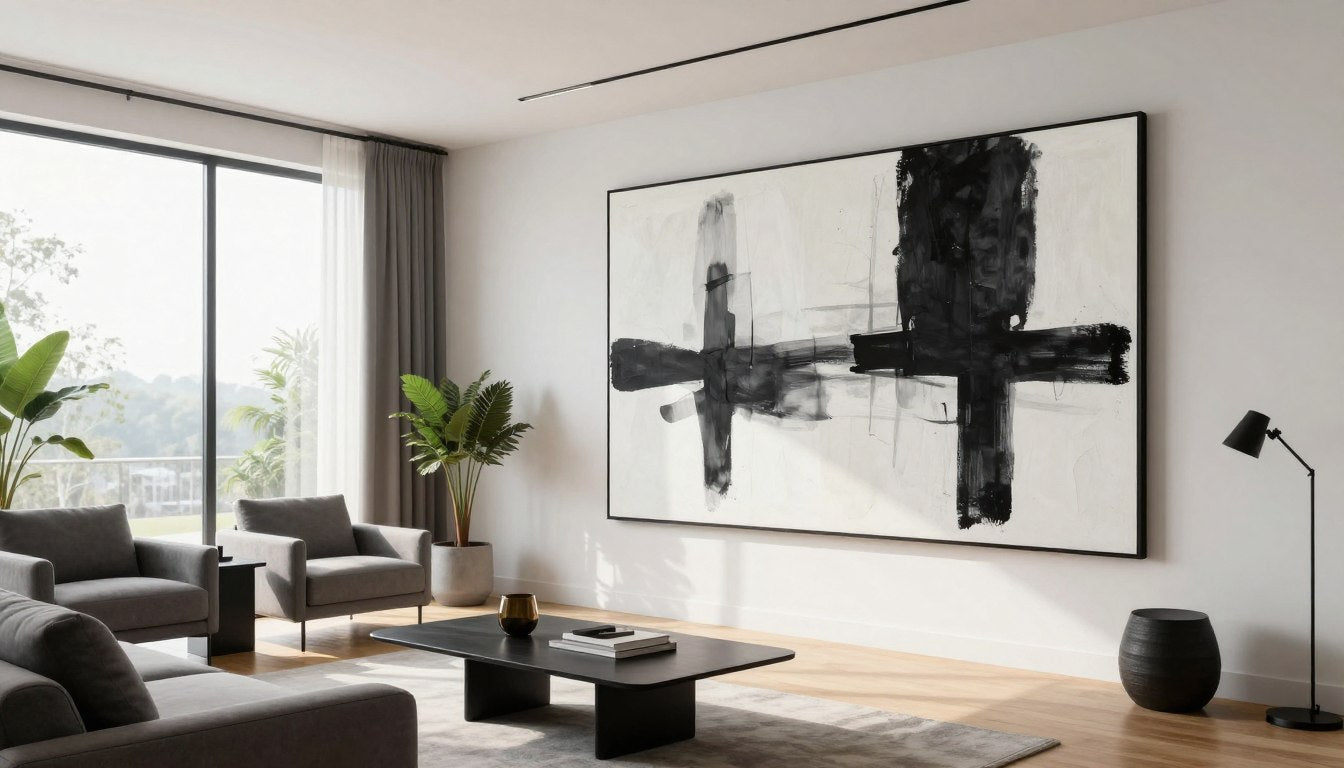
Black and white canvas prints provide classic versatility that works in virtually any room. These pieces create dramatic focal points without competing with your existing color scheme. Explore the black and white canvas prints for timeless options that never go out of style.

If You Love Modern Minimalism, These 3 Prints Bring That Mood Into Any Room
Curated selections that capture clean lines, sophisticated palettes, and timeless appeal. Each piece works beautifully alone or as part of a larger gallery wall.

Abstract Neutral Composition
Soft geometric forms in warm neutrals create a sophisticated focal point. Perfect for living rooms and bedrooms where you want calm, elevated energy.

Botanical Line Drawing
A single continuous line captures the essence of natural form. This piece adds organic interest while maintaining a minimal aesthetic that works everywhere.

Modern Portrait Study
Contemporary portraiture in monochrome creates instant sophistication. This style brings human warmth to modern interiors without visual clutter.
Mastering Wall Art Sizing and Scale for Perfect Proportion

Getting the size right is crucial for wall art to make its intended impact. Too small and the piece gets lost on the wall. Too large and it overwhelms the space. Understanding basic sizing principles helps you choose artwork that feels proportionally correct.
For art above furniture, the general rule is that your artwork should be two-thirds to three-quarters the width of the furniture piece below it. This creates visual balance and makes the furniture and art feel connected. A 72-inch sofa works perfectly with a 48 to 54-inch wide canvas or gallery wall arrangement.

Wall height matters just as much as width. Hang your art so the center sits at eye level, typically 57 to 60 inches from the floor. This standard gallery height works in most rooms with typical ceiling heights. For rooms with high ceilings, you might adjust slightly higher while maintaining visual connection to furniture and architectural elements.
Large statement pieces create instant focal points and work beautifully in spacious rooms. Oversized artwork draws the eye and anchors the space. Consider pieces 40 inches or larger for walls in living rooms, dining rooms, and primary bedrooms. The living room wall art collection features appropriately scaled pieces for these larger spaces.

Smaller walls and spaces call for appropriately scaled artwork. A powder room or hallway works better with pieces in the 16 to 24-inch range. These smaller formats create visual interest without overwhelming limited wall space. Multiple small pieces can be grouped to create impact similar to a single larger work.

Canvas print sets offer a solution for larger walls without requiring a single oversized piece. Three or more coordinated canvases create a cohesive gallery wall that feels custom and intentional. The canvas print sets collection provides pre-coordinated groupings in various sizes and themes.

Room dimensions influence your artwork choices too. A piece that works in a 12-by-15-foot room might feel lost in a 20-by-25-foot great room. Consider the viewing distance when selecting size. Larger rooms allow for bolder, bigger pieces that can be appreciated from across the space.
When in doubt, go slightly larger rather than smaller. Undersized art is a common mistake that makes rooms feel incomplete. A piece that feels "too big" when you first hang it often settles into the space perfectly after a day or two as your eye adjusts to the new focal point and scale.

Color Coordination Strategies That Make Wall Art Work

Color ties your wall art to your overall design scheme. The artwork you choose can either complement existing colors or introduce new accent shades. Understanding how to work with color makes your art feel intentional rather than random.
Complementary color schemes use colors opposite each other on the color wheel. A room with blue-gray walls comes alive with orange or rust-toned artwork. This approach creates vibrant energy and visual excitement. It works particularly well in living rooms and dining spaces where you want conversation and activity.

Analogous color schemes use colors next to each other on the wheel. Blue, blue-green, and green create harmonious, soothing environments. This approach works beautifully in bedrooms and spaces designed for relaxation. The bedroom canvas prints collection includes many pieces in calming analogous palettes.

Monochromatic schemes stick to variations of a single color. Different shades, tints, and tones of blue create sophisticated, cohesive spaces. This approach allows you to play with contrast through value rather than hue. Black and white photography or prints add this type of tonal variation beautifully.

Neutral artwork provides flexibility when you're unsure about color commitment. Pieces in black, white, gray, beige, and cream work with virtually any palette. These prints let you change accent colors through pillows, throws, and accessories without replacing your art. Explore canvas prints by Rossetti Art for versatile neutral options.

Accent color introduction through art adds personality to neutral spaces. If your room features mostly whites, grays, and beiges, artwork becomes the perfect vehicle for injecting color. A vibrant abstract piece or bold botanical print transforms the entire mood without major renovation or expense.

Seasonal color shifts work when you have interchangeable art options. Warm autumn tones can be swapped for cool summer blues, keeping your space feeling fresh year-round. This approach works best with smaller, easily changeable pieces or print subscriptions that rotate your collection regularly.
The 60-30-10 rule applies to artwork too. Your dominant color covers 60% of the space, secondary color takes 30%, and accent color provides the final 10%. If your walls are your dominant neutral, furniture might be your secondary shade, and your wall art can deliver that crucial 10% accent punch.

Match This Vibe to Your Space
Every room has a personality. Find collections curated by style and mood to create the exact atmosphere you're imagining.

Bold & Energetic Spaces
Vibrant abstracts and pop art pieces bring energy to living rooms, dining areas, and creative workspaces. These prints make confident statements and spark conversation every day.

Moody & Minimal Retreats
Black and white prints, subtle line art, and muted portraits create sophisticated sanctuaries. Perfect for bedrooms, offices, and any space where you want calm, focused energy.
Room-by-Room Wall Art Selection Guide

Each room in your home serves a different purpose and benefits from thoughtfully chosen artwork. What works in a bedroom might feel out of place in a dining room. Room function, traffic patterns, and time spent in the space all influence the best art choices.
Living Room Wall Art: Creating Your Home's Visual Center

The living room deserves your most impactful pieces. This space welcomes guests and hosts family gatherings. Large-scale artwork creates focal points that anchor furniture arrangements. Consider pieces 40 inches or larger for walls behind sofas or across from main seating areas.
Abstract and geometric designs work beautifully in living rooms because they invite interpretation and conversation. The living room canvas art collection features bold compositions sized specifically for these prominent spaces. Cityscape prints from the cityscape collection add urban sophistication.

Gallery walls offer flexibility for living rooms with multiple wall sections. Combining different sizes and subjects creates visual interest while maintaining cohesion through consistent framing or color palette. This approach lets you tell a more complex story than a single piece allows.
Bedroom Wall Art: Designing Personal Sanctuaries

Bedrooms call for calming, personal artwork that promotes rest and reflection. Botanical prints, abstract compositions in muted tones, and gentle landscapes create tranquil environments. The wall above your bed offers the primary canvas for bedroom art.
Scale matters in bedrooms just like other rooms. For queen and king beds, consider pieces 32 to 40 inches wide, or sets of two to three smaller coordinated prints. The bedroom canvas prints selection includes appropriately scaled and themed options designed specifically for sleeping spaces.

Personal preferences matter most in bedrooms since this is your private retreat. If you love bold, energetic art, embrace it here even if conventional wisdom suggests calm pieces. Your bedroom should reflect what makes you feel at home and comfortable every day.
Dining Room Wall Art: Setting the Table Visually

Dining rooms benefit from artwork that creates conversation and complements the social nature of shared meals. Food-related art, wine themes, and vibrant abstracts all work well. The dining room wall art collection offers pieces that enhance dining experiences.

Vertical orientations often work better in dining rooms where wall space runs alongside tables rather than above them. A vertical piece draws the eye upward and makes rooms with standard or low ceilings feel more spacious. This orientation also works well in narrow wall sections common in dining areas.
Home Office Wall Art: Inspiring Productivity

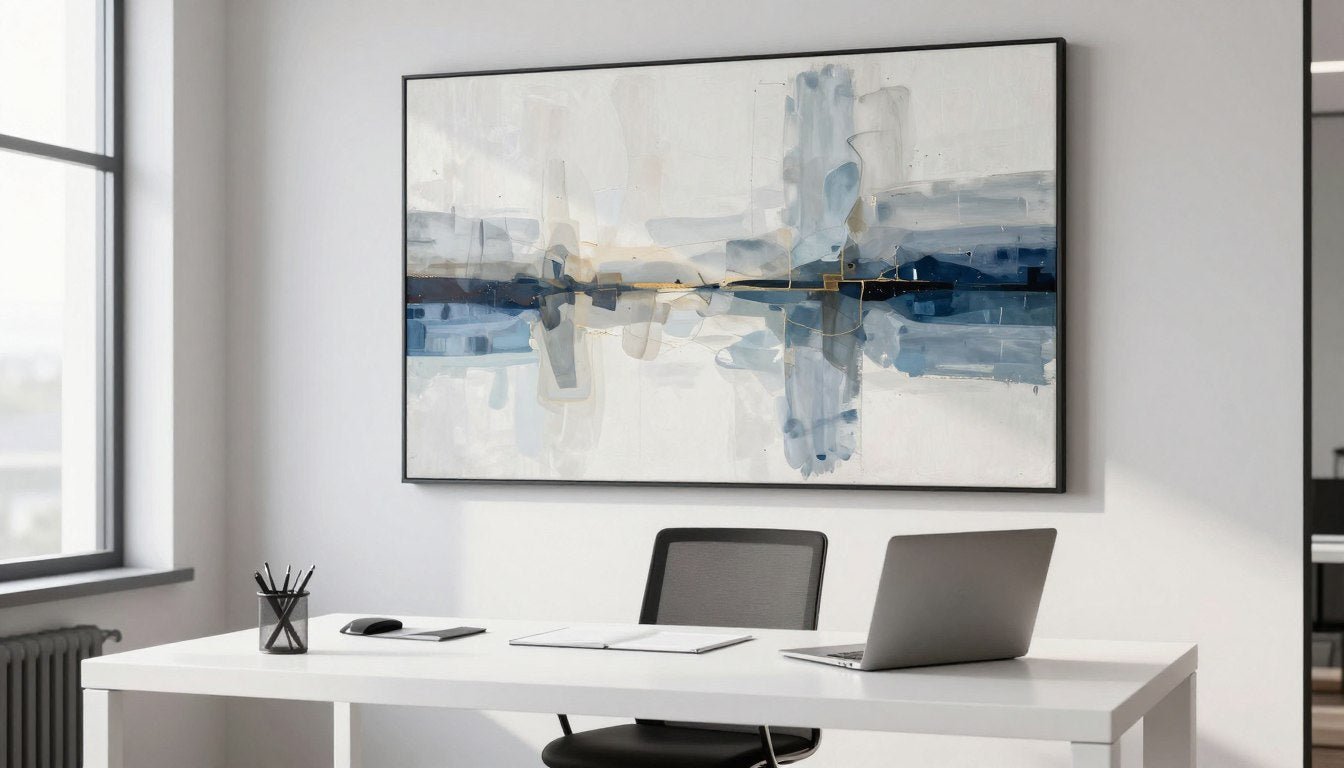
Office spaces need artwork that inspires without distracting. Cityscapes, abstract compositions, and motivational pieces create professional environments. The office canvas art collection includes designs that maintain focus while adding visual interest.

Consider what you'll see during video calls. The wall behind your desk becomes your virtual background. Choose art that looks professional and represents your personal brand. Avoid pieces that might distract viewers or create visual noise behind you during meetings.
Entryway Wall Art: Making Powerful First Impressions

Your entryway sets the tone for your entire home. This space works best with bold, welcoming pieces that make immediate impact. Visitors spend limited time here, so artwork can be more daring than in spaces where you linger. The entryway wall art collection features statement pieces perfect for these high-impact zones.

Portrait and figurative art works particularly well in entryways because it creates immediate human connection. These pieces make spaces feel inhabited and personal. Modern portraits from the portrait collection add sophistication and personality right at your front door.
Kids' Spaces: Growing with Your Children

Children's rooms allow for playful, imaginative artwork that grows with them. Animal prints, whimsical designs, and educational art all work well. The kids and nursery canvas prints offer options from baby-appropriate to teen-friendly styles.

Consider your child's interests and involve them in selections when age-appropriate. A child who loves dinosaurs will connect more with art featuring their favorite creatures. As they grow, their tastes evolve, and easily changeable canvas prints adapt to their developing preferences without permanent commitment.
See Wall Art Transform Real Spaces
Understanding wall art selection becomes easier when you see pieces in actual room settings. These videos walk through the complete process of choosing, placing, and styling wall art in different home environments.
Watch how different canvas print styles adapt to various design aesthetics and room functions. This visual guide demonstrates sizing principles, color coordination, and placement strategies in action.
These real-world examples show the transformation power of well-chosen wall art. Notice how the right piece changes not just the wall but the entire room's energy and character.
Professional Placement and Hanging Techniques

Proper placement makes the difference between amateur and professional-looking installations. The standard eye-level height of 57 to 60 inches from the floor to the center of the artwork works in most situations. This gallery standard creates visual comfort and accessibility.
Measure and mark before you hammer. Use painter's tape to outline where your frame will sit. Step back and evaluate from multiple angles and distances. This preview prevents costly mistakes and unnecessary wall holes. Live with the tape outline for a day if you're uncertain.

Above furniture, maintain 6 to 12 inches of space between the furniture top and the bottom of your frame. This breathing room connects the pieces visually without creating the floating artwork look that happens when you hang too high. The gap should feel intentional but not excessive.

Gallery walls require planning before installation. Lay your arrangement on the floor first, measuring the overall footprint. Transfer these measurements to the wall. Start with your largest or central piece and work outward. Maintain consistent spacing between frames, typically 2 to 3 inches.

Hardware matters for safe, level installations. Use appropriate anchors for your wall type and artwork weight. Drywall anchors support most canvas prints, but heavier pieces or plaster walls require different solutions. Level each piece as you hang it rather than trying to adjust later.
Lighting enhances your artwork investment. Track lighting, picture lights, or even strategically placed floor lamps highlight your art and create depth. Lighting prevents your carefully chosen piece from disappearing into the wall, especially in rooms with limited natural light.

Symmetry and asymmetry both have their place. Symmetrical arrangements above mantels or beds create formal, balanced looks. Asymmetrical gallery walls offer more relaxed, collected-over-time character. Neither approach is better; choose based on your overall design aesthetic and the room's formality level.

Special Considerations for Unique Spaces

Some spaces present unique challenges that standard rules don't address. Stairwells, bathrooms, outdoor areas, and awkwardly shaped walls all require adapted approaches. Understanding these special situations helps you confidently decorate every corner of your home.
Stairwell Art Arrangements

Stairwells offer vertical real estate that can become stunning galleries. The trick is maintaining consistent spacing despite the ascending angle. Measure from each step's nose rather than from the floor to keep your art progression visually even and intentional.
Consider the viewing angle in stairwells. You'll see these pieces while ascending and descending, often at close range. Smaller, detailed pieces work well because viewers pass slowly and can appreciate intricate work. A series of related prints creates visual rhythm that enhances the journey between floors.
Bathroom Wall Art Approaches

Bathrooms benefit from art just like any other room, but moisture considerations matter. Canvas prints work better than paper in humid environments. Position artwork away from direct shower spray while still making it visible from the tub or vanity where you'll enjoy it.
Botanical prints, abstract water-inspired pieces, and serene landscapes reinforce the spa-like atmosphere many people want in bathrooms. Keep the mood consistent with the room's purpose as a place of relaxation and personal care. Avoid jarring or overly stimulating imagery.
Outdoor and Covered Patio Spaces

Covered outdoor spaces like screened porches and protected patios can accommodate wall art. Look for pieces specifically designed for outdoor use or ensure your print is adequately protected from elements. Even under cover, humidity and temperature fluctuations affect artwork differently than climate-controlled interiors.
Outdoor art creates cohesion between indoor and outdoor living spaces. Extending your interior style outside makes your entire property feel designed and intentional. Choose pieces that can handle the environment while complementing your outdoor furniture and landscaping.
Awkward Nooks and Angled Walls

Sloped ceilings, dormer windows, and odd corners become opportunities rather than obstacles with the right approach. Smaller pieces work well in compact spaces. Multiple small prints can fill awkward walls that won't accommodate standard-sized pieces.
Custom arrangements embrace unique architecture rather than fighting it. Follow the angle of a sloped ceiling with your art arrangement, or highlight a dormer by centering a piece in the flat wall section it creates. These architectural quirks add character when you work with them intentionally.
Mixing Styles and Creating Cohesive Collections

Your home doesn't require identical art throughout. Mixing styles creates collected, personal spaces that tell your story. The key is finding connecting threads that unify different pieces into a cohesive whole rather than a random assortment.
Color provides the easiest unifying element when mixing styles. Abstract geometrics, botanical prints, and photography all work together when they share a color palette. Pull accent colors from your favorite piece and repeat them in other artwork throughout your home.

Frame consistency creates unity across diverse subject matter. The same black frames tie together wildly different images into a collected gallery wall. Alternatively, same-style frames in different colors create connection while allowing individual pieces to stand out.

Scale variation adds visual interest when mixing styles. Combine large statement pieces with medium supporting players and small accent prints. This hierarchy prevents visual chaos and guides the eye through your collection in an intentional way.
Subject matter themes work across different artistic styles. All botanical subjects or all architectural images create connection even when execution varies from photography to watercolor to line drawing. The botanical collection offers multiple interpretations of nature themes.

Era and artist consistency create collected gallery aesthetics. All mid-century modern pieces or all works by a single artist like Chiara Rossetti create instant cohesion. This approach works particularly well when you want a curated, intentional look that feels professionally designed.
Balance representational and abstract art throughout your home. Purely abstract or purely literal spaces can feel one-dimensional. Mixing both approaches creates visual rhythm and keeps spaces interesting as you move from room to room.
Seasonal Rotations and Evolving Your Collection

Your wall art doesn't need to remain static year-round. Rotating pieces seasonally keeps your home feeling fresh and allows you to own more art than your walls can simultaneously display. This approach also lets you respond to changing moods and preferences without permanent commitment.
Seasonal switches work particularly well with smaller, easily changeable pieces. Summer might call for bright florals and beach scenes, while winter invites cozier, more intimate pieces. Store off-season artwork properly to protect your investment between rotations.

Building your collection over time creates opportunities for rotation. Start with core pieces you'll display year-round, then add seasonal accents that swap in and out. This strategy makes art collecting more affordable while giving you variety without constant purchasing.
Special occasions and holidays justify temporary art changes. A dining room might feature harvest themes for Thanksgiving or festive pieces during December. These short-term displays create excitement and mark the passage of time throughout the year.

As your tastes evolve, your art can too. Pieces you loved five years ago might not resonate today. Give yourself permission to retire artwork that no longer serves you. Sell, donate, or gift pieces to make room for new discoveries that better reflect your current aesthetic.
Rotating art into different rooms breathes new life into pieces you already own. A print from your bedroom might feel fresh and exciting when moved to your office. This free refresh strategy makes the most of your existing collection while creating novelty without expense.
Building Your Collection on Any Budget

Exceptional wall art for the home doesn't require unlimited budgets. Strategic collecting, smart prioritization, and quality over quantity approaches let you build impressive collections regardless of price constraints. Every budget can create beautiful walls.
Start with statement pieces for your most visible walls. One quality large-scale print in your living room makes more impact than several small, forgettable pieces scattered throughout. The modern canvas wall art by Rossetti Art offers museum-quality pieces at accessible price points.

Print collections offer better value than purchasing individually. Pre-coordinated sets eliminate guesswork while often costing less than buying pieces separately. The canvas print sets provide instant gallery walls at collection pricing.
Mix investment pieces with more affordable finds. A few higher-end artworks combined with budget-friendly prints creates a collected look that appears entirely high-end. No one asks the price of your wall art; they only see the overall effect and your good taste.

Shop sales and clearance without sacrificing quality. End-of-season sales and promotional periods offer opportunities to acquire quality pieces at reduced prices. Sign up for newsletters from favorite artists and galleries to catch these opportunities when they arise.
Frame choices impact total cost significantly. Ready-to-hang canvas prints eliminate framing expenses entirely while looking polished and professional. If you prefer framed pieces, consider purchasing unframed prints and using budget-friendly frame options from home stores.
Collect gradually rather than furnishing all walls immediately. Living with bare walls while you save for the right piece is better than filling space with art you don't love. Quality pieces you'll enjoy for years justify waiting and budgeting properly.
Ready-to-Hang, Museum-Quality Canvas. Free Worldwide Shipping.
Every piece in the Chiara Rossetti collection arrives ready to transform your walls. No framing hassles. No hidden costs. Just exceptional art delivered to your door.

Premium Canvas Construction
Gallery-wrapped around solid wooden frames with secure hanging hardware included. These aren't posters or cheap prints. Each canvas meets museum display standards.
- Archival-quality fade-resistant inks
- Solid pine wood stretcher bars
- Hand-stretched gallery wrap edges
- Pre-installed hanging hardware

Risk-Free Shopping Experience
We stand behind every piece. If your canvas doesn't exceed expectations, we make it right. Art shopping should be exciting, not stressful.
- Free shipping worldwide on all orders
- Secure packaging protects your investment
- Customer satisfaction guaranteed
- Easy returns if you're not delighted
Current Wall Art Trends Worth Considering

Wall art trends evolve, reflecting broader design movements and cultural shifts. Understanding current trends helps you make choices that feel fresh and contemporary. However, your personal preference always trumps trend following in your own home.
Oversized botanical prints dominate current design magazines and social media. Large-scale leaves and flowers bring dramatic natural elements indoors. These pieces work particularly well in modern, minimalist spaces where they provide organic contrast to clean lines and neutral palettes.

Abstract expressionism in earth tones speaks to our collective desire for grounding and connection to nature. Terracotta, sage, ochre, and clay colors appear in flowing, organic abstract compositions. This trend bridges the gap between abstract art and natural inspiration.

Line art minimalism continues its strong run in contemporary interiors. Single-line drawings of faces, figures, and objects deliver maximum impact with minimal visual noise. This style appeals to those who want art without overwhelming their carefully curated spaces.
Vintage travel posters and retro-inspired graphics tap into nostalgia while feeling fresh in modern contexts. These pieces add personality and conversational interest. The pop culture and retro prints collection includes pieces that capture this aesthetic.

Maximalist gallery walls counter minimalist trends with abundant, layered arrangements. More is more in this approach, with walls covered floor to ceiling in varied artwork. This trend suits those who love collecting and want to display everything they own simultaneously.

Monochrome and duotone photography creates sophisticated, timeless looks. Black and white cityscapes, architectural details, and nature photography offer visual interest without color competition. These pieces work beautifully in spaces with strong existing color schemes.
Cultural and global influences bring diverse perspectives into mainstream design. Art inspired by African textiles, Asian calligraphy, and Indigenous patterns celebrates global creativity. These pieces add depth and story to your walls while supporting diverse artistic voices.

Caring for Your Wall Art Investment

Proper care extends the life and beauty of your wall art. Canvas prints require minimal maintenance but benefit from a few simple practices. Protecting your investment ensures you'll enjoy your pieces for decades to come.
Dust canvas prints regularly with a soft, dry microfiber cloth or duster. Dust accumulation dulls colors and creates a dingy appearance over time. Gentle, regular cleaning prevents buildup that becomes harder to remove later. Never use water or cleaning solutions on canvas prints.

Position artwork away from direct sunlight to prevent fading. UV rays damage pigments over time, even with fade-resistant inks. If sun exposure is unavoidable, consider UV-protective glass or rotate pieces periodically to distribute sun exposure across your collection.
Maintain moderate humidity levels in your home. Extreme dryness causes canvas to become brittle, while excessive moisture promotes mold growth. Standard comfortable home humidity levels work perfectly for canvas preservation. Avoid hanging canvas in steamy bathrooms without proper ventilation.

Handle frames and canvas edges carefully when moving or cleaning artwork. Canvas can tear or dent if mishandled. Always lift prints from the frame rather than grabbing the canvas surface. When storing pieces, protect them with cloth covers and keep them in climate-controlled areas.
Check hanging hardware periodically to ensure security. Wall anchors can loosen over time, especially in high-traffic areas where door closures create vibrations. Retightening hardware prevents falls that could damage both your art and your walls.
Professional cleaning services exist for valuable pieces that require more than dusting. If your canvas becomes soiled or damaged, consult art restoration professionals rather than attempting DIY fixes. Improper cleaning can cause permanent damage to inks and canvas materials.
Beyond Prints: Original Art and Custom Commissions

Canvas prints offer accessibility and affordability, but original artwork provides unique pieces no one else owns. Understanding the difference between prints and originals helps you make informed decisions as you build your collection and potentially invest in fine art.
Original paintings carry inherent uniqueness and investment potential. Each brushstroke is singular and unrepeatable. The original paintings collection features one-of-a-kind works by Chiara Rossetti that bring exclusive artistry to your walls.

Original art often appreciates in value as artists gain recognition. While not every piece becomes an investment windfall, supporting emerging artists early can yield both aesthetic and financial rewards. Original works also carry more weight in serious art collections.
Custom commissions let you collaborate with artists to create pieces perfectly suited to your space and vision. Specify size, colors, subject matter, and style to get exactly what you want. This option works beautifully when you have specific needs that ready-made art can't fulfill.

The commissioning process requires patience and clear communication. Discuss your vision thoroughly with the artist, share inspiration images, and understand timelines and payment structures. Good artists ask detailed questions to ensure they deliver work that exceeds your expectations.
Sculptures add three-dimensional interest to wall art collections. Wall-mounted sculptural pieces create dramatic shadows and textural variety. The modern sculptures collection offers contemporary three-dimensional art that complements two-dimensional wall pieces.

Mixing prints with original art creates layered collections with varied price points and significance. Your most visible, important walls might feature originals or commissions, while secondary spaces showcase beautiful prints. This strategy maximizes budget while creating an impressive overall collection.
Certificate of authenticity and provenance matter for original artwork. Proper documentation protects your investment and proves authenticity if you later sell or donate pieces. Keep all paperwork together in a safe location along with purchase receipts and artist information.
The Psychology of Wall Art: How Art Affects Wellbeing

Wall art impacts more than aesthetics. Research shows artwork influences mood, stress levels, and overall wellbeing. Understanding these psychological effects helps you make choices that support mental health and create environments where you thrive.
Nature imagery reduces stress and promotes calm according to multiple studies. Botanical prints, landscapes, and natural scenes trigger relaxation responses in viewers. This explains why botanical wall art remains perpetually popular in homes and healthcare settings.

Color psychology plays significant roles in how art affects us. Blue tones promote tranquility and focus, making them ideal for bedrooms and offices. Red energizes and stimulates appetite, working well in dining areas. Understanding these associations helps you choose art that supports each room's function.
Personal meaningful art creates stronger positive effects than generic pieces. Images connected to happy memories or representing personal values generate genuine emotional responses. This is why family photographs and souvenir art hold such power despite not being "fine art" in traditional senses.

Abstract art engages the brain differently than representational work. The interpretation process stimulates creativity and allows viewers to find personal meaning. This mental engagement explains why some people find abstract work more satisfying than literal imagery that requires less active viewing.
Art breaks up visual monotony that can contribute to restlessness and dissatisfaction with spaces. Blank walls create subconscious incompleteness. Thoughtfully chosen artwork provides visual interest that makes spaces feel finished and intentional, supporting a sense of home and belonging.

Regular art viewing cultivates aesthetic appreciation and mindfulness. Taking moments to really look at your wall art creates brief meditative pauses in busy days. This practice grounds you in your physical space and provides mental breaks from screen time and information overload.
Creating gallery walls and curating collections offers creative outlet and accomplishment. The process of selecting, arranging, and installing artwork engages different parts of your brain than daily tasks. This creative engagement supports cognitive health and provides satisfaction from tangible, visible results.
Working with Interior Designers on Art Selection

Interior designers bring expertise that can elevate your art selection and placement. Understanding how to collaborate with designers ensures you get professional results while maintaining your personal vision and staying within budget constraints.
Designers consider factors you might overlook, like sight lines, lighting conditions, and how art relates to architectural features. Their trained eyes spot opportunities and potential problems before installation. This expertise prevents costly mistakes and creates cohesive designs faster than trial and error.

Communicate your style preferences clearly from the start. Share inspiration images, Pinterest boards, and examples of art you love. Good designers translate your vision into reality rather than imposing their personal taste. The goal is making your space feel like your home, not a designer showroom.
Budget transparency helps designers make realistic recommendations. Art budgets vary wildly, and designers accustomed to luxury projects need to know your constraints. Being upfront about numbers lets them source appropriate options rather than wasting time on pieces beyond reach.
Some designers take commissions from galleries and artists, which can influence recommendations. Ask about these relationships upfront. While many designers maintain ethical standards, understanding incentive structures helps you evaluate suggestions objectively.

Designers often have access to trade discounts and exclusive pieces unavailable to retail shoppers. This access can offset design fees through savings. They also know sources for every budget level, from affordable prints to investment originals.
Trust designer expertise while maintaining veto power over final selections. Designers understand principles that create beautiful spaces, but you live with the results. Speak up if recommendations don't resonate. The best designers welcome honest feedback and adjust accordingly.
Virtual design services offer designer expertise at reduced costs compared to full-service options. These services provide art selection guidance, placement plans, and shopping lists you can execute yourself. This hybrid approach suits those wanting professional direction without full-service pricing.
Digital Art Displays and Smart Canvas Technology

Technology creates new possibilities for wall art through digital displays that rotate artwork. Smart canvas and digital art frames offer flexibility traditional prints can't match. Understanding these options helps you decide if digital solutions fit your needs and aesthetic.
Digital art frames display thousands of works from single devices. Subscription services and downloadable libraries provide endless variety. You can match art to seasons, moods, or occasions with simple app controls. This technology appeals to those who love change and variety.

Display quality varies significantly between products. High-end digital canvas achieves remarkable clarity and color accuracy, while budget options look obviously screen-like. If you're considering digital art, invest in quality displays that approach print appearance rather than obviously backlit screens.
Power requirements and cords can detract from the seamless look digital art promises. Some frames require visible power cables unless professionally integrated into walls. Consider installation requirements before purchasing to ensure the final look meets your expectations.

Digital displays work best in modern, tech-forward interiors where they feel consistent with the overall aesthetic. In traditional or rustic spaces, digital frames might feel incongruous. Match technology solutions to your broader design style for cohesive results.
NFTs and digital art ownership represent emerging frontiers in art collecting. These blockchain-based digital artworks can be displayed on digital frames while maintaining verifiable ownership and scarcity. This space evolves rapidly and may reshape art collecting in coming years.
Traditional prints and digital displays can coexist in thoughtful homes. Digital frames might work perfectly in offices or media rooms while classic canvas hangs in living areas and bedrooms. There's no requirement to choose one approach exclusively.
Frequently Asked Questions About Wall Art for the Home
How high should I hang wall art above my sofa?
Hang wall art 6 to 12 inches above your sofa for proper visual connection. This spacing creates relationship between furniture and art without floating too high on the wall. Measure from the top of your sofa back to the bottom of your frame, ensuring the art center sits roughly at eye level when you're standing.
What size wall art should I choose for my living room?
Living room wall art should typically measure 40 to 60 inches wide for standard sofas. The artwork should be two-thirds to three-quarters the width of your furniture piece. For a 72-inch sofa, choose art 48 to 54 inches wide. Larger rooms and longer sofas can accommodate even bigger pieces.
Can I mix different art styles in the same room?
Yes, mixing art styles creates interesting, collected spaces when done thoughtfully. Unite different styles through consistent framing, shared color palettes, or complementary subjects. Balance abstract pieces with representational work, and vary sizes to create visual hierarchy. The key is finding connecting threads that make the collection feel intentional rather than random.
How do I choose wall art colors that match my decor?
Select wall art that either complements your existing color scheme or introduces intentional accent colors. Pull colors from your favorite furniture piece, rug, or pillows. Alternatively, choose neutral art that works with any palette, or use artwork to add the pop of color your neutral room needs. The canvas print collections offer filtered shopping by color to simplify matching.
What's the difference between canvas prints and framed prints?
Canvas prints are printed directly on canvas material and stretched around wooden frames, creating a gallery-wrapped edge that requires no additional framing. Framed prints are typically paper prints protected by glass or acrylic within traditional frames. Canvas prints offer contemporary, ready-to-hang convenience while framed prints provide classic presentation with protective glazing.
How many pieces of art should I have on one wall?
The number depends on wall size and your design goals. A single large statement piece works beautifully on focal walls. Gallery walls typically include 3 to 9 pieces for visual interest without overwhelming chaos. Odd numbers create more dynamic arrangements than even numbers. Start with your largest piece and build around it, maintaining 2 to 3 inches of consistent spacing between frames.
Can I use wall art in small rooms without making them feel smaller?
Yes, properly scaled wall art actually makes small rooms feel more complete and intentional. Choose one appropriately sized piece rather than multiple small ones that create visual clutter. Light colors and simple compositions work better than dark, busy pieces in compact spaces. Vertical orientations draw the eye upward, making rooms feel taller and more spacious.
What wall art works best in a bedroom?
Bedroom wall art should promote calm and relaxation. Botanical prints, serene landscapes, abstract pieces in muted tones, and gentle portraits create restful atmospheres. Avoid jarring colors or overly stimulating imagery. The bedroom canvas prints collection features pieces specifically curated for sleeping spaces. Scale your art appropriately to your bed size, typically 32 to 40 inches for queen and king beds.
How do I hang a gallery wall without making mistakes?
Plan your gallery wall layout on the floor before hanging anything. Arrange all pieces with proper spacing, then measure the overall footprint. Transfer these measurements to your wall using painter's tape to preview the arrangement. Start by hanging your largest or central piece first, then work outward. Maintain consistent spacing of 2 to 3 inches between all frames for professional results.
Where can I find quality wall art for the home?
Quality wall art comes from online galleries, artist websites, and curated collections like Rossetti Art. Look for museum-quality materials, archival inks, and proper canvas construction. Read reviews and examine return policies before purchasing. Collections organized by style and room help narrow options. For original works, visit the original paintings gallery featuring unique pieces by Chiara Rossetti.
How often should I update my wall art?
There's no set schedule for updating wall art. Change pieces when you feel ready for something new, when your style evolves, or when you find work you love more than current displays. Some people rotate seasonally while others keep the same art for years. Quality pieces you genuinely love deserve permanent places. Update when art no longer brings you joy rather than following arbitrary timelines.
What's the best way to light wall art?
Picture lights mounted above frames provide focused illumination for individual pieces. Track lighting offers flexible options for multiple artworks. Place lights at 30-degree angles to minimize glare and reflections. For general lighting, ensure adequate ambient light reaches your art without direct sun exposure that causes fading. LED lights provide energy-efficient options that don't generate heat that might damage artwork over time.
Creating Your Perfect Wall Art Collection

Choosing wall art for the home transforms empty walls into personal expressions of style and taste. The principles covered in this guide give you the foundation to make confident decisions. Understanding sizing, color, placement, and style helps you create spaces that feel complete and authentically yours.
Remember that your home should reflect your personal journey and preferences. Design rules provide helpful guidelines, but your genuine reactions to artwork matter most. If a piece brings you joy every time you see it, it belongs on your wall regardless of whether it follows conventional wisdom.
Start with the rooms you use most and build your collection gradually. Quality pieces you love beat filling walls quickly with forgettable art. Each addition should feel intentional and meaningful. The Rossetti Art blog offers ongoing inspiration and guidance as you continue your wall art journey.

Wall decor is never truly finished. Your collection evolves with your life, reflecting changes in taste, experiences, and personal growth. Embrace this evolution and give yourself permission to refresh, rotate, and reimagine your walls over time. Each piece tells part of your story.
The perfect wall art for your home is ultimately the art that makes your space feel like yours. Trust your instincts, take your time, and enjoy the process of creating a collection that brings beauty and meaning to your everyday life. Your walls are waiting for your personal touch.

Leave a comment
This site is protected by hCaptcha and the hCaptcha Privacy Policy and Terms of Service apply.