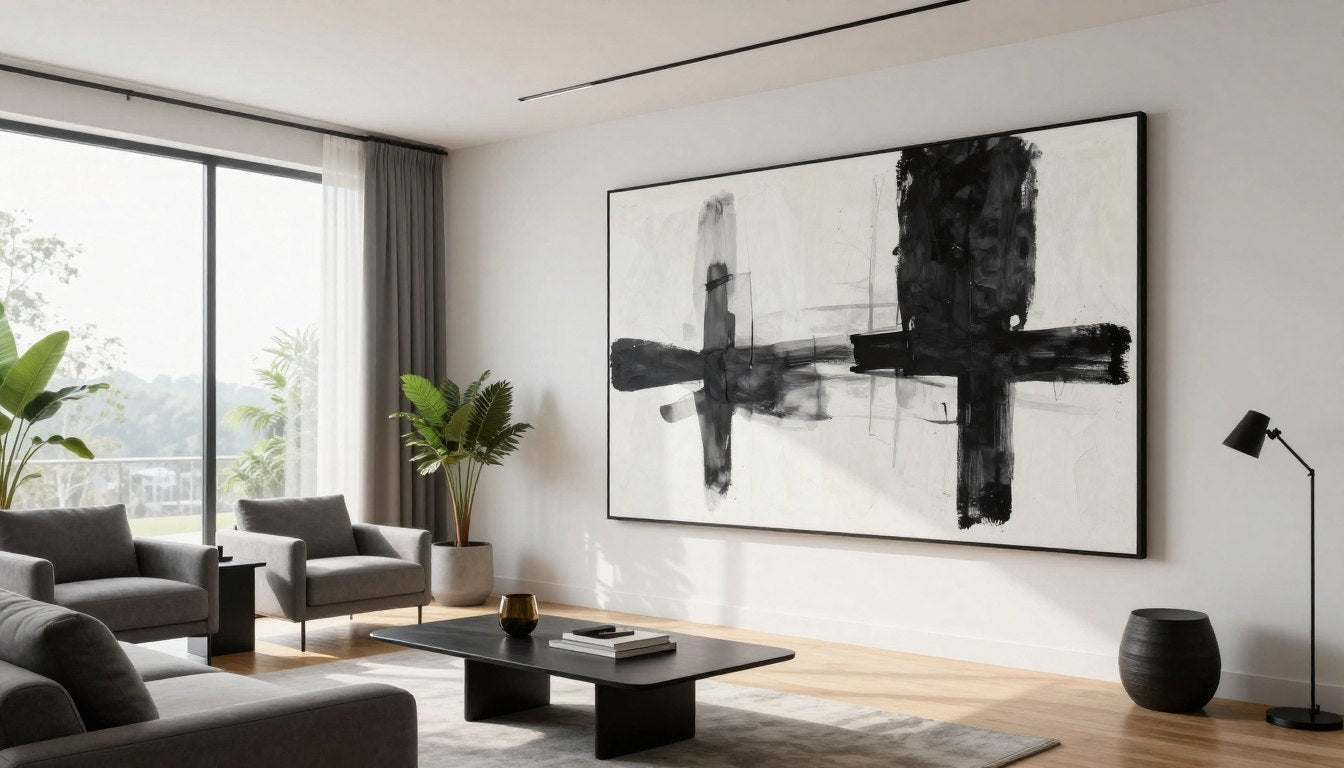

Black art for the home represents more than aesthetic appeal. It carries cultural weight, historical significance, and personal meaning. Every piece tells a story that resonates with heritage and artistic excellence. Whether you seek bold abstract expressions or intimate portraits, the right artwork transforms ordinary spaces into personal galleries that reflect your values and taste.
The growing appreciation for diverse artistic voices has created unprecedented access to authentic works. Collectors and casual buyers alike now discover pieces that speak to their experiences. This shift celebrates creativity while honoring the rich traditions of black artists across generations. Your home becomes a canvas for cultural expression through carefully selected canvas prints and original works.
Choosing art requires understanding both personal preference and design principles. The interplay of color, composition, and subject matter creates visual harmony within your rooms. From striking monochromatic pieces to vibrant celebrations of culture, each selection contributes to your home's overall atmosphere. This guide explores how thoughtful curation elevates interior spaces while supporting meaningful artistic traditions.
Three Bold Black Art Prints That Transform Modern Spaces
Discovering the perfect artwork starts with understanding what speaks to your aesthetic sensibilities. These carefully selected pieces demonstrate how powerful imagery creates focal points in any room. Each print offers distinct visual language while maintaining museum-quality standards that ensure lasting beauty and durability.

Geometric Abstraction
Bold geometric forms create dynamic visual tension through stark contrasts. The interplay between negative space and assertive lines makes this piece ideal for contemporary interiors. This style complements minimalist aesthetics while adding dramatic impact to neutral color schemes found in modern homes.

Expressive Portraiture
Figurative works capture human emotion through masterful composition and tonal variation. These portraits bring warmth and personality to living spaces while celebrating individual expression. The emotional resonance connects viewers to deeper narratives about identity, strength, and cultural pride that enriches your environment.

Flowing Line Art
Continuous line drawings offer elegant simplicity that never overwhelms. The graceful curves and deliberate strokes create movement within stillness. This artistic approach works beautifully in bedrooms, offices, and entryways where subtle sophistication matters more than bold statements. Versatility makes these prints valuable additions.
Understanding the Cultural Impact of Black Art

Black art encompasses centuries of creative expression rooted in diverse cultural traditions. From the Harlem Renaissance to contemporary digital artists, these works document experiences, celebrate heritage, and challenge perspectives. Understanding this context enriches your appreciation and helps you select pieces that resonate authentically with your values and aesthetic preferences.
Historical Foundations and Modern Evolution
The artistic traditions trace back through African heritage, slavery resistance, civil rights movements, and contemporary social commentary. Each era produced distinctive styles reflecting the times while maintaining connection to ancestral roots. Today's artists build upon this foundation, creating works that honor the past while addressing present realities through innovative techniques and fresh perspectives.
Museums and galleries worldwide now recognize these contributions as essential to art history. Major exhibitions showcase both established masters and emerging talents. This institutional validation provides greater access to prints and reproductions that bring museum-quality works into homes. Your purchase supports continuing artistic traditions while enriching personal spaces with meaningful beauty.
Symbolism and Thematic Elements
Common themes include identity exploration, community celebration, social justice, spiritual connection, and cultural memory. Artists employ various symbols drawn from African traditions, American experiences, and universal human emotions. Recognizing these elements helps you choose pieces that align with your own story and values while appreciating the broader cultural conversations they represent.

Color choices carry significance beyond aesthetics. While monochromatic palettes emphasize form and contrast, vibrant hues often reference specific cultural traditions or emotional states. Understanding these visual languages deepens your connection to the artwork. Whether you select black and white canvas prints or colorful celebrations, each choice carries meaning worth considering.
Choosing the Right Style for Your Home
Art selection depends on both personal taste and practical design considerations. Your home's existing aesthetic, room function, and lighting conditions all influence which pieces work best. Understanding different artistic styles helps you make informed decisions that create cohesive, visually satisfying environments throughout your living spaces.
Abstract and Geometric Compositions

Abstract works offer versatility that suits various interior design approaches. Geometric patterns create structured visual interest without depicting specific subjects. These pieces work exceptionally well in minimalist spaces where clean lines and uncluttered aesthetics prevail. The non-representational nature allows personal interpretation, making each viewing experience unique and thought-provoking.
Bold shapes and high contrast draw attention without overwhelming rooms. They serve as conversation starters while maintaining sophisticated restraint. Consider placement in living rooms where guests gather, or offices where creative energy needs stimulation. The right abstract piece balances visual impact with harmonious integration into existing decor schemes.
Figurative and Portrait Works
Portraits bring human presence into spaces, creating immediate emotional connection. Whether realistic or stylized, these works add warmth and personality that abstract pieces cannot achieve. They work beautifully in intimate settings like bedrooms, reading nooks, or dining areas where personal connection matters most to the overall atmosphere and comfort.

Figurative art celebrates individual identity and shared humanity. The expressions, poses, and styling choices communicate narratives that invite contemplation. When selecting portraits, consider the emotional tone you want to establish. Serene faces promote calm environments, while dynamic poses energize spaces. Your choice shapes the room's entire emotional landscape.
Line Art and Minimalist Approaches
Continuous line drawings represent ultimate refinement in artistic expression. Single unbroken lines create entire compositions with remarkable economy of means. This style appeals to those who appreciate subtlety and restraint. The delicate nature works well in spaces requiring visual calm without sacrificing artistic interest or cultural significance.
Minimalist black art often features careful negative space utilization. The empty areas become as important as the marks themselves. This sophisticated balance creates breathing room in busy environments. Perfect for bedrooms, meditation spaces, or modern offices, these works provide visual rest while maintaining aesthetic engagement through their elegant simplicity.
Strategic Placement for Maximum Impact

Proper artwork placement transforms good design into exceptional environments. Height, lighting, surrounding elements, and room function all determine optimal positioning. Following established design principles ensures your investment delivers maximum visual and emotional impact while respecting the integrity of the pieces themselves and your overall interior design vision.
Height and Eye-Level Considerations
Art centers should hang at eye level for average viewers, typically fifty-seven to sixty inches from the floor. This measurement refers to the artwork's center point, not the top edge. Adjust slightly based on room function and viewing angles. In dining areas where people sit, lower placement by several inches. Hallways may accommodate slightly higher positioning for passing views.
Large-scale pieces require different calculations than smaller works. Oversized canvases often hang lower to anchor spaces visually. Gallery walls combine multiple pieces at varying heights, creating dynamic arrangements that guide the eye throughout the composition. Consider furniture placement when determining heights, ensuring artwork relates properly to surrounding elements like sofas and tables.
Room-Specific Recommendations
Living rooms benefit from substantial pieces that serve as focal points. Position artwork above sofas or on prominent walls visible from entry points. The scale should match wall dimensions, typically covering two-thirds to three-quarters of furniture width. Living room wall art sets the tone for your entire home's aesthetic approach and welcomes guests effectively.

Bedrooms require more intimate selections that promote rest and reflection. Smaller pieces or diptychs work well above headboards. Avoid overly stimulating imagery that disrupts sleep. Calming abstracts or serene portraits create peaceful environments conducive to relaxation. Consider bedroom canvas prints that reflect personal meaning rather than making bold public statements.
Entryways make powerful first impressions with carefully selected art. These transitional spaces accommodate dramatic pieces that set expectations for what lies beyond. Bold statements work here because viewing time is typically brief. Choose works that reflect your personality and welcome guests. Explore entryway wall art options that create memorable introductions to your home.
Lighting Considerations
Natural light affects how colors and contrasts appear throughout the day. North-facing rooms receive cool, consistent light ideal for displaying art. South-facing spaces get warm, changing light that may fade pigments over time. Consider UV-protective glass or positioning away from direct sunlight. Artificial lighting should illuminate without creating glare or hot spots.

Track lighting or picture lights provide focused illumination that highlights artwork after dark. Position lights to minimize shadows and reflections. LED options offer energy efficiency without heat damage. Dimmers allow adjustment based on time of day and desired ambiance. Proper lighting transforms good art into stunning focal points that command attention.
Match This Aesthetic to Your Space
Discover Your Perfect Black Art Collection
Every home deserves artwork that reflects its unique character and the people who live there. Whether you gravitate toward bold geometric abstracts, expressive portraits, or minimalist line drawings, the right collection exists for your space. Our curated selections make finding meaningful pieces simple and enjoyable, with styles that complement any interior design approach.
Selecting the Right Size for Your Walls
Artwork dimensions dramatically affect visual impact and room balance. Too small pieces disappear on large walls, while oversized works overwhelm modest spaces. Understanding proportion relationships between art, walls, and furniture ensures harmonious integration that enhances rather than disrupts your carefully designed interior environments.
Measuring Your Space

Start by measuring wall width and height where you plan to hang art. Note furniture dimensions below the intended position. A common guideline suggests artwork should span sixty to seventy-five percent of furniture width for balanced proportions. For standalone walls without furniture, center the piece and ensure adequate breathing room on all sides.
Consider ceiling height when selecting vertical dimensions. Standard eight-foot ceilings accommodate pieces up to forty inches tall comfortably. Higher ceilings allow larger works that fill space without cramping. Multiple smaller pieces arranged as gallery walls work well when single large pieces seem too imposing or expensive for your current budget and preferences.
Standard Canvas Print Sizes
| Size | Dimensions (inches) | Best For | Price Range |
| Small | 12 x 16 to 16 x 20 | Shelves, small walls, groupings | $45 - $85 |
| Medium | 20 x 24 to 24 x 36 | Above furniture, moderate walls | $95 - $165 |
| Large | 30 x 40 to 36 x 48 | Statement walls, living rooms | $185 - $295 |
| Extra Large | 40 x 60 and above | Focal points, large spaces | $325 - $550+ |
These sizes represent common options, though custom dimensions accommodate specific needs. Consider room scale when selecting. Large open-concept spaces handle oversized pieces beautifully, while cozy rooms require restraint. Multiple medium pieces often create more interest than single large works in certain contexts and design approaches.
Gallery Wall Configurations
Gallery walls combine multiple pieces into cohesive arrangements. Plan layouts before hanging by arranging pieces on the floor. Maintain consistent spacing between frames, typically two to three inches. Anchor arrangements with larger central pieces surrounded by smaller works. This approach allows you to build collections gradually while maintaining visual coherence.

Mix sizes and orientations for dynamic visual interest. Combine portraits with landscapes, squares with rectangles. Maintain thematic consistency through color palette, style, or subject matter. Black and white works unify easily, allowing diverse subjects and artists. Plan the overall shape as rectangle, square, or organic cluster based on wall dimensions.
Framing and Presentation Choices
Proper framing protects artwork while enhancing its visual appeal. The right frame complements without competing, directing attention to the art itself. Material choices, matting decisions, and glazing options all contribute to presentation quality and longevity. Understanding these elements ensures your investment remains beautiful for years.
Frame Styles and Materials

Black frames create timeless elegance that suits most black art perfectly. The dark borders reinforce the artwork's tones without introducing competing colors. Wood frames add warmth and traditional sophistication. Metal frames offer contemporary sleekness ideal for modern interiors. Consider your home's overall aesthetic when selecting frame materials and finishes.
Frame width affects visual weight and formality. Narrow profiles maintain minimalist aesthetics, letting artwork dominate. Wider frames create more substantial presence, appropriate for important pieces or traditional settings. Gallery-wrapped canvases eliminate frames entirely, with printed images continuing around edges. This modern approach works well for casual contemporary environments.
Matting Considerations
Mats create breathing room between art and frame, preventing direct contact that could damage works over time. White or cream mats offer classic presentation that never distracts. They particularly enhance black and white pieces by providing neutral transitions. Mat width typically ranges from two to four inches, with wider mats suiting smaller artworks.
Double matting adds depth and sophistication through layered borders. The inner mat can introduce subtle color that complements the artwork without overwhelming it. This technique works beautifully with photography and detailed drawings. Museum-quality acid-free materials prevent deterioration, essential for preserving valuable or meaningful pieces throughout decades of display.
Glazing and Protection
Glass protects against dust, moisture, and physical damage. Regular glass works for most applications, though glare can be problematic in bright rooms. Anti-reflective glass eliminates reflections but costs more. Acrylic glazing offers lighter weight and shatter resistance, beneficial for large pieces or homes with children. UV-filtering options prevent fading from sunlight exposure.
Canvas prints often hang without glazing, relying on protective coatings applied during printing. This frameless approach suits casual contemporary settings. For valuable originals, always use protective glazing regardless of aesthetic preferences. The investment preserves your artwork's condition and value while maintaining visual accessibility and appreciation.
Caring for Your Black Art Collection

Proper maintenance ensures your artwork remains vibrant and undamaged for generations. Simple preventive measures protect against common threats like dust, sunlight, humidity, and physical damage. Establishing regular care routines preserves both aesthetic appeal and financial value of your collection.
Cleaning and Dusting
Dust accumulates on frames and glazing, dulling appearance over time. Use soft microfiber cloths for gentle weekly dusting. Avoid harsh chemicals or abrasive materials that scratch surfaces. For glass or acrylic glazing, use glass cleaner sprayed onto cloth, never directly on artwork. Wipe gently in circular motions to prevent streaking.
Unglazed canvas prints require more delicate handling. Soft brushes remove surface dust without touching canvas directly. Never use water or cleaning solutions on unprotected canvas, as moisture causes damage. Professional cleaning services handle valuable pieces requiring deeper maintenance beyond routine dusting and surface care.
Environmental Conditions
Maintain consistent temperature and humidity levels to prevent warping, fading, or mold growth. Ideal conditions range from sixty-five to seventy-five degrees Fahrenheit with forty to fifty percent humidity. Avoid hanging artwork near heating vents, fireplaces, or air conditioning units that create extreme fluctuations affecting materials negatively.
Direct sunlight fades pigments and deteriorates materials over time. Position pieces away from windows or use UV-filtering glass. Rotate artwork periodically if you have multiple pieces, giving each time away from problematic lighting conditions. These simple precautions extend the life and beauty of your collection significantly.
Handling and Moving
Always handle framed artwork by the frame, never touching glass or canvas surfaces. Oils from skin cause permanent damage to unprotected materials. When moving pieces, carry them vertically to prevent sagging or frame stress. For valuable works, use acid-free tissue paper and sturdy boxes designed for art transport.
When rearranging your collection, plan new positions before removing existing pieces. This prevents excessive handling and multiple wall holes. Mark positions lightly with pencil before hanging. Use appropriate hardware rated for artwork weight. Two-point hanging systems distribute weight evenly, preventing tilting and reducing stress on frames.
Understanding Art as Investment
While aesthetic enjoyment remains the primary reason for acquiring art, understanding financial considerations helps make informed decisions. Original works, limited edition prints, and pieces by established artists may appreciate over time. Building a thoughtful collection combines personal satisfaction with potential economic value.
Original Works Versus Prints

Original paintings and drawings represent unique creations that often appreciate as artists gain recognition. Their scarcity drives value among collectors. However, originals require substantial initial investment. Browse original paintings when seeking one-of-a-kind pieces that may gain value over time while providing immediate enjoyment.
High-quality canvas prints make museum-worthy works accessible at modest prices. While typically not financial investments, they offer exceptional aesthetic value. Limited edition prints numbered and signed by artists occupy middle ground, providing authenticity at lower price points than originals. Edition size affects potential appreciation, with smaller runs generally more valuable.
Artist Recognition and Market Trends
Emerging artists offer opportunities to acquire works before prices rise with growing reputations. Research artists' exhibition history, critical reception, and gallery representation. Social media presence and collector interest indicate rising trajectories. Supporting emerging talent provides satisfaction beyond financial considerations while building potentially valuable collections.
Established artists command higher prices reflecting proven track records. Their works offer more predictable value retention. Market trends show increasing appreciation for diverse voices and historically underrepresented artists. Black artists are experiencing long-overdue recognition, potentially making current acquisitions valuable future investments.
Documentation and Provenance
Maintain detailed records of all purchases including receipts, certificates of authenticity, and artist information. Photograph pieces for insurance purposes. Documentation proves ownership and authenticity, essential for resale or insurance claims. Proper records transform casual collecting into serious investment activity that protects your financial interests.
Provenance tracking establishes artwork history and legitimacy. For valuable pieces, research previous ownership and exhibition history. This information increases value and prevents purchasing stolen or fraudulent works. Reputable galleries and sellers provide documentation automatically, reflecting their commitment to transparency and collector protection.
Supporting Black Artists and Communities

Purchasing art directly impacts artists' livelihoods and creative freedom. Your support enables continued production of meaningful works that enrich culture. Understanding how buying decisions affect artist communities helps make choices aligned with values beyond aesthetics.
Direct Purchases and Gallery Support
Buying directly from artists provides maximum financial benefit to creators. Many maintain online shops or participate in art fairs where personal connections form. These interactions deepen appreciation and understanding of creative processes. Direct relationships often lead to commissioned works tailored to your specific preferences and space requirements.
Galleries provide crucial infrastructure supporting artistic careers through exhibitions, marketing, and sales. They typically take commission percentages that fund these services. Reputable galleries vet quality and authenticity while providing professional presentation. Your purchases through galleries support entire ecosystems that nurture talent and make art accessible to broader audiences.
Community Organizations and Nonprofits
Art-focused nonprofits promote cultural preservation and artistic education. Some sell works as fundraisers, directing proceeds to community programs. These purchases support dual purposes: acquiring meaningful art while funding important cultural initiatives. Research organizations aligned with your values to maximize positive impact through collecting activities.
Museums and cultural centers often sell prints of works in their collections. Proceeds fund preservation, exhibitions, and educational programming. These purchases provide access to iconic works while supporting institutions that safeguard cultural heritage. Limited edition museum prints combine aesthetic value with philanthropic contribution to important preservation efforts.
Ethical Considerations
Ensure purchases respect artists' rights and cultural significance of works. Avoid appropriated or exploitative representations. Authentic works created by black artists differ fundamentally from superficial commercial products. Support creators who genuinely engage with cultural traditions rather than external observers capitalizing on aesthetic trends without deeper understanding or connection.
Fair pricing reflects artistic skill, time investment, and cultural value. Extremely low prices may indicate exploitation somewhere in the production chain. Quality materials and ethical labor practices cost more but ensure sustainability. Your willingness to pay appropriate prices enables artists to continue creating while maintaining dignity and creative control.
Combining Black Art with Other Decor Elements
Integrating artwork into existing interiors requires balancing cohesion with visual interest. Too much matching creates boring uniformity, while excessive contrast causes chaotic confusion. Successful integration respects both the art and surrounding elements through thoughtful color coordination, texture variation, and spatial planning.
Color Palette Coordination

Black and white artwork provides neutral foundation that complements virtually any color scheme. These pieces work with bold jewel tones, soft pastels, or monochromatic environments. Use artwork as starting point for selecting accent colors in pillows, throws, or decorative objects. Repeating tones from the art throughout the room creates subtle connections that unify spaces.
Contrasting colors make artwork pop against walls. White or light gray walls showcase black art beautifully, providing clean backgrounds that emphasize compositions. Darker walls create dramatic moody atmospheres where art becomes integrated rather than isolated. Consider how wall color affects the emotional tone you want to establish in each room.
Texture and Material Mixing
Canvas prints introduce textile texture that softens hard surfaces. Balance with smooth furniture, rough stone elements, or polished wood. Varied textures create sensory richness preventing visual monotony. Metal sculptures complement two-dimensional works, adding dimensional interest that engages viewers from multiple angles throughout spaces.
Natural materials like wood, stone, and plants provide organic counterpoints to geometric art. This combination brings warmth to modern spaces that might otherwise feel cold. Textile elements including rugs, curtains, and upholstery add softness that balances bold graphic works. Layering different material qualities creates sophisticated environments with depth and character.
Furniture Arrangement
Position furniture to facilitate comfortable art viewing from multiple angles. Seating areas should offer clear sightlines to important pieces. Avoid blocking artwork with tall furniture or plants. Create conversation areas where art becomes natural focal point, encouraging discussion and contemplation among guests and family members.

Low furniture like sofas and credenzas provides horizontal lines that ground vertical artwork. This balanced relationship creates visual stability. Console tables beneath art offer surfaces for complementary decorative objects that echo artistic themes. Avoid cluttering these areas; restraint allows artwork to command proper attention without competition from excessive accessories.
Rotating Your Collection Seasonally
Changing displayed artwork throughout the year keeps interiors fresh and protects pieces from continuous light exposure. Seasonal rotation allows you to own more art than wall space accommodates while giving each piece time to shine. This approach prevents visual fatigue and lets you rediscover favorites after periods away.
Storage Solutions
Proper storage prevents damage during periods between display. Keep artwork in climate-controlled areas away from extreme temperatures and humidity. Wrap pieces in acid-free paper or bubble wrap. Store vertically when possible, never stacking heavy pieces on delicate ones. Label clearly for easy identification when rotating collections.
Dedicated art storage cabinets or portfolio boxes protect investments while maintaining organization. For smaller collections, closets work adequately if climate-controlled. Avoid basements or attics with temperature fluctuations and moisture issues. The storage environment should mirror ideal display conditions to prevent deterioration during periods of non-display.
Seasonal Themes and Moods

Summer months might feature lighter, energetic pieces that capture warm-weather spirit. Winter calls for contemplative works that suit longer indoor hours. Fall and spring offer opportunities for transitional pieces. Rotating based on seasons keeps your environment dynamic and responsive to changing natural light and emotional needs throughout the year.
Holiday periods provide opportunities for thematic displays. Not all art needs explicit holiday imagery to suit festive seasons. Warm tones and celebratory subjects enhance gatherings without appearing overly commercial. Subtle seasonal changes maintain sophistication while acknowledging the rhythms of the calendar and family traditions.
Refresh Without Purchasing
Simply rearranging existing pieces creates new experiences without additional expense. Move living room art to bedroom, swap hallway pieces with office displays. Fresh contexts reveal different aspects of familiar works. This cost-free refresh satisfies desires for change while deepening appreciation for pieces you already own.
Changing frames or mats transforms artwork's appearance dramatically. A piece in a black frame looks entirely different in white or natural wood. Mat color changes affect how colors read. These modifications require modest investment but deliver substantial visual impact, effectively multiplying your collection's versatility.
Commissioning Custom Black Art
Custom commissions create truly unique pieces tailored to your exact specifications. Working directly with artists produces one-of-a-kind works that fit specific spaces, color schemes, and personal narratives. While requiring more involvement than ready-made purchases, commissions result in deeply meaningful additions to your collection.
Finding the Right Artist

Research artists whose existing work aligns with your aesthetic preferences. Social media platforms showcase portfolios and working processes. Local galleries introduce regional talent. Art fairs provide opportunities for in-person meetings. Look for artists experienced with commissions who communicate clearly about processes, timelines, and pricing to ensure smooth collaboration.
Review multiple examples of commissioned work, not just gallery pieces. Commission work requires different skills than independent creation. Artists must balance their vision with client requirements. Strong communication skills prove as important as technical ability. References from previous commission clients provide insight into working relationships and satisfaction levels.
The Commission Process
Begin with detailed conversations about size, style, color palette, and subject matter. Share inspiration images and explain intended placement. Honest communication about budget prevents misunderstandings. Most artists provide preliminary sketches or digital mockups for approval before starting final works. This collaborative stage ensures alignment before significant time investment occurs.
Establish clear timelines and payment schedules upfront. Typical arrangements include deposit upon agreement, progress payment midway, and final payment upon completion. Contracts protect both parties by documenting expectations, delivery dates, and ownership rights. Professional artists welcome formal agreements that clarify responsibilities and prevent disputes.
Pricing Custom Work
Commission prices reflect artist experience, piece size, complexity, and materials. Established artists command higher fees based on market demand and proven track records. Emerging artists offer more accessible pricing while delivering comparable quality. Factor in framing costs when budgeting. Custom work represents significant investment but delivers unmatched personal value and uniqueness.
Rush timelines typically incur additional fees. Artists balance multiple commitments requiring scheduling flexibility. Allowing adequate creation time results in better outcomes and more reasonable pricing. Plan commissions well ahead of deadlines for gifts or room renovations. Patient collaboration produces superior results worth the extended timeline investment.
Visualizing Art in Your Space Before Purchase
Modern technology helps preview artwork in actual rooms before committing to purchases. Digital tools eliminate guesswork about size, color compatibility, and placement. These resources reduce return rates and increase satisfaction by providing accurate expectations of how pieces will look in specific environments.
Augmented Reality Applications

Many retailers offer augmented reality apps that overlay artwork images onto your walls through smartphone cameras. These tools show accurate size relationships and color interactions with existing decor. Walk around rooms viewing pieces from different angles. This technology democratizes professional design preview capabilities previously available only through expensive consultation services.
AR apps help communicate vision when shopping with partners or family members. Seeing actual visualization reduces abstract discussions about hypothetical arrangements. Try multiple pieces in various locations before deciding. This experimentation costs nothing but provides invaluable decision-making clarity that prevents costly mistakes.
Digital Mockups and Photo Editing
Photograph your walls and use simple editing software to insert artwork images at proper scale. This manual approach requires more effort than AR apps but offers precise control. Adjust sizing, positions, and even create gallery wall arrangements. Print mockups help visualize finished results and guide installation planning.
Professional designers use photorealistic rendering software for client presentations. Some retailers offer this service, creating custom visualizations showing exactly how purchased pieces will appear. While not always available, this service proves valuable for expensive purchases or complex gallery wall installations requiring confident advance planning.
Template Systems
Create paper templates cut to exact artwork dimensions. Tape these to walls using low-tack painter's tape that won't damage paint. Live with templates for several days, observing how they look at different times of day. Move them around experimenting with heights and arrangements. This old-school technique remains remarkably effective despite digital alternatives.
Templates prove especially useful for gallery walls involving multiple pieces. Arrange and rearrange without creating excessive nail holes. Mark final positions directly through templates. This preparation ensures one-time installation success. The time invested in template planning pays dividends through professional-looking results that would otherwise require trial and error.
Transform Your Home with Museum-Quality Black Art
Ready-to-Hang, Museum-Quality Canvas. Free Worldwide Shipping.
Elevate your living spaces with carefully curated black art that celebrates culture, style, and artistic excellence. Every canvas print arrives ready to hang, featuring archival-quality materials that ensure lasting beauty. From bold abstracts to intimate portraits, find pieces that resonate with your personal aesthetic and transform ordinary rooms into extraordinary galleries. Enjoy complimentary worldwide shipping and our satisfaction guarantee on all orders.
Smart Shopping Strategies for Black Art
Informed purchasing decisions balance aesthetic preferences with practical considerations. Understanding quality markers, pricing structures, and seller reputations protects investments while ensuring satisfaction. These strategies help navigate the expanding market for black art without overwhelming choices or unexpected disappointments.
Evaluating Print Quality

Museum-quality prints use archival inks and canvas materials designed for longevity. Giclée printing produces superior color accuracy and detail resolution. Ask about ink types and canvas weight. Heavy-duty canvas resists sagging and maintains taut appearance. UV-resistant coatings prevent fading from light exposure. These quality indicators justify higher prices through extended lifespan.
Examine product photos closely for print clarity and color saturation. Reputable sellers provide detailed images showing texture and finish. Read reviews mentioning quality upon arrival. Poor-quality prints appear washed out or pixelated. Invest in fewer high-quality pieces rather than multiple inferior ones. Quality artwork maintains value and appearance for decades.
Understanding Pricing
Prices vary based on size, artist recognition, print type, and seller overhead. Gallery prices include curatorial expertise and prime locations. Online retailers offer lower prices through reduced overhead. Extremely low prices may indicate compromised quality or unethical production. Research typical price ranges before shopping to identify genuine value versus concerning bargains.
Sales and promotions provide opportunities for savings without quality sacrifice. Subscribe to newsletters from favorite retailers for exclusive discounts. Holiday sales typically offer best prices. However, don't let sales pressure hasty decisions. Artwork should speak to you regardless of price. Waiting for right piece beats purchasing wrong one simply because it's on sale today.
Return Policies and Guarantees
Generous return policies indicate seller confidence in product quality. Look for thirty to ninety-day return windows allowing adequate evaluation time. Understand who pays return shipping and whether full refunds include original shipping costs. Satisfaction guarantees remove risk from online purchases where you can't view pieces in person before buying.
Warranty coverage for printing defects or damage provides additional protection. Manufacturing issues should be covered regardless of time passed. Read warranty terms carefully before purchasing. Save all documentation including order confirmations and shipping materials until certain you're keeping pieces. Proper documentation facilitates smooth returns or warranty claims if needed.
Black Art Movements That Shape Today's Aesthetics

Contemporary black art builds upon rich historical foundations spanning centuries. Understanding these movements deepens appreciation and informs selection decisions. The artistic innovations and cultural statements from past generations continue influencing today's creators and resonating with modern collectors seeking meaningful connections.
The Harlem Renaissance Legacy
The nineteen-twenties Harlem Renaissance marked explosive creative output celebrating black culture through multiple artistic disciplines. Visual artists like Aaron Douglas and Augusta Savage created works combining African heritage with modernist aesthetics. Their bold graphics and sculptural innovations established visual languages still influential today. Many contemporary artists reference this golden age directly or through stylistic homages.
Renaissance artists balanced cultural specificity with universal human themes. Portraits celebrated individual dignity while addressing collective experiences. Abstract elements drawn from African art introduced fresh formal approaches to American modernism. This fusion created distinctive aesthetic that remains instantly recognizable and continues inspiring new generations of creators and collectors alike.
Civil Rights Era Expression
The nineteen-sixties produced powerful protest art responding to social struggles. Artists like Romare Bearden and Elizabeth Catlett created works documenting injustice while celebrating resilience. Collage techniques, bold graphics, and symbolic imagery characterized this period. The urgency and directness of Civil Rights art influences contemporary creators addressing ongoing social issues through visual media.
This era demonstrated art's capacity for social commentary and change advocacy. Beyond aesthetics, works served as historical documentation and consciousness-raising tools. Today's politically engaged artists follow this tradition, using creative platforms to amplify marginalized voices. Collecting such work connects you to ongoing struggles for justice and equality beyond purely decorative purposes.
Contemporary Directions
Current black artists work across all media and styles, from traditional painting to digital art and installation work. Some explore identity politics while others pursue purely formal aesthetic investigations. The diversity reflects freedom from previous limiting expectations about what black art should address. This expansive contemporary moment offers unprecedented variety for collectors with different tastes and interests.
Global perspectives now influence black art as African diaspora artists worldwide contribute distinctive cultural viewpoints. Caribbean, African, European, and South American artists bring unique traditions that enrich the broader conversation. Contemporary collecting increasingly recognizes these international voices alongside American traditions. The resulting cross-cultural dialogue produces exciting hybrid forms pushing artistic boundaries.
Black Art in Professional and Office Settings

Professional environments benefit from carefully selected artwork that creates welcoming atmospheres while maintaining appropriate formality. Black art brings cultural diversity to workplaces while providing visual interest without distraction. Thoughtful selections enhance corporate spaces, home offices, and commercial establishments through authentic artistic expression.
Creating Professional Yet Personal Spaces
Home offices require balancing professional presentation for video calls with personal comfort for daily work. Black and white abstract pieces provide sophisticated backgrounds that look polished on camera without revealing too much personal information. Consider pieces from office canvas art collections designed specifically for professional settings.
Corporate offices use art to communicate company values and culture. Diverse artistic representation demonstrates commitment to inclusion. Rotating exhibitions from different artists prevents stagnation while supporting multiple creators. Professional consultants help corporations develop meaningful collections aligned with organizational missions and aesthetic standards appropriate for client-facing spaces.
Size and Scale for Commercial Spaces
Large commercial areas accommodate oversized pieces that would overwhelm residential rooms. Reception areas benefit from statement works that create memorable first impressions. Conference rooms feature pieces prompting contemplation without causing distraction during meetings. Break rooms allow more playful or colorful works that energize rather than requiring quiet focus.
Hallways and corridors provide excellent gallery opportunities in commercial buildings. Long walls accommodate multiple pieces creating progressive narratives. Proper lighting in these transitional spaces ensures artwork receives proper attention. Consider durability when selecting pieces for high-traffic areas where accidental contact might occur more frequently than residential settings.
Giving Black Art as Meaningful Gifts
Artwork makes memorable gifts celebrating important occasions and relationships. Unlike disposable consumer goods, quality art provides lasting enjoyment and appreciation. Thoughtful selection demonstrates deep understanding of recipients' tastes and values. These guidelines help choose appropriate pieces for different recipients and occasions.
Occasions and Milestones

Housewarming gifts help new homeowners personalize spaces. Choose versatile pieces suiting various decor styles unless you know their specific aesthetic preferences. Weddings celebrate unions through artwork representing shared values or cultural heritage. Anniversaries mark enduring relationships with pieces commemorating years together or capturing relationship milestones through symbolic imagery.
Graduation gifts acknowledge achievements while providing sophisticated decor for new adult lives. Black art celebrating education, ambition, or cultural pride resonates with young graduates establishing independent identities. Retirement gifts honor careers while transitioning to new life chapters. Meaningful pieces remind retirees of accomplishments while beautifying homes where they'll spend increased time.
Knowing Your Recipient
Successful art gifts require understanding recipients' tastes, existing decor, and available wall space. Observe their homes noting color schemes, style preferences, and current artwork. Listen for comments about art they admire. When uncertain, choose classic black and white pieces that coordinate with most interiors rather than colorful works requiring specific color matching.
Consider cultural connections and personal narratives when selecting subject matter. Portraits might resonate with some while making others uncomfortable. Abstract pieces offer safer universal appeal. Gift certificates allow recipients to choose pieces themselves, ensuring satisfaction while demonstrating your support for their art acquisition. Include personal notes explaining why you selected specific pieces.
Presentation and Packaging
Professional framing demonstrates thoughtfulness and provides ready-to-hang convenience. Proper packaging prevents damage during transport. Include care instructions and artist information enhancing recipient knowledge. For expensive pieces, provide appraisal documentation for insurance purposes. Consider timing delivery for special occasions rather than early arrival that spoils surprises.
Gift registries for weddings or housewarmings can include specific artwork pieces. This ensures recipients receive wanted items while preventing duplicates. Some galleries offer gift registry services for major life events. This growing trend recognizes art's value as meaningful gift beyond traditional household goods.
Introducing Black Art in Children's Rooms

Early exposure to diverse art shapes children's cultural awareness and aesthetic appreciation. Age-appropriate selections celebrate heritage while creating visually engaging environments. Thoughtful choices in children's spaces promote positive identity development and artistic curiosity that benefits development throughout life.
Age-Appropriate Selections
Infants and toddlers respond to high-contrast images and simple shapes. Black and white patterns stimulate visual development in young babies. As children grow, introduce representational images they can identify and discuss. Portraits of people who look like them build positive self-image. Animals, nature scenes, and playful abstracts engage imagination without overwhelming developing sensibilities.
School-age children appreciate narrative artwork telling stories or depicting activities they recognize. Historical figures and cultural celebrations provide educational opportunities through visual media. Involve older children in selection processes, respecting their emerging preferences. Browse kids room wall art together, discussing what appeals to them and why.
Educational Opportunities
Artwork sparks conversations about culture, history, and artistic techniques. Discuss artists' backgrounds and creative processes. Visit museums or galleries together, connecting displayed works to pieces at home. These experiences build cultural literacy and critical thinking skills. Art becomes entry point for broader educational exploration across multiple subjects and disciplines.
Encourage children to create their own artwork inspired by displayed pieces. This active engagement deepens understanding and appreciation. Display children's creations alongside professional works, validating their creative efforts. Rotating their artwork as it evolves documents development while maintaining fresh visual environments that grow with changing capabilities and interests.
Safety Considerations
Securely mount artwork preventing accidents if pulled or bumped. Avoid glass in rooms with young children who might break frames during active play. Canvas prints or acrylic glazing provide safer alternatives. Position pieces high enough to prevent damage but low enough for viewing. As children mature, gradually introduce more delicate pieces teaching respect for art and property.
Choose non-toxic materials throughout including frames, hanging hardware, and artwork itself. Verify prints use safe inks without harmful chemicals. Proper ventilation in rooms prevents concentration of any off-gassing from new materials. These precautions protect children's health while creating beautiful, culturally rich environments supporting development.
Continuing Your Art Education Journey
Building knowledge enhances collecting experiences and deepens appreciation. Numerous resources provide ongoing education about black art, artists, and market trends. Engaging with these materials transforms casual collecting into informed connoisseurship that enriches both aesthetic experiences and investment decisions over time.
Online Learning Platforms

Museums offer free online courses exploring art history, specific movements, and individual artists. These structured programs provide comprehensive education equivalent to university surveys. Video lectures, reading materials, and interactive components create engaging learning experiences accessible from home. Certificates upon completion document your growing expertise.
YouTube channels dedicated to art education explain techniques, historical contexts, and contemporary trends. Subscribe to channels focusing on black art specifically or broader art world coverage. Visual format helps understand artistic processes and stylistic evolution. Curated playlists organize content by theme or period, creating self-directed curriculum matching your interests.
Books and Publications
Comprehensive monographs examine individual artists' complete careers. These deep dives reveal creative evolution and contextual influences. Exhibition catalogs document important shows with scholarly essays and high-quality reproductions. Art history surveys provide broader context situating black art within larger artistic conversations. Building personal library creates ongoing reference resource supporting collecting activities.
Art magazines and journals cover contemporary developments, market trends, and emerging artists. Subscriptions keep you informed about current exhibitions, auction results, and critical discourse. Online publications offer immediacy and interactive features traditional print cannot match. Balancing both formats provides comprehensive coverage of dynamic art world developments.
Community Engagement
Local art organizations host lectures, gallery walks, and discussion groups. These in-person experiences build community with fellow enthusiasts while providing expert guidance. Networking with collectors and artists creates relationships enhancing your understanding and access to opportunities. Active participation transforms solitary collecting into shared cultural engagement.
Social media groups focused on black art facilitate global conversations and resource sharing. Follow artists, galleries, museums, and critics on platforms like Instagram where visual content thrives. Engage thoughtfully with posts, asking questions and sharing discoveries. Digital community complements physical interactions, creating comprehensive support network for collecting journey. Visit our blog regularly for updated insights, artist features, and design inspiration.
Frequently Asked Questions About Black Art for the Home
What makes black art different from other art categories?
Black art refers to works created by artists of African descent, encompassing diverse styles, subjects, and techniques. The designation recognizes cultural perspective and lived experiences that inform creative expression. While subject matter often addresses identity, heritage, and social themes, black artists work across all genres including abstract, landscape, and still life. The category celebrates specific cultural contributions to global artistic discourse while acknowledging individual artists' unique voices. Quality black art for the home ranges from traditional to contemporary, offering options for every aesthetic preference and interior design style.
How do I choose the right size canvas print for my wall?
Measure your wall space and furniture beneath the intended artwork location. A general guideline suggests artwork should span sixty to seventy-five percent of furniture width for balanced proportions. For standalone walls, center the piece leaving adequate breathing room on all sides. Consider ceiling height when selecting vertical dimensions. Standard eight-foot ceilings accommodate pieces up to forty inches tall comfortably. Higher ceilings allow larger works. Use painter's tape to outline potential dimensions on your wall, living with these markers for several days to ensure size feels appropriate before purchasing. Browse canvas print options with detailed dimension specifications.
Are canvas prints as valuable as original paintings?
Canvas prints and original paintings serve different purposes in collections. Originals represent unique creations that often appreciate as artists gain recognition. Their scarcity drives collector value. High-quality canvas prints make museum-worthy images accessible at modest prices while delivering excellent aesthetic value. Limited edition prints numbered and signed by artists occupy middle ground, providing authenticity at lower price points than originals. Most collectors combine both types based on budget and purpose. Prints allow frequent rotation and experimentation, while originals anchor permanent collections. Both contribute meaningfully to home environments depending on your priorities and resources.
How should I care for and clean my black and white canvas prints?
Dust canvas prints weekly using soft microfiber cloths or gentle brushes. Avoid water or cleaning solutions on unprotected canvas, as moisture causes damage. For framed pieces with glass or acrylic glazing, spray glass cleaner onto cloth rather than directly on artwork, then wipe gently. Maintain consistent temperature and humidity levels between sixty-five to seventy-five degrees Fahrenheit with forty to fifty percent humidity. Position artwork away from direct sunlight, heating vents, or air conditioning units that create extreme fluctuations. UV-filtering glass prevents fading for valuable pieces. Professional cleaning services handle deep maintenance beyond routine dusting when needed.
What rooms work best for displaying black art?
Black art enhances virtually any room when properly selected and positioned. Living rooms benefit from substantial pieces serving as focal points above sofas or on prominent walls. Bedrooms require more intimate selections promoting rest and reflection through calming abstracts or serene portraits. Entryways make powerful first impressions with dramatic pieces setting expectations for your home's aesthetic. Dining rooms accommodate works viewed during meals, benefiting from conversational subjects. Home offices need professional yet personal pieces suitable for video call backgrounds. Explore living room, bedroom, and entryway collections for room-specific recommendations.
Do you offer international shipping for canvas prints?
Yes, we provide free worldwide shipping on all canvas print orders. Artwork ships securely packaged to prevent damage during transit. International delivery times vary by destination, typically ranging from seven to twenty-one business days. Tracking information provided upon shipment allows you to monitor delivery progress. Customs duties or import taxes may apply depending on your country's regulations; these charges are the buyer's responsibility. Our satisfaction guarantee covers all orders regardless of location. If you're unsatisfied for any reason, contact customer service within thirty days of delivery to arrange returns or exchanges.
Can I return artwork if it doesn't match my decor?
We offer a thirty-day satisfaction guarantee on all purchases. If artwork doesn't meet your expectations or match your decor as anticipated, contact customer service to initiate a return. Items must be in original condition with all packaging materials. Return shipping costs are the buyer's responsibility unless the item arrived damaged or defective. Upon receiving the returned piece in acceptable condition, we issue a full refund of the purchase price. We recommend using augmented reality preview tools or ordering samples when possible to ensure satisfaction before purchasing larger or multiple pieces.
What framing options work best for black and white art?
Black frames create timeless elegance that reinforces artwork tones without introducing competing colors. White or natural wood frames offer contrasting borders that highlight the art. Metal frames provide contemporary sleekness ideal for modern interiors. Frame width affects visual weight and formality. Narrow profiles maintain minimalist aesthetics while wider frames create substantial presence appropriate for traditional settings. Gallery-wrapped canvases eliminate frames entirely, with images continuing around edges for modern casual appeal. Matting creates breathing room between art and frame, with white or cream options offering classic presentation. Choose based on your home's overall aesthetic and the specific piece's character.
How do I hang a gallery wall without making mistakes?
Plan gallery walls before hanging by arranging pieces on the floor in desired configuration. Photograph the arrangement for reference. Create paper templates matching exact artwork dimensions and tape these to walls using low-tack painter's tape. Adjust template positions until satisfied with the layout, living with this preview for several days. Maintain consistent spacing between frames, typically two to three inches. Anchor arrangements with larger central pieces surrounded by smaller works. Mark nail positions directly through templates before removing them. Measure carefully and use appropriate hardware rated for each piece's weight. This preparation ensures professional results without multiple nail holes from trial and error.
Where can I learn more about black artists and art history?
Museums like the Smithsonian National Museum of African American History and Culture offer extensive online resources, virtual tours, and educational programs. Art history books, exhibition catalogs, and artist monographs provide comprehensive information about specific creators and movements. Online courses through platforms like Coursera or museum websites deliver structured learning equivalent to university surveys. Follow museums, galleries, and artists on social media for ongoing updates about exhibitions, new works, and educational content. Join local art organizations hosting lectures and gallery walks. Our blog regularly features artist spotlights, historical context, and collecting guidance to support your ongoing education and appreciation.
Creating Your Personal Gallery at Home

Building a meaningful collection of black art for the home represents both aesthetic investment and cultural celebration. Each piece contributes to environments that reflect your values, heritage, and personal taste. Whether you select bold contemporary abstracts or classical figurative works, your choices transform houses into homes filled with beauty and significance.
The journey of collecting art never truly ends. As your knowledge deepens and tastes evolve, your collection grows and changes alongside you. Start with pieces that speak to you immediately, trusting your instinctive responses. Over time, educated decisions informed by understanding of styles, artists, and quality markers refine your selections while maintaining that essential emotional connection.
Supporting black artists through purchases enables continued creative production that enriches culture for everyone. Your investment directly impacts artists' livelihoods and validates their important cultural work. Beyond personal enjoyment, collecting becomes participation in larger conversations about representation, justice, and artistic excellence that shape our shared visual landscape.
Transform your living spaces today with carefully selected works that honor tradition while embracing contemporary innovation. Begin building your collection with black and white canvas prints that bring sophistication and cultural depth to any room. Every wall offers opportunity for meaningful artistic expression that celebrates heritage while creating beauty you'll treasure for years to come.

About the Author
Chiara Rossetti
Chiara Rossetti is the founder of Rossetti Art, a canvas print and original art brand. She writes about interior design, wall art styling, and the art of making a home feel alive.
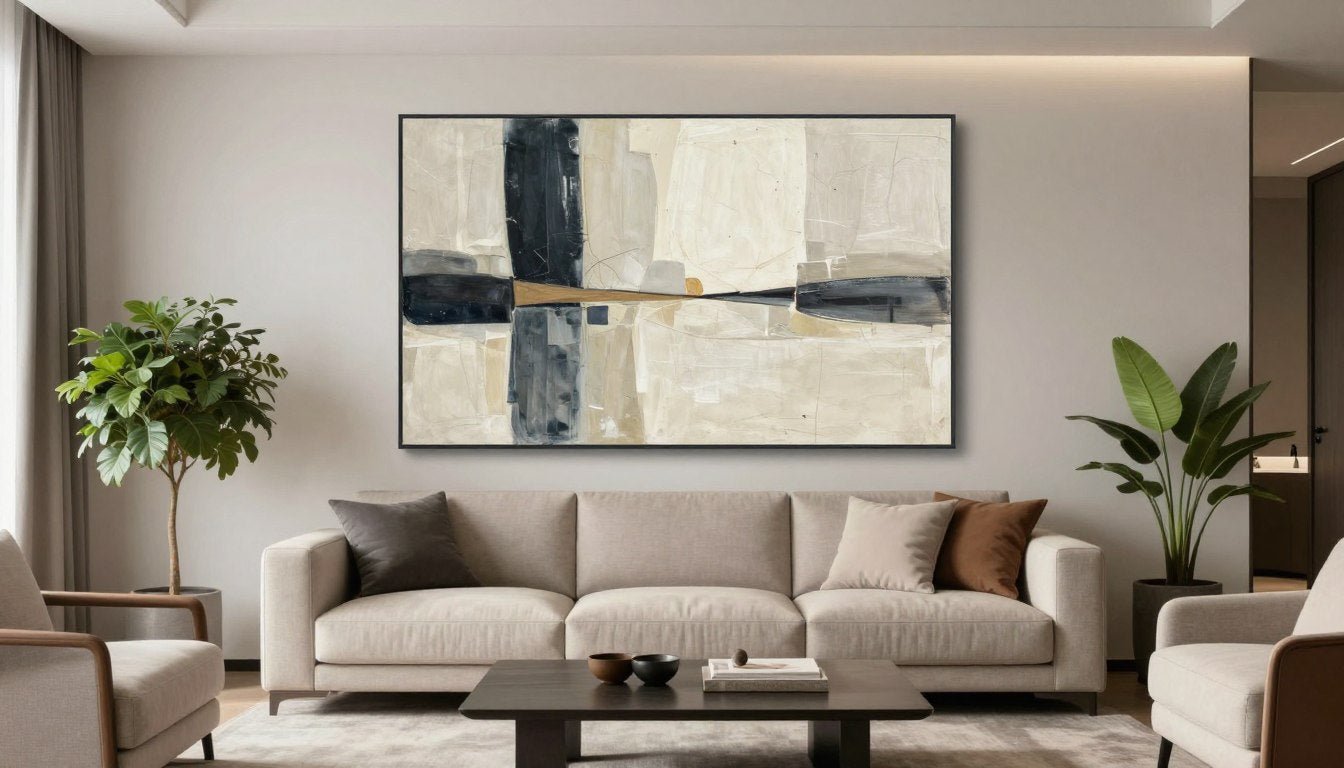


Leave a comment
This site is protected by hCaptcha and the hCaptcha Privacy Policy and Terms of Service apply.