
Every piece of art hanging on your wall tells a story. At Rossetti Art, that story begins with our commitment to protecting the planet. While transforming blank walls into inspiring spaces, we ensure our creative process honors the earth that inspires our work. This isn't just about making beautiful art—it's about creating pieces that reflect your values and preserve the world we share.

The art industry faces unique environmental challenges. From canvas production to shipping materials, every step carries an ecological footprint. We've reimagined each stage of our process to minimize waste and maximize responsibility. Our approach combines traditional artistic values with modern sustainability practices, proving that environmental consciousness and exceptional quality can coexist beautifully.
Eco-Conscious Art That Brings Nature Indoors
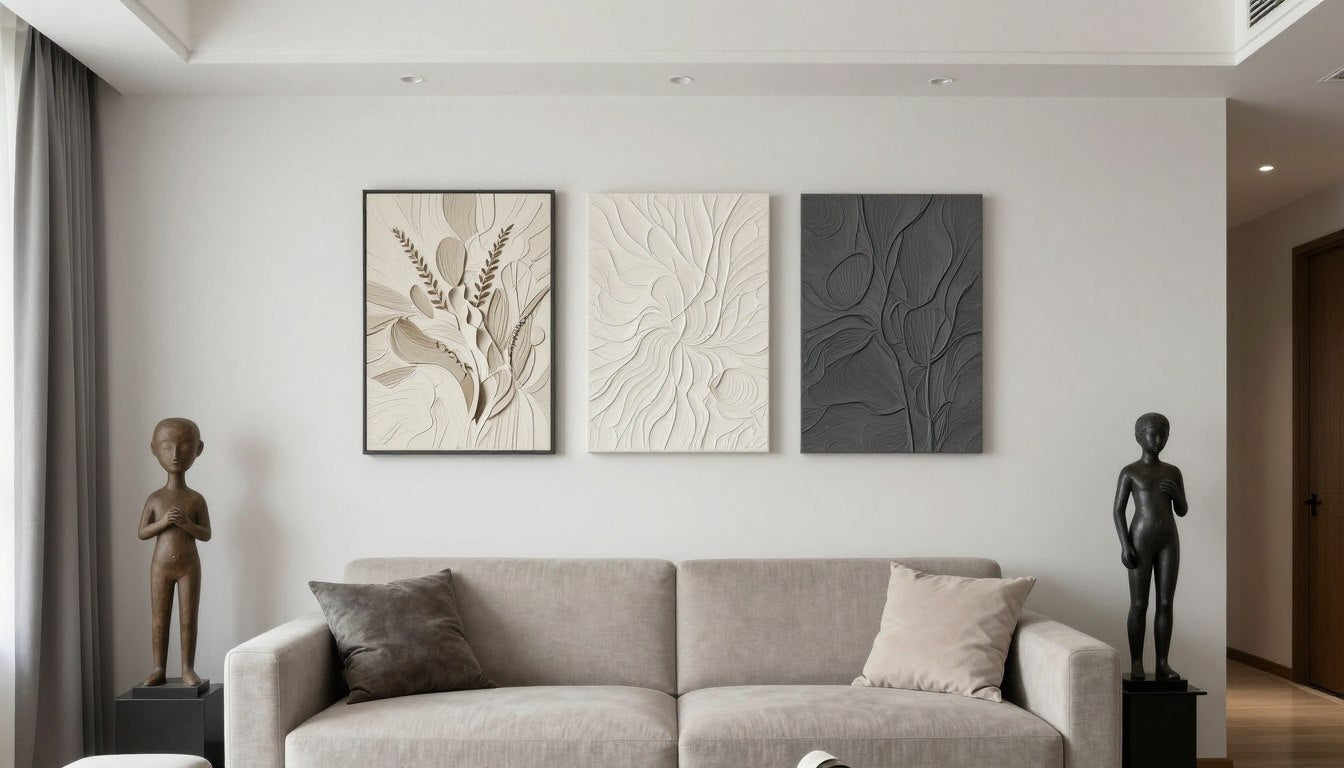
Nature inspires our most powerful work, and protecting that inspiration drives everything we create. Our botanical canvas prints celebrate the earth's beauty while respecting its resources. Each piece serves as a reminder of why sustainable practices matter in the first place.

Rainforest Canopy
Earth-friendly pigments capture nature's vibrant greens without synthetic chemicals. This piece brings the tranquility of forest light into any room.

Earth Elements
Abstract interpretations of landscapes using recycled canvas materials. Perfect for spaces that value both aesthetics and environmental responsibility.

Botanical Lines
Minimalist line art printed with water-based inks on sustainably sourced canvas. Timeless design meets conscious production.
The Foundation: Sustainable Materials That Matter
Every canvas print, painting, and sculpture begins with careful material selection. We source canvas from suppliers who prioritize sustainable forestry and ethical production. The cotton used in our canvas prints comes from farms that rotate crops and minimize water usage. This attention to sourcing means your wall art starts its life cycle responsibly.

Canvas and Fabric Choices
Traditional canvas production often relies on resource-intensive processes. We've partnered with mills that use closed-loop water systems and renewable energy. The canvas itself comes from organic cotton or recycled polyester blends. These materials provide the durability and texture artists need while reducing environmental impact significantly.
Our original paintings use canvas that meets strict environmental standards. The fabric arrives at our studio pre-primed with non-toxic, water-based primers. This eliminates harmful solvents from the production process. Each roll of canvas represents hours of research into sustainable suppliers and testing for quality that matches traditional materials.
Inks and Pigments from Nature
The colors that bring our work to life come from carefully selected sources. We use pigments derived from earth minerals and plant-based compounds whenever possible. Water-based inks replace solvent-based alternatives across our printing process. The shift wasn't easy—it took years of testing to achieve color accuracy and longevity with eco-friendly options.
These natural pigments create the rich tones you see in our black and white canvas prints and the vibrant hues in our pop art collection. The bonus? These materials improve indoor air quality in your home by eliminating volatile organic compounds that traditional art materials release over time.
Wood and Sculpture Materials
The frames and sculptures we create require wood from responsible sources. We exclusively use FSC-certified lumber from forests managed for long-term health. Reclaimed wood appears in many pieces, giving new life to materials that might otherwise become waste. Each piece of wood carries its own history and character.
Our sculpture work incorporates recycled metals and responsibly sourced stone. The artists in our studio take pride in transforming salvaged materials into statement pieces. This approach reduces mining demands and industrial processing while creating unique works that tell richer stories than new materials ever could.
Our Production Process: Where Responsibility Meets Artistry
Creating art sustainably requires rethinking every production step. Our studio operates on renewable energy, with solar panels covering the roof and powering our printing equipment. The space itself was renovated using reclaimed materials and energy-efficient systems. Walking through our studio, you notice the commitment to sustainability in every corner.

Energy-Efficient Operations
Traditional art studios consume significant electricity for lighting, climate control, and equipment. We've reduced our energy footprint by seventy percent through LED lighting, passive cooling design, and modern machinery. The printing equipment we use consumes less power while delivering superior results. These upgrades required substantial investment but aligned with our values and reduced operating costs over time.
The climate control system maintains ideal conditions for canvas art production without excessive energy use. Smart sensors adjust temperature and humidity based on actual needs rather than maintaining constant levels. This intelligent approach protects our materials and finished work while respecting energy resources.
Waste Reduction in the Studio
Every art studio generates waste—canvas scraps, packaging materials, paint residue. We've implemented a comprehensive waste management system that diverts ninety-five percent of our waste from landfills. Canvas remnants become smaller pieces for experimental work or get donated to local art programs. Paper and cardboard from shipments get sorted and recycled properly.
The printing process itself creates minimal waste thanks to precise digital planning. Before printing on canvas, we simulate each design to ensure accuracy. This eliminates the test prints and rejected pieces that typically fill studio trash bins. When mistakes do happen, those materials enter our recycling stream rather than heading to landfills.
Water Conservation Practices
Water-based inks and paints require cleaning equipment and brushes regularly. Our studio uses a water reclamation system that filters and reuses water multiple times before disposal. The filtration removes pigments and particles, turning wash water back into usable cleaning water. Only after several cycles does the water leave our facility, and then only after passing through additional filtration.
This system reduces our water consumption by eighty percent compared to traditional studios. The technology isn't complicated—it just requires commitment to implementing better practices. Artists working on portrait paintings and detailed work appreciate having clean water available without environmental guilt.
Match Sustainable Style to Your Space
Transform Your Home with Earth-Conscious Design
Our collections blend environmental responsibility with sophisticated aesthetics. Whether you prefer bold abstracts or serene botanicals, every piece reflects our commitment to sustainable production. Explore curated collections designed for conscious consumers who refuse to compromise on style.

Packaging and Shipping: Protecting Art and Planet
The journey from our studio to your wall requires protective packaging. We've eliminated plastic bubble wrap and foam entirely, replacing them with biodegradable alternatives. Each canvas print ships in recycled cardboard boxes with paper-based cushioning. The corner protectors come from molded recycled paper rather than plastic or styrofoam.
Innovative Packaging Solutions
Developing sustainable packaging took extensive testing. Art requires protection during shipping, but that protection doesn't need to harm the planet. We use corrugated cardboard made from one hundred percent recycled content. The ink printed on boxes comes from soy-based sources. Even the tape holding packages closed uses paper backing with natural adhesive.
Inside packages, honeycomb paper wrap cushions artwork during transit. This material compresses for space efficiency but expands to provide excellent protection. After delivery, customers can recycle or compost the entire package. Many people reuse our boxes for storage or their own shipping needs, extending the materials' useful life even further.

Carbon-Neutral Shipping Options
Transportation contributes significantly to any product's environmental impact. We've partnered with shipping carriers offering carbon-neutral delivery options. These programs offset emissions through verified environmental projects. While we can't eliminate shipping's footprint entirely, we can take responsibility for it.
Our office art prints and larger pieces ship via carriers that optimize routes for fuel efficiency. Ground shipping creates smaller footprints than air freight, so we encourage customers to choose slower delivery when possible. The extra day or two in transit makes a measurable difference in carbon emissions.
Local and Regional Delivery
For customers within our region, we offer local delivery using electric vehicles. This zero-emission option eliminates shipping packaging entirely while providing personal service. The delivery team can help with placement and answer questions about caring for your new art. This service has grown popular for dining room pieces and larger installations.
Regional consolidation reduces individual shipments. We coordinate deliveries to nearby addresses, optimizing routes and reducing overall vehicle miles. This approach requires more planning but significantly decreases environmental impact per piece delivered.
Longevity and Quality: The Ultimate Sustainability
The most sustainable art is art that lasts. We create pieces designed to remain beautiful for generations. Fast furniture and disposable decor create enormous waste streams. By contrast, heirloom-quality work reduces consumption by eliminating replacement needs. This philosophy guides every artistic decision we make.

Archival Standards
Our prints meet museum archival standards for longevity. The inks resist fading for over one hundred years under normal indoor conditions. Canvas treatments protect against moisture and dust without toxic chemicals. UV-resistant coatings preserve color vibrancy without yellowing or degrading the material itself.
These technical specifications matter because they prevent waste. When nursery art lasts through multiple children and remains gift-worthy, it doesn't end up in landfills. The same applies to entryway pieces that welcome guests year after year without losing their appeal or quality.
Timeless Design Philosophy
Trends come and go, but certain artistic principles remain constant. We focus on creating work with enduring appeal rather than chasing momentary fads. This doesn't mean avoiding contemporary styles—our cityscape prints and automotive art reflect modern aesthetics while maintaining timeless composition.
The design process involves extensive refinement. Each piece receives critique from multiple artists before production. This collaborative approach eliminates weak work that might satisfy immediate sales but wouldn't stand the test of time. Quality control isn't just about technical execution—it's about ensuring artistic merit worth preserving.
Repairability and Restoration
Even well-made art occasionally needs attention. We offer repair and restoration services for our pieces. Canvas can be cleaned, retouched, and restretched when necessary. This service extends artwork life and prevents premature disposal. Many customers appreciate knowing their investment includes long-term support.
The construction methods we use facilitate repairs. Standard stretcher bars and hardware mean frames can be rebuilt if damaged. We keep detailed records of custom work, allowing us to recreate elements if needed. This forward-thinking approach treats art as an investment worthy of maintenance rather than disposable decoration.
Artist and Studio Practices: Culture of Responsibility
Sustainability extends beyond materials and processes—it's embedded in studio culture. Every artist and team member receives training on environmental practices. We discuss the ecological impact of creative decisions regularly. This ongoing dialogue keeps sustainability at the forefront of our work rather than treating it as an afterthought.
Collaborative Learning
Artists share discoveries about sustainable techniques during weekly meetings. Someone might find a new earth-based pigment or a better way to reduce canvas waste. These innovations get tested and adopted across the studio when they prove effective. The collaborative environment accelerates our progress toward more sustainable practices.
We also learn from partners and suppliers. Material vendors often have insights into new sustainable options before they become widely available. Maintaining these relationships gives us early access to improvements in eco-friendly art supplies. The network of conscious creators and suppliers grows stronger each year.

Ethical Labor Standards
Environmental sustainability connects directly to social responsibility. Our studio provides fair wages, health benefits, and safe working conditions. Artists need security and support to produce their best work. The creative process thrives in environments where people feel valued and respected.
We maintain a work-life balance that prevents burnout. Art requires mental space and inspiration, which disappear under constant pressure. By respecting our team's time and wellbeing, we ensure sustainable productivity—not just in ecological terms, but in human terms that matter just as much.
Community Engagement
Our studio participates in local environmental initiatives beyond our own operations. We donate art prints to fundraisers for conservation organizations. Educational programs bring students into the studio to learn about sustainable art practices. These efforts extend our impact beyond the pieces we sell.
Community partnerships also keep us accountable. Local environmental groups provide feedback on our practices and suggest improvements. This external perspective prevents complacency and pushes us toward continuous improvement. Sustainability isn't a destination—it's an ongoing journey requiring constant attention and adaptation.
Transparency and Certifications: Proving Our Commitment
Claims about sustainability mean nothing without verification. We pursue relevant certifications and maintain transparent reporting about our environmental impact. These external validations provide assurance that our practices match our promises. Customers deserve proof, not just marketing statements.
Environmental Certifications
Our studio holds certifications from recognized environmental organizations. These include sustainable forestry certifications for wood products and green business certifications for our operations. Each certification requires regular audits and ongoing compliance. The process keeps us honest and identifies areas for improvement.
Material certifications matter equally. We source canvas and supplies from vendors with documented environmental credentials. When purchasing materials for canvas print sets or custom work, certification status factors heavily into supplier selection. We verify claims rather than accepting marketing statements at face value.
Impact Reporting
Annual sustainability reports detail our environmental footprint. These documents cover energy consumption, waste diversion rates, water usage, and shipping emissions. We track improvements year over year and set goals for continued progress. The reports are available to anyone interested in our practices.
Transparency includes acknowledging challenges and shortcomings. We don't claim perfection—art production inevitably creates some environmental impact. Honest reporting about where we fall short guides our improvement efforts. Customers appreciate this honesty more than exaggerated green claims.
Third-Party Verification
Independent auditors review our environmental claims annually. These professionals verify everything from material sourcing to waste management practices. Their reports provide unbiased assessment of our sustainability performance. This third-party oversight builds credibility and identifies blind spots we might miss.
We also encourage customer feedback about our environmental practices. Questions and concerns from people who purchase our movie art prints or commission custom pieces often reveal opportunities for improvement. Listening to customers makes us more responsive and accountable.
Future Innovations: Continuous Improvement
Sustainability practices evolve constantly as new technologies and methods emerge. We invest in research and development focused on reducing environmental impact further. Current projects explore biodegradable canvas alternatives and zero-waste production techniques. Innovation drives progress toward truly circular art production.

Material Science Research
Emerging materials offer exciting possibilities for sustainable art production. We're testing canvas made from hemp, which requires less water and no pesticides compared to cotton. Mycelium-based materials show promise for sculpture work and framing applications. These natural alternatives could revolutionize art material production.
Pigment research focuses on expanding the palette of earth-based colors. Traditional mineral pigments offer limited hues compared to synthetic options. Working with material scientists, we're developing processes to create broader color ranges from natural sources. Success would eliminate one of the last barriers to fully sustainable color reproduction.
Production Technology Advances
New printing technology reduces waste and energy consumption even further. Digital systems with improved efficiency will replace our current equipment as it reaches end-of-life. We plan upgrades carefully, balancing the environmental cost of new equipment against efficiency gains. Sometimes the most sustainable choice is maintaining and repairing existing machinery rather than replacing it prematurely.
Automation can improve consistency and reduce material waste in certain processes. However, we maintain the human element central to our work. Technology serves the artists rather than replacing them. The goal is enhanced capability for creating custom room art and unique pieces, not removing craftsmanship from production.
Circular Economy Goals
The ultimate sustainability goal involves creating a circular system where nothing becomes waste. We're developing take-back programs for old prints and frames. Returned materials would be refurbished, repurposed, or recycled into new products. This closed-loop approach requires complex logistics but aligns with our long-term vision.
Partnerships with recycling facilities and material processors make circular models possible. We're building relationships that can handle art-specific materials properly. Canvas differs from standard textile recycling, requiring specialized processing. Creating these pathways benefits the entire art industry, not just our studio.
Your Role in Sustainable Art: Making Conscious Choices
Customers complete the sustainability circle through their purchasing decisions and how they care for art. Choosing quality pieces designed to last reduces consumption. Properly maintaining artwork extends its life significantly. Simple practices make substantial differences in environmental impact over time.
Buying Decisions That Matter
Selecting art involves more than aesthetic preference. Consider the longevity of styles you're drawn to. Classic designs remain appealing longer than trendy pieces. Think about versatility—can the work transition between rooms as your needs change? These considerations help art become long-term investments rather than temporary decorations.
Size and placement decisions also affect sustainability. Measure spaces carefully before ordering to avoid returns and exchanges. Each shipment carries environmental costs. Taking time to visualize placement and ensure proper sizing prevents waste and frustration. We provide room visualizer tools to help with these decisions.
Caring for Your Art
Proper maintenance extends canvas life significantly. Dust prints regularly with soft, dry cloths. Keep artwork away from direct sunlight and high humidity. These simple practices preserve color and prevent material degradation. Most damage comes from neglect rather than time itself.
Professional cleaning and restoration services handle issues beyond routine maintenance. Rather than discarding damaged pieces, consider repair options. Canvas can be cleaned, retouched, and restretched. Frames can be refinished or rebuilt. These services cost less than replacement while eliminating waste.
Passing Art Forward
Art gains meaning through its history with your family. Pieces that witness life's moments become treasured heirlooms. When rooms change or tastes evolve, consider passing art to family members or friends rather than discarding it. Quality work maintains value and appeal across generations.
Donation represents another sustainable option. Schools, community centers, and charitable organizations often welcome art contributions. Your former living room centerpiece might become someone else's prized possession. This circulation keeps art in use while supporting worthy causes.
Ready to Transform Your Space Sustainably?
Every piece of Rossetti Art combines gallery-quality craftsmanship with environmental responsibility. Our canvas prints arrive ready to hang, produced with eco-friendly materials and sustainable practices throughout. Free worldwide shipping ensures your art travels to you with minimal environmental impact. Start building a collection that reflects your values without compromising your aesthetic standards.

Industry Impact: Leading Change in Art Production
Individual studios can't transform entire industries alone, but collective action creates momentum. We share our sustainable practices with other artists and producers. Open-source approaches to environmental solutions benefit everyone. The art world faces unique challenges that require collaborative problem-solving.
Knowledge Sharing
We publish detailed information about our sustainable practices for other artists to adopt. From material sourcing to waste reduction techniques, these resources help smaller studios implement similar approaches. Environmental protection matters more than competitive advantages. Success means industry-wide adoption, not keeping secrets.
Speaking engagements at art schools and professional conferences spread sustainable practices further. Students learning environmental consciousness from the start will create more sustainable careers. Established artists transitioning to eco-friendly methods inspire their peers. Cultural change happens through education and example.
Supplier Partnerships
Working with material suppliers, we push for better environmental options. Our orders represent significant business, giving us leverage to request sustainable alternatives. When suppliers develop eco-friendly products, multiple studios benefit. These partnerships accelerate progress across the supply chain.
We also support small sustainable suppliers getting started. Early customers for innovative green products help those businesses survive and grow. As they scale, prices decrease and availability improves. Supporting the ecosystem of sustainable suppliers benefits the entire industry long-term.
Policy Advocacy
Professional organizations and trade groups shape industry standards. We participate actively in discussions about environmental regulations and best practices. Art production needs sensible environmental standards that protect the planet without destroying small studios. Balanced approaches require input from practitioners understanding both artistic and ecological requirements.
Government incentives for sustainable business practices make environmental responsibility more accessible. We advocate for tax credits, grants, and technical support helping studios transition to greener operations. These policies level the playing field and accelerate adoption of sustainable practices industry-wide.
Measuring Success: Beyond Business Metrics
Traditional business metrics measure revenue and growth. While financial health matters, we also track environmental and social impact. Success includes carbon footprint reduction, waste diversion rates, and community engagement. These measurements guide decision-making alongside profit considerations.

Environmental Metrics
We track specific environmental indicators monthly. Energy consumption per piece produced shows efficiency improvements. Waste diversion percentages reveal how well our recycling and reuse programs work. Water usage metrics guide conservation efforts. These numbers provide concrete feedback on our environmental performance.
Carbon footprint calculations include all aspects of operations from materials to shipping. Annual totals show progress toward reduction goals. Detailed breakdowns identify areas needing improvement. Transparent reporting of these metrics holds us accountable and guides strategic planning.
Social Impact Assessment
Fair labor practices and community engagement qualify as sustainability issues. We assess employee satisfaction, workplace safety, and fair compensation regularly. Community program participation and charitable contributions receive equal attention with environmental metrics. Sustainable business extends beyond ecological concerns to encompass social responsibility.
Customer feedback provides valuable impact assessment data. Questions and comments about our practices reveal what matters most to the people supporting our work. Their concerns and suggestions shape our priorities and improvement efforts. Listening to stakeholders ensures our sustainability work addresses real needs rather than checking boxes.
Long-Term Vision
Ultimate success involves creating a truly sustainable art production model that others can replicate. Short-term metrics matter, but long-term transformation requires patience and persistence. We set five and ten-year goals alongside annual targets. This extended timeline allows for significant changes requiring substantial investment and development.
The vision includes becoming carbon-negative through extensive offset programs and renewable energy generation. Achieving zero waste through closed-loop systems represents another major goal. These ambitious targets drive innovation and continuous improvement. Even if perfection remains elusive, the pursuit creates meaningful progress.
Conclusion: Art That Honors Its Inspiration
Nature inspires the most powerful art, and protecting that inspiration gives purpose to our work. Sustainability at Rossetti Art isn't marketing language—it's the foundation of everything we create. From material selection through production, shipping, and long-term care, environmental responsibility guides each decision. The result is art that decorates your walls while respecting the planet.
Creating sustainable art requires more effort than conventional approaches. Sourcing eco-friendly materials, implementing waste reduction systems, and maintaining high quality standards demands constant attention. The extra work matters because art should enhance life without compromising future generations' ability to enjoy the natural world.
Your choice to support sustainable art makes a real difference. Each piece purchased sends a message that environmental responsibility matters. Collective consumer decisions shape entire industries. By choosing artwork created with care for the planet, you participate in positive change extending far beyond your walls.
We invite you to explore our collections and discover how sustainable practices produce exceptional art. Whether you're drawn to abstract designs, portrait work, or nature-inspired pieces, you'll find options reflecting both aesthetic excellence and environmental consciousness. Transform your space with art that shares your values.
Frequently Asked Questions About Sustainability at Rossetti Art
What makes Rossetti Art's canvas prints eco-friendly?
Our canvas prints use sustainably sourced materials including organic cotton or recycled polyester canvas, water-based inks derived from earth minerals and plant compounds, and recycled wood frames. The printing process operates on renewable energy, and we've eliminated plastic from all packaging. Each piece meets museum archival standards for longevity, reducing waste through durability. Our entire production process prioritizes environmental responsibility without compromising quality.
Does sustainable production affect the quality or appearance of the artwork?
Sustainable materials actually enhance quality in many cases. Water-based inks improve indoor air quality and provide excellent color accuracy. Organic cotton canvas offers superior texture compared to conventional alternatives. The archival standards we meet ensure colors remain vibrant for over one hundred years. Environmental responsibility and artistic excellence complement rather than conflict with each other. Every piece maintains the gallery-quality standards our customers expect.
How does Rossetti Art handle shipping to minimize environmental impact?
We ship all orders in recycled cardboard boxes with biodegradable paper cushioning instead of plastic bubble wrap. The packaging materials can be fully recycled or composted after delivery. We partner with carriers offering carbon-neutral shipping options that offset emissions through verified environmental projects. Local deliveries within our region use electric vehicles for zero-emission service. We also optimize shipping routes and encourage ground shipping over air freight when timing allows.
What certifications does Rossetti Art hold for environmental practices?
Our studio maintains green business certifications and sources materials from FSC-certified sustainable forestry operations. We work exclusively with suppliers holding documented environmental credentials. Third-party auditors verify our environmental claims annually, reviewing everything from energy consumption to waste management. We publish annual sustainability reports detailing our environmental footprint and improvement progress. Transparency and verification ensure our practices match our promises.
Can I recycle or return artwork when I no longer want it?
We're developing take-back programs for artwork returned at end-of-life. Canvas and frames can be refurbished, repurposed, or properly recycled. We also offer repair and restoration services to extend artwork life rather than replacing damaged pieces. Consider donating unwanted art to schools, community centers, or charitable organizations. Quality pieces maintain value across generations, making them ideal for passing to family members when your decor needs change.
How can I care for my Rossetti Art canvas to maximize its lifespan?
Regular dusting with soft, dry cloths prevents buildup that can damage canvas over time. Keep artwork away from direct sunlight to preserve color vibrancy. Maintain moderate humidity levels and avoid extreme temperature fluctuations. Handle prints carefully when moving or cleaning. For deeper cleaning or damage repair, contact us for professional restoration services. Proper care ensures your artwork remains beautiful for generations, maximizing the environmental benefits of choosing quality, sustainable pieces.

About the Author
Chiara Rossetti
Chiara Rossetti is the founder of Rossetti Art, a canvas print and original art brand. She writes about interior design, wall art styling, and the art of making a home feel alive.


Leave a comment
This site is protected by hCaptcha and the hCaptcha Privacy Policy and Terms of Service apply.