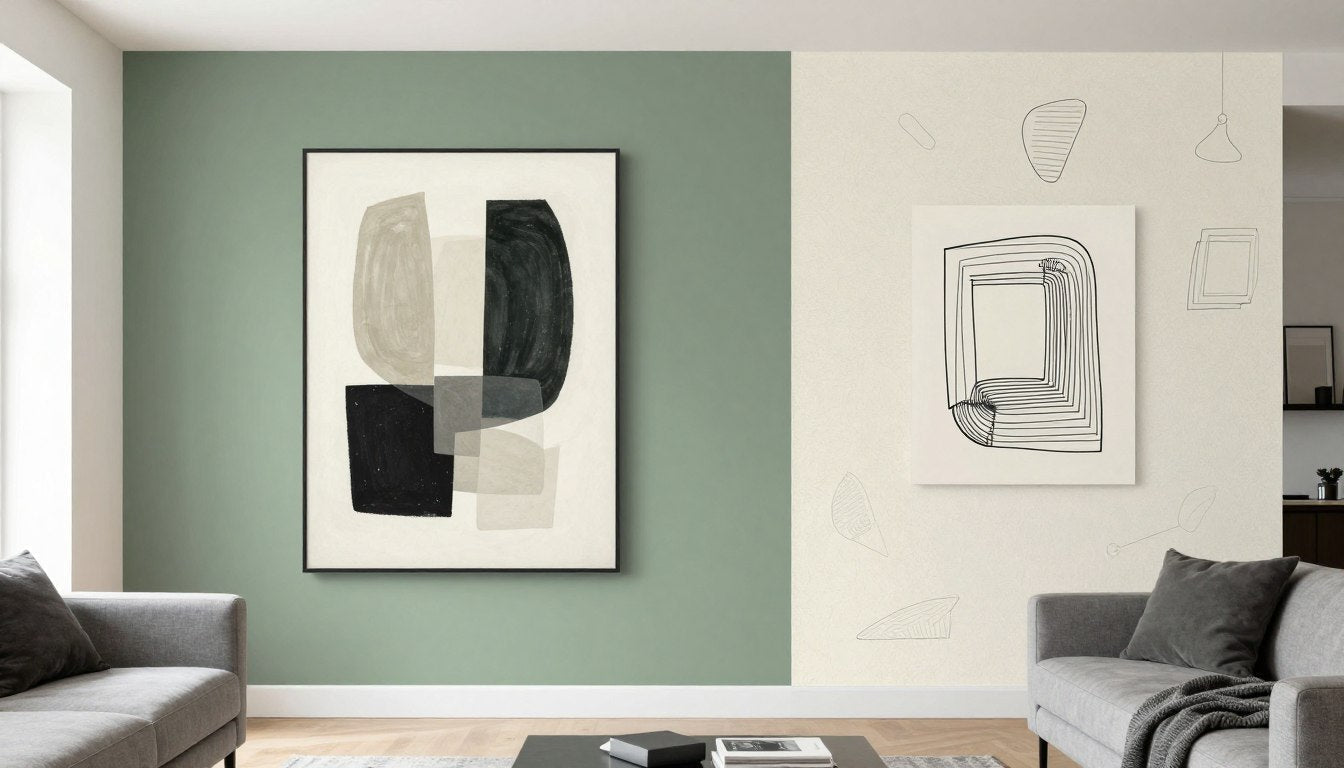

Choosing between paint and wallpaper for your walls affects more than just color. Your decision changes how your modern wall art looks in your space. The backdrop you select can make your canvas prints stand out or fade into the background.
Both options have clear advantages. Paint offers flexibility and cost savings. Wallpaper brings texture and bold patterns. The right choice depends on your art style, room function, and design goals.
This guide compares paint versus wallpaper as backdrops. You'll learn which option enhances different art styles. We cover durability, maintenance, costs, and installation. By the end, you'll know exactly which wall treatment showcases your abstract canvas prints or living room wall art best.
Understanding Wall Treatments and Their Impact on Art Display

Wall treatments create the foundation for your entire room design. The surface behind your art affects color perception and visual impact. Paint creates smooth or textured finishes in unlimited colors. Wallpaper adds dimension through patterns and materials.
Your wall choice influences how viewers see your art. A bold wallpaper pattern can compete with detailed artwork. Simple painted walls let intricate pieces take center stage. Texture matters too. Matte paint absorbs light differently than glossy finishes or textured wallpaper.
Room function guides wall treatment decisions. High-traffic areas need durable surfaces. Living rooms benefit from statement walls. Bedrooms work well with calming treatments. Consider these factors before selecting paint or wallpaper.
Paint Characteristics
- Smooth or textured finish options
- Unlimited custom color mixing
- Quick application and drying time
- Easy touch-ups and repairs
- Various sheen levels available
Wallpaper Characteristics
- Textured surfaces and patterns
- Pre-designed style options
- Longer installation process
- Covers wall imperfections
- Creates focal points instantly
The Advantages of Paint as an Art Backdrop

Paint remains the most popular wall treatment choice. Its versatility makes it ideal for showcasing art. You can match any color scheme or change it easily when your style evolves.
Color Flexibility and Customization
Paint gives you complete color control. Mix custom shades to complement your artwork perfectly. Neutral paint colors work especially well behind colorful pieces. Gray, beige, and white walls let your art become the room's focal point.
You can create accent walls without major investment. One painted wall behind your art draws attention to that space. This approach works beautifully in living rooms and entryways where you display statement pieces.
Cost-Effectiveness and Budget Control
Paint costs significantly less than quality wallpaper. A gallon covers approximately 400 square feet. You can complete most rooms with two to three gallons. Budget-friendly options start around $30 per gallon for quality paint.
DIY painting saves money on installation costs. Most homeowners can paint rooms themselves with basic tools. You need rollers, brushes, painter's tape, and drop cloths. The entire project typically costs under $200 for materials.
Easy Maintenance and Touch-Ups
Paint allows simple maintenance over time. Scuffs and marks wash off easily with mild soap. Small damages get quick touch-ups with leftover paint. Keep extra paint stored properly and you can repair walls years later.
High-traffic areas benefit from washable paint finishes. Satin and semi-gloss sheens resist moisture and cleaning. These finishes work well in hallways and children's rooms where walls face regular contact.

Modern Art Styles That Shine on Any Wall Treatment
These versatile pieces work beautifully whether you choose paint or wallpaper. Each style brings its own character while complementing your wall backdrop.

Abstract Geometric Prints
Bold shapes and colors adapt to any backdrop. These pieces create impact on solid paint colors or subtle textured wallpaper patterns.

Black & White Line Art
Timeless monochrome designs work with every wall color and texture. Perfect for creating sophisticated spaces that never go out of style.

Botanical Wall Art
Nature-inspired prints bring organic beauty to minimalist walls. These designs add life to simple painted surfaces or enhance neutral wallpaper.
The Benefits of Wallpaper Behind Modern Art

Wallpaper creates instant atmosphere in any room. Modern wallpapers come in countless patterns and textures. The right wallpaper adds depth that paint cannot achieve alone.
Design Impact and Visual Interest
Wallpaper patterns create immediate focal points. Textured wallpapers add dimension without competing with your art. Subtle patterns like linen textures or tone-on-tone designs provide interest while keeping art as the star.
Geometric wallpapers work well with abstract art when colors coordinate. Floral patterns pair beautifully with botanical canvas prints. The key is choosing wallpaper that complements rather than competes with your artwork's style.
Durability and Wall Protection
Quality wallpaper lasts 10 to 15 years with proper care. It protects walls from scuffs better than paint in high-traffic areas. Many wallpapers are washable and resist moisture damage.
Peel and stick wallpapers offer removable options for renters. These modern wallpapers apply without paste or professional installation. They protect walls while allowing easy removal without damage.
Covering Imperfections
Wallpaper hides wall flaws that paint cannot. Textured patterns mask bumps, cracks, and uneven surfaces. This benefit saves money on wall preparation and repair work.
Thick wallpapers provide better coverage than thin options. Vinyl-coated papers offer durability while hiding imperfections. This makes wallpaper ideal for older homes with less-than-perfect walls.

How Each Option Displays Different Art Styles

Your wall treatment affects how people perceive your art. Different art styles perform better on specific backgrounds. Understanding these relationships helps you make the right choice.
Abstract and Geometric Art
Abstract art shines on solid painted walls. Bold colors and geometric shapes need simple backgrounds to stand out. Neutral paint colors let abstract pieces command attention without visual competition.
Geometric wallpaper can work with abstract art if colors coordinate carefully. Choose wallpaper with subtle patterns in complementary tones. Avoid busy patterns that clash with your artwork's composition.
Portrait and Figurative Art
Portrait canvas prints display best on solid colored walls. Painted backgrounds in neutral tones keep focus on the subject. Avoid wallpaper patterns behind portraits as they distract from facial features.
Textured paint finishes add interest without pattern. A subtle texture provides depth while maintaining focus on your portrait art. This approach works especially well for black and white portrait prints.
Botanical and Nature Art
Nature-inspired art offers more flexibility with wallpaper. Subtle botanical wallpaper can enhance botanical canvas prints when styles coordinate. Choose wallpaper with similar color palettes but different scales.
Green painted walls work beautifully with botanical art. Sage, olive, and forest green create cohesive nature-inspired spaces. These colors complement leaf patterns and floral designs naturally.

Best Practices for Art Display
- Match wall colors to art undertones
- Keep patterns subtle behind detailed art
- Use texture instead of pattern for interest
- Consider lighting effects on surfaces
- Test samples before full commitment
- Leave breathing room around art pieces
Cost Comparison: Paint vs Wallpaper Long-Term Value

Budget considerations influence most design decisions. Initial costs differ significantly between paint and wallpaper. Long-term value includes durability, maintenance, and replacement expenses.
Initial Investment Breakdown
Paint projects cost less upfront than wallpaper installation. Quality paint runs $30 to $60 per gallon. Professional painting costs $2 to $6 per square foot including labor. DIY painting reduces costs to materials only.
Wallpaper costs vary widely by quality and style. Basic wallpaper starts at $20 per roll covering about 30 square feet. Designer wallpaper reaches $100 or more per roll. Professional installation adds $3 to $7 per square foot to total project costs.
| Cost Factor | Paint | Wallpaper |
| Materials (per sq ft) | $0.50 - $1.50 | $1.50 - $5.00 |
| Professional Labor | $2 - $4 per sq ft | $3 - $7 per sq ft |
| DIY Difficulty | Easy to Moderate | Moderate to Difficult |
| Average Room Cost | $300 - $800 | $800 - $2,500 |
| Lifespan | 5 - 10 years | 10 - 15 years |
Maintenance and Repair Costs
Paint requires occasional touch-ups and full repainting every 5 to 10 years. Touch-up costs are minimal if you keep extra paint. Full repainting costs the same as initial painting.
Wallpaper maintenance involves gentle cleaning and occasional seam repairs. Damaged wallpaper sections require replacement of entire strips. Matching patterns years later can prove difficult if the design gets discontinued.
Value Over Time
Quality wallpaper lasts longer than paint typically does. The higher initial investment spreads over more years. However, changing styles may make long-lasting wallpaper a disadvantage.
Paint allows easy updates as trends change. Repainting costs less than wallpaper replacement. This flexibility adds value for people who enjoy refreshing their spaces regularly.
Room-by-Room Wall Treatment Recommendations

Different rooms have unique requirements for wall treatments. Function, moisture levels, and traffic patterns affect your choice. Match wall treatments to room purposes for best results.
Living Room and Entertainment Spaces
Living rooms work well with both paint and wallpaper options. This room showcases your largest art pieces and gets frequent use. Accent walls behind entertainment centers or sofas create focal points.
Paint offers flexibility for frequent design changes. Choose washable finishes for areas near furniture and high-touch zones. Neutral colors let your living room canvas art take center stage.
Wallpaper adds luxury and personality to living spaces. Textured wallpaper behind floating shelves creates gallery-like displays. Keep patterns subtle if you plan to hang multiple art pieces.
Bedrooms and Private Spaces
Bedrooms benefit from calming wall treatments. Paint allows easy color changes as preferences evolve. Soft blues, greens, and neutrals promote relaxation while displaying bedroom art beautifully.
Accent walls behind beds work well with wallpaper. Subtle patterns add interest without overwhelming the restful atmosphere. Choose removable wallpaper if you rent or change styles frequently.
Kitchens and Bathrooms
Moisture-resistant paint works best in bathrooms and kitchens. Semi-gloss and satin finishes resist humidity and clean easily. These spaces need practical surfaces that handle moisture and grease.
Vinyl wallpaper offers water-resistant options for these rooms. Apply wallpaper away from direct water contact zones. Avoid paper-based wallpapers that deteriorate in humid conditions.
High-Traffic Areas
Hallways and entryways face constant use and contact. Durable wallpaper protects walls better than paint in these areas. Scuff-resistant vinyl wallpapers handle impacts from furniture, bags, and daily traffic.
If you choose paint for hallways, select durable finishes. Satin or semi-gloss sheens resist marks and clean easily. Keep touch-up paint handy for quick repairs as needed.
Match Your Wall Treatment to Your Art Style
Choosing your art first simplifies wall treatment decisions. Our curated collections work beautifully with both paint and wallpaper, giving you design flexibility for any room.

Installation Process: DIY Feasibility and Time Requirements

Installation difficulty affects your final decision between paint and wallpaper. Time investment varies significantly between options. Understanding the process helps you choose what fits your skills and schedule.
Painting Your Walls
Most homeowners can successfully paint rooms themselves. The process requires basic tools and careful preparation. Proper technique ensures professional-looking results that enhance your art display.
Wall preparation takes the most time in painting projects. Clean walls thoroughly and fill holes with spackling compound. Sand rough spots smooth and apply primer on bare walls or dramatic color changes.
Painting itself goes quickly with proper tools. Use quality rollers for large surfaces and angled brushes for edges. Apply two coats for even coverage. Each coat dries in 2 to 4 hours depending on humidity and temperature.
Painting Timeline
- Preparation and priming: 2-4 hours
- First coat application: 2-3 hours
- Drying time: 4-6 hours
- Second coat application: 2-3 hours
- Final drying: 4-6 hours
- Total project time: 1-2 days
Installing Wallpaper
Wallpaper installation requires more skill than painting. Professional installation ensures best results for traditional paste wallpapers. Peel and stick options offer easier DIY alternatives.
Wall preparation matters even more for wallpaper than paint. Walls must be completely smooth and clean. Any imperfections show through wallpaper. Apply primer or sizing to improve adhesion.
Matching patterns and cutting wallpaper takes precision. Measure carefully and cut pieces slightly longer than needed. Working with a partner makes installation easier. Air bubbles and misaligned patterns frustrate beginners.
Wallpaper Installation Steps
- Measure walls and calculate rolls needed
- Prepare walls with primer or sizing
- Cut first strip with pattern alignment
- Apply paste or activate peel and stick backing
- Position carefully and smooth out bubbles
- Match pattern for subsequent strips
- Trim excess at ceiling and baseboards
- Allow proper drying time before hanging art

Durability and Maintenance Requirements Over Time

Long-term performance matters when choosing wall treatments. Both options require maintenance to stay looking fresh. Your lifestyle and household needs determine which option works best.
Paint Durability Factors
Paint quality directly affects longevity. Premium paints contain more pigment and better binders. These paints resist fading and wear longer than budget options.
Sheen level impacts durability in different ways. Flat finishes hide imperfections but mark easily. Satin and semi-gloss finishes clean better and resist moisture. Choose finish based on room function and traffic.
Environmental factors affect paint lifespan. Direct sunlight fades colors over time. Humidity and temperature changes cause paint to deteriorate faster. Quality paint in protected areas lasts 10 years or more.
Wallpaper Longevity
Quality wallpaper outlasts paint when properly installed and maintained. Vinyl-coated papers resist moisture and cleaning chemicals. Fabric-backed wallpapers offer superior durability but cost more.
Seams are the most vulnerable part of wallpaper installations. Poor installation leads to peeling edges and lifting seams. High humidity causes even well-installed wallpaper to fail eventually.
UV exposure damages wallpaper like it does paint. Colors fade and materials deteriorate near windows. Use window treatments to protect wallpaper in sunny rooms where you display art.
Cleaning and Maintenance
Painted walls clean easily with mild soap and water. Most marks wipe away without damage. Touch up small areas with leftover paint using a small brush or roller.
Washable wallpapers handle gentle cleaning with damp cloths. Avoid excessive moisture that seeps behind wallpaper. Test cleaning products in inconspicuous areas first to prevent damage.
Paint Maintenance Benefits
- Easy spot cleaning with household products
- Simple touch-ups with saved paint
- Quick color changes when desired
- No special cleaning tools required
- Damage repairs blend invisibly
Paint Maintenance Challenges
- Flat finishes show marks easily
- Touch-ups may show color differences
- Requires complete repainting every 5-10 years
- Scuffs and scratches more visible
- Texture differences after repairs
Current Design Trends for Wall Treatments and Art Display

Design trends influence wall treatment choices each year. Understanding current preferences helps create timeless spaces. Balance trending styles with personal taste for lasting appeal.
Popular Paint Trends
Warm neutrals dominate current paint trends. Greige, warm whites, and earthy tones create versatile backdrops. These colors work beautifully with various art styles while feeling fresh and modern.
Accent walls remain popular for highlighting art displays. Deep colors like navy, forest green, and charcoal create dramatic backgrounds. These bold choices make colorful art pop while adding sophistication.
Textured paint techniques add interest without pattern. Limewash and Venetian plaster create subtle variation. These finishes provide depth that complements modern canvas prints beautifully.
Wallpaper Design Directions
Subtle texture wallpapers gain popularity over busy patterns. Grasscloth, linen-look, and tone-on-tone designs add dimension. These understated options enhance art without competing for attention.
Nature-inspired wallpapers connect interiors to the outdoors. Botanical prints, stone textures, and wood-look designs bring organic elements inside. These patterns pair well with botanical and abstract art.
Removable wallpaper solutions appeal to renters and commitment-phobes. Peel and stick options let you experiment with patterns. Temporary wallpaper works perfectly for creating art-focused accent walls.
Art Display Innovations
Gallery walls continue evolving with mixed media approaches. Combine canvas prints with framed pieces and three-dimensional objects. Varied sizes and orientations create dynamic displays on any wall treatment.
Oversized single pieces make bold statements. Large canvas prints work especially well on simple painted walls. This minimalist approach lets impressive art command attention without distraction.

Environmental and Health Considerations

Environmental impact and indoor air quality matter for healthy homes. Wall treatment choices affect your family's wellbeing. Consider eco-friendly options when selecting paint or wallpaper.
Paint Environmental Factors
Traditional paints release volatile organic compounds (VOCs) into indoor air. These chemicals cause headaches and respiratory irritation. They continue off-gassing for weeks after application.
Low-VOC and zero-VOC paints minimize indoor air pollution. These options cost slightly more but protect health better. Most major paint brands now offer eco-friendly formulations.
Water-based paints create less environmental impact than oil-based options. They clean up with soap and water instead of chemical solvents. Latex and acrylic paints work well for most interior applications.
Wallpaper Sustainability
Wallpaper production varies in environmental impact by material type. Vinyl wallpapers contain plastics and chemicals that harm the environment. Paper-based options decompose better but may not perform as well.
Natural fiber wallpapers offer sustainable alternatives. Grasscloth, cork, and bamboo wallpapers come from renewable resources. These options cost more but appeal to environmentally conscious homeowners.
Wallpaper adhesives can contain harmful chemicals too. Water-based pastes and non-toxic adhesives reduce exposure. Peel and stick wallpapers eliminate paste entirely.
Making Healthier Choices
Allow proper ventilation during and after wall treatment application. Open windows and use fans to circulate fresh air. Wait several days before hanging art and moving furniture back.
Choose products with third-party environmental certifications. Look for Green Seal or Greenguard Gold certifications. These labels verify low emissions and safer formulations.
- Select zero-VOC or low-VOC paints when possible
- Choose water-based products over solvent-based options
- Look for natural fiber wallpapers without vinyl
- Use non-toxic adhesives and installation products
- Ventilate thoroughly during and after application
- Dispose of materials properly according to local regulations
Making Your Final Decision: Paint or Wallpaper?

Your final choice depends on multiple factors working together. Consider budget, lifestyle, art collection, and long-term plans. The right answer differs for each person and space.
Questions to Guide Your Choice
How long do you plan to stay in this space? Renters benefit from removable options like peel and stick wallpaper or paint. Homeowners can invest in permanent solutions that add value.
What is your available budget for this project? Paint costs less initially but may need replacement sooner. Wallpaper costs more upfront but lasts longer with proper care.
How much maintenance are you willing to do? Paint requires occasional touch-ups and complete repainting every few years. Wallpaper needs gentle cleaning but lasts longer between replacements.
Hybrid Approaches
You don't have to choose just one option throughout your home. Mix paint and wallpaper in different rooms based on function. Use wallpaper for formal spaces and paint for casual areas.
Accent walls combine both benefits effectively. Wallpaper one wall behind your art and paint the remaining walls. This approach creates focal points while controlling costs.
Consider your art collection when planning wall treatments. If you frequently rotate pieces, paint offers more flexibility. If you display a permanent collection, wallpaper can complement specific styles.
Pro Tip: Test both options before committing. Purchase small wallpaper samples and paint sample sizes. Apply them in your space and live with them for several days. Observe how your art looks against each option at different times of day.
When Paint Works Best
Choose paint if you value flexibility and frequent changes. Paint suits DIY enthusiasts comfortable with home projects. It works well for budget-conscious decorators who want control over exact colors.
Paint makes sense for homes with children who might damage walls. Touch-ups are simple and inexpensive. You can repaint high-traffic areas without replacing everything.
When Wallpaper Makes Sense
Select wallpaper for dramatic impact and long-lasting results. It suits homeowners who prefer professional installation. Wallpaper works well for formal rooms that get less daily wear.
Wallpaper excels at hiding wall imperfections that would show through paint. It adds texture and pattern that paint cannot achieve. Choose wallpaper when you want a distinctive look that lasts years.

Specific Recommendations for Displaying Canvas Prints

Canvas prints deserve wall treatments that enhance their beauty. The right backdrop makes your art investment shine. Apply these specific recommendations to showcase your collection perfectly.
Choosing Colors for Different Art Styles
Black and white canvas prints look stunning on nearly any wall color. Gray walls create sophisticated galleries for monochrome art. Deep charcoal backgrounds make white elements pop dramatically.
Colorful abstract art needs neutral backgrounds to avoid clashing. White, cream, and light gray let bold colors command attention. Match undertones between wall colors and art for harmony.
Portrait and figurative art displays best on solid colors without pattern. Medium-tone neutrals provide contrast without competing. Avoid wallpaper patterns behind portraits that distract from faces.
Texture Considerations
Canvas prints have inherent texture from the fabric weave. Smooth painted walls create contrast that highlights canvas texture. Heavily textured walls can compete with canvas surface.
Matte paint finishes work better than glossy for art display. Shiny walls reflect light that creates glare on art. Flat or eggshell sheens provide sophisticated backdrops without reflections.
If you choose wallpaper, select subtle textures rather than busy patterns. Linen-look or grasscloth wallpapers add interest without overwhelming art. Keep wallpaper textures fine-scaled for best results.
Lighting and Wall Treatment Interaction
Wall color affects how lighting illuminates your art. Light colors reflect more light onto adjacent art pieces. Dark colors absorb light creating dramatic focused displays.
Consider natural light exposure when selecting wall treatments. South-facing walls get intense sunlight that fades both paint and wallpaper. Use UV-protective window treatments to preserve walls and art.
Install picture lights or track lighting to highlight canvas prints properly. Adjustable fixtures let you direct light regardless of wall treatment. Proper lighting makes any wall backdrop work better.

Art Display Best Practices
- Hang art at eye level (57-60 inches to center)
- Leave 6-8 inches between frame and furniture
- Group smaller pieces with 2-3 inch spacing
- Use proper hanging hardware for canvas weight
- Avoid direct sunlight exposure
- Keep away from humidity sources
- Dust frames and canvas surfaces regularly
Museum-Quality Canvas Art for Every Wall
Ready to hang. Premium materials. Free worldwide shipping. 100% satisfaction guaranteed. Whether you choose paint or wallpaper, our canvas prints are designed to look stunning on any backdrop.
Professional Designer Tips for Wall Treatment Success

Professional designers use specific strategies for successful wall treatments. These expert tips help you achieve magazine-worthy results. Apply proven techniques to make your space look professionally designed.
Creating Focal Points
Designate one wall as your focal point in each room. This wall features your best art piece or collection. Use contrasting paint colors or wallpaper to draw attention to this area.
The remaining walls should complement rather than compete with your focal wall. Keep them simple in neutral colors or subtle textures. This approach creates visual hierarchy and guides the eye.
Position furniture to emphasize your focal wall. Arrange seating to face the wall featuring your art. This layout maximizes impact and creates conversation areas around your display.
Color Theory Application
Use the 60-30-10 rule for balanced color schemes. Your wall treatment represents 60 percent of the room's color. Furniture and large items make up 30 percent. Art and accessories provide the final 10 percent.
Complementary colors create vibrant energetic spaces. Blue walls make orange art pop dramatically. Purple backgrounds enhance yellow artwork. Use this approach sparingly for impact.
Analogous colors create harmonious peaceful rooms. Walls and art share adjacent color wheel positions. Blue-green walls with blue art feel cohesive. This approach works well in bedrooms and relaxation spaces.
Proportion and Scale Guidelines
Wall treatment patterns should scale appropriately to room size. Large patterns overwhelm small rooms. Tiny patterns get lost in spacious areas. Match pattern scale to room dimensions.
Art size relates to wall dimensions for proper proportion. Large walls need substantial art pieces or grouped collections. Small walls display single medium-sized pieces best.
Leave adequate blank space around art pieces. The wall treatment should frame art not crowd it. Allow at least 6 inches of clear space on all sides of individual pieces.
Designer Secret: Create sample boards before making final decisions. Mount paint swatches, wallpaper samples, and small art prints together on foam board. Move the board around your room at different times of day. This visualization helps you see how elements work together in your actual lighting conditions.
Avoiding Common Mistakes
Don't choose wall treatments without considering your existing art. Start with your favorite art pieces and select walls to complement them. This approach ensures cohesive design.
Avoid trendy wall colors that date quickly. Extremely bold or saturated colors fall out of fashion faster than neutrals. Choose timeless options that work long-term.
Don't forget about ceiling height when selecting wallpaper patterns. Vertical stripes make low ceilings appear taller. Horizontal patterns make narrow rooms feel wider. Use pattern direction strategically.
- Test samples in actual room conditions before purchasing
- Consider existing furniture and flooring in color decisions
- Account for natural and artificial lighting effects
- Plan for adequate drying or curing time before hanging art
- Keep paint samples or wallpaper scraps for future repairs
- Document paint colors and wallpaper patterns for records
Planning for Future Changes and Updates

Your design preferences evolve over time. Wall treatments should accommodate future changes gracefully. Smart planning now prevents costly renovations later.
Flexibility with Paint
Paint offers maximum flexibility for style evolution. Repainting costs less than removing and replacing wallpaper. You can update colors in a weekend without professional help.
Document your paint colors for future reference. Save paint can labels or record color names and numbers. This information makes touch-ups and repainting easier years later.
Consider how your art collection might grow or change. Neutral painted walls adapt to new pieces easily. You can add art without worrying about color conflicts with existing walls.
Wallpaper Longevity Considerations
Permanent wallpaper requires longer commitment to one style. Select classic designs that won't feel dated in five years. Avoid trendy patterns unless you plan to change them relatively soon.
Removable wallpaper solutions offer more flexibility for style changes. Peel and stick products work well for accent walls you might update. These options let you experiment without permanent commitment.
Keep extra wallpaper rolls for future repairs if you choose permanent wallpaper. Discontinue patterns make matching repairs impossible. Store extra rolls in cool dry places away from sunlight.
Adapting to Life Changes
Life changes affect design needs in different ways. Growing families need durable washable surfaces. Empty nesters might want more sophisticated treatments with wallpaper.
Children's room wall treatments need special consideration. Paint allows easy updates as kids grow and interests change. Removable wallpaper works well for nurseries and playrooms.
Home resale value considerations favor neutral treatments. Potential buyers prefer walls they can envision with their belongings. Paint in neutral colors appeals to broader audiences than bold wallpaper.
Planning Reminder: Before committing to any wall treatment, consider your 3-5 year plans. Will you stay in this home? Do you plan renovations? How might your art collection change? These questions help you choose treatments that serve you well through upcoming life stages.
Finding Your Perfect Wall Treatment Solution

Both paint and wallpaper create beautiful backdrops for modern wall art. Your choice depends on budget, lifestyle, and personal preferences. Neither option is universally better than the other.
Paint offers affordability, flexibility, and DIY-friendly installation. It works well for people who enjoy changing their spaces frequently. Paint suits various art styles when you select appropriate colors and finishes.
Wallpaper provides durability, texture, and distinctive style. It creates impact that paint alone cannot achieve. Wallpaper works best for homeowners committed to longer-term design directions.
Consider mixing both options in your home for optimal results. Use paint in high-traffic areas and children's rooms where flexibility matters. Add wallpaper in formal spaces where you want lasting dramatic impact.
Your art collection guides the best choice for each space. Simple painted walls let bold colorful art command attention. Subtle textured wallpaper adds interest that complements minimalist pieces.
Start with your favorite art pieces and work backward to wall treatments. This approach ensures walls enhance rather than compete with your collection. Whether you choose paint, wallpaper, or both, the right backdrop makes your art shine.
Take time to test samples before committing to full rooms. Live with colors and patterns for several days in actual lighting. This patience prevents expensive mistakes and ensures satisfaction with your final choice.
Frequently Asked Questions
Can I hang canvas prints on wallpapered walls without damage?
Yes, you can hang canvas prints on wallpaper safely with proper techniques. Use anchors appropriate for your wall type rather than relying on wallpaper alone. The anchor should penetrate through wallpaper into the actual wall structure. For lightweight pieces, adhesive hooks designed for wallpaper work well. Our black and white canvas prints come with hanging hardware suitable for any wall treatment. Remove adhesive hooks slowly at an angle to minimize wallpaper damage.
Which wall treatment requires less maintenance over time?
Quality wallpaper typically requires less maintenance than paint over its lifespan. Washable wallpaper resists scuffs and cleans easily with damp cloths. Paint needs touch-ups more frequently in high-traffic areas and complete repainting every 5-10 years. However, paint touch-ups are simpler to perform yourself than wallpaper repairs. The best choice depends on your willingness to do occasional touch-ups versus your preference for longer-lasting but more permanent installations.
What wall colors work best behind colorful abstract art?
Neutral wall colors showcase colorful abstract art most effectively. White, light gray, and warm beige let bold artwork become the focal point without color competition. For deeper drama, try charcoal gray or navy blue behind pieces with complementary colors. Match undertones between your wall color and art for cohesion. Our abstract geometric prints work beautifully on neutral backgrounds that enhance their vibrant colors.
Is peel and stick wallpaper durable enough for permanent use?
Modern peel and stick wallpaper offers surprising durability for permanent installations. Quality products last 5-7 years when properly applied to smooth prepared walls. They work especially well for accent walls and low-traffic areas. However, traditional paste wallpapers still exceed peel and stick options for longevity and performance in high-traffic spaces. Peel and stick works perfectly for renters or anyone wanting flexibility to change designs every few years without commitment.
Can textured paint finishes damage canvas prints?
Textured paint finishes will not damage canvas prints when hung properly with adequate wall clearance. Canvas prints should hang with at least half an inch of space between the canvas back and the wall surface. This gap allows air circulation and prevents texture transfer. Heavy texture like knockdown or popcorn ceiling texture can create uneven hanging surfaces. Use appropriate anchors and hanging hardware to ensure canvases hang level and secure regardless of wall texture.
How do I choose between paint and wallpaper for a rental property?
For rental properties, removable solutions offer the best flexibility. Use paint in neutral colors that appeal to most tenants and allow easy touch-ups between leases. If you want wallpaper's visual impact, choose peel and stick options that remove without wall damage. These products let you create stylish spaces while preserving your ability to return walls to original condition. Many landlords allow renters to add removable wallpaper, making it ideal for temporary installations. Consider versatile canvas art that works with any wall treatment you choose.
What wall treatment works best in high-humidity rooms?
Moisture-resistant paint works best in high-humidity rooms like bathrooms and kitchens. Choose paint formulated specifically for these environments with mildew-resistant properties. Semi-gloss or satin finishes resist moisture better than flat paint. If you prefer wallpaper in humid spaces, select vinyl-coated options designed for bathrooms. Apply wallpaper only on walls away from direct water contact. Proper ventilation remains essential regardless of which wall treatment you choose for moisture-prone areas.
How far should art hang from wallpapered walls?
Canvas prints should hang with approximately half an inch to one inch of clearance from wallpapered walls. This space prevents wallpaper texture from pressing against canvas backs and allows proper air circulation. Use appropriate picture hanging hardware that creates this natural gap. Heavy textured wallpapers like grasscloth may require slightly more clearance. The gap also prevents potential moisture transfer between walls and canvas materials, protecting both your wallpaper and artwork.
Does wallpaper increase home resale value more than paint?
Paint typically appeals to more potential homebuyers than wallpaper does. Neutral painted walls let buyers envision their own style preferences more easily. Bold or distinctive wallpaper can limit buyer appeal even when professionally installed. However, high-quality wallpaper in formal spaces like dining rooms can add perceived luxury. For maximum resale value, use neutral paint colors throughout most of the home with subtle wallpaper only in select areas if desired.
What wall treatment best showcases a large canvas art collection?
Solid painted walls in neutral colors showcase large canvas art collections most effectively. White, light gray, or warm beige walls create gallery-like backdrops that let your art take center stage. Avoid busy wallpaper patterns that compete with multiple art pieces. If you want wallpaper texture, choose subtle options like linen-look or tone-on-tone designs. Our canvas print sets display beautifully on simple painted walls that provide clean unified backgrounds for grouped arrangements.
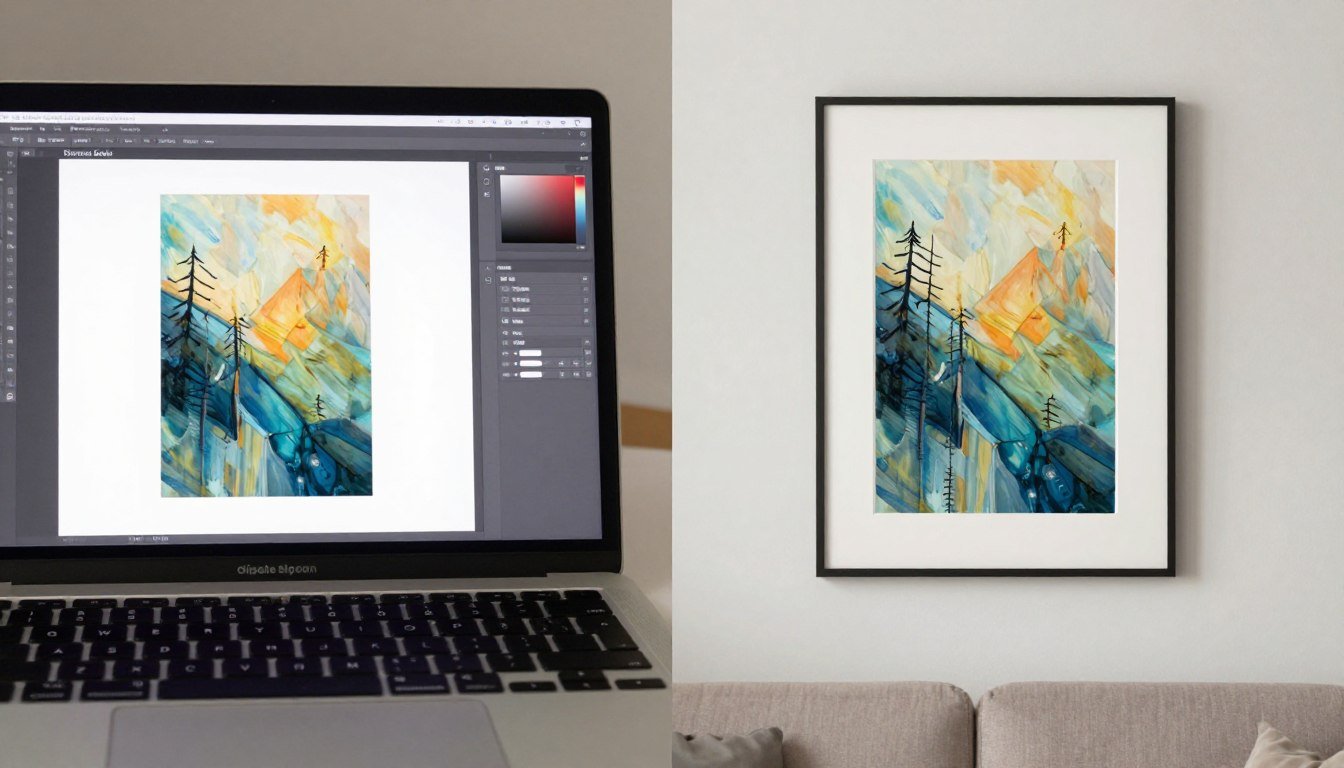
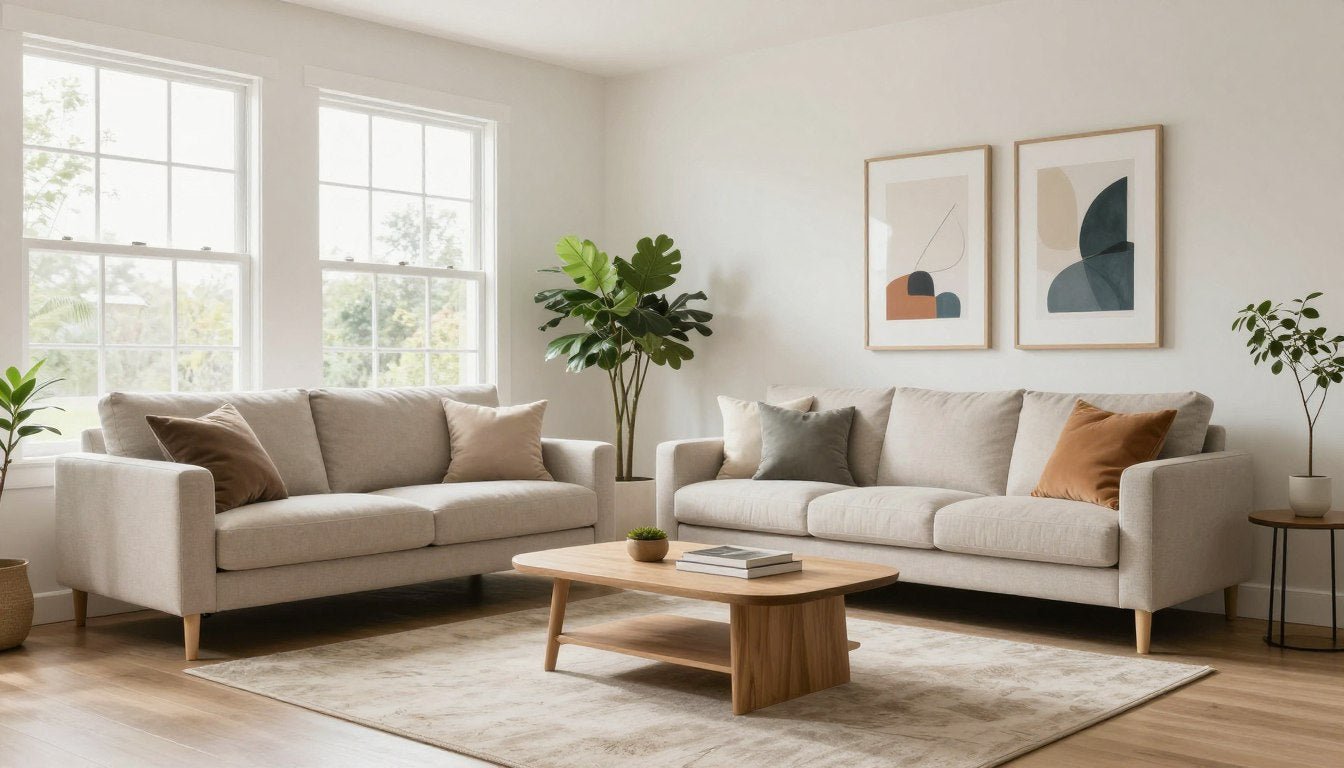

Leave a comment
This site is protected by hCaptcha and the hCaptcha Privacy Policy and Terms of Service apply.