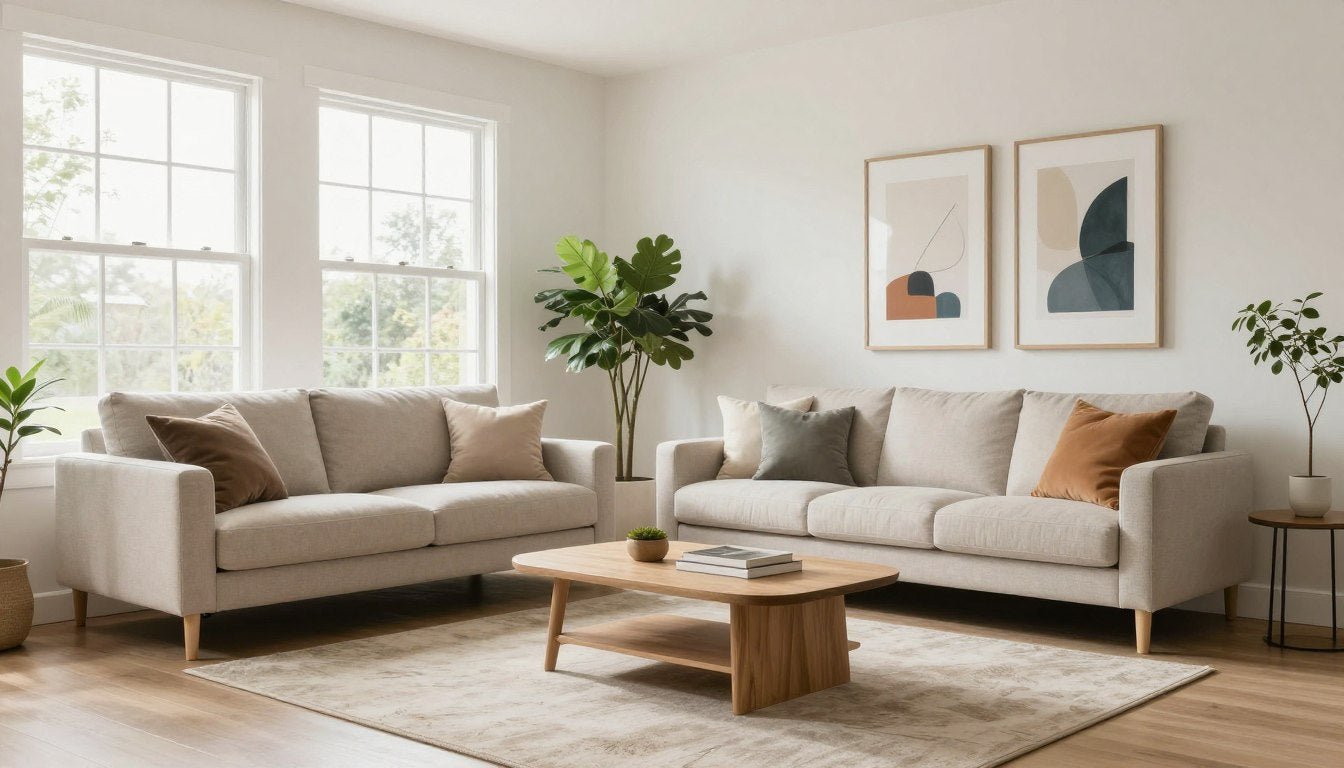
Starting your interior design journey feels overwhelming when you walk into an empty room. Every design choice seems permanent and expensive.
You want a beautiful home that reflects your personality. But where do you begin?
This comprehensive guide breaks down interior design basics into simple, actionable steps. You'll learn fundamental principles that professional designers use every day. By the end, you'll have the confidence to transform any space in your home.
Understanding Interior Design Basics for Beginners

Interior design is the art and science of enhancing interior spaces to achieve a healthier and more aesthetically pleasing atmosphere. It combines creativity with technical knowledge to create functional environments.
The design process starts with understanding your space and your needs. Every room serves a purpose. Your design choices should support that function while expressing your personal style.
Professional designers follow established design principles. These timeless rules help create balanced, harmonious spaces. When you understand these basics, decorating becomes much easier.
The Seven Fundamental Design Principles
Balance
Balance creates visual equilibrium in a room. It prevents spaces from feeling too heavy on one side.
- Symmetrical balance mirrors elements on both sides
- Asymmetrical balance uses different elements with equal visual weight
- Radial balance arranges elements around a central focal point
- Distribute furniture and decor evenly throughout your space
Rhythm
Rhythm guides the eye through a space using repeated elements. It creates movement and flow.
- Repeat colors, patterns, or textures throughout the room
- Create progression through gradual size or color changes
- Use transition to connect spaces smoothly
- Establish visual pathways that lead attention naturally
Emphasis
Every room needs a focal point that draws attention first. This creates visual interest and hierarchy.
- Choose one dominant feature per room
- Architectural features like fireplaces work naturally
- Large artwork or statement furniture creates instant focus
- Arrange other elements to support your focal point
Harmony
Harmony ensures all elements work together cohesively. It creates a sense of completeness.
- Select items that share common characteristics
- Maintain consistency in your style choices
- Blend different textures and materials thoughtfully
- Create unity while allowing for variety
Professional designers at Decorilla emphasize that mastering these principles transforms amateur decorating into confident design decisions. Understanding design basics gives you a framework for every choice you make.
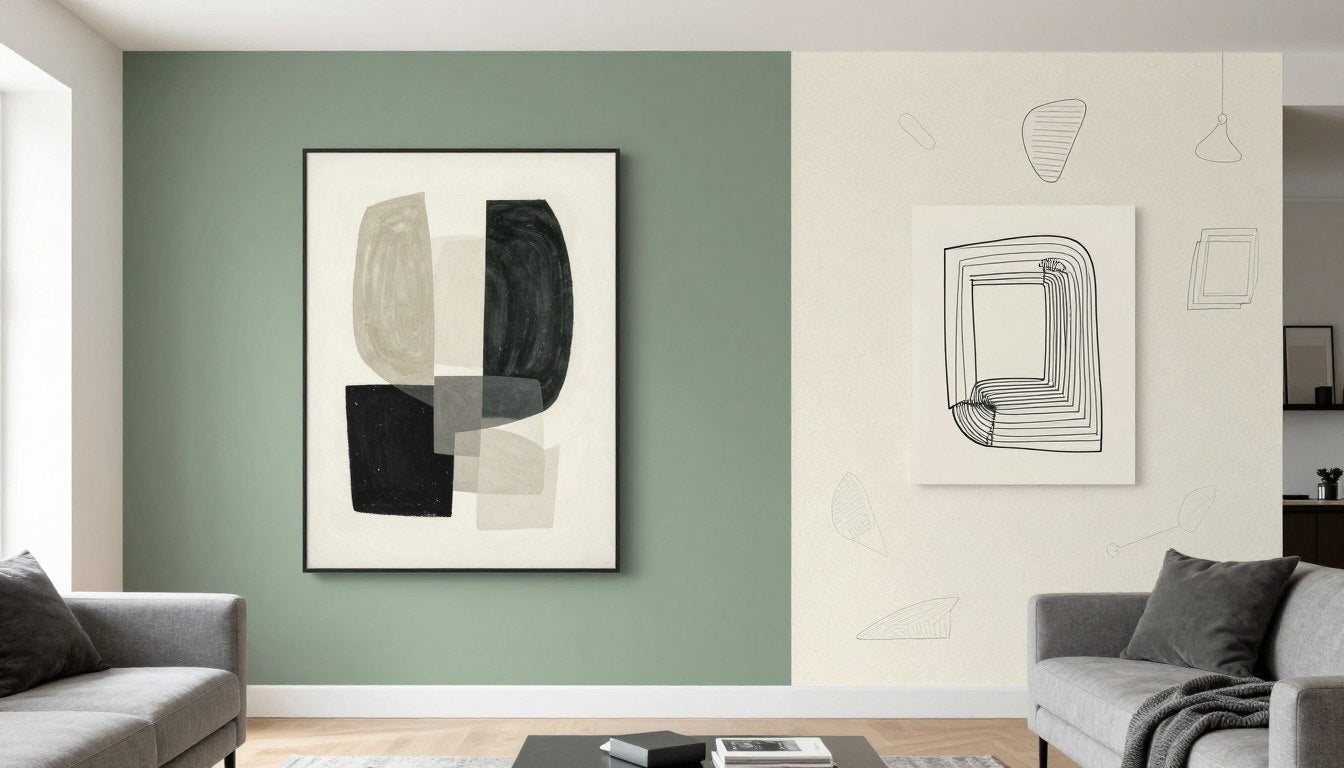
Start Your Design Journey with Statement Art
If you're drawn to modern aesthetics, these curated canvas prints provide the perfect focal point to anchor your design vision. Each piece helps establish your room's color palette and style direction.

Bold Abstract Statement
Geometric shapes and vibrant colors create instant visual interest. Perfect for establishing your design's color scheme.

Elegant Line Art Portrait
Sophisticated simplicity in black and white. This timeless style complements any decorating approach.

Natural Botanical Beauty
Bring the outdoors inside with botanical prints. Nature-inspired art creates calm, welcoming atmospheres.
Discovering Your Personal Design Style
Your design style reflects your personality and preferences. It tells your story through the objects and colors you choose.
Many beginners struggle because they try to copy magazine rooms exactly. This approach rarely works. Your home should feel authentic to you, not like a showroom.
Start by collecting inspiration. Save images of rooms that make you feel something positive. Look for patterns in your choices.
Popular Interior Design Styles
Understanding different design styles helps you identify what resonates with you. Each style has distinctive characteristics and mood.
Modern design features clean lines, minimal ornamentation, and neutral color palettes. This style emerged in the early-to-mid 20th century. It emphasizes function and simplicity.
Contemporary design reflects current trends. It's fluid and changes over time. Contemporary spaces often blend multiple influences while maintaining a cohesive look.
Traditional design draws from European sensibilities. It includes rich wood tones, classic furniture pieces, and elegant details. Traditional rooms feel formal and timeless.
Transitional style bridges traditional and contemporary. It combines the warmth of traditional design with the clean lines of modern aesthetics. This balanced approach works well for beginners.
Finding Your Style Direction
- Browse design magazines and platforms like Pinterest
- Visit furniture showrooms and model homes
- Notice which styles appear repeatedly in your saves
- Consider your lifestyle and daily habits
- Think about how you want each space to feel
- Don't force a style that doesn't suit your personality
- Mix elements from different styles if they speak to you
- Trust your instincts about what feels right
Scandinavian design prioritizes functionality and simplicity. It uses light colors, natural materials, and minimal clutter. This style creates bright, airy spaces perfect for small homes.
Industrial design celebrates raw materials and architectural elements. Exposed brick, metal fixtures, and reclaimed wood define this aesthetic. It works especially well in loft-style spaces.
Your decorating style might blend several influences. This eclectic approach often produces the most personal and interesting spaces. The key is maintaining some consistency through color or materials.

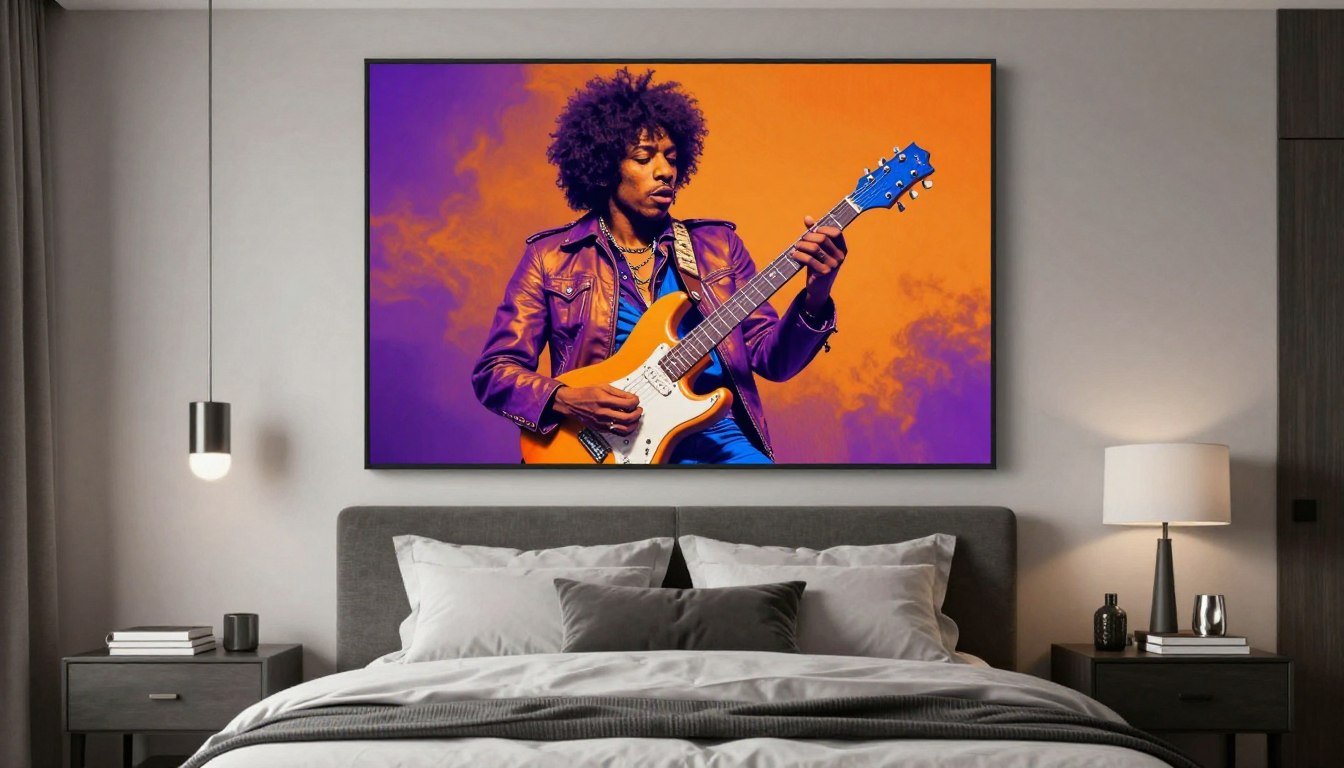
Explore various art styles that complement different interior design approaches. Pop art canvas prints energize modern and contemporary spaces with bold graphics. Black and white canvas prints provide sophistication that works across all design styles.
Mastering Color in Interior Design
Color dramatically impacts how a room feels. It influences mood, perceived space size, and visual flow between areas.
Many beginners fear color. They stick to all-white rooms thinking it's safer. But understanding color theory empowers you to use it confidently.
The Color Wheel and Color Schemes
The color wheel organizes colors by their relationships. It helps you create harmonious color palettes that work together naturally.
Primary colors are red, blue, and yellow. You cannot create these by mixing other colors. They form the foundation of all other hues.
Secondary colors result from mixing two primary colors. Green, orange, and purple fall into this category. They sit between primary colors on the wheel.
Tertiary colors combine a primary and a secondary color. These create more nuanced shades like red-orange or blue-green.
Complementary Color Schemes
Complementary colors sit opposite each other on the color wheel. They create high contrast and vibrant energy.
- Blue and orange combinations feel dynamic
- Red and green provide classic contrast
- Purple and yellow create playful energy
- Use one color as dominant, the other as accent
Analogous Color Schemes
Analogous colors sit next to each other on the wheel. They create serene, comfortable spaces.
- Blue, blue-green, and green feel calming
- Red, red-orange, and orange energize
- Choose one dominant color
- Use others as supporting tones
Creating Your Color Palette
Start with a base color you love. This becomes your room's foundation. Build your color scheme around it.
The 60-30-10 rule helps balance colors effectively. Use your dominant color for 60% of the room. This typically covers walls and large furniture pieces.
Your secondary color fills 30% of the space. It appears in upholstery, curtains, or accent furniture. This color supports and complements your dominant choice.
The accent color comprises the final 10%. Use it in accessories, artwork, and decorative objects. This adds visual interest and personality.

Consider how natural light affects color perception. North-facing rooms receive cooler light. Warm colors help balance this coolness. South-facing rooms get abundant warm light. Cooler colors prevent these spaces from feeling too hot.
Test paint colors before committing. Purchase sample sizes and paint large swatches on your walls. Observe them at different times of day. Artificial lighting also changes color appearance significantly.
Abstract canvas prints offer an excellent way to introduce your color palette. A single abstract artwork can pull together your entire color scheme while serving as your room's focal point.
Furniture Selection and Placement
Furniture serves two purposes in interior design. It must function well for daily life. It must also contribute to your room's overall aesthetic.
Poor furniture placement makes even beautiful pieces look awkward. Good arrangement creates natural flow and conversation areas.
Measuring and Planning Your Space
Always measure your room before shopping for furniture. Nothing disappoints more than a sofa that doesn't fit through your doorway.
Create a simple floor plan on paper. Include windows, doors, and architectural features. Note the dimensions of walkways. You need at least 30 inches for comfortable passage.
Consider traffic flow patterns. People should move through spaces easily. Furniture should never create obstacles in natural pathways.
Leave breathing room around furniture pieces. Crowded rooms feel chaotic and uncomfortable. Appropriate spacing creates a sense of luxury and calm.
For living rooms, maintain 18 inches between a coffee table and sofa. This allows people to reach items comfortably. Position furniture to encourage conversation by creating an intimate seating arrangement.
Furniture Spacing Guidelines
- 30-36 inches for main walkways
- 18 inches between sofa and coffee table
- 14-18 inches between coffee table and accent chair
- 24-30 inches for passage behind dining chairs
- 3 feet between bed and walls for movement
- Leave space for cabinet and drawer opening
Choosing the Right Furniture Pieces
Start with essential furniture before adding decorative pieces. Every room has must-have elements that support its function.
In living rooms, the sofa anchors your seating area. Choose a size proportional to your space. Oversized furniture overwhelms small rooms. Too-small pieces look lost in large spaces.
Select furniture that matches your lifestyle needs. Families with young children need durable, cleanable fabrics. Pet owners should avoid delicate materials. Think about how you actually use each room daily.

Quality matters more than quantity when building your furniture collection on a budget. One excellent sofa beats multiple cheap pieces. Invest in items you use daily. Save on occasional-use furniture.
Mix furniture styles and eras for visual interest. A room furnished entirely from one collection looks staged and impersonal. Combining pieces adds character and tells your story.
Consider multi-functional furniture for small spaces. Storage ottomans serve as seating and hide clutter. Expandable dining tables accommodate guests without permanently consuming floor space.
Complete your furniture arrangements with carefully chosen wall art. Living room canvas art adds the finishing touch that transforms a furniture grouping into a cohesive design. For home offices, select office canvas art prints that inspire productivity while enhancing your professional space.
Lighting Design Fundamentals
Lighting dramatically transforms how your space looks and feels. It's the most underestimated element in interior design.
Good lighting requires layering three types of illumination. Each layer serves a specific purpose and contributes to the overall atmosphere.

The Three Layers of Lighting
Ambient lighting provides overall illumination for a room. It's your base layer that makes spaces functional and safe. Ceiling fixtures, recessed lights, and chandeliers typically supply ambient light.
Task lighting focuses on specific activities. Reading lamps, under-cabinet kitchen lights, and desk lamps fall into this category. Task lighting prevents eye strain during detailed work.
Accent lighting creates visual interest and highlights design features. It draws attention to artwork, architectural details, or decorative objects. Accent lighting adds depth and dimension to rooms.
- Enhances mood and well-being
- Makes spaces feel larger
- Shows colors accurately
- Reduces energy costs
- Creates connection to outdoors
- Varies beautifully throughout the day
Natural Lighting Benefits
- Available on demand anytime
- Consistent and predictable
- Customizable for different moods
- Highlights specific design elements
- Compensates for limited windows
- Adjustable through dimmer switches
Artificial Lighting Control
Choosing the Right Light Bulbs
Light bulb color temperature affects room atmosphere significantly. It's measured in Kelvins on a scale from warm to cool.
Warm white bulbs (2700-3000K) create cozy, inviting spaces. They work well in living rooms, bedrooms, and dining areas. This temperature mimics traditional incandescent bulbs.
Cool white bulbs (3500-4100K) provide energizing, crisp light. They suit kitchens, bathrooms, and workspaces where you need focus and clarity.
Daylight bulbs (5000-6500K) replicate natural outdoor light. They work well in areas requiring color accuracy like art studios or makeup areas.
Install dimmer switches wherever possible. They provide lighting flexibility for different activities and times of day. Dimmers extend bulb life and reduce energy consumption.
Layer your lighting throughout the room instead of relying on one overhead fixture. Multiple light sources create warmth and prevent harsh shadows. This approach gives you control over your room's mood.
Accent lighting draws attention to your design elements. Use picture lights or directional spots to highlight your canvas prints and wall art. Proper illumination makes your artwork's colors and details truly shine.
Room by Room Decorating Guide
Each room in your home serves different purposes. Your design approach should reflect these unique functions while maintaining overall home cohesion.
Living Room Design
Living rooms serve as gathering spaces for family and guests. They need comfortable seating arranged to encourage conversation. Your furniture layout should create intimacy while allowing easy movement.
Anchor your living room with an area rug. It defines the seating zone and adds warmth. Make sure the rug is large enough that front furniture legs rest on it. This creates visual unity in the arrangement.

Create a focal point that draws the eye immediately upon entering. This might be a fireplace, a large window with a view, or a statement piece of art. Arrange furniture to emphasize this feature.
Select a statement artwork that establishes your color palette and style. Living room wall art provides the perfect opportunity to showcase bold designs that reflect your personality.
Bedroom Decorating
Bedrooms should promote rest and relaxation. Choose calming colors that help you unwind. Avoid overly stimulating hues or busy patterns in sleeping spaces.
Position your bed as the room's focal point. It typically works best centered on the longest wall. Provide access on both sides with matching nightstands for symmetry.
Layer your bedroom lighting carefully. Overhead lights should be dimmable for evening relaxation. Add bedside lamps for reading. Consider blackout curtains to control natural light for better sleep.
Minimize clutter in bedrooms to create tranquil atmospheres. Storage solutions that hide items maintain the peaceful feeling. Keep surfaces relatively clear except for meaningful decorative objects.
Choose bedroom canvas prints that promote serenity. Botanical prints, abstract designs in soft colors, or minimalist line art work beautifully in sleeping spaces.
Dining Room Style
Dining rooms center around the table. It should be proportional to your room size. Leave at least 36 inches around all sides for comfortable chair movement and serving.
Hang your chandelier or pendant light 30 to 36 inches above the table surface. This height provides adequate illumination without blocking sight lines across the table.

Add a sideboard or buffet for storage and serving. Top it with decorative elements that complement your style. This furniture piece adds functionality and visual weight to balance the dining table.
Consider your dining room's dual nature. While it hosts special occasions, it often remains unused daily. Your design should look beautiful even when the room sits empty.
Wall art in dining rooms should spark conversation without overwhelming the space. Dining room wall art decor prints in food themes, abstract designs, or sophisticated portraits enhance mealtime experiences.
Entryway Impact
Your entryway creates first impressions for guests. It sets the tone for your entire home's design style. Even small entryways deserve thoughtful attention.
Include a console table or small bench if space allows. Add a mirror to visually expand the area and provide a last-minute appearance check. Create a designated spot for keys and mail.
Make bold design statements in entryways. This transitional space can handle more drama than other rooms. Consider statement lighting or eye-catching entryway wall art prints that welcome visitors warmly.
Adding Personality Through Accessories and Decor
Accessories transform houses into homes. These finishing touches inject personality and warmth into your spaces.
Many beginners either over-accessorize or leave rooms too sparse. Finding the right balance takes practice and a willingness to edit.
Match Your Design Vibe to Your Space
Now that you understand design fundamentals, explore curated collections that bring your vision to life. Whether you're drawn to bold modern statements or timeless minimalist elegance, the right artwork anchors your entire design scheme.
The Art of Styling
Start with larger statement pieces before adding smaller accessories. This prevents rooms from looking cluttered with tiny objects competing for attention.
Group decorative objects in odd numbers. Collections of three or five items look more natural than even-numbered arrangements. This odd-number rule applies to artwork groupings, candles, and decorative objects.

Vary heights in your accessory arrangements. This creates visual interest and prevents monotony. Use books, stands, or pedestals to achieve different levels in displays.
Follow the rule of three when styling surfaces. Include something tall, something medium, and something short. Add visual weight with a larger object balanced by smaller grouped items.
Incorporating Texture and Pattern
Texture adds depth and richness to interior spaces. It engages multiple senses beyond just visual appeal. Layer different textures for sophisticated, welcoming rooms.
Mix smooth and rough textures for contrast. Pair a velvet sofa with a jute rug. Combine glossy ceramics with matte wood surfaces. These contrasts create visual and tactile interest.
Introduce pattern carefully to avoid overwhelming spaces. Start with one dominant pattern in a large element like curtains or a rug. Add smaller-scale patterns in throw pillows or artwork.
Make sure patterns share at least one color to create cohesion. This common thread ties diverse patterns together harmoniously. Vary pattern scales for the best effect.
Essential Accessories
- Throw pillows in complementary colors and patterns
- Artwork that serves as focal points
- Area rugs that define spaces
- Table lamps providing ambient glow
- Mirrors that reflect light and expand space
- Plants bringing life and natural elements
- Books displayed for color and personality
- Decorative objects with personal meaning
Common Styling Mistakes
- Pushing all furniture against walls
- Hanging artwork too high on walls
- Using area rugs that are too small
- Neglecting proper lighting layers
- Matching everything too perfectly
- Ignoring room scale and proportion
- Following trends instead of personal style
- Decorating all at once without living in space
Creating Gallery Walls
Gallery walls showcase multiple pieces of art in a cohesive arrangement. They work beautifully in living rooms, hallways, and staircases.
Plan your layout before making holes in walls. Arrange pieces on the floor first. Take a photo to reference during installation. This saves frustration and mistakes.
Maintain consistent spacing between frames. Two to three inches works well for most gallery walls. This creates unity while allowing each piece to breathe.
Mix frame styles and artwork types for eclectic gallery walls. Combine photographs, paintings, and prints. Vary frame colors between black, white, and natural wood for visual interest.
Center your gallery wall at eye level, approximately 57 to 60 inches from the floor. This standard height ensures comfortable viewing for most people.
Consider themed collections that tell stories. Travel photography, family portraits, or coordinated canvas print sets create impactful displays with built-in cohesion.
Working Within Your Budget
Beautiful interior design doesn't require unlimited funds. Strategic planning and smart choices stretch your decorating budget significantly.
Invest in quality for items you use daily and that are difficult to replace. Save money on easily changeable accessories and trendy pieces.
Budget Allocation Strategy
Create a realistic budget before shopping. Allocate funds based on priorities and what matters most in each room.
Large furniture pieces deserve the biggest portion of your budget. A quality sofa lasts 10 to 15 years with proper care. Cheap furniture often needs replacement within a few years.
Mattresses and desk chairs directly impact your health and comfort. Don't compromise on items that affect your daily wellbeing and productivity.
Where to Invest vs. Save
Invest in:
- Sofas and upholstered seating
- Mattresses and bed frames
- Dining tables that last decades
- Quality window treatments
- Hardwood or durable flooring
Save on:
- Trendy accent pieces
- Decorative accessories
- Side tables and occasional furniture
- Seasonal decor items
- Items you might change frequently
Affordable Design Tips
Shop secondhand for unique furniture finds. Thrift stores, estate sales, and online marketplaces offer quality pieces at fraction of retail prices. Many vintage items feature better construction than modern budget furniture.
Paint transforms furniture and spaces inexpensively. A fresh coat of paint updates outdated pieces completely. This simple change costs little but delivers dramatic results.

Rearrange existing furniture before buying new pieces. Sometimes fresh layouts solve problems without spending money. Try different configurations to maximize your current items.
DIY projects save money while adding personal touches. Simple projects like painting, recovering cushions, or creating artwork make significant impacts. Start with manageable projects that match your skill level.
Buy in stages rather than furnishing entire rooms at once. This prevents costly mistakes and allows your style to evolve naturally. Living in a space helps you understand what you truly need.
Affordable art options exist for every budget. Canvas prints provide museum-quality artwork at accessible price points. These ready-to-hang pieces deliver professional results without gallery costs.
Common Beginner Mistakes to Avoid
Learning from others' mistakes saves time and money. Certain design errors appear repeatedly in beginner projects.
Scale and Proportion Issues
Choosing furniture too large or too small for your space creates awkward rooms. Measure carefully and consider proportions before purchasing.
Oversized furniture overwhelms small rooms. It blocks natural flow and makes spaces feel cramped. Conversely, tiny furniture in large rooms looks lost and uninviting.
Use painter's tape to outline furniture dimensions on your floor. This visual reference helps you assess size before buying. Walk around the taped outline to test traffic patterns.
Ignoring Lighting Needs
Relying solely on overhead lighting creates flat, uninviting spaces. Rooms need multiple light sources at different levels for warmth and functionality.
Poor lighting makes even beautiful rooms feel uncomfortable. Dark corners create shadows that diminish your design efforts. Layer ambient, task, and accent lighting for the best results.
Pro Tip: Every room needs at least three light sources. This creates depth and allows you to adjust brightness for different activities and moods throughout the day.
Following Trends Blindly
Chasing every design trend leads to spaces that feel disconnected from your personality. Trendy rooms date quickly and require constant updates.
Choose timeless elements for expensive, permanent fixtures. Save trend experimentation for affordable, easily changed accessories. This approach keeps your home current without costly renovations.
Your home should reflect your authentic style, not magazine spreads. Include items that make you happy, even if they're not currently fashionable. Personal meaning matters more than Instagram worthiness.
Rushing the Process
Decorating entire rooms in one shopping trip often results in mismatched, poorly considered choices. Take time to develop your vision and find the right pieces.
Live in your space before making all design decisions. You'll discover how you actually use each room. This knowledge prevents expensive mistakes.
Collect inspiration over time. Your style preferences will become clearer. Rushing leads to purchases you later regret or don't love completely.
Maintaining Your Designed Spaces
Beautiful rooms require ongoing care to preserve their appeal. Simple maintenance routines keep your interior design looking fresh.
Declutter regularly to prevent accumulation of unnecessary items. Clutter undermines even the most thoughtful design schemes. Everything should have a designated place.
Weekly Maintenance
- Clear surfaces of daily clutter accumulation
- Fluff sofa cushions and pillows
- Dust decorative objects and surfaces
- Vacuum or sweep high-traffic areas
- Wipe down kitchen and bathroom surfaces
- Organize mail and paperwork immediately
Seasonal Updates
- Rotate throw pillows and blankets
- Update seasonal decorative elements
- Deep clean upholstery and curtains
- Refresh plant arrangements
- Clean light fixtures and bulbs
- Assess and edit accessory collections
Rotate accessories periodically to keep rooms feeling fresh. Store some items away and bring them out later. This strategy costs nothing but renews your space.
Protect your furniture investment with proper care. Follow manufacturer cleaning instructions. Address stains and damage promptly to prevent permanent problems.
Update spaces gradually as your needs and style evolve. Design is never truly finished. Allow your home to grow and change with you over time.
Quality artwork requires minimal maintenance while providing lasting impact. Canvas prints resist fading and remain beautiful for years. Discover versatile options across multiple styles and subjects in the complete Rossetti Art blog featuring design inspiration and decorating guides.
Ready to Transform Your Space

You now have the fundamental knowledge to begin your interior design journey with confidence. These principles guide professional designers in creating beautiful, functional spaces.
Start small with one room or even one wall. Apply what you've learned about color, scale, and arrangement. See how these principles transform your space.
Remember that design is personal. Trust your instincts while following these foundational rules. Your home should tell your story and support your lifestyle.
Every well-designed room needs those finishing touches that complete the vision. Wall art provides the perfect opportunity to express your style while tying together your color scheme and design elements.
Complete Your Design with Museum-Quality Art
Ready-to-hang canvas prints deliver professional results instantly. Each piece is crafted with premium materials and arrives prepared for display. Free worldwide shipping makes transforming your space effortless.
Explore additional design resources and artistic inspiration. Original paintings offer one-of-a-kind statement pieces for collectors. Modern sculptures add three-dimensional interest to shelves and tables.
For specific room projects, browse curated collections designed for different spaces. Whether you're styling a bedroom, home office, or kids' room, you'll find artwork that enhances your design vision.
Take your time building the home you love. Each thoughtful choice brings you closer to spaces that truly reflect who you are. Your interior design journey starts now.
Frequently Asked Questions
What is the best interior design and home decorating guide for beginners?
The best guide covers fundamental design principles including color theory, furniture selection, lighting, and spatial planning. It should provide actionable steps rather than just inspiration. Start by understanding the seven design principles: balance, rhythm, emphasis, proportion, harmony, contrast, and unity. Learn to identify your personal style before making purchases. Focus on one room at a time, beginning with spaces you use most frequently. This comprehensive approach prevents overwhelm and builds confidence gradually.
How do I choose a color palette for my home?
Start with colors you naturally gravitate toward in clothing and accessories. Use the 60-30-10 rule: 60% dominant color, 30% secondary color, and 10% accent color. Test paint samples on your walls and observe them at different times of day. Consider how natural light affects color in each room. North-facing rooms benefit from warm colors, while south-facing rooms handle cooler tones well. Pull colors from a favorite piece of artwork or fabric to build your entire scheme. Abstract canvas prints work beautifully as color palette inspiration pieces.
What furniture should I buy first when decorating a room?
Purchase essential functional pieces before decorative items. In living rooms, start with a quality sofa that fits your space proportionally. Add a coffee table and primary seating before accent chairs. For bedrooms, invest in a good mattress and bed frame first. In dining rooms, the table and chairs take priority. Buy foundational pieces in neutral colors that allow flexibility as your style evolves. Save trend-driven items for smaller, more affordable accessories you can change easily.
How can I make a small room look bigger?
Use light colors on walls to reflect more light and create airiness. Hang mirrors strategically to reflect light and views, doubling the perceived space. Choose furniture with exposed legs that allows you to see floor space underneath. Avoid blocking windows with heavy curtains or furniture. Use vertical storage to maximize space without consuming floor area. Keep clutter minimal to prevent visual crowding. Select multi-functional furniture like storage ottomans. Add minimalist line art prints that provide visual interest without overwhelming small walls.
What's the proper height to hang artwork?
Hang artwork so the center sits at eye level, approximately 57 to 60 inches from the floor. This standard height works well in most spaces. For gallery walls, treat the entire collection as one piece and center the grouping at eye level. Above furniture like sofas or consoles, leave 6 to 12 inches between the furniture top and the artwork's bottom edge. In dining rooms, hang art at seated eye level since people view it while eating. Large statement pieces may require slight adjustments based on room proportions and ceiling height.
How do I create a cohesive look throughout my home?
Maintain a consistent color palette throughout your home with variations in each room. Repeat key elements like wood finishes, metal tones, or design styles across spaces. Create visual flow by ensuring sightlines between rooms show complementary colors and styles. Use area rugs, window treatments, and lighting fixtures that share similar characteristics. Allow each room its own personality while maintaining common threads. Artwork provides an excellent way to tie spaces together. Browse coordinated canvas print sets that work across multiple rooms while maintaining visual harmony.
What are the most common interior design mistakes beginners make?
Beginners often choose furniture that's improperly scaled for their space. Pushing all furniture against walls creates awkward, uninviting arrangements. Ignoring lighting needs and relying solely on overhead fixtures makes rooms feel flat. Hanging artwork too high prevents proper visual impact. Buying everything at once without living in the space first leads to mismatched choices. Following trends blindly instead of developing personal style results in rooms lacking authenticity. Neglecting to measure before purchasing causes fit and proportion issues. Avoiding these mistakes creates more successful design outcomes.
How can I decorate on a tight budget?
Invest in quality for large, frequently used items like sofas and beds. Save money on trendy accessories and easily changed elements. Shop secondhand stores and online marketplaces for unique furniture finds. Paint existing furniture for dramatic transformations at minimal cost. Rearrange current furniture before buying new pieces. DIY simple projects like pillow covers or artwork. Buy rooms in stages rather than all at once. Focus budget on high-impact changes like paint and lighting. Affordable canvas prints provide museum-quality artwork without gallery prices, delivering professional results within budget constraints.
What artwork should I choose for different rooms?
Select artwork based on each room's function and mood. Living rooms accommodate bold statement pieces that reflect your personality. Living room wall art serves as conversation starters and focal points. Bedrooms benefit from calming subjects like botanical prints or abstract designs in soft colors. Choose bedroom canvas prints that promote relaxation. Dining rooms work well with food-themed art or sophisticated portraits. Office canvas art should inspire productivity while maintaining professionalism. Kids' rooms need playful, age-appropriate children's wall art that grows with them.
How do I develop my own interior design style?
Start by collecting inspiration images from magazines, Pinterest, and design websites. Look for patterns in what you save repeatedly. Notice which colors, furniture styles, and room atmospheres appeal most to you. Consider your lifestyle needs and how you actually use spaces. Visit furniture showrooms and model homes to experience different styles in person. Don't force a particular style that doesn't feel authentic. Allow your preferences to guide you rather than following trends. Mix elements from different styles if they resonate with you. Your decorating style should reflect your personality and make you feel comfortable at home. Trust your instincts about what feels right.

Leave a comment
This site is protected by hCaptcha and the hCaptcha Privacy Policy and Terms of Service apply.