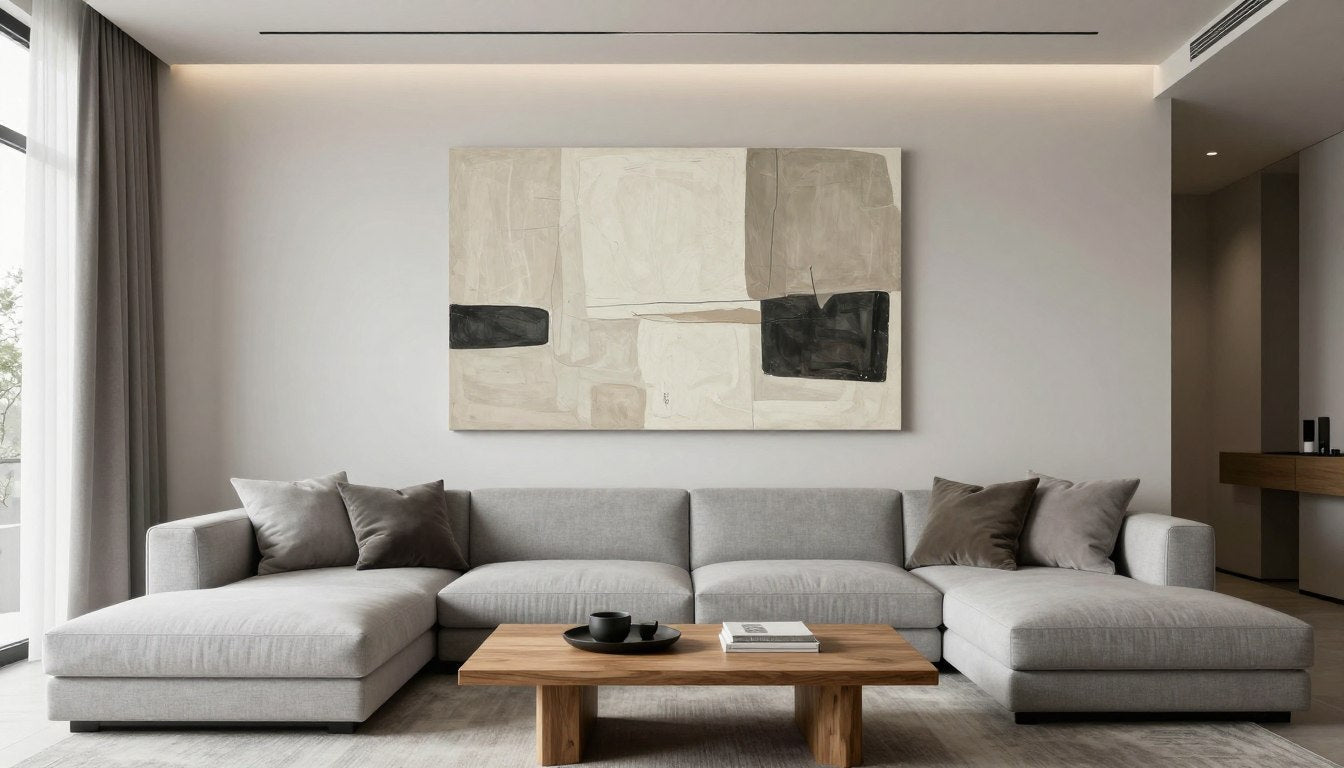
Walking into a room with a commanding piece of art on the wall changes everything. The space feels intentional, complete, alive. That single oversized artwork does what a gallery wall of smaller prints never quite achieves—it creates an immediate focal point that draws your eye and anchors the entire room's energy.
Large-scale wall art isn't just about filling empty space. It's about making a deliberate design choice that reflects confidence and personal style.

Transform Your Space with Gallery-Quality Canvas Prints
Discover hand-stretched canvas prints made with archival inks for lasting beauty in your home.
Why Oversized Wall Art Creates Instant Impact
Oversized wall art serves as the visual anchor that pulls a room together. When you enter a space with a large statement piece, your attention immediately goes there—and that's exactly what good design should do.
The psychology behind large-scale art is simple yet powerful. Our eyes naturally seek out dominant visual elements. A substantial artwork commands attention in ways that smaller pieces simply cannot match.

This isn't about trends or following what everyone else does. Large artwork makes practical sense for modern homes with higher ceilings and open floor plans. A small print on a vast wall creates visual imbalance and makes the space feel incomplete.
The Transformative Power of Scale
Scale changes perception. A piece measuring 40 by 60 inches or larger transforms from mere decoration into architectural presence. The artwork becomes part of the room's structure rather than an afterthought.
Consider how abstract canvas prints in oversized formats create depth and dimension. The interplay of colors and forms at this scale draws viewers in for closer inspection while maintaining impact from across the room.

Texture becomes more apparent at larger sizes. With gallery-quality prints, you can appreciate the nuances of brushstrokes, the depth of colors, and the artist's technique in ways that smaller reproductions don't allow.
Creating Atmosphere Through Art
The right oversized piece sets the entire mood for your space. A bold, energetic abstract composition energizes a living room. Serene botanical prints bring calming energy to bedrooms and home offices.
Large artwork also influences how we perceive room dimensions. A horizontal piece makes walls appear wider. Vertical orientations draw the eye upward, creating the illusion of higher ceilings.

Color palette becomes room-defining when presented at scale. The dominant hues in your artwork can tie together furniture, textiles, and accent pieces throughout the space. This cohesive approach to design creates sophisticated, intentional interiors.
Benefits of Oversized Art
- Creates immediate visual focal point
- Fills large wall spaces proportionally
- Adds sophistication and design confidence
- Influences perceived room dimensions
- Showcases artistic details at impressive scale
- Reduces need for multiple smaller pieces
- Makes rooms feel complete and intentional

When Bigger Truly Is Better
Not every wall needs oversized art, but certain spaces demand it. Above a king-size bed, a sofa that seats four or more, or a dining table for six—these are prime locations where substantial artwork feels proportionate and appropriate.
Open-concept spaces particularly benefit from large-scale pieces. When your living and dining areas flow together, a commanding artwork helps define zones without physical barriers. The piece creates visual interest and draws the eye to specific areas.

High-ceilinged rooms present unique challenges that oversized art solves beautifully. Standard-sized prints get lost against tall walls, but pieces measuring 48 inches or more hold their ground and create appropriate visual weight.
How to Choose the Right Size for Your Wall
Selecting the perfect dimensions for your wall art involves more than grabbing a tape measure. The relationship between your artwork and surrounding elements determines whether the piece enhances or overwhelms your space.
The golden rule for wall art sizing: Your artwork should occupy approximately two-thirds to three-quarters of the width of the furniture piece below it. This proportion creates visual harmony and prevents the art from appearing too small or dominating the space.

Measuring Your Wall Space
Start by measuring the wall width and height where you plan to hang your art. Note any architectural features like windows, doorways, or built-in shelving that affect available space.
Next, measure the furniture that will sit below the artwork. For a sofa, measure the full width. For a dining table, consider the wall space above rather than the table itself, as people will view the art while standing.

Key Measurements to Take
- Total wall width and height
- Width of furniture below artwork
- Distance from floor to desired hanging point
- Ceiling height for vertical proportion
- Adjacent wall features and clearances
- Viewing distance from main seating areas
Understanding Proportion and Scale
Proportion matters more than exact dimensions. A 60 by 40 inch piece works beautifully above an 80-inch sofa. The same artwork would overwhelm a loveseat but feel appropriate in an open entryway.
Consider ceiling height when selecting vertical dimensions. Standard 8-foot ceilings accommodate artwork up to 48 inches tall when hung at proper height. Rooms with 10-foot or higher ceilings can handle 60-inch vertical pieces without feeling cramped.

The viewing distance principle suggests that optimal art size correlates with how far viewers typically stand from the piece. In living rooms where people sit 8-12 feet away, artwork measuring 40-60 inches wide provides ideal visual impact.
Common Size Recommendations by Location
Living Room
The heart of your home deserves commanding artwork that anchors the seating arrangement and creates conversation.
- Above sofa: 50-70 inches wide
- Feature wall: 60-80 inches wide
- Vertical orientation: 40-50 inches tall
- Horizontal orientation: works best for most sofas
Bedroom
Over-the-bed artwork should feel substantial without overwhelming the intimate nature of the space.
- Above queen bed: 40-50 inches wide
- Above king bed: 50-60 inches wide
- Maximum height: 36-42 inches
- Horizontal pieces work best for most beds
Dining Room
Dining spaces benefit from artwork that complements the table without competing for attention during meals.
- Above buffet: 40-55 inches wide
- Feature wall: 50-70 inches wide
- Consider vertical for narrow walls
- Leave breathing room around piece
Entryway
Make a strong first impression with appropriately scaled artwork that sets the tone for your entire home.
- Standard entryway: 30-40 inches wide
- Grand foyer: 50-70 inches wide
- Vertical works well in narrow spaces
- Consider sightlines from doorway

Adjusting for Room Architecture
Architectural elements influence size selection. In rooms with chair rails or wainscoting, measure from the top of the trim to the ceiling when determining vertical space. Leave several inches of breathing room rather than extending art to the very top.
Windows and doors create natural breaks in wall space. When hanging art between two windows, select a width that respects these boundaries. The piece should sit comfortably within the space rather than crowding the architectural features.

Open floor plans require special consideration. Your oversized art might be viewed from multiple angles and distances. Choose dimensions that work from the primary seating area while remaining visually balanced from secondary viewpoints.
📐 Not sure what size to choose? Use our free Wall Art Size Calculator to find the perfect dimensions for your space.
Testing Size Before Committing
Before purchasing, create a template using painter's tape or craft paper cut to your intended artwork dimensions. Hang this on the wall and live with it for a few days.
This simple technique reveals whether the scale feels right in your space. You'll notice if the piece appears too dominant, gets lost on the wall, or sits at an awkward height. Adjust your template until the proportions feel perfect.

Photography helps evaluate scale objectively. Take photos of your template from various angles and distances. These images reveal proportion issues you might miss when standing in the room.
Discover Oversized Art in Every Style
From bold abstracts to serene botanicals, find gallery-quality pieces that make your walls unforgettable.
Art Styles That Work Best in Oversized Formats
Not every artistic style translates effectively to large-scale formats. Some compositions gain power and presence when sized up, while others lose impact or feel repetitive across vast dimensions.
Understanding which styles thrive at oversized proportions helps you select artwork that looks intentional rather than simply blown up to fill space.

Abstract and Contemporary Art
Abstract compositions excel at large scales because they reward closer inspection while maintaining impact from across the room. The interplay of colors, textures, and forms becomes more complex and engaging when presented in oversized formats.
Bold abstract pieces create dynamic energy in modern spaces. Sweeping brushstrokes, layered colors, and gestural marks gain dramatic presence when scaled to 48 inches or larger.

Geometric abstracts bring structure and sophistication to oversized wall art. Clean lines, repeating patterns, and balanced compositions work beautifully in minimalist interiors where the artwork provides visual interest without overwhelming the space.
Color field paintings make exceptional statements at large sizes. When a single color or subtle gradation spans 60 inches, the effect becomes meditative and architecturally integrated with your space.

Why Abstract Works Large
- Complex compositions reveal details at scale
- Bold colors create atmospheric presence
- Textural elements become prominent features
- Versatile styling across design aesthetics
- Balances minimalist interiors effectively
- Creates emotional responses through color and form
Botanical and Nature-Inspired Art
Oversized botanical prints bring the organic world indoors with dramatic effect. Large-scale florals, tropical leaves, and landscape photography create focal points that feel fresh and timeless.
The key to successful botanical wall art at large sizes lies in composition simplicity. A single dramatic leaf, an elegant stem, or a close-up of petals works better than busy, cluttered arrangements.

Black and white botanical photography translates beautifully to oversized formats. The monochromatic palette prevents the piece from overwhelming your color scheme while the organic forms add visual interest and texture.
Landscape photography requires careful selection for large prints. Images with strong focal points and clear depth of field maintain impact when scaled up. Avoid overly busy scenes that become chaotic at larger dimensions.

Figurative and Portrait Art
Figure studies and portraits create powerful statements in oversized formats when executed with strong composition and clear focal points. The human form at scale commands attention and adds personality to interiors.
Contemporary portrait art works particularly well for those seeking unique, conversation-starting pieces. Abstract interpretations of faces and forms balance artistic interest with modern design sensibility.

Line art portraits offer sophisticated minimalism at large scales. The simplicity of continuous line drawings maintains elegance when sized to 40 inches or larger, creating impact through restraint rather than complexity.
Fashion photography and stylized figures bring editorial sophistication to residential spaces. These pieces work especially well in dressing areas, home offices, and modern bedrooms.
Styles to Embrace
- Bold abstract compositions
- Single-subject botanicals
- Minimalist line art
- Contemporary portraits
- Geometric patterns
- Monochromatic photography
- Textured mixed media
- Color field paintings
Styles to Avoid at Large Scale
- Overly busy patterns
- Low-resolution images
- Cluttered compositions
- Small repeating motifs
- Overly detailed scenes
- Poor quality reproductions
- Mismatched aspect ratios
- Dated or trendy graphics

Black and White Versus Color
The choice between monochromatic and color artwork significantly impacts how your oversized piece functions in the space. Black and white prints offer timeless versatility and work with any color scheme.
Monochromatic artwork provides sophisticated restraint, allowing furniture and textiles to introduce color. This approach works beautifully in spaces where you change accent colors seasonally or frequently update decor.

Color artwork makes bolder statements and can anchor your entire color palette. When you select a piece with specific hues, those colors naturally repeat in pillows, throws, and accessories throughout the room.
Consider lighting when choosing between color and black and white. Rooms with abundant natural light showcase color vibrancy beautifully. Spaces with limited or warm artificial light might benefit from the graphic clarity of monochromatic pieces.
Matching Art Style to Interior Design
Your interior design style should inform your oversized art selection. Modern minimalist spaces call for clean-lined abstracts or simple botanicals. Traditional interiors might lean toward classic landscapes or figurative works with contemporary interpretations.

Industrial loft spaces embrace bold urban photography, graphic line art, and gritty abstracts that complement exposed brick and metal elements. The raw, authentic feeling of industrial design pairs well with artwork that has similar directness.
Scandinavian and minimalist interiors benefit from artwork with negative space, muted palettes, and organic forms. The "less is more" philosophy extends to art selection, favoring pieces that add interest without visual clutter.
Bohemian and eclectic spaces allow more freedom in style mixing. Here, vibrant colors, layered textures, and unexpected combinations work beautifully. Even in eclectic rooms, however, oversized art should have clear focal points rather than chaotic busy-ness.
Expert Placement and Hanging Techniques
Even the perfect piece fails to impress when hung at the wrong height or poorly positioned. Proper placement transforms good art into great design.
The standard museum rule suggests hanging artwork so the center sits at 57-60 inches from the floor—roughly eye level for an average-height person. This guideline works well for smaller pieces but requires adjustment for oversized wall art.

Hanging Art Above Furniture
When hanging oversized art above furniture, maintain 6-8 inches of space between the furniture top and the bottom edge of your artwork. This breathing room prevents the piece from appearing to sit directly on the furniture while maintaining visual connection.
For sofas and beds, this spacing rule creates harmonious proportion. The gap allows the artwork to relate to the furniture without crowding. Too much space makes the pieces feel disconnected; too little creates visual tension.

Console tables and buffets present different considerations. Because these pieces sit lower than sofas, you might increase the gap slightly to 8-10 inches, preventing the artwork from visually merging with items displayed on the table surface.
Placement in Rooms Without Furniture Below
Entry halls and stairways often feature art without furniture beneath it. In these spaces, return to the 57-60 inch center height guideline, adjusting slightly based on ceiling height and viewing angles.
Stairway art placement follows the angle of ascent. Imagine a line following the stairs' upward slope and hang your artwork aligned with this invisible line rather than perfectly level with the floor.

High-ceilinged rooms allow flexibility with vertical placement. You might hang artwork higher than standard to fill vertical space, but ensure the piece remains within comfortable viewing range from primary seating areas.
Hardware and Installation Methods
Oversized wall art demands robust hanging systems. Standard picture hooks cannot support pieces weighing 20-50 pounds or more. Invest in proper hardware rated for your artwork's weight.

Essential Hanging Hardware
- Heavy-duty picture hooks (50+ lb capacity)
- Wall anchors for drywall installation
- Stud finder for locating wall studs
- Level (6 feet minimum for large pieces)
- Measuring tape
- Pencil for marking placement
- Drill with appropriate bits
- Helper for lifting and positioning
For maximum security, anchor your hanging hardware into wall studs whenever possible. Use a stud finder to locate studs behind your desired placement area. If studs don't align with your intended position, heavy-duty wall anchors designed for drywall provide reliable support.
Gallery-quality canvas prints typically include hanging hardware on the back. D-rings or sawtooth hangers come pre-installed on hand-stretched canvas frames. Verify that installed hardware matches your artwork's weight before hanging.

The Two-Person Installation Method
Never attempt to hang oversized art alone. The size and weight make solo installation dangerous for both you and your artwork. Recruit a helper for safe, accurate placement.
Start by marking your desired placement on the wall using painter's tape or light pencil marks. Measure from furniture below to ensure proper spacing. Use your level to verify horizontal alignment before drilling any holes.
One person holds the artwork in position while the other steps back to assess placement. Make adjustments before committing to hardware installation. This preview prevents costly mistakes and unnecessary wall damage.

Lighting Your Oversized Artwork
Proper lighting dramatically enhances oversized wall art impact. Natural light showcases colors beautifully during daylight hours, but consider UV-resistant prints to prevent fading over time.
Picture lights mounted above the artwork create gallery-style illumination. Position lights to cast even illumination across the entire piece without creating harsh shadows or glare spots.

Track lighting or adjustable recessed lights offer flexible solutions for highlighting wall art. Aim lights at a 30-degree angle from about 3 feet away to minimize glare while maximizing color vibrancy.
Avoid placing artwork in direct sunlight, even with UV-resistant inks. Sustained exposure to strong sunlight can fade colors over years. If your desired wall receives direct sun, consider window treatments that filter harsh afternoon rays.
Creating Visual Balance
Oversized art should feel balanced within its surrounding space. Consider visual weight—not just physical weight—when positioning your piece.
In asymmetrical room layouts, artwork placement can create balance. A large piece on one wall might balance a fireplace or built-in shelving on another. Step back and evaluate the room as a whole rather than focusing solely on the wall where art hangs.

Negative space around your artwork matters as much as the piece itself. Leave adequate breathing room on all sides. A piece that extends too close to corners or ceiling lines feels cramped and awkward.
When hanging art on a feature wall, center it within the wall space unless specific design elements suggest otherwise. Centered placement creates stability and formality. Off-center positioning works for casual spaces or when balancing asymmetrical architectural features.
Styling Your Space Around a Statement Piece
Oversized wall art functions as the foundation of your room's design narrative. The colors, mood, and style of your chosen piece should inform rather than follow your decorating decisions.
When you start with art first, the design process becomes more cohesive and intentional. Your artwork's palette naturally extends into textiles, accessories, and accent furniture.

Pulling Colors from Your Artwork
Identify three to five dominant colors in your oversized piece. These become your room's color story. You don't need to match exactly—instead, pull complementary tones that harmonize with the artwork.
The 60-30-10 design rule applies here. Use your artwork's most dominant color for 60% of the room (often walls or large furniture), secondary colors for 30% (accent furniture, curtains), and accent colors for 10% (pillows, throws, accessories).

Avoid overly literal color matching. If your artwork features vibrant turquoise, you might introduce muted teal or soft aqua in textiles rather than attempting exact replication. This approach feels sophisticated rather than contrived.
Furniture Arrangement Considerations
Position seating to complement viewing angles of your oversized art. The primary sofa or chairs should face or angle toward the artwork, making it a natural focal point during conversation and relaxation.
Maintain clear sightlines from main entry points. When guests enter the room, the oversized piece should capture attention immediately. Arrange furniture to frame rather than block these important views.

Keep furniture proportions in mind. Oversized art pairs best with substantial furniture that matches its visual weight. Delicate or undersized pieces beneath large artwork create imbalance.
Accessorizing Without Competing
Once you've installed a commanding piece of oversized wall art, resist the urge to fill surrounding walls. The statement piece should stand alone, not compete with other wall decor.
If you include additional wall elements, keep them minimal and complementary. A single floating shelf with carefully curated objects works better than multiple smaller artworks fighting for attention.

Table surfaces and shelving near your artwork should echo its aesthetic without mimicking it. If your art features organic botanical forms, natural wood accessories and simple greenery create harmony. Geometric art pairs well with sculptural objects and clean-lined decor.
Complementary Accessories
- Throw pillows in artwork accent colors
- Area rugs that ground the space
- Table lamps with appropriate scale
- Books and objects with tonal harmony
- Plants that add organic texture
- Sculptural pieces with visual connection

Layering Textures and Patterns
Oversized art introduces visual texture to your space, whether through visible brushstrokes, photographic grain, or printed patterns. Build on this textural foundation through fabrics and materials.
Mix smooth and rough textures to create depth. A textured abstract painting might pair with smooth leather furniture, nubby linen pillows, and a plush wool rug. This layering adds richness without visual chaos.

Pattern introduction requires careful consideration. If your artwork features bold patterns or busy compositions, keep fabrics and textiles relatively simple. Conversely, minimal or solid-color artwork allows more freedom with patterned pillows and textiles.
Room-Specific Styling Approaches
Different rooms call for distinct styling approaches around oversized art. Living rooms allow bold, energetic pieces that spark conversation. Bedrooms benefit from calming compositions that promote relaxation.
In dining spaces, oversized art sets the mood for gatherings. Choose pieces that complement rather than compete with the dining experience. Avoid overly bright or jarring compositions that might distract from meals and conversation.

Home offices and creative spaces embrace inspiring, thought-provoking artwork. Abstract compositions or motivational imagery can energize work areas without causing distraction.
Entryways make powerful first impressions with oversized art. Choose pieces that represent your home's overall aesthetic and set expectations for the design approach found throughout.
Seasonal Styling Updates
Your oversized art remains constant, but accessories around it can shift with seasons. This approach keeps spaces feeling fresh without requiring major redecorating.
Spring and summer might introduce lighter textiles in colors that harmonize with your artwork. Fall and winter bring richer, deeper tones through throws, pillows, and seasonal accents.

Greenery and floral arrangements offer easy seasonal updates that complement botanical or nature-inspired oversized prints. Shift between fresh florals in warm months and dried arrangements or branches during cooler seasons.
What to Look for in Quality Oversized Prints
Not all oversized wall art offers equal quality. When investing in a substantial piece, understanding quality markers ensures your artwork maintains beauty and integrity for years.
The difference between mediocre and exceptional oversized prints becomes glaringly obvious at scale. Poor resolution, cheap materials, or inferior printing techniques that might pass unnoticed in smaller pieces become glaring flaws when expanded to 40 inches or larger.

Print Quality and Resolution
Image resolution determines how sharp and detailed your oversized art appears. Professional-quality prints require high-resolution source files—typically 300 DPI (dots per inch) or higher at the final print size.
Low-resolution images stretched to oversized dimensions appear pixelated, blurry, or lacking in definition. Before purchasing, verify that the artwork maintains crisp clarity at its intended size.
Gallery-quality printing processes use archival inks that resist fading and maintain color accuracy over decades. These premium inks cost more but protect your investment from the disappointing deterioration that affects cheaper alternatives.

Quality Print Indicators
- Sharp, crisp details without pixelation
- Accurate, vibrant color reproduction
- Even ink coverage across entire surface
- No visible banding or color shifts
- Archival-grade, fade-resistant inks
- Professional color calibration
- UV-resistant coating when applicable
Canvas and Material Quality
Hand-stretched canvas represents the gold standard for oversized prints. This traditional method ensures even tension across the entire surface, preventing sagging or warping over time.
Premium canvas material features tight, consistent weave that provides ideal surface texture while supporting ink adhesion. Heavy-weight canvas (typically 400-450 GSM) offers superior durability compared to lightweight alternatives that might tear or stretch.

The canvas weave contributes to the final appearance. Fine-weave canvas provides smoother surfaces ideal for detailed imagery, while medium weave adds subtle texture that enhances artistic pieces.
Frame and Structure Construction
The internal frame structure—called stretcher bars—determines long-term stability. Look for frames constructed from kiln-dried pine wood or similar quality materials that resist warping and provide solid support.
Stretcher bar thickness matters for oversized pieces. Thicker bars (1.5 to 2 inches deep) create substantial presence and prevent the canvas from bowing or sagging under its own weight.

Oak floater frames add refined presentation to oversized canvas prints. These external frames appear to float around the artwork, creating shadow lines that enhance the three-dimensional quality and provide elegant finished edges.
Corner joints reveal construction quality. Properly constructed frames feature reinforced corners with additional support brackets or specialized joinery that prevents separation and maintains square corners indefinitely.
Premium Materials
Investment-grade oversized art uses materials selected for longevity and aesthetic excellence.
- Archival-quality canvas (400+ GSM)
- Kiln-dried pine wood frames
- UV-resistant protective coatings
- Fade-resistant archival inks
Construction Details
Professional craftsmanship ensures your artwork maintains integrity and beauty over time.
- Hand-stretched canvas tensioning
- Reinforced corner construction
- Gallery-wrap edges
- Pre-installed hanging hardware
Protective Features
Quality prints include protective elements that preserve appearance despite environmental exposure.
- UV-resistant ink formulations
- Moisture-resistant canvas treatments
- Dust-resistant protective backing
- Fade-warranty coverage
Finishing Touches
The final presentation details distinguish exceptional pieces from ordinary prints.
- Clean, wrapped edges
- Smooth, even canvas tension
- Secure mounting hardware
- Professional packaging

Edge Finishing and Gallery Wrap
Gallery-wrap technique extends the printed image around the edges of the stretcher bars, eliminating the need for external framing. This modern presentation works beautifully for oversized contemporary art.
Examine edge quality carefully. Premium gallery-wrapped pieces show clean, continuous imagery around corners without awkward cropping or white gaps. The canvas edges should appear smooth and professionally finished.

Some oversized pieces feature mirror-wrapped or color-extended edges where the artwork's border colors extend around the sides. This technique works well when you want visual continuity without showing the actual image on the edges.
Made-to-Order Versus Mass Production
Made-to-order prints offer significant advantages over mass-produced alternatives. Each piece receives individual attention during printing and construction, ensuring optimal quality control.
Custom production allows for size variations that perfectly fit your specific wall dimensions. Rather than compromising on standard sizes, you can order precisely the proportions your space requires.

Quality producers stand behind their work with satisfaction guarantees and fade warranties. These commitments indicate confidence in materials and construction methods.
Evaluating Art Providers
Research potential art sources before purchasing oversized pieces. Look for providers who clearly communicate their materials, construction methods, and quality standards.
Detailed product descriptions that specify canvas weight, ink types, frame materials, and construction techniques indicate transparency and quality focus. Vague descriptions often hide inferior materials.
Customer reviews provide insight into real-world quality and satisfaction. Look for feedback specifically addressing oversized pieces, as quality can vary between small and large format printing.
Investment Value and Longevity
Quality oversized art represents a meaningful investment in your home's aesthetic appeal. When properly constructed with premium materials, these pieces maintain beauty and structural integrity for decades.
Calculate cost per year of enjoyment rather than just upfront price. A $300 quality piece that lasts 20+ years costs far less annually than a $100 inferior print that fades, warps, or deteriorates within 3-5 years.

Premium materials also maintain resale or transfer value. Quality pieces can move with you through multiple homes, adapting to different spaces and design schemes thanks to timeless construction and versatile styling.
Find Your Perfect Statement Piece
Explore curated collections of gallery-quality canvas prints, each crafted with archival inks and hand-stretched on premium pine wood frames.
Frequently Asked Questions About Oversized Wall Art
Q: What size is considered oversized wall art?
A: Oversized wall art typically refers to pieces measuring 40 inches or larger in at least one dimension. Common oversized dimensions include 40x60 inches, 48x72 inches, or 60x80 inches. The classification depends more on visual impact relative to wall space than exact measurements. A 40-inch piece might feel oversized in a small bedroom but appropriately scaled in a spacious living room with high ceilings.
Q: How do I determine the right size wall art for my space?
A: Measure the width of your furniture (sofa, bed, or table) that will sit below the artwork. Your piece should span approximately two-thirds to three-quarters of that width for proper proportion. For example, if your sofa measures 90 inches wide, look for artwork between 60-68 inches wide. Also consider ceiling height—rooms with ceilings above 9 feet can accommodate taller vertical pieces. Use painter's tape to create a template on your wall to visualize size before purchasing.
Q: How high should I hang oversized wall art?
A: When hanging art above furniture, maintain 6-8 inches of space between the furniture top and the artwork's bottom edge. For walls without furniture, hang the piece so its center point sits at 57-60 inches from the floor—standard eye level. Adjust slightly higher in rooms with tall ceilings or when viewed primarily while standing. The goal is comfortable viewing from your main seating or standing positions in the room.
Q: What type of art works best in oversized formats?
A: Abstract compositions, simple botanical images, contemporary portraits, and minimalist photography excel at large scales. These styles maintain visual interest without becoming overwhelming or chaotic when enlarged. Avoid overly busy patterns, low-resolution images, or compositions with excessive small details that lose impact at large sizes. Single-subject pieces with clear focal points work better than cluttered, multi-element compositions.
Q: Can I hang oversized art by myself?
A: Never attempt to hang oversized wall art alone. Large pieces typically weigh 20-50 pounds or more and require two people for safe installation. One person should hold the artwork in position while the other measures, levels, and marks placement. This teamwork prevents wall damage from trial-and-error positioning and protects your artwork from drops or impacts during installation.
Q: What's the difference between canvas prints and framed prints for oversized art?
A: Canvas prints feature images printed directly on canvas material, then stretched over wooden frames with gallery-wrapped edges that don't require additional framing. They offer contemporary, clean presentation and lighter weight for easier hanging. Framed prints involve paper or canvas prints matted and enclosed in external frames, creating more traditional presentation with added visual weight. Canvas prints work well for modern spaces, while framed options suit traditional or formal interiors.
Q: How do I prevent oversized wall art from fading?
A: Choose prints made with UV-resistant, archival-quality inks that resist fading for decades. Avoid placing artwork in direct sunlight—even UV-resistant prints can fade with sustained sun exposure. Use window treatments to filter harsh afternoon sun in bright rooms. Quality canvas prints often include protective coatings that add extra fade resistance. Proper lighting with LED bulbs (which emit minimal UV radiation) helps preserve colors while showcasing your artwork beautifully.
Q: Should I choose horizontal or vertical orientation for oversized art?
A: Orientation depends on your wall space and desired visual effect. Horizontal pieces work best above sofas, beds, and long furniture, creating width and visual stability. Vertical orientations suit narrow walls, spaces between windows, and areas where you want to emphasize ceiling height. In rooms with standard 8-foot ceilings, horizontal pieces typically feel more balanced. Spaces with 10-foot or higher ceilings can showcase dramatic vertical pieces effectively.
Q: What colors should I choose for oversized wall art?
A: Select colors that either complement your existing palette or establish a new color direction for the room. If starting fresh, choose artwork first and pull your room's color scheme from the piece. Monochromatic black and white options offer timeless versatility that works with any decor. For color pieces, identify 3-5 dominant hues in the artwork and echo those in textiles and accessories. Consider room lighting—natural light showcases vibrant colors beautifully, while rooms with warm artificial light might favor cooler tones for balance.
Q: How much should I expect to spend on quality oversized wall art?
A: Quality oversized canvas prints typically range from $200-600 depending on size, materials, and customization options. Gallery-quality pieces made with archival inks, premium canvas, hand-stretched construction, and solid wood frames justify higher investment through longevity and superior appearance. Budget alternatives under $150 often use inferior materials that fade, warp, or deteriorate quickly. Consider cost per year of enjoyment—a $400 piece lasting 20+ years provides better value than a $100 print requiring replacement every few years.
Choosing oversized wall art transforms your space from simply furnished to thoughtfully designed. The right piece at the proper scale creates visual impact that smaller artwork cannot achieve, anchoring your room and establishing its entire aesthetic direction.
Remember that successful oversized art selection balances proportion, style, quality, and personal connection. The technical guidelines about sizing and placement provide framework, but your emotional response to the piece ultimately determines whether it belongs in your home.

Take time to consider your space's unique characteristics, your personal style preferences, and the quality markers that ensure lasting beauty. When these elements align, your oversized artwork becomes more than decoration—it becomes the defining feature that makes your space feel complete and uniquely yours.
Ready to find a statement piece that transforms your walls? Explore our collection of gallery-quality canvas prints crafted with archival inks and hand-stretched on premium frames.

About the Author
Chiara Rossetti
Chiara Rossetti is the founder of Rossetti Art, a canvas print and original art brand. She writes about interior design, wall art styling, and the art of making a home feel alive.

Leave a comment
This site is protected by hCaptcha and the hCaptcha Privacy Policy and Terms of Service apply.