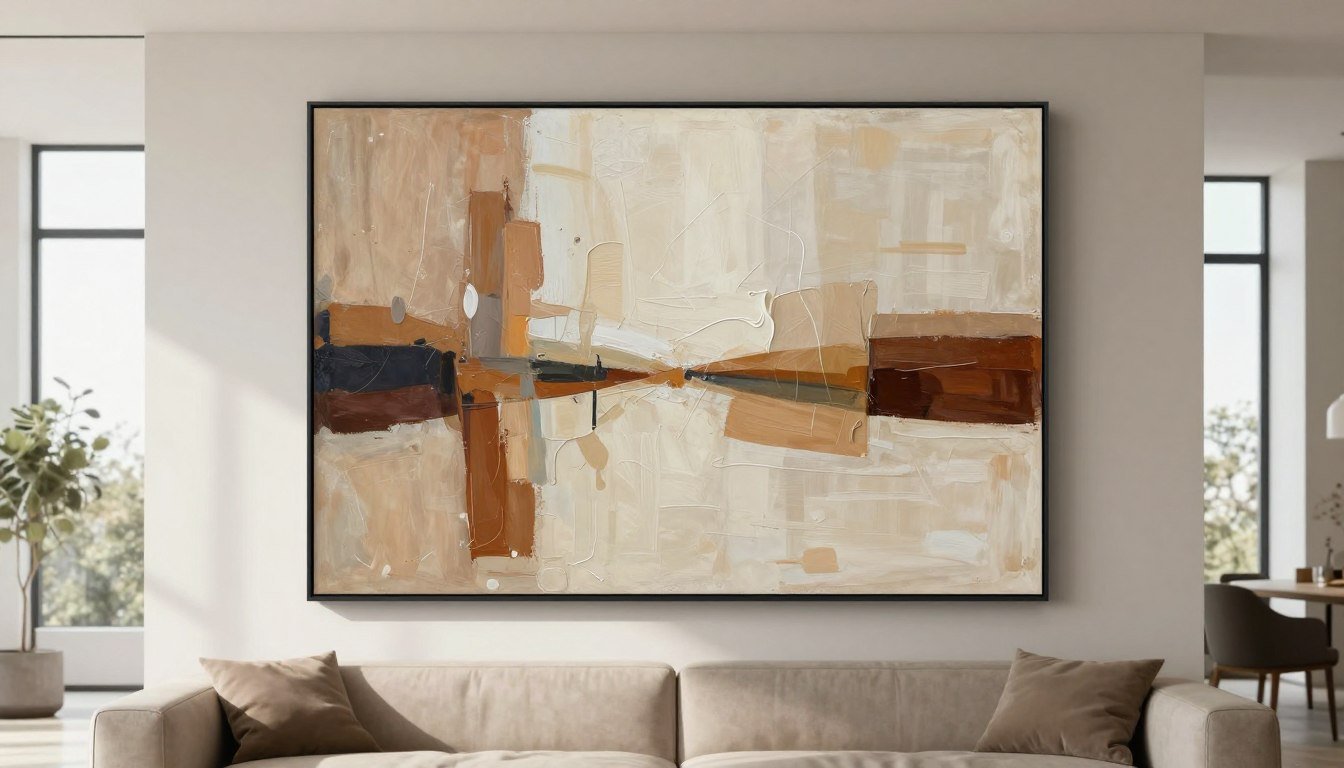
Walking into a room and feeling immediately drawn to a single piece of art—that's the power of oversized canvas wall art. One substantial artwork can anchor an entire space, define its atmosphere, and express your style more effectively than a dozen smaller pieces scattered across your walls.
The right large wall art doesn't just fill empty space. It creates a focal point that pulls your room together, adds depth, and gives your walls a gallery-quality presence that smaller artwork simply can't achieve.
Why Oversized Wall Art Creates Instant Impact

Oversized canvas wall art works because it commands attention without competing for it. In interior design, a single large piece creates what designers call a visual anchor—a point where the eye naturally lands first. This focal point then organizes everything else in the room around it.
Large wall pieces accomplish what clusters of smaller artwork struggle with. They make ceilings feel taller by drawing the eye upward. They make narrow walls feel wider through horizontal orientation. Most importantly, they create a sense of intentionality and confidence in your design choices.
Design Benefits
- Creates immediate focal point
- Adds architectural depth
- Simplifies wall styling decisions
- Makes rooms feel more finished
- Increases perceived room size
Practical Advantages
- One purchase versus multiple pieces
- Easier to hang than gallery walls
- More budget-friendly per square foot
- Lower maintenance than multiple frames
- Stronger visual impact per dollar

The psychology behind large art is fascinating. Studies in environmental psychology show that substantial artwork creates emotional responses faster than smaller pieces. Your brain processes the scale and color of oversized wall art before you consciously register the subject matter.
This immediate emotional connection explains why art galleries use large-scale pieces to anchor exhibitions. The same principle applies in your home. A commanding piece of wall art doesn't whisper—it speaks clearly about your taste and transforms the energy of your entire space.

How to Choose the Right Size for Your Wall
Selecting the correct dimensions for your oversized canvas wall art involves more than measuring your wall space. The relationship between your artwork, furniture, and room proportions determines whether your piece feels perfectly balanced or slightly off.

The Two-Thirds Rule
Your artwork should cover approximately two-thirds to three-quarters of your furniture width. This proportion creates visual harmony between your wall art and the pieces beneath it. For a standard 84-inch sofa, you're looking at artwork between 56 and 63 inches wide.
This guideline isn't rigid law. In modern design, some spaces benefit from artwork that extends beyond furniture edges. The key question: does the piece feel grounded or floating?

Ceiling Height Considerations
Standard 8-foot ceilings accommodate artwork up to 48 inches tall comfortably. If you're blessed with 9 or 10-foot ceilings, you have room for truly dramatic vertical pieces reaching 60 to 72 inches.
The space between your artwork's bottom edge and furniture top should measure 6 to 12 inches. Any closer feels cramped. Much farther creates a disconnected floating appearance that breaks the visual relationship between elements.

Popular Oversized Dimensions
- 40" x 60" - Ideal for standard living rooms
- 48" x 72" - Statement piece for large walls
- 36" x 48" - Perfect for bedrooms
- 60" x 80" - Dramatic focal point option
- 40" x 40" - Square format for modern spaces
- 30" x 90" - Horizontal panoramic style
The beauty of canvas prints from Rossetti Art lies in their made-to-order flexibility. You're not limited to standard frame sizes—you can select dimensions that fit your exact wall measurements.
Room-Specific Guidelines
Living rooms typically accommodate the largest pieces. Your main seating wall can handle artwork from 40 to 80 inches wide, depending on furniture scale and room size.
Bedrooms call for a gentler approach. Position artwork so it's visible from your bed without overwhelming your sight line. Pieces ranging from 36 to 60 inches wide work well above queen and king beds.

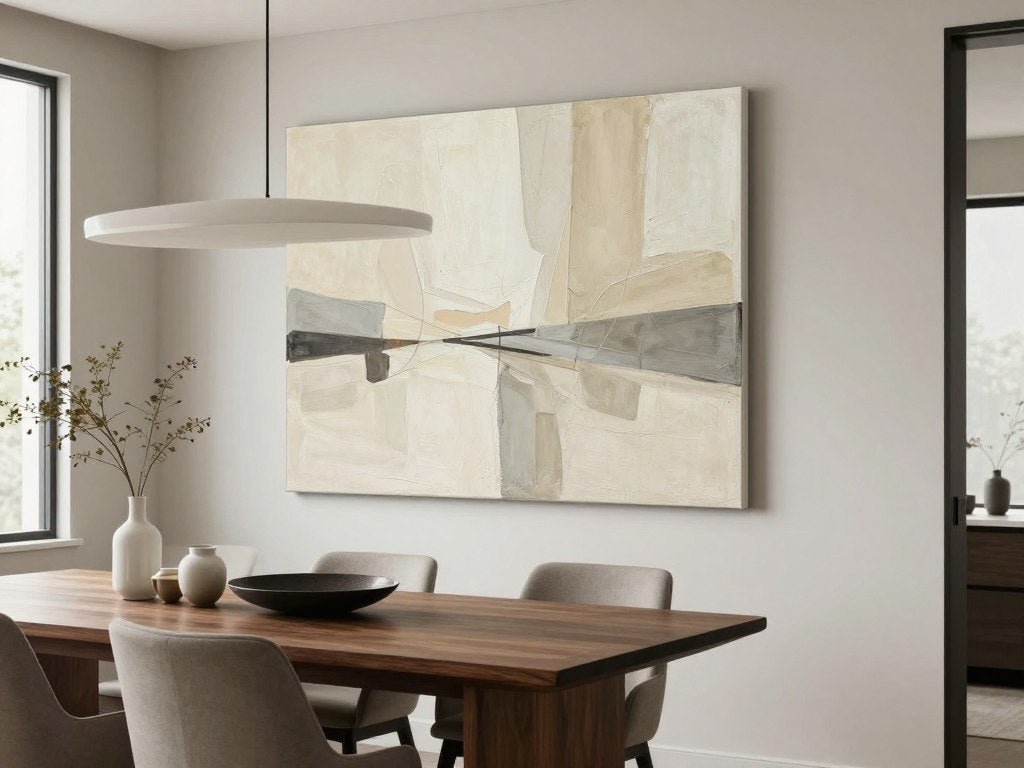
Dining rooms present unique opportunities. The wall behind your dining table can showcase horizontal pieces up to the table's length or slightly wider. Consider how the art looks when people are seated versus standing.

Selecting the Perfect Style and Colors
The style and color palette of your oversized wall art determines whether it enhances your existing decor or fights against it. Your artwork should feel like a natural extension of your room's personality, not an afterthought.

Abstract Artwork for Modern Spaces
Abstract pieces offer the most styling flexibility. Without literal subject matter, abstract wall art works through color, form, and energy. This makes it exceptionally versatile across different room styles and color schemes.
Large abstract works create atmosphere through color relationships and movement. Bold gestural pieces add energy to minimalist spaces. Subtle tonal abstracts bring sophistication to traditional rooms without overwhelming classic furniture.

When selecting abstract canvas prints, consider how colors interact with your space. Cool tones (blues, greens, purples) create calm and make rooms feel larger. Warm tones (reds, oranges, yellows) add energy and intimacy.

Cool-Toned Abstracts
Blues, greens, and grays work beautifully in bedrooms and bathrooms where you want to encourage relaxation. These colors recede visually, making them ideal for smaller rooms where you want to maximize the sense of space.

Warm-Toned Abstracts
Reds, oranges, and warm earth tones advance visually, creating cozy intimacy. Perfect for living rooms and dining rooms where you want to foster conversation and connection among people.
Figurative and Portrait Art
Large-scale figurative artwork makes powerful personal statements. Oversized portraits create immediate connection and can anchor a room's entire design story around human presence and emotion.

Figurative pieces work especially well in personal spaces like bedrooms and home offices. They add narrative depth that abstract work sometimes lacks, creating conversation starters and emotional resonance.
Geometric and Minimalist Designs
Geometric oversized wall art appeals to lovers of clean lines and contemporary design. These pieces bring architectural structure to your walls, complementing modern furniture and open floor plans.

The structured nature of geometric art creates visual order. This makes it particularly effective in rooms with lots of architectural detail or busy patterns in furniture and textiles. The art provides a calming counterpoint.
Color Strategy: Complement or Contrast
You have two primary color approaches when selecting wall art. Complementary colors echo your existing palette, creating harmonious flow. Contrasting colors introduce accent tones that energize your design.
- Pulls colors from existing textiles and furniture
- Creates cohesive, calm atmosphere
- Feels intentional and curated
- Safer choice for design beginners
- Works well in monochromatic rooms
Complementary Approach
- Introduces new accent colors to the space
- Creates dynamic visual interest
- Makes artwork the clear focal point
- Requires confidence in color choices
- Energizes neutral rooms effectively
Contrasting Approach
Neither approach is superior. The best choice depends on your room's current state and your design goals. A neutral room benefits from a contrasting art piece that introduces color. A colorful, eclectic space might benefit from artwork that echoes existing tones.

📐 Not sure what size to choose? Use our free Wall Art Size Calculator → https://rossettiart.com/blogs/news/wall-art-size-calculator
Strategic Placement for Maximum Effect
Even the most stunning oversized canvas wall art fails to impress if hung incorrectly. Placement determines whether your artwork enhances your space or disrupts its flow.

The Eye-Level Rule
The center of your artwork should sit at eye level, typically 57 to 60 inches from the floor. This standard comes from museum and gallery practices where artwork is positioned for optimal viewing by standing adults.
This rule shifts slightly when artwork hangs above furniture. In these cases, you're balancing eye level with the relationship to the furniture piece beneath. The result is often artwork whose center point sits slightly higher than standard gallery height.

Above Furniture Placement
When positioning large wall art above sofas, beds, or console tables, maintain that 6 to 12-inch gap between furniture top and artwork bottom. This spacing connects the pieces visually while giving each room to breathe.
For sectional sofas, center your artwork on the longest section rather than trying to span the entire furniture piece. This creates a clear focal point instead of stretching artwork awkwardly across L-shaped arrangements.

Creating Focal Points in Open Spaces
Open-concept homes benefit enormously from oversized wall art that defines zones without physical barriers. A substantial piece on the main living area wall establishes that space's purpose and personality.
In rooms with multiple functions, position your statement piece where it's visible from the main entry point. This creates an immediate sense of arrival and purpose as you enter the space.

Lighting Considerations
Natural light changes how you experience art throughout the day. North-facing walls receive consistent, cool light. South-facing walls get warm, shifting sunlight. Consider how your artwork's colors will appear in these different lighting conditions.
Avoid direct sunlight hitting your canvas. Even with UV-resistant materials, prolonged sun exposure can fade prints over time. If your wall receives strong direct light, consider window treatments or opt for colors less susceptible to fading.

Artificial lighting matters equally. Picture lights mounted above or below artwork create dramatic effect. Track lighting offers flexibility to adjust angles. The key is avoiding glare that creates hotspots on your canvas surface.
Common Placement Mistakes
Avoid These Errors
- Hanging too high: Art that floats near the ceiling disconnects from the room
- Insufficient spacing: Artwork cramped against furniture feels cluttered
- Ignoring room traffic: Pieces hung in high-traffic areas risk damage
- Poor proportion matching: Artwork much wider than furniture looks unanchored
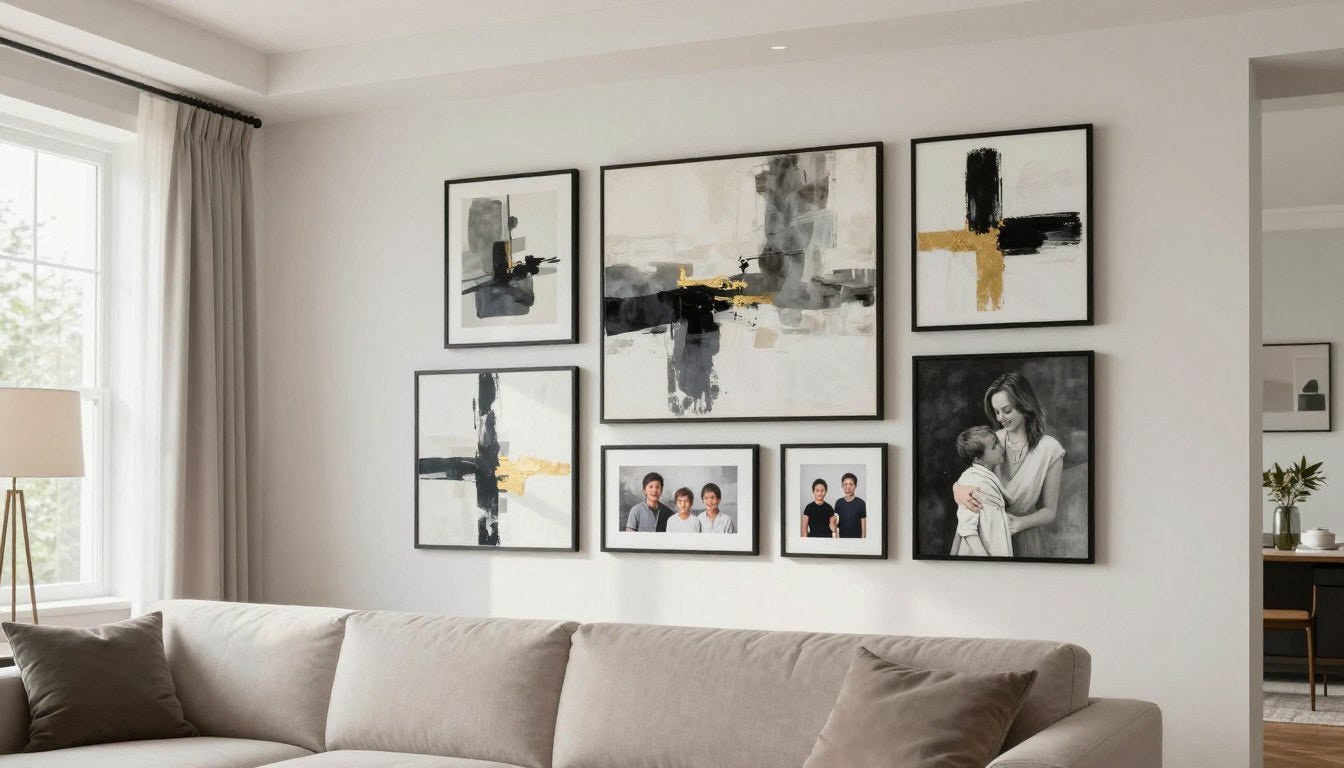
- Competing focal points: Multiple large pieces fight for attention

Remember that oversized wall art should dominate without competing. If you have architectural features like fireplaces or large windows, position your art to complement rather than fight these elements. The goal is creating a cohesive focal point, not visual chaos.

Why Quality Materials Make All the Difference
The difference between a cheap canvas print and gallery-quality artwork becomes obvious over time. When you're investing in a large statement piece, the materials and construction methods determine whether your art remains vibrant for decades or fades within years.

HP Latex Inks and UV Resistance
HP latex inks are formulated to resist fading for years when properly cared for. This longevity comes from pigment-based inks rather than cheaper dye-based alternatives. The difference is dramatic over time.
UV-resistant coatings provide additional protection against light damage. While no print should hang in direct sunlight constantly, UV protection ensures your artwork maintains its original vibrancy even in naturally bright rooms.

Rossetti Art uses HP latex inks in their printing process, ensuring every canvas maintains its color integrity through the years. This commitment to quality means your investment retains both its beauty and value.
Hand-Stretched Canvas Construction
The canvas stretching process dramatically affects your artwork's final appearance. Hand-stretched canvases receive careful attention at corners and edges, resulting in tight, drum-like surfaces without ripples or sags.

Benefits of Hand-Stretching
- Even tension across entire surface
- Professional gallery-wrapped edges
- No visible staples or hardware
- Corner precision and durability
- Canvas won't loosen over time
- Ready to hang immediately
Machine-stretched canvases often show inconsistent tension and corner puckering. Hand-stretched canvases demonstrate superior craftsmanship visible in the final product.
Frame Quality: Pine Wood and Oak Options
The stretcher bars hidden behind your canvas determine its structural integrity. Quality frames use kiln-dried wood that won't warp or bow under tension.
Hardwood stretcher frames offer lightweight strength ideal for most canvas sizes. For very large pieces exceeding 60 inches, premium hardwood floater frames provide museum-quality support and a sophisticated finished appearance where the canvas appears to float within the frame.

Gallery-Quality vs. Mass Production
Gallery-quality canvas prints involve several distinguishing factors that separate them from mass-produced alternatives.
- Archival pigment-based inks
- Hand-stretched over solid wood
- UV-resistant protective coating
- Gallery-wrapped finished edges
- Made-to-order production
- Color-calibrated printing process
Gallery-Quality Markers
- Dye-based inks that fade quickly
- Machine-stretched with visible issues
- No UV protection applied
- Staples visible on sides
- Pre-made stock inventory
- Inconsistent color reproduction
Mass Production Signs
The made-to-order approach ensures each piece receives individual attention. At Rossetti Art, canvas prints are created after you order, guaranteeing fresh materials and careful quality control for every artwork.

Canvas Material Matters
Not all canvas material performs equally. Artist-grade cotton canvas provides superior ink absorption and longevity compared to synthetic polyester alternatives.
Cotton canvas has natural texture that enhances artwork by giving it tactile depth. The weave pattern adds dimension that flat poster prints lack. This texture becomes especially important in large format pieces where viewers can appreciate surface details.

Investment Value
Quality artwork retains value in ways cheap prints never can. A well-made canvas print purchased today will look nearly identical in ten years. Budget alternatives fade, sag, and deteriorate visibly within months.
When you calculate cost per year of enjoyment, investing in quality makes financial sense beyond the aesthetic benefits. A canvas that lasts twenty years costs far less annually than replacing cheap versions every few years.
Quality Investment: A $500 gallery-quality canvas lasting 20+ years costs $25/year. A $100 cheap print needing replacement every 2 years costs $50/year—double the annual expense for inferior results.
Frequently Asked Questions
Q: What size is considered oversized for canvas wall art?
A: Oversized canvas wall art typically starts at 40 inches on the shortest dimension. Common oversized dimensions include 40"x60", 48"x72", and 60"x80". The designation depends more on impact relative to wall space than absolute measurements. A piece that dominates its wall and serves as the primary focal point qualifies as oversized.
Q: How do I hang heavy oversized canvas art safely?
A: Use heavy-duty picture hangers rated for your artwork's weight, installed directly into wall studs whenever possible. For pieces over 40 pounds, use two D-ring hangers with corresponding wall anchors or screws into studs. Gallery-quality canvases on wooden stretcher bars include hanging hardware. Always check weight ratings and consider professional installation for pieces exceeding 60 inches or 50 pounds to ensure safety and proper positioning.
Q: Can oversized canvas prints work in small rooms?
A: Yes, large artwork can actually make small rooms feel larger by creating depth and drawing the eye to a single focal point rather than multiple smaller elements. Choose artwork with lighter colors or significant negative space to avoid overwhelming the room. A 40"x50" piece can work beautifully in a 12'x12' bedroom. The key is proportion—your art should command attention without cramping the space visually.
Q: What's better for oversized art—canvas or framed prints?
A: Canvas offers several advantages for oversized art. Canvas prints are lighter than glass-covered framed prints, making them easier to hang securely. The gallery-wrapped edges eliminate the need for expensive custom framing. Canvas provides textural depth that enhances large-scale artwork. However, framed prints under glass offer maximum archival protection. For most homeowners, quality canvas prints provide the best balance of aesthetics, weight, and cost for oversized dimensions.
Q: How do I choose colors for large wall art?
A: Start by deciding between complementary and contrasting approaches. Complementary artwork echoes existing room colors for cohesive flow—pull colors from pillows, rugs, or furniture. Contrasting artwork introduces new accent colors for dynamic interest—ideal for neutral rooms needing energy. Consider lighting—colors appear different under natural versus artificial light. Order samples when possible, or use a size calculator to visualize scale and color impact before committing to oversized pieces.
Q: Do I need to frame canvas wall art?
A: Gallery-wrapped canvas prints don't require framing. The edges are finished with either mirrored image continuation or solid color, creating a polished look ready to hang. Framing adds 2-4 inches to overall dimensions and additional cost. Some prefer floater frames for gallery-quality presentation where the canvas appears suspended within the frame. For most applications, quality stretched canvas looks finished and sophisticated without framing, especially in contemporary and modern interiors.
Q: How long do canvas prints last?
A: Gallery-quality canvas prints made with HP latex inks and UV-resistant coatings last for years with proper care. Avoid direct sunlight exposure, maintain moderate humidity levels (40-60%), and dust occasionally with a soft cloth. Hand-stretched canvas on quality wooden frames won't sag or warp over time. Mass-produced prints using dye-based inks may fade within 2-5 years. Material quality directly determines longevity—investing in quality materials ensures your artwork remains vibrant for generations.

Transform Your Space with Statement Wall Art
Oversized canvas wall art does more than fill empty walls. It defines atmosphere, expresses personality, and anchors your entire design story around a single compelling focal point.
The right piece transforms your space from decorated to designed. It's the difference between a room that feels complete and one that feels like it's still waiting for something. When you find artwork that resonates with your style and fits your space perfectly, you'll understand why designers call these pieces "investments."

Quality matters profoundly when selecting large-format artwork. Quality materials, UV-resistant inks, hand-stretched construction, and proper framing ensure your investment maintains its beauty for decades. The difference between gallery-quality and mass-produced becomes unmistakable over time.
Explore our curated collection of large canvas prints, each created with HP latex inks on hand-stretched canvas. From bold abstracts to sophisticated geometric designs, discover oversized wall art that transforms your space into something extraordinary.

About the Author
Chiara Rossetti
Chiara Rossetti is the founder of Rossetti Art, a canvas print and original art brand. She writes about interior design, wall art styling, and the art of making a home feel alive.

Leave a comment
This site is protected by hCaptcha and the hCaptcha Privacy Policy and Terms of Service apply.