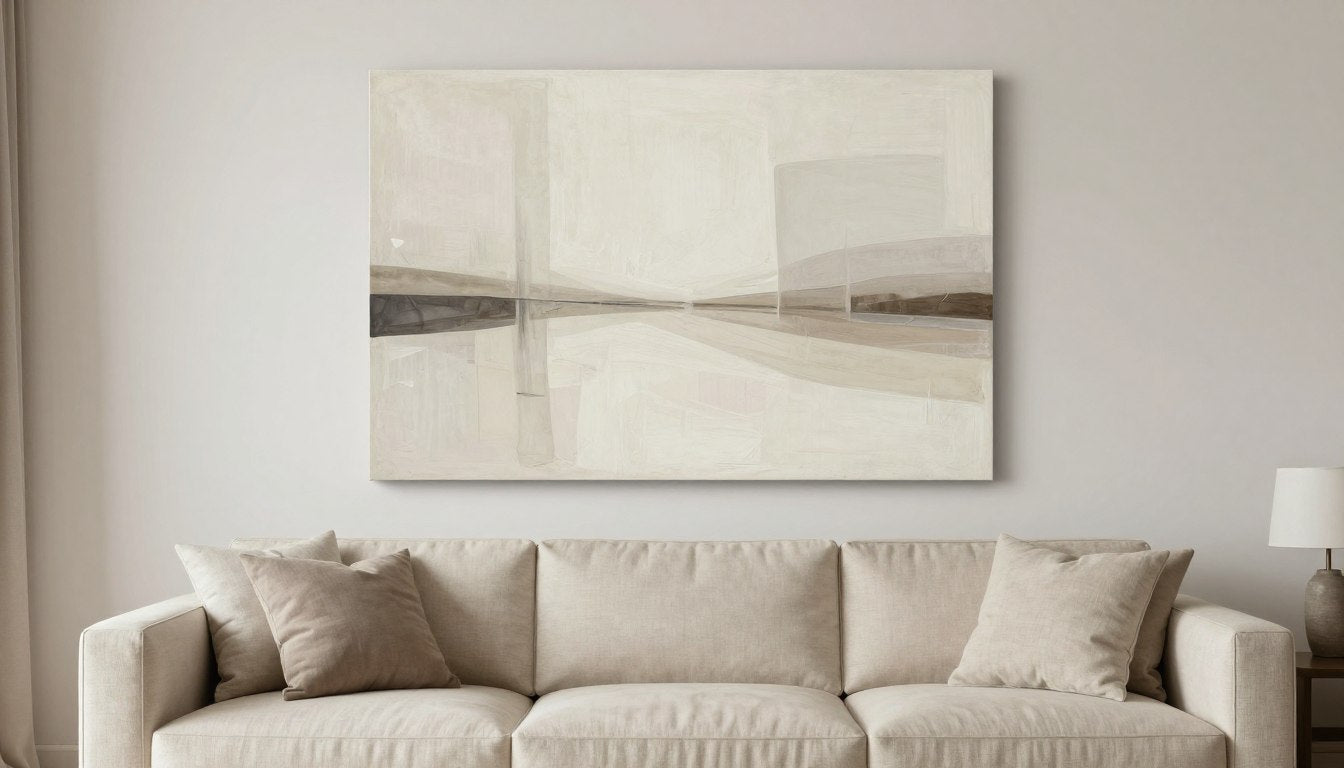
The right wall art can completely change how your living room feels. Neutral wall art for living room spaces brings a sense of calm, sophistication, and versatility that bold colors simply can't match. Whether you're working with a minimalist aesthetic or a more traditional style, neutral tones create the perfect backdrop.
Neutral doesn't mean boring. It means timeless. Think soft beiges, warm taupes, gentle grays, and creamy whites that anchor your space without overwhelming it.
This guide will walk you through everything you need to know about selecting, styling, and displaying neutral wall art that transforms your living room into a serene sanctuary.
Why Neutral Wall Art Works in Every Living Room
Neutral wall art creates visual harmony in living spaces by complementing rather than competing with your existing decor. Unlike bold, colorful pieces that demand attention, neutral art allows your furniture, textiles, and architectural features to shine while still providing visual interest.

The beauty of neutral tones lies in their adaptability. A piece featuring soft grays and whites works equally well in a Scandinavian-inspired space as it does in a farmhouse aesthetic.
The Psychology Behind Neutral Colors
Neutral colors have a calming effect on our minds. Studies show that spaces decorated in neutral palettes reduce stress and promote relaxation.
Beige and taupe tones create warmth. Gray offers sophistication. White brings lightness and space.

When you choose living room canvas prints in neutral tones, you're investing in pieces that won't tire your eyes over time. This longevity makes neutral art a smart choice for spaces where you spend significant time.
Versatility Across Design Styles
Neutral wall art transcends specific design movements. A single piece can transition seamlessly through multiple home redesigns.
Modern Minimalist
Clean lines and monochromatic neutral pieces enhance the less-is-more philosophy.
- Abstract geometric prints in gray and white
- Simple line drawings in black and cream
- Textured monochrome canvas pieces
- Large-scale single-panel artworks
Traditional Elegance
Warm neutrals complement classic furniture and rich wood tones beautifully.
- Landscape prints in sepia tones
- Botanical illustrations in soft beige
- Classical architectural drawings
- Vintage-inspired neutral photography
Coastal Contemporary
Sandy beiges and soft whites echo beach-inspired living spaces perfectly.
- Abstract ocean-inspired neutrals
- Driftwood and natural texture prints
- Pale blue-gray mixed with cream
- Organic shape compositions
Scandinavian Simplicity
Cool grays and whites align with Nordic design principles of light and space.
- Minimalist line art in charcoal
- Nature-inspired neutral prints
- Geometric patterns in gray tones
- Simple typographic designs

Investment Value and Timelessness
Trendy colors come and go. What feels fresh today might look dated in five years. Neutral art maintains its appeal across decades.
Quality matters when selecting pieces for long-term display. Gallery-quality prints using archival inks ensure your investment doesn't fade or deteriorate over time. The right materials make all the difference.

When you purchase UV-resistant prints on hand-stretched canvas, you're protecting against the primary causes of art degradation. This attention to quality is what separates temporary decor from lasting art.
Choosing the Perfect Neutral Color Palette for Your Space
Not all neutrals are created equal. The undertones in your chosen palette can dramatically affect how a piece interacts with your room's existing colors and lighting.

Understanding Warm vs. Cool Neutrals
Warm neutrals contain yellow, red, or orange undertones. These include beige, taupe, cream, and warm grays. They create cozy, inviting atmospheres.
Cool neutrals have blue, green, or purple undertones. Think of cool grays, true whites, and greige tones. These bring crisp, clean energy to spaces.

Matching Neutrals to Your Lighting
Natural light reveals true colors. North-facing rooms receive cooler light throughout the day, making warm neutral art essential for balance.
South-facing rooms flood with warm light. Cool neutral pieces prevent spaces from feeling too yellow or orange.
East and west-facing rooms experience dramatic lighting shifts. Balanced neutral tones that work in both morning and evening light are ideal.

Coordinating with Existing Furniture
Your sofa, chairs, and accent pieces should guide your art selection. Look at the dominant neutral in your room and choose art that complements rather than matches exactly.
- Beige furniture pairs beautifully with warm taupe and cream art
- Gray sofas work well with cool white and charcoal pieces
- Brown leather benefits from warm neutral art with depth
- White or cream furniture allows maximum flexibility in neutral art selection

The floor also plays a role. Dark hardwood floors can handle lighter neutral art. Light oak or white-washed floors pair well with deeper neutral tones for contrast.
Creating Depth with Layered Neutrals
The most sophisticated neutral rooms feature multiple shades working together. Your wall art should add to this layering effect.
Start with your wall color as the base. Choose art that includes both lighter and darker neutral tones than your walls. This creates visual depth without color contrast.

Pro Tip: When selecting neutral art, bring paint swatches or fabric samples from your room. View potential pieces in person when possible, or request detailed images showing true colors. Digital screens can misrepresent subtle neutral undertones.
Consider how metallics interact with your neutral palette. Gold and brass accents pair beautifully with warm neutrals. Silver and chrome complement cool neutral art.

Neutral Living Room Wall Art Ideas That Make a Statement
Neutral doesn't mean invisible. The right piece becomes the focal point of your room while maintaining a calm, cohesive aesthetic. Here are proven approaches to make neutral art truly impactful.

Oversized Single Panel Artwork
One large piece often creates more impact than multiple smaller ones. Large canvas prints in neutral tones command attention through scale rather than color.
For standard living rooms, consider pieces measuring 40x60 inches or larger. The art should span approximately two-thirds to three-quarters of your sofa's width.

Vertical orientations work beautifully in rooms with high ceilings. They draw the eye upward and make spaces feel more expansive. Horizontal pieces suit standard ceiling heights and wider wall spaces.

Abstract Landscapes
Subtle horizon lines and organic shapes evoke natural landscapes without literal representation. These pieces bring the outdoors in through suggestion rather than detail.

Geometric Minimalism
Clean lines and simple shapes in neutral tones offer visual interest through form. Perfect for modern and contemporary spaces seeking structure without boldness.

Textured Neutrals
Physical texture adds dimension that photographs can't capture. These pieces change appearance throughout the day as light shifts across their surfaces.
Gallery Wall Compositions
Multiple pieces arranged thoughtfully create dynamic visual interest while maintaining neutral sophistication. The key is thoughtful curation and precise spacing.

For cohesive gallery walls, maintain consistent framing styles. Mix sizes but keep a unified color story across all pieces. Include both horizontal and vertical orientations for visual rhythm.
- Maintain 2-3 inch spacing between frames for clean modern look
- Plan layout on floor before hanging to perfect arrangement
- Use paper templates taped to wall for accurate placement
- Keep bottom edges aligned for grounded, intentional appearance
- Include mix of frame styles only if maintaining same color family

Diptych and Triptych Arrangements
Multi-panel pieces offer the impact of large art with added visual interest through intentional breaks. These work particularly well above sectional sofas or long console tables.
Diptychs (two panels) suit narrower walls. Triptychs (three panels) command wider spaces and create strong horizontal emphasis.

Space panels 2-4 inches apart for modern sensibility. The pieces should read as one cohesive artwork while allowing wall color to interact with the composition.
Sizing Guidance: For triptychs, each panel typically measures 20x30 inches or 24x36 inches. The complete installation should follow the same two-thirds to three-quarters sofa width rule as single large pieces.
Mixing Art with Functional Elements
Neutral wall art integrates beautifully with mirrors, shelving, and architectural features. This layered approach adds sophistication to living spaces.

Place art adjacent to mirrors to double visual impact through reflection. Use floating shelves below or beside art to add dimension and create vignettes.
Consider the relationship between your art and window treatments. Neutral art shouldn't compete with elaborate curtains but should complement them through tonal harmony.

Best Neutral Wall Art for Modern Home Interiors
Modern design principles emphasize clean lines, functional beauty, and intentional simplicity. The best neutral wall art for modern home spaces honors these values while providing visual warmth.

Characteristics of Modern Neutral Art
Modern art in neutral palettes typically features strong compositional elements. Look for pieces with clear focal points, deliberate negative space, and confident mark-making.
Avoid overly busy or ornate designs. Modern aesthetics favor restraint. A few bold brushstrokes often communicate more than complex, detailed work.

Abstract Expressionism in Neutral Tones
This style brings emotion and movement through gestural mark-making. Even without color, neutral abstract pieces convey energy and feeling.
Look for works where the artist's hand is visible. Brushstrokes, palette knife marks, and intentional drips add humanity to minimal palettes.
The beauty of made to order pieces is the ability to request specific sizes that perfectly fit your space. Custom dimensions ensure ideal proportions for your wall.


Incorporating Natural Elements
Modern design increasingly embraces biophilic elements. Neutral art that references nature without literal depiction bridges contemporary style with organic warmth.
- Abstract interpretations of stone, wood grain, or water
- Organic shapes suggesting leaves, branches, or landscapes
- Textural elements reminiscent of natural materials
- Neutral botanical prints with modern composition
- Aerial landscape photography in monochromatic tones

The Role of Framing in Modern Spaces
Frame selection significantly impacts how art reads in modern interiors. The wrong frame can undermine even the perfect piece.
Oak floater frames create gallery-quality presentation while maintaining clean modern lines. The floating effect adds dimension and sophistication.

For ultra-minimal spaces, frameless canvas wraps work beautifully. The hand-stretched canvas wraps around edges, creating a finished look without added framing.
Metal frames in matte black, brushed gold, or silver complement modern neutral art. Keep profiles thin and clean. Ornate frames fight against modern sensibilities.

Material Matters: Modern interiors benefit from high-quality materials. Canvas prints using archival inks maintain color integrity for decades. This longevity aligns with modern design's emphasis on investing in fewer, better pieces.
Scale and Proportion in Modern Rooms
Modern design often features open floor plans with high ceilings. Art must scale appropriately to avoid getting lost in expansive spaces.
In loft-style or open-concept living rooms, don't be afraid to go dramatically large. Pieces measuring 60x80 inches or larger suit these architectural contexts.

For smaller modern apartments, strategic placement of medium-sized pieces creates impact without overwhelming. Focus on quality over quantity.
Consider the viewing distance. Art hung in spaces where you'll be far away needs bolder composition than pieces viewed up close. Modern neutral art for large rooms should have strong graphic elements visible from distance.

Minimalist Neutral Wall Art: Less Is Always More
Minimalist neutral wall art represents the purest expression of intentional design. Every element serves a purpose. Nothing is extraneous.

Defining True Minimalism
Minimalism in art isn't about emptiness. It's about distillation. The artist removes everything unnecessary until only essential elements remain.
In neutral minimalist pieces, look for refined composition, intentional use of negative space, and subtle variation within limited palettes. A masterful minimalist work says more with less.

Line Work and Geometric Precision
Simple lines carry surprising weight in minimalist neutral art. A single well-placed line can define an entire composition.
Geometric shapes in neutral tones offer visual interest through form alone. Circles, rectangles, and triangles interact with negative space to create balanced compositions.

Linear Minimalism
Single or multiple lines create rhythm and movement within negative space. These pieces feel meditative and calm.

Geometric Forms
Pure shapes in neutral tones bring structure without complexity. Perfect for spaces seeking order and clarity.

Color Field
Subtle tonal variations across large canvas areas create contemplative, almost spiritual pieces.
Texture as Primary Element
When color and form are minimal, texture becomes crucial. Physical surface variation adds interest that changes with light throughout the day.
Textured minimalist neutral art invites closer inspection. From across the room it reads as simple. Up close, surface complexity reveals itself.

Look for pieces where the artist built up layers. Even within neutral palettes, dimensional work provides visual richness that flat prints cannot match.
The Japanese Aesthetic Influence
Japanese design philosophy deeply influences minimalist neutral art. Concepts like ma (negative space) and wabi-sabi (finding beauty in imperfection) resonate strongly.
Pieces inspired by Japanese aesthetics often feature asymmetrical balance, natural materials, and reverence for simplicity. These work beautifully in minimalist living rooms seeking tranquility.

"In minimalism, the space between elements is as important as the elements themselves. Neutral tones honor this philosophy by refusing to dominate."
Pairing Minimalist Art with Minimal Furniture
Minimalist rooms demand intentional furniture selection. Every piece must earn its place. Wall art should follow the same principle.
One perfectly selected minimalist neutral piece outperforms multiple lesser works. Choose with intention. Live with your choice. Trust in its sufficiency.

Consider the relationship between art and furniture lines. Horizontal art complements low-profile sofas. Vertical pieces work with tall, narrow bookcases or floor lamps.
Color coordination in minimalist spaces requires subtlety. Your neutral art should share undertones with your furniture fabrics without matching exactly. Harmony through variation, not repetition.

Sizing and Placement Guide for Maximum Impact
Even the perfect neutral wall art fails when improperly sized or placed. These technical considerations determine whether your piece enhances or diminishes your living room.

The Two-Thirds Rule
Your wall art should span two-thirds to three-quarters of your furniture's width. This proportion creates visual balance without overwhelming.
For a standard 90-inch sofa, seek art measuring 60-68 inches wide. Smaller pieces look lost. Oversized pieces beyond three-quarters width can feel top-heavy.

| Furniture Width | Minimum Art Width | Maximum Art Width | Ideal Art Height |
| 60 inches | 40 inches | 45 inches | 24-30 inches |
| 72 inches | 48 inches | 54 inches | 30-36 inches |
| 84 inches | 56 inches | 63 inches | 36-42 inches |
| 96 inches | 64 inches | 72 inches | 40-48 inches |
| 108 inches | 72 inches | 81 inches | 44-54 inches |
Hanging Height Standards
The universal standard: hang art so the center point sits at 57-60 inches from the floor. This is average eye level in galleries and museums.
When hanging above furniture, maintain 6-8 inches between the furniture top and the art's bottom edge. This creates visual connection while preventing the piece from floating awkwardly.

In rooms with particularly high or low ceilings, adjust accordingly. Ten-foot ceilings can accommodate center points up to 65 inches. Eight-foot ceilings should stay closer to 55 inches.
Creating Visual Balance
Balance doesn't always mean symmetry. Asymmetrical arrangements can feel perfectly balanced through thoughtful weight distribution.
Consider visual weight, not just physical size. Darker neutral tones carry more weight than lighter ones. Textured pieces feel heavier than smooth prints.

When working with multiple pieces, odd numbers create more dynamic arrangements. Groups of three or five feel more interesting than pairs or quartets.
Accounting for Architectural Features
Work with your room's architecture, not against it. Windows, fireplaces, built-ins, and molding should inform art placement.

Center art within wall sections defined by windows or doorways. Don't force pieces to span across architectural breaks. Respect the room's natural divisions.
Above fireplaces, center the art on the mantel, not the wall. The mantel becomes the reference point, not the wall edges.
- Leave 12-18 inches minimum between art and ceiling
- Align art edges with architectural features when possible
- Use wall sections between windows as defined spaces
- Consider how crown molding frames your art placement
- Account for ceiling fixtures when planning vertical placement

Multi-Wall Considerations
In open-concept spaces, consider how art on different walls relates. What you see from the sofa differs from what you see from the dining area.
Maintain a consistent neutral palette across all visible walls. Pieces don't need to match, but they should feel related through color story and style.

In corners where two walls meet, leave at least 12 inches of clear wall space from the corner. Art crowded into corners feels cramped regardless of size.
Common Mistake: Hanging art too high is the most frequent error. When in doubt, go lower. Most people hang art 6-12 inches too high, making rooms feel disconnected and awkward.
Lighting Considerations
Natural and artificial light dramatically affect how neutral art appears. Morning light differs from afternoon light. Incandescent differs from LED.
Test art positions at different times of day before committing to final placement. Notice how shadows fall and how light interacts with texture.

Consider adding picture lights for evening viewing. Warm LED picture lights enhance warm neutral tones beautifully without the heat damage of halogen bulbs.
Avoid direct sunlight on art whenever possible. Even UV-resistant pieces benefit from indirect light exposure. Position art on walls perpendicular to windows rather than directly opposite them.

Frequently Asked Questions
Q: What is the best neutral wall art for a living room?
A: The best neutral wall art for a living room depends on your existing decor style and color palette. For modern spaces, abstract pieces with clean lines in grays and whites work beautifully. Traditional rooms benefit from warm beiges and taupes in landscape or botanical prints. Consider your furniture undertones when selecting art—warm neutrals pair with beige and brown furniture, while cool neutrals complement gray upholstery. Size also matters significantly; choose pieces that span two-thirds to three-quarters of your sofa width for proper proportion.
Q: How do I choose neutral wall art for my living room?
A: Start by identifying your room's dominant neutral tone and lighting conditions. North-facing rooms need warm neutral art to balance cool light. South-facing rooms can handle cooler neutral pieces. Bring paint swatches or fabric samples when shopping to ensure proper color coordination. Consider the mood you want to create—textured pieces feel organic and warm, while geometric prints bring structured sophistication. Think about your viewing distance as well; larger rooms need bolder compositions visible from far away, while intimate spaces can showcase subtle, detailed work. Finally, choose gallery-quality materials with archival inks and UV-resistant properties for longevity.
Q: Does neutral wall art make a room look bigger?
A: Yes, neutral wall art can make rooms appear larger through several mechanisms. Light neutral tones reflect more light than dark colors, creating an airy, open feeling. Pieces with generous negative space prevent visual clutter that makes spaces feel cramped. Horizontal neutral compositions emphasize width, making walls appear wider. Additionally, neutral art doesn't create color contrast that visually breaks up walls, allowing surfaces to read as more continuous and expansive. For maximum space-enhancing effect, choose lighter neutral tones in creams and soft grays, avoid heavy dark frames, and select pieces with simple, uncluttered compositions.
Q: What colors go with neutral wall art?
A: Neutral wall art is remarkably versatile and pairs well with virtually any color palette. For monochromatic schemes, layer different shades of beige, gray, or taupe around your neutral art. For subtle contrast, add soft pastels like blush pink, sage green, or powder blue through pillows and throws. Bolder accent colors like navy, emerald, or terracotta work beautifully against neutral art backgrounds, allowing the colorful elements to stand out. Metallic accents in gold, brass, or copper complement warm neutral art, while silver and chrome pair with cool neutral pieces. The key is maintaining consistent undertones—warm with warm, cool with cool.
Q: Should I frame neutral canvas prints?
A: Framing depends on your aesthetic preference and the canvas construction. High-quality hand-stretched canvas with gallery-wrapped edges (where the image continues around the sides) looks finished without frames. This frameless approach suits modern and minimalist spaces beautifully. However, frames add formality and protection. Oak floater frames provide gallery-quality presentation while maintaining clean contemporary lines. Thin metal frames in matte black or brushed brass work well for modern neutral art. Traditional spaces benefit from more substantial wood frames in matching neutral tones. Consider your room style, the art's edges, and your desired level of formality when deciding.
Q: How many pieces of wall art should I have in my living room?
A: Quality trumps quantity in living room art display. One large statement piece often creates more impact than multiple smaller works. For average living rooms (12x15 feet), one to three carefully selected pieces provide sufficient visual interest without overwhelming. Larger open-concept spaces can accommodate additional pieces on different walls, but maintain visual connection through consistent neutral palettes. Gallery walls work well when curated thoughtfully with 5-9 related pieces. Avoid the common mistake of over-decorating walls. Leave breathing room around your art. Empty wall space isn't wasted space—it's essential for showcasing your chosen pieces effectively.
Creating a beautiful living room with neutral wall art isn't about playing it safe. It's about choosing pieces with intention, understanding how color and light work in your specific space, and investing in quality that lasts.
Neutral tones provide the foundation for a home that feels calm, cohesive, and authentically yours. They adapt as your style evolves while maintaining timeless appeal.
Whether you prefer minimalist line work, textured abstracts, or organic modern pieces, the right neutral art transforms your living room into a sanctuary.

Explore our canvas prints to find neutral wall art that brings calm sophistication to your living room.
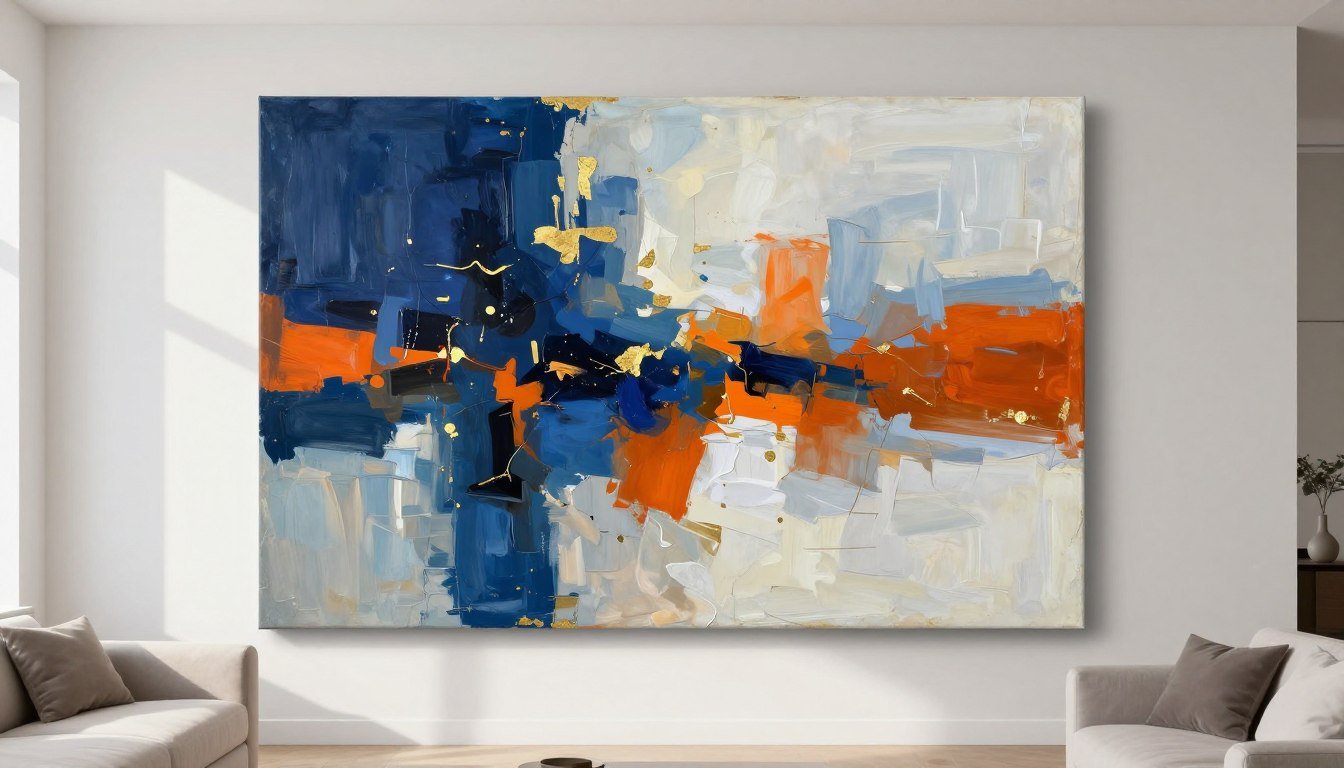
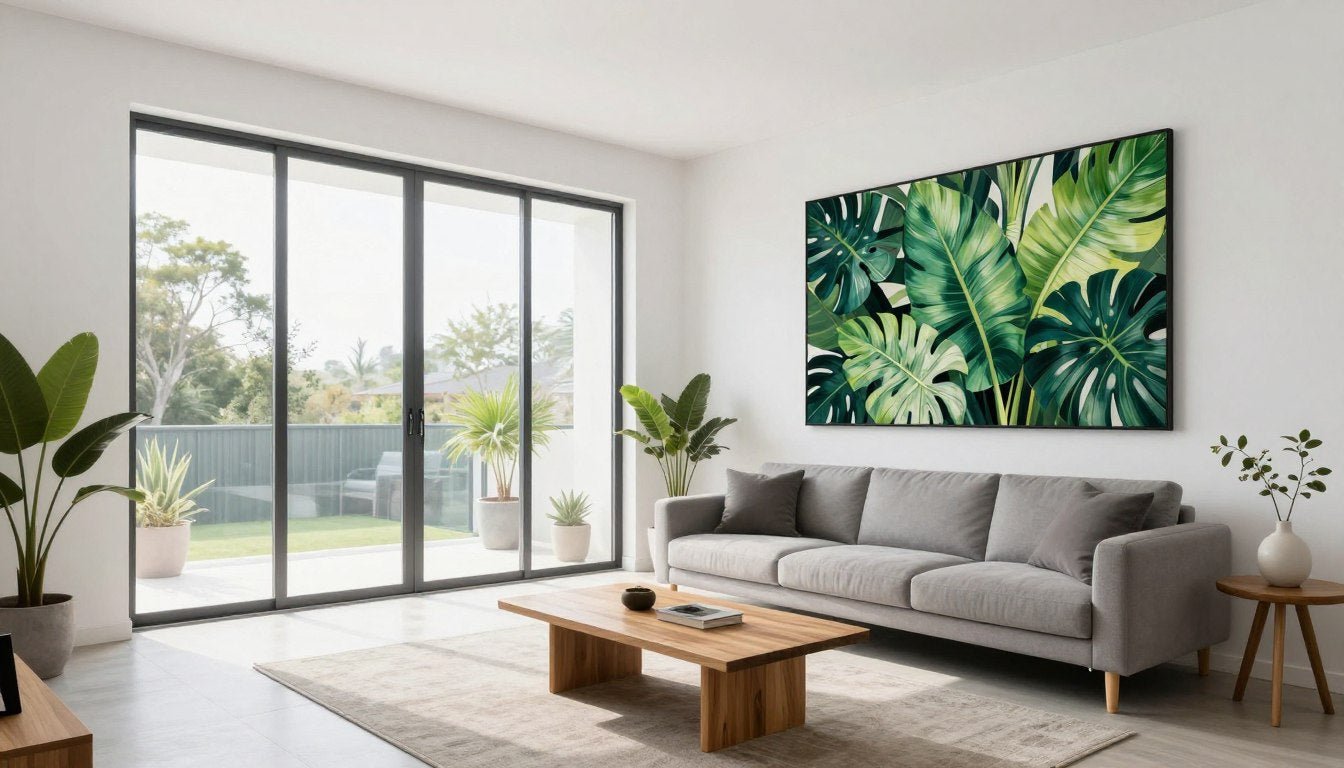

Leave a comment
This site is protected by hCaptcha and the hCaptcha Privacy Policy and Terms of Service apply.