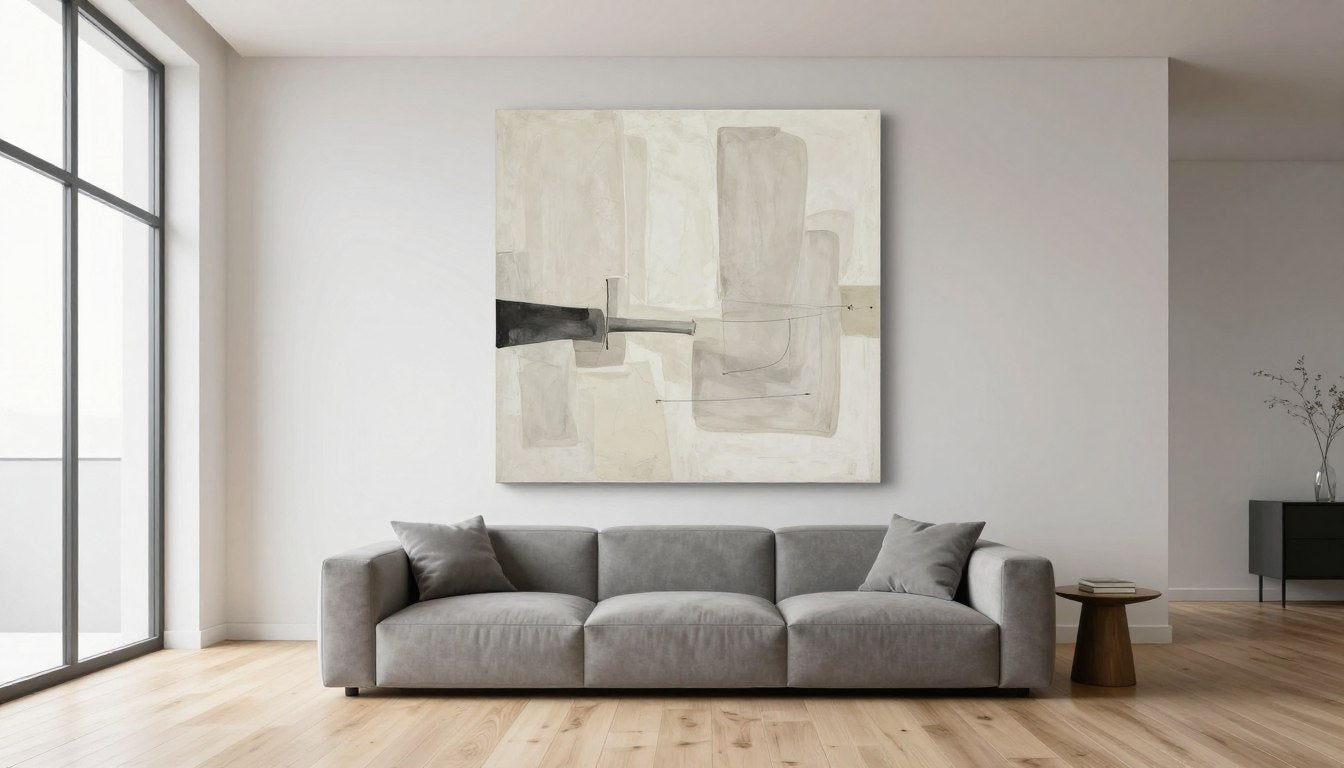

Finding the right minimalist wall art ideas can transform an ordinary room into a serene, sophisticated sanctuary. The minimalist aesthetic celebrates simplicity, intentional design, and the power of negative space. Yet achieving this seemingly effortless look requires careful consideration of scale, placement, color, and composition.
This comprehensive guide reveals expert strategies for selecting and displaying minimalist wall art that enhances modern interiors. You'll discover practical rules for sizing artwork, learn color palette principles that create visual harmony, and explore diverse styles from abstract compositions to simple line drawings.
Whether you're designing a living room focal point or creating a gallery wall with quiet luxury appeal, these minimalist wall decor ideas will help you make confident decisions. Let's explore how thoughtful art selection can elevate your space while maintaining the clean, uncluttered aesthetic that defines minimalist design.
Understanding the Minimalist Wall Art Aesthetic

Minimalist wall art embodies the principle that less is more. This design philosophy emerged in the 1960s as a reaction against the complexity of abstract expressionism. Today, minimalist art remains a cornerstone of contemporary interior design, offering visual calm in our increasingly busy world.
The defining characteristics of minimalist wall art include limited color palettes, geometric shapes, clean lines, and abundant negative space. These elements work together to create compositions that feel balanced and intentional rather than cluttered or overwhelming.
Core Principles of Minimalist Art Selection
Successful minimalist wall decor follows several fundamental principles. First, each piece should serve a clear purpose in your space. Unlike maximalist approaches that layer multiple artworks, minimalist design treats each piece as a deliberate statement.
Second, quality surpasses quantity. A single well-chosen artwork often creates more impact than multiple mediocre pieces. This approach aligns with the minimalist philosophy of intentional curation rather than accumulation.

Color Theory in Minimalist Spaces
Color selection forms the foundation of effective minimalist wall art ideas. Neutral palettes dominate this aesthetic, with whites, blacks, grays, and beiges creating sophisticated backdrops. These timeless hues ensure longevity and versatility in your interior design.
However, minimalist doesn't mean colorless. Strategic use of muted earth tones, soft pastels, or single bold accent colors can add personality while maintaining visual restraint. The key lies in limiting your color palette to two or three complementary shades.

Choosing Your Minimalist Color Palette
Begin by identifying your room's existing color scheme. Your wall art should complement rather than compete with furniture, flooring, and architectural elements. In predominantly neutral spaces, artwork can introduce subtle warmth through beiges and taupes.
For spaces with existing color accents, select art that echoes these tones. This creates visual cohesion and demonstrates intentional design choices. Remember that in minimalist interiors, every color decision carries weight.
Consider the psychological impact of your chosen palette. Cool grays and blues evoke calm and focus, making them ideal for home offices or bedrooms. Warm neutrals with cream and sand tones create inviting atmospheres in living areas.
Texture and Medium Considerations
While minimalist wall art often emphasizes flat surfaces and smooth finishes, texture adds subtle depth without visual clutter. Canvas prints provide slight texture through their woven surface, while maintaining the clean aesthetic minimalism requires.
Original paintings introduce brushstroke texture that creates interest upon closer inspection. This layered approach rewards sustained viewing while maintaining simplicity from a distance. The interplay between smooth and textured surfaces adds sophistication to minimalist spaces.

Sculptures offer three-dimensional minimalist wall decor alternatives that cast shadows and change appearance with lighting throughout the day. These pieces add architectural interest while adhering to minimalist principles through simple forms and restrained ornamentation. When you explore our sculptures collection, you'll discover how dimensional art can enhance minimalist interiors without overwhelming them.
Essential Wall Art Size and Placement Guidelines

Proper sizing transforms good minimalist wall art ideas into great design execution. The most common mistake in art display involves selecting pieces that are too small for their intended space. Understanding fundamental sizing rules prevents this costly error.
The two-thirds rule provides an excellent starting point for wall art size selection. When hanging art above furniture, the artwork should span roughly two-thirds of the furniture's width. This proportion creates visual balance and ensures the piece commands appropriate attention.
The 57-Inch Rule for Perfect Placement
Professional galleries use the 57-inch eye-level rule as their standard hanging height. This measurement refers to the center point of the artwork, positioned 57 inches from the floor. This height accommodates average human eye level and creates comfortable viewing angles.
For rooms with higher ceilings, you may adjust this measurement slightly upward, but resist the temptation to hang art too high. Common hanging errors include placing artwork at ceiling height, which disconnects pieces from the living space and creates awkward viewing angles.

Scaling Art for Different Spaces
Large rooms demand substantial artwork to avoid the "postage stamp effect." An oversized canvas can serve as a dramatic focal point in spacious living rooms or open-concept areas. Don't fear going big; a single large piece often works better than multiple small ones in minimalist design.
Calculate appropriate sizing by measuring your wall space. For a statement piece above a sofa, measure the sofa width and multiply by 0.66 to find your ideal art width. For a 96-inch sofa, this yields approximately 64 inches of recommended art width.
Find Perfectly Scaled Minimalist Art
Our canvas prints collection features pieces in multiple sizes, making it easy to find the perfect scale for your space. Each piece is available with detailed dimensions to ensure proper proportions.
Wall Art Size Guide by Room Type
Different rooms require different approaches to art sizing. In dining rooms, artwork should maintain breathing room around the table. Allow at least 8-10 inches of space between the art's bottom edge and the buffet or credenza top.
Bedroom wall art benefits from slightly smaller scaling to maintain the room's restful atmosphere. A piece spanning 50-60% of the headboard width creates balance without overwhelming the sleep space. This more modest proportion supports the bedroom's calm, minimalist aesthetic.

Spacing Considerations for Multiple Pieces
When creating groupings, maintain consistent spacing between frames. Professional designers use 2-4 inches between pieces in gallery wall arrangements. This spacing allows each artwork to breathe while creating visual connections across the grouping.
For diptychs or triptychs, keep spacing minimal—typically 2 inches—to emphasize their relationship as a unified composition. These multi-panel works function as single statements rather than separate pieces, so close proximity reinforces their cohesion.

Popular Minimalist Wall Art Styles and Ideas

Minimalist wall art encompasses diverse styles while maintaining core aesthetic principles. Understanding these variations helps you select pieces that resonate with your personal taste while honoring minimalist design values. Each style offers unique advantages for different spaces and preferences.
Abstract wall art leads minimalist design trends. These pieces use color, form, and composition to create visual interest without representational imagery. Abstract works excel at complementing modern interiors because they avoid competing with furniture or architectural elements through recognizable subjects.
Geometric Abstract Compositions
Geometric minimalist art features precise shapes, straight lines, and mathematical proportions. Circles, squares, triangles, and rectangles combine to create balanced compositions. This style appeals to those who appreciate order and structure in their living environments.
The beauty of geometric art lies in its timelessness. These pieces avoid trendy elements that may feel dated in future years. Clean geometry maintains relevance across changing design trends, making geometric abstracts sound long-term investments.


Line Art and Contour Drawings
Single-line drawings represent minimalism at its purest. These artworks use continuous or minimal lines to suggest forms, faces, or abstract shapes. The simplicity of line art makes powerful statements through economy of means.
Line drawings work exceptionally well in small spaces or as part of larger gallery walls. Their visual lightness prevents overwhelming compact rooms while still providing artistic interest. Black line art on white backgrounds offers maximum versatility across various interior color schemes.


Monochromatic and Neutral Palettes
Monochromatic minimalist wall decor explores depth through tonal variation rather than contrasting colors. These pieces might feature gradients from deep charcoal to pale gray, or transitions from cream to rich brown. The subtle sophistication of monochromatic work suits refined, mature aesthetics.
All-white or all-black artworks create dramatic statements through their boldness. White-on-white pieces add texture and dimension while maintaining absolute color restraint. Black-on-black works offer similar effects with more dramatic, sophisticated energy.

Nature-Inspired Minimalism
Natural forms interpreted through minimalist principles create accessible, calming artwork. Think simple botanical prints, abstract landscapes reduced to essential elements, or ocean-inspired compositions using limited blue and beige palettes. These pieces bring organic warmth to minimalist spaces.
Desert landscapes offer particularly strong minimalist potential. Their inherent simplicity—clean horizons, monochromatic sand dunes, sparse vegetation—translates naturally into minimalist compositions. These works add subtle warmth without introducing visual complexity.


Typography and Text-Based Minimalism
Minimalist typography art features single words, short phrases, or letterforms as design elements. Clean sans-serif fonts work best, presenting text as pure graphic form. These pieces allow personal expression through carefully chosen words while maintaining visual simplicity.
Text-based art works particularly well in home offices, reading nooks, or personal spaces where meaningful words provide daily inspiration. Select phrases that resonate personally rather than generic motivational quotes for more authentic expression.


Abstract Original Paintings
Discover hand-painted minimalist abstracts that bring authentic artistic expression to your modern space. Each original painting features unique textures and subtle variations that photographs cannot capture.

Geometric Canvas Prints
Explore precision-crafted geometric compositions available as premium canvas prints. Perfect for creating focal points in contemporary living rooms, offices, and modern interiors.

Dimensional Wall Sculptures
Add architectural depth with minimalist sculptures that transform walls into dynamic surfaces. These three-dimensional pieces create ever-changing shadow play as lighting shifts throughout the day.
Creating Minimalist Gallery Walls

Gallery walls adapt beautifully to minimalist aesthetics when planned with restraint and intention. Unlike eclectic gallery walls that celebrate diversity, minimalist gallery walls emphasize cohesion through limited color palettes, consistent framing, and thoughtful spacing. The result balances visual interest with calm simplicity.
Begin gallery wall planning by selecting a unifying element. This might be consistent frame color, coordinated color palettes across all pieces, similar subject matter, or uniform sizing. This common thread creates coherence despite multiple artworks sharing wall space.
Grid Layout Gallery Walls
Grid arrangements offer the most minimalist approach to gallery walls. Position identically sized frames in perfect rows and columns with equal spacing throughout. This geometric precision creates order and calm while allowing multiple pieces to coexist harmoniously.
Four to six pieces work well in grid formations. Arrange them in 2x2, 2x3, or 3x2 configurations depending on your wall dimensions. Maintain 2-3 inches of consistent spacing between all frames for professional results.

Symmetrical Arrangement Principles
Symmetrical gallery walls balance around a central axis. Arrange pieces as mirror images on either side of an imaginary center line. This approach feels formal and organized, perfectly suiting minimalist interiors that prize order and visual calm.
Create symmetry through paired frames of identical size or by balancing different sizes that share equivalent visual weight. For example, two medium pieces on the left might balance one large piece on the right, provided their combined dimensions match.

Linear Horizontal Arrangements
Horizontal linear gallery walls align multiple pieces in a single row at consistent height. This format works beautifully above sofas, console tables, or along hallways. The horizontal emphasis creates visual calm and elongates wall space.
Select three to five pieces of varying widths but similar heights for dynamic interest within structured format. Align all pieces along their bottom edges or center points for clean, professional appearance. Space pieces 2-4 inches apart to maintain connection while allowing individual appreciation.

Diptych and Triptych Displays
Multi-panel artworks function as single compositions divided across multiple canvases. Diptychs use two panels, while triptychs employ three. These formats create substantial visual presence while maintaining minimalist simplicity through their unified design.
Hang panels with minimal spacing—typically 1-2 inches—to emphasize their relationship. Center the complete work on your wall rather than centering individual panels. This treatment showcases the artwork as intended: one cohesive statement.

Frame Selection for Minimalist Cohesion
Frame consistency matters enormously in minimalist gallery walls. Select identical frames throughout your arrangement or limit yourself to two complementary styles. Black, white, natural wood, or brushed metal frames all work well depending on your interior palette.
Thin frames with minimal ornamentation suit minimalist aesthetics best. Chunky, ornate frames compete with the artwork and add visual weight that contradicts minimalist principles. Simple profiles let the art speak while providing necessary definition.

When planning your gallery wall, consider starting with pieces from our canvas prints collection. Canvas options eliminate framing decisions while maintaining sophisticated presentation through gallery-wrapped edges that continue the artwork around the canvas sides.
Minimalist Wall Art Ideas by Room

Different rooms serve different purposes and benefit from tailored minimalist wall art ideas. While maintaining overall aesthetic consistency throughout your home, subtle adjustments in scale, subject matter, and mood create spaces optimized for their intended functions.
Consider how you use each room when selecting artwork. Active, social spaces can accommodate bolder statements, while private, restful areas benefit from more subdued choices. This functional approach ensures your minimalist wall decor enhances rather than conflicts with each room's purpose.
Living Room Focal Points
Living rooms demand substantial artwork that commands attention and anchors furniture arrangements. A large oversized canvas above the sofa establishes this space as the room's visual center. Select pieces measuring 60-70 inches wide for standard 90-96 inch sofas.
Abstract wall art works particularly well in living areas. These pieces generate conversation without dominating it. Guests can interpret abstracts individually, making them accessible to varied tastes. Choose compositions with movement or subtle complexity that reward repeated viewing.


Bedroom Serenity
Bedrooms require calming minimalist wall art that promotes rest and relaxation. Soft color palettes in blues, greens, grays, or warm neutrals create soothing atmospheres conducive to sleep. Avoid high-contrast or visually stimulating compositions in sleep spaces.
Position bedroom art at slightly lower heights than standard gallery placement since you'll view it while reclining. Center pieces above the headboard, maintaining 4-6 inches between the headboard top and the artwork's bottom edge. This creates visual connection between furniture and art.


Dining Room Elegance
Dining spaces allow for slightly more adventurous minimalist wall decor choices. This room's social function tolerates stronger statements than bedrooms. Consider slightly warmer palettes that stimulate appetite and conversation while maintaining minimalist restraint.
Hang dining room art at standing eye level since diners will view it while seated at different angles. A horizontal piece above a buffet or sideboard anchors the dining zone. Alternatively, create symmetry with matching pieces flanking a window or centered on the main wall.

Home Office Focus
Office spaces benefit from minimalist wall art that enhances focus without creating distraction. Geometric compositions, simple line art, or monochromatic abstracts provide visual interest during breaks while maintaining productive atmosphere during work hours.
Position office art within your sight line while working. Unlike living rooms where art hangs behind furniture, office pieces should face your desk. This placement lets you enjoy the artwork during thinking moments without requiring you to turn around.


Entryway First Impressions
Entry halls and foyers establish your home's aesthetic immediately. Select minimalist wall art that represents your design philosophy while welcoming guests. These high-traffic transitional spaces can handle bolder statements since viewers pass through quickly rather than lingering.
Scale entryway art to the vertical space available. Tall, narrow pieces complement most entry configurations better than wide horizontal works. A substantial piece makes powerful first impressions, setting sophisticated tone for the entire home.

Bathroom Spa Atmosphere
Bathrooms often get overlooked in art planning, yet they offer excellent opportunities for minimalist wall decor. Small-scale pieces, simple botanical prints, or abstract compositions in water-inspired blues and greens enhance the spa-like quality of modern bathrooms.
Select bathroom art considering humidity exposure. Canvas prints and framed pieces behind glass withstand moisture better than unprotected paper works. Position pieces away from direct water exposure—above the toilet, opposite the shower, or on walls flanking mirrors.

Color Coordination Strategies for Minimalist Wall Art

Strategic color coordination elevates minimalist wall art from simple decoration to integral design element. The limited palette inherent to minimalism makes each color choice significant. Understanding how to harmonize artwork with your existing interior prevents costly mismatches and creates sophisticated cohesion.
Begin by identifying your room's dominant colors. These typically appear in large furniture pieces, flooring, or wall paint. Your minimalist wall art should either complement these colors through similar tones or provide intentional contrast through carefully selected accent shades.
Monochromatic Harmony
Monochromatic color schemes use variations of a single hue, creating calm, unified spaces. If your room features gray furniture and walls, select wall art exploring different gray values—from charcoal to silver. This tonal approach feels sophisticated and inherently minimalist.
Monochromatic doesn't mean boring when you incorporate texture and subtle value shifts. A painting with barely perceptible color variations creates depth through nuance. These subtle compositions reward close viewing while maintaining visual simplicity from a distance.

Complementary Accent Colors
Complementary color strategies introduce controlled contrast through opposite color wheel positions. In predominantly neutral spaces, a single accent color in your wall art creates visual punctuation. Navy blue in a beige room or warm terracotta in a gray space demonstrates this principle.
Limit accent colors to one or two shades maximum in minimalist interiors. Multiple competing accent colors contradict minimalist philosophy and create visual chaos. Instead, let one carefully chosen color provide all the chromatic interest your space needs.

Warm Versus Cool Palettes
Understanding color temperature helps create desired atmospheric effects. Warm palettes using creams, taupes, and browns create cozy, inviting spaces. Cool palettes featuring grays, blues, and whites feel crisp, clean, and contemporary. Most minimalist interiors favor cool palettes, but warm minimalism offers accessible alternatives.
Mix warm and cool carefully. Combining beige walls with cool gray artwork can create muddy, indecisive spaces. Commit to predominantly warm or cool, then introduce small amounts of opposing temperature for balance if desired.

Neutral Foundation with Subtle Color
The safest minimalist wall art ideas build upon neutral foundations. Select pieces predominantly in whites, blacks, grays, or beiges, then introduce one subtle color as accent. This might be a pale blush pink, soft sage green, or muted navy blue appearing as minimal element within larger neutral composition.
This strategy offers flexibility as your interior evolves. Predominantly neutral artwork adapts to future furniture or decor changes, while the subtle accent prevents complete colorlessness. You maintain minimalist restraint while avoiding sterile, institutional aesthetics.

Black and White Classics
Black and white artwork offers timeless minimalist solutions. This ultimate contrast creates graphic impact while remaining absolutely neutral in color terms. Black and white pieces work universally across varied interior palettes and endure through changing design trends.
Consider the ratio of black to white in your selection. Predominantly white pieces with black accents feel lighter and more spacious. Predominantly black pieces with white accents create drama and sophistication. Balance this decision against your room's existing light levels and spaciousness.


Explore our original paintings collection to discover how artist-selected color palettes create cohesion through expert color theory application. Each original piece demonstrates thoughtful color relationships that can inspire your own interior color coordination.
How to Hang Canvas Prints in Minimalist Spaces

Proper canvas print installation transforms artwork from decoration into polished design element. Minimalist spaces demand precision—uneven hanging or improper spacing undermines the intentional aesthetic minimalism embodies. Mastering basic hanging techniques ensures professional results.
Canvas prints offer installation advantages over framed works. Their gallery-wrapped edges eliminate framing needs, reducing visual weight. The artwork continues around the canvas sides, creating finished appearance from all viewing angles. This frameless presentation aligns perfectly with minimalist principles.
Essential Tools and Hardware
Gather proper tools before beginning installation. You'll need a measuring tape, pencil, level, hammer or drill, and appropriate hanging hardware. D-rings or wire hanging systems work well for canvas prints, distributing weight evenly across the stretcher bars.
Wall anchors become necessary for drywall installations, especially with large or heavy canvases. Plastic anchors suit lightweight pieces under 10 pounds. Use metal toggle bolts or molly bolts for heavier artwork. Never rely solely on nails in drywall for substantial pieces.

Measuring and Marking for Perfect Placement
Measure twice, install once. Determine your desired center height—typically 57 inches from floor. Measure the distance from your hanging hardware to the canvas top. Subtract this measurement from 57 inches (or your preferred height) and add half the canvas height. Mark this point on your wall.
For example, with a 40-inch tall canvas where hardware sits 2 inches below the top: 57 - 2 + 20 (half of 40) = 75 inches. Mark 75 inches from the floor. This calculation ensures proper center-point placement.

Using Levels for Straight Alignment
Level installation is non-negotiable in minimalist interiors where every element receives scrutiny. Place your level on top of the canvas after installation, adjusting until the bubble centers perfectly. Even slight tilts become glaringly obvious against minimalist walls and clean lines.
For multiple pieces, use your level to ensure consistent alignment across all artworks. Mark light reference lines with pencil if hanging several pieces—these marks erase easily after installation completes. This extra step prevents the frustrating discovery of misalignment after hanging everything.

Gallery Wrap Versus Float Mounting
Standard gallery-wrapped canvases hang flush against walls. The artwork's edges wrap around the stretcher bars, creating finished sides without framing. This clean presentation suits most minimalist applications and offers the simplest installation method.
Float mounting creates dimensional shadow effect by spacing the canvas 1-2 inches from the wall. This technique adds architectural interest while maintaining minimalist simplicity. Float mounting requires specialized hardware but creates striking visual impact, particularly with white or light-colored artwork on white walls.

Spacing Multiple Canvas Pieces
When hanging multiple canvases, maintain consistent spacing throughout. Use a small piece of cardboard cut to your desired spacing measurement as a guide. Hold this spacer between frames as you mark positions, ensuring perfect consistency.
For horizontal rows, ensure all pieces align along their bottom edges or center points. Inconsistent alignment looks amateurish and contradicts minimalist precision. Take time to mark all positions before installing any pieces—this prevents having to remove and reinstall misaligned artwork.

Our canvas prints arrive ready to hang with installed hardware, simplifying the installation process. Each piece includes hanging instructions tailored to its specific size and weight for optimal results.
Building a Minimalist Art Collection on Any Budget

Creating sophisticated minimalist wall decor doesn't require unlimited budgets. Strategic purchasing, understanding value propositions, and prioritizing quality over quantity allow you to build impressive collections within financial constraints. Minimalism's inherent restraint actually supports budget-conscious collecting.
The minimalist principle of buying less but better aligns perfectly with thoughtful budget allocation. Rather than filling walls with numerous inexpensive pieces, invest in fewer high-quality artworks that create lasting impact. This approach serves both aesthetic and financial goals.
Investment Versus Decorative Pieces
Distinguish between investment art and decorative pieces when planning purchases. Investment pieces—typically original paintings or limited edition prints—may appreciate in value and serve as long-term assets. Decorative pieces provide visual appeal without significant resale consideration.
Allocate larger portions of your budget to focal point positions in main living areas. A quality original painting above your sofa merits greater investment than hallway artwork. This strategic distribution maximizes impact where you and guests spend the most time.

Canvas Prints as Accessible Options
High-quality canvas prints provide accessible entry points into art collecting. Modern printing technology reproduces artwork with remarkable fidelity, offering sophisticated aesthetic at fractions of original painting costs. Museum-grade canvas and archival inks ensure longevity rivaling traditional mediums.
Canvas prints excel in spaces requiring larger scale artwork where original paintings would exceed budgets. A 60-inch canvas print costs substantially less than a same-sized original while delivering comparable visual impact from standard viewing distances.

Mixing Mediums and Price Points
Sophisticated collections often mix original paintings, canvas prints, and other mediums. This strategy allows budget allocation to key pieces while completing the overall aesthetic with complementary works at various price points. The visual result appears curated rather than financially constrained.
Consider investing in one or two original paintings for primary focal points, supplemented by canvas prints in secondary spaces. This combination provides authentic artistic expression where it matters most while maintaining design consistency throughout your home.

Smart Collection Building Strategies
Start with essential pieces and expand gradually. Rushing to fill every wall often results in hasty purchases you'll later regret. Minimalism celebrates intentional curation, so take time finding pieces that genuinely resonate.
Follow artists whose work aligns with your aesthetic. Many artists offer various price points from original works to prints. Building relationships with favorite artists can lead to opportunities for commissioned pieces or advance access to new releases.
Consider seasonal sales and artist promotions. Quality galleries often offer periodic discounts without compromising artwork quality. Sign up for newsletters from galleries and artists you admire to catch these opportunities.
Understanding Value Beyond Price
Value in minimalist wall art extends beyond purchase price. Consider longevity, versatility, and personal significance when evaluating worth. A piece you'll love for decades justifies higher investment than trendy artwork that may feel dated quickly.
Quality materials ensure lasting beauty. Archival canvas, lightfast inks, and proper stretcher construction mean your artwork maintains appearance for years. Cheap production often results in fading, warping, or deterioration requiring replacement—ultimately costing more than quality pieces upfront.

DIY Alternatives and Original Creations
Artistically inclined individuals can create personal minimalist artwork. Simple abstract compositions, geometric designs, or line drawings require minimal technical skill when embracing minimalist aesthetics. These personal creations add unique character while eliminating purchase costs.
If creating art feels daunting, consider commissioning emerging artists. Art school graduates and early-career artists often charge reasonable rates while delivering quality work. You support developing talent while acquiring unique pieces at accessible prices.

Lighting Your Minimalist Wall Art Effectively

Proper lighting transforms minimalist wall art from static decoration into dynamic design element. Light reveals color nuance, emphasizes texture, and directs attention to focal points. Inadequate or improper lighting diminishes even exceptional artwork, while thoughtful illumination elevates modest pieces.
Natural and artificial light affect artwork differently. Understanding these interactions helps you position pieces strategically and supplement with appropriate artificial lighting. Minimalist interiors often feature abundant natural light, requiring careful consideration of how sunlight impacts artwork throughout the day.
Natural Light Considerations
Natural light brings vibrancy to minimalist wall art but requires management to prevent damage and optimize viewing. Direct sunlight causes fading over time, particularly with canvas prints and works on paper. Position valuable pieces on walls perpendicular to windows rather than directly opposite them.
North-facing walls receive consistent, indirect natural light ideal for artwork display. This steady illumination avoids the harsh contrasts of direct sunlight while providing sufficient brightness for comfortable viewing. South-facing walls experience more dramatic light changes requiring careful artwork selection.

Picture Lighting Solutions
Dedicated picture lights provide focused illumination that highlights artwork after dark. These fixtures mount above or below frames, directing light specifically onto the art surface. Choose picture lights with adjustable heads to control beam angle and coverage.
LED picture lights offer energy efficiency and minimal heat production—important for preventing artwork damage. Warm white LED bulbs (2700-3000K color temperature) create inviting glow while accurately representing colors. Avoid cool white bulbs that cast harsh, institutional light.

Track and Recessed Lighting
Track lighting systems offer flexibility for illuminating multiple artworks or adjusting as your collection changes. Position track heads approximately 30 degrees from vertical for optimal artwork illumination without glare. This angle prevents light from reflecting off glass or glossy surfaces into viewers' eyes.
Recessed ceiling lights can illuminate wall art when properly positioned. Place recessed fixtures 24-36 inches from walls to create grazing light that emphasizes artwork without creating harsh shadows. Dimmer switches allow adjustment for different times of day and moods.

Ambient Room Lighting Balance
Balance artwork lighting with overall room illumination to prevent pieces from appearing spotlit or isolated. Artwork should receive 2-3 times the ambient light level to draw attention without creating jarring contrasts. Gradual transitions feel more sophisticated than dramatic spotlighting.
Layer lighting throughout minimalist spaces using combination of overhead, task, and accent lighting. This layered approach creates depth and allows flexibility for different activities. Artwork accent lighting integrates naturally into this system rather than functioning as isolated element.

Avoiding Common Lighting Mistakes
Overlighting artwork creates glare and washes out colors. If you see bright spots or reflections on artwork surfaces, your lighting is too intense or poorly angled. Reduce intensity or adjust fixture positions to eliminate these issues.
Underlighting leaves artwork invisible or murky, particularly in rooms with minimal natural light. If you strain to see artwork details in evening hours, add supplemental lighting. Artwork should remain visible and attractive regardless of time of day.

When selecting pieces from our canvas prints collection, consider how your existing lighting will interact with different color palettes and textures. Gallery-wrapped canvases without glass eliminate glare concerns present with framed works.
Common Minimalist Wall Art Mistakes to Avoid

Even design-conscious individuals make predictable errors when implementing minimalist wall art ideas. Recognizing these common pitfalls helps you avoid costly mistakes and achieve sophisticated results on the first attempt. Most errors stem from misunderstanding core minimalist principles or failing to plan before purchasing.
Learning from others' mistakes proves more efficient than discovering problems after installation. The following section highlights frequent missteps and provides actionable solutions for each issue.
Selecting Artwork That's Too Small
The most pervasive mistake involves choosing undersized artwork. Small pieces disappear on large walls, creating disconnected, unfinished appearance. This error particularly afflicts first-time art buyers who underestimate necessary scale for visual impact.
Combat this tendency by measuring carefully before shopping. Calculate two-thirds of furniture width for pieces above sofas or beds. When in doubt, size up rather than down. Larger artwork commands presence even if slightly oversized, while too-small pieces always look wrong.

Hanging Art Too High
The second most common error places artwork at ceiling height, far above comfortable viewing level. This mistake creates disconnection between art and living space, forcing viewers to crane their necks. The problem often stems from fear of hanging "too low" or failing to use the 57-inch rule.
Remember that 57 inches measures to artwork center, not top or bottom. For large pieces, this means the bottom edge sits well below 57 inches. Trust this measurement even when it initially feels low—proper placement always looks correct once furniture is in place.

Mixing Too Many Styles
Minimalist aesthetics demand restraint and cohesion. Mixing geometric abstracts with botanical line drawings, photographic prints, and text-based art creates visual chaos contradicting minimalist philosophy. Each individual piece may be minimalist, but their combination undermines the aesthetic.
Select one or two complementary styles and commit to them throughout your space. If you love geometric art, build your collection around geometric pieces in coordinated palettes. Adding one botanical print "because you like it" disrupts the intentional curation minimalism requires.

Overcrowding Walls
Minimalism celebrates negative space, yet many people feel compelled to fill every wall. This impulse contradicts core minimalist values and creates cluttered appearance. Empty wall space isn't wasted space—it provides visual rest and emphasizes chosen artwork.
Leave some walls completely bare, particularly in bedrooms and bathrooms. In main living areas, limit yourself to one focal point artwork per wall or carefully planned gallery wall. Resist the urge to add "just one more piece" when spaces already feel complete.

Ignoring Color Coordination
Purchasing artwork without considering existing interior colors leads to disconnected, haphazard appearance. A beautiful blue abstract may clash terribly with your warm beige sofa, creating visual discord regardless of the artwork's individual merit.
Before buying, photograph your space and bring images when shopping. Better yet, many galleries offer approval periods allowing you to test pieces at home before committing. This preview reveals color interactions impossible to assess in store environments.

Neglecting Proper Lighting
Installing beautiful minimalist wall art then leaving it poorly lit wastes the artwork's potential. Insufficient lighting renders pieces invisible during evening hours, while harsh overhead lighting creates unflattering shadows or glare. Lighting deserves equal planning attention as the artwork itself.
Plan lighting solutions before or immediately after artwork installation. Position track lights, install picture lights, or add accent lamps to ensure your art receives appropriate illumination. This investment protects your artwork investment and ensures constant enjoyment.

Choosing Trendy Over Timeless
Minimalist design endures because it avoids trend-driven choices in favor of timeless aesthetics. Purchasing artwork featuring current trendy colors, subjects, or styles risks dated appearance within few years. This mistake particularly affects those new to minimalism who confuse "minimal" with "trendy."
Select classic minimalist compositions in neutral palettes that transcend temporary trends. Geometric abstracts, simple line work, and restrained color palettes remain relevant across decades. These timeless choices protect your investment and maintain sophisticated appearance long-term.

Maintaining and Caring for Minimalist Wall Art

Proper maintenance preserves the beauty and value of your minimalist wall art for years or decades. Canvas prints, original paintings, and sculptures each require specific care approaches. Understanding these needs protects your investment and ensures continued enjoyment of carefully curated pieces.
Minimalist artwork's clean surfaces and simple compositions make damage and deterioration particularly noticeable. A small scuff or color shift that might disappear on busy, complex artwork stands out glaringly on minimalist pieces. Preventive care proves easier than remediation.
Regular Dusting and Cleaning
Dust accumulation dulls artwork appearance over time. Canvas prints benefit from gentle dusting every few months using soft, dry microfiber cloths. Work from top to bottom with light pressure, never scrubbing or applying cleaning solutions directly to canvas surfaces.
Original paintings require extra gentleness, especially with textured brushwork. Use soft natural-bristle dusting brushes designed for artwork, barely touching the surface. Never use feather dusters that may snag on texture or household dusters with chemical treatments.

Protecting from Environmental Damage
Environmental factors pose the greatest long-term threats to artwork. Direct sunlight causes fading and discoloration, particularly with canvas prints and works on paper. UV-protective glass helps framed pieces, while canvas prints require strategic positioning away from direct sun exposure.
Humidity extremes cause canvas to expand and contract, potentially leading to cracking or warping. Maintain relative humidity between 40-50% for optimal artwork preservation. Avoid hanging canvas prints in bathrooms with frequent steam exposure or basements with moisture issues.

Handling and Moving Artwork
When relocating artwork, always lift from the frame or stretcher bars, never by canvas surface. For large pieces, use two people to prevent bending or dropping. Wrap artwork in clean blankets or bubble wrap for transport, ensuring protective material doesn't touch painted surfaces directly.
Store artwork vertically when possible, never flat in stacks where weight damages lower pieces. If horizontal storage is necessary, place rigid boards between pieces and limit stack height. Climate-controlled storage prevents temperature and humidity fluctuations.

Professional Cleaning and Restoration
Despite careful maintenance, accidents happen. Spills, scuffs, or accumulated grime may require professional intervention. Never attempt DIY cleaning with household products on valuable artwork—these often cause irreversible damage.
Professional art conservators possess specialized knowledge and materials for safely cleaning and repairing artwork. While their services cost more than DIY attempts, they protect your investment by using archival methods that preserve rather than damage. Consider professional cleaning every 5-10 years for valuable pieces.

Canvas Print Specific Care
Canvas prints tolerate gentle surface cleaning better than original paintings. For stubborn dirt or marks, slightly dampen a microfiber cloth with distilled water—never tap water containing minerals that leave residue. Test any cleaning approach on a small, inconspicuous area first.
Gallery-wrapped canvas edges collect dust in the crevice where canvas wraps around stretcher bars. Use soft brushes to gently clean these areas during regular dusting. Avoid excessive handling of canvas edges where oils from skin can cause discoloration over time.

Seasonal Maintenance Checks
Conduct thorough artwork inspections twice yearly. Check hanging hardware for security, ensuring screws haven't loosened and wire remains intact. Verify artwork hangs level and straight—building settling can shift frames over time.
Examine artwork surfaces for changes in appearance, noting any fading, discoloration, or surface changes. Early detection of problems allows intervention before damage becomes severe. Document your collection with photographs to track condition changes over years.

Quality artwork from our original paintings and canvas prints collections arrives ready for display with archival materials designed for longevity. Proper care ensures these pieces maintain their beauty for generations.
Frequently Asked Questions About Minimalist Wall Art
What defines minimalist wall art?
Minimalist wall art emphasizes simplicity through limited color palettes, clean lines, geometric shapes, and abundant negative space. This aesthetic emerged in the 1960s and focuses on essential elements rather than decorative complexity. Minimalist pieces create visual calm through restraint, using neutral colors or monochromatic schemes. The artwork typically avoids representational imagery in favor of abstract compositions or simplified forms.
Key characteristics include intentional design where every element serves a purpose, quality over quantity in both materials and composition, and sophisticated use of negative space as active design element rather than empty background. Minimalist wall art complements modern interiors by providing visual interest without overwhelming clean, uncluttered spaces.
How do I choose the right size wall art for my space?
The two-thirds rule provides reliable sizing guidance: artwork above furniture should span approximately two-thirds of the furniture's width. For a 90-inch sofa, select artwork around 60 inches wide. This proportion creates visual balance and ensures appropriate presence without overwhelming or underwhelming the space.
Use the 57-inch eye-level rule for hanging height, measuring to the artwork's center point. For large rooms, don't fear oversized pieces—substantial artwork creates necessary impact in spacious areas. Calculate precise sizing by measuring your wall space and furniture, then multiply furniture width by 0.66 for ideal art width. When uncertain, size up rather than down, as undersized artwork consistently looks wrong while slightly oversized pieces maintain presence.
What colors work best for minimalist wall art?
Neutral palettes dominate minimalist color schemes, including whites, blacks, grays, and beiges. These timeless hues create sophisticated backdrops and ensure longevity across changing trends. However, minimalist doesn't require complete colorlessness—strategic use of muted earth tones, soft pastels, or single bold accent colors adds personality while maintaining visual restraint.
Successful minimalist color strategies limit palettes to two or three complementary shades maximum. Monochromatic schemes exploring variations of single hues create harmonious, unified spaces. For rooms with existing color, select artwork that echoes these tones for visual cohesion. Black and white artwork offers universally compatible timeless solutions that work across varied interior palettes and endure through design evolution.
Can I mix different styles of minimalist art?
While possible, mixing minimalist styles requires careful curation to avoid visual chaos. The safest approach selects one or two complementary styles and commits to them throughout your space. Geometric abstracts pair well with simple line drawings when they share color palettes and similar visual weight. However, combining geometric art with botanical prints, photography, and typography typically creates disconnection.
When mixing styles, maintain strong unifying elements like consistent framing, coordinated color palettes, or similar scale across all pieces. The goal is intentional curation rather than accumulated variety. Remember that minimalism prioritizes cohesion and restraint—if you question whether a piece fits your existing collection, it probably doesn't. Trust your instinct toward simplification rather than diversification.
How many pieces of art should I display in one room?
Minimalist philosophy favors fewer, higher-quality pieces over numerous artworks. One substantial statement piece often creates more impact than multiple smaller works. For living rooms, a single large canvas above the sofa may suffice. Bedrooms benefit from one piece above the bed or a small gallery wall of 3-4 coordinated pieces maximum.
Leave some walls completely bare to honor negative space as essential minimalist element. Empty walls provide visual rest and emphasize chosen artwork through contrast. If creating gallery walls, limit yourself to 4-6 pieces in grid or linear arrangements. The specific number matters less than maintaining visual breathing room and avoiding the impulse to fill every available wall space.
What's the difference between canvas prints and original paintings?
Original paintings are unique, hand-created artworks by artists, offering authentic brushwork texture and one-of-a-kind status. These pieces may appreciate in value and serve as long-term investments. Canvas prints reproduce artwork through high-quality digital printing on canvas material, providing sophisticated aesthetic at lower price points than originals.
Modern canvas print technology delivers remarkable fidelity with museum-grade materials and archival inks ensuring longevity. Gallery-wrapped canvas prints eliminate framing needs while maintaining professional presentation. Original paintings suit collectors prioritizing authenticity and investment potential, while canvas prints offer accessibility for creating large-scale impact within budget constraints. Both options suit minimalist interiors when selected thoughtfully for quality materials and appropriate subject matter.
How do I prevent wall art from fading?
Position artwork on walls perpendicular to windows rather than directly opposite them to minimize direct sunlight exposure. North-facing walls receive consistent indirect natural light ideal for artwork without harsh sun damage. Apply UV-protective window film to windows in rooms with valuable artwork to filter harmful rays while maintaining natural light benefits.
Use LED picture lights rather than incandescent bulbs, as LEDs produce minimal heat that can accelerate fading. For framed works, select UV-protective glass or acrylic glazing that blocks harmful ultraviolet rays. Maintain proper humidity levels between 40-50% and avoid temperature extremes that stress artwork materials. Quality canvas prints using archival inks resist fading better than cheap alternatives, making material selection important for longevity.
Should I frame canvas prints?
Gallery-wrapped canvas prints don't require framing, as the artwork continues around the canvas sides creating finished presentation from all angles. This frameless approach aligns perfectly with minimalist aesthetics by eliminating additional visual weight. The clean, modern appearance of unframed canvas suits contemporary interiors and simplifies installation.
However, framing remains an option if you prefer more traditional presentation or need to match existing framed artwork. Select simple, thin frames with minimal ornamentation to maintain minimalist character. Float frames that create small gap between frame and canvas edge offer sophisticated middle ground, adding definition while preserving the canvas's dimensional quality. The decision depends on personal preference and existing interior style rather than necessity.
Curating Your Minimalist Wall Art Collection

Creating sophisticated minimalist wall decor requires balancing aesthetic principles with personal expression. The minimalist wall art ideas explored throughout this guide provide frameworks for confident decision-making, from understanding color coordination to mastering sizing rules and avoiding common mistakes.
Remember that minimalism celebrates intentional curation over accumulation. Take time selecting pieces that genuinely resonate rather than rushing to fill wall space. Each artwork in a minimalist interior carries significant visual weight, making thoughtful selection essential for cohesive results.
Quality surpasses quantity in minimalist collecting. Invest in fewer, better pieces that provide lasting satisfaction and enduring aesthetic appeal. Consider how each potential purchase integrates with your existing space, serves your room's function, and aligns with timeless design principles rather than temporary trends.

Proper installation, lighting, and maintenance protect your investment and ensure continued enjoyment for years ahead. Apply the 57-inch rule, use appropriate lighting solutions, and follow care guidelines specific to your artwork type. These seemingly small details separate amateur execution from professional results.
As you build your collection, allow your minimalist aesthetic to evolve naturally. Start with essential focal point pieces in primary living areas, then expand gradually as you discover artists and styles that speak to you. This patient approach prevents hasty purchases and cultivates authentic personal collections.
Discover Expertly Curated Minimalist Art at Rossetti Art
Rossetti Art offers thoughtfully selected collections of canvas prints, original paintings, and sculptures that embody minimalist principles while bringing warmth and sophistication to modern interiors. Each piece undergoes careful curation to ensure it meets our standards for quality, aesthetic coherence, and timeless appeal. Explore our collections to find minimalist artwork that transforms your space into a serene, sophisticated sanctuary.
Your minimalist wall art journey begins with understanding core principles and ends with spaces that reflect your refined aesthetic sensibility. Whether you select dramatic oversized abstracts, simple line drawings, or dimensional sculptures, let quality, intentionality, and timeless design guide your choices. The result will be interiors that provide daily visual pleasure while embodying the calm, uncluttered beauty that defines minimalist living.


Leave a comment
This site is protected by hCaptcha and the hCaptcha Privacy Policy and Terms of Service apply.