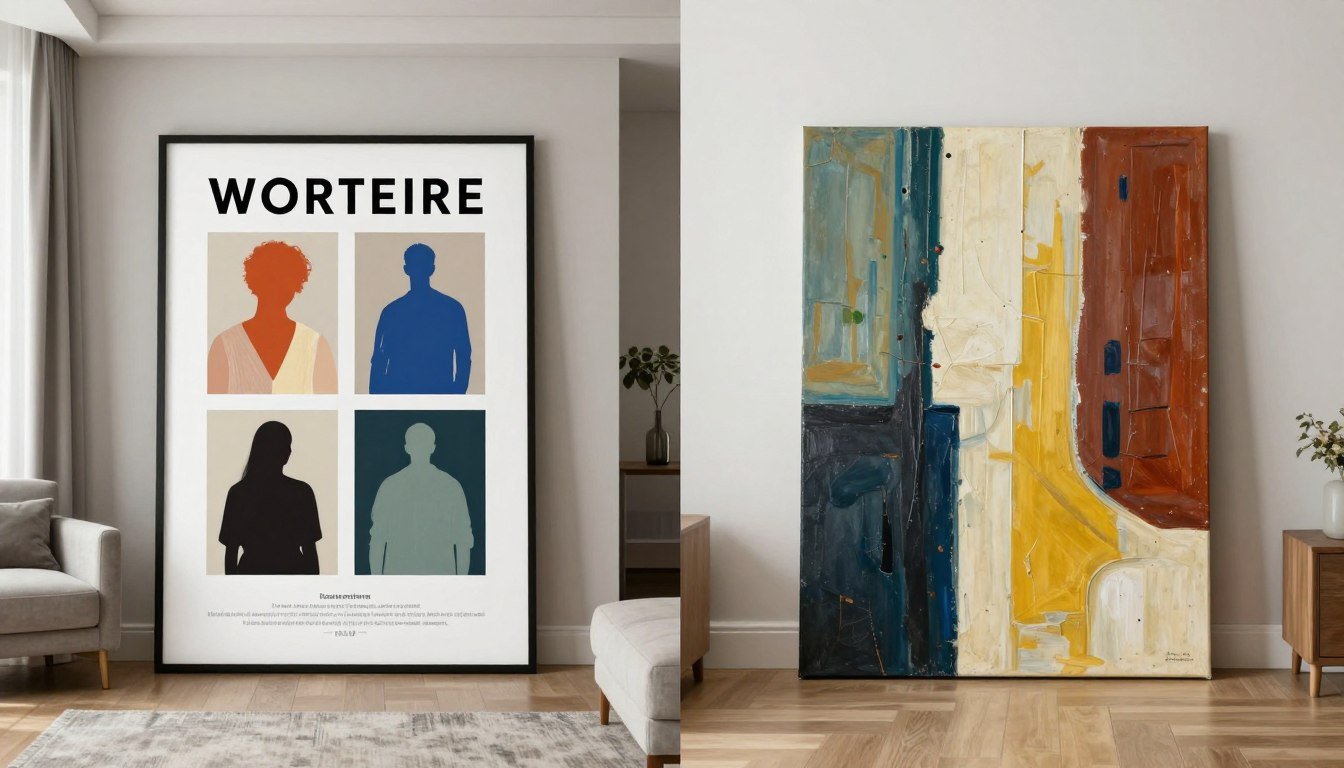

Choosing wall art transforms your space. The decision between mass-produced décor and fine art prints shapes not just your walls but your home's entire character. Many people face this choice without understanding what sets these options apart.
Mass-produced wall art floods the market. Original art and fine art prints offer something different. The distinction goes beyond price tags. It touches quality, emotional connection, and long-term value.
This guide explores both worlds. You'll discover what makes each type unique. Armed with this knowledge, you'll make confident choices that match your style and values.
What Is Mass-Produced Wall Art?

Mass-produced wall art refers to decoration created in large quantities. Production often happens through digital printing on basic materials. These pieces prioritize affordability over artistic intention.
The process strips away individuality. Machines print thousands of identical copies. No artist's hand touches the canvas. The result serves as decoration rather than art.
Characteristics of Mass-Produced Décor
These pieces share common traits. Understanding them helps buyers make informed choices.
- Digital reproduction with no original artwork
- Low-cost materials like thin paper or basic canvas
- Factory production with minimal quality control
- Generic designs found in multiple homes
- Limited lifespan due to material degradation
- No artist signature or certificate of authenticity
Common Materials and Production Methods
Production often relies on cheap substrates. Poster paper dominates the lower end. Basic canvas stretched over flimsy frames appears in mid-range offerings.
Printing technology varies. Offset printing handles paper posters. Digital inkjet printers manage canvas reproduction. Neither method involves traditional artistic techniques.
The materials tell the story. Thin canvases sag over time. Inks fade under sunlight. Frames warp with humidity changes. These products serve temporary decoration purposes.
Discover Quality Canvas Prints
Explore museum-quality canvas prints that bring artistic integrity to your home. Each piece features archival materials and professional craftsmanship.
Understanding Original Art and Fine Art Prints

Original art represents unique creative works. An artist conceives, designs, and executes each piece by hand. No two works emerge identical. This uniqueness defines fine art.
Fine art prints occupy a middle ground. Artists create limited editions from original works. Each print maintains quality standards. The artist oversees production and signs each piece.
What Defines Fine Art?
Several elements separate fine art from mass-produced décor. These factors affect both value and visual impact.
Artistic Intention
The artist creates with purpose. Every brushstroke carries meaning. The work expresses ideas, emotions, or concepts beyond mere decoration.
- Original creative vision guides production
- Artist controls every aspect of creation
- Work reflects personal artistic journey
- Conceptual depth beyond surface aesthetics
Quality Materials
Professional artists select archival materials. These choices ensure longevity. The investment protects artistic integrity across decades.
- Museum-grade canvas and papers
- Archival inks resistant to fading
- Professional stretching and framing
- Materials tested for permanence
Limited Production
Fine art prints exist in controlled numbers. Artists limit editions to maintain value. Each piece carries documentation proving authenticity.
- Numbered editions with certificates
- Artist signature on each print
- Production transparency and records
- Controlled release maintains exclusivity
Investment Value
Quality art appreciates over time. The combination of artistry and scarcity drives long-term value. Collectors recognize this potential.
- Value increases with artist reputation
- Limited editions become scarcer
- Provenance enhances worth
- Resale market exists for quality pieces
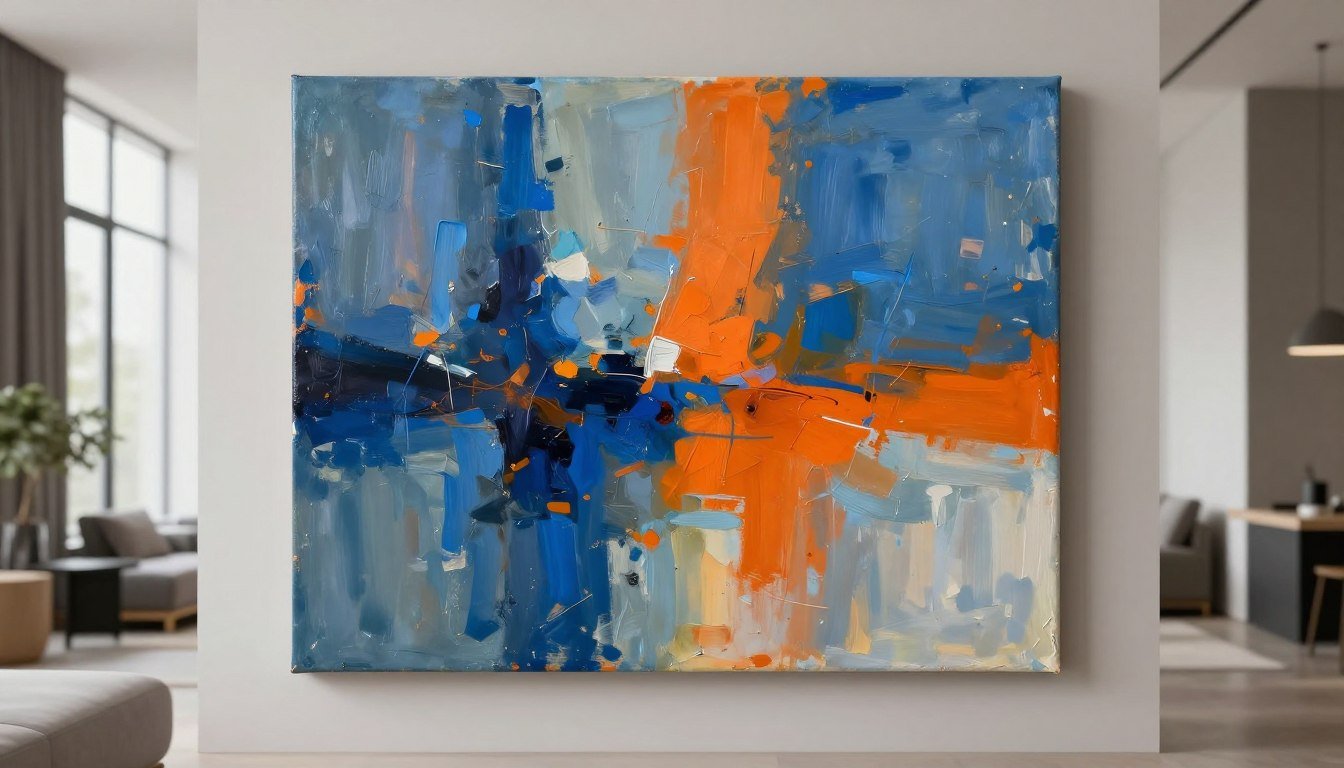
Artists like Chiara Rossetti exemplify this approach. Her original paintings demonstrate artistic mastery. Each work carries distinctive style and emotional depth.

Abstract Expression
Bold geometric designs that command attention. These abstract canvas prints transform any space with modern sophistication.

Portrait Elegance
Expressive figurative works bring human emotion to your walls. Portrait canvas prints add depth and character to bedrooms and studies.

Natural Beauty
Botanical themes connect your interior to nature. These botanical wall art prints create calming atmospheres in any room.
Mass-Produced Wall Art vs Original Art: Quality Differences

Quality distinctions become apparent under examination. The differences extend beyond initial appearance. Materials, craftsmanship, and longevity separate these categories.
Material Quality and Durability
Mass-produced décor uses cost-cutting materials. Thin canvas stretches over lightweight frames. Inks lack UV protection. These compromises show within months.
Fine art prints employ professional-grade materials. Heavy-weight canvas resists sagging. Archival inks maintain color intensity for decades. The difference justifies the investment.
Mass-Produced Materials
- Thin canvas prone to warping
- Water-based inks that fade quickly
- Stapled corners that loosen over time
- Basic frames without proper support
- No protective coatings or treatments
Fine Art Print Materials
- Professional canvas with stable weave
- Archival pigment inks for permanence
- Gallery-wrapped edges for seamless display
- Solid wood stretcher bars
- UV protective varnish coatings
Visual Impact and Detail
Production quality affects visual presence. Mass-produced pieces show visible printing patterns. Colors appear flat. Detail gets lost in compression.
Fine art prints capture subtlety. Color gradients transition smoothly. Texture remains visible. The artwork communicates as the artist intended.
People notice the difference immediately. Guests comment on fine art. Mass-produced décor blends into backgrounds. The visual impact shapes the entire space atmosphere.
Long-Term Value: Investment Perspective

Value considerations extend beyond purchase price. The total ownership cost includes replacement frequency. Mass-produced art requires regular updates as pieces deteriorate.
Fine art prints maintain appearance over decades. Original artwork often appreciates. Collectors view quality pieces as assets rather than expenses.
Understanding Art as Investment
The art market rewards quality and scarcity. Established artists see steady value growth. Limited edition prints become harder to find over time.
Mass-produced décor has no resale market. The pieces depreciate to zero value. This reality changes the economic equation significantly.
Investment Insight: Quality art from emerging artists offers the best value proposition. You acquire work before prices rise while supporting living creators. Research shows limited edition prints from promising artists appreciate 15-30% annually during career growth phases.
The art investment market continues growing. Collectors recognize fine art prints as accessible entry points. These pieces combine affordability with genuine investment potential.
Cost Per Year Analysis
Smart buyers calculate ownership costs annually. This perspective reveals true value differences.
| Artwork Type | Initial Cost | Lifespan | Annual Cost | Resale Value |
| Mass-Produced Poster | £20-50 | 2-3 years | £10-25 | £0 |
| Budget Canvas Print | £50-100 | 3-5 years | £15-30 | £0 |
| Fine Art Print | £150-400 | 20+ years | £7-20 | 50-150% of cost |
| Original Artwork | £500-5000+ | Lifetime | £5-50 | 100-500% of cost |
The numbers reveal surprising truths. Quality art costs less annually than cheap alternatives. Factor in potential appreciation and the advantage grows dramatically.
Match Art to Your Space
Every room deserves artwork that enhances its purpose. From calming bedroom pieces to energizing office art, find collections curated for specific spaces.
Emotional Connection and Personal Style

Art creates emotional connections. The relationship between viewer and artwork defines its true value. Mass-produced décor rarely sparks deep responses.
Original art and fine art prints carry the artist's vision. Each piece tells a story. Buyers develop relationships with works that resonate personally.
Why Emotional Connection Matters
Your home reflects your identity. The artwork you choose communicates values and taste. Meaningful pieces start conversations and create memories.
Mass-produced décor lacks this dimension. Generic designs appear in countless homes. The familiarity undermines uniqueness. Your space deserves better.
Benefits of Meaningful Art
- Creates personal sanctuary feeling at home
- Sparks genuine conversation with guests
- Reflects your authentic style and values
- Provides daily inspiration and joy
- Builds connection to artistic community
- Supports living artists and their craft
Limitations of Generic Décor
- Lacks unique character or distinction
- Appears in many other homes identically
- Provides no lasting emotional satisfaction
- Requires frequent replacement from boredom
- Offers no connection to creative source
- Contributes to disposable consumer culture
Building Your Personal Collection
Starting an art collection seems daunting. The process becomes manageable with clear steps. Begin with pieces that genuinely move you.
Trust your instincts. You'll know when artwork speaks to you. That connection matters more than following trends. Your collection should reflect your journey.
Consider exploring diverse styles. Line art canvas prints offer minimalist elegance. Black and white canvas prints provide timeless sophistication. Each style creates different moods.
How to Choose Between Mass-Produced and Original Art

Your decision depends on multiple factors. Budget plays a role but shouldn't dominate thinking. Consider your goals for the space and artwork purpose.
Key Questions to Ask Yourself
These questions guide smart choices. Answer honestly to clarify priorities.
- How long do I plan to keep this artwork?
- Does this piece reflect my authentic style?
- Will I grow tired of seeing this daily?
- Do I want conversation-starting art?
- Am I buying for decoration or investment?
- Does quality matter for this particular space?
- Will this piece adapt to future interior changes?
When Mass-Produced Options Work
Certain situations suit mass-produced décor. Temporary living arrangements justify lower investment. Rental properties with frequent turnover benefit from inexpensive options.
Short-term staging also fits this category. Real estate professionals use affordable art for property showings. The pieces serve immediate purposes without long-term commitment.
When to Invest in Quality Art
Permanent residences deserve quality artwork. The pieces you see daily significantly impact mood and wellbeing. This influence justifies careful selection.
Spaces receiving guest attention also warrant investment. Entryway wall art creates first impressions. Dining room wall art décor sets the tone for gatherings.
Consider special areas like children's rooms. Kids and nursery canvas prints shape developing aesthetic sensibilities. Quality pieces grow with children rather than requiring replacement.
Exploring Diverse Artistic Styles
Your space benefits from thoughtful style selection. Different genres create distinct atmospheres. Understanding options helps match art to purpose.
Modern enthusiasts gravitate toward pop art canvas prints. Urban dwellers appreciate cityscape canvas prints. Automotive fans discover cars canvas prints that celebrate their passion.
Film lovers find inspiration in movie canvas art prints featuring icons and legends. Nature enthusiasts connect with animal canvas prints that bring wildlife indoors.
Multiple pieces create cohesion through canvas print sets. These curated combinations take guesswork out of coordination. The unified vision elevates entire walls.
Exploring Original Paintings and Sculptures

Canvas prints offer accessibility. Original paintings and sculptures provide ultimate uniqueness. These works represent the pinnacle of art collecting.
Each original painting exists as a singular creation. The artist's hand produced every element. Brushstrokes carry energy and intention impossible to replicate.
Sculptures add dimensional presence. These three-dimensional works interact with space differently than wall art. Light plays across surfaces throughout the day. The pieces change with viewing angles.
The Case for Original Artworks
Owning original art connects you directly to creative expression. No reproduction intermediates between artist and viewer. The experience carries profound authenticity.
Collectors understand this distinction. Original works command premium prices for good reason. The investment combines aesthetic pleasure with financial growth potential.
Explore original paintings by Chiara Rossetti to experience true artistic craftsmanship. Each work demonstrates mastery developed over years of dedicated practice.
Modern Sculptures for Contemporary Spaces
Sculptural art transforms interiors dramatically. These pieces command attention without overwhelming spaces. The right sculpture becomes a room's focal point.
Modern designs complement contemporary décor. Clean lines and abstract forms suit minimalist aesthetics. Traditional sculpture adds gravitas to classic interiors.
Consider modern sculptures that bridge art and design. These works function as both aesthetic statements and conversation pieces.
Ready to Transform Your Space?
Discover museum-quality canvas prints and original artwork. Every piece ships ready to hang with free worldwide delivery. Your walls deserve exceptional art.
Sustainability and Ethical Considerations

Environmental impact matters increasingly to conscious buyers. Art production affects the planet differently depending on methods and materials.
Mass-produced décor often involves problematic practices. Cheap materials come from unsustainable sources. Production happens in facilities with questionable labor standards. Transportation adds significant carbon footprint.
Environmental Impact of Mass Production
Large-scale production prioritizes cost over sustainability. Synthetic materials derive from petroleum products. Chemical inks release volatile organic compounds. Packaging creates excessive waste.
The short lifespan amplifies environmental cost. Pieces end up in landfills within years. The cycle of replacement multiplies resource consumption. This model proves unsustainable long-term.
Supporting Artists and Ethical Production
Buying from artists supports sustainable practices. Small-scale production minimizes waste. Artists typically choose quality materials that last. The extended lifespan reduces replacement needs.
You also support creative livelihoods directly. Artists receive fair compensation for their work. This economic model contrasts sharply with exploitative mass-production systems.
The Tate Museum's sustainability research highlights these distinctions. Conscious collectors increasingly factor environmental and ethical considerations into purchasing decisions.
Making Your Decision: Quality Over Quantity
The choice between mass-produced wall art and original art ultimately reflects personal values. Price differences exist but tell incomplete stories. Quality, longevity, and emotional satisfaction deserve equal weight.
Mass-produced décor serves specific purposes. Temporary needs justify temporary solutions. But permanent spaces benefit from thoughtful art selection.
Fine art prints and original works offer lasting value. These pieces grow with you rather than requiring replacement. The investment pays dividends through daily enjoyment and potential appreciation.
Start building your collection today. Choose pieces that genuinely resonate. Trust your instincts and invest in quality. Your walls will thank you for decades to come.
Explore additional art insights and guides to continue your journey toward creating a space that truly reflects your style and values.
Frequently Asked Questions
What is the main difference between mass-produced wall art and original art?
Mass-produced wall art is created in large quantities using digital printing on basic materials without artist involvement. Original art is unique, hand-created by artists using professional materials. Fine art prints fall between these, offering limited editions from original works with artist oversight.
Quality differences appear in materials, durability, and emotional impact. Original art and fine art prints maintain value over time while mass-produced pieces depreciate immediately. Quality canvas prints provide accessible fine art options.
Are fine art prints worth the higher price compared to mass-produced prints?
Yes, fine art prints justify higher costs through superior materials, extended lifespan, and potential value appreciation. When calculating cost per year of ownership, fine art prints often cost less than repeatedly replacing cheap alternatives.
Fine art prints use archival inks and professional canvas that last decades. They maintain appearance and can increase in value as artists gain recognition. Mass-produced pieces fade and deteriorate within years, requiring replacement.
How long do mass-produced canvas prints typically last?
Mass-produced canvas prints typically last 2-5 years before showing significant degradation. Fading, warping, and material deterioration become apparent relatively quickly due to low-quality materials and printing methods.
In contrast, fine art prints using archival materials maintain quality for 20+ years or longer. The investment in quality pays off through extended enjoyment without replacement costs.
Can I build an art collection on a budget?
Absolutely. Start with quality fine art prints rather than original paintings. Limited edition prints from emerging artists offer excellent value and investment potential. Build your collection gradually, focusing on pieces that genuinely resonate with you.
Consider diverse styles like abstract prints, line art, or botanical themes. These accessible options deliver quality without requiring massive budgets.
What should I look for when buying canvas prints online?
Check for archival quality materials, including fade-resistant inks and professional-grade canvas. Look for artist signatures or certificates of authenticity. Verify the seller provides detailed information about production methods and materials.
Consider canvas thickness, stretcher bar quality, and whether pieces arrive ready to hang. Reputable sellers like Rossetti Art provide complete specifications and quality guarantees.
How do I choose art for different rooms in my home?
Match artwork mood to room function. Living room art should be conversational and welcoming. Bedroom pieces benefit from calming themes. Office art should inspire productivity.
Consider color schemes and existing décor. Entryway art creates first impressions. Dining room pieces enhance gathering spaces. Select pieces that complement each area's purpose.
Is original art a good investment?
Original art can be an excellent investment, particularly from emerging artists showing promise. Research indicates quality art from developing artists appreciates 15-30% annually during career growth phases.
Focus on artists with strong technical skills and unique vision. Original paintings offer the highest appreciation potential. Limited edition fine art prints provide more accessible entry points into art investment.
What makes fine art prints different from posters?
Fine art prints use professional printing techniques on archival materials with artist involvement. Posters are mass-produced on basic paper without quality control. Fine art prints are numbered, signed, and documented. Posters are unlimited reproductions.
The materials differ dramatically. Fine art prints employ museum-quality canvas or paper with fade-resistant inks. Posters use cheap substrates and inks that deteriorate quickly. The quality difference becomes obvious over time.


Leave a comment
This site is protected by hCaptcha and the hCaptcha Privacy Policy and Terms of Service apply.