
Your living room walls tell a story. Right now, they might be whispering when they should be speaking boldly. Large wall art for living room spaces transforms empty walls into captivating focal points that define your entire home's aesthetic.
This comprehensive guide reveals exactly how to select oversized canvas art that commands attention without overwhelming your space. You'll discover professional sizing formulas used by interior designers. You'll learn placement techniques that create visual balance. Most importantly, you'll gain confidence in choosing statement wall art that reflects your personal style.

The transformation begins with understanding one fundamental principle. Size matters dramatically in wall art. A piece that looks substantial in a gallery can disappear on your living room wall. Conversely, truly large artwork creates an immediate focal point that anchors your entire design scheme.
Whether you're drawn to abstract geometric prints, botanical nature scenes, or modern portrait canvas prints, the right scale elevates your choice from mere decoration to genuine artistic statement. Let's explore how to make that happen in your living room.
3 Statement Pieces That Transform Living Rooms
Before diving into sizing formulas and placement rules, let's examine what actually works. These three carefully curated pieces demonstrate how large wall art for living room spaces creates instant impact.

Modern Abstract Flow
This oversized canvas art piece measures 60x40 inches and brings movement to any living room. The flowing organic shapes in terracotta and navy blue create a sophisticated focal point without overwhelming the space. Abstract canvas prints like this work exceptionally well above sectionals or long sofas.
The color palette grounds modern living spaces while adding warmth. The texture visible in the canvas adds depth that flat prints simply cannot achieve. This scale commands attention from the moment guests enter your room.

Botanical Drama
Large wall artwork ideas often center on bringing nature indoors. This 72x48 inch botanical print accomplishes that with gallery-level sophistication. The oversized tropical leaves create dramatic scale while maintaining an organic, calming presence.
Botanical wall art prints work beautifully in living spaces with neutral color schemes. The deep greens add life without clashing with existing decor. This piece demonstrates how statement wall art can be both bold and harmonious.

Contemporary Portrait Power
Portrait canvas prints at 54x36 inches bring human connection into your living room. This modern interpretation combines expressive brushwork with confident color choices. The result speaks to personal style while maintaining universal appeal.
Big modern wall art in portrait form creates conversation and adds personality. The scale ensures the artwork functions as more than background decoration. It becomes a defining element of your room's character and mood.
Each of these pieces demonstrates a crucial concept. Large wall art for living room spaces must be genuinely large. The 40-inch minimum width threshold ensures your artwork reads as a statement piece rather than an accent. Anything smaller risks getting lost on expansive walls.
What Actually Qualifies as Large Wall Art
The term "large" gets thrown around loosely in wall art discussions. Let's establish clear definitions based on how pieces function in real living rooms. Understanding these categories helps you shop effectively and avoid the common mistake of buying art that seems big online but disappoints in person.

The Size Spectrum for Living Room Wall Art
Standard Art (Under 30 inches)
These pieces work well in galleries or small rooms. In a living room, they function best as part of a gallery wall rather than standalone statements. A 24x18 inch print simply doesn't command enough visual weight on a typical 10-12 foot wall.
Consider standard sizes for secondary walls, hallways, or grouped arrangements. They serve important roles but won't anchor your main living space effectively.
Large Art (30-50 inches)
This category marks the entry point for true statement wall art. A 40x30 inch piece begins to establish presence on a living room wall. These dimensions work particularly well in smaller living rooms or above furniture pieces like consoles.
Large artwork in this range balances impact with versatility. You create a focal point without overwhelming moderate-sized spaces. Many homeowners find this sweet spot ideal for their first significant art purchase.
Oversized Wall Art (50-72 inches)
Now we're talking serious impact. Oversized canvas art in the 60x40 to 72x48 inch range dominates walls in the best possible way. These pieces transform rooms from decorated to designed.
This scale suits standard living rooms with 8-10 foot ceilings and walls ranging from 10-14 feet wide. The artwork becomes the undeniable focal point that organizes all other design elements around it.
Extra-Large Art (Over 72 inches)
Reserved for spacious living areas with high ceilings, extra-large pieces measuring 84 inches or more create gallery-style environments. These work in open-concept spaces, lofts, or rooms with 12+ foot ceilings.
Big modern wall art at this scale requires careful consideration of viewing distance and ceiling height. The reward is a truly museum-quality presentation that elevates your entire home.

How Size Changes Visual Impact
The psychological effect of wall art sizes differs dramatically. A 30-inch piece asks viewers to approach and examine it. A 60-inch piece commands attention from across the room. This difference fundamentally changes how artwork functions in your living space.
Consider your viewing distances. Most people view living room wall art from 8-12 feet away when seated. At that distance, artwork needs substantial size to register proper visual impact and detail. This explains why pieces that look impressive in showrooms often disappoint on home walls.
Professional interior designers follow the two-thirds rule. Your artwork should span roughly two-thirds the width of the furniture below it. For a 90-inch sofa, that suggests a 60-inch wide piece. This proportion creates visual harmony and ensures appropriate scale.
Quick Sizing Formula
Measure your wall width in inches. Multiply by 0.60 to 0.75. The result indicates your ideal artwork width range. For a 120-inch wall, you want art between 72-90 inches wide. This formula prevents both undersizing and overwhelming your space.
Wall art sizes also interact with ceiling height. Standard 8-foot ceilings accommodate art up to 48 inches tall comfortably. Nine-foot ceilings open up to 60-inch heights. Ten-foot and higher ceilings welcome 72-inch tall pieces without feeling cramped.
The frame adds another consideration. A floater frame typically adds 2-3 inches to each dimension. Factor this into your measurements when determining appropriate size. That 60x40 inch canvas becomes approximately 63x43 inches when framed.
Choosing the Perfect Size for Your Living Room
Generic advice about large wall art for living room spaces falls short because every living room differs. Your room's dimensions, furniture arrangement, ceiling height, and architectural features all influence ideal art size. Let's break down the decision systematically.

The Wall Width Method
Start by measuring your available wall space. Don't measure corner to corner if furniture or windows interrupt the wall. Measure the actual empty wall space where art will hang. This measurement becomes your starting point.
For a completely empty wall, aim for artwork spanning 50-75% of the total width. On a 144-inch (12-foot) wall, that suggests 72-108 inches of art width. You can achieve this with a single oversized piece or multiple panels in a set.

Canvas print sets offer flexibility for very wide walls. Three 30x40 inch panels spaced 4-6 inches apart create a 100+ inch combined display. This approach works beautifully for long wall artwork needs in open-concept spaces.
The Furniture Proportion Method
If art hangs above furniture, different rules apply. The artwork width should be 60-75% of the furniture width below it. This creates balanced proportions that feel intentional rather than arbitrary.
Common Furniture Dimensions
- Standard sofa: 84-96 inches → 50-72 inch art
- Sectional: 100-120 inches → 60-90 inch art
- Loveseat: 58-64 inches → 35-48 inch art
- Console table: 48-60 inches → 30-45 inch art
- Fireplace mantel: varies widely → measure carefully
These ranges provide guidelines, not rigid rules. A stunning piece slightly outside the range can still work beautifully if other proportions align. Consider the overall visual balance rather than exact mathematical precision.
The space between furniture top and art bottom matters too. Maintain 6-10 inches of clearance. This breathing room prevents the cramped look that occurs when artwork sits too close to furniture.

The Ceiling Height Factor
Vertical space is equally important as width. Ceiling height limits how tall your artwork can comfortably be. Standard 8-foot ceilings work best with art under 48 inches tall. You need adequate space above the artwork to avoid a crowded appearance.
Calculate maximum art height by subtracting 24-30 inches from ceiling height. An 8-foot (96-inch) ceiling accommodates 66-72 inch tall art maximum. Leave roughly 12-18 inches above the art to the ceiling for proper visual breathing room.
- Maximum art height: 48 inches
- Ideal orientation: horizontal/landscape
- Works with: most standard canvases
- Best practices: emphasize width over height
8-Foot Ceilings
- Maximum art height: 60-66 inches
- Ideal orientation: flexible, square works well
- Works with: oversized wall art
- Best practices: can use portrait orientation
9-10 Foot Ceilings
- Maximum art height: 72+ inches
- Ideal orientation: any, including vertical
- Works with: extra-large gallery pieces
- Best practices: embrace dramatic scale
11+ Foot Ceilings
Portrait orientation artwork (taller than wide) requires higher ceilings to work effectively. A 40x60 inch piece needs at least 9-foot ceilings. In rooms with standard 8-foot ceilings, stick with landscape or square formats for large wall art for living room applications.
The Viewing Distance Calculation
How far away you'll view the artwork influences ideal size. Measure the distance from your primary seating area to the wall. This viewing distance determines how large art should be for comfortable appreciation.
The general rule suggests art width should be 25-33% of viewing distance. If you sit 120 inches (10 feet) from the wall, optimal art width ranges from 30-40 inches minimum. For true impact as a focal point, push toward 50-60 inches or more.

Closer viewing distances allow smaller art. In compact living rooms where seating sits 6-8 feet from walls, 30-40 inch artwork functions effectively as a statement piece. The reduced distance makes the art appear proportionally larger.
Open-concept spaces present challenges. With seating potentially 12-15 feet from walls, you need genuinely large artwork to maintain visual presence. Consider 72-inch or wider pieces for these expansive settings.
Match This Vibe to Your Space
Now that you understand sizing fundamentals, explore curated collections organized by style and mood. Each collection features large-scale pieces designed specifically for living room impact. Find artwork that resonates with your aesthetic and transforms your walls into gallery-worthy displays.
Large Wall Art Styles That Define Living Rooms
Size creates impact, but style determines character. The art style you choose for your living room communicates volumes about your aesthetic preferences and lifestyle. Let's explore the major style categories that work exceptionally well at large scale.

Abstract and Geometric Art
Abstract canvas prints dominate the large wall art market for good reason. These pieces bring color, movement, and visual interest without imposing specific subject matter. Abstract art works with virtually any decor style because it adapts to the viewer's interpretation.
Big modern wall art in abstract form commands attention through bold brushstrokes, color blocking, or geometric patterns. The scale amplifies the emotional impact of color and composition. A 60x40 inch abstract in deep blues and gold creates an entirely different mood than the same size piece in warm terracottas and cream.

Geometric Abstracts
Clean lines and defined shapes create structure within abstraction. Geometric patterns in large format bring sophisticated modernity to living spaces. These pieces pair beautifully with contemporary furniture and clean-lined design.

Expressive Abstracts
Flowing brushstrokes and organic forms inject energy and movement. These pieces feel more emotional and dynamic. The painting texture visible in canvas adds depth that engages viewers at multiple distances.
Abstract artwork offers the most flexibility for coordinating with existing decor. Pull a single color from the painting to echo in throw pillows, blankets, or accent furniture. This technique creates cohesion without matching too precisely.
Explore the abstract canvas prints collection to see how color, composition, and scale combine to create living room focal points that never feel dated.
Botanical and Nature Wall Art
Bringing nature indoors remains an enduring design trend. Botanical wall art prints at large scale create serene, organic focal points. Oversized leaves, floral details, or landscape photography connect living spaces with the natural world.

The scale matters enormously with botanical art. A small fern print feels decorative. A 72-inch monstera leaf becomes architectural. Size transforms botanical subjects from pretty accents into powerful statements that ground your design scheme.
- Tropical foliage in oversized format
- Detailed floral close-ups at large scale
- Forest and tree landscapes
- Botanical illustrations enlarged dramatically
- Nature photography printed oversized
Botanical wall art prints work exceptionally well in rooms with neutral color palettes. The organic greens, browns, and earth tones add life without overwhelming. These pieces complement both modern and traditional furniture styles.
Consider the level of detail in botanical art. Highly detailed pieces reward close viewing but also read clearly from across the room when printed large. The right balance ensures your statement wall art functions at all viewing distances.
The botanical nature prints collection offers everything from dramatic tropical leaves to delicate flowering branches, all scaled for living room impact.
Portrait and Figure Art
Human subjects in portrait canvas prints create immediate emotional connection. Large-scale portraits transform from simple decoration into genuine artistic statements. The human figure at 54x36 inches or larger commands attention and adds personality to living spaces.

Contemporary portrait art differs dramatically from traditional portraiture. Modern interpretations use bold colors, expressive brushwork, or abstract elements. The result feels artistic rather than photographic, making portraits work in more design contexts.
Portrait orientation (taller than wide) works beautifully for figure art but requires adequate ceiling height. Ensure you have 10+ foot ceilings for vertically oriented portraits larger than 48 inches tall. In standard-height rooms, choose horizontal compositions or square formats.
Portrait Art in Living Rooms
Large portrait art works best as a solo focal point rather than in groupings. The human face naturally draws and holds attention. One powerful portrait piece creates more impact than multiple smaller portraits competing for focus.
Visit the portrait canvas collection to discover how contemporary figure art can define your living room's character and create conversation-worthy focal points.
Black and White Photography and Line Art
Monochromatic large wall art for living room applications offers sophisticated simplicity. Black and white canvas prints bring timeless elegance without color coordination concerns. These pieces work universally, making them ideal for frequently redecorated spaces.

Photographic Black & White
Architectural subjects, landscapes, or abstract photography in black and white create drama through contrast and composition. The lack of color focuses attention on form, texture, and tonal range.

Line Art Minimalism
Simple continuous line drawings at large scale create striking focal points with minimal visual weight. Line art canvas prints work beautifully in minimalist or Scandinavian-inspired spaces.
The beauty of black and white statement wall art lies in its versatility. These pieces adapt as your color scheme evolves. Change throw pillows from blue to green, and your black and white art still works perfectly. This flexibility makes monochromatic art an excellent investment.
Monochromatic doesn't mean boring. Large-scale black and white art creates high-contrast focal points that draw the eye as effectively as colorful pieces. The simplicity actually enhances impact by eliminating color as a competing element.
Cityscape and Urban Art
Urban landscapes bring energy and sophistication to living rooms. Cityscape canvas prints at large scale transport viewers to iconic locations or celebrate metropolitan aesthetics. These pieces particularly resonate with urban dwellers and architecture enthusiasts.

The long wall artwork format often suits cityscapes naturally. Horizontal panoramic views of skylines work beautifully above sofas or sectionals. The wide format echoes the expansive urban views depicted in the artwork.
Choose cityscapes with personal meaning when possible. Art depicting cities you've lived in or dream of visiting creates emotional connection beyond pure aesthetics. The piece becomes a conversation starter and personal statement.
Discover urban-inspired pieces in the cityscape canvas collection, featuring both iconic skylines and abstract urban compositions scaled for living room impact.
Pop Art and Cultural Icons
Bold, graphic, and instantly recognizable - pop art canvas prints inject personality and fun into living spaces. Large-scale pop art or cultural icon artwork makes definitive style statements. These pieces work best in contemporary, eclectic, or entertainment-focused living rooms.

The movie canvas art print and music legend categories create instant recognition. Whether it's classic Hollywood icons or rock legends, these pieces celebrate culture and personality. They work particularly well in media rooms, entertainment spaces, or homes with dedicated music areas.
Pop art demands commitment. The bold colors and graphic style dominate visually. Ensure you genuinely love the piece and subject matter, as these aren't subtle backgrounds. That said, when you love pop art, nothing else creates the same energetic, personality-driven impact.
Wall Art Placement Ideas That Create Balance
You've selected the perfect large wall art for living room. Now comes the critical question: where exactly does it go? Proper placement makes the difference between artwork that enhances your space and art that feels awkwardly positioned.

The Eye-Level Rule (With Modifications)
Gallery professionals hang art with the center at 57-60 inches from the floor. This "eye level" standard works for viewing art while standing. However, living rooms present a unique challenge - you primarily view art while seated.
Adjust the rule for living spaces. When art hangs above furniture, position it 6-10 inches above the furniture top rather than strictly following center-eye-level guidelines. This ensures appropriate visual connection between furniture and artwork.
Placement Over Furniture
- Measure 6-10 inches from furniture top
- Mark the bottom edge of artwork at this height
- Center artwork horizontally over furniture
- Step back to verify visual balance
- Adjust slightly if needed before finalizing
The 6-10 inch guideline provides flexibility. Use the lower end (6-7 inches) for standard-height furniture and smaller art. Use the higher end (9-10 inches) for low-profile furniture or extra-large artwork.
Oversized wall art often looks better positioned slightly lower than traditional guidelines suggest. The large scale means the artwork's visual center sits naturally at seated eye level even when hung lower.
Creating a Focal Point Above the Sofa
The wall behind your sofa typically serves as the primary focal point wall. This location receives the most visual attention in most living room layouts. Large wall art for living room spaces excels in this prominent position.

Ensure your artwork spans at least 60% of the sofa width, ideally 65-75%. An 84-inch sofa calls for 50-63 inch wide artwork minimum. Going larger creates more impact. Canvas print sets offer flexibility to cover very wide sectionals effectively.
Center the artwork horizontally over the sofa center, not the wall center. If your sofa doesn't center on the wall (common in asymmetrical layouts), centering art over the sofa creates proper visual balance within the furniture grouping.
Sectional Sofa Considerations
With L-shaped sectionals, hang art above the longer section. Treat that section as your "sofa" for proportioning purposes. The artwork should relate to the section below it, not the entire sectional footprint. If your sectional spans two walls, consider art on both walls for balanced design.
Empty Wall Statements
Bare walls without furniture below offer different opportunities. Here, the artwork functions as pure architectural statement rather than furniture-related element. You can embrace maximum scale without furniture proportion concerns.

Return to the 57-60 inch center-height rule for empty walls. Without furniture anchoring the space, traditional gallery hanging creates appropriate relationships with room architecture. The piece should feel grounded but not low.
Empty walls accommodate the largest artwork your ceiling height permits. A 12-foot wall can handle 72-90 inch wide art comfortably. Leave roughly 12-24 inches of wall space visible on each side of the artwork for visual breathing room. The art should dominate without touching walls or ceiling.
Above Fireplace Mantels
Fireplaces present unique placement challenges. The mantel serves as "furniture" for proportioning purposes, but the fireplace itself adds visual weight. Balance requires careful consideration of mantel size, hearth depth, and fireplace design.

Traditional Mantels
Position art 4-6 inches above the mantel top. The artwork width should be narrower than the mantel width to maintain proper proportion. Leave space on both ends for mantel decor like candlesticks or vases.

Modern Wall-Mount Fireplaces
With no mantel, position art 8-12 inches above the fireplace opening. These modern designs often span wider than traditional fireplaces, requiring larger artwork for appropriate proportion.
Consider heat and smoke when hanging art above fireplaces. Wood-burning fireplaces generate significant heat and potential smoke exposure. Maintain at least 12 inches clearance and consider heat shields if the fireplace sees regular use. Canvas prints handle heat better than paper-based artwork.
Corner and Angled Wall Placement
Not all walls present straightforward hanging opportunities. Corners, angled walls, and architectural features require adapted approaches. Large wall artwork ideas must account for viewing angles and visual flow.

Place art on the longer wall section when dealing with corners. Artwork too close to corners creates awkward visual tension. Leave at least 18-24 inches between artwork edge and inside corners for comfortable visual space.
Angled walls (common in vaulted ceiling rooms) benefit from portrait-oriented artwork. The vertical emphasis complements and emphasizes the upward angle rather than fighting against it. Ensure the art hangs plumb (straight) even though the wall angles.
Gallery Wall Configurations
Multiple pieces can create impact similar to single oversized art. Gallery walls require careful planning to avoid chaotic appearance. When incorporating large pieces into gallery walls, they should anchor the arrangement.

Use one large piece (40+ inches) as the gallery wall anchor. Position smaller pieces around it rather than creating a grid of similar-sized art. This creates hierarchy and prevents visual confusion.
- Start with the largest piece as anchor
- Maintain consistent spacing between pieces (2-4 inches)
- Create an overall rectangular or square footprint
- Use odd numbers of pieces when possible
- Plan layout on floor before hanging
- Relate frames or matting for cohesion
Gallery Wall Dos
- Mix too many competing large pieces
- Use wildly inconsistent spacing
- Create chaotic shapes without boundaries
- Place pieces too high or too low
- Hang without planning arrangement first
- Mix completely unrelated styles randomly
Gallery Wall Don'ts
Consider exploring canvas print sets designed to work together. These pre-coordinated pieces eliminate guesswork and ensure cohesive gallery wall arrangements.
Coordinating Art Color With Your Living Space
Color creates the emotional foundation of your living room. Large wall art for living room spaces influences that foundation dramatically due to sheer size. Understanding color coordination ensures your statement piece enhances rather than clashes with your existing design.

The Color-Pulling Method
The simplest coordination approach involves pulling colors from your artwork into other room elements. Your large artwork becomes the color scheme inspiration. This method works beautifully when starting with art selection first or refreshing a room.
Select 2-3 colors from your artwork to echo throughout the space. These colors appear in throw pillows, blankets, area rugs, or small accent pieces. You don't need exact matches - similar tones create cohesion without looking overly coordinated.
Warm Color Schemes
Artwork featuring reds, oranges, yellows, and warm earth tones creates inviting, energetic environments. These colors make spaces feel cozier and can make large rooms feel more intimate. Pull warm tones into textiles and wood finishes for cohesive design.

Cool Color Schemes
Blues, greens, purples, and cool grays create calm, serene atmospheres. Cool-toned art works exceptionally well in bright, sunny rooms where you want to add visual cooling. Echo cool tones in metal finishes, glass accessories, and fabric choices.

Neutral Foundations With Bold Art
Many modern living rooms feature neutral color palettes - grays, whites, beiges, and natural wood tones. This approach provides the perfect canvas for bold, colorful statement wall art. The artwork injects personality without overwhelming.

When your walls, furniture, and flooring lean neutral, artwork can be as bold as you dare. Vibrant abstract canvas prints or colorful botanical art won't clash because there's nothing to clash with. The neutral backdrop allows the artwork to shine.
This approach offers flexibility. Change your art, and you've effectively changed your room's entire color story. Neutral foundations adapt easily, making future redesigns simpler. The investment in quality neutral furniture pays dividends as tastes evolve.
The 60-30-10 Rule Applied to Art
Interior designers use the 60-30-10 rule: 60% dominant color, 30% secondary color, 10% accent color. Your walls and large furniture pieces provide the 60%. Your artwork can function as either the 30% (complementary to existing scheme) or the punchy 10% (bold accent that pops). Choose based on whether you want art to blend or command attention.
Monochromatic and Tonal Approaches
Not all impactful art relies on color variety. Monochromatic pieces - whether black and white prints or tonal pieces using variations of a single color - create sophisticated focal points through composition, texture, and value rather than color contrast.

Black and white canvas prints work in literally any color scheme. This universal compatibility makes monochromatic art an safe choice when unsure about color coordination. The high contrast creates visual impact without color concerns.
Tonal art (using shades of one color) adds subtle sophistication. A painting featuring multiple blue values creates depth and interest while maintaining color harmony. These pieces work beautifully in rooms where you want art presence without color competition.
Browse the black and white canvas collection for timeless pieces that work with evolving color schemes and design preferences.
Complementary and Contrasting Choices
Color theory provides useful frameworks for art selection. Complementary colors (opposite on the color wheel) create dynamic, energetic combinations. Analogous colors (adjacent on the wheel) create harmonious, calm pairings.
Complementary Color Pairings
- Blue and orange create vibrant energy
- Purple and yellow provide bold contrast
- Red and green offer classic balance
- These combinations demand attention
- Use for maximum visual impact
Analogous color schemes feel more subtle and harmonious. Blue-green-teal or red-orange-yellow create gentle transitions rather than bold contrasts. These combinations suit calming, cohesive design approaches.
Your existing room colors should guide art color choices. If your room features cool tones, artwork with warm accents adds balance without clashing. Small amounts of complementary color create interest without overwhelming.
Seasonal Flexibility Through Art Rotation
Consider collecting multiple large pieces that you rotate seasonally. Summer might call for cool blues and greens. Fall welcomes warm oranges and browns. This approach keeps your living space feeling fresh without complete redesigns.

Rotating art requires proper storage for pieces not currently displayed. Canvas prints should be stored flat or hanging in climate-controlled spaces. Avoid leaning multiple canvases against each other, which can damage edges and surfaces.
The investment in multiple quality pieces pays dividends in long-term satisfaction. Your living room evolves with seasons, holidays, and moods without requiring furniture changes or painting walls. The flexibility prevents design fatigue.
Styling Large Wall Art in Real Living Rooms
Seeing large wall art in context helps visualize possibilities for your own space. These styling demonstrations show how different art styles and sizes transform actual living rooms from ordinary to extraordinary.
The video above demonstrates professional techniques for selecting and placing oversized canvas art. Notice how room dimensions, lighting, and furniture arrangement all influence art selection. These real-world examples provide practical guidance beyond theoretical rules.
Pay attention to the transformation impact. Before-and-after comparisons reveal how dramatically the right large wall art for living room spaces changes the entire feel. The room shifts from unfinished to designed, from generic to personalized.
This second video focuses on common mistakes when selecting large artwork. Understanding what doesn't work helps you avoid expensive errors. The examples show pieces that are too small, poorly placed, or inappropriately styled for their rooms.
Professional styling creates cohesion between artwork, furniture, and architecture. The art should feel like an intentional design element, not an afterthought. These demonstrations reveal how professionals think through art selection and placement systematically.
Frame and Canvas Options for Large Wall Art
The artwork itself represents only part of the equation. How that art presents - the canvas type, mounting method, and frame choice - significantly impacts final appearance and installation. Understanding your options helps make informed decisions.

Stretched Canvas (Gallery Wrap)
Most modern large canvas art comes as gallery-wrapped stretched canvas. The print wraps around the frame sides, creating a finished edge that requires no additional frame. This approach offers clean, contemporary presentation.
Gallery-wrapped canvas typically measures 1.5 to 2 inches deep. This depth creates subtle dimensionality on your wall. The sides can continue the image (gallery wrap) or display solid color (museum wrap). Gallery wrap works best when the image extends beautifully, while museum wrap suits images with important content that shouldn't curve around edges.
Advantages of Stretched Canvas
- Modern, clean aesthetic
- No additional frame expense
- Lightweight and easy to hang
- Image wraps continuously
- Suitable for any decor style
Considerations
- Canvas edges can show wear over time
- Less formal than framed presentation
- May feel too casual for traditional spaces
- Requires careful edge printing quality
- No glass protection for print surface

Floater Frames
A floater frame surrounds stretched canvas with a gap between canvas edge and frame interior. The artwork appears to "float" within the frame. This treatment adds sophistication while maintaining the canvas's modern appeal.
Floater frames suit contemporary and transitional spaces perfectly. They add formality without the traditional heaviness of regular frames. The floating effect draws attention to the artwork while providing a defined border that helps the piece stand out from the wall.

Floater frames typically add 2-3 inches to each dimension. A 60x40 inch canvas becomes approximately 64x44 inches when floater-framed. Account for this size increase when planning your wall layout and proportions.
Choosing Floater Frame Colors
Black floater frames create strong definition and suit modern aesthetics. Natural wood floater frames add warmth and work in transitional spaces. White or light wood frames suit coastal, Scandinavian, or minimalist designs. The frame color should complement your room's existing metal finishes and wood tones.
Traditional Frames With Matting
For prints on paper or photographs, traditional frames with matting offer classic presentation. This approach suits more formal living rooms or traditional decor styles. The matting creates breathing room between image and frame.
Large artwork in traditional frames becomes quite heavy. A 40x30 inch piece with glass, mat, and frame easily weighs 30-40 pounds. Ensure you use appropriate wall anchors and hanging hardware rated for the weight. Professional installation makes sense for pieces over 30 pounds.

Glass adds expense and weight but protects artwork from dust, moisture, and fading. For valuable pieces or family photographs, the protection justifies the cost. Consider UV-filtering glass for artwork exposed to direct sunlight.
Metal and Modern Frame Options
Sleek metal frames suit contemporary spaces and modern artwork particularly well. Thin metal frames provide definition without visual weight. They work beautifully with abstract art, photography, and geometric designs.

Black metal frames offer versatility and blend with most decor. Brushed gold or brass metal frames add warmth and luxury. Silver or chrome frames create cool, sophisticated looks. Choose metal finish based on existing hardware and fixtures in your space.
Metal frames tend to be lighter than wood frames, simplifying hanging for large pieces. The thin profile maximizes the visual presence of artwork while minimizing frame weight. This makes metal frames ideal for very large pieces where weight becomes a concern.
Pair metal frames with modern and contemporary art for cohesive presentation. The clean lines of metal frames can look out of place with traditional or rustic artwork where wood frames feel more appropriate.
Canvas Print Quality Considerations
The quality of the print itself matters as much as framing. Museum-quality canvas uses archival inks that resist fading for 75-100+ years. Lower-quality prints may show color shift within months, especially with sun exposure.
Canvas texture affects the final appearance. Fine weave canvas suits photographic prints and detailed artwork. Coarser weave emphasizes the painterly quality of abstract art and impressionistic pieces. The texture becomes more visible as print size increases.
Quality Checklist for Large Canvas Prints
- Archival pigment-based inks (not dye-based)
- Canvas weight of 360-400 gsm for durability
- Professional-grade stretcher bars (1.5" minimum)
- Tight, even stretching without waves or sags
- Sharp, crisp printing with accurate colors
- UV-protective coating on print surface
Ready-to-hang canvas arrives with hanging hardware already installed. This convenience saves time and ensures proper installation. The hardware should be rated for the canvas weight plus safety margin. Most quality prints include D-rings or wire hanging systems.
Explore museum-quality canvas prints that combine archival materials with professional printing techniques for lasting beauty in your living room.
Lighting Your Large Wall Art Effectively
Even the most stunning large wall art for living room spaces underperforms without proper lighting. Strategic illumination transforms good artwork into breathtaking focal points. Understanding lighting basics helps you showcase your investment properly.

Natural Light Considerations
Windows provide beautiful natural light but present challenges for wall art. Direct sunlight causes fading over time, even with UV-protective coatings. Position artwork perpendicular to windows when possible rather than directly opposite where sun hits throughout the day.
Morning sun differs from afternoon sun. East-facing walls receive gentle morning light. West-facing walls endure harsh afternoon sun. Consider your windows' orientation when placing statement wall art. Save those high-sun-exposure walls for artwork with significant UV protection or less valuable pieces.
Managing Sunlight Exposure
- Install UV-filtering window film
- Use sheer curtains to diffuse direct sun
- Rotate artwork seasonally to vary exposure
- Choose UV-coated prints for sunny walls
- Keep valuable originals away from windows
Glare presents another natural light challenge. Glass-covered frames reflect windows, creating bright spots that obscure the image. Position artwork to minimize reflection from your primary viewing angle. Sometimes this means offsetting placement slightly from the mathematical center.
Despite challenges, natural light enhances colors beautifully when managed properly. The dynamic lighting changes throughout the day keep artwork feeling fresh. Balance sun protection with natural light enjoyment.

Picture Lighting Options
Dedicated picture lights mounted above artwork provide focused illumination. These fixtures range from traditional brass picture lights to modern LED strips. Picture lighting works exceptionally well for art in dimmer rooms or for evening viewing.
LED picture lights offer energy efficiency and minimal heat output. This matters for canvas art, which can deteriorate with excessive heat exposure. Choose lights with adjustable arms to direct illumination precisely where needed on your large artwork.
Picture Light Sizing Guide
Picture light width should span 50-75% of artwork width. For a 60-inch wide piece, select a 30-45 inch picture light. This proportion ensures even illumination across the entire canvas without hot spots in the center or dark edges. Adjustable models allow fine-tuning.

Track and Recessed Lighting
If you're renovating or building, consider track lighting or recessed spotlights positioned to highlight wall art. This approach integrates lighting into the architecture rather than adding fixtures to walls. The result feels more designed and less added-on.
Track lighting offers flexibility to adjust as you change artwork. Position tracks 24-36 inches from the wall for optimal illumination angle. Use narrow-beam bulbs (25-40 degree spread) to focus light on artwork rather than washing the entire wall.
Recessed Lighting Advantages
- Clean, integrated appearance
- No visible fixtures on walls
- Works with any art style
- Permanent lighting solution
- Increases home value
Position recessed lights 24-30 inches from the wall. Aim fixtures at approximately 30-degree angle toward the artwork center. This prevents shadows while providing even coverage. Multiple adjustable recessed lights work best for very large pieces over 60 inches wide.
Ambient Room Lighting
General room lighting affects how artwork appears. Warm-toned bulbs (2700-3000K) create cozy atmospheres but can shift artwork colors toward yellow. Cool-toned bulbs (4000-5000K) reveal colors more accurately but may feel harsh in living spaces.
Consider installing dimmer switches for ultimate flexibility. Bright ambient light suits active daytime use. Dimmed lighting creates evening ambiance and allows picture lights to really showcase artwork as the focal point. This flexibility adapts the room to different uses and moods.

Layer your lighting. Combine ambient ceiling lights, task lighting (floor and table lamps), and accent lighting (picture lights). This layered approach creates depth and allows you to emphasize artwork when desired or blend it into overall room ambiance.
Color Temperature and Art Appearance
Light color temperature dramatically affects perceived artwork colors. Warm lighting enhances reds, oranges, and yellows while muting blues and greens. Cool lighting does the opposite. Choose bulb color temperature based on your artwork's dominant colors.
For neutral rooms with colorful abstract canvas prints, neutral white light (3500K) provides balanced color rendering. This middle ground prevents warm or cool shifts. Most LED picture lights offer 3000-3500K for this reason - it suits the widest range of artwork.
Testing Light Before Committing
Purchase sample bulbs in different color temperatures. Test them with your artwork at different times of day. Observe how colors shift. This simple test prevents expensive mistakes and ensures your art looks its best under your specific lighting conditions.
Museum-Quality Canvas, Ready to Hang

Every piece from the Rossetti Art collection features museum-quality materials built to last. UV- and fade-resistant HP latex inks resist fading. Premium artist-grade Fredrix poly-cotton canvas provides substantial weight and texture. Professional stretcher bars ensure perfect tension without warping.
Your large wall art for living room arrives ready to hang with pre-installed hardware. Free worldwide shipping means no surprise costs. Each canvas includes a protective coating that guards against dust and moisture while preserving colors.
Quality Features
- Archival pigment-based inks
- UV-protective surface coating
- Premium 360 gsm canvas
- Professional 1.5" stretcher bars
- Pre-installed hanging hardware
- Individually inspected and packaged
Your Confidence
- Free worldwide shipping
- Gallery-quality printing
- Ready to hang immediately
- Curated by artist Chiara Rossetti
- Satisfaction guaranteed
- Investment in lasting beauty
Hanging Large Wall Art Safely and Securely
Large canvas art requires proper installation. A 60x40 inch piece can weigh 15-30 pounds depending on framing. Understanding hanging methods prevents damage to walls and artwork. Let's walk through professional installation techniques.

Finding Studs and Using Wall Anchors
Always attempt to hang large wall art into wall studs when possible. Studs provide maximum support. Use an electronic stud finder to locate studs behind drywall. Mark stud centers with light pencil marks.
If studs don't align with your desired placement, quality wall anchors become essential. For drywall, toggle bolts or threaded anchors rated for 50+ pounds provide adequate support. Each anchor should be rated for at least twice the artwork weight for safety margin.
Wall Anchor Types
Toggle Bolts: Best for heavy pieces. The wings open behind drywall, distributing weight across a larger area. Rated up to 50+ pounds per anchor. Require larger holes but provide maximum security.
Threaded Anchors: Self-drilling anchors work well for medium-weight art (20-40 pounds). Easier installation than toggle bolts. Multiple anchors distribute weight effectively.
Molly Bolts: Good for plaster walls. Expanding sleeve grips wall firmly. Rated for 25-50 pounds. More involved installation but excellent hold.

Plaster walls require different approaches than drywall. Plaster is harder but more brittle. Drill pilot holes carefully to prevent cracking. Use masonry bits for plaster. The extra care prevents costly wall repairs.
Measuring and Marking Accurately
Precision prevents rehinging and extra wall holes. Measure twice, drill once. Calculate exact placement height based on earlier guidelines (57-60 inches to artwork center for empty walls, 6-10 inches above furniture).
Mark the hanger positions on the wall using the hanging hardware on the artwork as a template. For D-ring hangers, measure from the canvas top edge to each D-ring. Transfer these measurements to the wall. Use a level to ensure marks are horizontally aligned.

The Paper Template Method
Cut paper to your artwork's exact dimensions. Tape it to the wall at the desired position. Step back to verify placement and height. This lets you adjust without making holes. Once satisfied, mark through the paper for hanger positions. This method virtually eliminates placement errors.
Wire vs. D-Ring Hanging Systems
Large wall artwork typically uses either picture wire or D-rings for hanging. Each system has advantages. Understanding the differences helps you install correctly and troubleshoot if artwork hangs crooked.
Picture Wire Systems
Wire stretches between two points on the canvas back, usually D-rings or eye screws. You hang the wire over a single wall hook or nail. Wire allows minor adjustments after hanging. The wire should be braided steel rated for at least 3x the artwork weight.
Hang wire at approximately 1/3 down from the canvas top. This positioning creates proper angle and balance. Too high, and artwork tips away from wall. Too low, and you see wire above the frame top.
D-Ring Systems
D-rings attach to each side of the canvas back. Each ring hangs on its own wall anchor or nail. This two-point hanging prevents shifting and keeps artwork perfectly level. D-rings work better for very large pieces where stability matters most.
D-rings require precise marking since each side must hang at exactly the same height. Use a level to ensure marks align horizontally. The extra installation effort rewards you with rock-solid hanging that stays level indefinitely.

Leveling and Final Adjustments
Once hung, check level using a bubble level placed on the canvas top edge. Most walls aren't perfectly plumb, so your artwork may look level even when the bubble shows slightly off. Trust your eye for the final adjustment.
Canvas print sets require careful leveling of each piece. Small variations become obvious when multiple pieces hang together. Use consistent measurement from a reference point (ceiling, floor, or adjacent wall) for each piece. Maintain exact spacing between pieces.
Preventing Artwork Shift
Large artwork can shift on walls from vibration or accidental bumps. Place small adhesive felt pads or rubber bumpers on the bottom back corners. These grip the wall gently, preventing shift while protecting both wall and canvas. Museums use this simple trick universally.
When to Call Professionals
Some situations justify professional installation. Very large pieces over 72 inches, valuable original artwork, or installation on difficult walls (brick, concrete, tile) benefit from expert help. The peace of mind and insurance protection often justify the modest cost.
Professional installers carry specialized tools and anchors. They understand different wall types and can handle tricky situations like metal studs, lath-and-plaster walls, or installation over electrical outlets. Their experience prevents the trial-and-error that can damage walls or artwork.
Considering Original Paintings vs. Canvas Prints
While canvas prints offer accessibility and affordability, original paintings provide unique value. Understanding the distinction helps you make informed decisions about your large wall art for living room investments.

What Makes Original Art Special
Original paintings are one-of-a-kind pieces created directly by the artist. No two originals are identical, even from the same artist painting the same subject. This uniqueness appeals to collectors and those seeking truly distinctive living room focal points.
The texture in original work creates depth impossible to replicate in prints. Brushstrokes, palette knife marks, and paint buildup catch light differently throughout the day. This changing character keeps original artwork feeling alive in ways static prints cannot match.
Original Painting Advantages
- True one-of-a-kind artwork
- Visible brushstrokes and texture
- Investment potential (value appreciation)
- Direct connection to artist's process
- Conversation piece with authentic story
- Heirloom quality for generations
Original Painting Considerations
- Higher upfront investment
- Limited subject matter availability
- Longer acquisition process
- May require professional framing
- Insurance considerations
- Careful handling and maintenance needed

When Original Art Makes Sense
Original paintings suit collectors, art enthusiasts, and those furnishing high-end homes where uniqueness matters. If budget allows and you've found a piece that genuinely speaks to you, original art provides satisfaction that reproductions cannot match.
Consider originals for formal living rooms, statement walls in luxury homes, or when artwork functions as the room's primary design inspiration. The investment often pays returns through daily enjoyment and potential appreciation over time.
Explore the original paintings collection by Chiara Rossetti to discover made-to-order pieces available for your living room. Each original includes a certificate of authenticity and represents years of artistic development.
High-Quality Prints as Accessible Alternative
Museum-quality canvas prints bring art to more homes at accessible prices. Modern printing technology reproduces colors and details with remarkable accuracy. For most living rooms, excellent prints provide the visual impact sought without original art investment.
Quality prints allow you to change artwork as tastes evolve without guilt about selling valuable originals. This flexibility suits dynamic decorating styles. You can own multiple large pieces and rotate seasonally - impossible with original art budgets for most people.
The Hybrid Approach
Many sophisticated art collectors mix originals and high-quality prints. Feature one original painting in your primary focal point. Complement with quality prints in secondary locations. This approach maximizes budget while still incorporating original art's special character where it matters most.

The choice between original and print ultimately depends on personal values and budget. Both can create stunning living room focal points when selected thoughtfully and presented properly. Focus on choosing art you genuinely love rather than being driven solely by originality or price.
Large Wall Art Ideas for Different Living Room Styles
Your living room's existing style influences which large wall art types work best. Let's explore specific recommendations for popular interior design aesthetics. These targeted suggestions help narrow options and ensure cohesive results.

Modern and Contemporary Living Rooms
Clean lines, neutral palettes, and uncluttered spaces define modern design. Big modern wall art in these spaces should embrace simplicity while providing bold visual impact. Abstract geometric prints work beautifully, as do minimalist photography and line art.
Scale matters enormously in minimalist spaces where artwork may be the only decorative element. Go larger than you think necessary. A 72x48 inch piece becomes the singular focal point that defines the entire room's character.

Color in modern spaces tends toward monochromatic or limited palettes. Black and white canvas prints provide timeless sophistication. Alternatively, choose abstract art featuring one or two colors that pop against neutral backgrounds.

Contemporary design allows more color and pattern than strict minimalism. Botanical wall art prints in large format bridge modern and organic aesthetics. The natural subjects soften contemporary spaces without contradicting clean-lined furniture.
Visit the abstract geometric collection for modern living room art that embraces contemporary design principles while creating commanding focal points.
Traditional and Transitional Spaces
Traditional living rooms feature classic furniture, richer colors, and more ornate details. Large wall art for these spaces can embrace richer subject matter - landscapes, classical still life, or portraiture - while maintaining appropriate scale.
Framing becomes more important in traditional settings. Floater frames or traditional wood frames add formality that suits classic design. The frame becomes part of the overall aesthetic rather than merely functional.

Transitional design bridges traditional and contemporary. These spaces welcome more flexible art choices. Abstract art in traditional frames works beautifully, as does classical subject matter in modern presentation. This style offers the most freedom in mixing elements.
Color Richness in Traditional Rooms
Traditional spaces often feature deeper, richer wall colors - navy, forest green, burgundy. Large wall art must have sufficient color saturation to read clearly against darker backgrounds. Light-colored prints can disappear. Choose bold, confident pieces with substantial color presence.
Industrial and Urban Loft Spaces
Exposed brick, concrete, metal, and wood define industrial aesthetics. These spaces call for oversized wall art that matches the bold architectural character. Scale up dramatically - industrial spaces can handle extra-large pieces that would overwhelm traditional rooms.
Urban themes work naturally here. Cityscape canvas prints, architectural photography, or industrial abstract art complement exposed materials. Black and white photography particularly suits the raw, unfinished aesthetic.

Don't fear bold color in industrial spaces. The neutral backdrop of concrete and brick allows vibrant abstract art to shine. A pop of color breaks up the gray-brown palette without softening the space's edge.
Coastal and Beach-Inspired Rooms
Light, airy, and relaxed coastal living rooms embrace softer colors and natural materials. Large wall art should maintain the breezy feel. Ocean photography, abstract art in blues and aquas, or botanical prints featuring palms and tropical plants all work beautifully.
- Ocean and beach photography in large format
- Abstract art in coastal color palettes
- Tropical botanical prints for coastal warmth
- White or light wood frames for airiness
- Horizontal compositions echoing horizons

Scale still matters in coastal rooms. Just because the aesthetic is light doesn't mean artwork should be small. Large canvas art in soft colors creates impact without heaviness. The scale provides presence while color keeps the space feeling open.
Bohemian and Eclectic Interiors
Bohemian style celebrates color, pattern, texture, and collected items. These spaces welcome bold, colorful statement wall art. Mix abstract prints, portraits, and botanical art without worrying about perfect coordination. The eclectic collection IS the style.

Gallery walls suit bohemian spaces perfectly. Mix one large anchor piece (50+ inches) with smaller surrounding art, mirrors, and objects. The layered, collected look feels authentic to boho style. Don't stress about perfect alignment - intentional imperfection adds to the aesthetic.
Color fearlessly in bohemian rooms. These spaces can handle artwork with multiple bold colors that would overwhelm minimalist rooms. The key is ensuring the complexity feels joyful rather than chaotic. Some visual anchors (a large primary piece or repeated color) provide necessary cohesion.
Mid-Century Modern Living Rooms
The clean lines and organic curves of mid-century design pair beautifully with abstract art from the same era. Large-scale geometric abstracts, bold graphic prints, or atomic-age inspired designs complement period furniture authentically.

Mid-century color palettes favor burnt orange, mustard yellow, avocado green, and teal. Abstract canvas prints incorporating these signature colors feel authentic while providing modern printing quality and durability.
Alternatively, embrace the contrast of contemporary art in mid-century spaces. The juxtaposition of vintage furniture and completely modern art creates dynamic tension. This approach prevents the room from feeling like a museum display or dated time capsule.
Frame choices matter in mid-century rooms. Simple wood frames in walnut or teak tones suit the era. Alternatively, float artwork on the wall without frames for a clean, modern presentation that doesn't compete with furniture.
Explore the retro canvas prints collection for artwork that channels mid-century aesthetics while providing contemporary quality and scale options.
Budgeting for Large Wall Art
Quality large wall art for living room spaces represents an investment. Understanding price factors helps you budget appropriately and get maximum value. Let's break down what affects cost and how to allocate your art budget wisely.

What Affects Canvas Print Pricing
Size obviously impacts price. A 40x30 inch print costs less than 72x48 inch from the same source. The price increase isn't strictly proportional to size though. Printing costs increase with size, but so do materials, shipping, and handling expenses.
Print quality makes a substantial difference. Museum-quality archival prints using pigment inks on premium canvas cost more than standard prints using dye-based inks. The extra investment buys longevity - archival prints last 75-100+ years versus 5-10 years for basic prints.
Price Factors Checklist
- Overall dimensions (width x height)
- Print technology (archival vs. standard)
- Canvas quality and weight (gsm)
- Frame type (unframed, floater, traditional)
- Artist reputation and licensing
- Shipping costs for large items
- Custom sizing or special requests
Framing adds 30-100% to base canvas cost. Simple gallery-wrapped stretched canvas offers the most affordable presentation. Floater frames add moderate cost. Traditional frames with matting and glass represent the highest-cost option.
Artist licensing affects price too. Works by established artists command premium prices even in print form. Emerging artists or stock imagery typically costs less. The artistic content contributes to value beyond just the physical materials.
Original Artwork Investment
Original paintings command significantly higher prices than prints - often 5x to 20x more. Prices depend on artist reputation, piece size, materials, and market demand. Large original paintings from established artists can easily reach thousands to tens of thousands of dollars.

Original art represents both aesthetic investment and potential financial investment. Work by living artists can appreciate substantially as the artist's reputation grows. That said, purchase art you love first and foremost. Investment potential should be secondary consideration.
Financing Original Art
Many galleries and online platforms now offer payment plans for original artwork. Spreading the cost over 6-12 months makes significant pieces more accessible. This approach allows you to acquire work that might otherwise exceed upfront budget constraints.
Budget Allocation Guidelines
How much should you spend on living room wall art? Interior designers suggest allocating 5-10% of your total room budget to artwork. For a $10,000 living room renovation, that suggests $500-1000 for art. Adjust based on art's importance to your design vision.
Consider the per-year cost. A $150 basic print lasting 10 years costs $15 per year. The better-quality piece actually costs less over time while providing superior appearance throughout its lifespan.
Budget-Friendly Strategies
- Start with one statement piece rather than multiple smaller
- Choose unframed stretched canvas to save on framing
- Shop emerging artists for original work at accessible prices
- Look for seasonal sales from reputable sources
- Consider print sets that offer multiple pieces economically
- Invest in quality over quantity for longevity
When to Splurge
- Primary living room focal point wall deserves investment
- Formal living rooms benefit from higher-quality art
- Art you'll view daily justifies extra investment
- Pieces with personal meaning warrant higher budgets
- Original art when collecting genuinely interests you
- Large-scale pieces where quality is most visible
Free Shipping Value
Never underestimate shipping costs for large artwork. A 60x40 inch canvas can easily cost $75-150 to ship domestically, more internationally. Sources offering free shipping provide substantial value, especially for international orders where shipping might otherwise exceed the print cost.
All Rossetti Art collections include free worldwide shipping. This transparent pricing eliminates surprise costs at checkout. Factor shipping into comparisons when shopping - a slightly higher-priced piece with free shipping often represents better overall value.
Caring for Your Large Canvas Art
Proper maintenance extends the life and beauty of your large wall art for living room spaces. Canvas art requires minimal care but benefits from understanding proper cleaning and protection methods. These simple practices ensure your investment remains beautiful for decades.

Regular Dusting and Cleaning
Dust accumulates on canvas surfaces over time. Light dusting every 2-3 months prevents buildup. Use a clean, soft microfiber cloth or duster. Brush gently in one direction rather than circling motions. Never use feather dusters - the quills can scratch canvas surfaces.
For light cleaning, barely dampen a microfiber cloth with water only. Wipe gently across the canvas surface. Never spray water or cleaner directly on canvas. Avoid commercial glass cleaners - the chemicals can damage canvas coatings and inks.
What Never to Do
- Never use harsh chemicals or solvents
- Don't spray any liquids directly on canvas
- Avoid excessive pressure when cleaning
- Never use abrasive cloths or scrubbing
- Don't hang canvas in direct sunlight
- Avoid high-humidity locations (bathrooms, basements)
Protecting From Sunlight and Moisture
UV light causes fading even in archival prints. Position artwork away from windows receiving direct sun. If sun exposure is unavoidable, install UV-filtering window film or use heavy curtains during peak sun hours. UV-protective canvas coatings help but don't eliminate sun damage over time.
Moisture threatens canvas art. Avoid hanging large pieces in high-humidity areas. Bathrooms and basements present particular risks. Moisture can cause mold growth behind canvas or degrade the glue bonding canvas to stretcher bars. Kitchen placement works only if adequate ventilation prevents steam accumulation.

Temperature and Humidity Control
Canvas expands and contracts with humidity changes. Extreme fluctuations can cause canvas to sag or pull too tight on stretcher bars. Maintain stable home temperature and humidity levels - 65-75°F temperature and 40-55% relative humidity prove ideal for canvas art longevity.
Avoid hanging canvas directly above heat sources like radiators or fireplaces seeing regular use. Heat accelerates canvas aging and can damage protective coatings. The 12-inch clearance mentioned earlier serves protective purposes beyond just aesthetics.
Retensioning Sagging Canvas
Over time, canvas can develop slight sagging or waviness. This happens naturally as materials age and environmental conditions fluctuate. Many stretched canvases include corner keys - small wooden wedges in each corner of the stretcher frame.

To retension canvas, gently tap the corner keys deeper into their slots using a small rubber mallet. Tap each key a little bit at a time, working around all four corners gradually. This expands the stretcher frame slightly, tightening the canvas. Don't overdo it - excessive tension can damage canvas fibers.
If canvas doesn't have corner keys or sagging persists, professional restoration may be needed. Art conservators can restretch canvas properly without damage. This service typically costs $50-150 depending on size - worthwhile for valuable pieces or severe sagging.
Prevention beats correction. Stable environmental conditions prevent most canvas sagging. Avoid hanging canvas in rooms with extreme temperature or humidity swings like sunrooms or poorly insulated spaces.
Moving and Storage Considerations
When moving, protect canvas corners and edges with foam or bubble wrap. Don't wrap canvas face (the printed side) directly against plastic - trapped moisture can damage the surface. Wrap face loosely or with acid-free tissue paper between canvas and wrap materials.
Store canvas flat if possible, or hanging in climate-controlled space. Never lean multiple canvases against each other - edges and corners get damaged. If flat storage is necessary, place cardboard or foam board between pieces. Store in interior spaces, not attics or basements with extreme conditions.

When to Seek Professional Restoration
Most canvas art requires no professional intervention over its lifespan. However, significant damage warrants expert help. Tears, major staining, severe fading, or structural problems benefit from professional conservation.
Find art conservators through professional associations or local galleries. Avoid general handymen for art repairs - proper conservation requires specific training. The investment in professional restoration preserves valuable pieces for continued enjoyment.
Common Mistakes When Choosing Large Wall Art
Learning from others' errors saves money and frustration. These common mistakes appear repeatedly when homeowners select and install large wall art for living room spaces. Awareness helps you avoid these pitfalls entirely.

Sizing Too Small
The number one mistake is buying artwork that seemed large online but disappoints in person. People consistently underestimate the scale needed for living room walls. A 30x20 inch piece looks substantial in product photos but vanishes on a 12-foot wall.
Always measure your wall and furniture. Compare dimensions to the artwork you're considering. Remember that photos make everything appear similar in size. A model room in a product photo may be much smaller than your actual living room.
The Paper Template Test
Before purchasing, cut paper or tape together newspapers to match artwork dimensions. Tape this template to your wall. Live with it for a day. This simple test reveals whether size is truly right. You'll immediately see if you need to go larger - and you almost always need larger than first instinct suggests.
Hanging Too High
Many people hang artwork at standing eye level even when furniture sits below it. This creates disconnection between art and furniture. The artwork appears to float awkwardly high on the wall. Remember the 6-10 inch rule above furniture tops rather than strictly following eye-level guidelines.

Empty walls present different challenges. Without furniture reference points, people often hang art too high or too low. Use the 57-60 inch center-height guideline for empty walls. This places art at natural viewing height when standing.
Ignoring the Room's Existing Color Palette
Falling in love with artwork that clashes with your room creates problems. While you can sometimes adjust room colors to match art, that's expensive and time-consuming. Starting with artwork that complements existing colors proves far simpler.
Bring paint swatches or fabric samples when art shopping. Take photos of your room on your phone. Compare potential artwork to your actual color scheme before committing. This simple step prevents expensive color coordination mistakes.
Color Coordination Mistakes
- Choosing art with colors completely absent in the room
- Mixing warm and cool tones awkwardly
- Selecting too-similar colors that create muddy look
- Ignoring undertones in neutral rooms
- Placing colorful art in all-white rooms without bridging elements
Better Approaches
- Pull at least one color from art into decor
- Stick to consistent warm or cool palette
- Use art to add accent color to neutral schemes
- Match undertones in neutrals carefully
- Add pillows or throws echoing art colors
Forgetting About Lighting
Even stunning artwork underperforms in poorly lit rooms. People often select art without considering how it will be illuminated. Dark corners, backlighting from windows, or complete absence of accent lighting diminishes artwork impact significantly.
Plan lighting before or simultaneously with art selection. If your room lacks good lighting, budget for picture lights or improved ambient lighting. The investment enhances your artwork investment and overall room quality.
Rushing the Decision
Statement wall art represents a significant investment and design commitment. Yet people often rush decisions, selecting the first piece that seems "good enough." This approach frequently leads to regret as you live with the piece and realize it wasn't quite right.

Take time to consider options. If possible, get samples or mockups. Many online galleries allow returns, letting you try pieces at home. Use that privilege. Living with artwork for even a few days reveals whether it truly works in your space.
Neglecting Frame and Presentation Quality
Cheap frames or poor-quality stretcher bars undermine otherwise beautiful artwork. Visible warping, uneven tension, or flimsy frames make even expensive prints look cheap. Quality presentation matters as much as the artwork itself.
Invest in quality stretcher bars and frames. Museum-quality canvas on professional-grade 1.5-inch stretchers looks dramatically better than the same image on thin, flimsy stretchers. The difference shows immediately and affects how artwork ages.
Overlooking Scale in Furniture Arrangements
Artwork doesn't exist in isolation. It must relate properly to furniture below and around it. People sometimes select artwork size based only on wall dimensions while ignoring the sofa, console, or other furniture providing context.
Always measure furniture width. Follow the two-thirds rule - artwork should span 60-75% of furniture width. Ignoring this proportion creates either an overwhelmed look (art too large for furniture) or a disconnected look (art too small and floating above furniture).
The Most Preventable Mistake
Not measuring at all. More mistakes stem from failing to measure than any other cause. Measuring takes five minutes and prevents expensive errors. Measure wall dimensions, furniture dimensions, ceiling height, and viewing distance. Write these numbers down and reference them when shopping.
Your Living Room Transformation Begins Here
You now understand how to select, size, place, and care for large wall art for living room spaces. This knowledge transforms what might have been an intimidating decision into a manageable, even enjoyable process. The right statement piece will define your living room's character for years to come.

The collections at Rossetti Art offer carefully curated options across every style discussed in this guide. Each piece features museum-quality materials designed for longevity. Artist Chiara Rossetti personally selects and oversees every design, ensuring aesthetic quality and appeal.

Abstract & Geometric
Bold compositions and sophisticated color palettes define this collection. From flowing organic abstracts to structured geometric designs, find pieces that command attention while complementing your modern aesthetic.
- Sizes from 40x30 to 84x60 inches
- Multiple color palette options
- Museum-quality archival printing
- Free worldwide shipping included

Botanical & Nature
Bring the serenity of nature indoors with oversized botanical prints. Dramatic tropical foliage, delicate florals, and organic forms create calming focal points that connect your space to the natural world.
- Botanical drama at large scale
- Rich greens and earth tones
- Pairs beautifully with neutral decor
- Ready-to-hang stretched canvas

Contemporary Portraits
Human connection through artistic interpretation. These modern portraits bring personality and emotional depth to living rooms. Bold colors and expressive techniques create conversation-worthy focal points.
- Modern portrait interpretations
- Expressive color and composition
- Creates immediate emotional connection
- Statement pieces for personality

Black & White
Timeless sophistication through monochromatic design. These pieces work with any color scheme while creating high-contrast focal points. Photography, line art, and graphic designs offer versatile options.
- Works with any color scheme
- Timeless, enduring appeal
- High contrast creates drama
- Sophisticated minimalism

Urban Cityscapes
Celebrate metropolitan energy with cityscape art. Iconic skylines, architectural details, and urban landscapes bring sophisticated edge to living spaces. Horizontal formats work beautifully above sectionals.
- Iconic city skylines
- Architectural sophistication
- Long formats for wide walls
- Metropolitan aesthetic

Canvas Print Sets
Pre-coordinated multi-panel sets solve wide wall challenges elegantly. These carefully designed combinations create gallery-style impact while maintaining cohesive design. Perfect for sectionals and expansive walls.
- Pre-coordinated multi-panel sets
- Gallery wall made simple
- Covers extra-wide spaces
- Cohesive design guaranteed
Experience the Rossetti Art Difference
Museum-Quality Standards
- Archival pigment inks (many years lifespan)
- Premium 360 gsm canvas weight
- Professional 1.5" stretcher bars
- UV-protective surface coating
- Perfect tension without sagging
- Sharp, accurate color reproduction
Exceptional Value
- Free worldwide shipping (no surprises)
- Ready-to-hang with hardware included
- Curated by artist Chiara Rossetti
- Individually inspected quality control
- Secure packaging protects investment
- Direct pricing (no gallery markup)
Your living room deserves artwork that inspires daily. Whether you choose bold abstract energy, serene botanical calm, or sophisticated monochrome elegance, the right large wall art transforms your space from simply furnished to genuinely designed. Begin your transformation today.
Frequently Asked Questions About Large Wall Art
What size is considered large wall art for a living room?
Large wall art typically starts at 40 inches in width or height. For most living rooms, pieces measuring 50-72 inches wide create appropriate statement impact. Extra-large art exceeds 72 inches and suits spacious rooms with high ceilings. The key is proportion - artwork should span 60-75% of the furniture width below it, or 50-75% of wall width if hanging on empty walls.
How do I know what size art to get for my living room?
Measure your wall width and any furniture below the proposed art location. For art above furniture, choose pieces spanning 60-75% of the furniture width. For empty walls, select art covering 50-75% of wall width. Consider ceiling height too - standard 8-foot ceilings accommodate art up to 48 inches tall, while 9-10 foot ceilings allow 60-66 inch heights. Always measure before buying.
How high should large wall art be hung in a living room?
When hanging art above furniture, position the bottom edge 6-10 inches above the furniture top. This creates proper visual connection. For empty walls without furniture below, hang art with the center at 57-60 inches from the floor (standard eye level). The goal is comfortable viewing from seated positions in living rooms, which differs from standing gallery viewing.
Should living room wall art be horizontal or vertical?
Horizontal (landscape) orientation works best in most living rooms with standard 8-foot ceilings. Horizontal pieces span wider, which suits the typical wall space above sofas and sectionals. Vertical (portrait) orientation requires higher ceilings (9+ feet) to work effectively at large scale. Square formats offer versatility and work well in rooms with medium ceiling heights.
What is the best color for large wall art in neutral living rooms?
Neutral living rooms offer maximum flexibility for art color. Bold, colorful abstract art creates dramatic focal points without clashing since there's minimal existing color. Alternatively, sophisticated black and white prints provide high-contrast impact while maintaining the neutral aesthetic. Choose 2-3 colors from your artwork and echo them in throw pillows or accessories to create cohesion.
How much should I spend on large living room wall art?
Interior designers suggest allocating 5-10% of your total room budget to artwork. For a living room furnished with $10,000 investment, that's $500-1,000 for art. Museum-quality canvas prints typically range $200-800 depending on size. Original paintings start around $1,000 and can reach tens of thousands. Consider per-year cost - a $600 print lasting many years costs only $8 annually, making quality a smart investment.
Is it better to get one large piece or multiple smaller pieces?
One large statement piece creates more dramatic impact than multiple small pieces in modern and contemporary spaces. A single 60x40 inch piece commands more attention than three 20x24 inch pieces. However, gallery walls with multiple pieces suit eclectic, bohemian, or traditional styles. For very wide walls (12+ feet), consider canvas print sets with multiple coordinated panels that create cohesive large-scale impact.
Can large wall art work in small living rooms?
Yes! Large wall art actually benefits small living rooms by creating focal points that organize the space visually. The key is appropriate scale - in a compact living room, a 40x30 or 48x36 inch piece provides impact without overwhelming. Follow the same proportion rules (60-75% of furniture width), just with smaller absolute dimensions. Avoid tiny art in small rooms, which makes spaces feel cluttered rather than designed.
What's the difference between canvas prints and original paintings?
Original paintings are one-of-a-kind pieces created directly by the artist with visible brushstrokes and texture. Canvas prints are high-quality reproductions printed on canvas using archival inks. Museum-quality prints offer excellent color accuracy and many years lifespans at a fraction of original art prices. Originals provide uniqueness and potential investment value but cost significantly more. Both create beautiful focal points when properly selected and sized.
How do I protect large canvas art from fading?
Avoid direct sunlight exposure, which causes fading even with UV coatings. Position artwork perpendicular to windows rather than directly opposite. Install UV-filtering window film on windows receiving strong sun. Choose archival pigment-based prints rather than dye-based prints, which fade much faster. Use picture lights or ambient lighting rather than relying solely on natural light. Quality canvas prints with UV-protective coatings resist fading for 75-100+ years when properly positioned.
Do I need to frame stretched canvas prints?
No, gallery-wrapped stretched canvas arrives ready to hang without additional framing. The canvas wraps around stretcher bars creating finished edges. This modern presentation suits contemporary and transitional styles perfectly. However, floater frames add sophistication and protection to canvas edges if desired. Traditional frames with matting work for paper prints but aren't necessary for stretched canvas. The unframed approach saves money while maintaining clean, professional appearance.
How do I clean large canvas wall art?
Dust gently every 2-3 months using a clean, soft microfiber cloth or duster. For light cleaning, barely dampen the cloth with water only and wipe gently. Never spray liquids directly on canvas. Avoid commercial glass cleaners, harsh chemicals, or abrasive materials. For stubborn dirt or significant cleaning needs, consult professional art conservators rather than attempting aggressive cleaning that could damage protective coatings or inks.
Transform Your Living Room With Statement Art
Large wall art for living room spaces represents more than decoration. The right piece transforms your room's entire character, creating the focal point around which all other design elements organize. You've now mastered the knowledge needed to select, size, place, and maintain artwork that will bring daily joy for decades.
Remember the core principles. Size matters dramatically - go larger than initial instinct suggests. Proportion creates harmony - follow the two-thirds rule for artwork width relative to furniture. Placement determines success - maintain 6-10 inches above furniture tops and center artwork appropriately. Quality ensures longevity - invest in museum-grade materials that last generations.

Your style preferences guide specific choices. Modern spaces embrace bold abstracts and minimalist compositions. Traditional rooms welcome richer subjects and formal presentation. Transitional design bridges both worlds with flexibility. Industrial aesthetics call for maximum scale and urban subjects. Every style benefits from appropriately sized statement wall art.
The investment in quality artwork pays returns every single day. Unlike furniture that wears with use, canvas art maintains its beauty year after year. Museum-quality pieces become family heirlooms, appreciated by future generations.
Begin exploring the curated living room canvas art collection to find pieces that resonate with your aesthetic and space requirements. Each option represents careful curation by artist Chiara Rossetti, ensuring quality and visual appeal.
Your living room walls await their transformation. The perfect piece exists - sized appropriately, styled beautifully, and ready to become the focal point that defines your space. Make that selection with confidence, armed with professional knowledge about what works and why.
For continued inspiration and guidance on decorating with art, explore the Rossetti Art blog, featuring styling tips, trend insights, and practical advice for creating gallery-worthy rooms in your own home.

About the Author
Chiara Rossetti
Chiara Rossetti is the founder of Rossetti Art, a canvas print and original art brand. She writes about interior design, wall art styling, and the art of making a home feel alive.

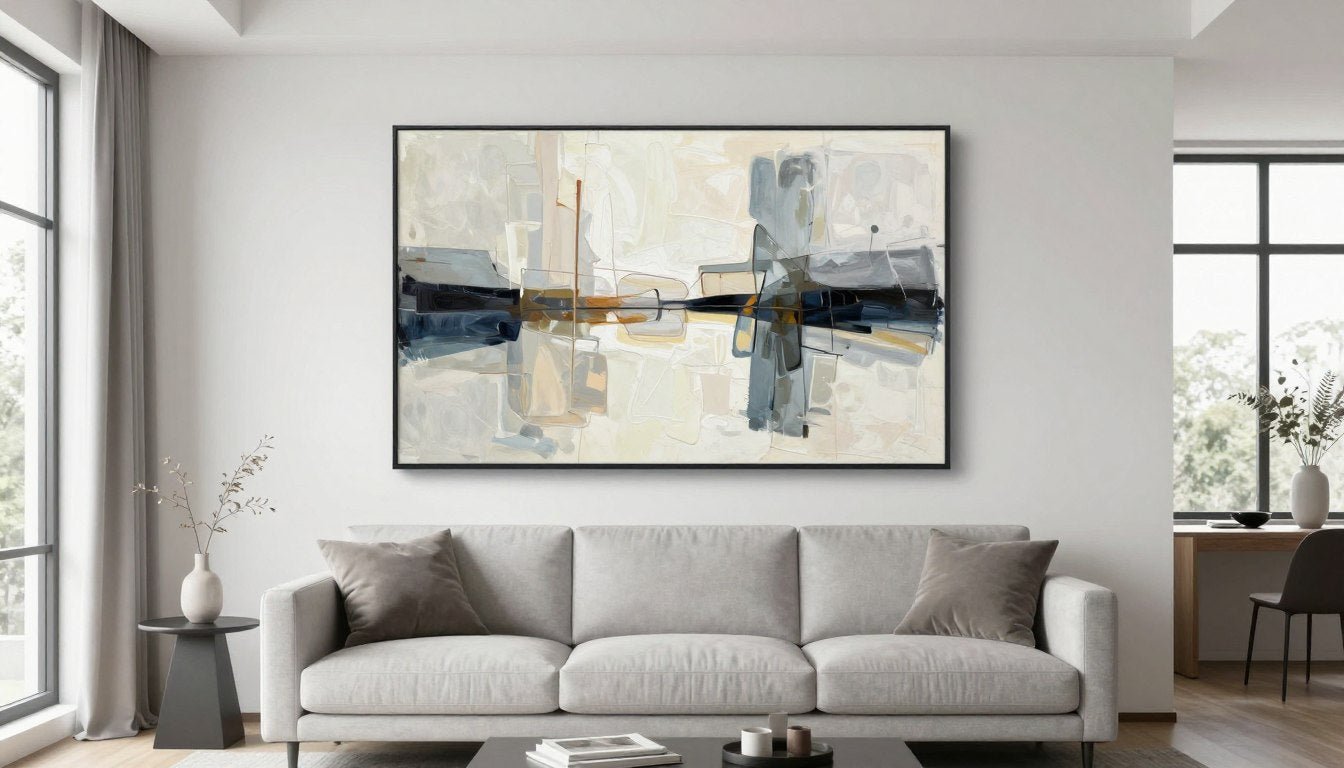

Leave a comment
This site is protected by hCaptcha and the hCaptcha Privacy Policy and Terms of Service apply.