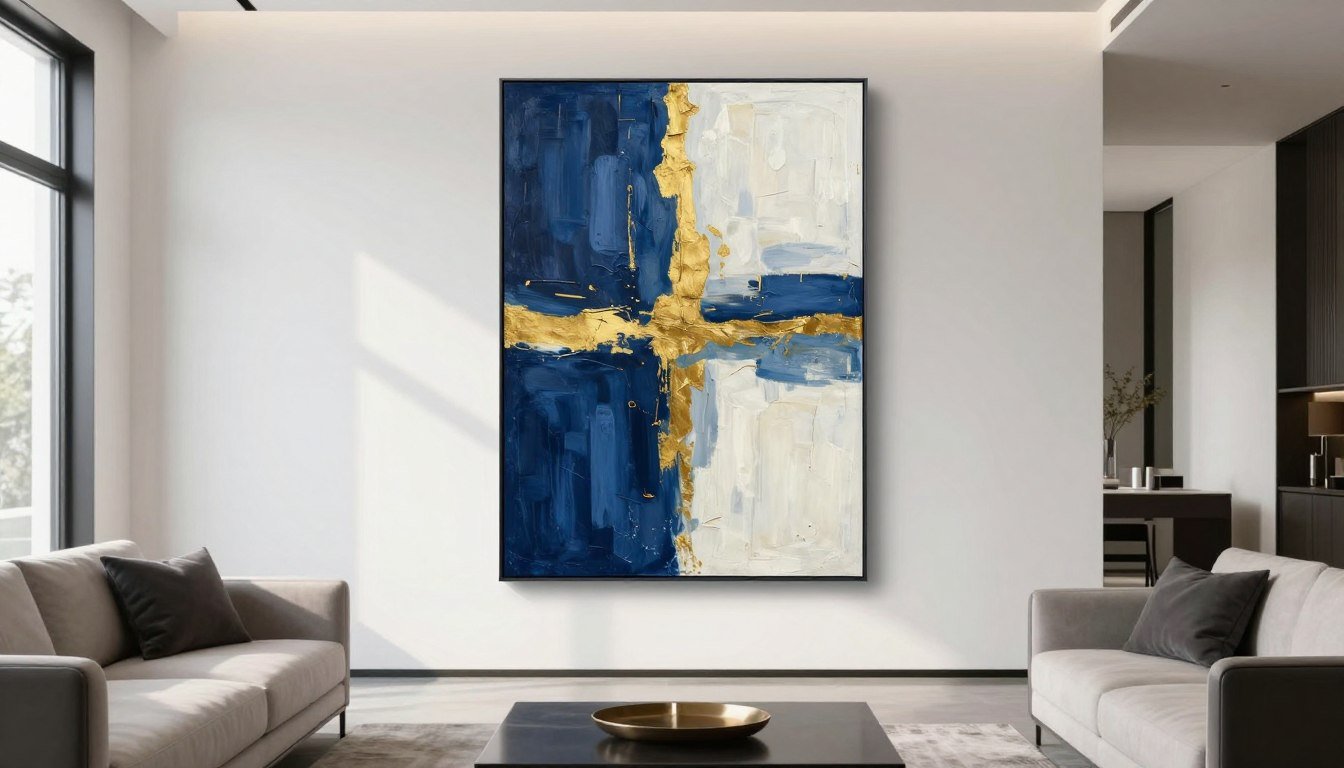
Narrow walls and tall spaces often feel like design challenges until you discover the transformative power of large vertical wall art. These commanding pieces draw the eye upward, create visual flow, and turn overlooked areas into striking focal points that define your entire room's character.
Whether you're working with hallway walls, bedroom corners, or dining room spaces that need height, vertical canvas art offers solutions that horizontal pieces simply cannot match.

Explore Our Curated Vertical Canvas Collection
Discover gallery-quality vertical wall art printed with archival inks on hand-stretched canvas. Each piece is made to order with premium framing options.
Why Vertical Wall Art Transforms Your Space
Large vertical wall art creates visual height and drama in ways that traditional landscape-oriented artwork cannot achieve. These tall pieces work with your room's natural architecture rather than against it, emphasizing ceiling height and creating a sense of grandeur even in modest spaces.
Vertical wall decor serves specific design purposes. It draws the eye upward, making rooms feel taller and more spacious. This upward movement creates energy and flow, particularly valuable in rooms with standard eight-foot ceilings that might otherwise feel compressed.

The psychology of vertical lines in art triggers specific responses. Tall compositions suggest stability, strength, and aspiration. They command attention without overwhelming horizontal wall space, making them ideal for narrow areas where traditional artwork would feel cramped or lost.
Spatial Benefits
Vertical wall art excels in tight spaces. Hallways, stairwell landings, and narrow walls between windows all benefit from tall artwork that fills vertical space without consuming precious horizontal room. The piece becomes a solution rather than a compromise.

Visual Impact
A single large vertical canvas creates more impact than multiple smaller horizontal pieces. It establishes a clear focal point and reduces visual clutter. This singular focus works particularly well in minimalist and contemporary design schemes where each element must justify its presence.

Vertical pieces also solve practical decorating challenges. That awkward wall next to a doorframe, the narrow space flanking a fireplace, or the tall wall above a staircase all become opportunities rather than obstacles when you select appropriately scaled vertical artwork.
In living rooms, vertical wall art balances low furniture profiles. Modern sectionals and low-backed sofas create horizontal lines that benefit from vertical counterpoints. A tall canvas above or beside seating areas provides visual balance and prevents spaces from feeling too grounded or heavy.

Bedrooms gain sophistication with vertical wall decor positioned beside beds or dressers. The vertical orientation complements the room's natural vertical elements like windows, doorways, and the bed's headboard. This alignment creates harmony rather than competing visual directions.
Choosing the Perfect Size for Your Vertical Wall Art
The right size transforms vertical wall art from decoration into architectural element. Large vertical canvas pieces typically range from 24 inches wide by 36 inches tall up to 40 inches wide by 60 inches tall, though custom sizes extend these dimensions for dramatic installations.
Wall proportion determines appropriate artwork scale. Measure your available wall space, then select art that fills approximately two-thirds to three-quarters of the vertical height. This ratio creates presence without overwhelming the space or leaving excessive empty wall above the piece.

Quick Sizing Rule: For standard 8-foot ceilings, aim for vertical art between 48-72 inches tall. For 9-foot ceilings, consider pieces ranging 54-80 inches in height. Taller ceilings accommodate even larger vertical wall art for proportional impact.
Furniture relationships matter significantly. When hanging vertical art above a console table, dresser, or side table, the artwork width should span 50-75% of the furniture width below. This creates visual connection without exact matching, which can feel rigid and unnatural.
Room-Specific Sizing
Different rooms require adjusted approaches to vertical wall art sizing based on function and viewing distance.
- Living rooms: Large vertical pieces 36x48 inches or larger create focal points visible across open spaces
- Bedrooms: Vertical art 24x36 to 30x40 inches provides intimacy appropriate for closer viewing
- Hallways: Narrow vertical pieces 18x36 or 20x40 inches fill height without blocking passage
- Dining rooms: Vertical wall art 30x45 inches or larger balances vertical space beside buffets or servers
- Entryways: Statement vertical pieces 36x54 inches create impressive first impressions in tall entry spaces

Ceiling height dramatically affects size selection. In rooms with 10-foot or higher ceilings, oversized vertical wall art becomes not just appropriate but necessary. Pieces measuring 48 inches wide by 72 inches tall or even larger prevent artwork from appearing insignificant against expansive wall space.
Consider viewing distance when selecting size. Art viewed from across a room needs larger scale than pieces appreciated from a few feet away. Living room wall art visible from seating areas 10-15 feet away benefits from generous dimensions that maintain visual presence across distance.

Multiple piece arrangements offer alternatives to single large vertical canvases. A vertical gallery wall with three aligned pieces creates similar height impact while offering compositional variety. Stack smaller vertical prints in a column to achieve the height of a single large piece.
Weight considerations matter for large vertical wall art. Canvas prints on hand-stretched frames become substantial at larger sizes. Ensure your hanging system accommodates the artwork weight. Gallery-quality pieces with solid pine wood frames or oak floater frames require proper anchoring into wall studs or heavy-duty wall anchors rated for the specific weight.
Find Your Perfect Vertical Canvas Style
From abstract compositions to botanical prints, explore vertical wall art that matches your aesthetic. All pieces feature UV-resistant inks and premium hand-stretched canvas.
Vertical Art Styles That Elevate Every Room
Abstract wall art dominates vertical canvas selections for good reason. The format naturally accommodates flowing compositions, color fields, and gestural marks that guide the eye upward. Abstract vertical pieces work across design styles from contemporary minimalism to eclectic maximalism.
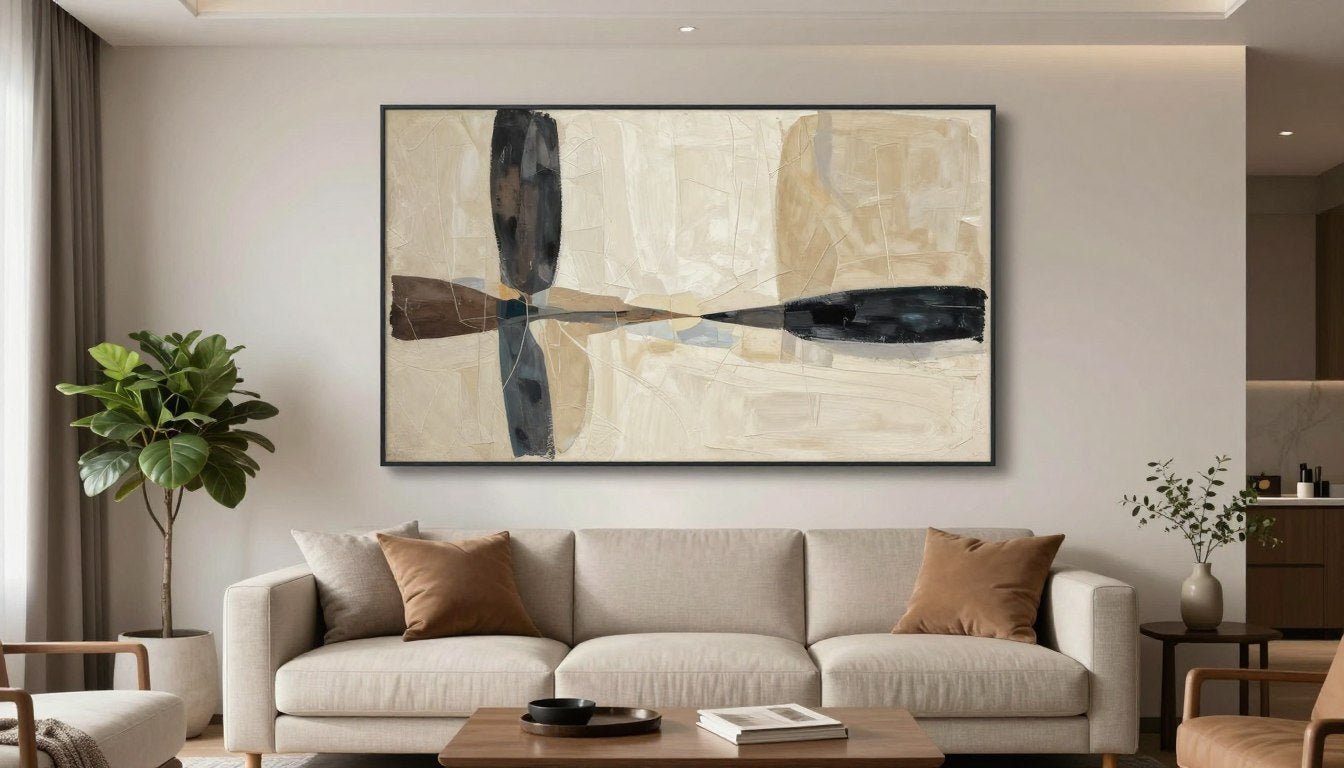
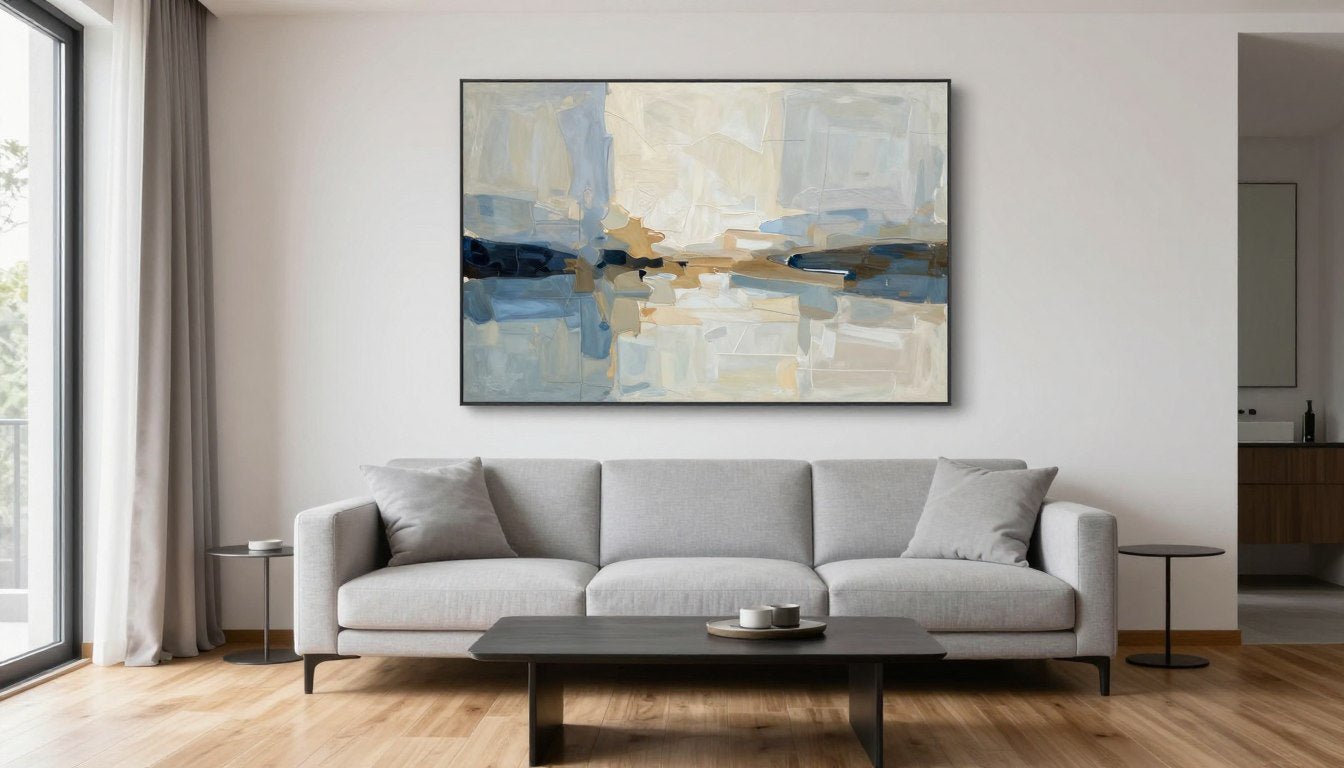
Color and form determine how abstract vertical wall art functions in your space. Bold, high-contrast abstracts in navy, gold, and white create focal points that anchor neutral rooms. Soft, tonal abstracts in beige, gray, and cream provide subtle texture without competing for attention.

Abstract Vertical Art

Abstract compositions excel in vertical formats. Gestural brushwork, color blocking, and organic forms flow naturally in tall orientations. These pieces adapt to any room style while maintaining strong visual presence.
Abstract vertical wall decor particularly suits contemporary and transitional spaces. The non-representational nature allows the artwork to complement rather than dictate room style, making it versatile for evolving decor.
Botanical Wall Art

Botanical prints in vertical format showcase nature's inherent upward growth. Palm fronds, tall grasses, and flowering branches feel authentically oriented in vertical compositions that mirror their natural form.
These pieces bring organic texture to spaces without overwhelming pattern or color. Botanical vertical wall art works beautifully in bedrooms, bathrooms, and dining rooms where natural themes create calming atmospheres.
Portrait Canvas Prints

Portrait orientation suits figurative artwork naturally. Contemporary portraits, fashion photography, and figure studies gain drama and presence in vertical formats that emphasize the human form.
These pieces create conversation and personal connection in living spaces. Portrait canvas prints suit sophisticated, art-forward interiors where figurative work anchors the design narrative.
Line art canvas prints offer minimalist elegance in vertical orientations. Simple continuous line drawings of figures, faces, or abstract forms create sophisticated focal points without visual weight. These pieces suit Scandinavian, modern, and minimalist interiors where restraint defines style.

Black and white canvas prints in vertical format deliver timeless appeal. High-contrast photography, graphic illustrations, and monochromatic paintings work across decades and design trends. These pieces provide visual impact without color commitment, making them ideal for spaces where flexibility matters.
Landscape vertical wall art might seem counterintuitive, but tall landscape compositions emphasizing sky, trees, or mountain heights create unique perspectives. Beach scenes with vertical emphasis on clouds and horizon, forest views looking upward into canopy, or cityscape vertical perspectives showcase architectural height.


Texture plays crucial role in vertical wall art selection. Heavily textured abstract pieces with visible brushwork or dimensional elements create shadow and depth that change throughout the day as light shifts. This dynamic quality makes the artwork feel alive rather than static.
Gold accents in vertical wall decor add luxury without ostentation. Gold leaf details, metallic paint accents, or gold-toned color palettes elevate abstract and geometric vertical pieces. These touches catch light and create warmth, particularly effective in rooms with multiple light sources.

Contemporary vertical wall art embraces mixed media approaches. Combining photography with graphic elements, layering abstract painting with geometric shapes, or integrating typography with imagery creates complex visual experiences that reward extended viewing.
📐 Not sure what size to choose? Use our free Wall Art Size Calculator to find the perfect dimensions for your space.
Where to Hang Large Vertical Canvas Prints
Placement determines whether vertical wall art succeeds or disappoints. The conventional rule of hanging art at 57-60 inches on center (measuring to the artwork's midpoint) applies to vertical pieces, but room-specific adjustments create better results.
Living room vertical wall art placement depends on furniture arrangement and sight lines. Above sofas, center the vertical piece horizontally with the furniture below, maintaining 6-8 inches of space between the sofa back and the artwork's bottom edge. This clearance prevents the piece from feeling crowded or too connected to the furniture.

For standalone walls without furniture, consider the wall's vertical center point rather than standard hanging height. On tall walls, centering the artwork vertically on the wall space itself often creates better balance than adhering to the 57-inch center rule, which can leave excessive space above the piece.
Ideal Vertical Art Locations
- Narrow walls flanking fireplaces or built-ins
- Hallway walls where horizontal space is limited
- Bedroom walls beside tall dressers or armoires
- Dining room walls between windows
- Entryway walls creating first impressions
- Stairwell walls following the stair line
- Bathroom walls above towel bars or toilets
Locations to Avoid
- Wide expansive walls where horizontal art works better
- Above low furniture that creates awkward proportions
- In direct sunlight without UV-resistant protection
- Near heat sources that could warp canvas
- In high-traffic areas where artwork could be bumped
- Where ceiling height is insufficient for vertical impact
Bedroom vertical wall art gains impact when positioned beside the bed rather than above the headboard. A tall canvas on the wall perpendicular to the bed creates visual interest when entering the room and balances tall furniture pieces like dressers or wardrobes.

Hallway installation requires attention to proportion and flow. In long hallways, multiple vertical pieces spaced evenly create rhythm and guide movement through the space. Single large vertical canvas at the hallway terminus creates destination and purpose, drawing the eye forward.
Narrow wall spaces between architectural elements become features with appropriately scaled vertical wall art. The space between two windows, beside a doorframe, or flanking a fireplace transforms from afterthought to intentional design element with vertical artwork that emphasizes the architectural feature rather than competing with it.

Hanging Tip: For gallery-quality canvas on wood frames, use D-rings or wire hanging systems attached to solid wood frame backs. Ensure wall anchors or studs support the full artwork weight. Large vertical pieces may require two hanging points for stability and level positioning.
Stairwell walls benefit from vertical art positioned to follow the stair line angle. Rather than hanging multiple pieces at the same horizontal level, stagger vertical pieces to create ascending visual flow that complements the stairs' upward movement.
Bathroom vertical wall decor adds sophistication to often-overlooked spaces. Above a toilet, beside a vanity, or on the wall opposite the tub, vertical botanical or abstract pieces introduce gallery ambiance. Ensure pieces feature UV-resistant and moisture-resistant finishes appropriate for bathroom humidity.

Dining room vertical art typically positions on the wall perpendicular to the dining table rather than behind it. This placement creates visual interest for diners and prevents artwork from being obscured by seated guests. The vertical format balances the horizontal expanse of the dining table.
Consider lighting when planning placement. Vertical wall art positioned to catch natural window light during the day and complemented by accent lighting at night becomes a dynamic element that changes character throughout the day. Avoid direct spotlight glare that creates hot spots on canvas surfaces.
Quality and Framing: What Makes Gallery-Quality Canvas
Gallery-quality canvas separates lasting artwork from disposable decoration. Understanding construction quality helps you select vertical wall art that maintains beauty and value over decades rather than fading or deteriorating within years.
Canvas substrate quality determines print longevity and appearance. Premium canvas uses cotton or cotton-poly blends with tight, even weaves that hold detail and resist sagging. Hand-stretched canvas over solid wood frames maintains tension better than stapled or glued alternatives, preventing warping and rippling over time.

Archival inks represent non-negotiable quality for serious art investment. UV-resistant inks prevent fading from sunlight exposure, maintaining color vibrancy for decades. Water-based archival pigment inks resist yellowing and color shifting that plague lower-quality dye-based prints.
Frame Construction Details
Frame quality affects both aesthetics and longevity. Several options suit different styles and budgets:
- Pine wood frames: Traditional gallery stretcher bars provide solid structure and classic profiles. Natural pine accepts stains and paints for customization.
- Oak floater frames: Premium hardwood frames create separation between canvas edge and frame, emphasizing the artwork as floating object. Oak grain adds organic warmth.
- Gallery wrap: Canvas wrapped around frame edges eliminates visible frame, creating contemporary seamless appearance. Requires precise stretching to maintain image integrity around corners.
- Metal frames: Aluminum or steel frames provide industrial aesthetic and extreme durability. Powder-coated finishes resist corrosion in humid environments.

Printing technology matters significantly. Giclée printing using professional-grade inkjet printers produces museum-quality reproductions with exceptional color accuracy and tonal range. This process layer pigments to create depth and richness impossible with standard printing methods.
Canvas thickness affects durability and presentation. Professional-grade canvas typically measures 10-12 ounces per square yard, providing substance that resists punctures and maintains structure. Thinner canvas feels insubstantial and shows frame edges through the material.

Made-to-order production ensures quality control and customization. Rather than mass-produced inventory, pieces printed specifically for your order allow quality verification at each step and sizing customization to match your exact specifications.
Protective Coatings

Protective coatings add another defense layer against environmental damage. UV-resistant topcoats block harmful light wavelengths while maintaining color clarity. Water-resistant coatings protect against humidity and accidental splashes without affecting visual appearance.
Color Accuracy

Color-calibrated printing ensures what you see online matches the delivered product. Professional printers calibrate regularly against color standards, and proofing processes verify accuracy before final production. This eliminates disappointment from inaccurate color reproduction.
Backing and Hardware

Professional finishing includes proper backing and hardware. Dust covers protect canvas backs from environmental exposure. Heavy-duty D-rings or wire hangers appropriate for artwork weight prevent accidents and ensure secure mounting on your walls.
Frame depth creates dimensional presence. Standard 0.75-inch depth suffices for most installations, but 1.5-inch or deeper frames create shadow lines and three-dimensional presence that makes artwork feel more substantial and gallery-authentic.
Corner construction reveals craftsmanship quality. Mitered corners should align perfectly with no gaps or overlaps. Gallery wrap corners should show careful folding with image continuation around edges rather than awkward cuts or misalignments that break visual flow.

Rossetti Art specializes in gallery-quality vertical canvas prints featuring all these premium elements. Each piece uses archival inks, hand-stretched canvas, and solid wood frames designed to maintain beauty for generations. Made-to-order production ensures every detail meets exacting standards before delivery.
Ready to Transform Your Space?
Browse our collection of gallery-quality vertical canvas prints. Each piece features archival inks, UV-resistant coatings, and premium framing options. Made to order with care.
Styling Tips for Vertical Wall Decor
Vertical wall art styling extends beyond simply hanging a piece. Thoughtful integration with surrounding decor elements creates cohesive design that feels intentional rather than arbitrary.
Color coordination doesn't require exact matching. Pull one or two accent colors from your vertical canvas to echo in pillows, throws, or decorative objects. This creates visual connection without overly coordinated appearance that can feel staged or artificial.

Layering creates depth around vertical wall art. Position a console table, credenza, or bench below the artwork, then layer decorative objects at varying heights. This creates visual conversation between the wall art and the space below rather than isolation.
Styling Vertical Canvas Above Furniture
Create balanced compositions using the rule of thirds:
- Bottom third: Furniture piece (console, dresser, credenza)
- Middle third: Layered decorative objects at varied heights
- Top third: The vertical wall art as focal point
This three-layer approach creates visual interest from floor to ceiling without feeling cluttered. Vary object heights within the middle layer to create rhythm and avoid uniform, static arrangements.

Lighting enhances vertical wall art significantly. Picture lights mounted above or sconces positioned to wash light across the canvas surface create gallery ambiance. Adjustable lighting allows you to modify intensity and create different moods throughout the day.
Texture mixing prevents flat, one-dimensional styling. Pair smooth canvas surfaces with rough-textured baskets, woven textiles, or natural wood elements. This contrast creates tactile interest that makes spaces feel more engaging and lived-in rather than sterile.

- Plants with vertical growth (snake plants, fiddle leaf figs)
- Tall sculptural objects that echo vertical lines
- Books stacked vertically as decorative elements
- Candlesticks or tall vases that emphasize height
- Floor lamps positioned nearby to provide accent lighting
- Mirrors positioned to reflect and amplify the artwork
Complementary Elements
- Horizontal artwork competing for attention
- Overly busy patterns that clash with canvas composition
- Furniture that blocks viewing angles
- Cluttered surfaces below that create visual chaos
- Competing focal points in the same sight line
- Strong artificial colors that clash with artwork palette
Elements to Avoid
Scale mixing creates visual interest. Pair large vertical wall art with smaller decorative objects rather than same-sized elements. This size variation creates hierarchy and prevents monotony. A large vertical canvas becomes even more dramatic when surrounded by smaller supporting elements.
Negative space matters as much as filled space. Resist the urge to fill every surface near your vertical wall art. Empty space allows the eye to rest and emphasizes the artwork itself. Minimalist styling often creates more impact than elaborate arrangements.

Seasonal styling allows vertical wall art to feel fresh throughout the year. While the artwork remains constant, swap surrounding decorative elements seasonally. Summer might feature light linens and fresh flowers, while winter incorporates cozy textures and warm metallics.
Room function influences styling approach. Living room vertical art styling can be more elaborate with multiple complementary elements, while bedroom vertical wall decor benefits from simpler, more serene arrangements that support restful atmosphere.

Gallery walls incorporating vertical pieces require careful planning. Mix vertical orientations with horizontal and square formats to create dynamic compositions. Use consistent frames or matting to unify diverse pieces, or embrace eclectic frames for collected-over-time appearance.
Architectural features guide styling choices. In rooms with crown molding, wainscoting, or other architectural details, consider how vertical wall art interacts with these elements. Align canvas edges with architectural lines when possible to create harmony rather than visual conflict.
Frequently Asked Questions About Large Vertical Wall Art
Q: What size should vertical wall art be above a sofa?
A: Vertical wall art above a sofa should span 50-75% of the sofa width for balanced proportions. For an 84-inch sofa, choose vertical art approximately 42-63 inches wide. Height depends on ceiling height and sofa back height, but typically ranges from 48-72 inches tall for standard living room spaces. Maintain 6-8 inches of clearance between the sofa back and the bottom edge of the artwork to prevent cramped appearance.
Q: How high should I hang large vertical canvas prints?
A: Hang large vertical canvas prints with the center point at 57-60 inches from the floor, which aligns with average eye level in galleries and museums. However, adjust this guideline based on specific room factors. Above furniture, maintain 6-8 inches between furniture top and artwork bottom. On tall walls without furniture, consider centering the artwork on the available wall space itself rather than adhering strictly to the 57-inch rule. In rooms with high ceilings, you may need to hang artwork higher to maintain visual balance with the vertical space.
Q: What style of vertical wall art works best in small spaces?
A: In small spaces, abstract wall art in light, neutral tones with minimal visual complexity works best. Avoid busy patterns or dark colors that can make small rooms feel more confined. Vertical line art, soft botanical prints, or light abstract compositions in whites, beiges, and soft grays create vertical emphasis without overwhelming limited square footage. The vertical orientation itself helps small spaces feel taller and more open. Select pieces sized appropriately for wall dimensions—typically 24x36 to 30x45 inches for small room vertical walls.
Q: Can I mix vertical and horizontal wall art in the same room?
A: Yes, mixing vertical and horizontal wall art creates visual interest and prevents monotony in larger spaces. The key is maintaining balance and intentionality. Use vertical pieces on narrow walls or in spaces where you want to emphasize height, and horizontal pieces on wider walls or above low furniture. Ensure the artwork shares common elements like color palette, frame style, or subject matter to create cohesion. In gallery wall arrangements, mixing orientations adds dynamic energy, but maintain consistent spacing and alignment for professional appearance.
Q: What is the difference between gallery-quality and standard canvas prints?
A: Gallery-quality canvas prints use archival pigment inks that resist fading for decades, while standard prints use dye-based inks that fade within years. Gallery canvas features professional-grade material (typically 10-12 oz weight) that's hand-stretched over solid wood frames, while standard canvas may use thinner material stapled to composite frames. Gallery prints include UV-resistant coatings, color-calibrated printing, and proper backing with professional hanging hardware. The investment in gallery quality ensures your vertical wall art maintains beauty and value long-term rather than deteriorating quickly.
Q: How do I choose between framed and gallery wrap canvas?
A: Gallery wrap canvas (where the image continues around frame edges) suits contemporary and minimalist spaces, creating clean, frameless appearance. This option works well for abstract art where image continuation around edges feels natural. Framed canvas with visible frames suits traditional, transitional, and eclectic spaces, adding architectural structure and formality. Oak floater frames create modern gallery aesthetic by separating canvas from frame with visible gap. Pine wood frames offer classic presentation with stain or paint customization options. Consider your overall decor style and the specific artwork composition when choosing between these options.
Q: Where is the best place to hang vertical wall art in a bedroom?
A: The best bedroom location for vertical wall art is often beside the bed rather than above the headboard. A tall canvas on the perpendicular wall creates visual interest when entering and balances tall furniture pieces. If placing above the bed, choose artwork scaled appropriately for the headboard width (50-75% of headboard width). Other excellent bedroom locations include above dressers, in corners flanking windows, or on the wall opposite the bed where it's visible from the sleeping position. Choose calming styles like botanical prints or soft abstracts that support restful atmosphere rather than stimulating or energetic compositions.

Large vertical wall art transforms challenging spaces into design opportunities. Whether you're working with narrow hallways, tall bedroom walls, or living room corners that need emphasis, vertical canvas prints provide solutions that horizontal pieces cannot match. The key lies in selecting appropriate scale, choosing styles that complement your aesthetic, and positioning artwork to create balance with surrounding elements.
Quality matters significantly in vertical wall art. Gallery-quality construction with archival inks, UV-resistant coatings, and hand-stretched canvas ensures your investment maintains beauty for decades. Premium framing options from pine wood frames to oak floater frames provide the finishing touches that elevate artwork from decoration to design element.
Explore our curated collection of vertical canvas prints to discover pieces that transform your space with gallery-quality craftsmanship and timeless design.

About the Author
Chiara Rossetti
Chiara Rossetti is the founder of Rossetti Art, a canvas print and original art brand. She writes about interior design, wall art styling, and the art of making a home feel alive.

Leave a comment
This site is protected by hCaptcha and the hCaptcha Privacy Policy and Terms of Service apply.