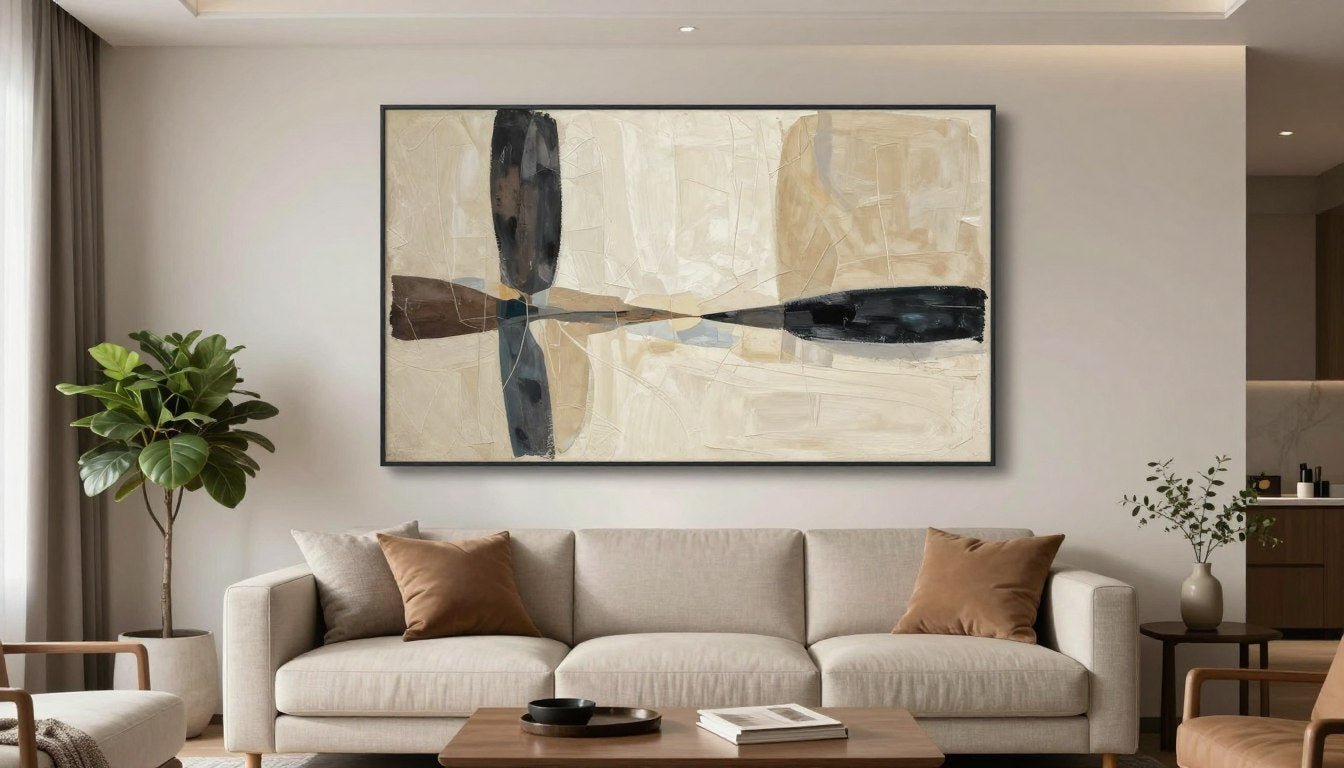
The right wall art transforms a living room from a collection of furniture into a space that tells your story. Whether you're drawn to bold abstract pieces or serene botanical prints, selecting wall art prints for living room spaces requires more than just picking something pretty online.
Your living room walls are the largest visual canvas in your home. They set the tone for conversations, frame your favorite moments, and reflect your personal aesthetic to everyone who walks through the door.
This guide walks you through the essential considerations for choosing artwork that elevates your space, coordinates with your existing decor, and brings lasting joy to your daily life.
Understanding Your Living Room's Art Needs

Wall art prints for living room spaces serve multiple functions beyond decoration. They anchor your furniture arrangements, absorb sound in open-plan layouts, and create focal points that guide the eye through the space.
Start by assessing your room's existing elements. Look at your sofa color, rug patterns, and architectural features like fireplaces or built-in shelving. Your wall art should complement these fixed elements rather than compete with them.
Consider the room's primary function. A living room used mainly for entertaining benefits from conversation-starting pieces like abstract canvas prints or bold portraits. Family rooms need artwork that withstands daily life while maintaining visual interest.
Assessing Your Wall Space

Measure your available wall space before browsing collections. The area above your sofa typically accommodates artwork spanning two-thirds to three-quarters of the furniture's width.
Account for ceiling height as well. Standard eight-foot ceilings suit different proportions than dramatic ten-foot or higher ceilings. Vertical pieces draw the eye upward in rooms with generous height, while horizontal orientations work better in standard spaces.
Document these measurements and keep them accessible when shopping. This simple step prevents the common mistake of falling in love with a piece that simply won't fit your space properly.
Identifying Your Design Aesthetic

Minimalist aesthetic with line art

Eclectic style with mixed collections
Your personal style guides every art selection decision. Minimalist aesthetics favor clean line art canvas prints or monochromatic pieces with plenty of negative space.
Traditional spaces benefit from classic botanical prints, landscape photography, or figurative portraits that echo historical art movements. Modern farmhouse style calls for rustic imagery, vintage-inspired prints, or black and white photography.
Mid-century modern rooms shine with geometric abstracts, retro pop art, or architectural photography. Bohemian spaces embrace layered gallery walls mixing various art styles, colors, and frame types for an collected-over-time aesthetic.
Choosing the Right Style for Your Living Room Wall Art

Art style selection impacts your room's entire atmosphere. The right artwork creates mood, establishes visual rhythm, and expresses your personality without saying a word.
Abstract pieces offer versatility and interpretive freedom. They work across design styles and allow viewers to find their own meaning. These prints serve as excellent starting points when you're uncertain about your direction.
Representational art—including botanical prints, cityscapes, and portraiture—brings recognizable imagery that can anchor thematic room designs. These pieces often spark conversations and create immediate emotional connections with viewers.
Abstract and Geometric Art for Contemporary Spaces

Abstract art brings energy and movement to contemporary living rooms. Geometric compositions with clean lines complement modern furniture while adding visual interest to minimalist spaces.
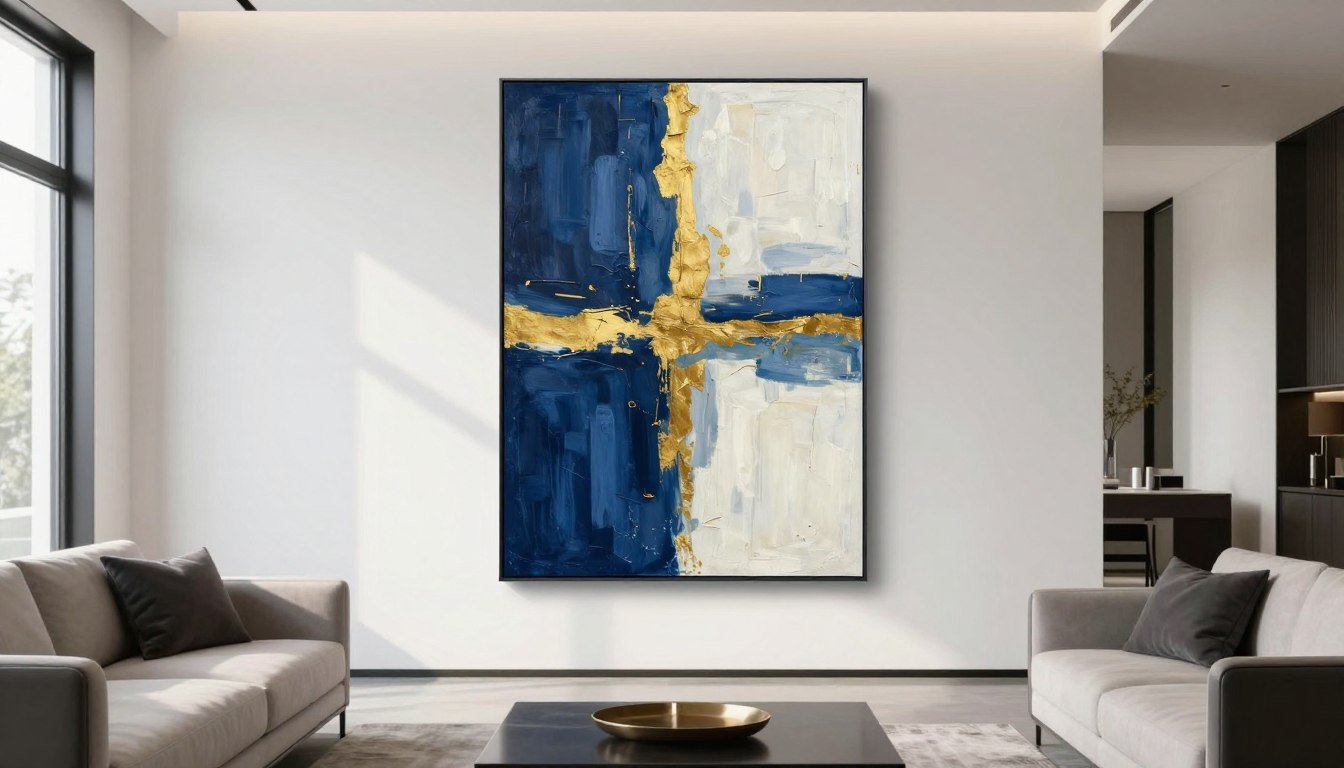
Color-field abstracts create atmosphere through large areas of saturated or muted tones. These pieces work particularly well in open-concept living spaces where the artwork needs to hold its own against multiple room functions.
Consider abstract geometric canvas prints when your furniture and decor follow clean, contemporary lines. The artwork's organic or geometric shapes provide visual relief from angular furniture without introducing clashing styles.
Botanical and Nature-Inspired Prints


Botanical wall art brings the calming influence of nature indoors. These prints range from vintage scientific illustrations to contemporary photographic close-ups of leaves and flowers.
Botanical nature canvas prints work beautifully in spaces with natural materials like wood furniture, woven textiles, and indoor plants. They reinforce organic design themes while adding pops of color through natural greens and floral tones.
Large-scale leaf prints create dramatic focal points, while smaller botanical studies work well in gallery wall arrangements or paired as diptychs flanking windows or doorways.
Black and White Photography and Line Art

Monochromatic artwork offers timeless sophistication. Black and white prints integrate seamlessly with any color scheme and provide flexibility as your decor evolves.
Line art brings elegance through simplicity. Single-line drawings of faces, figures, or abstract forms create visual interest without overwhelming the space. These pieces particularly suit rooms with busy patterns in rugs or upholstery.
Photography in black and white adds architectural gravitas. Cityscape images, landscape photography, or portrait work in monochrome tones bring gallery-quality sophistication to living spaces. Black & white canvas prints serve as neutral anchors that allow colorful furniture and accessories to shine.
Portraits and Figurative Art

Figurative artwork adds human interest and emotional depth to living spaces. Contemporary portrait styles range from realistic to highly stylized, offering options for various aesthetic preferences.
Fashion-inspired portraits bring energy and personality. These pieces work especially well in urban apartments or spaces with bold, confident design choices.
Classical portrait reproductions or portrait-style photography creates sophisticated gallery walls. Mix different sizes and frame styles within the same color family for curated appeal.
Size and Placement Guidelines That Work

Artwork size dramatically affects how your living room feels. Too small and the piece disappears; too large and it overwhelms the space. Getting proportions right creates visual harmony.
The standard guideline suggests artwork spanning two-thirds to three-quarters of the furniture width below it. For a 90-inch sofa, look for pieces between 60 and 68 inches wide.
Height matters equally. Hang artwork with its center at eye level, typically 57 to 60 inches from the floor. When hanging above furniture, leave 6 to 12 inches between the furniture top and the artwork's bottom edge.
Single Large Statement Pieces

One large artwork creates immediate impact. Statement pieces work particularly well in contemporary spaces with clean lines and minimal accessories.
Large canvas prints eliminate the guesswork of arranging multiple pieces. They anchor a space instantly and create a gallery-like atmosphere that elevates the entire room.
Consider canvas print dimensions of 40x30 inches or larger for walls above standard sofas. Extra-large pieces measuring 60x40 inches or more suit spacious rooms with generous wall space and high ceilings.
Gallery Wall Arrangements

Gallery walls offer flexibility and personality. These curated collections let you mix art styles, sizes, and subjects while maintaining visual coherence through consistent framing or color palettes.
Plan gallery walls by arranging pieces on the floor first. This lets you test layouts without creating unnecessary wall holes. Aim for 2-3 inches of space between each piece for breathing room.
Start with the largest piece as your anchor, then build around it. Balance visual weight by distributing larger and smaller pieces throughout the arrangement rather than clustering all large pieces together.
Pro Tip: Create paper templates matching your artwork dimensions and tape them to the wall. This lets you visualize the arrangement and make adjustments before committing to nail placement.
Diptych and Triptych Sets

Diptych set with coordinated panels

Triptych creating panoramic effect
Multi-panel sets bring rhythm and structure to wall arrangements. Diptychs (two panels) and triptychs (three panels) offer the impact of large artwork with added visual interest through panel separation.
Space panels 2-4 inches apart for optimal effect. Closer spacing creates a more unified image, while wider gaps emphasize each panel as a distinct piece within the whole.
Canvas print sets work especially well above long furniture pieces like sectionals or console tables. The multiple panels echo the furniture's horizontal emphasis while adding vertical interest.
Vertical Spaces and Tall Walls

Vertical artwork suits narrow wall spaces between windows, beside fireplaces, or in hallway-like living room areas. These pieces draw the eye upward and make rooms feel taller.
Look for vertical canvas prints with aspect ratios of 2:3 or taller. Botanical prints of tall grasses, vertical abstract compositions, or portrait-oriented photography all work well in these spaces.
In rooms with dramatic ceiling heights, consider stacking two or three pieces vertically with 3-6 inches between them. This approach fills the wall without requiring oversized individual pieces.
Color Coordination and Room Aesthetics

Color ties your room together or tears it apart. Thoughtful color coordination between wall art and your existing decor creates sophisticated harmony that feels intentional and complete.
You don't need exact color matches. Instead, look for artwork containing tones that echo or complement your room's existing palette. One or two shared colors between your art and decor suffices for visual connection.
Consider the 60-30-10 rule from interior design. Your room should have 60% of a dominant color (walls, large furniture), 30% of a secondary color (accent furniture, rugs), and 10% of an accent color. Wall art can reinforce any of these color roles.
Working with Neutral Palettes

Neutral rooms offer maximum flexibility for artwork selection. Beige, gray, white, and cream backgrounds let bold or subtle art shine equally well.
Use artwork to inject personality into neutral spaces. A colorful abstract piece becomes the room's focal point and establishes the accent color palette you can echo in pillows, throws, and accessories.
Alternatively, embrace the neutrality. Monochromatic or black and white artwork in neutral rooms creates sophisticated, calming spaces with gallery-like serenity. This approach suits minimalist aesthetics and rooms designed primarily for relaxation.
Complementing Bold Wall Colors

Bold wall colors require careful artwork selection. Deep blues, rich greens, or dramatic charcoals can overwhelm the wrong art choices while making perfect selections truly sing.
Look for artwork containing your wall color plus additional tones. This creates connection while preventing the art from disappearing into the background. If your walls are deep blue, choose pieces with blue elements alongside contrasting warm tones like coral or gold.
Alternatively, create deliberate contrast. White or cream-matted artwork in dark or metallic frames pops beautifully against saturated wall colors. This approach suits formal spaces or rooms where the art needs to command attention.
Seasonal Color Adjustments

Some homeowners enjoy rotating artwork seasonally. While not necessary, this practice keeps your space feeling fresh and responsive to changing light and moods throughout the year.
Summer might call for cooler blues and greens, while autumn suits warm rusts and golds. Winter can embrace deeper tones or crisp black and white, with spring bringing soft pastels and floral themes.
If seasonal rotation appeals to you, invest in versatile artwork that works across multiple seasons. Abstract pieces with varied color palettes offer more flexibility than representational art tied to specific seasons.
Creating Color Flow in Open Spaces

Open-concept living spaces need color continuity. Your living room art should coordinate with adjacent dining or kitchen areas to create visual flow.
Choose artwork with a shared color thread that runs through multiple spaces. This doesn't mean identical colors in each room, but rather a cohesive palette that feels intentional as you move through the space.
Vary the intensity or application of your color palette across rooms. If your living room features bold abstract color work, the dining area might echo those tones in more subtle botanical prints or photography.
Frame Quality and Material Options

Frame quality affects both aesthetics and longevity. The right frame protects your investment while enhancing the artwork's visual impact.
Gallery-quality canvas prints from Rossetti Art feature archival inks that resist fading and UV-resistant properties that protect against sun damage. This ensures your artwork maintains its vibrancy for years.
Frame materials and styles significantly influence the overall look. Understanding your options helps you make choices that align with your aesthetic while ensuring proper artwork protection.
Gallery-Wrapped Canvas vs. Framed Prints

Gallery-wrapped canvas with printed edges

Oak floater frame adding dimension
Gallery-wrapped canvases stretch the image around all four edges of the frame. This frameless approach suits contemporary spaces and eliminates the need for additional framing decisions.
Hand-stretched canvas on a pine wood frame provides structure while keeping the focus on the artwork itself. This presentation works particularly well for abstract and contemporary pieces where the art should speak without embellishment.
Framed options add formality and protection. An oak floater frame creates subtle dimension by separating the canvas from the frame with a small gap. This modern framing style suits both contemporary and traditional spaces.
Wood Frame Options and Finishes

Wood frames bring warmth and natural beauty. Pine wood frames offer lightweight durability with a subtle grain that doesn't compete with the artwork.
Oak frames provide richer tones and more pronounced grain patterns. These work beautifully in spaces with existing oak furniture or when you want the frame to make a statement alongside the art.
Frame finish affects the overall aesthetic. Natural wood finishes suit organic, botanical, or nature-inspired prints. Dark stains add drama and work well with bold abstracts or black and white photography. White or light painted frames create gallery-like sophistication.
Made-to-Order Quality Considerations

Made-to-order artwork ensures each piece receives individual attention. This approach allows for quality control at every production stage, from printing to stretching to finishing.
Rossetti Art's made-to-order process uses archival inks that maintain color accuracy and resist fading. UV-resistant properties protect your investment from sun damage, particularly important for living rooms with large windows.
Hand-stretched canvas provides superior tautness compared to mass-produced alternatives. This attention to detail prevents sagging and ensures your artwork maintains its intended appearance for years.
Quality Matters: Gallery-quality canvas prints use premium materials and careful craftsmanship that visible in the finished product. The difference between archival inks and standard printing becomes apparent over time as cheaper prints fade while quality pieces retain their vibrancy.
Sizing Options for Different Walls

Small Format
16x20" to 20x24"
- Gallery wall components
- Hallway displays
- Bookshelf styling
- Bedroom accent walls

Medium Format
24x36" to 30x40"
- Above standard sofas
- Focal wall artwork
- Dining room features
- Office statement pieces

Large Format
40x50" to 60x80"
- High ceiling spaces
- Sectional sofas
- Hotel-style drama
- Commercial spaces
Caring for Canvas Print Longevity

Proper care extends your artwork's life significantly. Avoid hanging canvas prints in direct sunlight for prolonged periods, even with UV-resistant properties.
Dust canvas gently with a soft, dry microfiber cloth. Avoid liquid cleaners or abrasive materials that can damage the printed surface or canvas texture.
Maintain moderate humidity levels in your living room. Excessive moisture or extreme dryness can affect canvas tension over time. Standard residential climate control typically provides adequate conditions.
Frequently Asked Questions
Q: How do I choose wall art prints for a living room with neutral furniture?
A: Neutral furniture provides the perfect canvas for either bold or subtle artwork. You can introduce vibrant color through your art selection since neutral furniture won't compete visually. Consider what mood you want to create: energizing and bold with colorful abstracts, or calming and sophisticated with black and white photography or soft botanical prints.
Start by identifying any existing accent colors in your pillows, rugs, or accessories, then choose artwork that incorporates or complements those tones. If your neutrals are warm (beiges, creams), lean toward artwork with warm undertones. For cool neutrals (grays, whites), cooler-toned art often creates better harmony.
Q: What size canvas print should I hang above my sofa?
A: The ideal canvas print should span approximately two-thirds to three-quarters of your sofa's width. For a standard 90-inch sofa, look for artwork between 60-68 inches wide. If you're using multiple pieces or a gallery wall, the entire arrangement should meet this proportion.
Height-wise, leave 6-12 inches between your sofa's top and the artwork's bottom edge. The art's center should sit at approximately 57-60 inches from the floor. For rooms with high ceilings (10 feet or more), you can hang slightly higher to balance the wall space.
Q: Should I match my wall art to my pillows and accessories?
A: Exact matching often creates an overly coordinated, furniture-showroom appearance. Instead, aim for complementary colors that create visual harmony without identical replication. Your artwork should contain one or two colors that echo tones in your accessories, but introduce additional hues for depth and interest.
Think of your room's color story as a conversation, not a uniform. The artwork introduces new colors while acknowledging existing ones through shared tones. This approach feels collected and intentional rather than perfectly matched and potentially sterile.
Q: Can I mix different art styles in my living room?
A: Yes, mixing art styles adds personality and visual interest when done thoughtfully. The key is creating connection through shared elements like color palette, frame style, or subject matter scale. For example, you might combine abstract art with botanical prints if they share a color story or similar frame finishes.
Establish one dominant style (60-70% of your wall art), then introduce complementary styles as accents. This creates cohesion while allowing variety. Avoid mixing more than three distinct styles in a single room, as this can feel chaotic rather than curated.
Q: What's the difference between canvas prints and framed prints?
A: Canvas prints feature the image printed directly onto canvas material, then stretched over a wood frame. The image typically wraps around the edges (gallery-wrapped) creating a frameless, contemporary presentation. Canvas prints offer texture and depth without needing additional framing.
Framed prints place paper or canvas inside a traditional frame behind glass or acrylic. These offer more formal presentation and extra protection. Floater frames on canvas prints combine both approaches, adding a frame while maintaining the canvas's textured, frameless aesthetic. Canvas prints suit contemporary spaces, while framed prints work across traditional and modern settings.
Q: How many pieces of wall art should I put in my living room?
A: The number depends on your wall space and aesthetic preferences. A single large statement piece (40x50 inches or larger) works beautifully above a sofa in contemporary or minimalist spaces. Gallery walls typically contain 5-9 pieces for visual interest without overwhelming the space.
Consider your room's other focal points. If you have a fireplace, built-in shelving, or large windows, you may need less wall art. Rooms with minimal architectural features benefit from more substantial artwork presence. As a guideline, leave at least 30% of your wall space empty to prevent visual overcrowding.
Q: Will canvas prints fade over time?
A: Quality canvas prints using archival inks and UV-resistant properties resist fading significantly better than standard prints. Gallery-quality prints from Rossetti Art use professional-grade materials designed for longevity. With proper care—avoiding direct sunlight and maintaining moderate humidity—these prints retain their vibrancy for decades.
All artwork experiences some degree of color shift over many years, but archival-quality prints fade at much slower rates than posters or mass-produced alternatives. The investment in quality materials pays off through lasting color accuracy and overall appearance.
Q: What art styles work best for small living rooms?
A: Small living rooms benefit from artwork that creates a sense of space rather than closing it in. Light, airy pieces with plenty of negative space make rooms feel larger. Abstract art with soft color transitions, minimalist line drawings, or light-toned photography all work well.
Avoid dark, heavy artwork or overly busy gallery walls in small spaces. One appropriately sized statement piece often works better than multiple smaller pieces. Vertical artwork can make ceilings feel higher, while horizontal pieces create the illusion of wider walls. Mirrors as part of your wall display reflect light and visually expand the space.

Selecting wall art prints for living room spaces transforms more than just walls. The right pieces create atmosphere, express personality, and turn everyday spaces into places that truly feel like home.
Start with your room's existing elements and build from there. Consider size proportions, color coordination, and your personal aesthetic. Whether you choose bold abstracts, serene botanicals, or timeless black and white pieces, quality materials and thoughtful placement ensure your artwork brings joy for years.
Your living room deserves artwork that reflects your unique style and creates the atmosphere you've imagined. Explore our Abstract Canvas Prints or browse Botanical Wall Art Prints to discover pieces that speak to your space.


Leave a comment
This site is protected by hCaptcha and the hCaptcha Privacy Policy and Terms of Service apply.