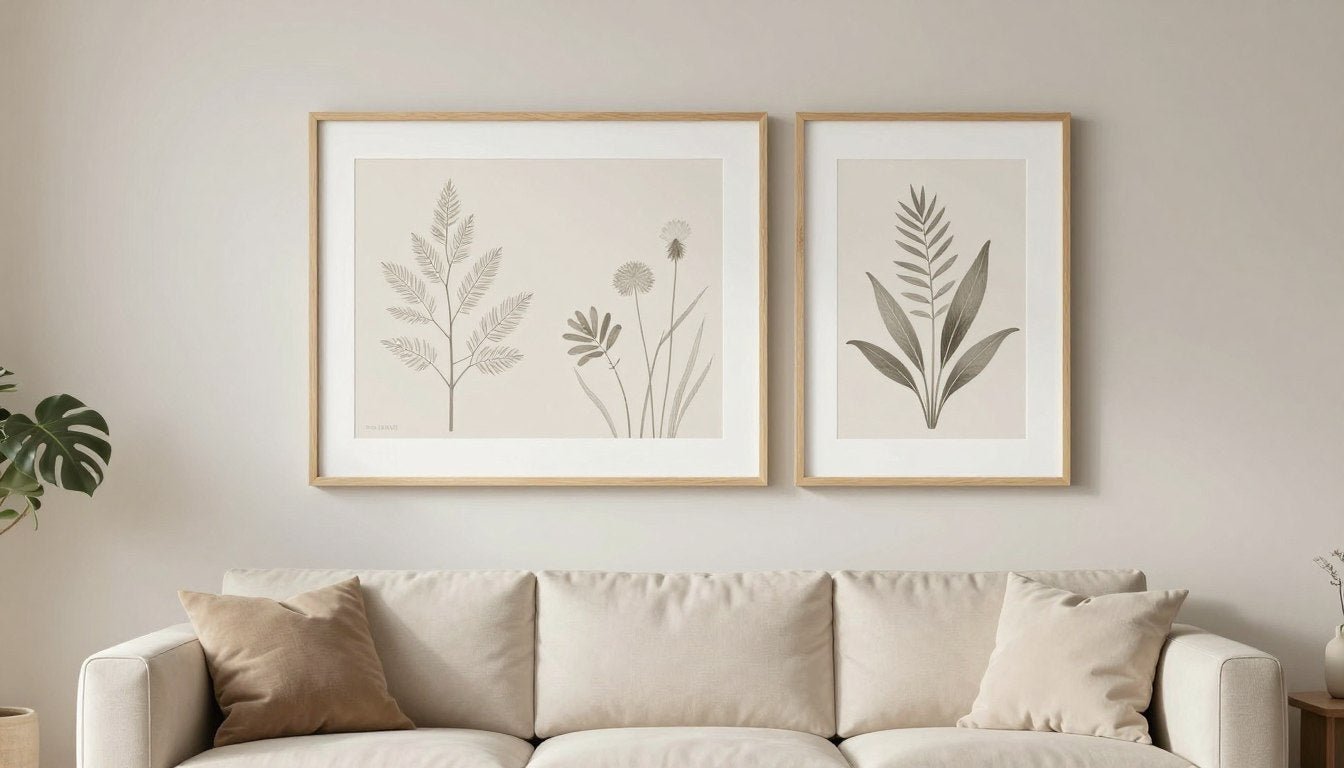

Japandi wall art brings together two design philosophies that value simplicity. This fusion creates spaces that feel both calm and inviting. The style merges Japanese minimalism with Scandinavian warmth to form something entirely new.
Your walls deserve artwork that adds meaning without adding clutter. Japandi design offers this balance through careful selection and thoughtful placement. Each piece serves a purpose while maintaining visual peace.
This approach to wall art transforms modern homes into sanctuaries. The aesthetic emphasizes natural materials and soft neutrals that work across various room styles. Whether you live in a small apartment or spacious house, these principles adapt to your space.
Understanding the Japandi Aesthetic

The term Japandi combines "Japanese" and "Scandinavian" to describe this hybrid style. Both cultures prize simplicity, but they approach it differently. Japanese design embraces wabi-sabi, finding beauty in imperfection and age.
Scandinavian design favors function and coziness through its hygge philosophy. When these meet, you get artwork that feels minimal yet warm. The colors stay neutral but never cold.
Core Principles of Japandi Design

Quality over quantity defines every Japandi choice. Each element in your space should earn its place through beauty or function. Wall art follows this rule by making strong visual statements without overwhelming the room.
Natural materials take center stage in this aesthetic. Wood, stone, and plant fibers appear throughout Japandi interiors. Your wall art should echo these textures through subject matter or framing choices.
Functional beauty means every decorative item serves your life. Line art canvas prints exemplify this principle by adding visual interest while maintaining clean lines. The artwork decorates your walls and creates the calm atmosphere you need.
The Wabi-Sabi Philosophy in Wall Art

Wabi-sabi celebrates the impermanent and imperfect nature of things. This Japanese philosophy influences Japandi wall art through organic shapes and natural subjects. You might see brushstrokes that show the artist's hand rather than computer-perfect precision.
Textures play a vital role in wabi-sabi aesthetics. Canvas prints with visible weave or subtle variations in color capture this spirit. These small imperfections make each piece feel authentic and human.
The passage of time becomes beautiful in wabi-sabi thinking. Artwork featuring weathered wood, aged paper textures, or faded hues embodies this concept. Your walls gain depth through pieces that honor natural aging processes.
Curated Japandi Pieces for Your Space

Minimal Line Abstracts
These prints capture the essence of simplicity through single continuous lines. The artwork creates focal points without visual noise. Perfect for living rooms or bedrooms seeking calm energy.

Natural Botanical Prints
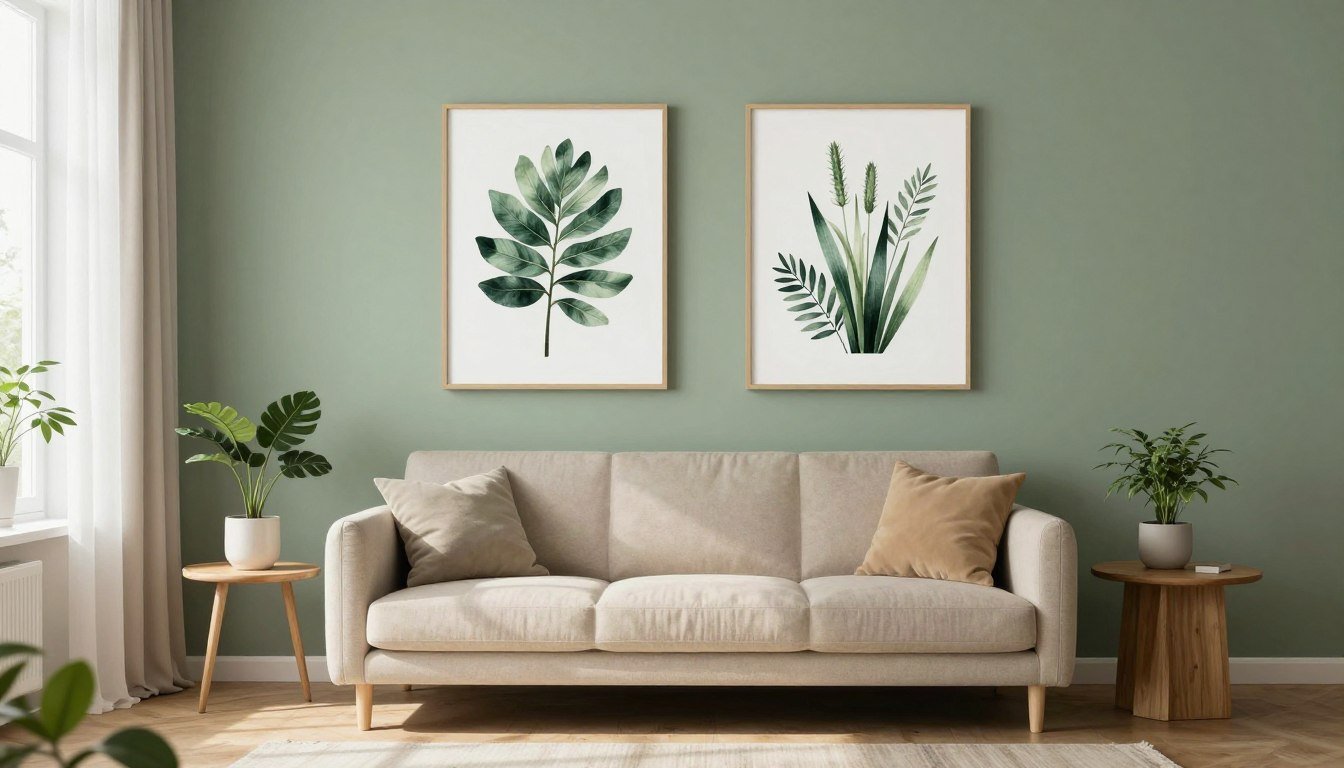
Bring nature indoors with botanical subjects rendered in soft neutrals. These pieces honor the Japandi connection to natural elements. They work beautifully in dining rooms or entryways.

Geometric Earth Tones
Abstract shapes in muted colors bridge modern and traditional aesthetics. The geometric elements add structure while earth tones maintain warmth. Ideal for offices or contemporary living spaces.
If you love calm, minimal aesthetics, these prints bring Japandi warmth into any room. Each piece balances visual interest with the restraint that defines this style. The artwork serves as both decoration and daily reminder to embrace simplicity.
Color Palette for Japandi Wall Art

Colors in Japandi spaces lean toward earth and neutrals. These hues create the foundation for calm interiors that never feel stark. Your wall art should draw from this restrained palette to maintain visual harmony.
Primary Neutral Tones

Cream, beige, and warm grey form the backbone of Japandi design. These soft neutrals provide versatility across different lighting conditions. Wall art in these colors works in virtually any room without competing for attention.
Off-white backgrounds let subtle details shine through. The warmth in these tones prevents spaces from feeling clinical or cold. Black and white canvas prints add contrast when rendered with softer edges rather than harsh lines.
Taupe bridges the gap between grey and brown beautifully. This versatile color appears in both Japanese and Scandinavian palettes naturally. Artwork featuring taupe tones integrates seamlessly with natural wood furniture.
Accent Hues and Natural Colors

Sage green and muted terracotta serve as popular accent colors. These earth-inspired hues add warmth without disrupting the minimal aesthetic. Use them sparingly to highlight key pieces in your collection.
Charcoal and deep brown ground lighter compositions effectively. These darker neutrals create depth and visual weight when needed. A single piece in charcoal can anchor an entire wall arrangement.
Soft rust and clay tones reference Japanese pottery traditions. These warm accents feel organic and handcrafted in quality. They pair exceptionally well with natural wood frames and botanical wall art prints.
Avoiding Color Pitfalls
Bright or saturated colors disrupt Japandi harmony quickly. Even small amounts of intense hues can overwhelm the carefully balanced palette. Save vibrant colors for other design styles that celebrate boldness.
Cool greys without warmth can make spaces feel institutional. Always test grey artwork in your actual lighting conditions before purchasing. The goal is calm, not sterile.
Too many different neutrals create visual confusion rather than cohesion. Stick to three or four main colors throughout your wall art selections. This restraint strengthens the overall design impact.
Choosing the Right Japandi Art for Your Room

Each room in your home serves different purposes and requires thoughtful art selection. The artwork should enhance the room's function while maintaining design cohesion. Scale, subject matter, and placement all affect how successfully a piece integrates into your space.
Living Room Wall Art

Living rooms benefit from larger statement pieces that set the tone for the entire space. A single oversized canvas often works better than multiple small prints. The scale should relate to your furniture dimensions for visual balance.
Abstract compositions in earth tones complement various seating arrangements. These versatile pieces avoid specific imagery that might tire over time. Living room wall art should reflect the calm you want to feel when gathering with family or guests.
Position your primary piece at eye level when seated. This creates comfortable viewing from your most-used furniture. Leave adequate breathing room between the artwork and ceiling to avoid a cramped appearance.
Bedroom Serenity

Bedrooms call for the most soothing artwork in your collection. Soft botanicals or gentle abstracts promote relaxation before sleep. Avoid energetic compositions or dark imagery that might disrupt rest.
Bedroom canvas prints work well in pairs flanking the bed. This symmetrical arrangement creates balance that feels inherently calming. Keep the color palette especially muted in sleeping spaces.
Consider horizontal orientations above low furniture. Wide prints complement modern platform beds and dressers effectively. The horizontal emphasis guides the eye gently rather than demanding attention.
Dining Room Elegance

Dining spaces allow slightly more visual interest than bedrooms. Consider artwork that encourages conversation without being loud or distracting. Nature-inspired pieces or subtle geometric prints work well.
The artwork should relate to your table dimensions below. A general rule suggests the art width should be between half and three-quarters of the table width. Dining room wall art decor prints often look best when centered on the wall behind the table.
Vertical arrangements suit narrow wall spaces beside windows or doorways. Multiple smaller pieces in a column create height without requiring single large artworks. Maintain consistent spacing between pieces for cohesion.
Office and Workspace Focus

Home offices need artwork that enhances concentration rather than scattering it. Clean lines and minimal compositions support focused work sessions. Office canvas art prints in neutral tones prevent visual fatigue during long work hours.
Abstract geometric pieces add interest without demanding constant attention. These designs provide visual rest points when you look up from screens. The artwork becomes a tool for mental breaks throughout your workday.
Position art at natural sight lines from your desk chair. This placement gives you something pleasant to focus on during thinking moments. Avoid artwork directly behind computer monitors where it creates visual competition.
Entryway First Impressions

Entryways set the tone for your entire home aesthetic. Choose pieces that immediately communicate your design sensibility to guests. Entryway wall art prints should make strong statements while remaining welcoming.
Vertical compositions work well in narrow entry spaces. Tall pieces draw the eye upward and make compact areas feel more spacious. A single striking print often suffices in smaller foyers.
Ensure adequate lighting highlights your entryway art effectively. Natural light from adjacent windows or dedicated picture lights prevent the space from feeling dark. The artwork should be clearly visible immediately upon entering.
Match This Vibe to Your Space
Discover curated collections that bring Japandi warmth into every room. From serene bedrooms to inspiring workspaces, find artwork that enhances your home's natural calm. Each piece is selected to complement minimal aesthetics while adding meaningful beauty.
Framing and Presentation in Japandi Style

The frame matters as much as the artwork itself in Japandi design. Your framing choices either enhance or detract from the minimal aesthetic. Natural materials and simple profiles work best for maintaining design integrity.
Natural Wood Frames

Light oak and ash frames complement the Scandinavian influence beautifully. These woods add warmth without heaviness. The grain patterns should remain subtle rather than highly figured or dramatic.
Walnut and darker woods reference Japanese traditions effectively. These richer tones ground lighter artwork and create sophisticated contrast. Use darker frames sparingly to avoid overwhelming neutral wall colors.
Frame profile should remain thin and simple in construction. Chunky moldings or ornate details contradict Japandi principles entirely. Clean lines in the frame allow the artwork to remain the focal point.
Minimal and Frameless Options

Gallery-wrapped canvases eliminate frames altogether for maximum minimalism. The artwork extends around the edges for a contemporary floating appearance. This option works especially well with abstract compositions.
Simple black or white frames provide neutral boundaries without adding warmth or coolness. These options suit spaces where wood tones might clash with existing furniture. The thin profile maintains the minimal aesthetic effectively.
Canvas prints from Rossetti Art come ready to hang with quality materials. The professional finishing ensures your artwork looks polished from day one. Museum-quality printing maintains color accuracy and longevity.
Matting Considerations
Wide mats in cream or off-white add breathing room around smaller prints. The extra space prevents artwork from feeling cramped or lost on large walls. Mat width should relate proportionally to the artwork size.
Avoid bright white mats that create harsh contrast with neutral walls and art. The slight warmth of natural white or cream integrates better with Japandi palettes. Cool bright whites can make spaces feel less inviting.
Double matting rarely suits Japandi aesthetics due to added visual complexity. Stick with single mats or no mats for truest minimal presentation. Every element should justify its presence through function or beauty.
Styling Tips for Japandi Wall Arrangements

Arranging multiple pieces requires restraint and spatial awareness. The goal is creating visual interest without clutter or confusion. Successful arrangements look intentional rather than haphazard or overly calculated.
The Power of Negative Space

Empty wall space serves as important as the artwork itself. Resist the urge to fill every available surface with frames or prints. The breathing room allows each piece to make its full visual impact.
Japanese design principles call this space "ma" - the void that gives meaning to forms. Your walls need this emptiness to feel calm rather than busy. Consider leaving entire sections of wall completely bare by design.
Scandinavian approaches similarly value restraint in decoration. Less truly becomes more when each piece receives adequate space to shine. This principle distinguishes Japandi from maximalist or eclectic styles fundamentally.
Asymmetric Balance

Perfect symmetry can feel too rigid for Japandi sensibilities. Asymmetric arrangements create more organic, natural-feeling compositions. The key is balancing visual weight rather than mirroring placement exactly.
A larger piece on one side might balance with two smaller pieces opposite. The total visual mass should feel equivalent even when dimensions differ. This approach requires experimentation and trusting your eye.
Odd numbers of pieces typically create more pleasing arrangements than even numbers. Three or five pieces often look more natural than two or four. This guideline comes from Japanese aesthetic principles about harmony.
Height and Placement Guidelines
Center your artwork at eye level as a general starting point. This typically means the center sits 57-60 inches from the floor. Adjust based on ceiling height and furniture relationships in specific rooms.
Above furniture, leave 6-12 inches between the furniture top and artwork bottom. This gap prevents pieces from feeling like they're sitting on the furniture. Adequate space creates visual separation while maintaining relationship.
When creating gallery walls, lay out the entire arrangement on the floor first. Take photos to preview how the composition will look vertically. This planning prevents unnecessary wall holes from repositioning pieces.
Creating Cohesive Collections

Unify multiple pieces through consistent framing or matting choices. This common element ties disparate subjects together visually. Matching frames create instant cohesion even when artwork styles vary.
Color palette consistency works equally well for unification. Pieces sharing similar neutral tones read as a collection naturally. Canvas print sets take this guesswork out by providing pre-coordinated pieces.
Subject matter repetition creates thematic collections effectively. Several botanical prints or multiple abstract pieces form natural groupings. Avoid mixing too many different themes in small spaces.
Japandi Style in Action
See how Japandi principles translate into real living spaces through thoughtful design choices. This video explores the balance between minimalism and warmth that defines the aesthetic.
Understanding the philosophy behind Japandi design helps you make confident choices. The fusion of Japanese and Scandinavian elements creates timeless interiors that resist trends.
Incorporating Natural Elements and Textures

Texture adds depth to Japandi spaces without requiring additional colors or patterns. Natural materials like wood, stone, and plant fibers bring organic warmth. Your wall art should reference or incorporate these textures when possible.
Organic Subject Matter

Botanical subjects connect interior spaces with nature directly. Grasses, branches, and leaf forms appear frequently in Japandi artwork. These organic shapes provide visual interest while maintaining the calm aesthetic.
Stone and water imagery references Japanese garden traditions beautifully. River rocks, pebbles, and flowing water create meditative focal points. Abstract representations of these elements work as well as photographic approaches.
Botanical nature canvas prints bring the outdoors inside year-round. These pieces never fade or require maintenance like real plants. The artwork provides natural beauty without added care responsibilities.
Textural Canvas Surfaces

Canvas texture itself adds tactile dimension to otherwise smooth walls. The visible weave creates subtle shadow and light interplay throughout the day. This texture reads as more organic than perfectly smooth prints on paper.
Matte finishes suit Japandi aesthetics better than glossy or satin sheens. The lack of reflective glare keeps artwork understated and elegant. Glossy finishes can feel too contemporary or commercial for this style.
Some artists create intentional texture through paint application techniques. Visible brushstrokes or layered media add handcrafted quality. These pieces honor the wabi-sabi acceptance of imperfection and process.
Handmade and Artisan Qualities

Both Japanese and Scandinavian cultures value skilled craftsmanship highly. Artwork that shows evidence of the maker's hand fits this philosophy. Even prints should suggest original artistic process rather than purely digital creation.
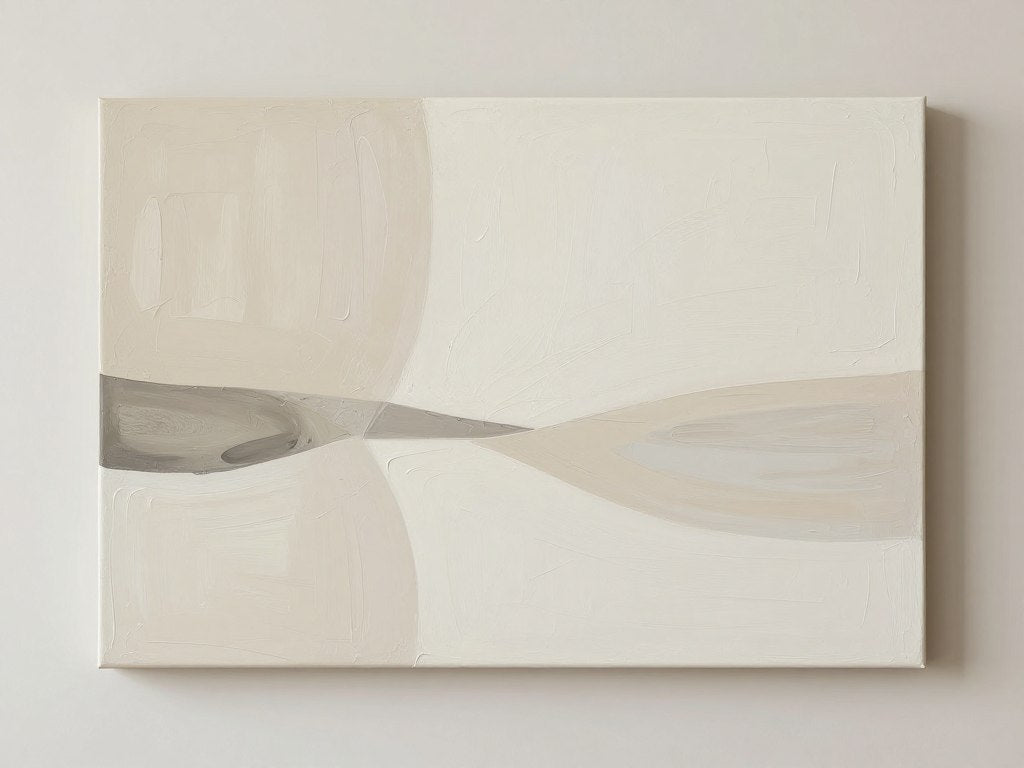
Original minimalist textured paintings offer maximum handmade authenticity. These one-of-a-kind pieces become treasured focal points in Japandi interiors. The investment in original art aligns with quality-over-quantity principles.
Limited edition prints maintain some exclusivity of originals affordably. Numbered editions create collectibility while remaining accessible. Consider these options for building your art collection thoughtfully over time.
When Japandi Wall Art Meets Modern Sculpture

Three-dimensional art pieces complement flat wall art beautifully in Japandi spaces. Sculptures add physical depth while maintaining minimal aesthetic principles. The combination creates layered interest without visual chaos.
Balancing Wall Art and Sculptural Elements

Place sculptural pieces on surfaces below wall art to create visual relationships. A ceramic vessel on a console table might echo colors in the artwork above. These intentional connections strengthen overall design cohesion.
Modern sculptures in natural materials reinforce Japandi principles effectively. Stone, wood, and ceramic pieces feel authentic to both cultural influences. The organic materials create harmony between different art forms.
Maintain negative space around sculptures as carefully as around wall art. Each piece needs breathing room to make its individual statement. Overcrowding surfaces defeats the minimal aesthetic you're working to achieve.
Material Harmony
Wood sculptures pair naturally with wooden frames on nearby wall art. This material repetition creates subtle unity across the space. The wood tones need not match exactly - variation adds organic authenticity.
Ceramic and stone sculptures reference Japanese pottery and garden traditions. These materials ground spaces literally and figuratively through their weight and earth connection. Matte glazes suit the aesthetic better than shiny finishes.
Metal sculptures work when finished in warm tones like brass or bronze. Avoid chrome or polished steel that reads too industrial for Japandi sensibilities. The metal should feel hand-forged rather than machine-manufactured.
Lighting Considerations for Japandi Art

Lighting dramatically affects how your artwork appears throughout the day. Natural light remains ideal but requires management to prevent fading. Artificial lighting should enhance without overpowering the subtle colors in Japandi art.
Natural Light Management

Position artwork away from direct sunlight when possible. UV rays fade prints over time regardless of quality. South-facing walls receive the most intense light in northern hemisphere homes.
Sheer curtains or blinds filter harsh sunlight effectively. These window treatments maintain brightness while protecting your artwork investment. The diffused light creates softer shadows that enhance rather than flatten art.
Seasonal light changes affect how neutral colors appear in your space. Artwork that looks warm and inviting in winter might appear different in bright summer light. Consider these variations when selecting pieces for specific rooms.
Artificial Lighting Techniques

Picture lights mounted above frames create gallery-quality illumination. LED options with warm color temperatures suit Japandi aesthetics best. Cool white light makes neutral tones appear grey and uninviting.
Track lighting offers flexibility for highlighting multiple pieces. Adjustable heads let you direct light precisely where needed. This option works well in rooms with numerous art pieces requiring individual attention.
Ambient lighting from multiple sources creates the most flattering environment. Combine overhead fixtures with table lamps and floor lamps for layered illumination. This approach prevents harsh shadows and creates inviting warmth.
Avoiding Common Lighting Mistakes
Overhead lighting alone casts unflattering shadows on artwork surfaces. The downward angle creates dark areas that obscure details. Always supplement ceiling fixtures with dedicated art lighting or lamps.
Lights positioned too close create hot spots and glare on glass or glossy surfaces. Maintain adequate distance for even light distribution. Test lighting angles before permanent installation when possible.
Dimmer switches provide control over lighting intensity throughout the day. This flexibility lets you adjust for different activities and moods. The ability to dim lights complements the calm Japandi atmosphere beautifully.
Styling Your Space with Japandi Principles
Learn practical techniques for incorporating Japandi wall art into your existing decor. This video demonstrates how small changes create significant aesthetic impact.
The right artwork transforms rooms from simply functional to truly restorative. Japandi design helps you create spaces that support wellbeing through intentional beauty.
Maintaining and Caring for Japandi Wall Art

Quality artwork deserves proper care to maintain its beauty for years. Canvas prints require minimal maintenance but benefit from basic attention. Simple habits protect your investment and keep pieces looking fresh.
Regular Cleaning Practices
Dust canvas prints gently with a soft microfiber cloth monthly. Use light pressure and brush away from the canvas center toward edges. This technique prevents dust buildup that dulls colors over time.
Avoid harsh chemicals or spray cleaners on artwork surfaces. These substances can damage inks and canvas materials permanently. Water alone usually suffices for occasional spot cleaning if necessary.
Vacuum frames and edges carefully using brush attachments. This removes dust from crevices where cloths cannot reach effectively. Regular maintenance prevents accumulation that becomes harder to remove later.
Environmental Protection
Keep artwork away from heat sources like radiators or fireplaces. Excessive heat can cause canvas to become brittle or warp frames. Maintain consistent room temperatures when possible for artwork longevity.
Humidity extremes affect canvas and frame materials negatively. Very dry conditions cause cracking while excess moisture promotes mold growth. Standard home humidity levels between 40-60% work well for art preservation.
Rotate pieces occasionally if some locations receive significantly more light than others. This practice ensures even aging across your collection. The rotation also refreshes your space by creating new visual arrangements.
Professional Quality Ensures Longevity

Museum-quality printing uses archival inks that resist fading for decades. This investment in quality pays dividends through extended artwork life. Rossetti Art canvas prints use professional-grade materials throughout production.
Proper stretching and mounting prevent sagging or warping over time. Gallery-wrapped edges with solid wood stretcher bars maintain structure indefinitely. These construction details separate quality pieces from cheap alternatives.
Free worldwide shipping eliminates the risk of local transport damage. Professional packaging ensures artwork arrives in perfect condition. The ready-to-hang format means you enjoy your pieces immediately upon arrival.
Building Your Japandi Art Collection Over Time

A meaningful collection develops gradually through intentional choices. Starting with key pieces and adding thoughtfully creates better results than buying everything at once. This measured approach aligns perfectly with Japandi philosophy.
Starting with Statement Pieces
Begin your collection with one or two larger pieces for main living spaces. These anchor pieces establish your aesthetic direction clearly. Choose artwork that genuinely moves you rather than following trends.
Statement pieces should work across various design evolutions. Select timeless subjects and colors that transcend temporary style shifts. This longevity thinking reflects the sustainable mindset inherent in Japandi design.
Live with your initial pieces for several weeks before adding more artwork. This waiting period clarifies what gaps exist and what additions would enhance the space. Rushed purchasing often leads to pieces that never quite fit.
Expanding Thoughtfully

Add pieces room by room rather than trying to complete everything simultaneously. This sequential approach prevents visual overload and budget strain. Each new piece receives proper consideration for its specific location.
Look for artwork that complements existing pieces without exactly matching them. Subtle variations in tone or subject keep collections interesting visually. Too much similarity creates monotony rather than cohesion.
Rossetti Art's blog offers ongoing inspiration for collection building. Regular visits expose you to new pieces and styling ideas gradually. This exposure helps refine your personal aesthetic over time.
Investing in Original Art
Consider acquiring original paintings as your collection and budget mature. These unique pieces become treasured focal points and family heirlooms. Original minimalist textured paintings offer investment value beyond mere decoration.
Original artwork supports living artists directly and meaningfully. This patronage continues artistic traditions that both Japanese and Scandinavian cultures value highly. Your purchase becomes part of the artist's creative journey.
Balance original pieces with quality prints for accessible collection building. This mixed approach provides variety while respecting budget realities. The combination creates rich, layered collections with multiple focal points.
Curating Rather Than Accumulating
Edit your collection periodically by removing pieces that no longer serve you. This practice maintains visual clarity and honors the minimal aesthetic. Store or sell pieces rather than keeping everything forever.
Quality over quantity remains the guiding principle always. Five carefully chosen pieces create more impact than twenty mediocre ones. The space between artworks matters as much as the pieces themselves.
Trust your evolving taste rather than rigidly following initial plans. Personal growth naturally changes your aesthetic preferences over time. Allow your collection to mature alongside your design understanding.
Ready to Transform Your Space?
Discover museum-quality canvas prints that bring lasting calm to your home. Each piece from Chiara Rossetti's collection combines minimalist beauty with warm, timeless appeal. Ready to hang, professionally finished, with free worldwide shipping to your door.
Japandi Art for Different Living Situations

Japandi principles adapt successfully to various home sizes and rental situations. The style works equally well in compact apartments and spacious houses. Your living situation should inform your approach without limiting your aesthetic goals.
Small Apartment Solutions

Smaller spaces benefit from fewer, carefully selected pieces. One impactful artwork often works better than multiple small prints in limited square footage. The single piece becomes a clear focal point without crowding the room.
Vertical orientations maximize wall space in rooms with low ceilings. Tall prints draw the eye upward and create the illusion of height. This technique makes small rooms feel more spacious and open.
Lighter colors in artwork help small spaces feel airier and larger. Dark or heavy pieces can overwhelm compact rooms quickly. Stick with soft neutrals and simple compositions for maximum spatial impact.
Rental-Friendly Options
Command strips and removable hanging systems work well for renters. These solutions avoid wall damage while securely holding lightweight to medium-weight canvases. Check weight limits before hanging to ensure safety.
Lean larger pieces on mantels or shelves for damage-free display options. This casual placement actually suits Japandi aesthetics through its relaxed, organic quality. The artwork can move easily as your space evolves.
Build your collection knowing you can take it with you. Quality pieces work across different homes and room configurations. This portability makes your art investment worthwhile despite temporary living situations.
Large Home Opportunities

Spacious rooms accommodate larger artworks and multi-piece arrangements. Scale up your pieces proportionally to room dimensions for proper visual impact. Small art looks lost on expansive walls regardless of quality.
Create distinct vignettes in open-concept spaces using artwork. Different pieces can define separate functional areas without physical dividers. This technique maintains openness while providing visual organization.
Multiple walls in large rooms offer opportunities for thematic variation. Each wall or area can explore different aspects of Japandi style cohesively. The variety prevents monotony while maintaining overall aesthetic unity.
Seasonal Considerations in Japandi Art Selection

While Japandi art remains timeless, seasonal light changes affect appearance. Understanding these shifts helps you select pieces that work year-round. The goal is artwork that remains beautiful in all conditions.
Year-Round Versatility
Neutral palettes transition seamlessly across seasons without requiring changes. The soft tones work equally well in bright summer sun and dark winter evenings. This versatility embodies the timeless quality Japandi design seeks.
Natural subjects like botanicals and organic abstracts suit all seasons. These universal themes never feel out of place regardless of weather outside. The connection to nature remains constant throughout the year.
Avoid artwork that feels specifically seasonal unless you enjoy rotating pieces. Winter scenes or beach imagery can feel jarring when seasons change. Stick with neutral subjects for permanent installations.
Rotating Accents

Small accent pieces can reference seasons without overhauling your entire aesthetic. A single print with warm rust tones might rotate in during autumn months. These subtle changes keep spaces feeling fresh and connected to natural cycles.
Decorative objects on surfaces below artwork can shift seasonally more easily than the art itself. Vases with seasonal branches or small sculptural pieces add timely touches. The wall art remains constant while accessories create variety.
Consider this rotation approach for rooms you use seasonally. Guest bedrooms or vacation homes might feature different artwork across seasons. Main living spaces typically benefit from year-round consistency instead.
Japandi Art with Other Design Styles

Pure Japandi spaces work beautifully, but many homes blend multiple influences. Your wall art can bridge different styles through careful selection. The key is finding common ground in colors, materials, or principles.
Japandi Meets Mid-Century Modern
Mid-century furniture and Japandi art share minimalist roots naturally. Both styles value clean lines and functional beauty. The organic forms in mid-century design complement Japandi subject matter beautifully.
Warm wood tones connect these aesthetics seamlessly. Teak furniture and light oak frames share similar color temperatures. Abstract art in earth tones works perfectly in spaces combining these influences.
The 1950s-60s interest in Japanese design actually influenced mid-century aesthetics originally. This historical connection makes the contemporary pairing feel authentic rather than forced. Your space benefits from this design lineage.
Bohemian Elements with Japandi Restraint

Bohemian style's warmth and texture can coexist with Japandi minimalism carefully. Let the wall art maintain restraint while textiles and accessories add boho personality. This balance prevents spaces from feeling too austere or too cluttered.
Natural materials form common ground between these apparently different styles. Rattan, jute, and wood appear in both aesthetics successfully. Focus on these shared elements when blending the looks.
Keep color mostly in textiles and plants rather than artwork. The neutral wall art anchors more colorful bohemian elements effectively. This approach lets you enjoy pattern and color while maintaining calm.
Contemporary and Japandi Fusion
Contemporary design's cleanliness aligns naturally with Japandi principles. Both avoid excessive ornamentation and favor edited aesthetics. The main difference lies in warmth levels and material choices.
Add warmth to stark contemporary spaces through Japandi art in softer tones. The artwork introduces organic elements that prevent rooms from feeling cold. Natural wood frames bridge contemporary and Japandi effectively.
Abstract geometric canvas prints work exceptionally well in this fusion. The clean shapes suit contemporary tastes while earth tones add Japandi warmth. This crossover style gains popularity for its accessible sophistication.
The Investment Value of Quality Japandi Wall Art

Quality artwork represents investment beyond mere decoration. Well-made pieces last decades and often appreciate in value. Understanding what constitutes quality helps you make wise purchasing decisions.
Markers of Quality Construction
Museum-grade canvas withstands time without yellowing or deteriorating. The fabric weight and weave density indicate quality levels. Premium canvases feel substantial and show consistent texture throughout.
Archival inks resist fading from light and environmental exposure. Cheaper pigments lose vibrancy within months or years of display. Quality printing maintains color accuracy for decades when properly cared for.
Solid wood stretcher bars provide structural integrity that composite materials cannot match. The bars should include corner bracing and cross-supports for larger pieces. These construction details prevent warping and sagging over time.
Cost Per Year Thinking
Divide artwork cost by expected lifespan for true value assessment. A $200 print lasting 20 years costs $10 annually. A $50 piece lasting 2 years costs $25 annually despite lower initial price.
Quality pieces avoid replacement costs and disappointment from deterioration. The initial investment pays dividends through sustained beauty and durability. This long-term thinking aligns perfectly with Japandi sustainability values.
Free shipping eliminates hidden costs that inflate cheap artwork pricing. Professional shipping ensures safe arrival without surprise fees. The delivered price remains the final price you pay.
Emotional and Aesthetic Returns

Daily exposure to beauty improves mental wellbeing measurably. Your home environment affects mood, stress levels, and overall life satisfaction. Quality art contributes to creating spaces that restore rather than deplete you.
Guests notice and respond to thoughtfully curated spaces subconsciously. Your aesthetic choices communicate values and personality without words. The investment in quality reflects self-respect and attention to detail.
Artwork becomes increasingly meaningful as you live with it over time. Pieces witness life changes and become part of your personal history. This emotional value far exceeds monetary cost for truly beloved artwork.
Common Mistakes to Avoid with Japandi Wall Art

Even with good intentions, certain missteps undermine Japandi aesthetics. Awareness of common pitfalls helps you avoid them proactively. Learning from others' mistakes saves time and resources.
Overcrowding and Gallery Wall Excess
Too many pieces destroy the calm that defines Japandi style fundamentally. The temptation to fill every wall space contradicts minimal principles. Resist this urge even when you love many different pieces.
Dense gallery walls suit maximalist styles but overwhelm Japandi spaces. Leave substantial breathing room between pieces if creating multi-piece arrangements. The negative space serves the design as much as the artwork itself.
Start with fewer pieces than you think necessary. Living with sparse walls teaches you how much space artwork actually needs. You can always add more later, but removing pieces feels like failure.
Scale Misjudgments
Artwork too small for the wall space looks timid and ineffective. Err toward slightly larger pieces rather than smaller ones. Proper scale creates confident visual impact that grounds the entire room.
Multiple tiny pieces scattered across large walls create visual clutter. Either scale up to fewer larger prints or create tight groupings with clear boundaries. Avoid the scattered, disconnected appearance that results from poor planning.
Furniture relationships affect artwork scale requirements significantly. Measure your sofa or bed width before selecting art to hang above it. The artwork should relate proportionally to the furniture dimensions below.
Color Palette Violations

Introducing bright or saturated colors disrupts neutral Japandi palettes instantly. Even small amounts of intense color draw disproportionate attention. Save bold hues for styles that celebrate them rather than forcing them here.
Cool greys without warmth make spaces feel institutional rather than inviting. Test grey artwork in your actual lighting before purchasing. The tones should read as warm or neutral rather than cold.
Mixing too many different neutrals creates subtle chaos. Stick with a consistent palette across your collection. Three to five coordinating tones provide variety without confusion.
Ignoring Room Function
Energetic artwork in bedrooms contradicts the room's rest purpose. Save dynamic compositions for active spaces like offices or living rooms. Match the artwork mood to the activities each room supports.
Overly minimal art in family gathering spaces can feel unwelcoming. Living rooms benefit from slightly more visual interest than bedrooms. Consider the social function when selecting pieces for different areas.
Ignoring existing room elements leads to clashing aesthetics. Your artwork should acknowledge and complement the architecture, furniture, and lighting already present. Complete overhauls rarely prove necessary or practical.
The Future of Japandi Design and Wall Art

Design styles evolve while maintaining core principles that define them. Japandi continues developing as more people embrace its values. Understanding these directions helps you make timeless choices today.
Sustainability and Conscious Consumption
Environmental awareness increasingly influences Japandi aesthetics naturally. Both source cultures value respect for nature and resources. Expect growing emphasis on sustainable materials and ethical production practices.
Quality over quantity becomes even more important as sustainability concerns grow. Buying fewer, better pieces reduces environmental impact significantly. This approach aligns perfectly with existing Japandi principles.
Digital printing technologies improve while reducing waste and chemicals. Water-based inks and recycled canvas materials become industry standards. These advances let you choose beautiful art with cleaner conscience.
Personal Expression Within Minimalism

Strict minimalism softens to allow more personality and warmth. The emerging interpretation embraces minimal principles without rigid rules. This evolution makes Japandi more accessible and livable for diverse lifestyles.
Personal photographs and children's art find place in Japandi homes thoughtfully. Simple frames and careful placement let these pieces coexist with purchased artwork. The personal touches add warmth without creating visual chaos.
Mixing original art with prints becomes standard practice across income levels. This democratic approach values beauty over exclusivity or status. Original paintings and quality prints both deserve space in thoughtful collections.
Technology Integration
Digital frames displaying rotating artwork may become more accepted. This technology lets you enjoy variety without physical storage needs. The key is selecting frames with matte displays that avoid glossy screen appearance.
Augmented reality tools help visualize artwork before purchase increasingly. These technologies reduce return rates and buyer hesitation significantly. Virtual placement builds confidence in scale and color decisions.
Online galleries like Rossetti Art's curated collections make quality pieces globally accessible. Geographic limitations no longer restrict your design possibilities. This democratization enriches the style through diverse influences.
Frequently Asked Questions About Japandi Wall Art
What exactly is Japandi style?
Japandi combines Japanese minimalism with Scandinavian functionality and warmth. The style values simplicity, natural materials, and neutral colors. It creates calm spaces that feel minimal yet inviting rather than cold. Both cultures influence the aesthetic equally, resulting in something unique. The approach emphasizes quality over quantity in every design choice.
What colors work best for Japandi wall art?
Neutral tones form the foundation: cream, beige, taupe, warm grey, and charcoal. Earth accents like sage green, muted terracotta, and soft rust add warmth sparingly. Avoid bright or saturated colors that disrupt the calm palette. Black and white work when rendered with soft edges rather than harsh contrast. The colors should always feel warm rather than cool or sterile.
How do I choose the right size artwork for my wall?
Measure furniture widths below the intended artwork location first. The art should span between half and three-quarters of the furniture width typically. For blank walls, consider the wall dimensions and leave substantial breathing room around pieces. Err toward slightly larger rather than smaller when uncertain. Multiple smaller pieces need tight grouping with clear boundaries rather than scattered placement.
Can I mix Japandi wall art with other design styles?
Yes, Japandi art works well with mid-century modern, contemporary, and even bohemian styles. The neutral palette and natural materials bridge different aesthetics successfully. Let the wall art maintain restraint while other elements add personality. Focus on shared values like natural materials and clean lines. The artwork often anchors more eclectic spaces effectively through its calm presence.
How much wall art is too much in Japandi style?
Less is genuinely more in Japandi aesthetics. Start with fewer pieces than you think necessary and live with the space before adding more. Negative space serves the design as much as the artwork itself. Dense gallery walls contradict the minimal principles entirely. If you question whether you have too much, you probably do. Edit ruthlessly to maintain the calm that defines this style.
What makes quality canvas prints worth the investment?
Museum-grade materials last decades without fading or deteriorating. Archival inks and premium canvas maintain color accuracy and structural integrity. Solid wood stretcher bars prevent warping and sagging over time. Quality pieces avoid replacement costs and sustained disappointment. The cost per year of ownership makes premium prints more economical long-term. Free shipping and ready-to-hang construction add convenience value. Your daily exposure to beauty justifies investment in quality pieces.
Where should I buy Japandi wall art?
Look for galleries and artists specializing in minimal, nature-inspired work. Online galleries like Rossetti Art offer curated collections that align with Japandi aesthetics. Prioritize sellers offering quality materials, clear product details, and professional photography. Free shipping and good return policies protect your investment. Support artists directly when possible through original works or limited editions. Quality matters more than bargain prices for pieces you'll live with daily.
Creating Your Calm Sanctuary Through Japandi Wall Art

Japandi wall art transforms houses into homes that restore rather than deplete you. The fusion of Japanese and Scandinavian design principles creates timeless beauty that never tires. Your walls deserve artwork that adds meaning while maintaining visual peace.
Quality pieces become companions through life's changes and seasons. The investment in beautiful artwork pays daily dividends through improved wellbeing and satisfaction. Your space reflects your values when you choose thoughtfully and intentionally.
Start your collection with pieces that genuinely move you rather than following trends blindly. Build gradually, allowing each addition to earn its place through beauty or meaning. The journey of creating your aesthetic brings as much satisfaction as the finished result.
Natural materials, soft neutrals, and minimal compositions form the foundation. Clean lines and organic subjects connect your interior with the natural world outside. These principles create spaces that feel both contemporary and timeless simultaneously.
Remember that empty wall space serves the design as much as the artwork itself. Resist the temptation to fill every surface with decoration or visual noise. The calm you create through restraint defines successful Japandi interiors fundamentally.
Your home should support your life rather than demanding constant attention or maintenance. Japandi wall art requires minimal care while providing maximum aesthetic impact. This practical beauty embodies the functional philosophy both source cultures value deeply.
Trust your evolving taste as you live with your choices over time. Personal growth naturally changes aesthetic preferences and needs. Allow your collection to mature alongside your design understanding and life circumstances.
Quality artwork lasts decades and often becomes more meaningful with age. The pieces witness your life's moments and become part of your personal history. This emotional value far exceeds monetary cost for truly beloved artwork.
Explore curated collections that take the guesswork out of achieving cohesive aesthetics. Professional curation ensures pieces work together while maintaining individual interest. Discover artwork that brings Japandi warmth into your modern home today.

Leave a comment
This site is protected by hCaptcha and the hCaptcha Privacy Policy and Terms of Service apply.