
In a world of constant visual noise, Japandi style offers a refreshing approach to interior design that celebrates simplicity, natural materials, and thoughtful curation. This harmonious blend of Japanese minimalism and Scandinavian functionality has become increasingly popular for those seeking tranquil, balanced spaces. If you're drawn to clean lines, neutral palettes, and the beauty of imperfection, you'll find that Japandi wall art can transform your space with remarkable subtlety. This guide will walk you through the essentials of Japandi style and reveal the perfect art pairings that consistently elevate these serene interiors.
TL;DR: Japandi Style Essentials
- Japandi combines Japanese minimalism with Scandinavian warmth and functionality
- Key elements include natural materials, negative space, and a neutral color palette of warm earth tones, charcoal, and muted colors
- Wall art should feature clean lines, intentional asymmetry, and a focus on quality over quantity
- The most successful art pairings combine minimal line art with soft abstract pieces
- Frames should be matte finish in natural wood, black, or float style
- Each room has specific art placement needs: wider pieces for living rooms, serene sets for bedrooms
- Less is more—fewer, thoughtfully selected pieces create more impact than numerous small frames
What Is Japandi Style?

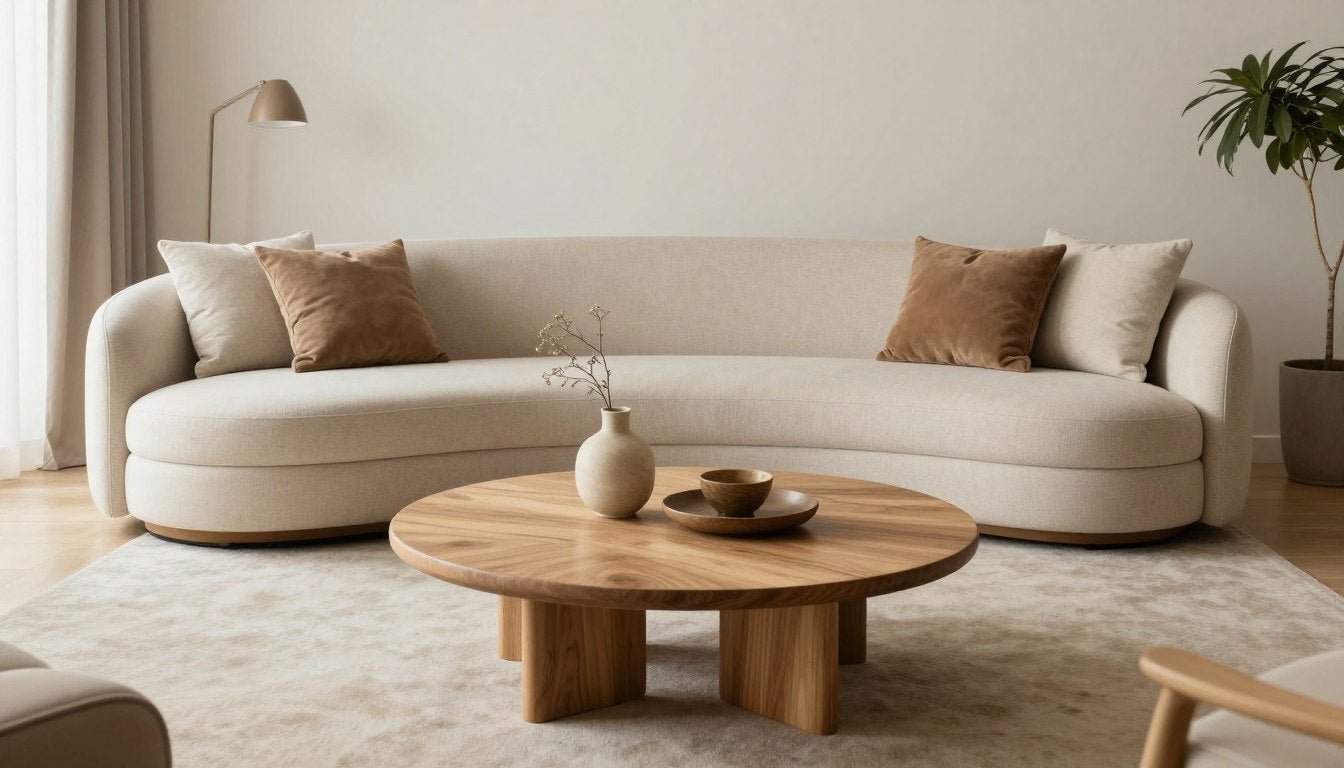
The harmonious blend of Japanese and Scandinavian design creates spaces that are both functional and serene
The "Japan × Scandinavia" Design DNA
Japandi style represents the thoughtful fusion of two distinct yet complementary design philosophies. The relationship between Japanese and Scandinavian design dates back to the mid-1850s when Japan opened its borders after 200 years of isolation. Scandinavian designers quickly became captivated by Japanese aesthetics, recognizing the shared values of simplicity, craftsmanship, and connection to nature. This wabi-sabi philosophy of finding beauty in imperfection blends seamlessly with the Scandinavian concept of hygge (comfort and coziness).
Japandi vs Scandinavian vs Minimalism (Quick Distinctions)
While these styles share common ground, they each have distinct characteristics. Scandinavian design emphasizes light colors, functionality, and cozy elements to combat long, dark winters. Japanese design embraces darker, earthier tones, negative space (ma), and the acceptance of imperfection. Pure minimalism often feels stark and can sometimes read as cold or impersonal. Japandi takes the warmth of Scandinavian interiors, the intentionality of Japanese spaces, and creates something that feels both minimal and inviting—a balance that pure minimalism sometimes struggles to achieve. If you're still weighing Japandi against other popular looks, our style explainer comparing Japandi, Scandinavian, farmhouse, and wabi-sabi design breaks down exactly how each philosophy differs so you can choose the right fit for your space.
The Japandi Foundations (So Your Art Doesn't Fight the Room)
Color Palette (Warm Neutrals, Charcoal Accents, Muted Earth)
The Japandi color palette centers around neutral tones that create a sense of calm and harmony. Unlike pure Scandinavian style, which often features bright whites, Japandi incorporates warmer neutrals and deeper accents. Think soft beiges, warm whites, charcoal grays, and muted earth tones like sage, clay, and umber. This balanced palette provides the perfect backdrop for thoughtfully selected wall art, allowing pieces to stand out without overwhelming the space.

The signature Japandi palette balances warm neutrals with deeper accents
Materials + Texture (Wood, Linen, Ceramics, Matte Finishes)
Natural materials form the foundation of Japandi style, creating spaces that feel grounded and authentic. Light to medium-toned woods like oak, ash, and walnut are prevalent in furniture and accents. Textiles tend toward natural fibers such as linen, cotton, and wool in neutral tones. Ceramics, stone, and handcrafted objects add subtle texture and visual interest. When selecting wall art for your space, consider pieces that complement these natural elements through texture, tone, and finish.
Negative Space + Balance (Why Fewer Pieces Look More Expensive)
Perhaps the most crucial element of Japandi style is the thoughtful use of negative space. The Japanese concept of "ma" celebrates emptiness as an essential component of design rather than something to be filled. In practice, this means selecting fewer, higher-quality pieces and allowing them room to breathe. This approach not only creates a sense of calm but also makes your space look more intentional and refined. When it comes to wall art, one striking piece often creates more impact than a cluttered gallery wall.

Negative space allows art to make a stronger statement while creating a sense of calm
The Wall Art Rules of Japandi
Line Weight, Breathing Room, and Quiet Focal Points
Japandi wall art follows specific principles that maintain the style's sense of balance and tranquility. Line weight in artwork should vary from delicate to moderately bold, but rarely heavy or aggressive. Pieces need breathing room—allow at least 4-6 inches between frames and even more for larger pieces. Create quiet focal points by positioning art where it can be appreciated without competing elements nearby. The minimal line art prints that work so well in Japandi spaces achieve impact through simplicity rather than boldness.

Proper spacing allows each piece to be appreciated individually while creating a cohesive whole
Frames & Finishes: Matte, Natural Wood, Black, Float Frames
Frame selection is crucial in Japandi interiors. Opt for matte finishes rather than glossy or metallic options, which can disrupt the calm aesthetic. Natural wood frames in light to medium tones work beautifully, as do simple black frames with clean lines. Float frames, which create space between the artwork and frame, add a subtle sense of depth while maintaining minimalism. Whatever your choice, consistency in framing throughout a space helps maintain the cohesive, intentional feel that defines Japandi style. For more guidance on art print sizing and framing, our detailed guide can help you make the perfect selection.
The Best Line Art + Abstract Pairings
Pairing Logic (Harmony vs Contrast)
The most successful Japandi wall art combinations follow one of two approaches: harmony or controlled contrast. Harmonious pairings feature pieces with similar tones, weights, and subject matter—creating a sense of continuity and calm. Controlled contrast pairs complementary elements that enhance each other through thoughtful opposition—like pairing a structured geometric piece with a more organic, flowing design. Both approaches work beautifully in Japandi interiors, provided they maintain the style's commitment to balance and restraint.

Harmony creates calm continuity while controlled contrast adds subtle visual interest
Pairing Ideas by Mood (Calm / Grounded / Architectural / Poetic)
Different art pairings can evoke specific moods within your Japandi space. For ultimate calm, pair continuous line drawings with soft grid abstracts in matching neutral tones. For a more grounded feel, combine botanical line art with textural wabi-sabi pieces in earth tones like the stunning Waves Meet Grid canvas. Architectural spaces benefit from geometric minimal abstracts paired with structured line drawings in contrasting weights. For poetic, contemplative areas, try figurative line art with monochrome brush stroke pieces that suggest movement and emotion.
| Line Art Style | Abstract Partner Type | Best Palette | Best Room | Spacing & Frame Notes | Why It Works |
| Continuous line | Soft grid | Warm white-black | Living room | Thin black frames, 5-6" apart | The flowing line art softens the structured grid for perfect balance |
| Single-face | Monochrome brush | Beige-charcoal | Bedroom | Natural wood frames, 4" apart | Creates a poetic, contemplative mood perfect for rest |
| Botanical line | Wabi-sabi texture | Sage-stone | Entry | Float frames, vertical arrangement | Natural elements create a grounding welcome |
| Figurative | Geometric minimal | Sand-ink | Office | Matching frames, equal spacing | Balances human element with structure for focus |
Before you hang: 7-point Japandi art checklist
- Verify your color palette stays within warm neutrals, charcoal, and muted earth tones
- Ensure frames are matte finish in natural wood, black, or float style
- Check that pieces have adequate breathing room (minimum 4-6" between frames)
- Confirm art height is at eye level (57-60" from floor to center)
- Limit pieces to create intentional negative space
- Balance line weights between delicate and moderate (avoid heavy)
- Step back and assess the overall calm, intentional feeling
Explore Japandi-Perfect Art Collections
Discover curated pieces that embody the harmony of Japanese and Scandinavian design.
Shop Abstract & Geometric Prints Shop Line Art Canvas PrintsJapandi Art by Room (Placement & Scale)
Living Room (Above Sofa, Wide Walls, Triptychs)
Living rooms in Japandi style benefit from larger statement pieces or thoughtfully arranged sets. Above a sofa, choose a piece that spans roughly two-thirds of the sofa's width, or consider a triptych set like Momentum Lines for wider walls. Height should be approximately 24-36 inches, with the bottom edge 8-10 inches above the sofa back. For open walls, a single large piece (36-48 inches) creates more impact than multiple small frames. Keep adjacent walls relatively sparse to maintain balance throughout the space.

Proper scale and placement above a sofa creates a balanced focal point
Bedroom (Above Bed, Minimal Sets, Softness)
Bedrooms call for art that promotes tranquility and rest. Above the bed, either center a single piece (approximately 24-36 inches wide) or create a minimal set of two complementary pieces with 4-6 inches between them. Opt for softer subjects and palettes—like the Minimal Soft Grid abstract that perfectly embodies Japandi serenity. Keep other walls in the bedroom relatively clear, with perhaps just one additional piece on an opposing wall to maintain the restful atmosphere.
Office (Focus, Clarity, Low Visual Noise)
A Japandi office should promote focus and clarity through minimal visual noise. Choose pieces with clean lines and balanced composition—geometric abstracts and simple line drawings work particularly well. Position art at eye level when seated at your desk, and limit yourself to 1-2 pieces within your primary sightline. The wabi-sabi art collection offers excellent options that promote concentration while maintaining aesthetic appeal.

A single well-chosen piece reduces visual noise and enhances focus in a home office
Entryway/Hallway (Verticals, Small Statements)
Entryways and hallways benefit from vertical compositions that complement these typically narrower spaces. A single vertical piece (approximately 16-24 inches wide by 24-36 inches tall) creates an elegant statement. Alternatively, stack two smaller pieces vertically with 4-5 inches between them. For longer hallways, space individual pieces at least 24-36 inches apart to create rhythm without crowding. The modern sculptures collection also offers three-dimensional options that can beautifully complement your wall art in these transitional spaces.
Common Mistakes to Avoid

Fewer, larger pieces create more impact than numerous small frames
Too Many Small Frames
One of the most common mistakes is overcrowding walls with too many small pieces. This creates visual noise that contradicts Japandi's emphasis on calm and intentionality. Instead, select fewer, larger pieces that make a statement while maintaining tranquility.
Overly Glossy Finishes
Highly reflective or metallic finishes on frames or within artwork itself can disrupt the serene quality of Japandi spaces. Stick to matte finishes that absorb rather than reflect light, creating a softer, more grounded feel.
High-Saturation Clashes
Bright, highly saturated colors fight against the Japandi palette. Even if you want to incorporate color, choose muted, earthy versions rather than vibrant hues. A subdued sage will always work better than a bright emerald green.
"Perfect Symmetry" Everywhere
While Japandi appreciates balance, perfect symmetry can feel rigid and unnatural. Embrace subtle asymmetry and the wabi-sabi concept of beautiful imperfection for more authentic, lived-in spaces.
Recommended Next Reads + Styling Resources
Wabi-Sabi Principles
Deepen your understanding of the Japanese philosophy that underpins much of Japandi style.
Art Size Guidance
Learn the exact measurements and proportions for perfectly sized art in every room.
Hanging Guide
Master the practical aspects of hanging your art with precision and care.
FAQ
What colors are considered Japandi?
Japandi colors center around warm neutrals (beige, oatmeal, cream), deep accents (charcoal, soft black), and muted earth tones (clay, sage, umber). Unlike pure Scandinavian style which often features bright whites, Japandi incorporates warmer neutrals and deeper accents for a more grounded feel. The palette should feel harmonious and natural, avoiding bright or highly saturated colors.
Is Japandi the same as wabi-sabi?
No, though they're related. Wabi-sabi is a Japanese philosophy centered on finding beauty in imperfection and transience. It's one component of Japandi style, which is a broader design approach that combines Japanese aesthetics (including wabi-sabi principles) with Scandinavian design elements like functionality and hygge (coziness). Think of wabi-sabi as one important ingredient in the Japandi recipe.
What kind of wall art fits Japandi interiors best?
Minimal line art, soft abstract pieces, geometric designs with organic elements, and monochrome compositions work exceptionally well in Japandi interiors. Look for pieces with clean lines, intentional negative space, and neutral or muted earth tone palettes. Art that celebrates simplicity, natural forms, or subtle texture aligns perfectly with Japandi principles.
How many pieces should be on a Japandi wall?
Less is more in Japandi style. A single large statement piece often creates more impact than multiple small ones. If grouping art, limit to 2-3 pieces with ample spacing between them (at least 4-6 inches). The Japanese concept of "ma" (negative space) is essential—walls should have breathing room rather than feeling crowded.
Should Japandi art be black and white only?
No, though black and white pieces are common and effective in Japandi spaces. Art can also incorporate warm neutrals (beige, oatmeal, cream), soft charcoals, and muted earth tones like clay, sage, and umber. The key is maintaining a restrained palette that feels natural and harmonious rather than bright or contrasting.
What size wall art works above a sofa in Japandi style?
For Japandi style, choose a piece that spans approximately two-thirds of your sofa's width. For a standard 84" sofa, this means a piece around 56" wide. Height should be roughly 24-36", with the bottom edge hung 8-10" above the sofa back. Alternatively, a set of 2-3 pieces with 4-6" spacing between them can span a similar width for a more dynamic but still minimal arrangement.
Can you mix line art with geometric abstract in Japandi?
Yes, this is actually one of the most successful Japandi art pairings. The key is maintaining balance—if your line art is delicate, pair it with a subtle geometric piece. If your geometric abstract has strong forms, balance it with more substantial line work. Keep both pieces within a complementary color palette and use similar framing to create cohesion.
What frames look best for Japandi wall decor?
Opt for frames with matte finishes rather than glossy or metallic. Natural wood frames in light to medium tones (oak, ash, walnut) work beautifully, as do simple black frames with clean lines. Float frames, which create space between the artwork and frame, add subtle depth while maintaining minimalism. Whatever your choice, consistency in framing throughout a space helps maintain the cohesive feel that defines Japandi style.
Japandi style offers a thoughtful approach to interior design that celebrates simplicity, natural materials, and the beauty of imperfection. By understanding the principles behind this harmonious blend of Japanese and Scandinavian aesthetics, you can create spaces that feel both minimal and inviting. The art you choose plays a crucial role in establishing this balance—opt for pieces that embody clean lines, intentional negative space, and a restrained palette. Remember that in Japandi interiors, less truly is more. A few carefully selected pieces will create more impact than numerous small frames, allowing each element to be fully appreciated within the tranquil atmosphere you've created.
Ready to Transform Your Space?
Explore our curated collections of Japandi-inspired wall art to bring harmony and balance to your home.
Shop Wabi-Sabi Collection

Leave a comment
This site is protected by hCaptcha and the hCaptcha Privacy Policy and Terms of Service apply.