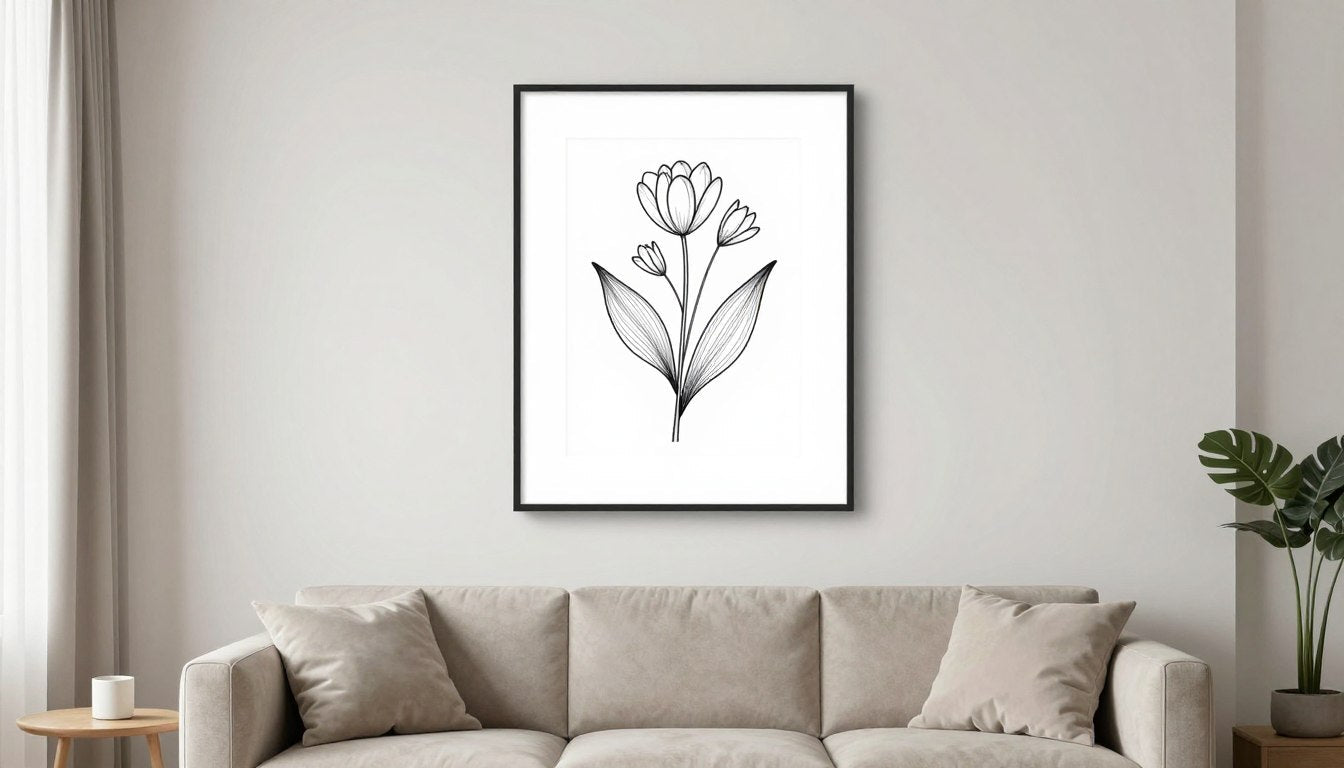

Small walls present a unique decorating challenge. Too much decor makes the space feel cramped. Too little leaves it looking bare and unfinished. Finding the perfect balance requires understanding scale, visual weight, and the art of restraint.
The key lies in treating your small wall as a curated gallery rather than a blank canvas to fill. Every piece should earn its place. This approach creates impact without overwhelming your space.
Whether you're working with a narrow entryway wall, the space above a bed, or a compact home office corner, the principles remain the same. Choose pieces that complement your room's proportions and let them breathe.
Understanding Small Wall Proportions and Scale
The most common mistake in decorating a small wall is choosing pieces that fight against the space rather than work with it. Scale determines whether your wall decor looks intentional or accidental.

The Two-Thirds Rule for Wall Art
For a single piece of art on a small wall, aim for artwork that covers approximately two-thirds of the wall width. This creates balance without dominating the space.
A piece that's too small looks lost and disconnected. Artwork that's too large overwhelms and makes the wall feel even smaller than it is.
Measure your wall space before shopping. This simple step prevents costly mistakes and ensures your chosen piece will enhance rather than diminish your space.
Vertical vs. Horizontal Orientation
The shape of your wall dictates the best orientation for your art. Tall, narrow walls benefit from vertical pieces that emphasize height. Wide, short walls work better with horizontal artwork or arrangements.
Consider the surrounding furniture and architectural elements. A vertical piece above a narrow console table creates cohesion. A horizontal piece above a bed or sofa mirrors the furniture's lines.
Vertical Wall Solutions
- Portrait-oriented canvas prints
- Narrow floating shelves with small objects
- Vertical gallery wall arrangements
- Tall botanical prints
- Single column of frames
Horizontal Wall Solutions
- Landscape-oriented artwork
- Horizontal shelf displays
- Row-style gallery walls
- Wide abstract prints
- Panoramic cityscapes
Perfectly Sized Art for Small Walls
If you love minimalist elegance, here are 3 prints that bring sophisticated style to small walls without overwhelming your space.

Minimalist Line Art
Single-line drawings create visual interest without visual clutter. Perfect for small spaces that need a touch of sophistication.

Black & White Abstract
Monochromatic pieces add depth and style while maintaining visual simplicity. They complement any color scheme effortlessly.

Simple Botanical
A single botanical element brings nature indoors without the chaos of busy patterns. Calming and timeless for any room.
Choosing the Right Art Style for Compact Spaces
Not all art styles work equally well on small walls. Some styles naturally suit limited space, while others require more room to make an impact.

Abstract and Geometric Designs
Abstract art works beautifully in small spaces because it doesn't demand the same viewing distance as detailed representational work. Geometric patterns create structure without complexity.
Choose pieces with limited color palettes. Three to four colors maximum keeps the visual impact strong without overwhelming the space. Bold shapes in restrained colors make powerful statements.
Our abstract canvas prints collection features carefully curated pieces designed to enhance rather than dominate your space.
Portrait and Figure Art
A single portrait creates instant focal point energy. The human face naturally draws the eye and adds personality to any space. This works especially well in entryways and bedrooms.
Black and white portraits offer timeless elegance. They integrate seamlessly with any decor style and color scheme. The contrast creates visual interest without competing with your existing palette.
Consider our portrait canvas prints for sophisticated statement pieces that won't overwhelm your small wall.
Line Art and Minimalist Pieces
Line art represents the ultimate in visual efficiency. Maximum impact with minimum elements. This style feels modern, sophisticated, and perfectly suited to small spaces.
Single-line drawings create movement and interest while maintaining an open, airy feel. The simplicity prevents visual crowding even on the smallest walls.
These pieces work particularly well in modern and contemporary spaces but can add interesting contrast to traditional rooms as well.
Color Psychology for Small Wall Spaces
Color choices dramatically affect how large or small a wall feels. Understanding color psychology helps you make choices that enhance rather than shrink your space.

Light Colors to Expand Space
Light, cool colors recede visually. Blues, soft grays, and whites make walls appear larger and more open. This optical trick works especially well in small rooms.
White or cream matting around artwork creates breathing room. The light border separates the art from the wall and adds perceived space around the piece.
Avoid dark, heavy frames on small walls unless your entire room embraces a dark, moody aesthetic. Light or medium-toned frames maintain the sense of space.
Strategic Use of Bold Colors
Bold colors can work on small walls when used thoughtfully. A single piece with a vibrant focal color creates energy without chaos. The key is restraint.
If your room features neutral walls and furniture, one bold art piece adds personality. Keep the surrounding decor simple to let that piece shine.
Consider the existing color palette in your room. Choose art that pulls one or two accent colors from your furnishings for cohesive design.
Design Tip: Match your art's undertones to your room's undertones. Warm rooms pair best with warm-toned art. Cool rooms benefit from cool-toned pieces. This creates harmony even with bold color choices.
Gallery Wall Strategies That Won't Overwhelm
Gallery walls on small spaces require extra planning. Too many pieces create clutter. Too few pieces don't justify the gallery wall approach at all.

The Three to Five Piece Rule
For small walls, limit gallery walls to three to five pieces maximum. This creates visual interest without overwhelming the space. More pieces risk looking chaotic rather than curated.
Odd numbers of frames typically look more balanced than even numbers. Three or five pieces create dynamic arrangements that feel intentional.
Maintain consistent spacing between frames. Two to three inches works well for most small gallery walls. Consistent gaps create order and prevent the cluttered look.
Cohesive Frame Selection
Matching frames create instant cohesion. All black frames, all white frames, or all wood frames unify diverse artwork into a single statement.
If you prefer mixed frames, keep the finishes within the same family. All warm woods or all metallics maintains visual harmony.
Mat all pieces consistently. Matching mat colors and widths tie different images together even when the frames vary slightly.
Successful Gallery Wall Elements
- Consistent frame style or color
- Related subject matter or theme
- Similar color palette across pieces
- Balanced visual weight distribution
- Template planning before hanging
- Central focal point piece
Gallery Wall Mistakes to Avoid
- Too many competing focal points
- Inconsistent spacing between frames
- Frames extending beyond furniture width
- Mixing too many frame styles
- Hanging pieces too high or low
- Overcrowding the available space
Grid vs. Salon Style Arrangements
Grid arrangements work best for small walls. The ordered structure prevents visual chaos. Align all frames perfectly for clean, modern impact.
Salon-style arrangements with varied sizes and asymmetrical placement need more wall space to work properly. On small walls, they often look messy rather than artfully eclectic.
If you love the salon look, stick to no more than four pieces in slightly varied sizes. Create a loose grid structure even within the asymmetry.
Match This Vibe to Your Space
Find perfectly curated collections designed for every room in your home. Each collection features art specifically selected to enhance your space.
Living Room Collections
Statement pieces that create conversation and set the tone for your most-used space.
Bedroom Collections
Calming, sophisticated pieces that create the serene atmosphere you need for rest.
Entryway Collections
First-impression pieces that welcome guests with style and personality.
Alternative Wall Decor Options Beyond Art Prints
Art prints aren't your only option for small wall decor. Several alternatives create visual interest without the commitment or visual weight of traditional artwork.

Floating Shelves with Curated Objects
A single floating shelf creates dimension without overwhelming the wall. Style it with a few carefully chosen objects rather than filling every inch.
Three to five objects create visual balance. Include varied heights and textures. A small plant, a sculpture, and a framed photo create interest through diversity.
Keep the color palette restrained. Too many colors on a small shelf create visual noise. Stick to two or three complementary tones.
Consider our modern sculptures collection for unique three-dimensional pieces that add personality to shelf displays.
Decorative Mirrors
Mirrors serve double duty on small walls. They provide visual interest while making the space feel larger through reflection.
Choose mirrors with interesting frames that complement your decor style. The frame becomes the decorative element while the mirror surface expands the perceived space.
Avoid oversized mirrors on small walls. Follow the two-thirds rule just as you would with artwork. The mirror should enhance, not dominate.
Textile Wall Hangings
Fabric wall hangings add warmth and texture. Woven pieces, tapestries, or even framed fabric swatches create visual interest with softer impact than hard-edged frames.
Choose textiles with simple patterns or solid colors. Busy patterns overwhelm small spaces. The texture itself provides sufficient visual interest.
Stick wallpaper or removable wall decals offer commitment-free ways to add pattern. Choose subtle designs that enhance rather than dominate your space.

The Relationship Between Furniture and Wall Decor
Wall decor doesn't exist in isolation. Its relationship to the furniture below it determines whether your design feels intentional or accidental.

Art Placement Above Furniture
Hang art six to eight inches above furniture. This creates visual connection without making the piece feel like it's sitting on the furniture.
The width of your art should relate to the width of the furniture below it. Artwork that's significantly narrower or wider than the furniture looks disconnected.
For art above a bed, choose pieces that span roughly two-thirds of the headboard width. This creates balance without extending awkwardly beyond the bed's edges.
Creating Visual Flow
The eye should flow naturally from furniture to wall decor and back. Create this flow through color connections, repeated shapes, or aligned edges.
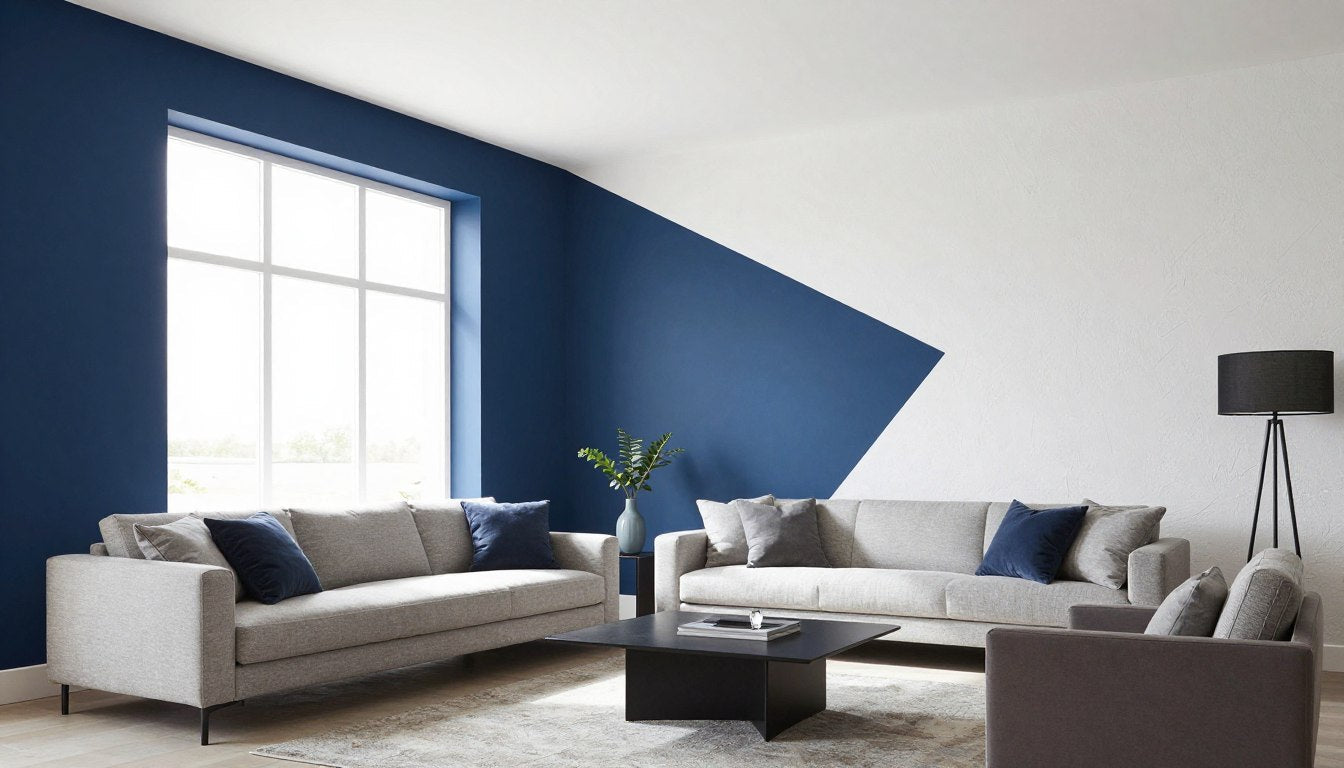
If your sofa features blue pillows, blue tones in your wall art create cohesion. This doesn't mean exact matching. Complementary shades within the same color family work beautifully.
Align the center of your artwork with the center of the furniture below it. This creates symmetry that feels calm and intentional.
Professional Tip: For pieces above consoles or dressers, leave space for table lamps or decorative objects. The art shouldn't crowd the furniture's surface styling.
Lighting Considerations for Small Wall Displays
Proper lighting transforms how wall decor appears. The same piece can look flat and lifeless or dimensional and engaging based solely on light quality.

Natural Light Advantages
Natural light brings wall decor to life. Position art on walls that receive indirect natural light for the best effect.
Avoid placing valuable prints in direct sunlight. UV rays cause fading over time. If your small wall receives strong direct light, consider UV-protective glass or choose less sun-sensitive decor.
Light colored walls reflect more natural light. This makes both the space and your wall decor appear brighter and more open.
Artificial Lighting Options
Picture lights add gallery-quality illumination to small wall displays. Slim LED picture lights work particularly well in compact spaces where larger fixtures would overwhelm.
Track lighting or adjustable spotlights give flexibility. Point light directly at your wall decor to create focal point emphasis.
Warm light temperature (2700-3000K) creates inviting ambiance. Cool light (4000K+) works better for modern, crisp aesthetics. Match your light temperature to your room's overall design style.
Room-Specific Small Wall Strategies
Different rooms have different needs. The same piece that works beautifully in your bedroom might feel wrong in your home office or entryway.

Living Room Small Walls
Living room walls benefit from pieces that spark conversation. Choose art that reflects your personality and interests. This space allows for bolder choices than more private rooms.
Consider the sight lines in your living room. Position wall decor where people will naturally look when seated. Eye level for seated viewers is lower than standing eye level.
Our living room wall art collection features pieces specifically curated for social spaces.
Bedroom Behind the Bed
The wall behind your bed sets the tone for the entire bedroom. Choose calming pieces that promote relaxation rather than stimulation.
Abstract pieces in soft colors work beautifully. Botanical prints bring natural serenity. Avoid busy patterns or jarring colors that might disrupt sleep.
For small walls behind the bed, a single centered piece often works better than multiple frames. The simplicity enhances the restful atmosphere.
Home Office Inspiration
Home office walls need pieces that inspire focus and creativity. Motivational quotes, cityscapes, or abstract designs in energizing colors boost productivity.
Position art at standing eye level if you frequently stand at your desk. Consider your sight line when seated at your computer for optimal placement.
Explore our office canvas art print collection for workspace-appropriate pieces.
Entryway First Impressions
Entryway walls create first impressions for guests and welcome-home moments for you. Choose pieces that feel special without being overly personal.
Keep entryway decor simple if the space is tight. A single striking piece makes more impact than multiple smaller items in a narrow hallway.
Our entryway wall art print collection offers sophisticated options for making strong first impressions.

Budget-Friendly Approaches to Small Wall Decor
Beautiful wall decor doesn't require a large budget. Strategic choices and creative approaches achieve professional results without professional prices.

Print Quality vs. Original Art
High-quality canvas prints offer the look of original art at a fraction of the cost. Modern printing technology creates museum-quality reproductions that look stunning on your walls.
Canvas prints arrive ready to hang with no framing needed. This eliminates the significant cost of custom framing while creating a polished, gallery-worthy appearance.
Our entire canvas prints collection features ready-to-hang, museum-quality pieces at accessible prices.
DIY Wall Decor Projects
Create custom wall art with simple materials. Frame beautiful fabric, create your own abstract paintings, or arrange pressed botanicals in frames.
Thrift stores offer affordable frame options. A coat of spray paint transforms mismatched frames into a cohesive set.
Digital downloads let you print art at home or at a local print shop. Frame these prints yourself for maximum budget efficiency.
Rotating Seasonal Displays
Invest in a few versatile pieces you can rotate seasonally. This keeps your space fresh without constant new purchases.
Store off-season pieces properly to protect them. Wrap them in acid-free paper and store flat in a cool, dry location.
Seasonal rotation works especially well with botanical prints, abstract pieces in seasonal colors, or themed artwork.
Transform Your Small Walls Today
Ready-to-hang, museum-quality canvas prints. Free worldwide shipping. Every piece carefully curated to enhance your space without overwhelming it.
Common Mistakes to Avoid When Decorating Small Walls
Learning from common mistakes saves time, money, and frustration. These pitfalls trip up even experienced decorators.

Overcrowding the Space
The biggest mistake is trying to fill every inch of wall space. Empty space isn't wasted space. It provides visual breathing room that makes your chosen pieces stand out.
Resist the urge to keep adding pieces. If you're wondering whether to add another item, the answer is probably no. Trust your first instinct about when a space feels complete.
Step back and view your wall from across the room. This perspective reveals whether you've achieved balance or created clutter.
Ignoring Scale and Proportion
Tiny art on a small wall looks apologetic and uncertain. Too-large art looks cramped and uncomfortable. Get the measurements right before you buy.
Use painter's tape to map out the size of potential art pieces on your wall. Live with the taped outline for a day or two to confirm the proportions feel right.
Consider the three-dimensional space as well. Art that projects far from the wall can feel oversized even if the surface dimensions are correct.
Hanging Art at the Wrong Height
The standard rule puts art at eye level, roughly 57-60 inches from the floor to the center of the piece. This works for most spaces but requires adjustment based on ceiling height and furniture.
When hanging art above furniture, measure from the furniture top, not the floor. Six to eight inches above furniture creates proper visual connection.
In rooms with high ceilings, you may need to hang art slightly higher to maintain proportion. Trust your eye over rigid rules in unusual spaces.
Warning: Avoid hanging multiple pieces at different heights unless you're creating an intentional salon-style gallery wall. Misaligned pieces look accidental rather than artistic on small walls.
Maintaining Flexibility and Avoiding Permanence
Your taste and needs evolve. Design your small wall decor with future changes in mind rather than creating permanent installations you'll regret later.

Removable Hanging Solutions
Command strips and similar products let you hang lighter pieces without damaging walls. This works perfectly for rental spaces or if you like to change things frequently.
Picture rails or ledges provide ultimate flexibility. Swap out artwork whenever the mood strikes without any wall damage or new holes.
Lean larger pieces against the wall on furniture surfaces. This casual styling works in relaxed, contemporary spaces and requires zero commitment.
Versatile Neutral Frames
Invest in quality frames in neutral colors. Black, white, or natural wood frames work with virtually any artwork and any decor style.
Standard frame sizes give you flexibility to change the art inside. Custom framing locks you into specific pieces. Standard sizes let you refresh your look easily.
Keep extra artwork in storage ready to rotate in when you want a change. This approach keeps your space feeling fresh without constant new purchases.
Professional Finishing Touches That Make the Difference
The details separate amateur-looking decor from professionally styled spaces. These finishing touches elevate your entire design.

Coordinating Accessories
Connect your wall decor to the rest of the room through coordinated accessories. Pull one color from your artwork into throw pillows, a vase, or a small decorative object.
This doesn't mean matching everything. Subtle connections create cohesion. A touch of the same blue, a repeated geometric shape, or similar texture creates flow.
Limit coordinating elements to two or three. More connections feel heavy-handed. Subtle nods create sophistication.
Proper Hardware and Installation
Invest in quality hanging hardware appropriate for your wall type and artwork weight. Nothing ruins a beautiful piece faster than it crashing to the floor.
Use a level. Crooked art distracts from even the most beautiful piece. Take the extra minute to get it perfectly straight.
For heavy pieces, locate wall studs and use appropriate anchors. The right hardware prevents damage to both your walls and your artwork.
Regular Maintenance and Dusting
Dust artwork regularly with a soft, dry cloth. Accumulated dust dulls colors and makes even new pieces look neglected.
Check hanging hardware periodically. Tighten any loose screws or replace worn command strips before pieces become unstable.
Rotate pieces out of direct sunlight occasionally to prevent uneven fading. This extends the life and vibrancy of your wall decor.
For more design inspiration and ideas, explore our design blog for expert tips and creative approaches to home styling.
Frequently Asked Questions
How do you decorate a small wall without overdoing it?
The key is restraint and intentionality. Choose one statement piece that covers roughly two-thirds of the wall width, or create a small gallery wall with three to five frames maximum. Stick to a cohesive color palette and maintain consistent spacing. Leave breathing room around your art rather than filling every inch. Quality over quantity always wins on small walls.
What size art is best for a small wall?
For a single piece, choose art that spans approximately two-thirds of the wall's width. Measure your wall before shopping. If your wall is 36 inches wide, look for art around 24 inches wide. For walls above furniture, the art should also be roughly two-thirds the width of the furniture below it. This proportion creates balance without overwhelming the space.
Should I use light or dark colors on a small wall?
Light colors generally work better for small walls because they create a sense of spaciousness. Whites, soft grays, and light blues make walls appear larger. However, one bold piece with darker colors can work beautifully as a focal point if the rest of your room's decor remains relatively neutral. The key is balance—not filling the space with multiple dark, heavy pieces.
Can you create a gallery wall on a small wall?
Yes, but keep it minimal. Limit gallery walls on small spaces to three to five pieces maximum. Use matching frames to create cohesion and maintain consistent spacing between pieces (two to three inches works well). Grid arrangements work better than salon-style on small walls because the structure prevents visual chaos. Plan your layout with paper templates before making any holes in the wall.
What's the best height to hang art on a small wall?
The standard rule puts the center of your artwork at 57-60 inches from the floor, which represents average eye level. When hanging art above furniture, position it six to eight inches above the furniture surface instead. This creates visual connection between the art and furniture. Always use a level to ensure your piece hangs straight—crooked art undermines even the most beautiful piece.
What are alternatives to traditional framed art for small walls?
Several alternatives work beautifully. Floating shelves with curated objects add dimension without overwhelming. Mirrors make spaces feel larger while serving as decorative elements. Textile wall hangings provide texture and warmth. Canvas prints offer a frameless, modern look. Small sculptures on narrow ledges create three-dimensional interest. The key is choosing one approach rather than mixing multiple types on a single small wall.
How do I choose art that won't go out of style?
Stick with classic styles that have proven staying power. Abstract art, black and white photography, botanical prints, and line art remain timelessly elegant. Avoid overly trendy colors or patterns that scream a specific era. Choose pieces that personally resonate with you rather than following temporary trends. Neutral frames in black, white, or natural wood offer flexibility as your taste evolves. Quality canvas prints from collections like our black and white or line art series provide timeless sophistication.
Can I mix different art styles on one small wall?
It's possible but challenging. Mixing styles on small walls requires careful curation to avoid visual chaos. If you want to combine different styles, unify them through consistent framing, a shared color palette, or a common theme. For most small walls, sticking to a single cohesive style creates a more polished, professional look. Save eclectic mixing for larger walls where you have space for the visual complexity.
Creating Your Perfect Small Wall Design
Decorating a small wall successfully comes down to intentional choices and restraint. Every piece should earn its place through beauty, meaning, or function.
Start by understanding your wall's proportions and the relationship to surrounding furniture. Choose art that enhances rather than overwhelms. Leave breathing room through negative space and thoughtful placement.
The most successful small wall designs feel curated rather than crowded. They reflect personal style while respecting the space's limitations. Whether you choose a single statement piece, a minimal gallery wall, or alternative decor, the goal remains the same: create visual interest without visual overload.

Remember that your space will evolve. Design with flexibility in mind. Choose quality pieces that can adapt to different rooms and styles as your needs change.
Trust your instincts. If a space feels complete, resist adding more. If something feels off, it probably is. Step back, evaluate, and make adjustments until the balance feels right.
Your small wall is an opportunity to showcase personality and style. With thoughtful choices and careful execution, even the smallest wall becomes a meaningful part of your home's story.

About the Author
Chiara Rossetti
Chiara Rossetti is the founder of Rossetti Art, a canvas print and original art brand. She writes about interior design, wall art styling, and the art of making a home feel alive.


Leave a comment
This site is protected by hCaptcha and the hCaptcha Privacy Policy and Terms of Service apply.