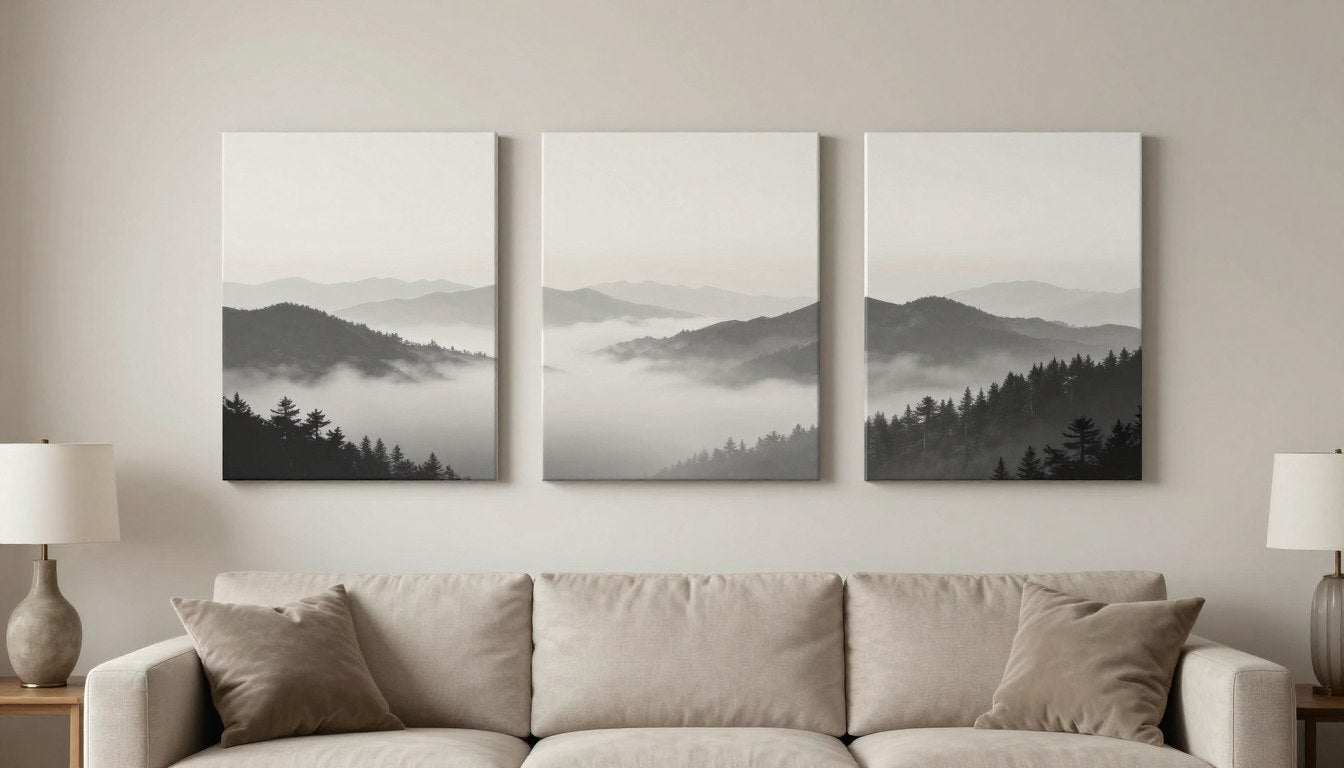

Gallery walls have transformed from complex art installations into accessible home decor solutions. The secret lies in simplicity.
Three prints create the perfect balance. They offer visual interest without overwhelming your space.
This approach works beautifully for any room. You avoid the common pitfall of cluttered walls while maintaining artistic impact.
Starting with three pieces eliminates guesswork. You can focus on cohesion rather than complexity.
The right selection creates harmony. Your wall becomes a focal point that enhances your entire room.
Why Three Prints Is the Perfect Number for Gallery Walls
Three prints strike an ideal visual balance. This number creates symmetry without demanding excessive wall space.
The human eye naturally appreciates odd numbers. Three pieces form a triangle pattern that feels complete and intentional.
You gain flexibility in arrangement options. Horizontal rows, vertical stacks, or triangular layouts all work beautifully with three prints.
Budget considerations become manageable. Investing in three quality pieces proves more effective than buying numerous mediocre prints.
Three prints simplify the decision-making process. You can curate a cohesive collection without feeling overwhelmed by choices.
If You Love Minimalist Elegance: 3 Prints That Create Perfect Harmony
Discover carefully curated three-piece collections designed specifically for cohesive gallery walls. Each set features complementary colors, balanced composition, and museum-quality printing.
Choosing a Cohesive Theme for Your 3-Print Gallery Wall
A unified theme anchors your gallery wall design. This foundation ensures all three pieces work together harmoniously.
Consider your existing home decor style. Your prints should complement your furniture, color palette, and overall aesthetic direction.
Style-Based Themes That Work
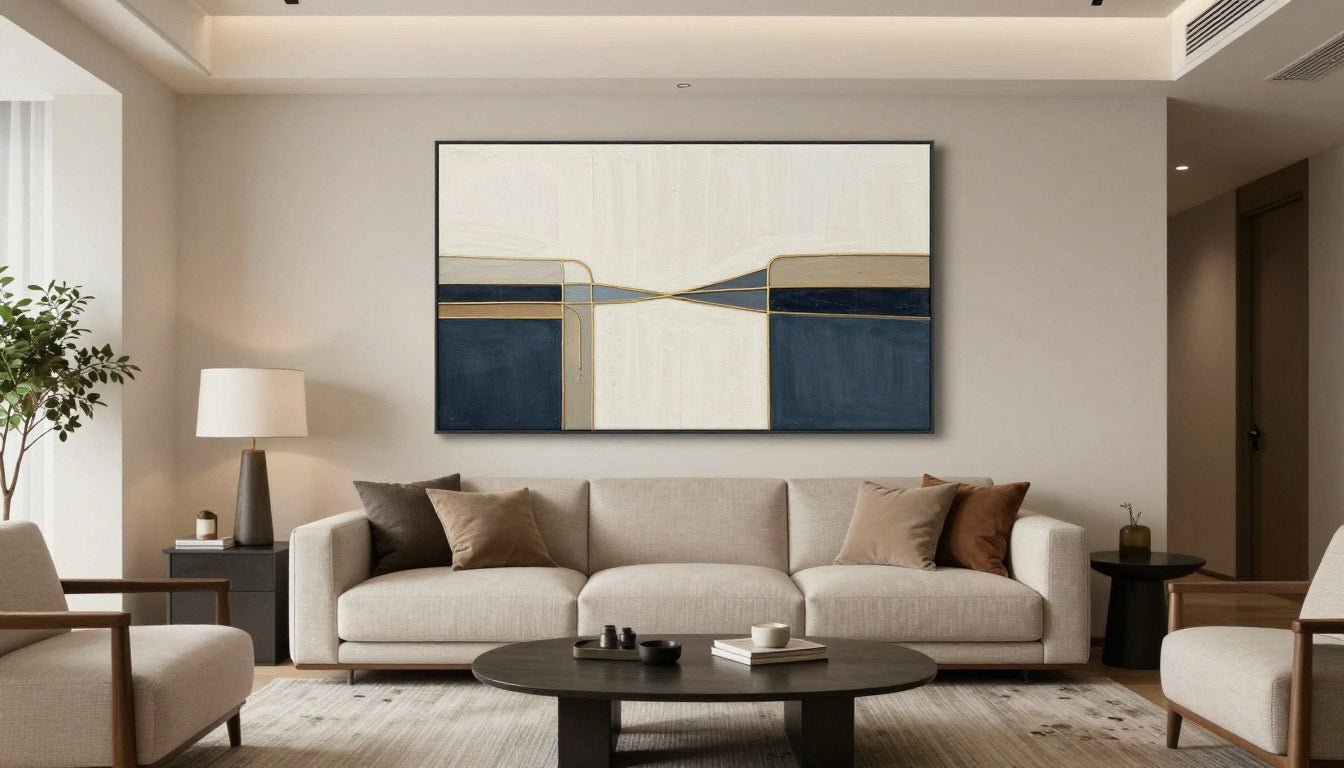
Modern minimalism emphasizes clean lines and simple forms. Abstract canvas prints excel in contemporary spaces with their geometric precision.
Botanical themes bring natural elements indoors. Three coordinating nature prints create a serene atmosphere perfect for bedrooms and living areas.
Monochromatic schemes offer timeless sophistication. Black and white canvas prints provide versatility across different room styles.

Color Coordination Strategies
Analogous colors sit next to each other on the color wheel. This approach creates smooth visual transitions between your three prints.
Complementary color schemes add dynamic energy. Pairing opposite colors requires careful balance to maintain cohesion.
Neutral foundations with accent colors work universally. This strategy allows your prints to integrate seamlessly with changing decor trends.
Subject Matter Cohesion
Repeating visual elements tie pieces together. Similar subjects, patterns, or compositional structures create natural connections.
Thematic consistency matters more than identical imagery. Three different landscape prints can feel more cohesive than mismatched subjects.
Abstract pieces offer maximum flexibility. They coordinate easily while allowing individual character in each piece.
Selecting the Right Sizes and Proportions
Print dimensions dramatically affect your gallery wall impact. Size relationships between pieces determine overall visual harmony.
Three Equal-Sized Prints
Uniform sizing creates clean symmetry. This approach works exceptionally well for horizontal arrangements above furniture.
Standard sizes simplify framing decisions. Common dimensions make finding matching frames straightforward and cost-effective.
Equal prints suit modern aesthetics. The balanced repetition reinforces contemporary design principles.

Graduated Size Arrangements
Varying dimensions add visual interest. A large central piece flanked by smaller prints creates intentional focal points.
Proportional scaling maintains cohesion. Size differences should follow clear mathematical relationships rather than random variations.
This arrangement style works vertically or horizontally. The largest piece typically anchors the composition at eye level.
Wall Space Calculations
Measure your available wall area carefully. Your gallery wall should occupy two-thirds to three-quarters of the furniture width below it.
Account for spacing between prints. Gaps of three to six inches maintain visual connection while allowing each piece to breathe.
Consider viewing distance when selecting sizes. Larger rooms accommodate bigger prints without overwhelming the space.
Living room galleries demand larger scale. Living room wall art should command attention from across the room.
Color Palette Coordination Techniques
Color creates the strongest visual connection between prints. Strategic palette selection transforms three separate pieces into one cohesive statement.
Dominant Color Method
Identify one primary color shared across all prints. This anchor color should appear prominently in each piece.
Secondary colors can vary between prints. The consistent dominant hue maintains unity while allowing diversity.
Neutral backgrounds with colored accents work beautifully. This approach provides flexibility in color intensity across pieces.

Tonal Consistency
Match color intensity across prints. Three pastel pieces or three bold prints maintain better cohesion than mixed intensities.
Temperature harmony matters significantly. Warm-toned prints clash with cool-toned pieces unless intentionally designed for contrast.
Saturation levels should align. Highly saturated colors alongside muted tones create visual discord.
Monochromatic Sophistication
Single-color variations offer foolproof cohesion. Different shades of one color family eliminate coordination concerns.
Black and white prints provide timeless elegance. This classic approach suits any decor style and stands the test of time.
Grayscale photography creates sophisticated unity. Three monochrome photos with different subjects maintain strong visual connection through tone.
Frame Selection and Matching for Cohesion
Frames serve as the structural element binding your prints together. Consistent framing decisions reinforce visual harmony.
Matching Frame Styles
Identical frames create instant cohesion. Same color, material, and profile ensure your prints read as an intentional collection.
Frame width should remain consistent. Even if colors vary slightly, uniform molding width maintains visual connection.
Material consistency matters tremendously. Mixing wood and metal frames rarely achieves cohesive results.
Ready-to-hang canvas prints eliminate framing decisions entirely. Gallery-wrapped edges provide built-in consistency.
Mat Board Coordination
Uniform mat colors unify disparate prints. White or cream mats work universally across different art styles.
Mat width should match across all pieces. Consistent borders create visual rhythm between prints.
Consider matless options for modern aesthetics. Frameless or float-mounted prints suit contemporary spaces beautifully.

Frameless Gallery Walls
Canvas prints offer streamlined modern appeal. The absence of frames creates seamless visual flow between pieces.
Gallery-wrapped edges should share the same depth. Standard 1.5-inch depth maintains consistency across your collection.
Edge finishing must match. All pieces should feature either mirrored edges, solid colors, or wrapped image continuation.
Popular Arrangement Layouts for Three Prints
Layout determines how your eye travels across the gallery wall. Strategic arrangement maximizes visual impact and cohesion.
Horizontal Row Arrangement
The classic horizontal layout suits most spaces. Three prints aligned horizontally above furniture create balanced symmetry.
Center the middle piece at eye level. Standard eye level measures between 57 and 60 inches from the floor.
Maintain equal spacing between pieces. Consistent gaps create rhythm and intentionality in your arrangement.
This layout works perfectly above sofas and beds. The horizontal span mirrors furniture dimensions below.

Vertical Stack Configuration
Vertical arrangements suit narrow wall spaces. Stacking three prints creates height in areas like hallways or between windows.
The middle piece should anchor at eye level. Top and bottom prints extend the visual line upward and downward.
Vertical stacks draw the eye upward. This arrangement makes rooms with standard ceiling heights feel taller.
Narrow walls benefit from this approach. Vertical galleries maximize impact in limited horizontal space.
Triangular and Asymmetric Layouts
Triangle arrangements add dynamic energy. One print at top or bottom with two flanking pieces creates visual interest.
Asymmetric layouts offer contemporary flair. Intentionally off-center placement suits modern and eclectic spaces.
These arrangements require careful planning. Mock up your layout on the floor before committing to wall placement.
Casual arrangements work for relaxed spaces. Family photo galleries benefit from less rigid positioning.
Match This Vibe to Your Space
Discover curated collections organized by mood, color palette, and room type. Find the perfect three prints that speak to your style and complement your existing decor.
Spacing and Alignment Rules for Professional Results
Precise spacing separates amateur attempts from professional-looking gallery walls. Mathematical precision creates visual harmony.
Standard Spacing Guidelines
Three to six inches between prints works universally. Closer spacing creates unified impact while wider gaps allow individual appreciation.
Consistent gaps are non-negotiable. Varying distances between pieces destroys cohesion immediately.
Measure from frame edge to frame edge. Include frame width in your spacing calculations for accuracy.
Larger prints accommodate wider spacing. Small prints appear disconnected with excessive gaps between them.
If you're weighing horizontal rows against vertical stacks or triangular layouts for your specific wall, our roundup of wall art arrangement ideas breaks down which spacing and layout combinations work best for different room shapes.
Alignment Techniques
Horizontal alignment requires level precision. Top edges, bottom edges, or center lines should align perfectly.
Use painter's tape to mark positions. This preparation prevents unnecessary wall damage from repositioning.
Laser levels ensure perfect alignment. Digital levels provide accuracy traditional bubble levels cannot match.
Paper templates eliminate guessing. Trace your frames on paper and tape templates to the wall before hanging.

The Two-Thirds Rule
Your gallery wall should span two-thirds of furniture width. This proportion creates visual balance with pieces below.
Leave equal space on both sides. Centered placement over furniture provides symmetry and intentionality.
This rule applies to beds, sofas, and consoles. Proper proportions make rooms feel thoughtfully designed.
Room-Specific Gallery Wall Considerations
Different rooms demand different approaches. Tailoring your gallery wall to room function enhances both aesthetics and practicality.
Living Room Gallery Walls
Living rooms accommodate larger-scale prints. These social spaces benefit from bold statements visible from seating areas.
Position galleries above primary furniture. The sofa wall typically offers the best location for maximum impact.
Consider conversation flow around the space. Your gallery should enhance rather than distract from social interaction.
Living room canvas art should complement your color scheme while adding personality to the space.

Bedroom Gallery Walls
Bedrooms suit calming imagery and colors. Soft landscapes, abstracts, or botanical prints create restful atmospheres.
Position galleries above the headboard. This placement anchors the bed as the room's focal point.
Scale matters in smaller bedrooms. Three medium prints often work better than oversized pieces in compact spaces.
Personal taste dominates bedroom choices. Select bedroom canvas prints that resonate with your aesthetic preferences.
Dining Room Walls
Dining areas benefit from sophisticated artwork. Food-related themes, still life paintings, or elegant abstracts suit these spaces.
Center your gallery wall over the dining table. This creates visual connection between furniture and wall art.
Consider lighting carefully in dining rooms. Artwork should remain visible during evening meals with ambient lighting.
Dining room wall art should enhance the dining experience without overwhelming the space.
Entryway Galleries
Entryways make powerful first impressions. Three prints create welcoming impact in these transitional spaces.
Vertical arrangements often suit narrow entryway walls. Stacked prints maximize limited horizontal space effectively.
Choose artwork that reflects your home's overall style. Your entryway sets aesthetic expectations for the entire house.
Durable materials matter in high-traffic areas. Entryway wall art should withstand daily exposure without fading.
Professional Hanging Techniques and Tools
Proper installation ensures your gallery wall remains secure and level. Professional techniques prevent common hanging mistakes.
Essential Hanging Tools
Laser levels provide unmatched accuracy. These tools project straight lines across your wall for perfect alignment.
Quality picture hangers support weight safely. Choose hangers rated for your print weight plus additional capacity.
Pencils and painter's tape enable planning. Mark positions before committing to permanent hardware installation.
Stud finders locate secure mounting points. Anchoring into wall studs provides maximum support for heavier pieces.
Step-by-Step Hanging Process
Create paper templates matching frame dimensions. This allows position experimentation without wall damage.
Tape templates to the wall in desired arrangement. Step back frequently to assess overall composition and spacing.
Mark hanging points through template paper. Transfer these marks to the wall after removing templates.
Install appropriate hardware at marked points. Use wall anchors in drywall or screws directly into studs.
Hang prints and verify level alignment. Make minor adjustments immediately after hanging each piece.

Common Hanging Mistakes to Avoid
Hanging too high ranks as the most common error. Art should relate to furniture and eye level, not ceiling height.
Insufficient wall anchors cause eventual drooping. Always use hardware appropriate for your wall type and print weight.
Rushing the planning phase creates regret. Spend adequate time on layout before making permanent holes.
Ignoring wall composition creates awkward gaps. Consider architectural features like windows and doors in your planning.
Lighting Your Gallery Wall for Maximum Impact
Proper lighting transforms good gallery walls into stunning focal points. Strategic illumination enhances colors, textures, and overall visual impact.
Natural Light Considerations
Assess existing natural light patterns. Direct sunlight can fade prints over time and create unwanted glare.
UV-protective glazing prevents fading. Quality framing glass blocks harmful rays while maintaining clarity.
Position prints perpendicular to windows when possible. This minimizes direct sun exposure during peak daylight hours.
Canvas prints offer UV resistance advantages. High-quality canvas materials withstand sunlight better than paper prints.
Artificial Lighting Solutions
Picture lights mount directly above frames. These fixtures provide focused illumination highlighting your artwork specifically.
Track lighting offers flexible positioning. Adjustable heads allow you to direct light precisely where needed.
Recessed spotlights create clean aesthetics. These fixtures integrate seamlessly into ceilings without visual clutter.
LED bulbs prevent heat damage to artwork. Modern LED technology provides excellent color rendering without harmful heat.

Lighting Angles and Intensity
Thirty-degree angles minimize glare on glass. Position lights to illuminate prints without creating reflective hot spots.
Consistent light intensity across all three prints maintains cohesion. Uneven lighting disrupts visual unity.
Dimmable fixtures provide flexibility. Adjust brightness based on time of day and room usage.
Styling Around Your Gallery Wall
Gallery walls function best within cohesive room design. Surrounding elements should complement rather than compete with your prints.
Furniture Placement
Position furniture to showcase your gallery. Seating arrangements should allow comfortable viewing of your wall art.
Maintain appropriate viewing distance. Larger prints require more space between viewer and wall for proper appreciation.
Console tables or shelving below galleries add dimension. These elements ground your wall art while providing functional space.
Avoid overcrowding the wall area. Give your gallery wall breathing room by limiting nearby decorative objects.
Complementary Decor Elements
Decorative objects should echo gallery wall colors. Pull accent hues from your prints into throw pillows, vases, or textiles.
Plants add organic texture near galleries. Greenery provides natural contrast to geometric print arrangements.
Limit competing visual elements. Too many decorative pieces dilute your gallery wall's impact.
Sculptures or modern sculptures can complement two-dimensional art when placed thoughtfully nearby.
Color Coordination
Wall paint color affects print presentation. Neutral walls allow artwork to take center stage.
Bold wall colors require careful coordination. Ensure paint hues complement rather than clash with print palettes.
White or light gray walls provide universal compatibility. These neutrals work with any print style or color scheme.
Common Gallery Wall Mistakes and How to Avoid Them
Learning from common errors saves time and frustration. Awareness prevents costly mistakes in your gallery wall project.
Scale and Proportion Errors
Prints too small for wall space disappear visually. Always consider wall dimensions relative to print sizes.
Oversized prints in small rooms overwhelm the space. Balance print scale with room size appropriately.
Mismatched proportions between prints create discord. Maintain intentional size relationships across your collection.
Color and Style Clashes
Mixing too many color palettes destroys cohesion. Limit your gallery to two or three coordinating colors.
Combining incompatible art styles confuses viewers. Maintain stylistic consistency across all three prints.
Ignoring room decor creates disconnection. Your gallery should relate to existing furniture and color schemes.

Placement and Spacing Issues
Hanging too high disconnects art from living space. Maintain relationship between furniture and wall art.
Inconsistent spacing appears accidental. Measure carefully to ensure uniform gaps between prints.
Off-center placement over furniture looks unintentional. Center your gallery carefully over sofas, beds, or tables.
Quality Compromises
Low-quality prints undermine entire galleries. Invest in gallery-quality printing for professional results.
Cheap frames detract from beautiful artwork. Quality framing materials enhance rather than diminish your prints.
Poor printing resolution shows in larger sizes. Ensure your print files support the dimensions you choose.
Budget-Friendly Gallery Wall Creation Tips
Beautiful gallery walls don't require massive budgets. Strategic choices deliver professional results at accessible price points.
Smart Print Selection
Digital downloads offer significant savings. Many artists sell printable files you can produce locally.
Standard sizes reduce framing costs. Common dimensions like 11x14 or 16x20 fit readily available frames.
Canvas prints eliminate framing expenses. Gallery-wrapped canvases provide finished presentation without additional investment.
Sets designed together ensure cohesion. Canvas print sets remove guesswork while often offering better value.
DIY Framing Options
Ready-made frames from home stores work beautifully. Choose matching frames from the same product line for consistency.
Black frames provide timeless versatility. This classic choice works across styles and coordinates effortlessly.
Frameless mounting saves money on larger prints. Float mounting or simple clips create modern presentation inexpensively.
Phased Implementation
Start with one perfect piece. Build your gallery gradually as budget allows.
Purchase during sales or promotional periods. Many art retailers offer seasonal discounts on quality prints.
Prioritize quality over quantity. Three excellent prints outperform numerous mediocre pieces.
Seasonal Gallery Wall Updates and Variations
Gallery walls can evolve with seasons and moods. Simple updates keep your space feeling fresh without complete redesign.
Swappable Print Systems
Clip frames allow easy print changes. Simple mechanisms make seasonal updates quick and damage-free.
Maintain consistent frame styles when swapping. Keep frames while changing artwork inside them.
Create seasonal print collections. Rotate between collections to match holidays or seasonal aesthetics.
This approach maximizes art investment value. Multiple print sets for one frame location extend your collection.
Seasonal Styling Adjustments
Accessorize around permanent galleries. Change throw pillows, plants, or nearby decor to shift seasonal moods.
Lighting adjustments create different atmospheres. Warmer bulbs for winter, cooler tones for summer months.
Add seasonal elements below gallery walls. Temporary shelving with seasonal objects refreshes the area.
Maintaining Your Gallery Wall Over Time
Proper maintenance preserves your investment. Simple care routines keep gallery walls looking fresh for years.
Regular Cleaning Practices
Dust frames and glass regularly. Microfiber cloths prevent scratches while removing accumulated dust.
Clean glass with appropriate products. Use streak-free cleaners designed specifically for picture glass.
Canvas prints require gentle dusting. Soft brushes remove dust without damaging canvas texture.
Avoid moisture on canvas surfaces. Water can damage canvas fibers and printing inks.
Checking Hardware Security
Inspect hanging hardware quarterly. Ensure screws, hooks, and wire remain secure and undamaged.
Tighten loose hardware immediately. Prevention stops prints from falling and suffering damage.
Replace worn hanging wire. Frayed wire risks sudden failure and print damage.
Protection From Environmental Damage
Monitor humidity levels in your home. Excessive moisture damages both prints and frames over time.
Prevent direct sunlight exposure. UV rays fade colors and degrade paper quality gradually.
Maintain stable temperatures. Extreme temperature fluctuations cause expansion and contraction damage.
When and How to Expand Beyond Three Prints
Three prints serve as an excellent starting point. Future expansion requires thoughtful planning to maintain cohesion.
Strategic Expansion Approaches
Add to existing walls gradually. Introduce additional prints that coordinate with your original three.
Create multiple three-print galleries. Repeat successful formulas on different walls throughout your home.
Expand to five or seven prints maximum. Odd numbers maintain visual balance as collections grow.
Maintain original color palette and style. Consistency becomes even more critical with additional pieces.
Multi-Wall Gallery Concepts
Coordinate galleries across multiple walls. Related prints in different rooms create visual flow throughout your home.
Vary sizes while maintaining style cohesion. Different dimensions prevent monotony across multiple spaces.
Explore gallery wall inspiration for multi-room coordination ideas and styling tips.
Create Your Perfect Gallery Wall Today
Transform your space with gallery-quality canvas prints curated by professional artists. Every piece ships ready to hang with free worldwide delivery.
Why Choose Rossetti Art
- Museum-quality canvas printing
- Ready to hang - no framing needed
- Free worldwide shipping
- Curated by professional artists
- Satisfaction guaranteed
Popular Collections
Frequently Asked Questions About 3-Print Gallery Walls
How far apart should I hang three prints on a wall?
Space prints three to six inches apart for optimal visual cohesion. This range maintains connection between pieces while allowing each print individual appreciation.
Measure from frame edge to frame edge consistently. Smaller prints work better with narrower spacing around three inches, while larger pieces accommodate up to six inches between them.
Maintain absolutely equal spacing between all pieces. Inconsistent gaps destroy the professional appearance of your gallery wall.
Should all three prints be the same size?
Uniform sizing creates the cleanest, most cohesive look. Three identical dimensions work beautifully for horizontal arrangements and modern aesthetics.
Varied sizes add visual interest when done intentionally. A larger central piece flanked by smaller prints creates dynamic focal points.
Whatever approach you choose, maintain clear size relationships. Avoid random dimension variations that appear accidental rather than intentional.
What is the best arrangement for three prints?
Horizontal rows work universally above furniture. This classic arrangement suits sofas, beds, consoles, and dining tables perfectly.
Vertical stacks suit narrow wall spaces. Hallways, spaces between windows, and slim walls benefit from vertical arrangements.
Triangle configurations add contemporary flair. One print top or bottom with two flanking creates dynamic asymmetric interest.
Your room dimensions and furniture placement ultimately determine the best layout for your specific space.
How do I choose three prints that work together?
Start with a shared color palette. Select prints featuring at least one common dominant color for instant visual connection.
Maintain consistent style or theme. Three abstract pieces, three botanicals, or three portraits create natural cohesion.
Match tonal qualities across pieces. Ensure color intensity, temperature, and saturation levels align between your selections.
Pre-curated print sets eliminate guesswork by providing professionally coordinated collections designed to work together.
Do the frames need to match for a cohesive gallery wall?
Matching frames provide the strongest cohesion. Identical color, material, and profile ensure your prints read as an intentional collection.
Frame consistency matters more than perfection. Even slight color variations work if frame style and width remain uniform.
Frameless canvas prints offer built-in consistency. Gallery-wrapped edges eliminate framing decisions while providing modern appeal.
How high should I hang my three-print gallery wall?
Center your gallery at eye level, typically 57 to 60 inches from the floor. This standard measurement works for most spaces and viewers.
Adjust based on furniture below. When hanging above sofas or beds, position prints 6 to 12 inches above the furniture top.
For horizontal arrangements, the middle print should sit at eye level. Top and bottom prints in vertical stacks should bracket this central point.
Can I mix different art styles in my three-print gallery?
Mixing styles requires careful coordination. Success depends on maintaining other cohesive elements like color palette or subject matter.
Consistent framing helps unite different styles. Matching frames provide structural cohesion when artwork varies stylistically.
Generally, style consistency creates easier cohesion. Three abstract prints or three photographs coordinate more naturally than mixed approaches.
If mixing styles, ensure clear intentionality. The combination should appear curated rather than coincidental.
What rooms work best for three-print gallery walls?
Living rooms provide ideal gallery wall opportunities. Large wall space above sofas accommodates three prints beautifully.
Bedrooms suit calming three-print arrangements. Position above headboards for focal point impact.
Dining rooms benefit from sophisticated trios. Center arrangements above dining tables create elegant atmosphere.
Entryways make strong first impressions. Three coordinating prints welcome guests and establish your home's aesthetic.
Every room type can accommodate gallery walls when sized and styled appropriately for the space.
Should I use canvas or framed prints for my gallery wall?
Canvas prints offer modern, streamlined appeal. Gallery-wrapped edges require no framing and provide instant consistency.
Framed prints suit traditional and transitional spaces. Glass protection preserves paper prints while adding formal elegance.
Consider your room style when deciding. Contemporary spaces favor frameless canvas while classic interiors suit framed pieces.
Both options work beautifully when executed consistently. Choose one approach and maintain it across all three prints.
How do I prevent my gallery wall from looking cluttered?
Limit your collection to three prints only. More pieces increase complexity and risk visual clutter.
Maintain consistent spacing between pieces. Uniform gaps create order and intentionality.
Choose cohesive colors and styles. Too much variety creates chaos rather than curated collection.
Allow breathing room around your gallery. Avoid overcrowding the surrounding wall space with additional decor.
Simple, intentional choices prevent cluttered appearance while maximizing visual impact.
Bringing Your Gallery Wall Vision to Life
Creating a cohesive gallery wall with three prints offers the perfect balance of impact and simplicity. This approach delivers professional results without overwhelming complexity.
Focus on key cohesion elements throughout your project. Consistent color palettes, matching frames, intentional spacing, and thoughtful arrangement create visual harmony.
Take time during the planning phase. Measure carefully, mock up arrangements, and consider how your gallery relates to surrounding furniture and room design.

Quality materials make lasting differences. Invest in gallery-quality prints and appropriate hanging hardware for results that endure.
Your gallery wall reflects personal style while enhancing your living space. Let these principles guide you toward creating a focal point you'll love for years to come.
Start your gallery wall journey today. With proper planning and thoughtful selection, three prints transform ordinary walls into extraordinary spaces.

About the Author
Chiara Rossetti
Chiara Rossetti is the founder of Rossetti Art, a canvas print and original art brand. She writes about interior design, wall art styling, and the art of making a home feel alive.

Leave a comment
This site is protected by hCaptcha and the hCaptcha Privacy Policy and Terms of Service apply.