
Architectural features define the character of every space. Columns, exposed beams, crown molding, and floor-to-ceiling windows create visual interest that standard rooms simply cannot match. These structural elements within space tell a story about the building's history and design philosophy.
Working with these elements requires a thoughtful approach. You can highlight them as focal points or blend them seamlessly into your overall aesthetic. The key lies in understanding how each architectural element interacts with furniture, lighting, and decorative accents.
Modern interior design embraces these features rather than fighting against them. Whether you're furnishing a new build or refreshing an existing home, architectural details offer opportunities to create harmony between structure and aesthetics. This guide explores practical strategies to work with architectural features and transform them into design assets.

Art That Enhances Architectural Character
Architectural features and wall art work together to create visual flow. The right artwork can emphasize existing structural elements or soften their impact depending on your design goals.
Linear designs complement vertical columns and tall ceilings. Abstract compositions balance ornate moldings. Black and white prints create sophisticated contrast against textured walls.

Line Art Canvas Prints
Clean lines and minimalist aesthetics work beautifully with modern architectural elements. These prints bring refined simplicity to spaces with strong structural features.
Explore Line Art
Black & White Canvas Prints
Timeless monochrome art creates visual harmony with both traditional and contemporary architecture. Perfect for highlighting structural details without overwhelming the space.
View Collection
Abstract Canvas Prints
Dynamic abstract designs add energy to minimalist architectural spaces. These pieces draw the eye and create focal points that complement structural elements.
Discover Abstract ArtUnderstanding Architectural Elements in Interior Design
Every architectural element serves both functional and aesthetic purposes. Structural components like load-bearing walls and support beams define how you can arrange furniture and plan traffic flow through the space.
Decorative features such as wainscoting, chair rails, and ceiling medallions add character. These elements create rhythm and proportion that influence design decisions throughout the room.

Windows frame views and control natural light entering your home. Their size, shape, and placement affect furniture arrangement and color choices. Floor materials and patterns guide movement through connected spaces.
Ceiling height dramatically impacts room proportion. Standard eight-foot ceilings create intimacy. Vaulted or cathedral ceilings demand different furniture scale and lighting approaches.
Understanding these elements helps you make informed decisions about canvas prints and decorative accents. Each architectural feature offers opportunities to enhance your interior design through thoughtful integration.
Working With Columns and Structural Pillars
Columns divide space without creating closed-off rooms. These vertical elements can feel like obstacles or become stunning focal points depending on your approach.
Paint columns in contrasting colors to emphasize their architectural significance. White columns against darker walls create classical elegance. Dark columns in light spaces make bold contemporary statements.

Wrap columns with built-in shelving to maximize functionality. This transforms structural necessities into practical storage while maintaining visual appeal. Display books, plants, or decorative objects on these custom shelves.
Position furniture to work with column placement rather than against it. Arrange seating areas that use columns as natural room dividers. This approach creates defined zones within larger spaces.
Add lighting fixtures near columns to highlight their architectural beauty. Uplighting creates dramatic shadows on ceilings. Wall sconces mounted at mid-height provide ambient illumination and draw attention to column details.
Enhancing Exposed Beams and Ceiling Features
Exposed beams add rustic charm or industrial edge to interiors. These horizontal elements create visual weight that balances tall ceilings and large wall expanses.
Stain beams in rich wood tones to warm up modern spaces. Natural wood grain brings organic texture overhead. This works especially well in rooms with white walls and minimalist furniture.
Paint beams to match ceilings for subtle integration. This approach maintains architectural interest without overwhelming the room. It creates cohesive flow in spaces where beams might otherwise dominate.
Contrast beam color with ceiling paint for dramatic effect. Dark beams against white ceilings define room geometry. This technique draws the eye upward and emphasizes vertical space.
Use beams to guide furniture placement below. Arrange dining tables or seating areas directly under major beams. This creates natural alignment and establishes clear purpose for different zones.
Complement ceiling architecture with appropriate living room canvas art on surrounding walls. Vertical artworks balance horizontal beam lines and create visual harmony throughout the space.
Match Your Architectural Vibe to Wall Art
Design Harmony for Every Architectural Style
Your architectural features deserve wall art that complements their unique character. Whether your space features modern minimalism, industrial elements, or classical details, the right art collection brings everything together. Discover curated pieces that work seamlessly with your room's structural personality.
Maximizing Windows and Natural Light Features
Windows serve as architectural focal points that connect interior spaces with the outside world. Their placement and size influence furniture arrangement and establish natural gathering areas.
Frame window views with minimal window treatments. Sheer curtains or simple blinds preserve natural light while providing privacy when needed. Heavy drapes can overwhelm windows and block valuable sunlight.

Arrange seating to take advantage of window light. Position reading chairs near windows for natural task lighting during daytime hours. Place desks perpendicular to windows to minimize glare on screens.
Choose light-reflective materials for surfaces near windows. Glossy finishes on furniture and metallic accents bounce light deeper into rooms. Mirrors opposite windows double the effect of natural illumination.
Consider window height when hanging artwork. Place pieces at eye level rather than competing with window placement. Botanical wall art prints near windows create thematic connections with outdoor views.
Layer lighting to supplement natural light as day progresses. Combine ambient ceiling fixtures with table lamps and accent lighting. This maintains room functionality after sunset while preserving daytime aesthetic.
Highlighting Architectural Details and Molding
Crown molding, baseboards, and trim work define room edges and create finished transitions between surfaces. These decorative elements add sophistication to otherwise simple spaces.
Paint molding in crisp white against colored walls for traditional elegance. This classic approach emphasizes architectural craftsmanship and creates clean visual boundaries.

Match molding color to walls for contemporary minimalism. This approach downplays ornamentation and creates seamless surfaces. It works well in modern interiors where architecture takes background role.
Add picture frame molding to create wall panels. These rectangular frames provide structure for artwork placement and add dimension to flat walls. Install them symmetrically for formal balance.
Use molding to guide wall art placement. Hang pieces centered within molding panels or aligned with trim lines. This creates intentional composition and professional polish.
Consider molding scale relative to ceiling height. Substantial crown molding suits rooms with high ceilings. Delicate trim works better in smaller spaces with standard ceiling heights.
Working With Floor Plans and Spatial Flow
Floor plans establish how people move through spaces and interact with architectural features. Good design process considers traffic patterns and creates logical progression between rooms.
Identify primary pathways through your home. Avoid placing furniture in these circulation routes. Maintain clear walkways at least three feet wide for comfortable passage.

Create conversation areas with furniture groupings. Position seating to facilitate interaction while respecting room architecture. Eight to ten feet between facing sofas encourages comfortable dialogue.
Use area rugs to define separate zones within open floor plans. Rugs ground furniture groupings and provide visual separation without physical barriers. This preserves sight lines while establishing purpose for different areas.
Balance furniture scale with room proportions. Oversized pieces overwhelm small spaces. Undersized furniture gets lost in large rooms. Measure carefully before purchasing to ensure appropriate fit.
Integrate entryway wall art to create welcoming transitions between spaces. First impressions matter, and artwork near entrances establishes design tone for adjoining rooms.
Integrating Color, Texture, and Materials
Materials and textures add depth to architectural spaces. The interplay between smooth and rough surfaces creates tactile interest that flat color alone cannot achieve.
Combine hard and soft materials for balanced aesthetics. Pair metal fixtures with fabric upholstery. Mix glass surfaces with natural wood. These contrasts prevent rooms from feeling one-dimensional.
Layer textures throughout the space for visual richness. Smooth walls support textured artwork. Polished floors contrast with nubby area rugs. Varied surfaces catch light differently and add complexity.
Choose colors that enhance architectural features. Light colors make small rooms feel larger. Dark hues add drama to spaces with high ceilings. Test paint samples in different lighting conditions before committing.
Consider how materials age and weather over time. Natural wood develops patina. Certain metals oxidize. Choose finishes appropriate for each room's humidity and traffic levels.
Coordinate artwork materials with room finishes. Abstract canvas prints on textured canvas complement organic architectural materials while maintaining modern sensibility.
Lighting Design for Architectural Features
Lighting transforms how we perceive architectural elements throughout the day. Strategic illumination highlights features you want to emphasize and softens elements you prefer to minimize.
Layer three types of lighting for complete coverage. Ambient light provides overall illumination. Task lighting supports specific activities. Accent lighting highlights architectural details and artwork.

Install recessed lighting to wash walls with even illumination. This technique emphasizes wall texture and provides backdrop for artwork. Space fixtures according to ceiling height for optimal coverage.
Use pendant lights to define areas within open floor plans. Suspended fixtures over dining tables or kitchen islands create visual anchors. Choose styles that complement your architectural aesthetic.
Add dimmer switches to control light intensity and ambiance. Bright light suits active hours. Softer illumination creates relaxing atmosphere for evening. Flexibility adapts spaces to different uses throughout the day.
Highlight architectural features with directional spotlights. Aim beams at columns, molding, or textured walls. This creates dramatic shadows and emphasizes three-dimensional quality of structural elements.
Balance natural and artificial light sources. Position office canvas art where both daylight and evening lighting showcase the work properly throughout different times of day.
Furniture Placement Around Architectural Elements
Furniture arrangement determines how successfully you integrate architectural features into functional living spaces. Strategic placement either fights against or works with existing structure.
Float furniture away from walls in rooms with interesting architecture. This allows features like columns or molding to remain visible. It also creates more intimate seating arrangements and improves traffic flow.

Align furniture with architectural lines for cohesive composition. Position sofas parallel to fireplace mantels. Place beds centered on walls with windows. These alignments create intentional rather than haphazard appearance.
Scale furniture to room proportions and ceiling height. Low-profile pieces suit rooms with standard ceilings. Taller headboards and high-backed chairs work in spaces with vaulted or raised ceilings.
Create symmetrical arrangements around architectural focal points. Flank fireplaces with matching chairs. Position identical lamps on either side of doorways. Symmetry establishes formal balance and emphasizes architecture.
Leave adequate clearance around architectural features. Maintain at least six inches between furniture and columns or built-ins. This prevents cramped appearance and allows architectural elements to breathe.
Complement furniture arrangements with appropriately scaled artwork. Bedroom canvas prints above headboards should span two-thirds to three-quarters of furniture width for proper visual proportion.
Creating Focal Points With Architecture and Art
Every room needs a clear focal point that draws the eye and anchors the design. Architectural features often provide natural focal points, but you can create or enhance them through strategic design choices.
Fireplaces serve as traditional focal points in living spaces. Arrange seating to face the hearth. Add a large mirror or artwork above the mantel to extend vertical emphasis and increase visual impact.

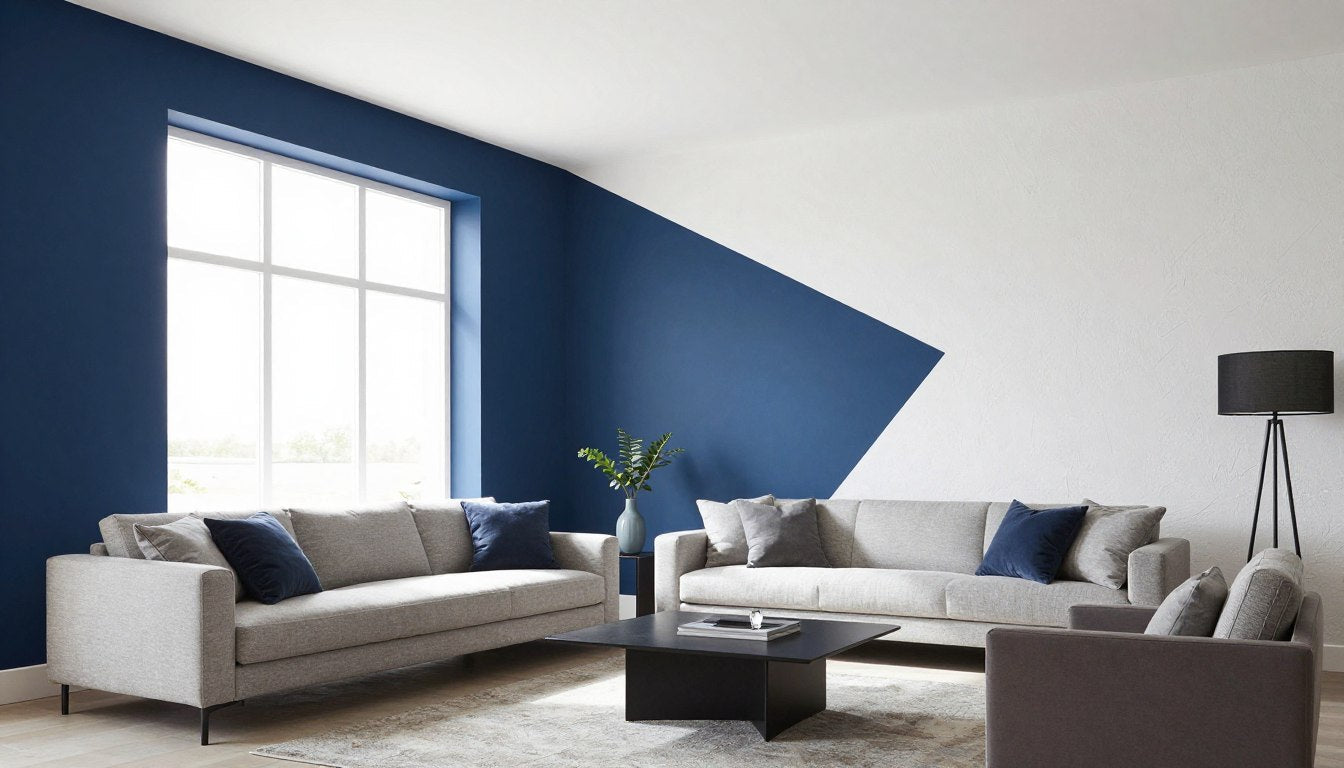
Feature walls establish focal points in rooms without strong architectural elements. Paint one wall in bold color or cover it with distinctive wallpaper. This creates visual interest and provides backdrop for furniture arrangements.
Large windows with spectacular views become natural focal points. Minimize window treatments and arrange seating to take advantage of the vista. Let architecture and nature provide the drama.
Built-in shelving and cabinetry create functional focal points. Style shelves with books, objects, and small artworks. Lighting inside cabinets highlights displayed items and adds ambiance.
Statement artwork establishes instant focal points on empty walls. Oversized pieces command attention and set design tone. Dining room wall art creates conversation pieces while filling vertical space proportionally.
Avoid competing focal points within single spaces. One dominant feature supported by secondary elements creates clearer visual hierarchy than multiple features fighting for attention.
Room-Specific Architectural Considerations
Different rooms present unique architectural challenges and opportunities. Functional requirements influence how you work with structural features in each space.
Living Room Architecture
Living rooms often feature the most prominent architectural elements. Multiple windows, fireplaces, and built-ins require careful furniture arrangement to maintain balance and flow.
Create conversation areas that accommodate architectural constraints. Position seating to allow traffic flow while maintaining comfortable distances for interaction. Use area rugs to define the space visually.

Bedroom Architecture
Bedrooms benefit from symmetrical architecture around the bed. Matching windows, built-in storage, or alcoves on either side create balanced, restful environments.
Work with awkward ceiling angles in attic bedrooms. Place beds against lower walls and use taller areas for dressing or seating. Embrace sloped ceilings as cozy architectural features.
Kitchen and Dining Architecture
Open floor plans connect kitchens with dining and living areas. Ceiling height changes, flooring transitions, or columns help define separate zones without walls.
Use kitchen islands as architectural elements that provide storage and define space. Pendant lights over islands emphasize their role as room dividers and functional centers.
Bathroom Architecture
Bathrooms often feature tile work and built-in fixtures as primary architectural elements. These permanent installations influence color schemes and decorative choices throughout the space.
Maximize small bathroom architecture with mirrors that expand visual space. Frameless glass shower enclosures maintain openness. Consistent tile patterns create cohesion.
Working With Architects and Designers on New Builds
Custom home construction and new build projects offer opportunities to plan architectural features from the beginning. Collaboration with architects and designers during the design process ensures cohesive results.
Communicate your lifestyle needs clearly during initial consultations. Explain how you use different spaces. Discuss storage requirements, traffic patterns, and desired ambiance for every space.

Review floor plans for logical flow between rooms. Ensure sight lines preserve privacy where needed while maintaining openness in public areas. Consider furniture placement possibilities early in design process.
Select architectural details that match your design aesthetic. Traditional moldings suit classical homes. Clean lines work better in modern builds. Consistency in architectural vocabulary creates unified appearance.
Plan for adequate natural light in every space. Work with your architect to position windows for optimal sun exposure. Consider how seasonal changes affect light quality throughout the year.
Discuss materials and finishes during design studio meetings. Coordinate flooring, wall treatments, and built-in elements before construction begins. This prevents costly changes later in the building process.
Budget for quality architectural elements that add long-term value. Well-crafted molding, solid wood floors, and thoughtful built-ins enhance both aesthetics and resale value.
According to Architectural Digest, investing in quality architectural features creates lasting value and timeless appeal in custom homes.
Architectural Solutions for Small Spaces
Small spaces demand creative approaches to architectural features. Smart design process maximizes limited square footage while maintaining sense of openness and flow.
Use vertical space fully in rooms with limited floor area. Floor-to-ceiling shelving draws the eye upward and provides abundant storage. Tall mirrors create illusion of greater height and depth.

Choose furniture with exposed legs rather than skirted pieces. Visible floor space creates airiness in tight quarters. Glass or lucite furniture maintains function while preserving sight lines.
Minimize architectural ornamentation in very small rooms. Simple baseboards and trim prevent visual clutter. Save elaborate molding for larger spaces where details can be appreciated.
Light colors on walls and ceilings make small spaces feel larger. White reflects maximum light and creates seamless transitions. Soft neutrals provide warmth without closing in the space.
Multipurpose architectural elements add functionality without bulk. Murphy beds hide in walls. Built-in window seats provide storage beneath seating. These solutions preserve precious floor space.
Select appropriately scaled artwork for compact rooms. Kids room wall art in smaller formats prevents overwhelming limited wall space while adding personality and color.
Transform Your Space With Museum-Quality Wall Art
Ready to Complete Your Architectural Vision?
Gallery-quality canvas prints designed to complement your home's unique architectural features. Each piece arrives ready to hang with premium materials and expert craftsmanship. Free worldwide shipping on all orders means your perfect artwork is just a click away.
Sustainable Design and Architectural Materials
Environmental considerations increasingly influence architectural choices. Sustainable materials and energy-efficient design create healthier homes with reduced environmental impact.
Natural materials like wood, stone, and clay bring organic warmth to interiors. These elements age gracefully and often improve with time. Reclaimed materials add character while reducing environmental footprint.

Maximize natural light to reduce energy consumption. Strategic window placement decreases reliance on artificial lighting during daytime hours. Light-colored interiors reflect and amplify available sunlight.
Choose low-VOC paints and finishes for better indoor air quality. These products minimize harmful emissions while still providing durable, attractive surfaces. Prioritize health alongside aesthetics in material selection.
Install energy-efficient windows that insulate properly. Modern glazing technology reduces heat transfer while maintaining clarity. This improves comfort and lowers heating and cooling costs.
Consider the lifecycle of architectural materials. Durable finishes reduce replacement frequency and long-term waste. Quality craftsmanship ensures architectural features last for decades.
Research from the U.S. Green Building Council shows that sustainable material choices significantly reduce buildings' environmental impact while creating healthier indoor environments.
Common Mistakes When Working With Architectural Features
Even experienced designers sometimes struggle with architectural integration. Recognizing common pitfalls helps you avoid costly mistakes and achieve better results.
Ignoring Scale and Proportion
Mismatched scale disrupts visual harmony and creates awkward spaces. Consider these principles:
- Furniture should suit room dimensions and ceiling height
- Artwork needs to be proportional to wall space and adjacent furniture
- Architectural details should match room formality level
- Accessories must complement rather than compete with features
Fighting Against Architecture
Working against existing features creates tension instead of harmony. Avoid these approaches:
- Blocking windows with oversized furniture pieces
- Painting architectural details in clashing colors
- Ignoring natural focal points like fireplaces
- Overwhelming ornate features with busy patterns
Inadequate Lighting Planning
Poor lighting fails to showcase architectural beauty effectively. Address these issues:
- Single overhead fixtures create flat, unflattering illumination
- Missing task lighting in work areas reduces functionality
- Lack of accent lighting leaves features unemphasized
- Insufficient natural light makes spaces feel closed and dark
Neglecting Traffic Flow
Blocked pathways and poor circulation frustrate daily living. Plan for proper flow:
- Maintain clear walkways throughout every space
- Keep primary paths free from furniture obstacles
- Consider door swing directions when placing furnishings
- Allow adequate clearance around architectural features
Developing Color Schemes Around Architectural Features
Color choices either enhance or detract from architectural elements. Strategic color application creates cohesive design that celebrates structural features.
Use neutral backgrounds to highlight ornate architectural details. White, cream, and gray walls provide clean canvases that allow molding and trim to shine. This approach works especially well with historical architecture.

Create contrast between walls and architectural features for drama. Dark walls with white molding establish bold, contemporary statements. Light walls with black window frames deliver striking modern aesthetic.
Match wood tones throughout the space for visual continuity. Coordinate flooring, built-ins, and furniture finishes. Mixing too many wood colors creates chaotic appearance.
Draw color inspiration from prominent architectural materials. Pull hues from natural stone, tile work, or wood grain. This creates organic color harmony rooted in existing elements.
Limit bold colors to accent pieces and artwork. Vivid hues work well in moderation but can overwhelm spaces when applied broadly. Pop art canvas prints add controlled bursts of color without permanent commitment.
Test paint colors at different times of day. Natural light changes throughout the day and affects how colors appear. What looks perfect at noon might feel wrong at twilight.
Blending Different Architectural Styles and Periods
Many homes combine architectural elements from different periods. Successfully mixing styles requires understanding core principles that create cohesion despite diversity.
Identify the dominant architectural style in your space. This becomes your foundation. Add elements from other periods as accents rather than equal partners to maintain clarity.

Use consistent color palettes to unite disparate architectural elements. Painting both Victorian molding and mid-century built-ins in the same color family creates visual connection despite different origins.
Repeat materials or finishes across different architectural periods. Brass hardware on both antique doors and modern cabinets establishes continuity. Similar wood tones bridge style gaps.
Balance ornate and simple elements for visual equilibrium. Pair elaborate traditional molding with streamlined contemporary furniture. This contrast highlights both styles while preventing overwhelming ornamentation.
Maintain consistent quality across all architectural periods represented. Cheap reproductions cheapen authentic historical elements. Invest in well-crafted pieces regardless of style period.
Create transitional spaces that ease shifts between architectural styles. Hallways and entryways work well as neutral zones that prepare visitors for style changes in adjoining rooms.
Incorporating Artistic Elements With Architecture
Art and architecture collaborate to create complete interior environments. Strategic artwork placement enhances architectural features while adding personality and visual interest.
Scale artwork appropriately to architectural proportions. Large walls with high ceilings demand substantial pieces. Intimate spaces suit smaller, more delicate works.

Create gallery walls that respect architectural divisions. Arrange multiple pieces within molding panels or between windows. This approach integrates art into architectural framework.
Position artwork to guide movement through spaces. Hang pieces along hallways to lead visitors forward. Place standout works at the end of sight lines as visual destinations.
Use art to balance asymmetrical architecture. A large painting on one side of a room can counterweight an off-center fireplace or window grouping on the opposite side.
Complement architectural materials through artistic media. Original paintings add handcrafted quality that enhances custom architectural details. Canvas texture echoes natural building materials.
Layer dimensional art for depth. Combine flat paintings with three-dimensional modern sculptures on shelves or pedestals. This creates visual variety and enhances architectural dimension.
Consider artwork as architectural element itself. Statement pieces become permanent features that influence other design decisions. Choose carefully with long-term vision.
Maintaining and Preserving Architectural Features
Architectural elements require regular maintenance to preserve their beauty and function. Proper care protects your investment and maintains home value over time.
Clean molding and trim regularly to prevent dust buildup. Use soft cloths and gentle cleaners appropriate for painted or stained surfaces. Avoid harsh chemicals that damage finishes.
Inspect wood architectural features annually for signs of damage. Look for cracks, warping, or pest activity. Address issues promptly to prevent minor problems from becoming major repairs.

Repaint architectural features on appropriate schedules. Trim and molding in high-traffic areas may need refreshing every few years. Maintain consistent color for cohesive appearance.
Protect floors from damage through proper care routines. Use furniture pads under heavy pieces. Place mats at entrances to trap dirt. Refinish hardwood when worn rather than waiting for severe damage.
Monitor moisture levels especially around windows and exterior walls. Excess humidity damages both architectural features and wall finishes. Address leaks and ventilation issues immediately.
Preserve historical architectural elements during renovations. These irreplaceable features add character that new construction cannot replicate. Consult preservation specialists for restoration guidance.
Document your architectural features with photographs. This helps with insurance claims and provides reference for future repairs or renovations. Record details, dimensions, and materials.
Budget-Friendly Architectural Enhancements
Meaningful architectural improvements don't always require major investments. Strategic, cost-effective updates can dramatically transform spaces without extensive renovations.
Add molding to create architectural interest in plain rooms. Basic crown molding and baseboards cost relatively little but deliver substantial visual impact. DIY installation saves additional money.

Affordable Architectural Updates
Transform your space without breaking your budget through these cost-effective enhancements:
- Paint existing trim in fresh colors for instant updates
- Install picture frame molding for elegant wall definition
- Replace standard door hardware with stylish alternatives
- Add crown molding in main living areas first
- Update light fixtures to complement architectural style
- Refinish rather than replace existing wood elements
Paint is the most affordable architectural transformation tool. Fresh colors on walls, trim, and ceilings completely change room appearance. Choose paint quality appropriate for each surface.
Replace outdated light fixtures with styles that complement your architecture. Modern fixtures update traditional spaces. Classic designs add warmth to contemporary interiors. Fixture swaps require minimal investment.
Install floating shelves as budget-friendly architectural elements. These provide display space and visual interest without built-in cabinetry costs. Arrange them symmetrically for formal appeal.
Update door and cabinet hardware throughout your home. New knobs, pulls, and hinges in consistent finishes create cohesive, polished appearance. This small detail makes substantial impact.
Enhance existing features rather than adding new ones. Refinish wood floors instead of replacing them. Paint existing built-ins rather than installing new cabinetry. Maximize what you already have.
Future-Proofing Your Architectural Design Choices
Smart architectural decisions balance current trends with timeless appeal. Future-proof design remains attractive and functional through changing styles and life circumstances.
Choose classic architectural elements over trendy details. Traditional molding profiles outlast fashionable alternatives. Neutral color schemes adapt more easily than bold, statement hues.
Plan for flexibility in space usage. Home offices convert to guest rooms. Nurseries become studies. Architectural features that support multiple functions serve you longer.

Invest in quality materials that age well. Solid wood outperforms particle board. Natural stone surpasses laminate. Initial costs pay dividends through longevity and maintained appearance.
Design with universal accessibility in mind. Wider doorways, stepless entries, and first-floor bedrooms accommodate changing mobility needs. These features add value for all users.
Consider maintenance requirements before committing to architectural details. Elaborate molding requires regular dusting. Light-colored grout needs frequent cleaning. Choose features you can realistically maintain.
Document your architectural choices and materials used. Keep paint colors, flooring details, and fixture information. This simplifies future repairs and renovations.
Stay informed about changing building codes and standards. Energy efficiency requirements evolve. Accessibility guidelines update. Plan renovations with future regulations in mind.
Bringing It All Together: Your Architectural Design Journey
Working with architectural features requires balancing respect for existing structure with creative vision for your ideal space. Every column, beam, window, and molding presents opportunities to create beautiful, functional interiors.
Start by understanding what you have. Assess architectural elements honestly. Identify features worth emphasizing and elements needing minimization. This foundation guides all subsequent decisions.
Develop a cohesive approach that unifies diverse elements. Consistent color schemes, materials, and design principles create harmony even when mixing architectural styles. Quality and craftsmanship matter more than matching periods exactly.
Integrate furniture, lighting, and artwork thoughtfully around architectural features. These elements should complement structure rather than compete with it. Proper scale, placement, and proportion ensure everything works together.
Remember that architectural design is personal. Your home should reflect your lifestyle and aesthetic preferences. Use these principles as guidelines, but trust your instincts about what feels right.
The most successful interiors celebrate their architectural character. Whether you're working with a custom home from architects and designers or updating existing space, thoughtful integration of design elements creates environments that feel both beautiful and authentically yours.
Explore more design inspiration and ideas on the Rossetti Art blog, where you'll find additional guidance for creating spaces that truly reflect your vision.
Frequently Asked Questions
How do you work with architectural features in a room design?
Working with architectural features involves identifying existing structural and decorative elements like columns, beams, molding, and windows, then integrating furniture, lighting, and artwork around them. The key is to either emphasize features as focal points or blend them seamlessly into your overall design through strategic color choices, furniture placement, and complementary decor. Consider scale, proportion, and balance when arranging elements within space to create visual harmony.
What are the most important architectural elements to consider in interior design?
The most important architectural elements include windows and natural light sources, ceiling height and structural features like beams, floor materials and patterns, walls and molding details, columns and support structures, built-in features like fireplaces and cabinetry, and door placement affecting traffic flow. These elements establish the foundation for all design decisions and influence furniture placement, color schemes, and lighting choices throughout every space in your home.
How can I make architectural features stand out in my room?
Make architectural features stand out by using contrasting paint colors on trim and molding, installing accent lighting to highlight columns or beams, arranging furniture to draw attention toward focal points like fireplaces, keeping window treatments minimal to showcase window architecture, and using complementary artwork that emphasizes rather than competes with structural elements. Strategic lighting creates drama and dimension that highlights three-dimensional architectural details effectively.
Should I paint architectural features the same color as walls?
The decision depends on your design goals and architectural style. Painting features the same color as walls creates seamless, contemporary appearance that downplays ornamentation and works well in minimalist interiors. Contrasting colors emphasize architectural details and suit traditional or transitional spaces where you want to highlight craftsmanship. White trim against colored walls remains a classic choice that works in most design aesthetics and emphasizes architectural elements without overwhelming the space.
How do I arrange furniture around columns or structural pillars?
Arrange furniture to work with columns rather than against them by using pillars as natural room dividers that define separate zones within open floor plans, positioning seating areas that incorporate columns into conversation groupings, floating furniture away from walls to keep columns visible, maintaining adequate clearance of at least six inches around columns, and creating symmetrical arrangements that balance column placement. Consider columns as opportunities to define space rather than obstacles to work around.
What artwork works best with different architectural styles?
Traditional architecture with ornate molding pairs well with classic portraits, botanical prints, and framed oil paintings. Modern architecture with clean lines suits abstract art, geometric prints, and minimalist photography. Industrial spaces with exposed elements complement urban photography, black and white prints, and contemporary mixed media. Transitional spaces benefit from versatile pieces like line art or neutral abstracts that bridge different styles. Always consider scale, ensuring artwork is proportional to both wall space and surrounding architectural features.
How does ceiling height affect room design and architectural features?
Ceiling height dramatically impacts design approach and furniture selection. Standard eight-foot ceilings suit appropriately scaled furniture and require careful consideration of vertical space. High ceilings allow for taller furniture, layered lighting at different heights, dramatic window treatments, and substantial crown molding. Very tall ceilings may benefit from visual anchoring through bold paint colors, horizontal elements like picture rails, or artwork arrangements that fill vertical space. Match architectural detail scale to ceiling height for proper proportion.
Can you add architectural features to a room that lacks them?
Yes, you can add architectural interest through several budget-friendly approaches including installing crown molding and baseboards, adding picture frame molding to create wall panels, installing ceiling beams (real or decorative), creating built-in shelving or window seats, adding wainscoting or board and batten treatments, installing decorative columns or half-walls as room dividers, and updating door and window casings with more substantial trim. These additions create architectural character in previously plain spaces without major structural changes.
How important is lighting when working with architectural features?
Lighting is crucial for showcasing architectural features effectively. Proper illumination highlights three-dimensional details, creates depth and shadow that emphasize texture, draws attention to focal points you want to showcase, and allows features to be appreciated both day and night. Layer ambient, task, and accent lighting for complete coverage. Use directional spotlights for columns and molding, wall washers for texture, and uplighting for dramatic ceiling emphasis. Dimmer switches provide flexibility to adjust lighting intensity for different moods and activities.
What are common mistakes when working with architectural features?
Common mistakes include ignoring scale and proportion when selecting furniture and artwork, blocking or fighting against natural focal points like fireplaces or windows, using inadequate lighting that fails to showcase features, neglecting traffic flow and circulation patterns, mixing too many architectural styles without unifying elements, painting all features the same color when contrast would be more effective, overcrowding spaces and not allowing architectural elements room to breathe, and choosing trendy details over timeless architectural elements. Avoid these pitfalls by planning carefully and respecting existing structure.

About the Author
Chiara Rossetti
Chiara Rossetti is the founder of Rossetti Art, a canvas print and original art brand. She writes about interior design, wall art styling, and the art of making a home feel alive.


Leave a comment
This site is protected by hCaptcha and the hCaptcha Privacy Policy and Terms of Service apply.