

Sculptures bring dimension, texture, and artistic sophistication to interiors in ways flat art simply cannot match. Whether you're drawn to abstract forms, classical figures, or modern geometric designs, the right sculpture transforms a room from merely decorated to thoughtfully curated. This comprehensive guide reveals expert home sculpture decor ideas that help you select, place, and style sculptural art pieces with confidence.
You'll discover practical placement strategies for every room, learn the design rules professionals use, and explore how to integrate sculptures with your existing interior design style. From budget-friendly options to investment pieces, we'll cover everything you need to create stunning visual statements throughout your home.
Choosing the Right Sculpture Size for Your Space
Selecting the appropriate sculpture size determines whether your art piece becomes a focal point or gets lost in your interior. The relationship between sculpture dimensions and room proportions creates visual harmony that makes spaces feel intentionally designed rather than randomly decorated.
The Two-Thirds Proportion Rule
Professional interior designers rely on the two-thirds rule when sizing sculptures for furniture surfaces. Your sculpture should measure approximately two-thirds the width of the furniture piece it sits upon. A console table measuring 48 inches wide calls for a sculpture roughly 32 inches across.
This proportion creates visual balance without overwhelming the furniture or appearing insignificant. The rule applies to sculptures displayed on coffee tables, side tables, mantels, and console surfaces throughout your home.

Ceiling Height Considerations
Room height influences sculpture scale in ways many homeowners overlook. Standard eight-foot ceilings accommodate sculptures up to 24 inches tall on tables without creating visual heaviness. Higher ceilings in contemporary homes allow for more dramatic vertical sculpture pieces that draw the eye upward.
Ten-foot ceilings provide opportunities for floor sculptures reaching 36 to 48 inches in height. These taller pieces create stunning focal points in living rooms and entryways where vertical space enhances the statement rather than cramping it.
Small Space Solutions
Compact rooms benefit from tabletop sculptures in the 8 to 15-inch range. These smaller art pieces add sculptural interest without consuming precious visual space. Grouping multiple small sculptures creates impact through repetition rather than overwhelming size.
Narrow shelves accommodate sculptures as small as 4 to 6 inches. These miniature works bring artistic texture to bookcases, floating shelves, and display niches where larger pieces would appear cramped.
Strategic Placement Ideas for Home Sculpture Decor
Where you position sculpture matters as much as the piece itself. Strategic placement transforms sculptures from decorative objects into architectural elements that shape how people experience your interior spaces. Understanding sight lines, traffic patterns, and visual weight distribution helps you maximize every sculpture's impact.
The 57-Inch Eye-Level Rule
Museums position art at 57 inches from the floor to the center point because this height aligns with average human eye level. Apply this same principle to pedestal sculptures and wall-mounted sculptural works. The focal point of your sculpture should sit at approximately 57 inches for optimal viewing.
This measurement ensures guests naturally engage with your art without craning their necks or stooping. Floor sculptures appear most balanced when their visual center point falls near this magic number.

Creating Focal Points with Sculpture
Every well-designed room needs a focal point that anchors attention. Sculptures serve this purpose beautifully in spaces lacking architectural features like fireplaces or large windows. Position a statement sculpture directly opposite the room's main entrance to create immediate visual interest.
The focal point draws eyes upon entering and establishes the room's aesthetic tone. A bold abstract form signals contemporary style, while classical figurative works suggest traditional elegance. Your sculpture choice communicates design intent before guests notice anything else.
Avoid competing focal points by limiting each room to one primary sculpture statement. Secondary smaller pieces support the main sculpture without challenging its visual dominance.
Grouping Sculptures for Visual Interest
Clustering sculptures in odd-numbered groups creates more dynamic visual interest than symmetrical pairs. Three sculptures of varying heights form triangular compositions that feel naturally balanced. The tallest piece typically anchors the back, with medium and small sculptures arranged in front.
Vary the sculpture forms within groups to maintain visual intrigue. Combine organic shapes with geometric designs, or mix materials like wood, metal, and stone. This variety prevents monotony while maintaining cohesive style through complementary finishes or tones.

Grouping Best Practices
Successful sculpture groupings follow specific design principles that create visual harmony:
- Maintain consistent color palette or material family across grouped pieces
- Vary heights by at least 3 to 4 inches between sculptures
- Leave negative space between pieces equal to approximately one-quarter of the smallest sculpture's width
- Position the visual weight toward one side rather than centering perfectly
- Ensure the combined width of grouped sculptures follows the two-thirds furniture proportion rule
Room-by-Room Home Sculpture Decor Ideas
Different rooms serve distinct functions and present unique opportunities for sculptural art. Tailoring your sculpture selection and placement to each space's purpose ensures your art pieces enhance rather than obstruct daily living.
Living Room Sculpture Placement
The living room offers the most versatile canvas for sculpture display. Coffee tables accommodate low-profile sculptures in the 8 to 12-inch range that don't obstruct conversation sight lines. Abstract forms work particularly well in this central gathering space, where multiple viewers appreciate the sculpture from different angles.
Console tables behind sofas create perfect platforms for taller statement sculptures reaching 18 to 24 inches. These pieces fill vertical space often left empty in living room designs. Position the sculpture slightly off-center rather than perfectly centered for a more curated, less staged appearance.

Floor sculptures make powerful statements in living room corners or flanking fireplaces. These larger pieces typically measure 24 to 48 inches tall and serve as architectural elements that define space boundaries. Pair floor sculptures with focused lighting to create dramatic shadows that enhance their three-dimensional forms.
Side tables throughout the living room benefit from smaller sculptural works in the 6 to 10-inch range. These secondary pieces support your main sculpture focal point without competing for attention. Choose complementary styles that echo your primary sculpture's aesthetic language.
Bedroom Sculpture Styling
Bedrooms call for sculpture selections that promote calm and personal reflection. Nightstand sculptures should remain relatively small at 6 to 10 inches tall to avoid visual clutter in sleeping spaces. Organic forms in warm materials like wood or smooth stone create soothing visual texture.
Dresser tops accommodate slightly larger sculptures up to 15 inches. Position these pieces toward the back of the dresser surface, leaving functional space at the front for daily items. A single statement sculpture often works better than multiple pieces in bedroom settings where visual simplicity supports restful atmosphere.

Consider wall-mounted sculptural art above headboards as an alternative to traditional paintings or prints. Shallow relief sculptures add dimensional interest without protruding far into the room. This approach works especially well in smaller bedrooms where floor space is limited.
Entryway and Foyer Sculptures
Entryways establish your home's aesthetic identity for guests and deserve sculptural pieces that make immediate impressions. Console tables in entry spaces provide ideal platforms for sculptures in the 15 to 20-inch height range. These pieces should command attention without blocking sight lines into the interior.
The entryway sculpture sets expectations for the art and design throughout your home. A bold contemporary piece signals modern sensibilities, while classical forms suggest traditional tastes. Choose this sculpture as a preview of your home's overall style narrative.

Floor sculptures work beautifully in larger foyers with high ceilings. Position these pieces to the side of the entry path rather than directly in traffic flow. Adequate clearance maintains functionality while allowing the sculpture to anchor the space visually.
Dining Room Sculpture Integration
Dining rooms present unique sculpture placement challenges due to functional furniture requirements. Buffets and sideboards offer excellent display surfaces for sculptures in the 12 to 18-inch range. Position sculptures toward the ends of these long furniture pieces rather than centering them for more sophisticated styling.
Avoid placing sculptures on dining tables where they interfere with serving and conversation. Reserve table surfaces for functional items during meals. If you desire sculptural interest on the dining table, select very low-profile pieces under 6 inches that nestle among place settings without obstructing views.
Consider floating shelves on dining room walls for smaller sculptural works that add artistic interest without consuming functional space. These wall-mounted displays keep sculptures visible while preserving precious surface area for dining purposes.
Home Office Sculpture Selection
Work spaces benefit from sculptures that inspire creativity without creating visual distraction. Desktop sculptures should remain compact at 4 to 8 inches to avoid overwhelming work surfaces. Abstract geometric forms often complement the clean lines of contemporary office furniture.
Bookshelf sculptures integrated among books and materials add textural variety to otherwise flat storage. Select pieces in the 6 to 10-inch range that fit comfortably between book sections. These sculptural moments break up visual monotony while maintaining the organized aesthetic work spaces require.

Matching Sculpture Style to Your Interior Design
Sculpture style should harmonize with your existing interior design aesthetic while potentially introducing artistic contrast. Understanding how different sculptural approaches complement various design styles helps you make selections that enhance rather than clash with your established decor.
Modern and Contemporary Interiors
Modern interiors embrace abstract forms and geometric sculptures that echo the clean lines defining contemporary design. Metal sculptures in polished chrome, brushed steel, or matte black finishes complement modern furniture's minimalist aesthetic. These pieces often feature bold, simplified forms that make strong visual statements.
Contemporary spaces accommodate experimental sculptural works that push traditional boundaries. Asymmetrical designs and unexpected material combinations thrive in modern settings where innovation is celebrated. Look for sculptures that demonstrate artistic ambition while maintaining the visual clarity contemporary design demands.

Rossetti Art's sculpture collection features contemporary pieces specifically curated to complement modern interior design. These works balance artistic expression with the restrained elegance modern spaces require.
Traditional and Classical Spaces
Traditional interiors welcome figurative sculptures and classical forms that reference art history. Bronze sculptures depicting human or animal figures harmonize with traditional furniture's ornate details and rich materials. These pieces often feature realistic rendering and attention to anatomical accuracy.
Classical design styles accommodate sculptures in traditional materials like marble, bronze, and carved wood. The warmth these natural materials provide complements traditional spaces' emphasis on texture and craftsmanship. Sculptures with patinated finishes add aged character that enhances traditional aesthetic narratives.
Transitional Interior Styling
Transitional spaces benefit from sculptures that bridge traditional and contemporary aesthetics. Semi-abstract forms that suggest recognizable subjects without literal representation work beautifully in these balanced interiors. Sculptures combining classical materials with modern forms create perfect transitional statements.
Look for pieces with clean lines but organic influences. Abstract sculptures inspired by natural forms rather than purely geometric designs suit transitional spaces well. These sculptures provide artistic interest while maintaining the approachable quality transitional design prioritizes.

Minimalist and Scandinavian Aesthetics
Minimalist interiors demand sculptures with exceptional form quality, as these spaces offer few elements to distract from any individual piece. Choose sculptures with beautiful proportions and exquisite craftsmanship. Simple organic forms in natural materials like light wood or white marble align perfectly with Scandinavian design principles.
Negative space becomes especially important in minimalist settings. Sculptures should feature clean silhouettes with interesting voids and openings that create visual lightness. Avoid overly complex or busy sculptural forms that contradict minimalist philosophy.
Discover Curated Sculptures for Every Interior Style
Explore Rossetti Art's handpicked collection of premium sculptures, carefully selected to complement modern, traditional, and transitional home designs. Each piece combines artistic excellence with interior design versatility.
Integrating Sculptures with Other Art Forms
Sculptures coexist beautifully with paintings, prints, and photography when you understand how to balance different art forms within a single space. This integrated approach creates layered interiors with dimensional depth that purely two-dimensional art cannot achieve.
Pairing Sculptures with Wall Art
Position sculptures on surfaces below complementary wall art to create vertical visual relationships. A sculpture on a console table beneath a painting forms a cohesive art vignette. Ensure the sculpture's style complements but doesn't exactly match the wall art above it. Subtle contrast creates interest while maintaining harmony.
Leave adequate breathing room between the sculpture and the artwork above. A gap of 8 to 12 inches prevents the pieces from appearing cramped. This negative space allows each art form to maintain its individual presence while contributing to the unified composition.

Consider color relationships between sculptures and wall art. A neutral-toned sculpture allows colorful paintings to dominate visually, while a vibrant sculpture can balance subtle, muted artwork. This color interplay creates dynamic visual conversations between different art pieces.
Rossetti Art's canvas print collection offers excellent companions for sculptural works, with pieces designed to create harmonious multi-art displays throughout your home.
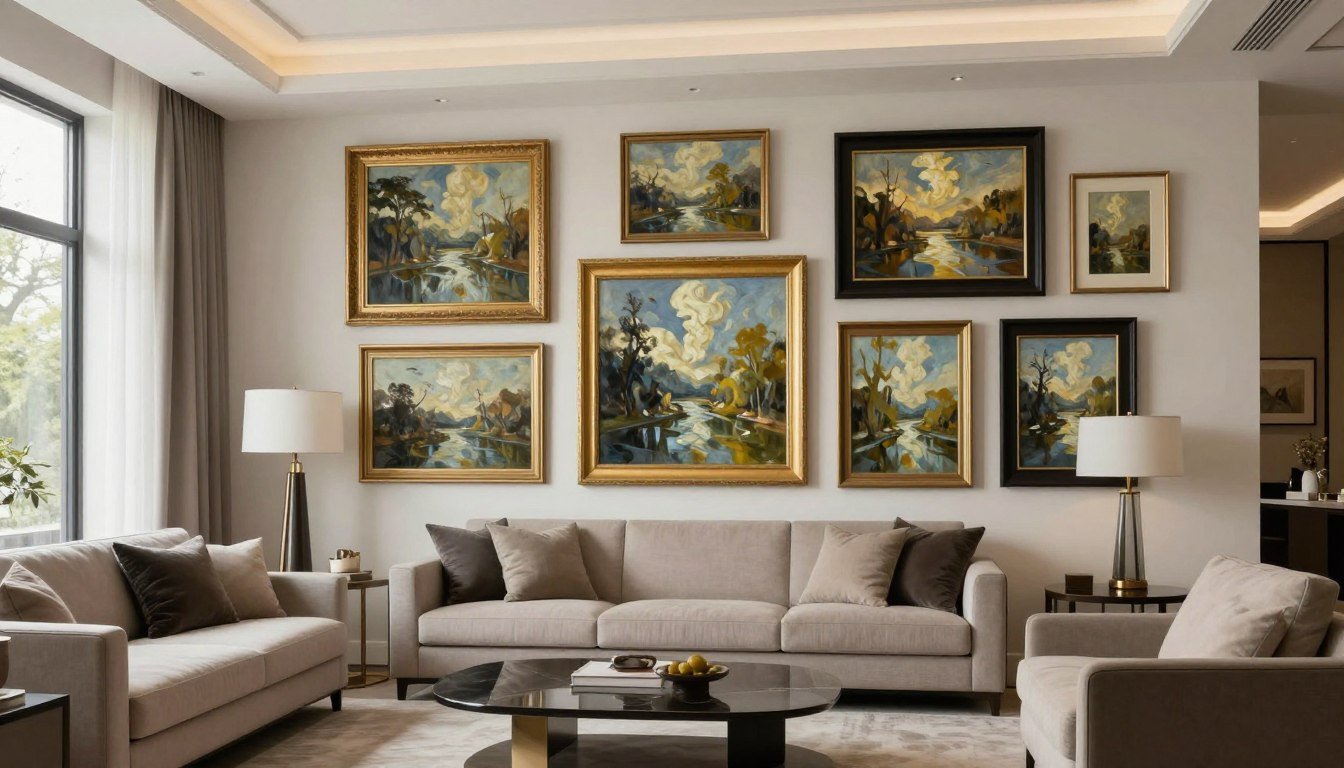
Creating Gallery Walls with Sculptural Elements
Gallery walls traditionally feature flat art, but incorporating shallow relief sculptures adds dimensional variety. Wall-mounted sculptural works break the visual plane and cast shadows that change throughout the day as natural light shifts. This dynamic quality makes gallery walls more engaging.
Position sculptural elements asymmetrically within gallery wall layouts rather than centering them. This placement creates visual tension that energizes the overall composition. Mix frames of different depths with sculptural pieces to emphasize the three-dimensional aspect.
Sculpture and Photography Combinations
Photography's precise realism contrasts beautifully with sculpture's tactile physicality. Display sculptural works alongside photographic prints to emphasize the difference between captured images and tangible objects. This juxtaposition heightens appreciation for both art forms' unique qualities.
Black and white photography pairs especially well with sculptures, as both emphasize form, shadow, and texture over color. Monochromatic photographs won't compete with sculptural works for color attention, allowing each piece to shine in its particular strength.
Budget Considerations and Quality Assessment for Sculpture Home Decor
Sculpture investments range from accessible decorative pieces to significant art acquisitions. Understanding quality markers and budget allocation strategies helps you build meaningful sculpture collections regardless of financial constraints.
Entry-Level Sculpture Options
Budget-conscious collectors can find quality sculptural works in the $50 to $200 range. Mass-produced resin sculptures offer affordability while still providing interesting forms and finishes. Look for pieces with clean casting details and smooth finishes that indicate careful manufacturing.
Smaller sculptures by emerging artists often fall within accessible price points. These original works carry authenticity that mass-produced options lack. Supporting developing artists while building your collection creates emotional value beyond mere decoration.
Budget Allocation Strategy
Smart sculpture collecting follows the investment approach professional designers recommend:
- Allocate 60% of budget to one statement piece for your primary living space
- Reserve 30% for two to three medium-sized supporting sculptures
- Use remaining 10% for small accent pieces that add texture to shelves and side tables
- Prioritize quality over quantity when building initial collections
- Consider purchasing one excellent piece annually rather than multiple lower-quality sculptures

Mid-Range Quality Sculptures
Sculptures in the $200 to $800 range typically offer superior materials and craftsmanship. Bronze, carved wood, and quality stone pieces fall into this category. These works often come from established sculptors with documented artistic practices and recognizable styles.
Mid-range sculptures provide excellent long-term value. Their quality construction ensures they maintain visual appeal and structural integrity over decades. These pieces often appreciate in value, particularly works by artists developing significant followings.
Investment-Grade Sculptural Art
Serious art collectors consider sculptures exceeding $1,000 as potential investments. Original works by recognized artists, limited edition bronzes, and unique stone carvings occupy this category. These sculptures require authentication documentation and provenance records confirming their legitimacy.
Investment-quality sculptures appreciate significantly when artists' reputations grow. Purchase these pieces from reputable galleries and dealers who provide certificates of authenticity. Proper documentation protects your investment and facilitates future resale if desired.

Assessing Sculpture Quality
Quality evaluation focuses on material integrity, craftsmanship, and artistic merit. Examine sculptures for consistent finishes without obvious flaws or irregularities. Metal sculptures should show even patination or polishing. Stone works should display clean carving without chips or cracks.
Material authenticity matters significantly. Solid bronze weighs considerably more than hollow resin imitations. Genuine marble displays natural veining patterns that manufactured materials cannot replicate. Learn to recognize authentic materials to avoid overpaying for inferior substitutes marketed as premium pieces.
Artistic merit involves subjective assessment but includes proportion, balance, and originality. Quality sculptures demonstrate confident form relationships and intentional design decisions. The piece should communicate clear artistic vision rather than appearing arbitrary or derivative.
Lighting Techniques to Enhance Sculptural Forms
Proper lighting transforms sculptures from static objects into dynamic art pieces that change appearance throughout the day. Understanding how light interacts with three-dimensional forms allows you to maximize every sculpture's visual impact.
Natural Light Considerations
Natural light provides ever-changing illumination that reveals different sculptural qualities at various times. Position sculptures near windows to benefit from natural light's movement across forms throughout the day. Morning light creates different shadows than afternoon illumination, maintaining visual interest.
Be cautious with direct sunlight on certain materials. Prolonged sun exposure can fade painted finishes and degrade some woods. Position vulnerable sculptures where they receive indirect natural light rather than harsh direct rays. North-facing windows provide consistent light without intense sun exposure.

Accent Lighting for Drama
Focused accent lights create dramatic sculptural presentations after dark. Position adjustable spotlights to graze sculpture surfaces at angles rather than lighting them directly from front. Grazing light emphasizes texture and creates shadows that enhance dimensional perception.
Track lighting systems offer flexibility for illuminating multiple sculptures throughout a room. Aim individual fixtures at different angles to create varied lighting effects. This approach allows you to adjust emphasis as you rotate sculptures or rearrange your interior.
Ambient Lighting Integration
Integrate sculptural lighting into overall room illumination plans. Sculptures should remain visible under general ambient light while receiving enhancement from focused sources. This layered lighting approach ensures sculptures contribute to room atmosphere at all times, not just when accent lights activate.
LED strip lighting concealed beneath sculpture bases creates floating effects that add ethereal quality to art pieces. This indirect illumination works particularly well with transparent or translucent materials like glass or alabaster that transmit light beautifully.

Avoiding Common Lighting Mistakes
Never position sculptures directly beneath overhead ceiling fixtures. This top-down lighting flattens three-dimensional forms and eliminates the shadows that define sculptural volume. Instead, light sculptures from angles that create depth through shadow play.
Avoid overly bright lighting that washes out subtle surface textures. Sculptures benefit from moderate illumination levels that allow eyes to perceive material nuances. Dimmer controls provide flexibility to adjust lighting intensity based on time of day and desired atmosphere.

Transform Your Interior with Statement Art
Rossetti Art offers museum-quality sculptures, original paintings, and canvas prints carefully curated for discerning collectors. Each piece combines artistic excellence with timeless design versatility, ensuring your investment enhances your home for years to come.
Frequently Asked Questions About Home Sculpture Decor
What size sculpture should I choose for my coffee table?
Coffee table sculptures should measure between 8 and 12 inches in height to avoid obstructing conversation sight lines across the table. The sculpture's width should not exceed one-third of the table's total width, ensuring adequate space for functional items like books, trays, and beverages.
Choose low-profile forms rather than tall vertical sculptures for coffee tables. Horizontal or sprawling sculptural designs work better in this central position where people view the piece from multiple seating angles around the table.
How do I clean and maintain different sculpture materials?
Bronze sculptures require periodic dusting with soft microfiber cloths and occasional waxing to maintain patina. Apply clear paste wax every six months to protect the surface. Marble and stone sculptures need gentle cleaning with pH-neutral stone cleaners and should never be exposed to acidic substances that etch surfaces.
Wood sculptures benefit from dusting and occasional treatment with appropriate wood conditioners that prevent drying and cracking. Metal sculptures in chrome or steel finishes need only regular dusting and rare polishing with metal-specific cleaners. Always avoid abrasive materials that scratch finished surfaces.
Can I mix modern sculptures with traditional furniture?
Contemporary sculptures create stunning contrasts when paired with traditional furniture. This juxtaposition adds visual dynamism and prevents interiors from appearing overly themed or museum-like. The key lies in finding unifying elements like color tones or material finishes that bridge the stylistic difference.
Choose sculptures with some traditional material references like bronze or marble when mixing with classic furniture. These materials carry historical associations that create subtle connections between contemporary forms and traditional contexts. Avoid extremely experimental or industrial sculptures that might clash too severely with formal traditional pieces.
Where should I avoid placing sculptures in my home?
Avoid placing sculptures in high-traffic pathways where they risk being bumped or knocked over. Keep sculptures away from bathroom environments where humidity can damage certain materials. Don't position valuable sculptures on unstable surfaces like wobbly tables or narrow shelves without proper security measures.
Keep sculptures away from heating vents and radiators that create temperature fluctuations potentially harmful to some materials. Avoid placing sculptures directly on appliances or near kitchen cooking areas where grease and heat can damage finishes. Never position heavy sculptures on glass shelves without confirming weight capacity.
How many sculptures are too many for one room?
One large focal point sculpture plus two to four smaller supporting pieces typically creates balanced sculptural presence without overwhelming a standard living room. Larger spaces can accommodate additional sculptures, but maintain clear visual hierarchy with one dominant piece and several subordinate works.
The room's size, furniture density, and overall design complexity determine sculpture quantity limits. Minimalist spaces with sparse furniture can display more sculptures without appearing cluttered. Rooms already containing substantial furniture and decorative elements need fewer sculptural pieces to avoid visual chaos. Trust your instinct; if a space feels crowded, remove the least impactful sculpture.
Should I choose abstract or figurative sculptures for my home?
Abstract sculptures offer versatile interpretation that allows different viewers to connect personally with forms. These pieces work well in contemporary and transitional interiors where open-ended aesthetic conversations are welcomed. Abstract forms typically age better stylistically than literal figurative works tied to specific trends.
Figurative sculptures bring narrative elements and recognizable subjects that some collectors prefer. Traditional interiors often benefit from figurative works that reference classical art history. Consider your personal preference and existing decor style. Many successful collections include both abstract and figurative works that create dynamic variety throughout different rooms.
What's the difference between mass-produced and original sculptures?
Original sculptures exist as unique artworks or very limited editions created directly by artists. These pieces carry higher value due to their scarcity and direct connection to the artist's hand. Original works typically include documentation certifying their authenticity and provenance.
Mass-produced sculptures are manufactured in large quantities using industrial processes like casting or molding. These pieces offer affordability and accessibility but lack the investment potential and artistic authenticity of originals. Quality varies significantly among mass-produced options; examine craftsmanship carefully before purchasing. Rossetti Art's original painting collection provides authentic alternatives for collectors seeking unique art pieces.
Bringing Your Home Sculpture Decor Vision to Life

Sculpture transforms interiors from merely decorated spaces into curated environments that reflect personal artistic sensibilities. The placement strategies, size guidelines, and styling principles outlined here provide frameworks for making confident sculpture selections and positioning decisions.
Remember that successful sculpture integration balances multiple elements. Consider room proportions, furniture relationships, existing art works, and lighting conditions when planning sculptural additions. Apply professional design rules like the two-thirds proportion guideline and 57-inch eye-level standard while trusting your personal aesthetic instincts.
Start your sculptural journey with one statement piece that genuinely resonates with you. Build your collection gradually, allowing each addition to find its perfect placement before introducing new elements. Quality surpasses quantity in sculpture collecting; one exceptional piece creates more impact than numerous mediocre works.
Your home sculpture decor choices communicate your design sophistication and artistic appreciation to everyone who enters your space. Whether drawn to abstract forms, classical figures, or contemporary geometric designs, sculptures you choose become part of your home's narrative and your daily visual experience.
Explore Rossetti Art's Curated Collection
Discover premium sculptures, original paintings, and canvas prints selected for exceptional artistic quality and interior design versatility. Each piece in our collection represents careful curation with an eye toward timeless aesthetic value.

About the Author
Chiara Rossetti
Chiara Rossetti is the founder of Rossetti Art, a canvas print and original art brand. She writes about interior design, wall art styling, and the art of making a home feel alive.


Leave a comment
This site is protected by hCaptcha and the hCaptcha Privacy Policy and Terms of Service apply.