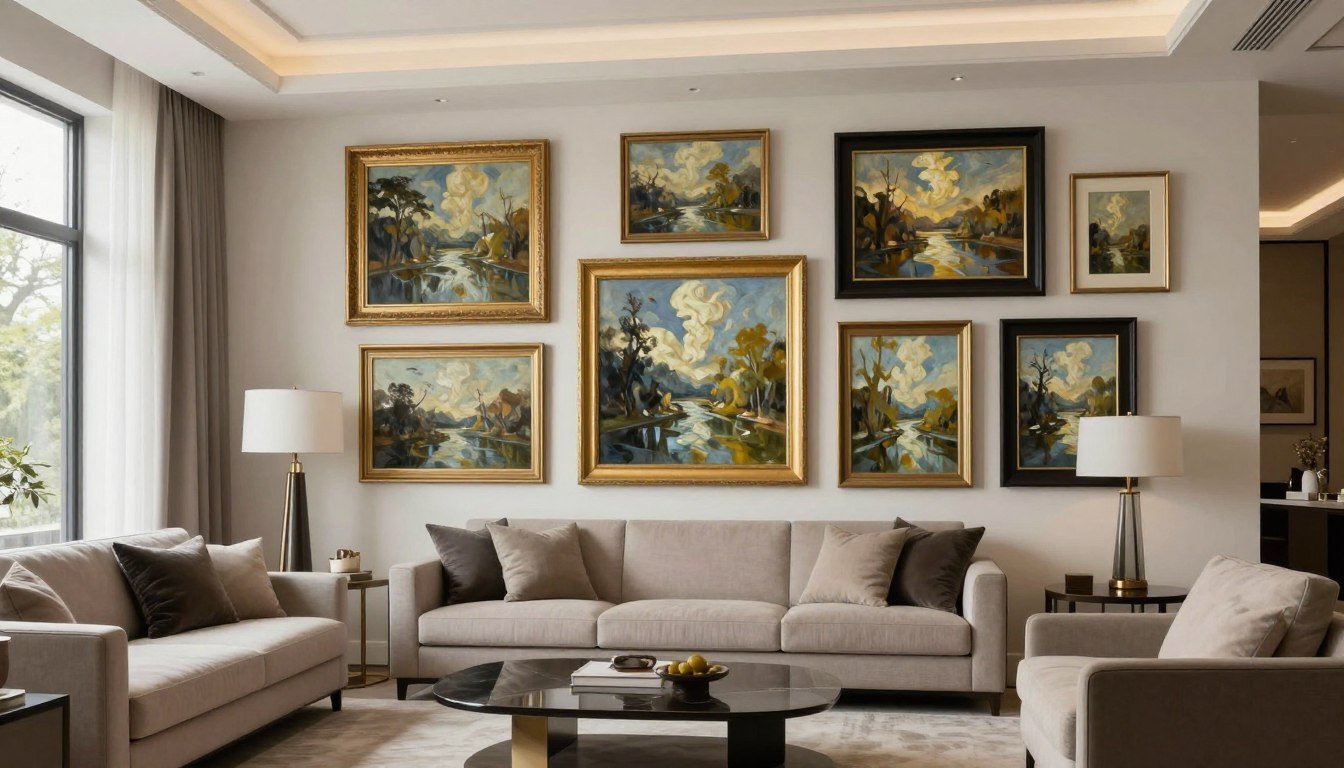

Walking into a room graced with original oil paintings transforms the entire atmosphere. The texture catches light differently throughout the day. Colors shift with changing illumination. Each brushstroke tells a story that printed reproductions simply cannot capture.
This guide explores everything you need to know about selecting, displaying, and caring for original oil paintings. You will learn to identify quality craftsmanship. You will discover how different painting styles complement various interior design aesthetics. You will understand the practical considerations that make oil paintings a lasting investment in your home's beauty.
Whether you are drawn to sweeping landscape painting compositions or bold abstract expressions, the right piece can anchor your space and bring daily joy for generations.
Understanding What Makes Original Oil Paintings Unique

Oil paintings have dominated fine art for over 500 years for compelling reasons. The medium offers unmatched versatility and permanence.
The Chemistry Behind Lasting Beauty
Oil paints consist of pigment particles suspended in drying oils, typically linseed oil. This composition creates chemical bonds as the painting cures. Unlike acrylic or watercolor, oil paint dries through oxidation rather than evaporation. This process can take months or even years to complete fully.
The slow drying time allows artists exceptional control. They can blend colors directly on canvas. They can build up layers gradually. They can return to sections over multiple sessions to refine details.

Texture That Creates Dimension
Original oil paintings possess physical dimensionality that reproductions cannot replicate. Brushstrokes create actual ridges and valleys on the canvas surface. This texture, called impasto when particularly thick, catches and reflects light throughout the day.
Stand at different angles to an oil painting and watch how the artwork transforms. Morning light reveals certain details. Afternoon illumination emphasizes others. This living quality makes each viewing experience unique.
Color Depth and Luminosity
Oil paint pigments maintain exceptional vibrancy due to the transparent nature of oil binders. Light penetrates the paint layers, reflects off the white canvas beneath, and travels back through the pigment. This creates an inner glow that flat prints cannot achieve.
Historical paintings by Old Masters demonstrate this permanence. Colors remain remarkably vivid even after centuries when properly cared for. The chemical stability of oil paint ensures your investment maintains its visual impact for generations.

Popular Styles of Original Oil Paintings for Modern Homes
Understanding different painting styles helps you identify pieces that resonate with your aesthetic preferences and complement your interior design vision.
Landscape Painting: Bringing Nature Indoors

Landscape painting remains one of the most beloved categories for residential spaces. These works capture natural scenes ranging from serene coastlines to dramatic mountain vistas.
Impressionist landscapes use broken brushwork and pure color to convey the essence of a scene rather than photographic detail. This style works beautifully in spaces with varied lighting conditions. The loose brushwork creates visual interest without overwhelming other design elements.
Realistic landscape painting offers precise detail and careful rendering. These pieces appeal to collectors who appreciate technical mastery. They work particularly well in traditional interiors or as focal points in minimalist spaces where the painting provides the primary color palette.

Contemporary landscape artists often blend abstraction with representation. They might simplify forms while maintaining recognizable elements. This hybrid approach bridges traditional and modern aesthetics, making these pieces versatile for various decor styles.
Impressionist Landscapes
Characterized by visible brushstrokes and emphasis on light effects rather than precise details. Perfect for creating atmospheric, relaxed environments.
- Soft, broken brushwork technique
- Emphasis on changing light conditions
- Often features outdoor scenes and nature
- Works well in transitional and traditional spaces
Realistic Landscapes
Detailed rendering that captures natural scenes with photographic precision. Ideal for traditional interiors and focal point placement.
- Meticulous attention to detail
- Accurate color representation
- Strong sense of depth and perspective
- Complements classic furniture and architecture
Contemporary Landscapes
Modern interpretations blending abstraction with recognizable natural elements. Versatile for various design aesthetics.
- Simplified forms with bold color choices
- Balances representation and abstraction
- Fresh perspective on traditional subjects
- Bridges modern and traditional decor
Marine and Coastal Scenes
Specialized landscape category focusing on sea, shore, and maritime subjects. Brings calming water elements into interiors.
- Focus on water movement and light reflection
- Cool color palettes with blues and greens
- Evokes tranquility and connection to nature
- Popular for coastal and beach-themed homes
Abstract Oil Paintings: Modern Expression

Abstract art liberates color, form, and texture from representational constraints. These paintings create emotional impact through composition, color relationships, and gestural marks rather than depicting recognizable subjects.
Color field paintings use large areas of solid color to create contemplative spaces. These works pair beautifully with minimalist interiors. They provide visual calm while adding sophisticated color interest.
Gestural abstract paintings capture the energy of the artist's physical movement. Bold brushstrokes and dynamic compositions inject vitality into spaces. These pieces work well as statement art in contemporary settings.

Geometric abstraction employs precise shapes and careful composition. Hard-edge paintings with clean lines complement modern architecture. They create visual dialogue with contemporary furniture and clean-lined spaces.
Still Life: Classical Beauty

Still life paintings have graced homes since the Dutch Golden Age. These compositions arrange objects to create visually pleasing arrangements that explore light, texture, and symbolism.
Floral still life paintings bring botanical beauty indoors year-round. From loose impressionist bouquets to hyper-realistic botanical studies, these works add organic elements to any space. They work particularly well in dining rooms, kitchens, and bedrooms.
Contemporary still life artists reinterpret the tradition with modern objects and unconventional compositions. These pieces bridge historical painting traditions with current aesthetics.

Portraiture and Figurative Work
Figurative paintings depict the human form, from formal portraits to casual figure studies. These works bring human presence and narrative into spaces.
Contemporary figurative artists often employ looser, more expressive techniques than traditional portraiture. Figures might be partially abstracted or rendered with bold, unconventional color choices. This approach creates visual interest while maintaining recognizable human elements.

Classical portrait techniques remain valued for their technical mastery and timeless appeal. These pieces particularly suit traditional interiors, libraries, and formal spaces.
Discover Your Perfect Style
Explore our curated collection of original paintings spanning landscape, abstract, and contemporary styles. Each piece is selected for exceptional quality and timeless appeal.
Featured Original Oil Paintings: Curated Selections for Modern Interiors
If you love bold compositions and rich textures, here are three original paintings that bring sophisticated visual impact to any room.

Abstract Expression Collection
Bold geometric forms meet organic brushwork in these contemporary abstract pieces. Each painting features layered textures and dynamic color relationships that energize modern living spaces.

Portrait Masterworks
Figurative oil paintings capture human emotion and character through masterful technique. These works bring warmth and narrative depth to bedrooms, studies, and intimate gallery walls.

Botanical Elegance Series
Nature-inspired oil paintings bring organic serenity to contemporary spaces. Subtle color palettes and refined compositions complement minimalist and transitional interior design styles.
How to Evaluate Quality in Original Oil Paintings

Recognizing quality markers helps you make informed investment decisions when selecting original art for your home.
Examining Canvas and Surface Preparation
Quality paintings begin with proper surface preparation. Professional artists use primed canvas stretched over wooden stretcher bars. The canvas should be taut without waves or sags.
Turn the painting over to inspect the back. Gallery-wrapped canvases should show clean stapling along the back edge, not the sides. Wooden stretcher bars should be solid, with corner joints properly assembled. Cross braces appear on larger canvases to prevent warping.
The priming layer, typically white gesso, should be smooth and evenly applied. This layer prevents oil from deteriorating the canvas fibers while providing an ideal painting surface.

Assessing Paint Application and Technique
Professional paint application shows intentionality in every mark. Even loose, expressive styles demonstrate control. Look for confident brushwork that serves the composition.
Paint should be applied in appropriate layers. Thin underpainting establishes composition and values. Subsequent layers build color and detail. Final touches might include impasto highlights or glazing for depth.
Colors should appear vibrant and properly mixed. Muddy colors or excessive blending might indicate inexperience. Quality pigments maintain their intensity rather than appearing chalky or flat.
Evaluating Composition and Design
Strong composition guides the viewer's eye through the painting. Whether abstract or representational, the piece should demonstrate thoughtful arrangement of visual elements.
Examine how the painting uses space. Does it have a clear focal point or intentional balance across the surface? Do colors create harmony or deliberate contrast? Does the composition feel complete and resolved?

Value structure, the arrangement of lights and darks, creates visual depth and impact. Squint at the painting to see its underlying value pattern. Strong paintings read well even when color is removed from consideration.
Understanding Signatures and Documentation
Original paintings should be signed by the artist, typically in the lower corner. Some artists sign on the back instead. The signature indicates the artist stands behind the work.
Certificates of authenticity provide documentation for your purchase. These documents record the artist's name, painting title, dimensions, medium, and creation date. They prove provenance and support future resale value.
Reputable galleries and artists provide this documentation automatically. Keep these certificates with your purchase records and photographs of the artwork.

Recognizing Investment Value
Not every painting needs to appreciate financially, but understanding factors that support value helps make sound decisions.
Artist reputation and exhibition history matter for investment potential. Artists with gallery representation, museum exhibitions, and critical recognition typically maintain stronger market values.
Subject matter affects desirability. Landscapes and abstracts generally have broader appeal than highly specific or controversial subjects. Size also impacts value, as larger pieces command higher prices but have fewer potential buyers.
Condition significantly affects worth. Original paintings in excellent condition with minimal restoration hold value better than damaged works.
Professional Display Guidelines for Original Oil Paintings

Proper display maximizes your painting's visual impact while protecting your investment from damage.
The 57-Inch Eye Level Rule
Museums and galleries worldwide follow a standard hanging height: 57 inches from floor to the center of the artwork. This measurement represents average eye level and creates comfortable viewing for most people.
To implement this rule, measure 57 inches up from the floor and mark lightly with pencil. Measure your painting's height and divide by two. Subtract this number from 57 to determine where the top edge should hang. Account for your hanging hardware position when marking the nail or hook placement.
For rooms where people primarily sit, such as dining rooms, lower the height slightly to 54-56 inches. This adjustment maintains comfortable viewing from seated positions.
Lighting Considerations

Light brings oil paintings to life but can also cause damage. Balance visual presentation with preservation needs.
Natural light should never directly hit oil paintings. UV radiation fades pigments and degrades varnish over time. Position paintings on walls perpendicular to windows rather than directly across from them. Use UV-filtering window treatments in rooms with valuable artwork.
Artificial lighting offers more control. Picture lights mounted above frames provide focused illumination. LED options generate minimal heat and last longer than traditional bulbs. Choose warm color temperatures (2700K-3000K) that complement oil paint's natural warmth.
Track lighting or recessed spotlights work well for larger pieces or gallery walls. Position lights at 30-degree angles to minimize glare. Dimmer switches let you adjust intensity based on time of day and ambient light levels.
Avoid direct spotlight angles that create hotspots or excessive glare on varnished surfaces. The goal is even, flattering illumination that reveals the painting's texture and color without overwhelming it.
Creating Gallery Walls

Gallery walls combine multiple artworks into cohesive displays. This approach works beautifully with original oil paintings of varying sizes.
Start by arranging pieces on the floor to experiment with layout. Photograph different arrangements to compare options. Maintain consistent spacing between frames, typically 2-3 inches.
For formal symmetry, arrange paintings in grid patterns with aligned edges. This approach suits traditional interiors and creates orderly visual rhythm.
Organic arrangements use varied sizes and heights while maintaining overall balance. The largest piece typically anchors the composition, with smaller works arranged around it. This salon-style hanging adds dynamic energy to spaces.

Unify diverse pieces through consistent framing or color themes. You might use all gold frames, or ensure each painting contains similar color notes. This creates cohesion while maintaining variety.
Spacing and Scale Guidelines
Proper scale relationships between artwork and furniture prevent visual imbalance. Paintings above sofas should span roughly two-thirds to three-quarters of the furniture width. A 90-inch sofa pairs well with a 60-70 inch painting or grouping.
Leave 6-8 inches between the top of furniture and the bottom of artwork. This creates visual connection while preventing the piece from feeling disconnected or cramped.
In dining rooms, artwork should clear chair backs when pushed away from the table. Leave at least 10-12 inches between the tallest chair position and the painting's bottom edge.

Room-Specific Placement Strategies
Each room presents unique display opportunities and challenges for original oil paintings.
Living rooms serve as primary display spaces for statement pieces. Large-scale landscape painting or abstract works create focal points above sofas or fireplaces. These rooms typically offer optimal viewing distances and controlled lighting conditions.
Bedrooms benefit from calming subjects and colors. Landscape paintings depicting serene scenes or soft abstract works in cool tones support restful environments. Hang pieces where they are visible from the bed but not directly overhead.

Dining rooms accommodate both still life works and landscape pieces. The traditional connection between food and still life paintings makes these spaces natural homes for such compositions. Ensure adequate wall space between artwork and serving areas to prevent accidents.
Hallways and entryways create opportunities for smaller works or series. These transitional spaces benefit from visual interest without overwhelming limited square footage. Gallery walls work particularly well in hallway spaces.
Avoid hanging original oil paintings in bathrooms or kitchens where humidity and temperature fluctuations can damage them. Steam, cooking vapors, and moisture pose serious preservation risks.
Office and Study Oil Paintings

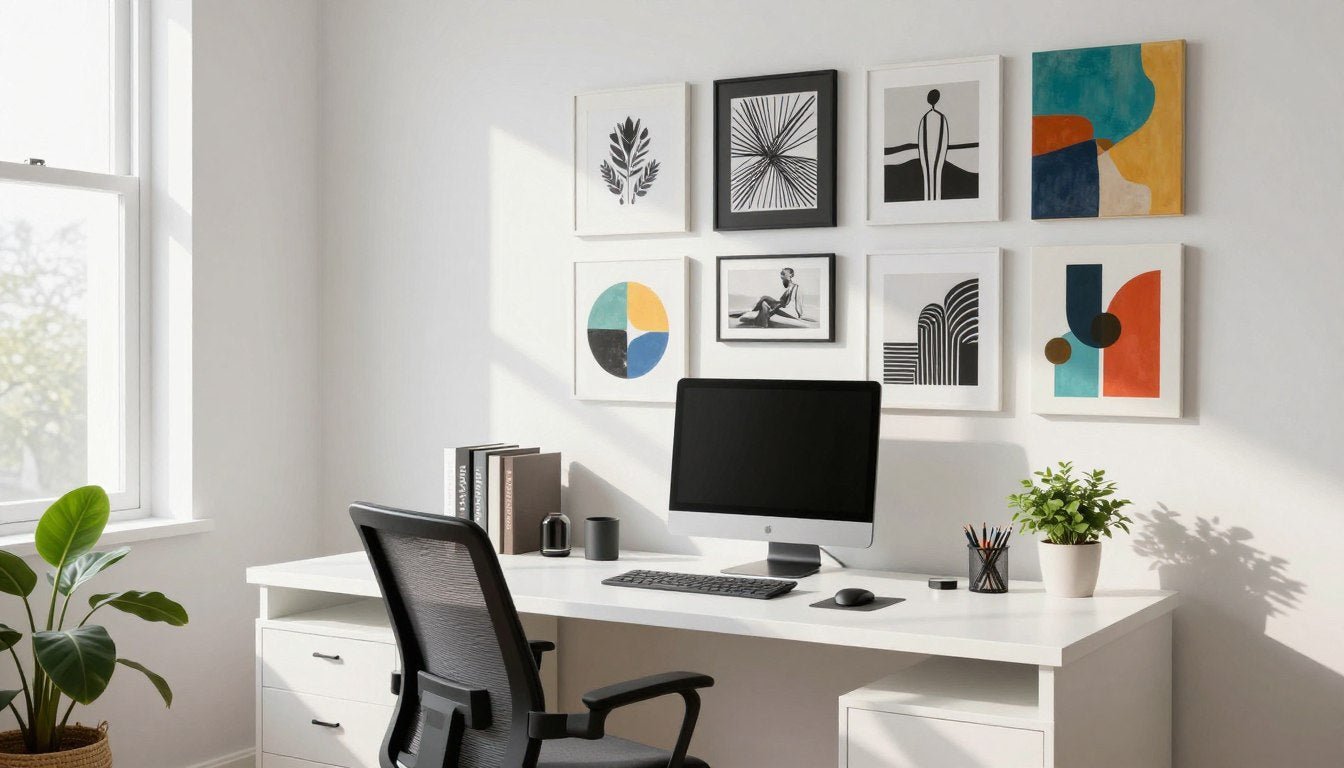
Professional spaces benefit from original oil paintings that project confidence and cultivate focus. Abstract works, cityscapes, and refined portraits establish sophisticated atmosphere without personal distraction. Size should remain proportional to desk or credenza dimensions.
Consider how the artwork reflects professional identity. Creative professionals might choose bold contemporary pieces, while traditional fields may prefer classical subjects rendered in contemporary techniques. View office oil paintings designed for professional environments.
Essential Care and Maintenance for Original Oil Paintings

Proper maintenance preserves your oil paintings for generations while protecting your financial and aesthetic investment.
Regular Cleaning and Dusting
Dust accumulation dulls paintings and can attract moisture that encourages mold growth. Clean paintings every few months using proper techniques.
Use a clean, soft natural-bristle brush specifically dedicated to artwork. Gently brush from top to bottom in light strokes. Never apply pressure or scrub. Hold your hand below the area being dusted to catch falling debris before it lands on lower portions.
Avoid feather dusters, which can catch on textured paint surfaces and cause damage. Never use cleaning solutions, furniture polish, or water on oil paintings unless you are a trained conservator.
For varnished paintings with stubborn dirt, professional cleaning may be necessary. Attempting home cleaning beyond gentle dusting risks irreversible damage. Conservators possess the expertise and materials to safely clean valuable artwork.
Environmental Controls

Oil paintings remain sensitive to environmental conditions throughout their lifespan. Controlling these factors prevents deterioration.
Temperature stability matters more than specific temperature. Maintain consistent conditions between 65-75°F. Avoid hanging paintings above radiators, heating vents, or fireplaces where heat fluctuations occur.
Humidity should remain between 40-50% year-round. Higher humidity encourages mold growth and can cause canvas to expand and contract. Lower humidity makes canvas brittle and prone to cracking. Use humidifiers or dehumidifiers to maintain stable levels.
Dramatic environmental changes cause the most damage. Paintings moved from climate-controlled galleries to uncontrolled home environments need time to acclimate gradually.
Protection from Physical Damage
Physical threats range from obvious impacts to subtle abrasion. Preventive measures minimize risks.
Frame glazing protects valuable paintings from physical contact, dust, and environmental pollutants. Museum-quality acrylic glazing offers UV protection without glass weight or breakage risk. However, glazing can interfere with viewing textured oil paintings. Balance protection needs against visual experience.
Hanging hardware must support artwork weight securely. Use picture hooks rated for weights exceeding your painting. Two hooks provide more stability than one for larger pieces. Check hardware annually to ensure security.

Keep paintings away from high-traffic areas where accidental contact might occur. Avoid spaces near doors that slam or areas where people carry objects that might strike artwork.
When to Seek Professional Conservation
Certain conditions require expert intervention. Recognizing these situations prevents small problems from becoming major damage.
Flaking paint demands immediate professional attention. This signals failing paint adhesion that will worsen without conservation treatment. Do not attempt to reattach flakes yourself.
Darkened or yellowed varnish can be professionally cleaned and replaced. This restoration dramatically improves appearance and protects underlying paint layers. Only trained conservators should perform varnish work.
Canvas tears or punctures require professional repair. Conservators can patch and inpaint damage invisibly. Home repair attempts typically cause further deterioration and complicate professional restoration.
Mold growth, water damage, or smoke exposure all necessitate conservation services. These conditions penetrate paint layers and require specialized treatment to halt deterioration.

Insurance and Documentation
Protect your investment through proper insurance coverage and documentation.
Photograph artwork from multiple angles, including overall views and detail shots. Photograph the back showing stretcher bars, labels, and signatures. Store these images digitally and in cloud backup.
Document purchase information including seller, price, date, and certificate of authenticity. Record the artist's name, painting title, dimensions, and medium.
Standard homeowner's insurance may not adequately cover fine art. Discuss your collection with your insurance agent. Consider riders or specialized fine art insurance policies that cover full replacement value.
Update appraisals every 3-5 years as market values change. Professional appraisals support insurance claims and estate planning.
Start Your Collection with Confidence
Browse our expertly curated selection of original paintings, each accompanied by detailed artist information and care guidelines. We provide certificates of authenticity with every purchase to protect your investment.
Understanding Original Oil Paintings as Investment Pieces

While aesthetic enjoyment remains the primary reason to acquire original art, understanding investment aspects helps make informed purchasing decisions.
Factors That Support Value Appreciation
Artist trajectory matters significantly for investment potential. Emerging artists with growing reputations and increasing gallery representation offer value opportunities. Established artists with consistent sales histories provide stability but typically command higher initial prices.
Exhibition history and critical recognition support market value. Artists who exhibit at respected galleries or receive museum attention gain credibility. Awards and publications contribute to an artist's professional standing.
Provenance, the documented ownership history, adds value to significant works. Pieces from notable collections or exhibited in important venues command premium prices. Maintain all documentation related to your acquisition.

Edition Size and Originality
True original oil paintings exist as unique, one-of-a-kind artworks. This scarcity fundamentally supports value compared to reproductions or prints, which exist in multiple copies.
Some artists create small series exploring similar themes or compositions. While related, each painting remains an original with individual variations. These series pieces hold value but might not appreciate as strongly as completely unique works.
Understand the difference between original paintings and enhanced prints. Some sellers market heavily manipulated or hand-touched prints as originals. True oil paintings show thick paint application and visible brushwork throughout. They are created entirely by hand, not mechanically reproduced.
Size and Subject Matter Considerations
Larger paintings generally command higher prices and demonstrate greater artist commitment. However, size affects resale liquidity. Very large pieces limit potential buyers to those with appropriate wall space and budget.
Medium-sized works (24x36 to 48x60 inches) offer good balance. They make strong visual statements while fitting most residential spaces. This versatility supports resale potential.
Subject matter affects marketability. Landscape painting, seascapes, and abstracts appeal to broad audiences. Highly specific subjects, while personally meaningful, may limit future buyer interest.

Market Trends and Timing
Art markets fluctuate based on economic conditions and collecting trends. Contemporary art markets particularly respond to broader economic cycles.
Buy what you love rather than purely for investment. If appreciation occurs, consider it a bonus. This approach prevents disappointment if market values do not increase as anticipated.
Building relationships with reputable galleries provides access to promising artists and fair pricing. Gallery professionals offer expertise and often facilitate future resales through their networks.
Alternative Benefits Beyond Financial Return
Original paintings provide daily aesthetic pleasure that purely financial investments cannot match. They transform living spaces and create emotional connections that transcend monetary value.
Artwork serves as cultural legacy passed to future generations. The pieces you collect today may become family treasures that carry memories and stories forward through time.
Supporting living artists contributes to cultural vitality. Your purchases enable artists to continue creating, enriching society beyond your personal collection.
Where and How to Purchase Original Oil Paintings

Finding quality original oil paintings requires knowing where to look and how to evaluate sellers and sources.
Reputable Gallery Relationships
Established galleries vet artists and maintain quality standards. They provide authenticity guarantees and proper documentation. Gallery professionals offer expertise about artists, techniques, and market values.
Visit galleries regularly to see new work and build relationships with staff. Gallery owners can connect you with artists whose style aligns with your preferences. They often provide access to new work before public exhibition.
Galleries typically apply commission markups to artist prices. These markups fund exhibition spaces, marketing, and professional services. Consider this when comparing gallery prices to direct-from-artist purchases.
Buying Directly from Artists
Direct artist purchases often cost less than gallery prices. You establish personal connection with creators and may commission custom work tailored to your specifications.
Research artists thoroughly before major purchases. Review their professional history, exhibition record, and client testimonials. Request references from previous collectors.
Ensure direct purchases include proper documentation. Obtain signed receipts, certificates of authenticity, and care instructions. Clarify return policies and any warranty coverage.

Online Art Marketplaces
Online platforms expand access to artists worldwide. Established art marketplaces verify sellers and provide buyer protection programs.
Request detailed photographs showing paint texture and surface quality before purchasing. Ask about return policies and shipping insurance. Understand who pays return shipping if the piece does not meet expectations.
Read seller reviews and transaction histories. Established sellers with positive feedback histories offer more security than new accounts.
Art Fairs and Open Studios
Art fairs bring multiple galleries and artists together, allowing efficient comparison shopping. Quality varies widely, so examine work carefully.
Open studio events let you visit artists' working spaces. These experiences provide insight into creative processes and allow discussion of techniques and inspiration.
Both venues often offer more negotiable pricing than formal gallery settings. Ask about discounts for multiple purchases or payment plans for higher-priced pieces.

Commissioning Custom Work
Commissioning original art allows personalized expression matching your exact specifications. You can request specific subjects, sizes, and color palettes.
Provide reference images or detailed descriptions of your vision. Discuss timeline expectations and payment structures. Many artists request deposits before beginning work, with final payment upon completion.
Understand that artistic interpretation may differ from your mental image. Allow creative latitude while communicating clear preferences. Request progress photographs to ensure alignment with your expectations.
Commission agreements should specify dimensions, medium, general subject matter, completion timeline, and total cost. Include provisions for revisions and clearly define what constitutes satisfactory completion.
Frequently Asked Questions About Original Oil Paintings
How can I tell if an oil painting is truly original and not a reproduction?
Original oil paintings show actual paint texture with visible brushstrokes that create three-dimensional surface relief. Run your finger lightly across the surface to feel ridges and valleys in the paint. Examine the piece closely under raking light to see how paint catches illumination.
Reproductions appear completely flat with uniform texture. Even high-quality giclée prints lack the physical dimensionality of actual oil paint. Original works are typically signed by the artist and include certificates of authenticity. The canvas back shows stretcher bars, staples, and often artist notations. Prints are mounted on paper or lightweight canvas without substantial structural support.
What price range should I expect for quality original oil paintings?
Emerging artist prices typically range from $200 to $2,000 depending on size and complexity. Mid-career artists with established exhibition records command $2,000 to $15,000 for substantial pieces. Established artists with significant reputations price works from $15,000 upward, sometimes reaching six figures.
Size significantly impacts pricing. Small studies (8x10 to 16x20 inches) cost less than major statement pieces (48x60 inches or larger). Subject complexity, artist reputation, gallery representation, and market demand all influence final prices. The original paintings collection at Rossetti Art offers curated works across various price points to suit different budgets while maintaining quality standards.
How long do oil paintings take to fully dry, and can I hang them immediately?
Oil paintings feel dry to touch within days to weeks, but complete curing takes six months to several years. The paint oxidizes from the outside inward, so surface dryness does not indicate full cure.
You can hang recently completed oil paintings immediately if handled carefully. Avoid touching painted surfaces or pressing against them. Do not frame under glass until fully cured, as trapped moisture and fumes can damage the painting. Most artists deliver work ready to hang with appropriate curing time already elapsed. If purchasing directly from a studio, ask about the completion date and whether additional drying time is recommended before hanging.
Should I choose a framed or unframed oil painting?
Gallery-wrapped canvases with painted edges can hang unframed for contemporary, casual presentation. The canvas wraps around stretcher bars with the image continuing on all sides. This option works well in modern, minimalist spaces.
Framing adds formal elegance and protection. Frames define boundaries, enhance presence, and can tie artwork into existing decor. Traditional and transitional interiors typically benefit from framing. Ornate gold or carved wood frames suit classical pieces, while simple frames complement contemporary work. Frame selection dramatically affects the painting's visual impact and should harmonize with both the artwork and your interior design style. Consider consulting framing professionals for valuable pieces to ensure conservation-quality materials and proper techniques.
What is the difference between landscape painting styles and how do I choose?
Landscape painting encompasses multiple approaches from photorealistic to completely abstract interpretations of natural scenes. Impressionist landscapes use visible, broken brushwork to capture light effects and atmospheric conditions rather than precise details. These pieces create mood through color and gesture.
Realistic landscapes render scenes with careful attention to accurate detail, perspective, and naturalistic color. They appeal to viewers who appreciate technical mastery and recognize specific locations. Contemporary landscape artists often blend representation with abstraction, simplifying forms while maintaining recognizable elements. Your choice should reflect both personal aesthetic preference and how the piece integrates with your existing decor. Visit our paintings collection to compare different landscape approaches and find the style that resonates with your vision.
Can original oil paintings work in modern, minimalist interiors?
Original oil paintings complement minimalist spaces beautifully when selected thoughtfully. Abstract works with limited color palettes align with minimalist aesthetics while adding textural interest that flat surfaces cannot provide. Large-scale pieces make bold statements without cluttering clean-lined environments.
Contemporary landscape paintings with simplified forms bridge natural subject matter with modern sensibilities. Choose unframed gallery-wrapped canvases for seamless integration with minimalist design. Monochromatic or limited-palette works prevent color clash with neutral schemes. The key is selecting pieces that add visual interest through texture and composition rather than busy detail or excessive ornamentation. Single large artworks often work better than gallery walls in minimalist spaces, maintaining the clean, uncluttered aesthetic while providing a compelling focal point.
How do I maintain proper humidity levels to protect my oil paintings?
Maintain relative humidity between 40-50% year-round to preserve oil paintings optimally. Purchase a hygrometer to monitor levels in rooms containing valuable artwork. These inexpensive devices provide accurate readings of current humidity conditions.
Use humidifiers during dry winter months when heating systems reduce moisture levels. Dehumidifiers prevent excess humidity during humid summer periods or in naturally damp climates. Central HVAC systems with whole-home humidification provide the most consistent control. Avoid placing paintings in rooms with inherently high humidity like bathrooms or steamy kitchens. Basements often experience humidity fluctuations and should be avoided for valuable pieces. Consistent environmental conditions prevent canvas expansion and contraction that can cause cracking and paint delamination over time.
Are oil paintings a good alternative to canvas prints for decorating?
Original oil paintings and canvas prints serve different purposes and budgets. Oil paintings provide unique, one-of-a-kind artwork with investment potential and distinctive physical presence. The textured surface, color depth, and originality create visual impact that reproductions cannot match.
Canvas prints offer affordable access to beautiful imagery without original artwork investment. They work well for frequently refreshed spaces, rental properties, or rooms where environmental conditions might damage originals. Many collectors combine both approaches, displaying original paintings in primary spaces while using quality canvas prints in secondary areas. Your choice depends on budget, space significance, and whether you value unique artwork ownership. Both options enhance interiors when selected thoughtfully to complement your design vision.
What should I look for when buying original oil paintings online?
Request multiple high-resolution photographs showing the entire painting, close-up details revealing paint texture, and views from different angles. Ask for images of the painting's back showing stretcher bars and any artist notations or signatures. Verify the seller provides dimensions, medium confirmation, and artist information.
Read return policies carefully before purchasing. Understand who pays return shipping and whether restocking fees apply. Check if the platform or seller offers authenticity guarantees and certificates. Research the artist independently through web searches and social media to verify they are established creators with legitimate bodies of work. Read previous buyer reviews and transaction feedback. Reputable online galleries provide detailed artist biographies, exhibition histories, and clear contact information. Start with smaller purchases to test seller reliability before investing in major pieces.
How do I choose between abstract and representational oil paintings for my space?
Consider your interior design style and personal connection to art. Abstract oil paintings work beautifully in contemporary, modern, and transitional spaces. They provide color and texture without depicting specific subjects, offering flexibility as decor evolves. Abstract pieces create emotional impact through composition, gesture, and color relationships rather than recognizable imagery.
Representational paintings depicting landscapes, still life, or figures appeal to collectors who enjoy narrative and recognize subjects. These works often evoke specific places, memories, or feelings through identifiable content. Traditional and classical interiors typically showcase representational work, though contemporary spaces can accommodate both approaches. Your choice ultimately depends on which type creates stronger emotional response. Visit galleries or browse collections like Rossetti Art's original paintings to experience both styles in person or through quality reproductions. Trust your instinctive reactions to guide selection rather than following rigid rules about what "should" work in particular spaces.
Begin Your Journey with Original Oil Paintings

Original oil paintings transform houses into homes through color, texture, and personal expression. Each piece you select reflects your aesthetic vision while creating daily moments of visual pleasure.
The knowledge you have gained about painting styles, quality markers, display techniques, and care practices empowers confident collecting decisions. You understand how to evaluate craftsmanship. You recognize proper hanging heights and lighting strategies. You know environmental conditions that preserve your investments for generations.
Whether you are drawn to sweeping landscape painting vistas that bring nature indoors, bold abstract expressions that energize modern spaces, or classical still life compositions that add timeless elegance, your perfect piece awaits discovery. The journey of building an art collection enriches life beyond simple decoration. It connects you with creative expression, supports living artists, and creates legacy pieces that tell your story.
Trust your instincts and personal aesthetic preferences. The right painting speaks to you emotionally before intellectual analysis begins. That immediate connection, combined with informed evaluation of quality and proper care, ensures satisfaction with your selections for years to come.
Discover Original Art That Speaks to You
Explore Rossetti Art's carefully curated collection of original paintings. Each piece is selected for exceptional quality, timeless appeal, and ability to transform your living spaces. Browse landscape masterpieces, contemporary abstracts, and everything between to find artwork that reflects your unique style and vision.
Your walls deserve more than mass-produced decoration. They deserve the authentic beauty, investment value, and personal meaning that only original oil paintings provide.

About the Author
Chiara Rossetti
Chiara Rossetti is the founder of Rossetti Art, a canvas print and original art brand. She writes about interior design, wall art styling, and the art of making a home feel alive.

Leave a comment
This site is protected by hCaptcha and the hCaptcha Privacy Policy and Terms of Service apply.