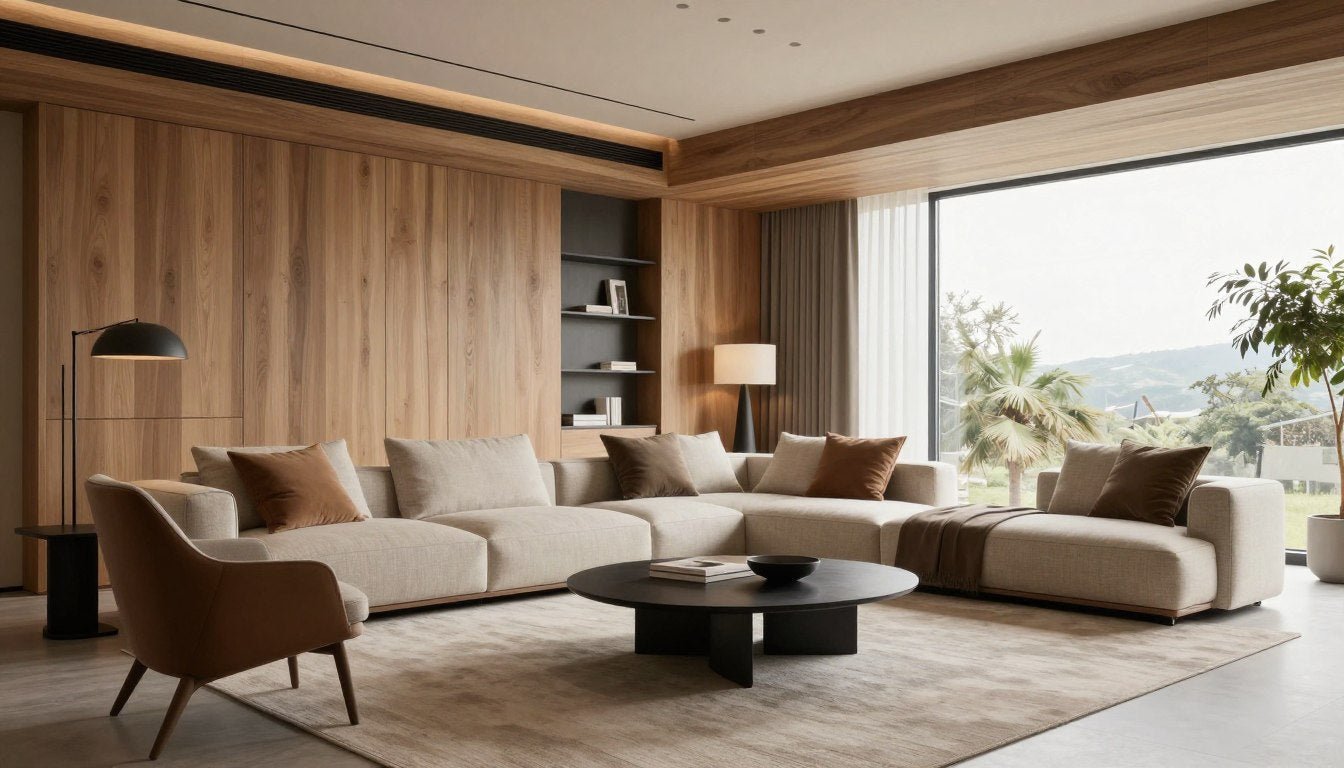

The way we think about home renovation is shifting dramatically as we move into 2026. Homeowners across the United States are reimagining their spaces with fresh eyes, blending comfort with cutting-edge design. This year marks a turning point where functionality meets beauty in ways we haven't seen before.
Over the past few years, our homes evolved from simple shelters into multifunctional havens. Now, renovation projects focus on creating spaces that truly feel like sanctuaries. The trends emerging for 2026 reflect this deeper understanding of what makes a house feel like home.
From kitchen transformations to living room makeovers, today's renovation trends prioritize natural materials, sustainable choices, and personalized touches. Interior design is moving away from cookie-cutter looks toward spaces that tell your unique story. Whether you're planning a major project or small updates, understanding these trends helps you make informed decisions that stand the test of time.
Organic Materials and Natural Textures Take Center Stage

Natural materials dominate renovation projects this year in remarkable ways. Wood, stone, and other organic surfaces bring warmth that synthetic materials simply cannot match. Homeowners are choosing these materials not just for their beauty, but for the sense of connection to nature they provide.
Kitchen renovations increasingly feature wood cabinets with visible grain patterns rather than painted finishes. The texture and character of natural wood creates visual interest that makes spaces feel more inviting. Stone countertops continue their rise in popularity, with homeowners selecting varieties that showcase unique patterns and color variations.
Living rooms benefit from this trend through wooden beams, stone accent walls, and furniture pieces that highlight natural textures. These elements ground a space and create a foundation for other design choices. Interior design experts note that natural materials age gracefully, developing character over the years rather than simply showing wear.
Popular Natural Materials
- Reclaimed wood for accent walls and ceiling details
- Limestone and marble for kitchen and bathroom surfaces
- Bamboo flooring as sustainable alternative
- Raw linen and cotton textiles
- Terracotta and ceramic tiles
Application Areas
- Kitchen islands with live-edge wood counters
- Bathroom vanities featuring natural stone
- Living room feature walls with wood paneling
- Dining spaces with solid wood tables
- Bedroom accent walls using textured materials
The shift toward organic materials extends beyond major surfaces to smaller details too. Door handles, light fixtures, and decorative elements increasingly feature bronze, brass, and copper in their natural states. These materials develop a patina over time that adds to their appeal. This trend connects beautifully with botanical and nature-inspired artwork that brings the outdoors inside.
Bring 2026's Natural Aesthetic to Your Walls
As you embrace organic materials in your renovation, complete the look with art that echoes nature's beauty. These carefully curated prints complement the warm, earthy tones and natural textures defining this year's design direction.

Botanical Serenity Print
This botanical canvas captures the organic movement sweeping through 2026 interiors. The soft greens and warm neutrals work beautifully in kitchens, dining rooms, and living spaces embracing natural materials.

Earth Elements Abstract
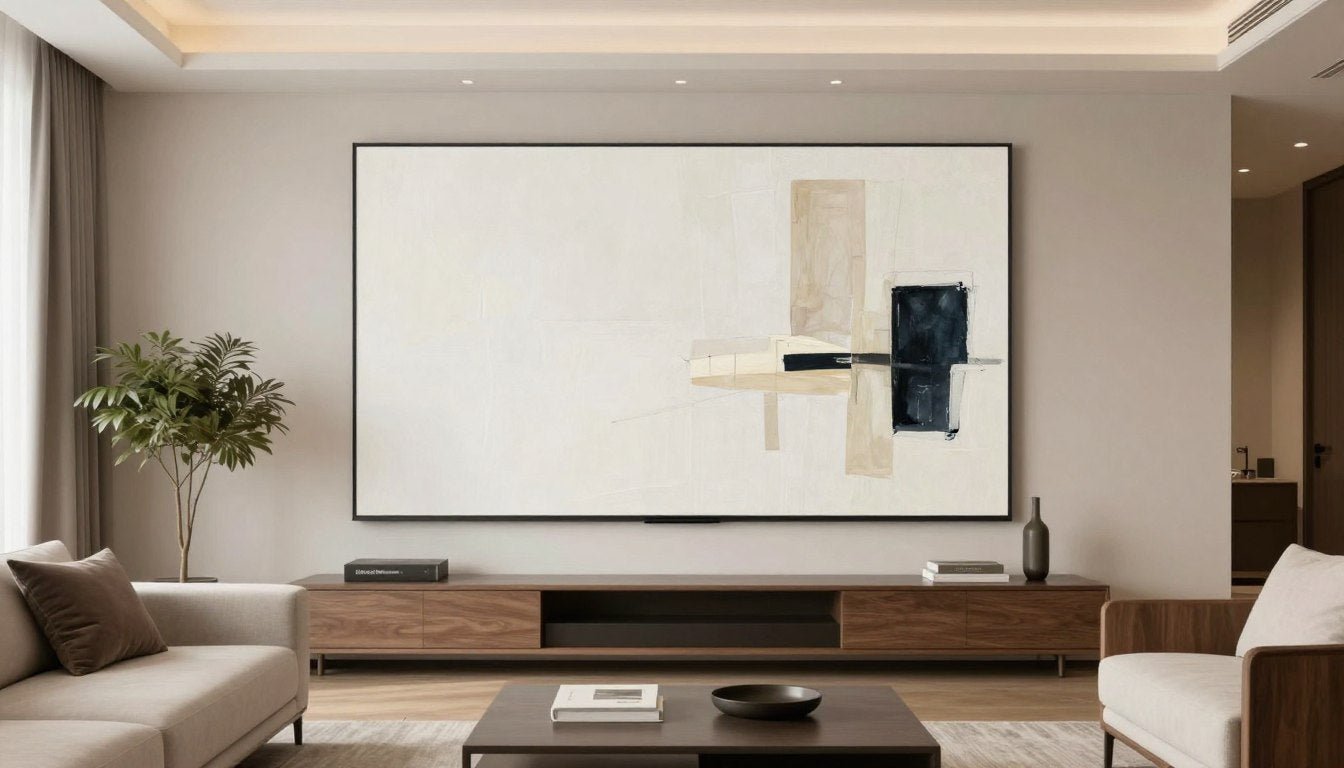
Abstract forms in earth tones complement stone and wood surfaces perfectly. This piece brings visual interest to minimalist spaces while maintaining the warm, grounded feeling that defines 2026 style.

Organic Line Study
Minimalist line art offers the perfect counterpoint to rich textures in your space. This understated piece brings sophistication to bedrooms, entryways, and office spaces without overwhelming natural elements.
Warm, Earthy Color Palettes Replace Cool Grays

The era of stark white walls and cool gray tones is giving way to something more inviting. Colors inspired by earth and nature now define successful renovation projects. Think terracotta, warm beige, soft ochre, and muted clay shades that make rooms feel instantly more comfortable.
Kitchens are shedding their clinical white appearance for warmer alternatives. Cabinet colors in sage green, warm taupe, and even deep terracotta create spaces that feel nourishing rather than sterile. These tones pair beautifully with natural wood and stone, creating cohesive designs that feel intentional.
Living rooms benefit tremendously from these warmer palettes. Walls painted in soft sand or warm gray tones provide a backdrop that makes furniture and art stand out. The key is selecting colors with warm undertones rather than the cool ones that dominated previous years. This shift reflects a broader desire for spaces that feel welcoming and lived-in.

Bathroom renovations embrace color in new ways too. Walls that were once universally white now feature soft greens, warm grays, and even dusty rose tones. These colors create spa-like atmospheres that help people truly relax. Combined with natural materials like wood and stone, the effect is both sophisticated and calming.
Creating Cohesive Color Stories
The most successful projects this year don't just use warm colors randomly. Interior designers emphasize creating color stories that flow throughout the home. This might mean using variations of terracotta from the kitchen into the dining room, or carrying sage green accents from the living space into the bedroom.
This approach to color connects particularly well with living room artwork that incorporates similar warm tones. The right pieces tie together your color palette and complete the cohesive look you're creating.
Multifunctional Spaces and Thoughtful Open Layouts

The way families use their homes continues evolving, and renovation projects reflect this reality. Open layouts remain popular, but with more thoughtful approaches to defining different zones within larger spaces. Homeowners want openness without sacrificing function or comfort.
Kitchen renovations now consider how the cooking space connects to adjacent areas. Islands serve multiple purposes as prep areas, eating spaces, and homework stations. The challenge is creating these multifunctional zones while maintaining visual harmony across the open space.
Living rooms in open floor plans need careful planning to feel both connected and distinct. Designers use furniture arrangement, lighting, and subtle architectural details to create boundaries without walls. Area rugs, different ceiling heights, and strategic placement of built-ins help define spaces within the larger room.
| Space Type | Primary Function | Secondary Function | Design Solution |
| Kitchen Island | Food Preparation | Casual Dining, Workspace | Extended countertop with seating, power outlets |
| Dining Room | Family Meals | Home Office, Craft Area | Expandable tables, nearby storage solutions |
| Living Room | Relaxation, Entertainment | Reading Nook, Play Area | Sectional seating, flexible furniture arrangements |
| Primary Bedroom | Sleep, Rest | Dressing Area, Private Retreat | Separate zones with lighting, strategic furniture placement |
Smart Storage Solutions in Open Plans
One challenge with open layouts is maintaining the clean, uncluttered look that makes them appealing. Built-in storage becomes essential in these spaces. Window seats with hidden storage, custom cabinetry that extends to the ceiling, and creative use of under-stair spaces help keep rooms organized.
The trend toward multifunctional spaces means thinking differently about every room in your home. Guest bedrooms double as home offices. Dining rooms serve as craft spaces between meals. These flexible layouts require furniture and design choices that support multiple uses without looking cluttered or confused.
Maximizing Natural Light Through Strategic Window Design

Windows are receiving unprecedented attention in renovation projects this year. Homeowners understand that natural light dramatically impacts how spaces feel and function. The trend moves toward larger windows, fewer heavy treatments, and strategic placement that captures light throughout the day.
Kitchen windows are expanding beyond the standard sink placement. Many renovations include adding windows above countertops, installing skylights, or even creating windowed walls that connect indoor and outdoor cooking spaces. The goal is washing these hardworking rooms in natural light that makes time spent there more pleasant.
Living spaces benefit from thoughtful window design too. French doors replacing solid walls, floor-to-ceiling windows, and corner windows that capture light from multiple angles are all popular choices. These updates transform dark rooms into bright, welcoming spaces that feel larger than their actual square footage.

Window Treatments That Enhance Rather Than Block
The window treatment approach is shifting alongside the focus on natural light. Heavy drapes are disappearing in favor of solutions that provide privacy without blocking light. Sheer curtains, top-down bottom-up shades, and even strategically placed furniture offer privacy while keeping spaces bright.
Bathroom renovations increasingly include windows that bring natural light while maintaining privacy. Frosted glass, high placement, and creative positioning make this possible. The result is bathrooms that feel like personal spas rather than windowless boxes.
This emphasis on natural light creates beautiful opportunities for displaying art. Pieces with the right lighting come alive in ways artificial light cannot match. Consider how canvas prints look when natural light plays across their surfaces throughout the day.
Match These Design Trends to Your Space
Each room in your home deserves art that enhances its unique character and function. Whether you're renovating your living room, updating your bedroom, or creating a welcoming entryway, we've curated collections that complement 2026's design direction perfectly.
Statement Kitchens That Balance Form and Function

Kitchens are claiming their position as the true heart of the home through bold design choices. This year's projects move beyond safe, neutral kitchens toward spaces with distinct personalities. Homeowners are willing to make statement choices that reflect their personal style while maintaining the functionality that kitchens demand.
Cabinet colors break free from white and wood tones to include deep blues, forest greens, and even black. These bold choices work when balanced with lighter elements like countertops and walls. The effect is kitchens that feel custom and intentional rather than builder-grade.
Backsplashes are receiving attention as focal points rather than afterthoughts. Designers use striking tiles, natural stone slabs, or even metal surfaces to create visual interest. These elements draw the eye and establish the kitchen's personality without overwhelming the space.

Key Kitchen Design Elements
Islands continue evolving beyond simple countertop extensions. Waterfall edges, contrasting materials, and integrated seating transform them into sculptural elements. Many homeowners choose different materials for the island than the perimeter cabinets, creating a furniture-like quality.
Lighting in kitchens moves beyond basic recessed cans. Pendant lights over islands make statements while providing task lighting. Under-cabinet lighting, toe-kick lighting, and even lighting inside glass-front cabinets create layers that enhance both function and ambiance.
Appliances as Design Features
Appliance integration is taking two distinct paths. Some homeowners choose panel-ready appliances that disappear into cabinetry for a seamless look. Others select statement appliances in colors like cobalt blue or matte black that become design features themselves. Both approaches work when aligned with the overall vision.
The kitchens that truly succeed balance these bold choices with practical considerations. Storage, workflow, and durability remain essential. The difference is that homeowners are no longer sacrificing personality to achieve function. They can have both.
Spa-Inspired Bathrooms Creating Personal Sanctuaries

Bathroom renovations are reaching new heights of sophistication as homeowners prioritize self-care. The utilitarian bathroom is disappearing in favor of personal sanctuaries that rival luxury spas. This trend reflects a broader cultural shift toward wellness and taking time for oneself.
Shower designs are particularly noteworthy. Walk-in showers with multiple heads, rainfall features, and even steam capabilities are becoming standard in primary bathrooms. Frameless glass enclosures maintain the open feel while defining the shower space. Natural stone or large-format tiles create surfaces that feel more like spa walls than typical bathroom materials.
Freestanding tubs command attention as sculptural elements. Positioned strategically near windows or as room centerpieces, these tubs invite long, relaxing soaks. Materials range from classic white acrylic to natural stone and even copper, depending on the overall design vision.

Vanity Design Evolution
Bathroom vanities are moving away from standard cabinet styles toward furniture-like pieces. Floating vanities create an airy feeling while making floor cleaning easier. Natural wood vanities bring warmth to bathrooms that might otherwise feel cold. Stone countertops, particularly in unique varieties with striking veining, serve as focal points.
Double vanities aren't just practical anymore. They're designed with individual personalities, sometimes using different mirror styles or lighting for each side. This personalization extends to hardware choices, with brass and matte black finishes replacing standard chrome.
Creating Ambiance Through Details
Lighting in bathrooms requires special attention. Layered lighting including sconces flanking mirrors, recessed ceiling lights, and even lighting within niches creates ambiance while providing necessary illumination. Dimmer switches allow adjusting the mood from bright morning preparation to soft evening relaxation.
Small details make significant impacts in bathroom spaces. Heated floors, towel warmers, and quality fixtures transform daily routines into pleasurable experiences. These upgrades feel luxurious without being extravagant, representing smart investments in daily comfort.
Design Inspiration: Bringing Your Vision to Life
Seeing design concepts in action helps transform ideas into reality. This video explores how thoughtful art selection complements your renovation vision, showing real spaces where the right pieces complete the overall design story.
The connection between your renovation choices and the art you select shouldn't be an afterthought. When planned together, these elements create cohesive spaces that feel intentionally designed rather than randomly assembled.
Sustainable Materials and Conscious Design Choices

Sustainability is no longer a niche concern but a mainstream priority in home renovation projects. Homeowners want beautiful spaces that also respect environmental limits. This manifests in material choices, construction methods, and long-term thinking about durability and lifecycle.
Reclaimed and recycled materials are gaining popularity beyond their environmental benefits. These materials bring character and history that new products cannot match. Reclaimed wood floors, beams from old barns, and vintage fixtures add depth to new renovations. The imperfections and weathering tell stories that homeowners value.
New materials designed for sustainability are improving in quality and aesthetics. Bamboo flooring, recycled glass countertops, and low-VOC paints perform as well as traditional options while reducing environmental impact. Manufacturers are responding to demand with innovative products that don't require compromising on style.
Energy Efficiency as Design Element
Energy-efficient upgrades are being integrated more thoughtfully into designs. High-performance windows frame views while reducing heating and cooling costs. Insulation improvements happen invisibly behind walls but dramatically improve comfort. LED lighting has evolved to provide beautiful light quality while using a fraction of the energy traditional bulbs required.
Smart home technology supports sustainability goals too. Programmable thermostats, automated lighting systems, and water-saving fixtures help reduce resource consumption without requiring constant attention. These systems work quietly in the background, making sustainable living effortless.
Design Tip: Choose timeless designs over trendy looks when making major renovation decisions. Classic choices remain appealing longer, reducing the urge to renovate again in a few years. This approach is ultimately more sustainable than following every passing trend.
Mixing Vintage Finds with Contemporary Design

The most interesting spaces in 2026 aren't showrooms of perfectly matched new furniture. They're thoughtfully curated environments where vintage pieces coexist with contemporary design. This mix creates depth and personality that purely modern spaces often lack.
People are hunting antique stores, estate sales, and online marketplaces for unique furniture and accessories. A vintage dining table paired with modern chairs creates visual interest. An antique mirror hung above a contemporary console table bridges design eras. These combinations tell richer stories than rooms filled entirely with current products.
The key to successful mixing is having a clear vision. Not every vintage piece works in every space. The best combinations share common elements like color, scale, or style DNA even when from different time periods. A mid-century modern chair might look perfect next to a contemporary sofa if they share clean lines and similar proportions.
Vintage Elements in Modern Renovations
Renovation projects increasingly incorporate vintage architectural elements. Original hardwood floors are refinished rather than replaced. Vintage doors are repurposed as headboards or tabletops. Old mantels find new life in renovated living rooms. These pieces connect new construction to history in meaningful ways.
Light fixtures offer particularly effective vintage-modern mixing opportunities. An antique chandelier can look stunning in a contemporary dining room. Vintage sconces bring character to renovated bathrooms. These pieces often feature quality craftsmanship that new products cannot match at similar prices.
This mixing approach extends beautifully to art as well. Vintage finds can hang alongside contemporary pieces, creating gallery walls with depth and interest. The timeless quality of black and white prints works particularly well in spaces mixing vintage and modern elements.
Blurring Indoor-Outdoor Boundaries

The line between indoor and outdoor living spaces is becoming increasingly blurred. Renovation projects prioritize creating smooth transitions that expand living areas and connect homes to their surroundings. This trend reflects our desire to bring nature closer while extending our living space.
Large sliding or folding door systems make this connection possible. When opened, these systems eliminate the barrier between inside and outside, creating one continuous space. When closed, they provide expansive views and natural light. Materials like aluminum and steel allow for slim frames that maximize glass area.
Consistent flooring materials help create visual continuity. Using the same large-format tiles inside and on covered patios makes spaces feel unified. Wood decking positioned at the same level as interior floors reinforces the connection. These details might seem subtle but they significantly impact how spaces feel.

Outdoor Rooms as Extensions
Outdoor spaces are being designed with the same attention to detail as interior rooms. Covered patios with ceiling fans and heating elements extend the usable season. Outdoor kitchens move beyond basic grills to include full cooking facilities. Comfortable seating areas with weatherproof furniture create genuine outdoor living rooms.
Landscaping plays a crucial role in this indoor-outdoor connection. Plants visible through windows bring nature into view even when you're inside. Container gardens on patios create living walls that define outdoor rooms. Trees and shrubs provide privacy that makes outdoor spaces feel more intimate and usable.
Personal Touches and Meaningful Details

The most successful renovations in 2026 make space for personality and personal history. Generic, magazine-perfect rooms are giving way to spaces that reflect the people who live there. This means creating places for meaningful objects, family photos, and collected items that tell your story.
Built-in shelving provides opportunities for display without clutter. These units can hold books, art objects, plants, and treasured items while maintaining a clean overall look. The key is designing storage that accommodates both hidden necessities and displayed treasures.
Gallery walls remain popular but are evolving. Rather than perfectly symmetrical arrangements, people are creating more organic groupings that can grow over time. Mixing frame styles, sizes, and even art types creates visual interest that feels collected rather than purchased all at once.
Art as Personal Expression
Art selection has become deeply personal rather than simply decorative. Homeowners are choosing pieces that resonate with their experiences, values, and aesthetic sensibilities. This might mean supporting local artists, selecting works that reflect travel experiences, or choosing pieces that simply bring joy each time you see them.
The trend toward personalization means there's room for bold choices in art. If you love vibrant colors, your pop art selections can energize a space. If minimalism speaks to you, simple line drawings might be perfect. The key is choosing pieces you genuinely love rather than what you think you should display.
This personal approach extends to every design decision. Hardware choices, paint colors, and furniture selections all offer opportunities to express individual style. The most satisfying renovations are those where homeowners trust their instincts and create spaces that feel authentically theirs.
Seamless Technology Integration

Technology integration in home renovation has matured beyond obvious gadgets to become nearly invisible. The goal is homes that respond to needs without requiring constant interaction with devices. This means thoughtful planning during renovation to accommodate current technology while allowing for future upgrades.
Lighting control systems allow creating scenes for different times of day or activities. Morning brightness helps people wake up, while evening dimming promotes relaxation. These systems work through simple controls or voice commands, making sophisticated lighting accessible to everyone in the family.
Audio systems are built into ceilings and walls rather than occupying floor space with speakers. Whole-home audio means enjoying music throughout your space without visible equipment cluttering surfaces. This integration requires planning during renovation but creates clean results that enhance rather than detract from design.
Future-Proofing Your Renovation
Smart renovation planning includes conduit and wiring that accommodates future technology needs. Running extra cables costs little during renovation but makes future upgrades much simpler. This forward thinking prevents having to tear open walls later to add new capabilities.
Charging infrastructure is becoming standard in renovation projects. USB outlets in convenient locations, wireless charging surfaces built into furniture, and dedicated charging stations keep devices powered without visible cords everywhere. These small details significantly improve daily life in our connected world.
Complete Your 2026 Renovation with Museum-Quality Art
Your thoughtfully designed space deserves equally thoughtful artwork. Every piece in our collection arrives ready to hang, printed on museum-quality canvas with colors that remain vibrant for decades. Free worldwide shipping means your perfect pieces arrive safely at your door, wherever you are.
Whether you're drawn to bold abstracts, serene botanicals, or minimalist line art, you'll find pieces that complete your vision. Each canvas is crafted to the highest standards, ensuring your investment brings beauty to your home for years to come.
Creating Your Perfect Space

Home renovation trends for 2026 center around creating spaces that truly feel like home. Natural materials bring warmth and authenticity. Warm color palettes create inviting atmospheres. Thoughtful layouts support how families actually live. Technology integration happens invisibly while enhancing daily life.
The best renovation projects balance trending elements with timeless design principles. This means choosing quality materials that age gracefully, designing flexible spaces that adapt to changing needs, and making decisions that reflect your personal style rather than chasing every trend.
As you plan your project, remember that details matter. The art you hang, the hardware you select, the lighting you install all contribute to the overall feeling of your space. Take time to consider how each element works together to create the home you envision.
This is an exciting time to renovate. The options available in materials, colors, and designs are broader than ever. Whether you're planning a complete transformation or strategic updates, understanding these trends helps you make informed choices that you'll love for years to come. Your home should support your life, reflect your personality, and bring you joy every single day.
Visit our design blog for more inspiration, or explore our full collection of entryway art, dining room pieces, and office artwork to complete every space in your home.
Frequently Asked Questions About Home Renovation Trends 2026
What are the most important home renovation trends for 2026?
The most significant trends include natural materials like wood and stone, warm earth-tone color palettes replacing cool grays, multifunctional open layouts, maximized natural light through strategic windows, statement kitchens that balance form and function, spa-inspired bathrooms, and seamless indoor-outdoor connections. Sustainability and personal touches are also key priorities for homeowners this year.
How much should I budget for a home renovation in 2026?
Renovation budgets vary significantly based on project scope and location. Minor kitchen updates might start around $15,000-25,000, while complete renovations can exceed $50,000. Bathroom renovations typically range from $10,000-30,000. Living room updates including new flooring, paint, and built-ins might cost $8,000-20,000. Always add a 15-20% contingency for unexpected issues that arise during construction.
What colors are trending for home interiors in 2026?
Warm, earth-inspired tones dominate 2026 palettes. Popular colors include terracotta, warm beige, soft ochre, sage green, warm taupe, dusty rose, and clay shades. These colors create inviting atmospheres and pair beautifully with natural materials. Cool grays and stark whites are being replaced by warmer alternatives with yellow or red undertones that make spaces feel more comfortable and lived-in.
Are open floor plans still popular in 2026?
Yes, but with more thoughtful approaches to defining zones within open spaces. Homeowners want openness without sacrificing function or comfort. Current designs use furniture arrangement, lighting changes, subtle architectural details, area rugs, and different ceiling heights to create boundaries without walls. The goal is maintaining visual connection while giving each area its own identity and purpose.
What kitchen features are most requested in 2026 renovations?
Top requested features include large multifunctional islands with seating, statement cabinet colors beyond white, striking backsplashes in natural stone or unique tiles, high-quality appliances either integrated or featured as design elements, improved task and ambient lighting, and smart storage solutions. Homeowners want kitchens that combine bold personality with practical functionality for daily family use.
How can I make my bathroom feel more spa-like?
Create a spa atmosphere through walk-in showers with rainfall and multiple shower heads, freestanding sculptural tubs positioned near windows, natural materials like stone and wood, layered lighting with dimmers, heated floors and towel warmers, quality fixtures in finishes like brass or matte black, and calming color palettes in soft greens or warm grays. Small details like these transform daily routines into relaxing experiences.
What art styles complement 2026 home renovation trends?
Art styles that work beautifully with 2026 trends include botanical and nature-inspired pieces that echo the organic material emphasis, abstract works in earth tones that complement warm color palettes, minimalist line art that provides clean contrast to rich textures, and black and white prints that offer timeless sophistication. The key is selecting pieces that resonate personally while coordinating with your space's color story and overall aesthetic. Consider abstract canvas prints or botanical wall art to complete your renovation vision.
How do I incorporate sustainable materials into my renovation?
Choose reclaimed wood for floors, beams, or accent walls that bring character and history. Select bamboo as a rapidly renewable flooring alternative. Use low-VOC or zero-VOC paints and finishes. Install energy-efficient windows and appliances. Consider recycled glass countertops or tiles. Choose LED lighting throughout. Look for FSC-certified wood products. These choices reduce environmental impact while often adding unique character that new materials cannot match.
Should I hire a designer for my 2026 renovation project?
A designer can be valuable for larger projects or when you feel overwhelmed by choices. They bring expertise in space planning, material selection, and avoiding costly mistakes. For smaller updates or if you have clear vision and confidence in your choices, you might proceed without one. Consider consultations for specific challenges even if not hiring for full service. Many designers offer hourly consultations that provide professional guidance without full-service costs.
How long does a typical home renovation take in 2026?
Timeline depends on project scope. Minor updates like painting and new fixtures might take 1-2 weeks. Kitchen renovations typically require 6-12 weeks. Bathroom renovations take 4-8 weeks. Whole-home renovations can extend 3-6 months or longer. Supply chain issues, permit delays, and unexpected problems can add time. Always discuss realistic timelines with your contractor and build in buffer time. Quality work requires adequate time for proper installation and finishing details.
Additional Resources and Inspiration
For more detailed trend analysis and professional insights, explore these authoritative sources:
- Houzz - Comprehensive renovation trend reports and professional design insights
- Architectural Digest - High-end design trends and expert designer perspectives
Continue exploring design possibilities through our carefully curated collections. Whether you're looking for cityscape prints for your urban-styled spaces, animal canvas art for personality-filled rooms, or kids room prints for family spaces, you'll find pieces that bring your renovation vision to life.
For those seeking something truly special, explore our original paintings or add dimension with modern sculptures. Each piece is selected to complement contemporary design while bringing timeless beauty to your home.


Leave a comment
This site is protected by hCaptcha and the hCaptcha Privacy Policy and Terms of Service apply.