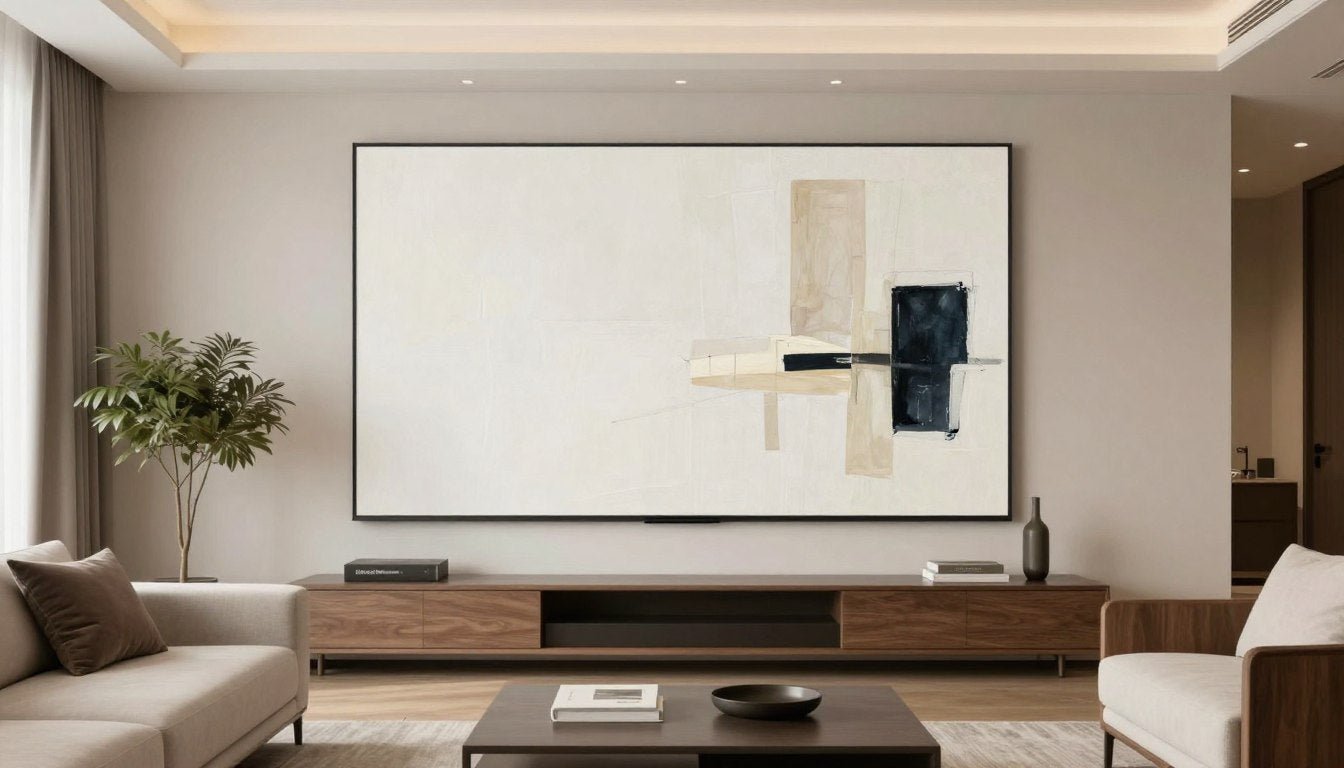

Blank walls can feel like missed opportunities. They stare back at you every day, begging for attention. Yet deciding how to fill that empty space often feels overwhelming.
The good news? Decorating a blank wall doesn't require an interior design degree or unlimited budget. With the right approach, any bare wall can become a stunning focal point that reflects your personality and elevates your entire space.
This comprehensive guide shares 37 practical wall decor ideas that work for every room, style, and budget. Whether you're drawn to bold statement pieces or subtle accents, you'll find inspiration to transform those empty walls into spaces you love.
Understanding Your Blank Wall Before You Start

Before rushing to fill your blank walls, take time to assess the space. Understanding your wall's dimensions, lighting, and purpose helps you make smarter decor decisions.
Measure Your Wall Space
Grab a tape measure and record your wall's height and width. This simple step prevents common mistakes like hanging art that's too small or furniture that overwhelms the room.
For living room wall art, aim to fill 60-75% of the available wall space. A piece that's too small gets lost, while oversized decor can make a room feel cramped.
Consider Your Room's Purpose and Traffic Flow
Different rooms call for different approaches. High-traffic areas like hallways work well with durable decor that won't get damaged. Private spaces like bedrooms allow for more personal, delicate displays.
The wall's location matters too. A dining room wall visible during meals deserves special attention, while a bedroom wall you only see while sleeping might need less elaborate treatment.
Evaluate Natural and Artificial Lighting
Lighting dramatically affects how wall decor appears throughout the day. North-facing walls receive cooler, consistent light, while south-facing walls get warm, direct sunlight that can fade certain materials.
Consider how artificial lighting interacts with your wall at night. Strategic placement of sconces or picture lights can enhance abstract canvas prints and create dramatic visual interest.
Identify Your Style Preferences
Your wall decor should reflect your aesthetic. Do you gravitate toward clean, minimal designs or eclectic, layered looks? Understanding your style prevents buyer's remorse and creates cohesive spaces.
Browse inspiration from interior design resources and note what catches your eye. The Architectural Digest website offers excellent examples of various decorating styles.
Large Canvas Art
A single oversized canvas creates instant impact without the fuss of arranging multiple pieces. This approach works beautifully in modern and contemporary spaces where simplicity reigns.

Choose artwork that complements your existing color palette while adding visual interest. Abstract geometric canvas prints offer versatility, working with various furniture styles and color schemes.
Position large pieces at eye level, typically 57-60 inches from the floor to the artwork's center. This standard gallery height ensures comfortable viewing from both standing and seated positions.
Gallery Wall Collections
Gallery walls let you display multiple pieces in an artful arrangement. This flexible option allows you to mix different sizes, frames, and even art styles for a personalized look.

Start by laying out your arrangement on the floor before committing to wall placement. Maintain 2-3 inches of space between frames for a balanced appearance.
Mix portrait canvas prints with botanical wall art prints to create visual rhythm and depth.
If You Love Modern Expression, Here Are 3 Prints That Bring That Mood Into a Room
Discover museum-quality canvas prints that transform blank walls into conversation starters. Each piece ships ready to hang.

Bold Geometric Abstract
Dynamic shapes in sophisticated blue and gold create movement and energy in any space.

Minimalist Line Portrait
Elegant single-line drawings bring sophisticated simplicity to contemporary interiors.

Organic Botanical Print
Nature-inspired designs in calming greens create serene, refreshing atmospheres.
Art and Photography Solutions for Every Blank Wall
Artwork remains the most popular wall decor choice for good reason. It instantly adds personality, color, and focal points to otherwise plain surfaces.
Canvas Prints and Framed Art

Canvas prints offer a contemporary alternative to traditional framed art. The gallery-wrapped edges eliminate the need for frames, creating a sleek, modern look that works in any room.
Quality matters significantly. Museum-grade canvas with archival inks ensures your wall decor maintains vibrant colors for years. Professional canvas prints arrive ready to hang, saving time and additional framing costs.
For bedrooms, consider bedroom canvas prints in calming colors and subjects. Soft abstracts, nature scenes, or black and white photography create restful environments conducive to sleep.
Black and White Photography
Black and white images bring timeless sophistication to any space. Without color distractions, these pieces emphasize composition, contrast, and emotional impact.
This classic approach pairs beautifully with any color scheme, making it ideal for rooms that undergo frequent redecoration. Black and white canvas prints work particularly well in modern, Scandinavian, and industrial-style interiors.
Statement Pieces and Original Paintings
Original artwork carries unique energy that reproductions can't match. Each brushstroke reflects the artist's hand, creating one-of-a-kind pieces that become conversation starters.
Investing in original paintings supports artists while acquiring pieces with potential appreciation value. These works serve as focal points in living rooms, dining rooms, and entryways.
Position statement pieces on walls with minimal competition from furniture or architectural features. Let the artwork command attention without visual clutter.
Adding Dimension with Three-Dimensional Wall Decor

Flat art isn't your only option. Three-dimensional wall decor adds depth, texture, and shadow play that changes throughout the day as light shifts.
Wall Sculptures and Relief Art
Wall-mounted sculptures bridge the gap between traditional art and standalone sculpture. These pieces protrude from the wall, creating dynamic shadows and visual interest from multiple viewing angles.
Modern wall sculptures range from abstract metal compositions to organic wood forms. Choose materials that complement your existing furniture and fixtures.
Floating Shelves Styled with Decor
Floating shelves solve the blank wall problem while adding functional storage. The key to attractive shelf styling lies in thoughtful curation rather than cluttered display.
Mix books, small plants, and decorative objects with varying heights. Include one or two small framed photos or art prints to create visual layers. Leave some empty space for a curated, intentional look.
Install shelves at varying heights rather than perfectly aligned rows. This asymmetrical approach feels more organic and allows flexibility in displaying different-sized objects.
Mirrors for Light and Space
Mirrors perform double duty by decorating blank walls while making rooms feel larger and brighter. Strategic mirror placement reflects natural light deeper into spaces, particularly beneficial in darker rooms.
Large mirrors work beautifully in entryways, creating the illusion of a grander entrance. In dining rooms, mirrors reflect candlelight and create ambiance during evening meals.
Consider mirror shapes beyond basic rectangles. Round, arched, and irregular shapes add architectural interest to otherwise plain walls.
Room-Specific Wall Decor Ideas
Each room in your home serves different functions and calls for tailored decorating approaches. What works perfectly in a living room might feel out of place in a bedroom or office.
Living Room Wall Decor

The living room typically contains your largest blank walls and receives the most visitor attention. This makes it prime real estate for your best wall decor.
Above the sofa is the classic spot for a statement piece. Choose artwork that spans two-thirds to three-quarters of your sofa's width for proper scale. Living room canvas art in bold colors or interesting subjects creates an instant focal point.
Don't overlook the wall opposite your main seating area. This often-forgotten space provides perfect viewing while seated and deserves attractive decor.
Bedroom Wall Solutions
Bedroom walls should promote relaxation and reflect your personal style. This private space allows for more intimate, personal decor choices than public areas.
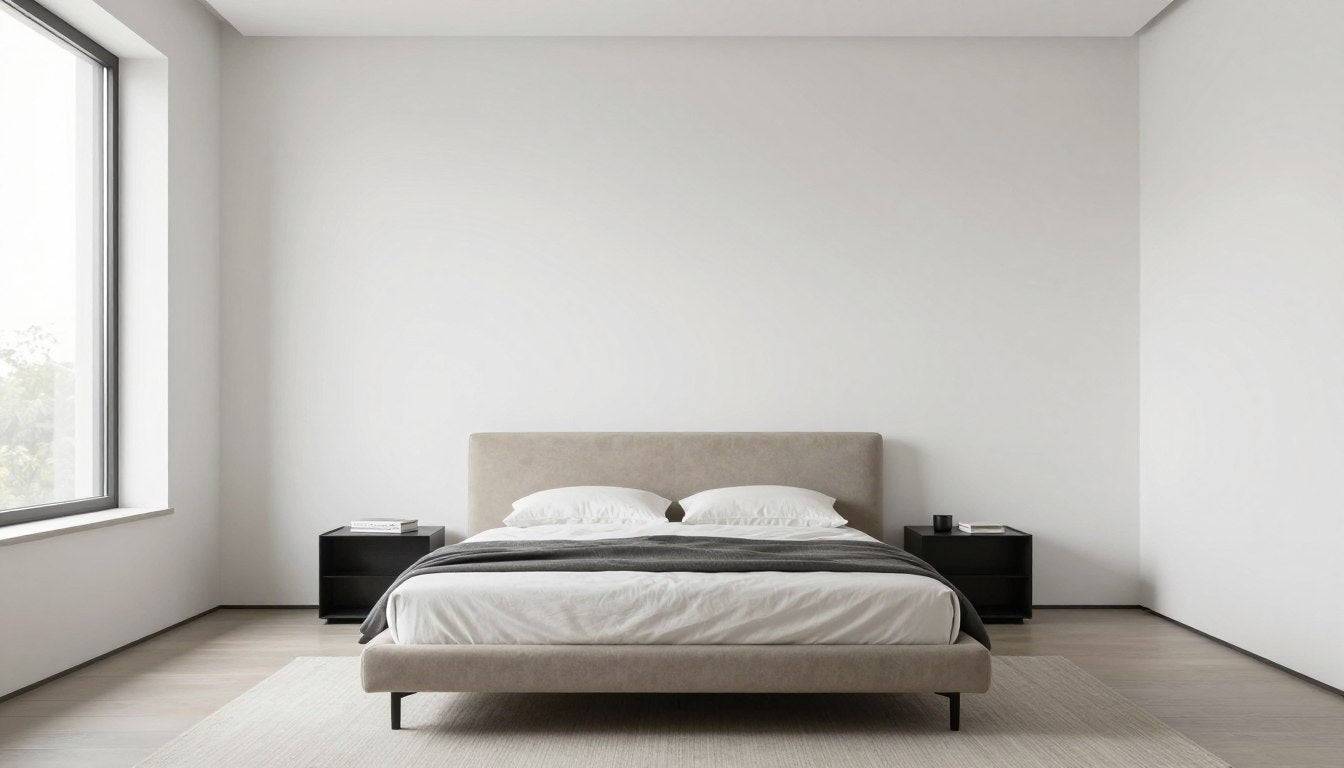
The wall behind your bed offers the obvious focal point. A large canvas, upholstered headboard, or gallery wall creates visual interest without overwhelming the restful atmosphere.
Choose subjects and colors that promote calm. Soft landscapes, abstract pieces in muted tones, or bedroom-appropriate artwork helps create a serene sleeping environment.
Dining Room Wall Decor

Dining room walls witness gatherings and conversations, making them ideal for conversation-starting decor. Consider pieces that spark discussion or reflect your interests.
Dining room wall art often works best in larger scales that command attention without competing with table settings. Food-related art, wine themes, or abstract pieces in dining-friendly colors complement the space's purpose.
If your dining room flows into other spaces, ensure your wall decor complements adjacent rooms' aesthetics for visual harmony.
Home Office Wall Organization
Office walls need to balance professional appearance with functional organization. The right decor boosts productivity while keeping necessary items accessible.
Combine practical elements like bulletin boards or wall calendars with inspiring artwork. Office canvas art in motivating colors and subjects keeps your workspace energizing without causing distraction.
Consider a wall-mounted pegboard system that allows flexible arrangement of supplies, notes, and small decorative items. Paint it to match your wall color for a custom, built-in look.
Entryway Wall Impressions
Your entryway wall creates first impressions for guests and daily homecoming moments for your family. Make it count with welcoming, personality-filled decor.
A mirror above a console table provides last-minute appearance checks before leaving. Flank it with wall sconces for both function and symmetry.
Entryway wall art should feel welcoming and set the tone for your home's overall style. Bold pieces signal confident design, while softer artwork creates calm, inviting energy.
Kids Room and Nursery Wall Decor

Children's spaces benefit from engaging, age-appropriate wall decor that stimulates imagination while creating organized environments.
For nurseries, choose calming colors and gentle subjects that grow with your child. Avoid overly babyish themes that quickly feel outdated.
Kids room canvas prints featuring animals, nature, or inspiring quotes encourage learning and creativity. Arrange them at child height for maximum engagement.
Consider chalkboard paint or peel-and-stick wallpaper sections that allow kids to personalize their space safely and temporarily.
Match This Vibe to Your Space
Explore curated collections designed for specific moods and aesthetics. Find the perfect match for your interior style.
Creative Wall Covering Alternatives
Sometimes the best solution for a blank wall involves covering it entirely with transformative materials that change the space's entire character.
Wallpaper and Wall Murals

Modern wallpaper has evolved far beyond your grandmother's floral prints. Today's options include removable peel-and-stick varieties perfect for renters or commitment-phobes.
Accent one wall with bold wallpaper while keeping others neutral. This approach adds drama without overwhelming smaller spaces. Wallpaper works particularly well behind beds, sofas, or in powder rooms where smaller square footage makes the investment more manageable.
Wall murals create instant wow factor with landscapes, cityscapes, or abstract designs that span entire walls. These oversized graphics work beautifully in rooms lacking architectural interest.
Painted Accent Walls
Paint offers the most budget-friendly way to transform blank walls. An accent wall in a contrasting color creates depth and defines spaces without physical barriers.
Choose paint colors that complement your existing palette while adding interest. Deep, moody hues like navy or forest green create cozy sophistication, while lighter shades expand perceived space.
Consider paint techniques beyond solid colors. Ombre effects, geometric patterns created with painter's tape, or subtle color blocking add custom touches that reflect your creativity.
Textured Wall Treatments
Adding physical texture to walls creates visual and tactile interest that flat paint can't achieve. Options range from subtle to dramatic depending on your style preferences.
Wood planks installed horizontally or vertically bring warmth and natural texture. Reclaimed wood adds rustic character, while smooth, painted planks suit modern aesthetics.
Fabric panels stretched over frames create soft, sound-absorbing wall decor particularly useful in media rooms or bedrooms. Choose fabrics that coordinate with your existing textiles for cohesive design.
Budget-Friendly Wall Decor Ideas

Beautiful wall decor doesn't require emptying your bank account. Strategic spending and creative thinking yield impressive results on modest budgets.
DIY Wall Art Projects
Creating your own wall art adds personal touches while saving money. Even non-artists can produce attractive pieces using simple techniques.
Abstract acrylic pouring creates professional-looking artwork with minimal skill. Purchase canvases and acrylic paints, watch a few tutorials, and experiment with color combinations that match your space.
Frame fabric remnants, decorative paper, or pages from vintage books for instant art. Thrift store frames get new life with spray paint in coordinating colors.
Repurposing and Thrifting
Thrift stores and flea markets offer treasure troves of affordable wall decor waiting for discovery. Look beyond current appearance to see pieces' potential.
Outdated frames become modern with fresh paint and new mats. Replace prints with your own photos or artwork for customized gallery walls at fraction of retail costs.
Architectural salvage like vintage windows, shutters, or decorative molding makes unique wall decor with character new pieces lack.
Free Printable Art
The internet offers thousands of free downloadable art prints in every imaginable style. Print them at home or use affordable printing services for larger sizes.
Create cohesive gallery walls using free prints in matching frames. Stick to common themes or color palettes for pulled-together looks.
Rotate free printables seasonally to refresh your space without ongoing costs. This approach particularly suits renters unable to paint or install permanent fixtures.
Professional Styling Tips for Wall Arrangements
Even beautiful wall decor falls flat without proper arrangement and styling. These professional techniques ensure polished, intentional results.
The Rule of Thirds

Borrowed from photography, the rule of thirds divides your wall into a 3x3 grid. Positioning key elements at grid intersections creates naturally balanced, visually pleasing arrangements.
This principle works for single large pieces or gallery wall compositions. Avoid centering everything perfectly, which often feels static and boring.
Creating Visual Balance
Balance doesn't require perfect symmetry. Asymmetrical arrangements feel dynamic while maintaining equilibrium through careful weight distribution.
Balance a large piece on one side with several smaller items on the other. Vary sizes, shapes, and visual weight to create interest while avoiding topheavy or lopsided appearances.
Step back frequently while arranging to assess overall balance from viewing distance rather than up close.
Color Coordination Strategies
Coordinating wall decor colors with your existing palette creates cohesive, designed spaces. This doesn't mean exact matching, but rather complementary relationships.
Pull accent colors from your artwork into throw pillows, rugs, or accessories. This technique ties the room together and makes wall decor feel integrated rather than added as an afterthought.
Monochromatic schemes using varying shades of one color create sophisticated, calming environments. Contrasting colors inject energy and personality into neutral spaces.
Proper Spacing and Heights
Correct spacing prevents cramped or scattered appearances. Gallery walls typically look best with 2-3 inches between frames, while individual pieces need more breathing room.
Hang artwork at 57-60 inches from floor to center, the standard gallery height. This ensures comfortable viewing whether standing or seated.
In rooms with furniture against walls, maintain 6-8 inches between furniture tops and artwork bottoms for proper relationship without awkward gaps.
Specialty Wall Decor Ideas for Unique Spaces
Some walls require specialized approaches due to their location, size, or architectural features. These solutions address specific decorating challenges.
Decorating Large Blank Walls

Oversized blank walls intimidate many decorators, but they offer exciting opportunities for dramatic statements. The key is appropriate scale to avoid tiny pieces getting lost.
Extra-large canvas prints or canvas print sets fill substantial square footage without requiring multiple decision points. Multi-panel pieces create impact while adding visual rhythm.
Alternatively, create a salon-style gallery wall that covers most of the available space. Start with larger pieces as anchors and fill in with smaller works, maintaining consistent spacing throughout.
Narrow Wall Solutions
Narrow walls between windows or doors challenge decorators with limited width. Vertical arrangements and tall, slim pieces maximize these awkward spaces.
Stack small artworks vertically, creating a column effect that draws eyes upward and emphasizes ceiling height. This approach works beautifully in hallways and between architectural features.
Tall, narrow mirrors or single vertical canvas prints suit these spaces perfectly. Choose subjects with vertical compositions that complement rather than fight the wall's proportions.
Corner Wall Arrangements
Corner walls often go neglected despite offering perfect spots for creative displays. Wrapping decor around corners creates flow and makes rooms feel finished.
Install floating shelves that turn the corner, providing continuous display space for books, plants, and small decor items. This solution works particularly well in living rooms and home offices.
Hang complementary artwork on both walls forming the corner, creating dialogue between pieces while maintaining individual interest.
High Wall and Vaulted Ceiling Spaces
Rooms with high or vaulted ceilings need wall decor that acknowledges the vertical space without requiring ladders for hanging.
Group artwork in the lower two-thirds of very tall walls, leaving upper areas bare. This maintains comfortable viewing heights while the empty space emphasizes architectural drama.
For truly soaring walls, consider professional installation of large-scale pieces or dramatic cityscape prints that suit the grand proportions.
Themed and Stylistic Approaches to Wall Decor

Choosing a theme or specific style provides direction for your wall decor selections and creates cohesive, intentional spaces.
Modern and Minimalist Wall Decor
Minimalist approaches prioritize quality over quantity, featuring fewer pieces with maximum impact. Clean lines, neutral palettes, and generous negative space define this aesthetic.
Select one statement piece for each wall rather than cluttered arrangements. Line art canvas prints epitomize minimalist style with simple, elegant compositions.
Stick to monochromatic or limited color palettes. Black, white, and neutral tones create serene, sophisticated environments that feel uncluttered and calm.
Bohemian and Eclectic Styles
Boho style embraces mixing patterns, colors, textures, and eras for collected, well-traveled aesthetics. This forgiving approach allows personal expression and evolution over time.
Layer different types of wall decor including woven textiles, macramé, artwork, and mirrors. The intentional variety creates visual richness without feeling chaotic.
Incorporate botanical prints alongside vintage finds and handmade pieces for authentic bohemian character.
Industrial and Urban Aesthetics
Industrial style celebrates raw materials, exposed structures, and urban edge. Wall decor in this genre features metal, concrete textures, and bold graphics.
Black and white photography of cityscapes or architectural details suits industrial spaces perfectly. Urban canvas prints bring metropolitan energy to any room.
Mix artwork with functional industrial elements like exposed pipes, metal shelving, or vintage signs for authentic warehouse-loft vibes.
Traditional and Classic Designs
Traditional decor emphasizes symmetry, formal arrangements, and timeless elegance. Wall decor in classic spaces leans toward representational art and established compositions.
Symmetrical pairs of artwork flanking windows or furniture create balanced, formal appearances. Portrait canvas prints bring classical refinement to traditional interiors.
Choose ornate frames for traditional pieces or simpler frames in classic materials like wood or gold leaf for understated elegance.
Pop Culture and Personalized Themes

Personal interests and passions deserve wall space too. Themed decor celebrating hobbies, fandoms, or collections creates spaces that truly reflect who you are.
Movie buffs appreciate cinema legends canvas prints featuring iconic actors and classic films. These conversation pieces celebrate cultural touchstones.
Car enthusiasts can showcase supercar canvas prints that bring garage glamour into living spaces.
Music lovers might display pop art prints celebrating favorite artists and albums.
Functional Wall Decor Solutions
Wall decor doesn't have to be purely decorative. Combining beauty with function maximizes your space's utility while maintaining aesthetic appeal.
Wall-Mounted Storage and Organization
Stylish storage solutions keep clutter at bay while adding visual interest to blank walls. The key lies in choosing attractive pieces that look intentional rather than purely utilitarian.
Wall-mounted coat racks with interesting designs serve entryways beautifully. Look for pieces that function as sculpture when not holding jackets.
Kitchen walls benefit from magnetic knife strips, hanging pot racks, or open shelving that displays attractive dishware as decor.
Living Plant Walls
Living walls or vertical gardens bring nature indoors while purifying air and adding organic texture. These installations range from simple mounted planters to complex hydroponic systems.
Start small with wall-mounted planters holding pothos, philodendrons, or other easy-care trailing plants. These require minimal maintenance while providing maximum visual impact.
Ensure adequate light for your plant choices. South-facing walls receive enough sun for most species, while north-facing walls need shade-tolerant varieties.
Clock Walls and Functional Art
Oversized wall clocks serve dual purposes as functional timepieces and decorative focal points. Modern designs range from minimalist to ornate, suiting various aesthetics.
Gallery walls can incorporate clocks alongside artwork for unexpected visual interest. This approach works particularly well in kitchens and home offices where time awareness matters.
Consider clock designs that complement your decor style. Industrial metal works for lofts, while carved wood suits traditional spaces.
Seasonal and Temporary Wall Decor

Not all wall decor needs permanent commitment. Temporary and seasonal options allow flexibility for changing tastes and occasions.
Removable and Renter-Friendly Options
Renters face unique challenges when decorating blank walls. Fortunately, modern solutions avoid damage while creating personalized spaces.
Command strips and picture-hanging strips hold surprising weight without damaging walls. Follow weight limits and application instructions for secure installation.
Leaning large artwork against walls instead of hanging eliminates holes entirely. This casual approach suits modern and bohemian aesthetics particularly well.
Washi tape creates temporary geometric patterns, frames, or borders without paint. This playful technique works beautifully in kids' rooms or temporary spaces.
Holiday and Event Decorating
Seasonal decor transforms spaces for holidays without requiring year-round storage of numerous items. Strategic additions to existing decor create festive feels economically.
Swap throw pillows, small artwork, or decorative objects rather than completely redecorating. These touches signal seasonal change without overwhelming permanent decor.
Create dedicated spaces for holiday decor like mantel tops or specific walls that receive seasonal treatment while other areas remain consistent.
Rotating Art Collections
Rotating displayed artwork prevents visual boredom and allows enjoying larger collections in limited space. This curatorial approach mimics museum practices on a residential scale.
Store artwork not currently displayed properly. Wrap canvas in acid-free paper and store upright in climate-controlled spaces to prevent damage.
Change displays seasonally or whenever you crave fresh perspectives. This practice keeps spaces feeling current and evolving.
Professional Installation Services
Complex arrangements or heavy pieces may warrant professional installation. Experts ensure proper hanging that protects both artwork and walls.
Professionals bring specialized tools, knowledge of wall construction, and insurance coverage. This peace of mind proves valuable for expensive or sentimental pieces.
Many art retailers and framing shops offer installation services. Some charge flat rates while others bill hourly depending on project complexity.
DIY Installation Tools and Techniques
Most wall decor installation projects suit confident DIYers with proper tools and preparation. Basic equipment handles the majority of hanging needs.
Essential tools include a level, measuring tape, pencil, hammer, and appropriate hanging hardware. Stud finders prevent drywall disasters with heavy pieces.
Always use appropriate anchors for your wall type and artwork weight. Drywall anchors, toggle bolts, and masonry anchors each serve specific purposes.
Maintaining and Updating Your Wall Decor
Proper maintenance preserves your wall decor's appearance while periodic updates keep spaces feeling fresh and current.
Cleaning and Care

Different wall decor materials require specific cleaning approaches. Canvas prints need gentle dusting with soft, dry cloths. Avoid water or cleaning solutions that might damage prints or canvas.
Framed pieces benefit from occasional glass cleaning with standard cleaners. Remove frames from walls for thorough cleaning to prevent drips on walls or artwork.
Dust wall sculptures and three-dimensional pieces regularly. Use soft brushes for detailed areas that cloths can't reach effectively.
Protecting From Fading and Damage
Sunlight gradually fades artwork and photographs. UV-filtering glass or acrylic protects valuable pieces in sunny locations.
Avoid hanging artwork directly above heat sources like radiators or fireplaces. Temperature fluctuations and heat damage canvas, paper, and frames over time.
Maintain moderate humidity levels between 40-60%. Excessive moisture encourages mold while very dry conditions cause materials to become brittle.
When and How to Refresh Your Look
Visual fatigue happens even with beloved decor. Recognizing when spaces need refreshing prevents stagnation while honoring your investment.
Start with small changes like rearranging existing pieces before purchasing new items. Moving artwork between rooms creates fresh perspectives at zero cost.
Add accent pieces to existing arrangements rather than complete overhauls. A new sculpture or small artwork collection rejuvenates spaces economically.
Follow interior design blogs for ongoing inspiration and trend awareness without feeling pressured to constantly redecorate.
Ready-to-Hang, Museum-Quality Canvas. Free Worldwide Shipping.
Transform your blank walls with artwork that arrives ready to display. Each piece features archival inks on premium canvas with gallery-wrapped edges. Ships worldwide at no cost to you.
Common Wall Decor Mistakes to Avoid
Learning from others' mistakes saves time, money, and disappointment. These frequent errors undermine even beautiful decor selections.
Scale and Proportion Errors

The most common mistake involves artwork that's too small for the wall space. Tiny pieces on expansive walls look lost and unintentional, diminishing their impact.
Err toward larger rather than smaller when uncertain about size. Oversized pieces make bold statements, while undersized art simply looks like mistakes.
Consider furniture relationships when sizing wall decor. Artwork above sofas should span two-thirds to three-quarters of the furniture's width.
Poor Lighting Choices
Insufficient or incorrect lighting renders beautiful wall decor invisible or poorly presented. Strategic lighting elevates decor from acceptable to exceptional.
Install picture lights on important pieces or use adjustable track lighting that highlights multiple artworks. LED options provide energy efficiency and minimal heat.
Avoid fluorescent lighting that distorts colors and creates unflattering tones. Warm LED bulbs enhance most artwork better than cool white options.
Ignoring Room Cohesion
Wall decor exists within larger room contexts. Ignoring existing colors, styles, and furniture creates disconnected spaces that feel haphazard.
Pull inspiration from existing elements rather than fighting them. If your sofa features blue tones, incorporate complementary blues in wall decor for cohesion.
Maintain consistent style languages within open-concept spaces. Abrupt shifts from modern to traditional between visible areas feel jarring.
Overcrowding and Clutter
More isn't always better with wall decor. Overcrowded walls create visual chaos rather than interest, overwhelming rather than enhancing spaces.
Leave breathing room between pieces and around groupings. Negative space provides visual rest and allows individual pieces to shine.
Quality beats quantity consistently. A few well-chosen, properly displayed pieces outperform walls covered in mediocre items.
Expert Tips From Interior Designers
Professional designers employ tried-and-true techniques that elevate wall decor from amateur to polished. These insider tips deliver professional results.
The Power of Odd Numbers
Designers often use odd-numbered groupings because they feel more dynamic and natural than even numbers. Three or five pieces create more interesting compositions than two or four.
This principle applies to grouped objects on shelves, gallery wall arrangements, and decorative accessories. Our eyes find odd-numbered groupings more aesthetically pleasing.
Creating Rhythm and Repetition
Repeating colors, shapes, or themes throughout a room creates visual rhythm that feels cohesive and intentional. This doesn't mean identical repetition, but rather echoed elements.
If your wall art features navy blue, repeat that color in throw pillows, rugs, or accessories. These color echoes tie disparate elements together harmoniously.
Repeat frame styles or matting colors across multiple pieces for unified gallery walls that feel curated rather than collected randomly.
Mixing High and Low Elements
Combining investment pieces with budget finds creates layered, collected looks while managing costs. This approach appears more authentic than rooms where everything matches perfectly.
Invest in quality for large focal pieces that receive the most attention. Save on smaller supporting elements that play secondary roles.
Mix original paintings with quality prints, or combine new pieces with thrifted finds for eclectic character.
Finding Inspiration for Your Blank Wall Projects

Inspiration surrounds us if we know where to look. These resources spark creativity and provide direction for your wall decor projects.
Online Resources and Social Media
Pinterest remains the dominant visual inspiration platform for home decor. Create boards organizing ideas by room, style, or color scheme for easy reference.
Instagram designers and decor accounts showcase real homes and professional projects. Follow hashtags like #wallart, #gallerwall, and #interiordesign for endless ideas.
The House Beautiful website offers expert guidance and trend forecasts that inform purchasing decisions.
Magazines and Design Books
Traditional print media still provides curated, high-quality inspiration impossible to replicate online. Design magazines offer professional photography and expert insights.
Coffee table books dedicated to specific styles or designers provide deep dives into particular aesthetics. These references offer lasting value beyond trend-chasing.
Showrooms and Galleries
Visiting physical spaces provides scale understanding that photos can't convey. You experience how artwork actually looks at life-size in three-dimensional spaces.
Art galleries offer free viewing of original works and often host opening receptions with refreshments. These events educate while entertaining.
Furniture showrooms display wall decor in styled room vignettes. Observe how professionals combine elements for polished results you can recreate at home.
Bringing Your Blank Wall Vision to Life
Decorating blank walls transforms houses into homes that reflect your personality and style. The journey from empty spaces to thoughtfully adorned walls requires planning, patience, and willingness to experiment.
Start with one room or even one wall rather than attempting whole-house transformations simultaneously. Small successes build confidence and skills for larger projects.
Remember that wall decor evolves over time. Spaces grow and change with you, so embrace flexibility rather than seeking permanent perfection.
Trust your instincts about what feels right for your space. Design rules provide guidelines, but your comfort and happiness in your home matter most.
Take action on your blank wall projects. The perfect solution rarely appears fully formed. Experimentation and adjustment lead to spaces you'll love living in for years to come.
Explore ready-to-hang canvas art that simplifies your decorating journey with museum-quality pieces shipped directly to your door.
Frequently Asked Questions About Decorating Blank Walls
How can you decorate a blank wall at home on a budget?
Budget-friendly wall decor options include creating DIY artwork using canvas and acrylic paints, framing fabric remnants or decorative paper, printing free downloadable art from online sources, shopping thrift stores for frames you can update with paint, and using removable wallpaper or decals for temporary impact. Grouping family photos in inexpensive matching frames also creates attractive gallery walls without significant investment.
What is the best height to hang wall art?
The standard gallery height places artwork's center at 57-60 inches from the floor, which represents average eye level. However, adjust this based on your specific situation. In rooms where you're usually seated, hang art slightly lower. Above furniture, maintain 6-8 inches between the furniture top and artwork bottom. For very tall walls, you may position pieces lower than standard height to maintain comfortable viewing angles.
How do you arrange a gallery wall without making holes in the wall first?
Create your gallery wall layout on the floor first, arranging frames until you find a composition you love. Take a photo for reference. Then trace each frame onto kraft paper or newspaper, cut out the templates, and use painter's tape to position them on your wall. This lets you visualize the final arrangement and make adjustments before committing to nail holes. Once satisfied, mark nail positions through the paper templates.
What should you put on a large blank wall?
Large blank walls work best with appropriately scaled decor to avoid a lost, disconnected appearance. Options include oversized canvas prints or artwork spanning most of the wall width, salon-style gallery walls with multiple pieces covering substantial area, large mirrors that reflect light and expand perceived space, wall-mounted shelving systems for both function and display, or three-dimensional elements like large wall sculptures that create dramatic focal points.
Can you mix different frame styles on one wall?
Mixing frame styles can work beautifully if done thoughtfully. Maintain cohesion through consistent matting colors, similar color tones in frames even if styles differ, or unified subject matter in the artwork. Eclectic and bohemian styles particularly suit mixed frames. For more traditional aesthetics, stick with matching frames in the same finish for polished, formal appearances.
How much wall space should wall art cover?
Wall art should generally cover 60-75% of the available wall space for proper visual balance. For artwork above furniture like sofas or console tables, the piece should span two-thirds to three-quarters of the furniture's width. This creates appropriate proportional relationships. Err toward larger rather than smaller when uncertain, as undersized art looks unintentional while oversized pieces make confident statements.
What wall decor works best for renters?
Renters benefit from removable solutions like Command strips and picture-hanging strips that don't damage walls, leaning large artwork against walls instead of hanging, peel-and-stick wallpaper or wall decals for temporary impact, washi tape for creating geometric patterns or frames, tension rod systems for hanging lightweight textiles, and freestanding screens or room dividers that don't require wall mounting. These options provide decorating flexibility without risking security deposits.
How do you choose colors for wall decor?
Choose wall decor colors by considering your existing furniture and accessories, identifying an accent color from your room's palette to emphasize, deciding whether you want wall decor to blend harmoniously or create contrast, evaluating how natural and artificial light affects colors throughout the day, and considering the mood you want to create with warm colors energizing spaces while cool tones calm them. Pull paint chips or fabric swatches when shopping to ensure coordination.
What are good alternatives to traditional artwork?
Alternatives to traditional artwork include wall-mounted shelves styled with books and decorative objects, large decorative mirrors in interesting shapes or frames, tapestries and woven wall hangings for texture, three-dimensional wall sculptures in metal or wood, collections of plates or decorative objects mounted as installations, architectural salvage like vintage windows or shutters, living plant walls or mounted planters, and oversized clocks that function as both art and timepieces.
How often should you change or update wall decor?
No fixed timeline exists for updating wall decor, as this depends on personal preferences and lifestyle changes. Many people refresh accent pieces seasonally while keeping major focal points for years. Update when you experience visual fatigue with current arrangements, your style preferences evolve, you repaint or renovate rooms, or you acquire new pieces you love. Rotating displayed artwork from stored collections provides fresh perspectives without purchasing new items.

About the Author
Chiara Rossetti
Chiara Rossetti is the founder of Rossetti Art, a canvas print and original art brand. She writes about interior design, wall art styling, and the art of making a home feel alive.


Leave a comment
This site is protected by hCaptcha and the hCaptcha Privacy Policy and Terms of Service apply.