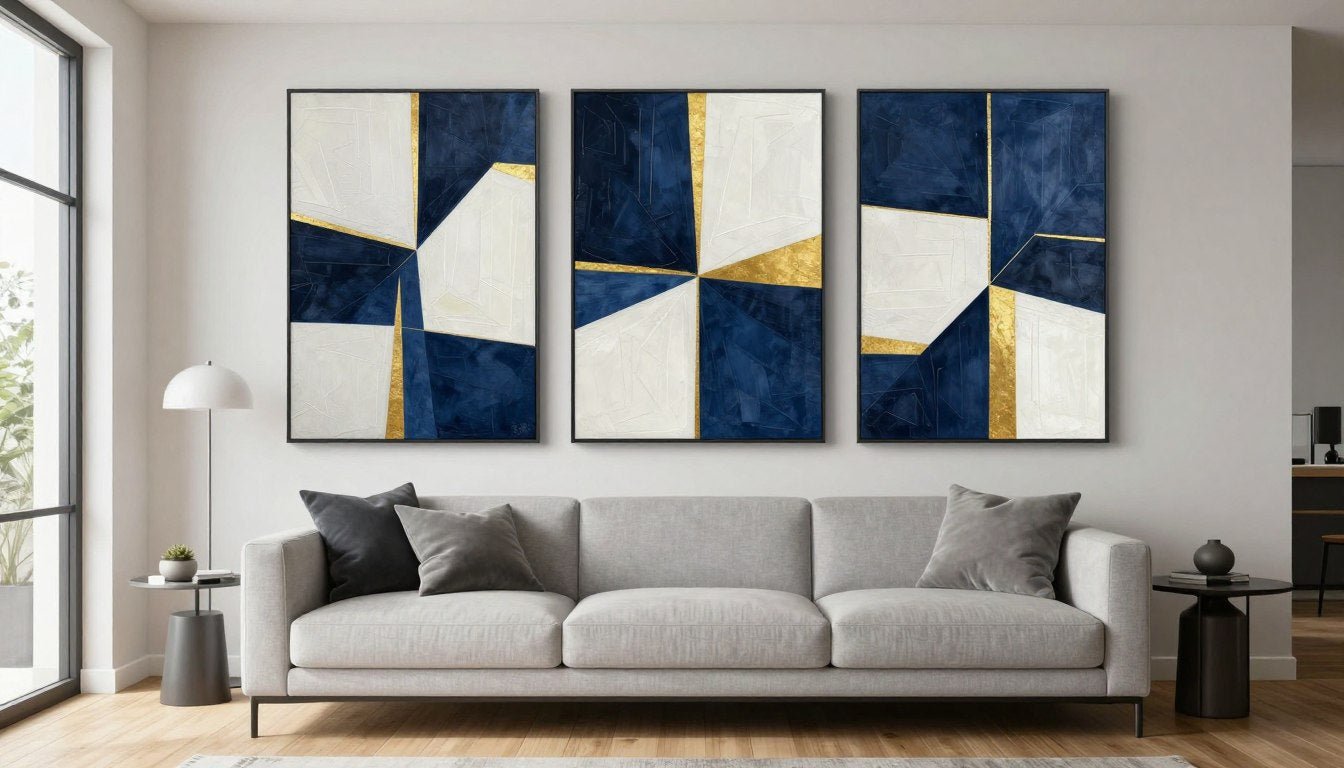
Transforming a modern home into a personal sanctuary starts with the right wall art. Today's homeowners have unprecedented access to high-quality printable wall art for a modern home that rivals gallery pieces. The digital art revolution has made fine art accessible to everyone who wants to elevate their living space.
Modern interior design thrives on clean lines, thoughtful composition, and curated aesthetics. Wall art serves as the finishing touch that brings personality and warmth to contemporary spaces. Whether you're decorating a minimalist living room or adding character to a modern bedroom, the right prints can define your entire design scheme.
This comprehensive guide walks you through everything you need to know about selecting, purchasing, and displaying high-quality wall art. You'll discover how to identify quality prints, choose styles that complement modern aesthetics, and create gallery-worthy arrangements in every room of your home.

Understanding Quality in Printable Wall Art
Not all prints are created equal. The difference between mediocre and exceptional wall art often comes down to print quality, paper selection, and production methods. High-quality printable wall art for a modern home should exhibit sharp detail, accurate color reproduction, and archival longevity that lasts for decades.
Print Resolution and Detail
Professional-grade wall art prints start with high-resolution digital files. Look for prints produced from files with at least 300 DPI resolution. This ensures that even large-format pieces maintain crisp edges and fine details when viewed up close.
The printing process matters tremendously. Giclée printing, which uses archival inks and museum-quality substrates, produces superior results compared to standard digital prints. These prints capture subtle color gradations and maintain vibrancy for years without fading.
Material and Substrate Quality
Premium prints use acid-free, archival-quality paper or canvas that resists yellowing over time. Canvas prints offer texture and depth that enhance modern art pieces. The canvas weight should be substantial enough to prevent warping or sagging when stretched.
For framed prints, look for materials like cotton rag paper or fine art paper that provide a luxurious finish. These substrates accept ink beautifully and create a professional gallery appearance that elevates any modern space.

When shopping for canvas prints for your modern home, prioritize galleries that specify their printing methods and materials. Transparent sellers provide detailed information about ink types, canvas weight, and framing options. This transparency indicates commitment to quality that you can trust.
Quality Indicators to Look For
- 300+ DPI resolution for sharp, detailed images
- Archival-quality inks that resist fading for 100+ years
- Premium canvas weight (minimum 400gsm for durability)
- Acid-free materials that prevent yellowing
- UV-resistant coatings for long-term color preservation
- Color-accurate printing with wide gamut reproduction
Discover Modern Abstract Art That Defines Quality
If you love contemporary minimalist aesthetics, here are 3 prints that bring that sophisticated mood into any room.

Geometric Harmony
Bold abstract composition perfect for modern living spaces. Museum-quality canvas with rich color depth.

Minimal Line Expression
Sophisticated single-line art that adds elegance without overwhelming your modern aesthetic.

Botanical Monochrome
Nature-inspired black and white imagery that brings organic beauty to contemporary interiors.
Modern Art Styles for Contemporary Homes
Modern home design embraces diverse artistic expressions while maintaining cohesive aesthetic principles. The art you choose should complement your space's architecture, color palette, and overall design philosophy. Understanding contemporary art styles helps you make selections that enhance rather than clash with your modern decor.

Abstract and Geometric Art
Abstract art remains the cornerstone of modern interior design. These pieces work beautifully in contemporary spaces because they echo the clean lines and purposeful composition found in modern architecture. Geometric abstractions add visual interest without introducing busy patterns that compete with minimalist furniture.
Color-field paintings and bold geometric compositions create focal points that anchor a room. Large-scale abstract pieces work particularly well in modern living rooms where they command attention without overwhelming the space. The key is selecting pieces with color palettes that complement your existing decor.

Why Abstract Works in Modern Spaces
- Complements clean architectural lines with visual balance
- Introduces color without pattern complexity
- Scales effectively from small accent pieces to large statement walls
- Adapts to various room functions and moods
- Provides artistic sophistication that feels timeless
Explore curated abstract geometric prints designed specifically for modern interiors. These pieces balance artistic expression with the restraint that contemporary design demands.
Minimalist Line Art and Sketches
Single-line drawings and minimalist sketches have surged in popularity within modern home decor. These pieces embody the "less is more" philosophy that defines contemporary design. Line art provides visual interest through simplicity, making it ideal for spaces where you want art that doesn't dominate.
Continuous line drawings of faces, figures, and abstract forms add an artistic touch to bedrooms, home offices, and hallways. The monochromatic nature of most line art makes it incredibly versatile for pairing with any color scheme. These prints work beautifully in groups or as standalone pieces.

Botanical and Nature-Inspired Prints
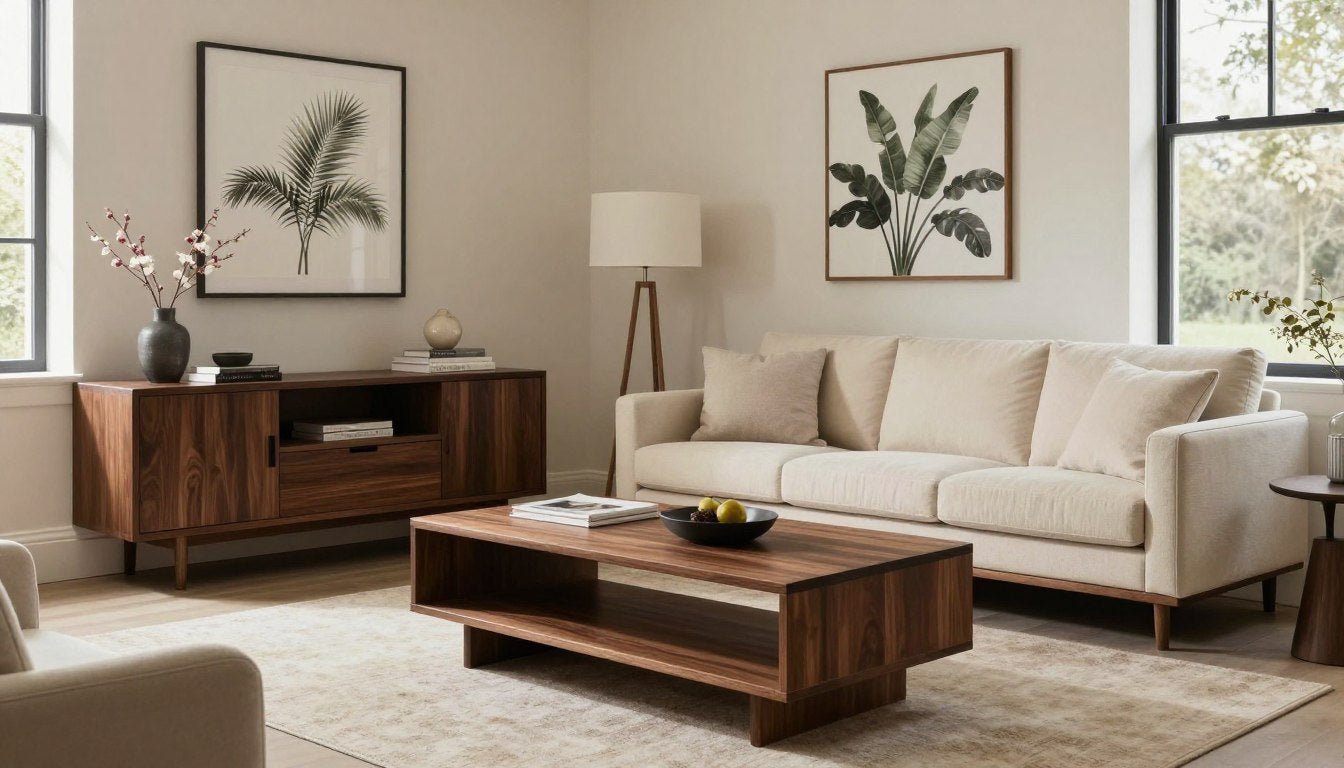
Bringing natural elements indoors remains a priority for modern homeowners seeking to create calming, biophilic environments. Botanical prints offer a way to incorporate nature without literal representation. Modern botanical art often features dramatic cropping, monochromatic treatment, or abstract interpretation that aligns with contemporary aesthetics.
High-contrast photographs of leaves, minimalist plant silhouettes, and abstract nature compositions add organic warmth to modern spaces. These pieces work particularly well in kitchens, bathrooms, and bedrooms where a softer, nature-connected atmosphere enhances the room's purpose.


Discover thoughtfully curated botanical wall art prints that blend natural beauty with modern design sensibility. These pieces create serene atmospheres while maintaining the clean aesthetic modern homes require.
Black and White Photography and Art
Monochromatic art provides timeless sophistication that never goes out of style. Black and white pieces work in any color scheme and add dramatic contrast that draws the eye. These prints range from stark minimalist compositions to richly textured photographs with complex tonal ranges.
The versatility of black and white art makes it ideal for creating cohesive gallery walls that include various subjects and styles. Architectural photography, abstract compositions, portrait art, and landscape images all unite under the banner of monochrome to create harmonious displays.

Choosing the Right Size and Scale for Your Space
Size matters tremendously when selecting wall art for modern homes. A piece that's too small gets lost on large walls, while oversized art can overwhelm intimate spaces. Understanding scale relationships helps you select prints that enhance rather than diminish your room's proportions.
The Golden Rule of Art Sizing
For art hanging above furniture, the piece should occupy approximately two-thirds to three-quarters of the furniture's width. This creates visual balance and proper scale relationship between art and furnishings.
Large-Format Statement Pieces
Modern design often features one bold, large-scale piece rather than multiple smaller prints. Statement art pieces measuring 40 inches or larger create dramatic focal points in living rooms, dining rooms, and primary bedrooms. These substantial works command attention and set the tone for the entire space.
When working with large walls, don't fear going big. A single oversized canvas often makes more impact than a scattered arrangement of smaller pieces. This approach aligns with minimalist principles by reducing visual clutter while maximizing artistic presence.

Multi-Panel Sets and Triptychs
Canvas print sets offer a modern alternative to single large pieces. Triptychs and multi-panel arrangements create visual rhythm while allowing for creative spacing and arrangement. These sets work beautifully on long walls where a single piece might appear too narrow.
Three-panel sets provide balanced composition that guides the eye across the wall. The spacing between panels typically ranges from 2 to 6 inches, depending on the overall size and room scale. This approach adds dimension and movement to otherwise flat wall surfaces.

Advantages of Multi-Panel Sets
- Creates visual flow and movement across wall space
- Offers flexibility in arrangement and spacing
- Fills wide walls more effectively than single pieces
- Adds architectural interest through repetition
- Allows for creative staggered or aligned compositions
Browse carefully coordinated canvas print sets designed to create impact through unified composition across multiple panels.
Gallery Wall Arrangements
Gallery walls remain popular in modern homes when executed with restraint. The key to contemporary gallery arrangements is consistency in framing, matting, or style. Unlike eclectic gallery walls, modern versions maintain cohesion through limited color palettes, matching frames, or unified themes.
Start by mapping your arrangement on the floor before hanging. Maintain consistent spacing between pieces, typically 2-3 inches. Consider using a grid-based layout rather than an organic arrangement for a cleaner, more modern appearance.

| Wall Size | Recommended Art Size | Placement Height | Best Room Application |
| Small (under 4 feet wide) | 16" x 20" to 24" x 36" | Center at 57-60" from floor | Hallways, small bedrooms, entryways |
| Medium (4-8 feet wide) | 30" x 40" to 40" x 60" | Center at 57-60" from floor | Bedrooms, dining rooms, home offices |
| Large (8-12 feet wide) | 48" x 72" or multi-panel sets | Center at 60-66" from floor | Living rooms, large dining spaces |
| Extra Large (over 12 feet) | 60"+ or gallery wall arrangement | Varies by composition | Great rooms, open concept spaces |
| Above Furniture | 2/3 to 3/4 furniture width | 6-12" above furniture top | Above sofas, beds, console tables |
Match This Vibe to Your Space
Discover art collections curated specifically for every room in your modern home. From serene bedrooms to dynamic living areas, find pieces that transform your space.
Color Coordination for Modern Interiors
Color selection makes the difference between art that enhances your space and art that clashes with your design. Modern homes typically feature neutral base palettes punctuated by intentional color moments. Your wall art should either complement these color choices or serve as the deliberate accent that brings the room to life.

Working with Neutral Palettes
Neutral modern interiors provide a blank canvas for artistic expression. Whites, grays, beiges, and taupes create serene environments that allow art to become the focal point. When your space features neutral foundations, you have flexibility to introduce bold color through wall art without overwhelming the aesthetic.
Consider whether you want your art to maintain the neutral palette or serve as a color injection point. Monochromatic art in blacks, whites, and grays reinforces minimalist sensibilities. Alternatively, a vibrant piece against neutral walls creates dramatic contrast that energizes the space.

Color Strategy for Neutral Rooms
- Monochromatic art maintains calm, sophisticated atmosphere
- Single bold color piece creates intentional focal point
- Muted earth tones add warmth without disrupting serenity
- Metallic accents in art (gold, copper, silver) add luxury
- Black and white photography provides graphic impact
Complementary and Analogous Color Schemes
Understanding basic color theory helps you make confident art selections. Complementary colors sit opposite each other on the color wheel and create vibrant contrast. Analogous colors sit adjacent and create harmonious, cohesive palettes.
For modern spaces, analogous color schemes often work best because they maintain the cohesive, intentional feel that contemporary design requires. Blues with greens, oranges with reds, or purples with blues create sophisticated color stories that feel deliberate rather than chaotic.

Creating Color Cohesion Across Rooms
In open-concept modern homes, visual flow between spaces matters. Your wall art should contribute to cohesive color narratives that connect one room to the next. This doesn't mean every piece must match, but they should share color relationships that create intentional transitions.
Choose a signature color palette that appears throughout your home in varying proportions. Perhaps navy and rust appear prominently in living room art, then resurface as accent colors in dining room pieces, creating subtle connections between spaces.

Living Room: Navy and gold as dominant colors

Dining Room: Gold accents with neutral base

Bedroom: Softer navy and cream interpretation
Seasonal Rotation and Flexibility
One advantage of high-quality printable wall art is the ability to rotate pieces seasonally without major investment. Consider building a small collection that allows you to shift moods with the seasons. Warmer earth tones for fall and winter, cooler blues and greens for spring and summer.
This approach keeps your space feeling fresh and allows you to experiment with colors and styles without commitment. Store off-season pieces properly to maintain their quality for years of enjoyment.
Room-by-Room Art Selection Guide
Each room in your home serves distinct purposes and benefits from tailored art selections. Understanding how different spaces function helps you choose pieces that enhance both aesthetic and atmosphere. Modern design principles adapt to accommodate the unique energy each room requires.

Living Room Wall Art
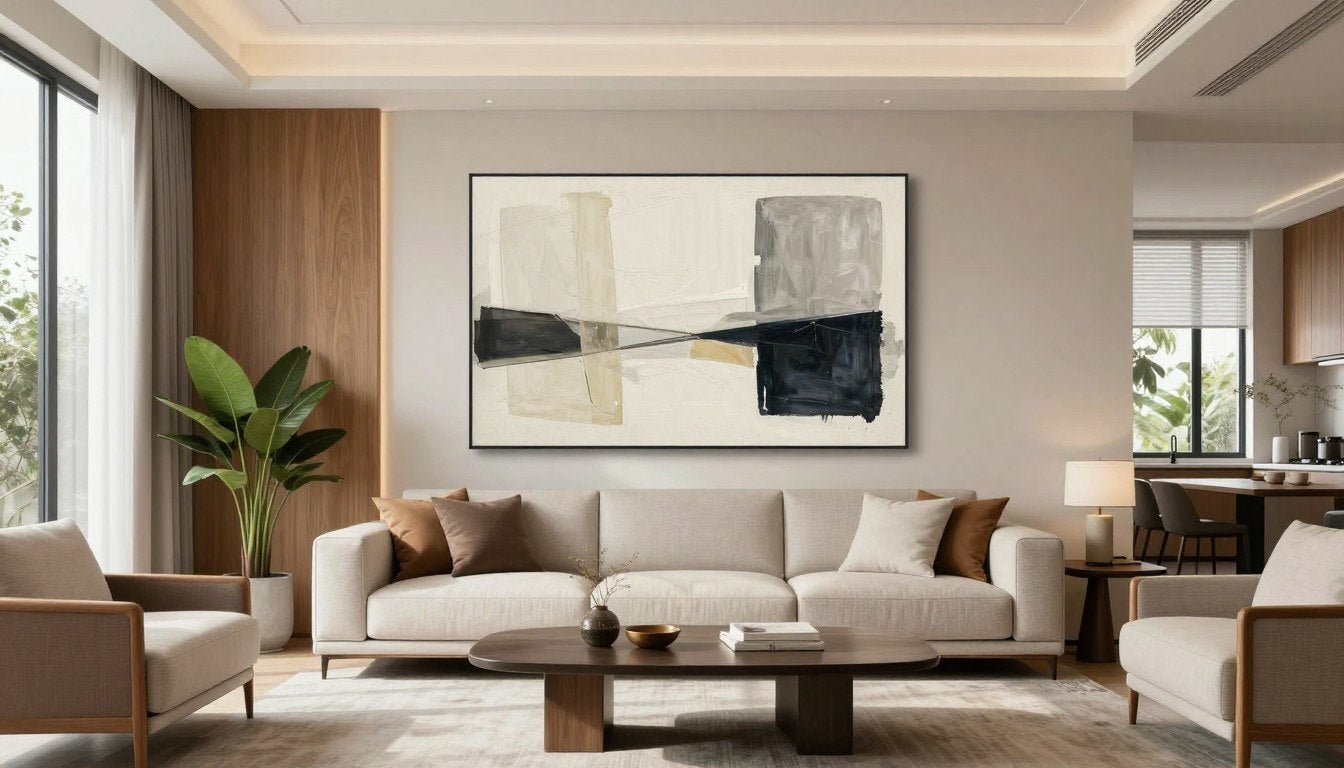
The living room serves as your home's primary gathering space and typically accommodates your largest and most impactful art pieces. This room can handle bold statements that reflect your personal style and set the tone for your entire home. Scale matters significantly here, as living rooms often feature expansive walls that demand substantial art.
Large abstract canvases work beautifully above sofas, while gallery walls can fill the space between architectural features. Consider the room's color palette, lighting conditions, and furniture arrangement when selecting pieces. Art should complement conversation areas without competing for attention when the room is in use.
Living Room Art Considerations
- Scale pieces to match wall and furniture proportions
- Choose colors that complement existing palette or create intentional contrast
- Consider viewing distances when selecting detail complexity
- Balance bold pieces with quieter surrounding decor
- Ensure art reflects the room's primary function (entertaining, relaxing, etc.)
- Account for natural and artificial lighting throughout the day
Explore specially curated living room wall art designed to create impact in your home's central gathering space.

Bedroom Canvas Prints
Bedrooms require art that promotes relaxation and personal connection. This intimate space allows for more personal, meaningful pieces that might not work in public areas. Softer color palettes, calming subjects, and soothing compositions work best in sleep spaces.
Placement above the bed creates a clear focal point, while art on adjacent walls can enhance the room's atmosphere without dominating. Consider pieces that you'll enjoy viewing from bed, as you'll spend significant time in this unique vantage point. Avoid overly stimulating or intense imagery that might interfere with rest.

Abstract Tranquility

Fluid abstracts in cool tones create peaceful bedroom environments perfect for rest and rejuvenation.
Nature Serenity

Botanical line drawings and nature-inspired pieces bring organic calm to modern bedroom spaces.
Monochrome Calm

Black and white photography creates sophisticated tranquility that supports restful sleep environments.
Discover thoughtfully selected bedroom canvas prints designed to create the serene, personal sanctuary your sleep space deserves.
Home Office Art Prints
Home offices benefit from art that inspires focus, creativity, and productivity. This functional space requires a different approach than purely aesthetic rooms. Art can motivate, energize, or calm depending on your work style and professional needs.
Energizing abstracts in bold colors stimulate creative thinking, while minimalist line art supports concentration. Inspirational photography or cityscape prints can reinforce professional ambitions. Consider what mental state your work requires and select art that supports that energy.


Browse professionally curated office canvas art designed to enhance productivity and inspiration in your work-from-home space.
Dining Room Wall Decor
Dining rooms provide opportunities for dramatic art moments that enhance entertaining and everyday meals. This space can accommodate bolder choices than bedrooms but should still complement the dining experience. Art here contributes to ambiance and conversation.
Large-scale pieces work well on the primary dining room wall, creating a backdrop for meals and gatherings. Food-related art, bold abstracts, or sophisticated still life pieces enhance the dining experience. Consider how art appears by both natural daylight and evening lighting during meals.

Entryway and Hallway Art
First impressions matter, making entryway art crucial to your home's overall impact. This transitional space introduces your style and sets expectations for the rest of your home. Hallways present unique opportunities for gallery arrangements or sequential storytelling through art.
Statement pieces in entryways create immediate visual impact, while hallway galleries can showcase collections or themed series. Scale appropriately for often-narrow spaces, and consider lighting to ensure art remains visible in typically dim transitional areas.


Find perfect first-impression pieces in the entryway wall art collection, designed to welcome guests with style and sophistication.
Kids' Rooms and Nursery Spaces
Children's spaces deserve the same design attention as adult rooms while accommodating developmental needs and playful energy. Modern kids' room art balances whimsy with style, creating spaces that grow with children without feeling juvenile.
Playful animal prints, alphabet art, geometric patterns, and inspirational quotes work well in kids' spaces. Choose quality pieces that transition through age stages rather than cartoon characters they'll outgrow quickly. Vibrant colors stimulate creativity while maintaining the modern aesthetic.

Explore age-appropriate yet stylish options in the kids and nursery canvas prints collection, designed for spaces that evolve with your growing family.
Framing and Presentation Options
How you present your art matters as much as the art itself. Modern homes demand clean, intentional presentation that enhances rather than detracts from the artwork. From frameless canvases to museum-quality framing, your presentation choices impact the overall aesthetic significantly.

Gallery-Wrapped Canvas
Gallery-wrapped canvases remain the most popular choice for modern homes because they require no additional framing. The image wraps around the canvas edges, creating a finished look straight from the package. This frameless approach aligns perfectly with minimalist modern aesthetics.
Quality matters in gallery wraps. Look for canvases stretched over substantial wooden frames, typically 1.5 inches deep or more. The image should wrap cleanly around edges without awkward cropping or white margins. Properly wrapped canvases hang flush against walls or can be displayed on easels.
Gallery Wrap Advantages
- No additional framing cost required
- Clean, contemporary frameless aesthetic
- Lightweight and easy to hang
- Image visible from all angles
- Maintains minimalist design principles
Gallery Wrap Considerations
- Edge image wrapping may crop important details
- Less formal than traditional framing
- Canvas may warp over time without proper stretching
- Limited color protection compared to framed glass
Modern Frame Styles
When framing paper prints or adding structure to canvas pieces, frame selection dramatically impacts the final presentation. Modern frames favor clean lines, minimal ornamentation, and quality materials. Black, white, natural wood, and metallic finishes dominate contemporary framing choices.
Thin, simple frames in black or white create gallery-style presentations that keep focus on the artwork. Floating frames, where the art appears suspended within the frame, add dimension while maintaining modern simplicity. Natural wood frames bring warmth while staying contemporary when kept simple and unadorned.

Thin Black Frame: Classic modern choice that works with any art style

Floating Wood Frame: Adds dimension while maintaining organic warmth
Matting and Mounting Options
Matting creates visual breathing room between artwork and frame while protecting the print from direct glass contact. Modern matting typically features simple white or off-white mats with clean-cut openings. Double matting adds subtle dimension while maintaining contemporary simplicity.
Standard mat widths range from 2 to 4 inches, with wider mats creating more formal presentations. For modern aesthetics, consistency matters more than width. Uniform mat sizes across a gallery wall create cohesion even when artwork varies in size.

Acrylic vs. Glass Glazing
Protective glazing shields your prints from dust, moisture, and UV damage. Standard glass works well but adds weight and carries breakage risk. Museum glass reduces glare and provides UV protection but comes at premium prices. Acrylic glazing offers lightweight durability with varying quality levels.
For high-traffic areas or homes with children, acrylic provides safety advantages. UV-filtering glazing extends the life of your prints significantly, especially in rooms with substantial natural light. Weigh protection benefits against budget when making glazing decisions.
| Glazing Type | UV Protection | Weight | Clarity | Price Point | Best Use |
| Standard Glass | Minimal | Heavy | Good | $ | Budget-friendly option for low-light areas |
| UV-Filtering Glass | 70-90% | Heavy | Excellent | $$ | Rooms with moderate sunlight |
| Museum Glass | 99% | Heavy | Superior | $$$$ | Valuable prints, high-sunlight areas |
| Standard Acrylic | Minimal | Light | Good | $ | Large pieces, kids' rooms, safety concerns |
| UV Acrylic | 90%+ | Light | Very Good | $$$ | Lightweight protection with UV filtering |
Quality Indicators and Buying Guide
Knowing what separates exceptional prints from mediocre ones protects your investment and ensures lasting satisfaction. Quality wall art maintains its appearance for decades when produced with proper materials and methods. Learning to identify quality markers helps you make confident purchasing decisions.

Print Production Methods
Giclée printing represents the gold standard for fine art reproduction. This process uses archival pigment inks and high-resolution digital files to create museum-quality prints with exceptional color accuracy and longevity. The term "giclée" indicates professional-grade production that justifies premium pricing.
Standard digital printing uses dye-based inks that fade more quickly and produce less accurate color. While acceptable for temporary decor, serious collectors and design-conscious homeowners should prioritize giclée or archival printing methods. Ask retailers about their printing process before purchasing.

Giclée Printing Benefits
- Archival pigment inks last 100+ years without fading
- Wide color gamut captures subtle tones accurately
- Higher resolution produces sharper detail
- Better ink adhesion prevents flaking or cracking
- Professional standard used by museums and galleries
- Maintains value for resale or collection building
Paper and Canvas Quality
Substrate quality directly impacts longevity and appearance. Archival-quality materials resist yellowing, remain stable through temperature changes, and provide appropriate texture for ink adhesion. Cotton rag paper, heavyweight fine art paper, and premium canvas offer superior results.
Canvas weight matters significantly for stretched prints. Look for canvas rated at 400gsm or higher to prevent sagging and warping. The weave should be tight and even, providing a smooth printing surface. Avoid thin, loosely woven canvas that telegraphs texture through the print.
Quality Material Specifications to Confirm
- Canvas weight: Minimum 400gsm for durability
- Paper composition: 100% cotton rag or alpha-cellulose
- Acid-free certification: Prevents yellowing over decades
- Coating: Protective coating resists moisture and fingerprints
- Stretcher bars: Solid wood, minimum 1.5" depth for canvas
Color Accuracy and Vibrancy
Professional art sellers provide accurate color representation in product photos. Look for retailers who photograph in neutral lighting and provide color disclaimers. Understand that screen displays vary, but reputable sellers minimize these discrepancies through careful photography.
Vibrant colors should appear rich without appearing oversaturated or artificial. Blacks should be deep and true rather than muddy or gray. The full tonal range from highlights to shadows should be visible, indicating proper ink application and color management.

Seller Reputation and Guarantees
Purchase from established sellers with clear return policies and quality guarantees. Read reviews focusing on product quality, color accuracy, and customer service. Legitimate art sellers stand behind their products with satisfaction guarantees and responsive support.
Look for detailed product descriptions including specific materials, sizes, and production methods. Vague descriptions or stock photos often indicate dropship operations with inconsistent quality. Sellers who invest in original photography and comprehensive specifications typically maintain higher standards.
Red Flags When Shopping for Wall Art
- No information about printing method or materials
- Suspiciously low prices for claimed "giclée" prints
- Stock photos instead of actual product photography
- No return policy or quality guarantee
- Vague size descriptions or missing dimensions
- No customer reviews or all-positive reviews
- Pressure tactics or limited-time-only pricing
When you're ready to invest in quality that lasts, explore the professionally curated collections at Rossetti Art's design blog, where transparency about materials and methods guides every recommendation.
Installation and Hanging Techniques
Proper installation ensures your art looks professional and remains secure for years. Modern homes demand precise placement and clean execution. Understanding hanging techniques and hardware options helps you achieve gallery-quality results without professional installers.

Height and Placement Guidelines
The standard rule places art centers at 57-60 inches from the floor, approximating average eye level. This guideline works well for most spaces, though adjustments make sense for rooms with unusually high ceilings or specific furniture relationships.
When hanging art above furniture, maintain 6-12 inches between the furniture top and the bottom of the frame. This creates visual connection without the piece appearing to float. For very tall ceilings, you may raise art slightly higher to maintain proportional relationships with the space.
Standard Hanging Heights
- Measure 57-60 inches from floor to artwork center point
- Mark this center point lightly on the wall with pencil
- Measure from the top of your frame to the hanging point
- Subtract this measurement from your center mark
- Mark final hanging hardware placement
- Install appropriate hardware for wall type and weight
- Hang artwork and verify level before finalizing

Hardware Selection by Weight and Wall Type
Wall type dictates appropriate hanging hardware. Drywall requires anchors or studs for secure mounting, while plaster, brick, or concrete need specialized hardware. Always verify your wall composition before selecting hardware to avoid damage or dangerous installations.
Picture hanging weight ratings provide guidelines, but err on the side of caution with valuable or heavy pieces. Canvas prints typically weigh less than framed glass pieces, but large formats can still require substantial support. D-rings, wire, and sawtooth hangers each offer advantages for different applications.
| Artwork Weight | Drywall Solution | Plaster Solution | Brick/Concrete Solution | Hardware Type |
| Under 5 lbs | Standard picture hanger | Picture hanger or hook | Adhesive hooks | Sawtooth hanger, wire |
| 5-25 lbs | Threaded drywall anchor | Toggle bolt | Concrete screws | Wire with D-rings |
| 25-50 lbs | Heavy-duty anchor or stud mounting | Toggle bolt into lath | Masonry anchors | Heavy wire, French cleat |
| Over 50 lbs | Must mount to studs | Stud or specialty anchors | Heavy masonry anchors | French cleat, Z-bars |
Gallery Wall Layout and Execution
Planning gallery walls on the floor before drilling any holes saves time and frustration. Trace your frame outlines on kraft paper, cut them out, and tape the templates to your wall. This allows experimentation with spacing and arrangement without commitment.
Maintain consistent spacing between pieces, typically 2-3 inches for cohesive modern arrangements. Work from the center outward, establishing your central piece first then building around it. Use a level frequently to ensure straight lines, as even slight tilts become obvious in grouped arrangements.

Lighting Considerations
Proper lighting transforms good art into spectacular focal points. Natural light provides ideal viewing conditions but carries UV damage risks. Position valuable pieces away from direct sunlight or use UV-filtering glazing. Supplement natural light with dedicated art lighting for evening enjoyment.
Picture lights, track lighting, or recessed spotlights can highlight wall art dramatically. Position lights at 30-degree angles to minimize glare while providing adequate illumination. Adjustable fixtures allow you to fine-tune lighting as needed for different pieces or room configurations.


Caring for Your Wall Art Investment
Proper maintenance extends the life of your wall art collection indefinitely. High-quality pieces deserve appropriate care to maintain their appearance and value. Simple preventive measures protect against common damage while preserving the quality that made you choose these pieces.

Environmental Protection
Environmental factors cause the majority of art deterioration. Humidity fluctuations, temperature extremes, and UV exposure all degrade prints over time. Maintain consistent indoor climate conditions when possible, avoiding placement near heating vents, radiators, or air conditioning units.
UV light fades colors and yellows paper, making it the primary enemy of print longevity. Keep art out of direct sunlight, especially pieces without UV-protective glazing. South-facing windows pose the greatest risk. Consider UV-filtering window films if you must display art in high-light areas.
Avoid These Common Damaging Practices
- Hanging art directly above radiators or heating vents
- Displaying unprotected prints in rooms with high humidity (bathrooms, kitchens)
- Placing art in direct afternoon sunlight without UV protection
- Storing prints in damp basements or hot attics
- Using chemical cleaners on canvas or paper surfaces
- Touching print surfaces with bare hands (oils damage over time)
Cleaning and Maintenance
Dust accumulation dulls art and can attract moisture that leads to mold. Regular gentle cleaning maintains appearance and prevents buildup. For framed pieces behind glass, use microfiber cloths slightly dampened with distilled water. Never spray liquid directly onto frames or glass.
Canvas prints require more delicate care. Dust with soft, dry microfiber cloths or use a clean, soft brush attachment on low-suction vacuum settings. Never use wet cloths or cleaning products on unprotected canvas surfaces. If canvas becomes soiled, consult professional art conservators rather than attempting home remedies.

Maintenance Schedule
- Weekly: Dust frames and glazing with dry microfiber cloth
- Monthly: Check for hanging security and straightness
- Quarterly: Inspect for signs of fading, moisture, or damage
- Annually: Deep clean frames and check hardware
- As needed: Rotate pieces seasonally to vary light exposure
Storage Best Practices
Rotating your art collection or storing pieces seasonally requires proper technique to prevent damage. Never store prints face-to-face without protection, as surfaces can stick together or transfer ink. Use acid-free tissue paper or glassine between pieces.
Store flat rather than rolled when possible, especially for canvas prints. If you must roll prints for transport, roll with the image facing outward around a large-diameter tube. Store in climate-controlled environments away from temperature and humidity extremes.
Proper Art Storage Guidelines
- Use acid-free boxes, tubes, or portfolios for protection
- Maintain consistent temperature (65-70°F) and humidity (40-50%)
- Store flat or on edge, never leaning against walls long-term
- Separate pieces with acid-free tissue or glassine paper
- Keep storage area clean, dry, and pest-free
- Label boxes clearly to avoid unnecessary handling
Budget Considerations and Value Assessment
Investing in high-quality printable wall art for a modern home requires balancing budget constraints with quality expectations. Understanding pricing structures helps you identify fair value and avoid overpaying. Smart shopping strategies allow you to build impressive collections without financial strain.

Price Ranges and What to Expect
Wall art pricing varies dramatically based on size, materials, production methods, and seller markup. Understanding typical price ranges for quality pieces helps you budget appropriately. Small to medium prints from reputable sellers typically start around thirty to sixty dollars, while large statement pieces can range from one hundred to several hundred dollars.
Premium features like giclée printing, gallery framing, and artist signatures command higher prices but offer superior quality and longevity. Mass-produced prints cost less but often sacrifice color accuracy, material quality, and durability. Your priorities and intended use should guide spending decisions.
| Print Size Range | Budget Tier | Mid-Range Tier | Premium Tier | What You Get |
| Small (8x10" to 16x20") | $15-$30 | $30-$75 | $75-$150 | Digital print to archival giclée quality |
| Medium (18x24" to 24x36") | $40-$80 | $80-$200 | $200-$400 | Good for most rooms, quality varies |
| Large (30x40" to 40x60") | $100-$180 | $180-$450 | $450-$800 | Statement pieces, framing adds cost |
| Extra Large (48x72"+) | $200-$350 | $350-$700 | $700-$1500+ | Investment pieces requiring premium materials |
Cost-Effective Collection Building
Building an impressive art collection doesn't require unlimited budgets. Strategic purchasing over time creates curated collections that reflect your style evolution. Start with key pieces for high-visibility areas, then gradually add secondary works as budget allows.
Look for sales during holiday periods, sign up for email lists offering new customer discounts, and consider purchasing multi-panel sets that often offer better per-piece value than individual prints. Building relationships with specific galleries or artists sometimes yields loyalty benefits.
Smart Shopping Strategies
- Prioritize quality over quantity for visible areas
- Purchase multi-piece sets for better value
- Watch for seasonal sales and promotions
- Mix price points throughout your home strategically
- Consider unframed prints and DIY framing for budget savings
- Build collections gradually rather than all at once
When to Invest More
- High-traffic, high-visibility areas like living rooms
- Large statement pieces that anchor room design
- Rooms with abundant natural light (need UV protection)
- Personal spaces where you spend significant time
- Areas you plan to photograph or share publicly
- Collections you'll expand over many years

Understanding Long-Term Value
True value extends beyond initial purchase price. Quality prints maintain their appearance for decades, while cheap alternatives fade, yellow, or deteriorate within years. Calculate cost-per-year rather than focusing solely on upfront investment when comparing options.
A hundred-dollar print lasting twenty years costs five dollars annually. A thirty-dollar print requiring replacement every three years costs ten dollars annually. Factor in the hassle and expense of replacement when assessing value. Quality purchases often prove more economical long-term.
True Cost of Ownership Comparison
Budget Print Example: $30 print, 3-year lifespan = $10/year + replacement hassle
Quality Print Example: $120 print, 20-year lifespan = $6/year with no replacements needed
This calculation doesn't account for the superior daily enjoyment of quality pieces or the avoided frustration of fading and deterioration.
Current Trends in Modern Wall Art
Modern wall art continually evolves as design trends shift and homeowner preferences change. Staying aware of current movements helps you make selections that feel fresh and contemporary. However, timeless pieces transcend trends, making them valuable long-term investments.

Organic Abstracts and Earth Tones
The movement toward biophilic design brings organic, nature-inspired abstractions to the forefront. Flowing shapes, earthy color palettes featuring terracotta, sage, ochre, and clay tones create warm, grounding environments. These pieces bridge the gap between abstract art and natural elements.
Watercolor-effect prints and pieces suggesting natural phenomena like waves, clouds, or geological formations resonate with contemporary homeowners seeking connections to nature. The soft, imperfect edges of organic abstracts contrast beautifully with modern architecture's clean lines.

Earth Tone Abstraction: Warm, grounding palette

Water-Inspired Flow: Calming, fluid composition

Geological Layers: Structured organic forms
Maximalist Statement Walls
While minimalism dominated for years, maximalist approaches to wall art are gaining momentum. Bold, oversized pieces in vibrant colors create drama and personality. This trend embraces more-is-more philosophy, using art as the room's defining feature rather than a subtle accent.
Maximalist wall art works best in rooms with otherwise restrained decor. Let the art provide color and pattern while furniture and architecture remain simple. This approach creates impact without overwhelming chaos.

Mixed Media and Textural Elements
Three-dimensional art incorporating texture adds depth that flat prints cannot achieve. Mixed media pieces combining painting, photography, and digital elements create visual interest that engages viewers. Textured canvases with raised elements or visible brushstrokes provide tactile appeal.
This trend extends to framing choices as well, with layered mats, dimensional frames, and shadow boxes adding physical depth. The interplay between flat and dimensional elements creates sophisticated presentations that reward closer inspection.


Digital and AI-Generated Art
Technology's influence on art creation continues expanding. Digital artists create stunning pieces impossible through traditional methods. AI-assisted art generation produces unique compositions that challenge traditional artistic boundaries. These pieces often feature surreal combinations or impossible perspectives that intrigue viewers.
The accessibility of digital art democratizes collecting, allowing more people to access unique pieces at various price points. Limited edition digital prints maintain exclusivity while leveraging technology's creative potential.

Stay inspired by exploring trend insights and design ideas at the Rossetti Art blog, where contemporary movements meet timeless design principles.
Sustainable and Ethical Art Considerations
Conscious consumers increasingly prioritize sustainability and ethical production when making purchasing decisions. Wall art production impacts the environment through materials, printing processes, and shipping. Understanding these factors helps you align aesthetic choices with values.

Eco-Friendly Materials and Production
Sustainable art production prioritizes renewable resources, recycled materials, and non-toxic processes. Look for prints on recycled paper or sustainably sourced canvas. Water-based, low-VOC inks reduce environmental impact while maintaining print quality. Some producers use bamboo or reclaimed wood for frames, offering renewable alternatives to virgin timber.
Print-on-demand models reduce waste by eliminating unsold inventory. This approach produces pieces only when ordered, minimizing material waste and storage impacts. Ask retailers about their production models and material sourcing when environmental impact concerns you.
Sustainable Art Advantages
- Reduces environmental footprint of decor choices
- Supports responsible forestry and material sourcing
- Minimizes toxic chemical exposure in your home
- Often supports smaller, ethical producers
- Aligns purchases with environmental values
Potential Limitations
- May cost more than conventional alternatives
- More limited selection from sustainable-only producers
- Requires research to verify authentic sustainability claims
- Recycled materials may have slight quality variations
Supporting Artists and Fair Compensation
Ethical art consumption considers artist compensation and copyright respect. Original artists deserve fair payment for their creative work. Be wary of suspiciously cheap prints of recognizable styles, which may represent unauthorized reproductions or stolen designs.
Purchasing from galleries that work directly with artists ensures creators receive appropriate compensation. Artist-owned shops and platforms that transparently share revenue splits support the creative community. Your purchases can directly impact artists' ability to continue creating.
Questions to Ask About Artist Compensation
- Does the seller work directly with artists or license designs legally?
- What percentage of the sale price goes to the artist?
- Are artists credited by name for their work?
- Does the platform support emerging artists or only established names?
- Can you learn about the artist's story and creative process?
Local Production and Shipping Impact
Shipping contributes significantly to art's carbon footprint, especially for international orders. Choosing domestically produced pieces reduces transportation emissions. Some sellers offer carbon-neutral shipping or plant trees to offset delivery impacts.
Consolidated shipping for multiple pieces reduces per-item environmental cost. Consider ordering several pieces simultaneously rather than placing multiple small orders over time. Sustainable packaging using recycled materials and minimal plastic further reduces environmental impact.

For more insights on conscious consumption and design choices that reflect your values, explore articles at Architectural Digest's sustainable design coverage.
Working with Interior Designers and Art Consultants
Professional design guidance can elevate your art selection process, especially when decorating entire homes or tackling challenging spaces. Interior designers and art consultants bring expertise in spatial relationships, color theory, and sourcing that helps avoid costly mistakes.

When to Consider Professional Help
Design professionals make sense when budgets allow and stakes are high. New construction or major renovations benefit from integrated art planning during the design phase. Expensive furniture purchases merit professional coordination to ensure art complements significant investments.
Challenging architectural features like high ceilings, unusual wall configurations, or open concepts benefit from expert spatial planning. Designers understand proportion and scale intuitively, preventing the common mistake of selecting art that's too small or poorly positioned.

Design Professional Benefits
- Access to trade-only art resources and pricing
- Expert understanding of proportion and scale
- Cohesive vision across all rooms and spaces
- Prevent costly purchasing mistakes
- Coordination with other design elements and furniture
- Knowledge of local artists and galleries
- Installation oversight ensuring proper execution
DIY Approach with Design Principles
Budget-conscious homeowners can achieve professional results by learning fundamental design principles. Study proportion rules, understand color relationships, and develop your eye through exposure to well-designed spaces. Online resources, design blogs, and virtual consultations provide accessible education.
Create digital mood boards using free tools to experiment with combinations before purchasing. Photograph your spaces and overlay potential art digitally to preview placement and scale. This low-cost approach reduces purchasing uncertainty while building design confidence.

Questions to Ask Design Professionals
If you hire design help, ask about their art sourcing approach. Some designers have preferred galleries offering trade discounts they may or may not share with clients. Clarify fee structures upfront – hourly rates, flat project fees, or commission-based compensation all impact total costs differently.
Request references from clients with similar aesthetic preferences and budget ranges. Review their portfolio to ensure their style aligns with your vision. The best designer for your neighbor may not suit your personal taste or design philosophy.
Beyond Wall Art: Creating a Complete Vision
Wall art exists within broader design ecosystems. The most successful modern interiors integrate art seamlessly with furniture, lighting, textiles, and architectural elements. Understanding these relationships creates cohesive spaces that feel intentionally curated rather than randomly assembled.

Coordinating with Furniture and Textiles
Successful rooms feature intentional color relationships between art, furniture, and soft furnishings. Your art doesn't need to exactly match pillows or rugs, but shared color elements create visual connections. Pull accent colors from artwork into throw pillows, blankets, or area rugs for cohesion.
Consider furniture style when selecting art. Mid-century modern furniture pairs beautifully with geometric abstracts and bold graphics. Scandinavian minimalism complements subtle line art and monochromatic photography. Contemporary furniture allows more flexibility but benefits from art that shares its clean-lined sensibility.


Architectural Element Integration
Your home's architecture provides context for art selection. High ceilings accommodate oversized pieces that would overwhelm standard rooms. Exposed beams, fireplaces, built-in shelving, and window configurations all influence optimal art placement and sizing.
Work with architectural features rather than fighting them. Alcoves and niches provide natural framing for art displays. Long hallways become gallery opportunities with properly scaled series of pieces. Above mantels, art should relate proportionally to the fireplace opening and surround.

Complementary Decor Elements
Sculptures, decorative objects, and plants can enhance art displays when thoughtfully placed. These elements add dimension and create visual dialogue with wall-mounted pieces. However, avoid overcrowding – modern design thrives on negative space and breathing room.
Console tables or credenzas below art pieces offer opportunities for complementary styling. A simple sculpture, stack of design books, or single dramatic plant can ground wall art without competing. Keep styling minimal and intentional, allowing art to remain the focal point.

Sculpture Pairing: Three-dimensional art adds depth

Organic Elements: Plants create living connections

Curated Objects: Thoughtful styling adds layers
Explore how modern sculptures can complement your wall art collection, adding dimensional interest to your curated spaces.
For comprehensive interior styling guidance, reference resources like Elle Decor's room design inspiration, which demonstrates professional integration of art within complete interior visions.
Ready-to-Hang, Museum-Quality Canvas Art
Transform your modern home with professionally curated canvas prints featuring archival quality materials, vibrant color reproduction, and free worldwide shipping. Every piece arrives ready to display, bringing gallery-worthy sophistication to your space immediately.

Frequently Asked Questions About High-Quality Printable Wall Art
What makes wall art "high-quality" for modern homes?
High-quality printable wall art for a modern home features several key characteristics. Print resolution should be at least 300 DPI to ensure sharp details and clean edges. The printing method matters tremendously – giclée printing using archival pigment inks produces superior color accuracy and longevity compared to standard digital prints.
Material quality is equally important. Look for acid-free, archival-quality paper or heavyweight canvas (minimum 400gsm) that resists yellowing and warping. Premium prints include UV-resistant coatings that protect colors from fading for decades. Quality wall art maintains its appearance through proper production methods and materials designed for longevity.
Explore museum-quality canvas prints that meet all professional quality standards for modern homes.
How do I choose the right size wall art for my space?
Size selection depends on your wall dimensions and furniture placement. The general rule suggests art should occupy two-thirds to three-quarters of the furniture width when hanging above sofas, beds, or console tables. This creates proper visual balance and prevents pieces from appearing too small or overwhelming.
For standalone walls without furniture below, measure your wall width and height. Large walls measuring eight feet or more can accommodate statement pieces of 40 inches or larger. Smaller walls under four feet work best with prints ranging from 16x20 to 24x36 inches. When in doubt, larger often works better than smaller in modern spaces with high ceilings and open concepts.
Gallery walls allow more flexibility with mixed sizes, but maintain consistent spacing of 2-3 inches between pieces for cohesive modern arrangements. Consider your viewing distance as well – art viewed from across rooms can handle larger scale than pieces viewed up close in hallways or small rooms.
What art styles work best in modern homes?
Modern homes accommodate diverse art styles when they share clean, intentional aesthetics. Abstract and geometric art works exceptionally well, echoing the clean lines found in contemporary architecture. Bold color-field paintings and geometric compositions create focal points without introducing busy patterns.
Minimalist line art and sketches embody the "less is more" philosophy central to modern design. Black and white photography provides timeless sophistication that works with any color scheme. Botanical prints and nature-inspired art bring organic warmth to contemporary spaces when treated with modern cropping or monochromatic styling.
The key is selecting pieces that complement rather than compete with your modern aesthetic. Avoid overly ornate, traditional, or cluttered compositions that clash with contemporary sensibilities. Browse curated collections organized by style at abstract prints, line art, and black and white options.
Should I choose framed prints or canvas wraps?
Both options work beautifully in modern homes, with the choice depending on your aesthetic preferences and budget. Gallery-wrapped canvas provides the most contemporary, streamlined appearance. The frameless look aligns perfectly with minimalist design principles and requires no additional framing expense. Quality canvas wraps arrive ready to hang immediately.
Framed prints offer a more traditional, formal presentation that works well in sophisticated modern spaces. Black or white frames maintain contemporary aesthetics while providing protection behind glass or acrylic. Framing costs more initially but provides superior protection from environmental damage, especially in high-humidity areas or rooms with significant natural light.
Consider your room's formality level and existing decor. Living rooms and bedrooms often work well with canvas wraps, while home offices and dining rooms may benefit from the polished look of framed pieces. You can also mix both approaches throughout your home for visual variety while maintaining modern style.
How do I care for and maintain my wall art?
Proper maintenance extends your art's lifespan indefinitely. Dust framed pieces weekly using dry microfiber cloths on glass and frames. For canvas prints, use soft, dry cloths or vacuum with soft brush attachments on low suction. Never use wet cloths or cleaning products directly on unprotected canvas surfaces.
Environmental protection matters most for longevity. Keep art away from direct sunlight, especially south-facing windows, to prevent fading. Maintain consistent indoor temperatures and humidity levels, avoiding placement near heating vents or air conditioning units. UV-protective glazing or window films provide extra protection for valuable pieces in bright rooms.
Inspect your art quarterly for signs of fading, moisture damage, or loosening hanging hardware. Check that pieces remain level and secure. For pieces you rotate seasonally, store them flat in acid-free portfolios or boxes in climate-controlled areas. Proper care ensures your high-quality prints maintain their beauty for decades.
What's a reasonable budget for quality wall art?
Quality wall art pricing varies based on size, materials, and production methods. Small to medium prints (16x20 to 24x36 inches) from reputable sellers typically range from thirty to two hundred dollars depending on quality tier. Large statement pieces (30x40 inches and up) can range from one hundred to several hundred dollars for premium giclée prints on quality canvas.
Consider price-per-year rather than just upfront cost. A hundred-dollar quality print lasting twenty years costs just five dollars annually, while a thirty-dollar cheap print requiring replacement every three years costs ten dollars annually. Quality pieces prove more economical long-term while providing superior daily enjoyment.
Budget strategically by investing more in high-visibility areas like living rooms and primary bedrooms. Secondary spaces can accommodate more affordable pieces without compromising overall home aesthetic. Multi-piece sets often offer better per-print value than individual purchases. Watch for seasonal sales to stretch budgets further while maintaining quality standards.
How high should I hang wall art?
The standard guideline places the center of your artwork at 57-60 inches from the floor, approximating average adult eye level. This height works well for most residential applications and creates comfortable viewing in hallways, living rooms, and bedrooms.
Adjust this rule when hanging art above furniture. Maintain 6-12 inches between the top of your furniture and the bottom of your frame. This creates visual connection while preventing the floating appearance that occurs when art hangs too high above sofas or beds.
For rooms with very high ceilings (over ten feet), you may raise art slightly higher to maintain proportional relationships with the space. In galleries walls, establish your centerline first, then arrange pieces around it maintaining that 57-60 inch center height for the overall composition rather than each individual piece.
Can I mix different art styles in the same room?
Yes, mixing art styles works beautifully when unified by common elements. Successful modern rooms often feature varied styles connected through color palette, framing consistency, or subject matter themes. Black and white photography can coexist with monochromatic line art and grayscale abstracts because color unity creates cohesion despite style differences.
Alternatively, vary styles while maintaining consistent framing. Different subjects in identical black frames and white mats create unified gallery walls despite artistic diversity. The key is finding the unifying thread – whether color, frame style, size consistency, or thematic connection.
Avoid random mixing without intentional connection. Each piece should relate to others through at least one shared element. This creates curated sophistication rather than chaotic confusion. Start with two or three related pieces and expand gradually, ensuring each addition strengthens rather than dilutes your cohesive vision. Explore coordinated canvas print sets designed to work together harmoniously.
What's the difference between giclée and standard prints?
Giclée printing represents the highest quality reproduction method available for fine art prints. The process uses archival pigment-based inks rather than dye-based inks, providing superior color accuracy and longevity. Giclée prints maintain their vibrancy for 100+ years without fading, while standard prints may show deterioration within just a few years.
The printing resolution differs significantly as well. Giclée printers produce extremely fine detail with higher DPI (dots per inch) than standard digital printers. This results in sharper edges, smoother color gradations, and the ability to reproduce subtle tonal variations that cheaper printing methods miss.
Standard digital printing uses dye-based inks that cost less but fade more quickly, especially when exposed to light and humidity. Color accuracy suffers, and the limited color gamut cannot reproduce the full range of hues present in original artwork. For high-quality printable wall art for a modern home that you'll enjoy for decades, giclée printing justifies the higher investment through superior results and longevity.
How do I create a cohesive gallery wall?
Creating cohesive gallery walls requires planning and intentional design. Start by selecting a unifying element – consistent frame style, unified color palette, or thematic connection. Modern gallery walls typically feature more restraint than eclectic bohemian versions, maintaining clean aesthetics through consistency.
Plan your arrangement on the floor before mounting anything. Trace your frames on kraft paper, cut them out, and tape the templates to your wall. This allows experimentation without wall damage. Maintain consistent spacing between pieces, typically 2-3 inches for modern arrangements.
For modern aesthetics, consider grid-based layouts rather than organic arrangements. Align tops, bottoms, or centers of pieces to create visual structure. Work from the center outward, establishing your anchor piece first. Use a level frequently to ensure straight alignment. Limit your gallery to 6-9 pieces for visual impact without overwhelming chaos. You can expand collections gradually as walls and budgets allow.
Where can I find high-quality printable wall art for modern homes?
Quality wall art sources include specialized online galleries, artist-direct platforms, and curated design shops that prioritize materials and production methods. Look for sellers who provide detailed specifications about printing methods, materials, and sizing. Transparency about giclée printing, archival inks, and canvas weight indicates quality commitment.
Read reviews focusing on color accuracy, material quality, and shipping protection. Legitimate quality sellers feature actual product photography rather than stock images and offer clear return policies. Verify that artwork arrives ready to hang with proper hanging hardware included.
Rossetti Art offers carefully curated collections designed specifically for modern homes, with complete transparency about materials and methods. Explore room-specific collections including living room art, bedroom prints, and office artwork. Every piece features museum-quality production with worldwide shipping included, ensuring you receive gallery-worthy art that transforms your modern space.
Conclusion: Transforming Your Modern Home with Quality Wall Art
High-quality printable wall art for a modern home represents an accessible path to personalized, sophisticated living spaces. The democratization of fine art through digital printing technology allows everyone to enjoy museum-quality pieces that once remained exclusive to galleries and wealthy collectors. Understanding quality indicators, design principles, and installation techniques empowers you to create gallery-worthy environments throughout your home.
Modern design thrives on intentional choices that reflect personal style while maintaining clean, cohesive aesthetics. Whether you gravitate toward bold abstracts, minimalist line drawings, or sophisticated photography, quality art transforms empty walls into expressions of your unique vision. The investment in proper materials and production methods ensures your selections maintain their beauty for decades, providing daily enjoyment and lasting value.

Remember that building an art collection is a journey, not a destination. Start with key pieces for your most-used spaces, then expand thoughtfully as your style evolves and budget allows. Mix price points strategically, investing more in high-visibility areas while finding quality budget options for secondary spaces. Rotate pieces seasonally to keep your environment feeling fresh and responsive to changing moods.
The art you choose becomes part of your daily life, influencing mood, inspiring creativity, and providing visual pleasure every time you enter a room. Prioritize pieces that resonate personally rather than following trends blindly. The best art for your modern home reflects your authentic style while enhancing the architectural and design elements that make your space unique.
Quality wall art investment pays dividends through years of enjoyment, enhanced home value, and the satisfaction of living in spaces that truly feel like yours. Take time to learn, experiment with arrangements, and gradually build collections that tell your story. Your modern home deserves art that matches its sophistication and reflects the life you live within its walls.
Start Your Art Journey Today
Transform your modern home with carefully curated collections designed to complement contemporary aesthetics. From bold abstracts to serene botanicals, discover pieces that elevate every room while reflecting your personal style.
Explore style-specific collections including abstract art, botanical prints, and portrait art. Each piece features museum-quality materials and arrives ready to transform your space immediately.

Visit Rossetti Art to explore complete collections designed for modern homes, with free worldwide shipping and quality guarantees that protect your investment. Your perfect piece awaits, ready to transform your space from house to home.

Leave a comment
This site is protected by hCaptcha and the hCaptcha Privacy Policy and Terms of Service apply.