

What is it about a single painting that can change how people see the world? This guide takes readers on a lively tour through the masterpieces that shape culture today.
The journey begins with familiar names: Leonardo da Vinci’s Mona Lisa, Van Gogh’s The Starry Night, Dalí’s The Persistence of Memory, and more. Each work shows how an artist used light, composition, and material to tell a story that lasts through time.
Readers will learn where these paintings live, why they endure, and what details to watch for. Short, clear facts—dates, mediums, and museum locations—help plan visits or enrich a home study of these works art classics.
Key Takeaways
- These masterpieces shaped how the world understands creativity and culture.
- Simple details like medium and date reveal an artist’s innovation.
- Museums such as the Louvre and MoMA safeguard many must-see paintings.
- Context—history and technique—changes what viewers notice.
- Readers will gain clear pointers for visiting, viewing, and discussing these works.
Why These Iconic Art Pieces Still Capture Hearts Today
Masterworks endure because they pair bold invention with themes people recognize across generations. They speak across time by blending craft with human concerns like love, faith, wonder, and anxiety.
Technical skill matters: techniques such as sfumato, dramatic perspective, and expressive colors guide the eye and shape feeling. Brushwork and studied movement create an instant emotional pull.
Museums keep these works visible. The Louvre, MoMA, and the National Gallery in Oslo host many of the masterpieces that schools and media reproduce and teach. Conservation and exhibitions maintain access for new viewers.
- Story and symbolism invite repeat viewing and fresh discoveries.
- Reproduction and references in film, books, and memes extend cultural reach.
- Context—patronage and history—adds depth without hiding the first impression.
| Masterpiece | Technique | Emotional Effect | Museum |
|---|---|---|---|
| Mona Lisa | Sfumato, portraiture | Mystery and calm | The Louvre |
| The Starry Night | Expressive brushwork, color | Agitation and wonder | MoMA |
| The Scream | Bold line, vivid hues | Anxiety and shock | National Gallery, Oslo |
Renaissance Masterworks that Defined Beauty and Mind
Renaissance masters rewrote what painting could teach about beauty, science, and the human mind. Their works blend careful craft with big ideas about humanity, faith, and nature.
Mona Lisa — Leonardo da Vinci
The mona lisa (1503–1519) uses sfumato and delicate glazes. Painted in oil on wood, it creates soft transitions that make the portrait feel alive yet elusive.
The Birth of Venus — Sandro Botticelli
Botticelli frames movement with flowing line and luminous color. The mythic scene on the Uffizi shows Venus arriving on a shell and kept its surface thanks to an egg-yolk layer used in preservation.
The Creation of Adam — Michelangelo
Michelangelo’s fresco compresses drama into a single gesture: the near-touching hands that signal a divine spark. That small moment sums up Renaissance humanism.
The School of Athens — Raphael
Raphael arranges philosophers with measured perspective and witty likenesses of contemporaries. The composition reads like a study in balance and intellectual exchange.
The Lady with an Ermine — Leonardo da Vinci
This portrait shows Leonardo’s control of light and psychology. The sitter’s presence is quiet, a study in poise that reveals workshop skill and observation.
| Work | Medium | Key Feature | Location |
|---|---|---|---|
| Mona Lisa | Oil on wood | Sfumato, enigmatic smile | The Louvre |
| The Birth of Venus | Tempera on panel | Movement, luminous color | Uffizi |
| The Creation of Adam | Fresco | Near-touching hands | Sistine Chapel |
| The School of Athens | Fresco | Perspective, portraits | Apostolic Palace |
| The Lady with an Ermine | Oil on panel | Light, presence | Collection (Czartoryski Museum) |
- Notice the layers: wood supports, glazes, and brushwork reveal workshop practice.
- Look for movement and line—these guide how the scene reads.
Baroque Brilliance and Dutch Golden Age Drama
Baroque and Dutch painters staged scenes that pull the viewer into the middle of the action.
The Night Watch (Rembrandt, Rijksmuseum) turns a civic portrait into moving theater. The composition scatters motion across each figure, while deep shadow and sudden highlight create a sense of ongoing activity. Old soot once darkened the canvas; restoration revealed it is a daytime scene packed with movement.
The Night Watch by Rembrandt — Rijksmuseum, Amsterdam
This painting animates a militia with bold poses and layered brushwork. Viewers should watch how the direction of light guides the eye from one action to the next.
Las Meninas by Diego Velázquez — Museo del Prado, Madrid
Velázquez builds a room within a room. The Infanta, the painter, and a mirrored reflection blur who observes whom, asking viewers to step into the scene itself.
The Return of the Prodigal Son & Caravaggio’s Mastery
Rembrandt’s late masterpiece centers on tender hands and worn cloths, a quiet climax bathed in luminous focus.
Caravaggio uses stark chiaroscuro to spotlight faces and gestures, turning sacred narratives into urgent, human encounters.
- Look for: direction of light, the arrangement of bodies, and subtle cues that shape narrative action.
Nineteenth-Century Revolutions in Color, Story, and Society

The nineteenth century rewired painting, turning political drama and daily life into bold visual stories.
Liberty Leading the People — Eugène Delacroix (Louvre)
Delacroix made civic revolt into a single, heroic image. A flag-bearing figure leads people through smoke and ruin.
The painting channels action and hope at once, using bold brushwork and vivid colors to rally the eye.
The Raft of the Medusa — Théodore Géricault
Géricault stretched scale to force the viewer into suffering and study. The massive canvas gathers a desperate group of figures, each rendered with careful research.
The work reads like a reportage painting, grim and unflinching in its realism.
Whistler’s Mother & Paris, a Rainy Day
Whistler’s Mother pares back detail to study tone and restraint. Its quiet composition shows how form and silence create mood.
Caillebotte’s Paris, a Rainy Day turns the city into a modern landscape. Perspective, weather, and everyday life combine to suggest how cities shaped the century’s view of the world.
Look for diagonals, focal figures, and atmospheric cues that let a canvas tell a story without words. These paintings moved the role of painting from record to question, and helped pave the way to Impressionism and new ways of seeing.
Modern Icons and Surreal Visions that Changed How We See
Modern masters rewired how viewers feel and think, bending reality into new visual languages. This shift pushed painting away from exact copying and toward symbolic, psychological expression.
The Persistence of Memory — Salvador Dalí (MoMA, New York)
Dalí’s 1931 scene uses melting clocks to suggest that time is fluid, not fixed. The surreal landscape asks viewers to feel temporal instability rather than read a story.
Guernica — Pablo Picasso (Museo Reina Sofía, Madrid)
Picasso compresses war into jagged forms and a stark palette. This monumental painting channels public grief into a single, urgent visual vision.
The Kiss — Gustav Klimt (Belvedere, Vienna)
Klimt layers gold leaf and pattern to fuse ornament and intimacy. The result shows how color and surface can intensify emotion without literal depiction.
Composition VIII — Wassily Kandinsky
Kandinsky treats shapes and tones like musical notes, composing movement and mood. Abstraction invites viewers to listen with their eyes.
- How to look: slow down, scan edges and intersections, and notice small shifts—these change the meaning of the whole.
- Read more about surrealism and its creators at famous surrealism artists.
| Work | Year | Key Feature | Museum |
|---|---|---|---|
| The Persistence of Memory | 1931 | Melting clocks, fluid time | MoMA |
| Guernica | 1937 | Monochrome, anti-war vision | Museo Reina Sofía |
| The Kiss | 1907–1908 | Gold leaf, intimate pattern | Belvedere |
| Composition VIII | 1923 | Color geometry, abstraction | Various collections |
Vincent van Gogh and Johannes Vermeer: Color, Light, and Quiet Wonder

Two painters show how light and color shape feeling: one by fevered stroke, the other by quiet polish.
The Starry Night by Vincent van Gogh — MoMA, New York
The Starry Night (1889) was painted during van gogh’s stay at Saint-Rémy. Swirling skies and tight curls of paint make the night feel alive. The sky carries intense emotion while the village holds a calm counterpoint.
Girl with a Pearl Earring by Johannes Vermeer — Mauritshuis, The Hague
Vermeer choreographs light to lift a simple head-and-shoulders portrait into an intimate exchange. The luminous pearl and the sitter’s half-open mouth create a small mystery that keeps a viewer leaning in.
Cafe Terrace at Night by van gogh — nocturne color and harmony
Cafe Terrace at Night shows how van gogh balances warm and cool tones so lamps glow without harshness. Brushwork gives rhythm; color temperature links foreground to sky.
- Look: first impressions, then close focus on edges and color temperature.
- Compare expressive spontaneity to careful planning to see how each artist guides the view.
| Work | Year | Key Feature | Museum |
|---|---|---|---|
| The Starry Night | 1889 | Swirling skies, emotional brushwork | MoMA, New York |
| Girl with a Pearl Earring | c.1665 | Masterly light, luminous pearl | Mauritshuis, The Hague |
| Cafe Terrace at Night | 1888 | Nocturne color harmonies | Various collections |
American Voices and Views: From Portraits to Iconic Scenes
Midwestern scenes and formal restraint helped shape a distinct American visual voice in the early 20th century.
American Gothic (1930) by Grant Wood shows a stoic farmer and a woman standing front and center. Painted in oil on beaverboard, the work uses crisp detail and a tight surface to lock the viewer’s attention on faces and dress.
Wood used his sister and his dentist as the sitters. The painting’s plain setting and exacting line make it easy to read as both praise and gentle critique of rural life.
Whistler’s Mother offers a calmer counterpoint: tonal restraint, balanced composition, and a focus on formal clarity. Together, these works show how composition can code values like duty and endurance without words.
Viewing tips: look at negative space, edges of clothing, and the front-facing gaze to see how design choices shape meaning.
| Work | Year | Key Feature | Location |
|---|---|---|---|
| American Gothic | 1930 | Front-facing stoicism, precise detail | Art Institute of Chicago |
| Whistler’s Mother | 1871 | Tonal restraint, formal balance | The Louvre / various collections |
Where to See Iconic Art Pieces in the United States Today
U.S. museums offer focused encounters with masterpieces that reward both quick looks and slow study.
MoMA, New York displays Van Gogh’s starry night alongside Dalí’s The Persistence of Memory. These modern art landmarks sit in galleries designed for layered viewing. Arrive early, step back to read composition, then move in for surface detail.
The Metropolitan Museum of Art, New York
The Met places El Greco’s devotional painting within a wide, global collection. A calm room and clear labels help visitors track technique and context across works. Use the audio guide to deepen understanding while keeping personal impressions central.
Dali Museum, St. Petersburg, Florida
The Dali Museum offers close, almost room-sized encounters with surrealist images. Seeing Dalí’s process up close clarifies how symbolism and technique shape time and meaning in a painting.
Note that some landmarks, like Rembrandt’s night watch and Edvard Munch’s The Scream, remain abroad. U.S. exhibitions often bring related paintings and scholarship that let viewers compare styles and themes within a local visit.
- Tips: alternate long views and close study; schedule breaks; revisit favorites for fresh discoveries.
- For more planning, see the list of the best art museums in America.
| Institution | Key Works on View | Best Visit Tip |
|---|---|---|
| MoMA, New York | The Starry Night; The Persistence of Memory | Arrive early; scan composition before details |
| The Metropolitan Museum of Art, New York | El Greco’s Christ Carrying the Cross; global masterpieces | Use audio guide; compare related galleries |
| Dali Museum, St. Petersburg, FL | Extensive Dalí collection and surrealist artworks | Take a slow room-length view, then inspect surface |
Conclusion
In the end, a painting often serves less as an answer and more as an invitation to look again. Works such as the Mona Lisa and American Gothic keep opening new meaning over time. Viewers return and notice color shifts, small changes in composition, or the texture of oil on wood and canvas.
The Night Watch, a van Gogh landscape, Girl with a Pearl Earring, and even Edvard Munch’s work show how an artist turns materials into shared life and feeling. Take a quiet minute in front of a favorite painting. Compare centuries, jot notes, and let each view bring a new story.
Enhance Your Space with Unique Modern Masterpieces by Chiara Rossetti

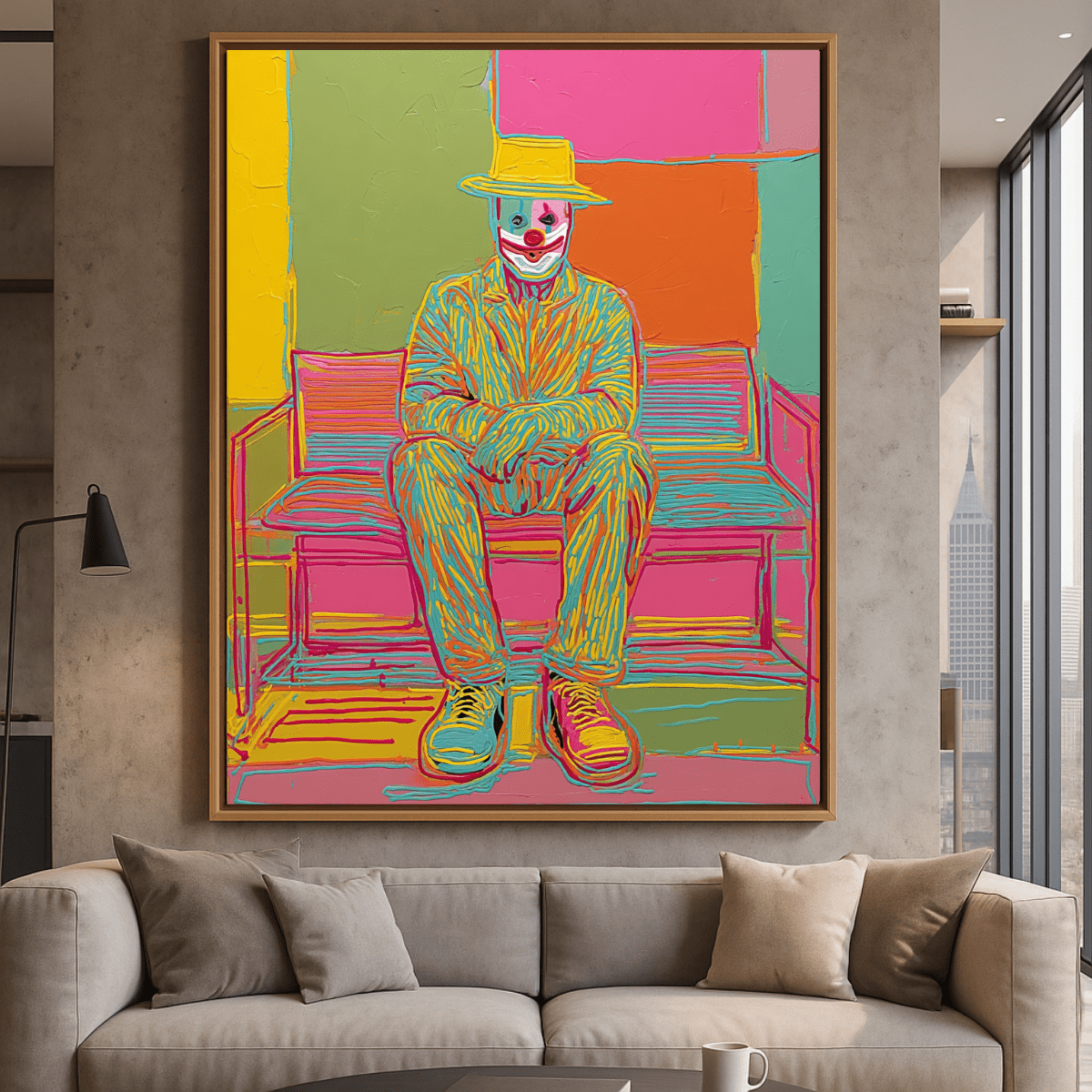
Are you inspired by the innovative mediums and conceptual depth highlighted in our exploration of contemporary art? You’re not alone! Today’s art enthusiasts are seeking cultural relevance and emotional connections in their artwork. However, finding pieces that resonate with modern themes and fit your unique style can be a challenge. That’s where we come in!

At Rossetti Art, we specialize in canvas prints, original paintings, and modern sculptures that celebrate the spirit of now. Each piece created by Chiara Rossetti brings a personal touch that connects deeply with current social narratives—just like the modern masterpieces discussed in the article. Don’t miss out on the chance to elevate your home decor with breathtaking artwork that speaks to your values and aesthetic. Explore our collection today and find your perfect piece! Act now, and transform your space into a gallery of inspiration!

FAQ
What defines an iconic art piece?
A work becomes iconic when it combines technical mastery, emotional resonance, and historical influence. Viewers recognize the artist’s vision, whether in color, light, or composition, and the work continues to prompt discussion across generations.
Which museums in the United States display famous works mentioned in the guide?
Major U.S. museums include the Museum of Modern Art (MoMA) in New York for The Starry Night and The Persistence of Memory, The Metropolitan Museum of Art for global masterpieces, and the Dali Museum in St. Petersburg, Florida for Salvador Dalí’s visionary works.
Why does The Starry Night by Vincent van Gogh remain so powerful?
The Starry Night combines swirling brushwork, vivid color, and emotional intensity to convey a landscape that feels both personal and universal. Its movement and expressive palette invite viewers to feel the artist’s inner life through a night view.
What makes Girl with a Pearl Earring by Johannes Vermeer special?
Vermeer’s painting stands out for its subtle light, quiet portraiture, and the luminous pearl that anchors the composition. The work’s intimate scale and direct gaze create a lasting sense of presence and mystery.
How did Renaissance masterworks change portrait and narrative painting?
Renaissance masters like Leonardo, Michelangelo, and Raphael refined techniques such as sfumato, anatomical accuracy, and linear perspective. These advances gave portraits and grand narratives new depth, realism, and psychological complexity.
What themes characterize Baroque and Dutch Golden Age works?
Baroque and Dutch Golden Age paintings emphasize dramatic light, realistic detail, and human emotion. Works like The Night Watch and Las Meninas use composition and contrast to create movement and narrative focus in group and domestic scenes.
How did nineteenth-century artists shift subject matter and style?
Nineteenth-century painters explored contemporary life, national identity, and social issues. From Delacroix’s charged scenes to Caillebotte’s urban views, these works embraced color, perspective, and story to reflect changing societies.
What role did modern and surrealist artists play in changing visual language?
Modern and surrealist artists such as Picasso, Dalí, Klimt, and Kandinsky broke traditional representation. They used abstraction, symbolic imagery, and unconventional materials to expand how people perceive time, emotion, and form.
Where can someone study differences between European and American masterpieces?
Comparative study works well in major collections: European masterpieces appear at the Louvre, the Prado, the Uffizi, and the Mauritshuis; American viewpoints are strong at the Art Institute of Chicago and U.S. museums that highlight cross-cultural exchange and landscape painting.
Are reproductions or digital views accurate for study?
Reproductions and digital images are useful for familiarization but cannot fully convey scale, texture, brushwork, or subtle color. For deeper study, seeing the original in museums or high-resolution conservation views provides the best insight.
How do light and color influence the emotional impact of a painting?
Light and color guide focus, suggest time of day, and create mood. Artists from Vermeer to van Gogh and Delacroix used these elements to shape atmosphere and emotional response, making scenes feel intimate, dramatic, or transcendent.
What should a visitor know before seeing works like Mona Lisa or The Night Watch?
Expect crowds and protective barriers around these well-known works. Arrive early, book timed tickets when possible, and allow time to study nearby pieces. Observing details such as brushwork, composition, and lighting reveals new layers beyond fame.
How do landscape and portrait traditions differ across periods?
Portraits often prioritize presence, expression, and identity, while landscapes explore place, mood, and movement. Over time, both genres borrowed techniques—portrait lighting influenced by Dutch masters, and landscapes adopting expressive color from later modern painters.
Can contemporary artists still draw inspiration from these historical works?
Yes. Contemporary creators reference composition, color harmonies, and thematic depth from the past while reinterpreting them for modern life. This dialogue across centuries keeps the visual conversation alive and relevant.

Leave a comment
This site is protected by hCaptcha and the hCaptcha Privacy Policy and Terms of Service apply.