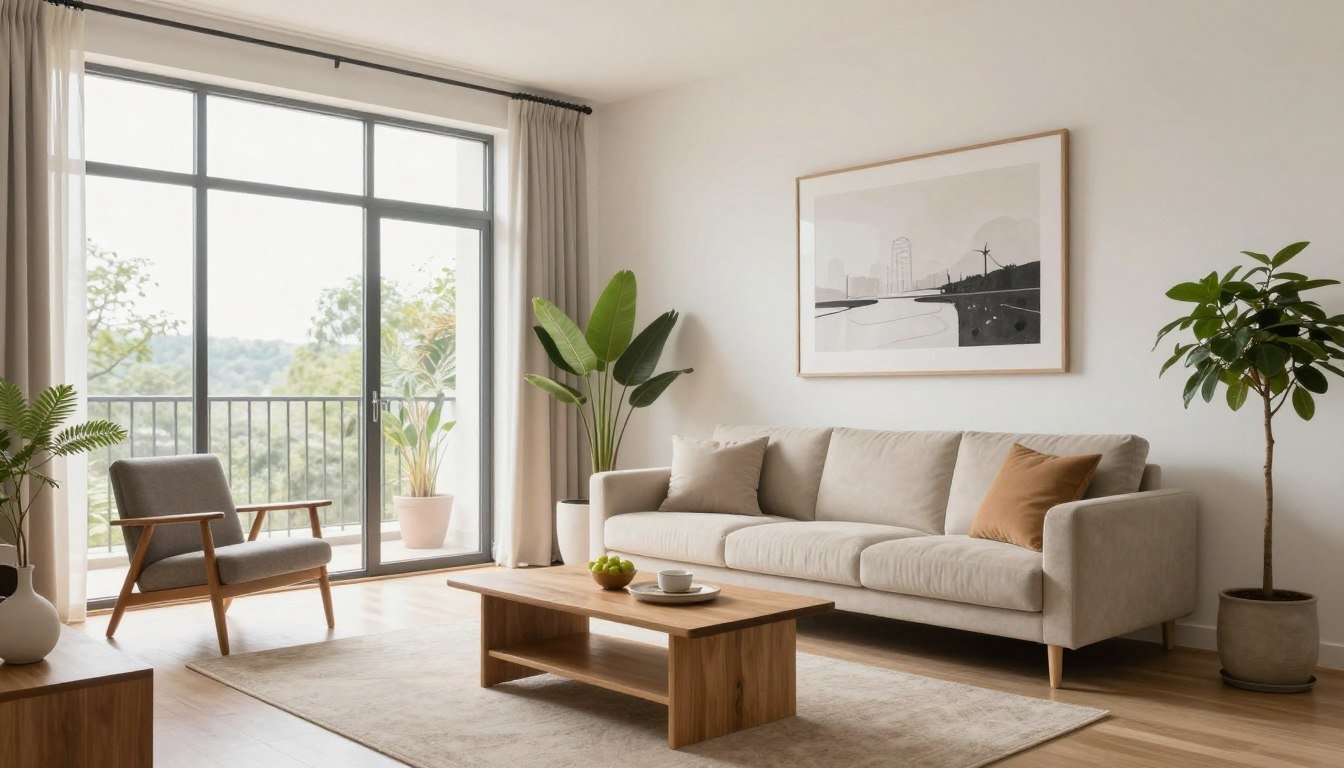

Your room deserves to feel like a sanctuary. Whether you walk into your bedroom after a long day or gather family in your living room, the space should inspire comfort and joy. The good news? You don't need a massive budget or months of renovation time to create meaningful change.
Small adjustments often deliver the most dramatic results. A mirror placed in the right spot can double your natural light. Fresh flowers on a side table breathe life into tired corners. Even rearranging furniture pieces creates an entirely new flow that makes your house feel fresh again.
This post shares twelve practical ways to elevate any room in your home. Each trick takes minimal time and requires no professional help. You'll learn design principles that work in real spaces for real people, not just magazine spreads.
Maximize Natural Light to Open Up Your Space

Natural light transforms how a room looks and feels. It makes small spaces appear larger and breathes energy into every corner. The way you manage light creates the foundation for everything else in your design.
Start with your window treatments. Heavy drapes block valuable sunlight throughout the day. Replace them with sheer curtains or light-filtering blinds that maintain privacy while letting brightness pour through. Your space will instantly feel more open and welcoming.
Strategic Mirror Placement
Mirrors are one of the most powerful pieces you can add to any room. Place a large mirror directly across from your main window. It reflects natural light throughout the space and creates the illusion of an additional window. This trick works especially well in bedrooms and living rooms where light makes the biggest impact.
Consider positioning smaller mirrors on adjacent walls to bounce light into dark corners. Even a decorative mirror above a console table or dresser helps distribute brightness more evenly. The effect multiplies when you combine multiple reflective surfaces in one room.
Keep Windows Clear
Remove items from your windowsills that block incoming light. Plants are the exception, as they benefit from direct sun exposure. Everything else should find a new home on shelves or tables away from windows. This simple rule maximizes every ray of natural light available to your space.
Transform Bare Walls with Thoughtful Art

Empty walls make rooms feel unfinished and cold. Wall art adds personality, color, and visual interest that ties your entire design together. The right piece becomes a focal point that elevates everything around it.
Choose art that speaks to your personal style while complementing your existing color scheme. Abstract pieces work well in modern spaces. Landscapes bring calm to bedrooms. Botanical prints add freshness to any room in your house. Scale matters just as much as subject matter.
Size and Placement Guidelines
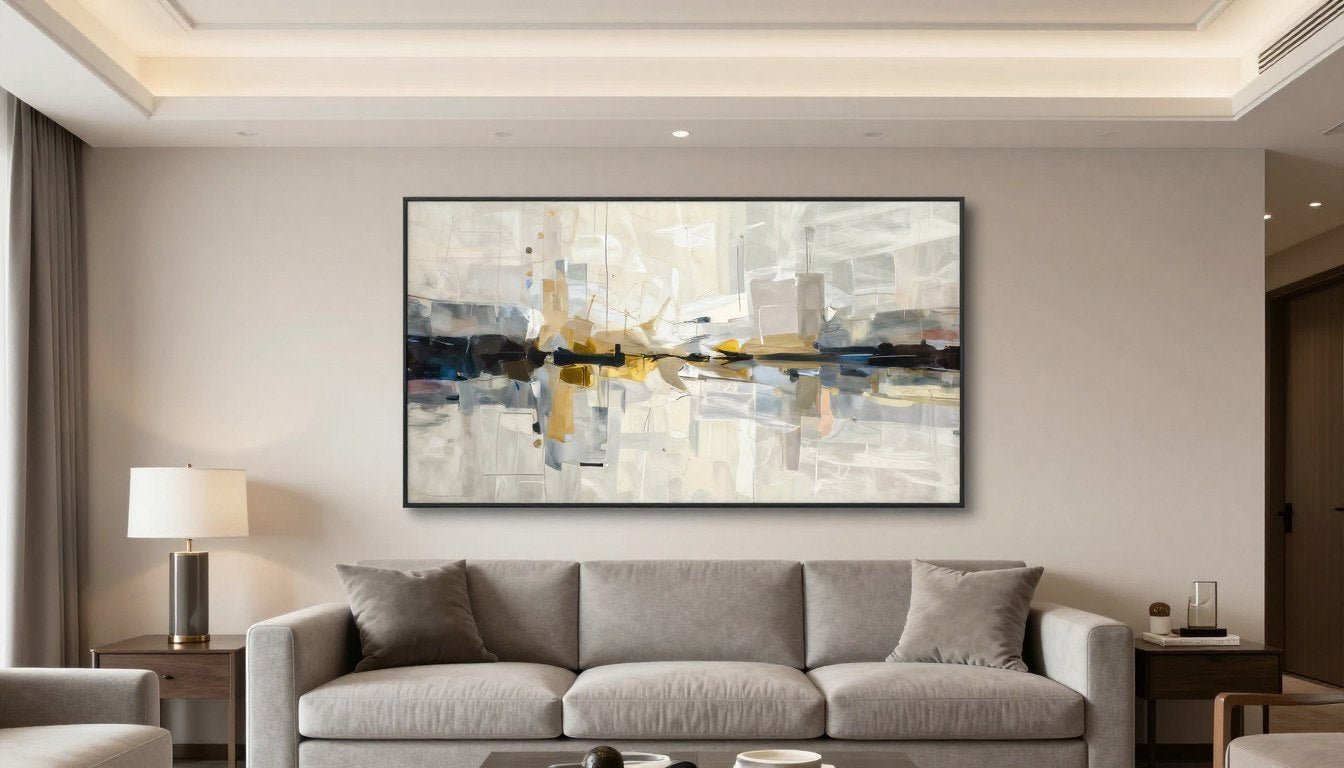
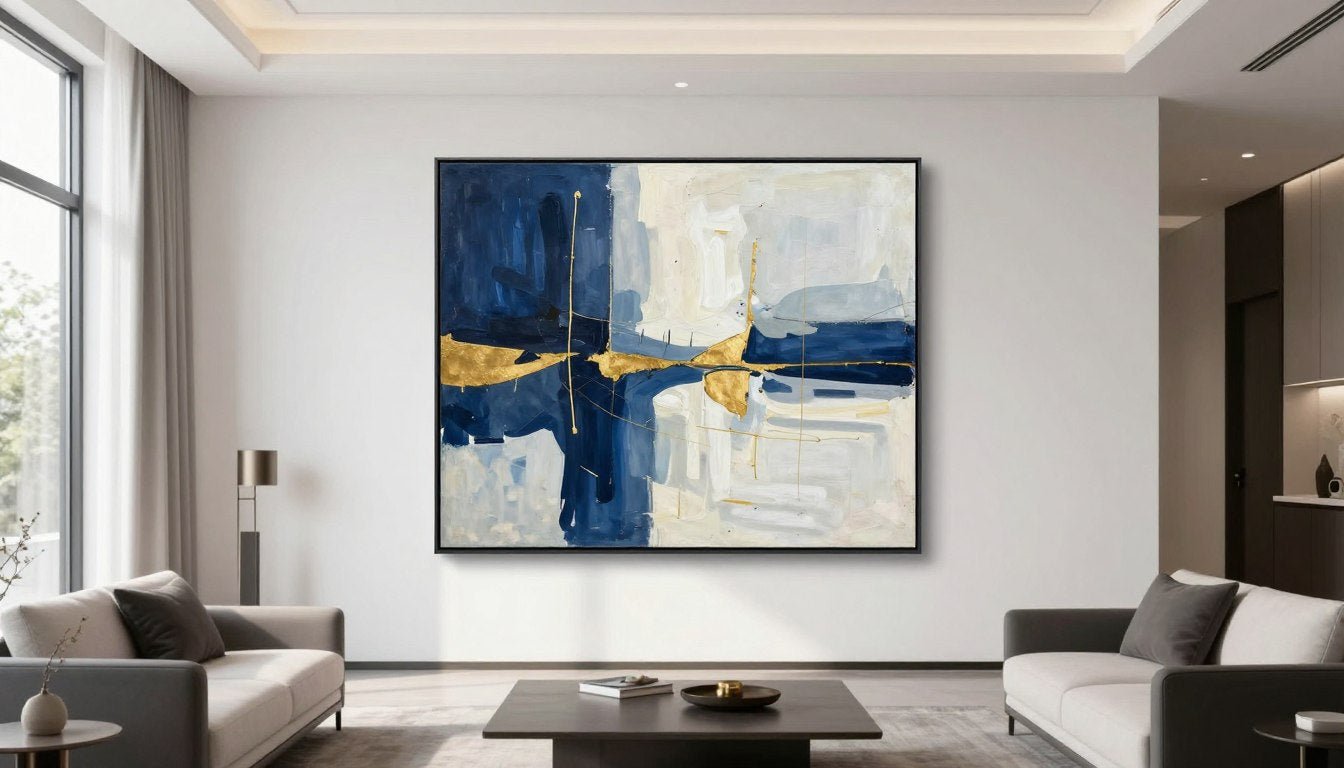
A common design mistake is hanging art too small for the wall. Your main piece should take up roughly two-thirds to three-quarters of the furniture width below it. For a standard sofa, that means a single large canvas or a gallery wall arrangement spanning 48 to 60 inches wide.
Hang artwork at eye level, with the center point approximately 57 to 60 inches from the floor. This rule applies whether you're in a living room or bedroom. The goal is creating a natural sight line that draws the eye without requiring viewers to look up or down uncomfortably.
Creating Gallery Wall Impact
Gallery walls offer versatility for displaying multiple pieces together. Start by laying out your arrangement on the floor before making any holes in the wall. This good way prevents mistakes and helps you visualize the final composition. Mix different sizes and frame styles for an eclectic look, or keep everything uniform for a cleaner aesthetic.
Maintain consistent spacing between pieces, typically 2 to 3 inches. This creates visual rhythm without the arrangement looking too crowded. The outer edges should form a rectangular or square boundary that feels intentional rather than random.
Elevate Your Walls with Curated Art Collections
Discover museum-quality prints and original artwork that transform ordinary rooms into inspiring spaces. Browse collections designed for every style and room in your home.
Rearrange Furniture to Improve Flow and Function

Furniture placement dramatically affects how a room feels and functions. Poor arrangement makes spaces feel cramped or disconnected. Thoughtful positioning creates natural flow that makes every room in your house work better for daily life.
Start by identifying the focal point of your space. In a living room, this might be a fireplace, large window, or entertainment center. Arrange your main furniture pieces to face or complement this focal point. Your sofa should anchor the room, with additional seating positioned to encourage conversation.
The Float-Away Rule
Pull furniture pieces away from walls by at least 6 to 12 inches. This technique works in most rooms and creates a more intentional, designed look. Floating furniture makes the space feel larger because it emphasizes the room's dimensions rather than hugging its perimeter.
In smaller bedrooms, you might keep the bed against a wall for practical reasons. But try pulling nightstands or a dresser slightly forward to create depth. Even subtle adjustments change how the eye perceives the available space.
Create Conversation Zones
Arrange seating furniture pieces no more than 8 feet apart. This distance allows comfortable conversation without shouting across the room. In larger living rooms, consider creating multiple seating areas rather than one enormous furniture grouping. Each nook serves a different purpose while maintaining the room's overall cohesion.
Use area rugs to define separate zones within open floor plans. A rug under the sofa and coffee table anchors the living area. Another rug beneath a dining table establishes that distinct space. This visual separation helps organize rooms that serve multiple functions.
Layer Different Lighting Sources for Ambiance

Overhead lighting alone creates harsh shadows and unflattering brightness. Layered lighting adds dimension and allows you to adjust the mood for different times of day and activities. This approach transforms the same space from energizing in the morning to relaxing at night.
Combine three types of lighting: ambient, task, and accent. Ambient light provides overall illumination, usually from overhead fixtures. Task lighting serves specific purposes like reading lamps on bedside tables. Accent lighting highlights art, architectural features, or creates atmosphere through decorative pieces.
Strategic Lamp Placement
Place table lamps on end tables flanking your sofa or on nightstands beside your bed. The shade's bottom edge should sit at eye level when you're seated to avoid glare. Choose warm-toned bulbs rather than cool white for spaces where you relax and unwind.
Floor lamps work well in corners that need extra brightness or beside reading chairs. They provide height variation in your lighting scheme and can fill vertical space in rooms with tall ceilings. Arc floor lamps offer flexibility by extending light over furniture pieces without requiring side table space.
Dimmer Switch Impact
Install dimmer switches on your main overhead lights. This simple upgrade gives you control over lighting intensity throughout the day. Bright light energizes your morning routine. Softer evening light helps wind down before bedtime. The versatility makes any room more functional without adding new fixtures.
Declutter and Style Surfaces with Intention

Cluttered surfaces make even beautifully decorated rooms feel chaotic and overwhelming. Every flat surface in your home collects items over time. Editing these displays creates visual calm and allows your thoughtful design choices to shine through.
Follow the rule of three when styling shelves, coffee tables, or console pieces. Group items in odd numbers for visual interest. A stack of books, a small plant, and a decorative object create balance without overcrowding. This principle works across different room styles and personal aesthetics.
Functional Storage Solutions
Invest in furniture pieces that hide clutter while serving daily needs. Ottoman storage holds extra blankets in the living room. Bedside tables with drawers keep personal items out of sight in the bedroom. Decorative boxes on shelves contain small things while contributing to the room's design.
Clear surfaces make your space feel larger and more intentional. Keep only items you use regularly or truly love looking at every day. Everything else belongs in drawers, closets, or another room where it serves a purpose. This discipline takes practice but transforms how your space functions.
Add Texture Through Textiles and Materials

Rooms designed in a single texture feel flat and one-dimensional. Layering different materials adds depth and visual interest that makes spaces feel more expensive and thoughtfully designed. Texture works especially well in neutral color schemes where variety comes from surface differences rather than color.
Mix smooth and rough surfaces throughout your room. A velvet sofa pairs beautifully with a chunky knit throw. Sleek leather chairs contrast nicely with a soft shag rug. The interplay between these different textures creates sophistication that single-material rooms can't achieve.
Textile Layering in Bedrooms
Start with your bedding as the foundation. Layer different fabric weights and textures to create a luxurious look. Crisp cotton sheets topped with a linen duvet, textured quilt, and several throw pillows in varying fabrics transform a basic bed into a designer focal point.
Add an area rug beside the bed, even if you have carpet. This extra layer defines the sleeping area and provides soft texture for bare feet in the morning. Natural fiber rugs like jute or sisal work well in bedrooms, adding organic texture that complements any style.
Living Room Texture Mix
Combine metal, wood, fabric, and glass elements in your living spaces. A wooden coffee table with metal legs sits on a soft area rug beneath a fabric sofa. Glass lamps and ceramic vases add more textural variety. This mix creates visual interest without requiring bold colors or patterns.
Bring Nature Inside with Plants and Organic Elements

Plants instantly make rooms feel more alive and welcoming. They improve air quality while adding color and organic texture that softens hard edges in your design. Even one substantial plant changes the energy of a space dramatically.
Choose plants appropriate for your room's light conditions. Snake plants and pothos thrive in low light, making them perfect for bedrooms with limited windows. Fiddle leaf figs and rubber plants prefer bright, indirect light in living rooms. Understanding these needs ensures your plants look healthy and vibrant over time.
Strategic Plant Placement
Place tall plants in empty corners to soften sharp angles and fill vertical space. Medium plants work well on side tables, shelves, or plant stands at varying heights. Small succulents cluster nicely on coffee tables or windowsills. Varying the sizes creates visual rhythm throughout the room.
Use attractive planters that complement your design style. Ceramic pots in neutral tones work with most aesthetics. Woven baskets add bohemian texture. Sleek metal planters suit modern spaces. The container matters as much as the plant itself in creating cohesive design.
Fresh Flowers for Quick Impact
Fresh flowers provide an instant mood boost with minimal effort. A simple arrangement on your dining table, bathroom counter, or entryway console brings life and color to the space. Change flowers weekly to keep the look fresh and seasonal.

Bedroom Art Collections
Create your personal sanctuary with calming artwork designed specifically for bedroom spaces. Soothing colors and subjects promote rest and relaxation.

Living Room Collections
Make a statement in your main living space with bold, conversation-starting artwork that reflects your unique style and personality.
Refresh Walls with Paint or Removable Wallpaper

Wall color sets the entire tone for your room. Outdated colors make spaces feel tired regardless of your furniture and decor. A fresh coat of paint offers one of the most dramatic transformations for relatively little investment of time and money.
Choose colors that reflect how you want to feel in the space. Soft blues and greens create calm in bedrooms. Warm neutrals feel inviting in living rooms. Deep, rich colors add sophistication to dining areas. Test paint samples on your walls before committing, as lighting affects how colors appear throughout the day.
Accent Wall Strategy
If painting an entire room feels overwhelming, start with a single accent wall. Choose the wall behind your bed in the bedroom or behind the sofa in the living room. This focal point adds drama and color without requiring you to paint the entire space.
Removable wallpaper offers another way to add pattern and personality without permanent commitment. Modern peel-and-stick options install easily and remove cleanly. This solution works especially well for renters who want to personalize their space without losing security deposits.
Upgrade Cabinet Hardware and Fixtures

Small details make a big difference in overall design. Outdated cabinet hardware, light fixtures, and door handles detract from otherwise beautiful rooms. Swapping these elements takes minimal time but creates a noticeably more polished look.
Replace builder-grade hardware with pieces that match your style. Brushed brass adds warmth. Matte black feels modern and crisp. Polished nickel works with traditional designs. Maintaining consistency throughout your house creates cohesion, but varying finishes between rooms allows each space its own character.
Quick Fixture Updates
Change light fixtures to update a room's style instantly. A dated ceiling fan with light kit can be replaced with a sleek, modern fixture. Pendant lights over nightstands add elegance in the bedroom. These changes require minimal electrical work but deliver maximum visual impact.
Define Zones with Area Rugs

Area rugs ground furniture arrangements and define distinct areas within larger spaces. They add color, pattern, and texture while solving practical problems like cold floors or sound absorption. The right rug size and placement transforms how a room looks and functions.
Your rug should be large enough that all furniture pieces in the grouping sit on it, or at least have their front legs on the rug. A too-small rug makes furniture look disconnected and floating. In living rooms, aim for rugs at least 8 by 10 feet. Bedrooms benefit from rugs that extend beyond the sides and foot of the bed.
Choosing Rug Patterns and Colors
Use rugs to introduce color and pattern when your walls and furniture remain neutral. A patterned rug becomes a focal point that adds personality without overwhelming the space. Alternatively, choose solid neutral rugs in rooms with bold wall art or colorful furniture to balance visual weight.
Layer rugs for added interest and texture. Place a smaller patterned rug over a larger natural fiber rug. This technique works especially well in living rooms and bedrooms where you want to create depth and dimension underfoot.
Add Personal Touches and Meaningful Objects

Rooms feel generic without personal elements that tell your story. Family photos, travel souvenirs, and inherited pieces make a house feel like home. The key is displaying these items thoughtfully rather than scattering them randomly throughout the space.
Create dedicated display areas for personal items. A gallery wall of family photos in matching frames looks intentional. A bookshelf styled with meaningful objects mixed among books creates visual interest. Rotating seasonal items keeps displays fresh while honoring things you love.
Balancing Personal and Design
Edit your personal displays as carefully as you would any other design element. Not every item needs to be visible at once. Store some pieces and rotate them seasonally. This approach keeps your design feeling curated while allowing you to enjoy different things throughout the years.
Frame children's artwork professionally instead of using magnets on every surface. Choose one special piece to display at a time. This elevates kid's art to gallery-worthy status while preventing visual chaos. The same principle applies to souvenirs and collectibles from travels.
Implement Quick Wins for Immediate Impact
Some changes deliver instant gratification with almost no effort or expense. These quick wins make perfect starting points when you feel overwhelmed by larger projects. Implement several at once for noticeable improvement in just one afternoon.
- Replace old throw pillows with new covers in current colors
- Remove one piece of furniture to create more breathing room
- Switch out artwork between rooms for a fresh perspective
- Clean windows inside and out to maximize natural light
- Move a lamp from one room to another for better lighting balance
- Rearrange books and objects on shelves with better spacing
- Add a throw blanket to your sofa for texture and color
- Place a tray on your coffee table to corral small items
- Fluff and rotate cushions for a refreshed look
- Remove personal items from nightstands except essentials
These small adjustments cost nothing but attention and time. Yet their cumulative effect creates noticeable improvement in how your room looks and feels. Start with the changes that appeal most to you, then add more as you see results.
Create Your Perfect Gallery Wall
Take the guesswork out of gallery wall design with our expertly curated collections. Each set includes coordinated pieces in complementary sizes and styles.
Transform Your Space with Confidence
Making a room look better doesn't require professional design skills or unlimited budgets. The easy ways outlined in this post work because they address fundamental design principles that affect how we experience space. Natural light, thoughtful furniture arrangement, and personal touches create rooms that feel intentional and complete.
Start with the changes that excite you most or solve your biggest frustrations. Maybe your bedroom needs better lighting. Perhaps your living room requires furniture rearranging to improve flow. Every small improvement builds momentum and confidence for the next project.
Remember that good design evolves over time. You don't need to implement every trick at once. Experiment with different approaches and adjust based on how your space functions for daily life. The goal is creating rooms that serve your needs while reflecting your personal style and making you happy to be home.
Frequently Asked Questions
What are the easiest ways to make a small room look bigger?
Maximize natural light with sheer curtains, add mirrors to reflect light and create depth, choose furniture with exposed legs that don't block sight lines, and paint walls in light colors. Keeping clutter minimal and using multi-functional furniture pieces also helps small spaces feel more open and functional.
How much does it cost to make a room look better?
Many improvements cost nothing. Rearranging furniture, decluttering surfaces, and moving items between rooms creates instant change for free. Budget-friendly upgrades like new throw pillows, plants, or paint cost $50 to $200. Larger investments in artwork, lighting fixtures, or rugs range from $200 to $800 depending on quality and size.
Should I start with the bedroom or living room?
Start with whichever space causes you the most daily frustration or where you spend the most time. If you struggle with morning routines, focus on the bedroom first. If entertaining feels awkward, prioritize the living room. Success in one room builds confidence and skills for tackling other spaces in your house.
How do I choose the right wall art for my room?
Select art that complements your existing color scheme and reflects your personal taste. The piece should be roughly two-thirds to three-quarters the width of furniture below it. Hang it with the center at 57 to 60 inches from the floor. Consider the room's mood: calming subjects for bedrooms, bold statements for living rooms, and personal favorites for any space.
What mistakes should I avoid when improving my room?
Avoid buying furniture too large for the space, hanging art too high or too small, blocking natural light with heavy window treatments, and cluttering surfaces with too many decorative items. Don't push all furniture against walls or use only overhead lighting. These common errors make rooms feel cramped, dark, or uninviting despite good intentions.
How often should I update my room's look?
Make minor updates seasonally by rotating throw pillows, changing artwork, or adding fresh flowers. Larger changes like new paint colors or furniture arrangements work well every few years as your style evolves. The key is keeping your space feeling fresh and functional rather than following a strict timeline. Update when the room no longer serves your needs or brings you joy.
Ready to Transform Your Walls?
Explore our complete collection of museum-quality art prints, canvas pieces, and framed artwork. Find the perfect pieces to complete your room transformation and bring your vision to life.

Leave a comment
This site is protected by hCaptcha and the hCaptcha Privacy Policy and Terms of Service apply.