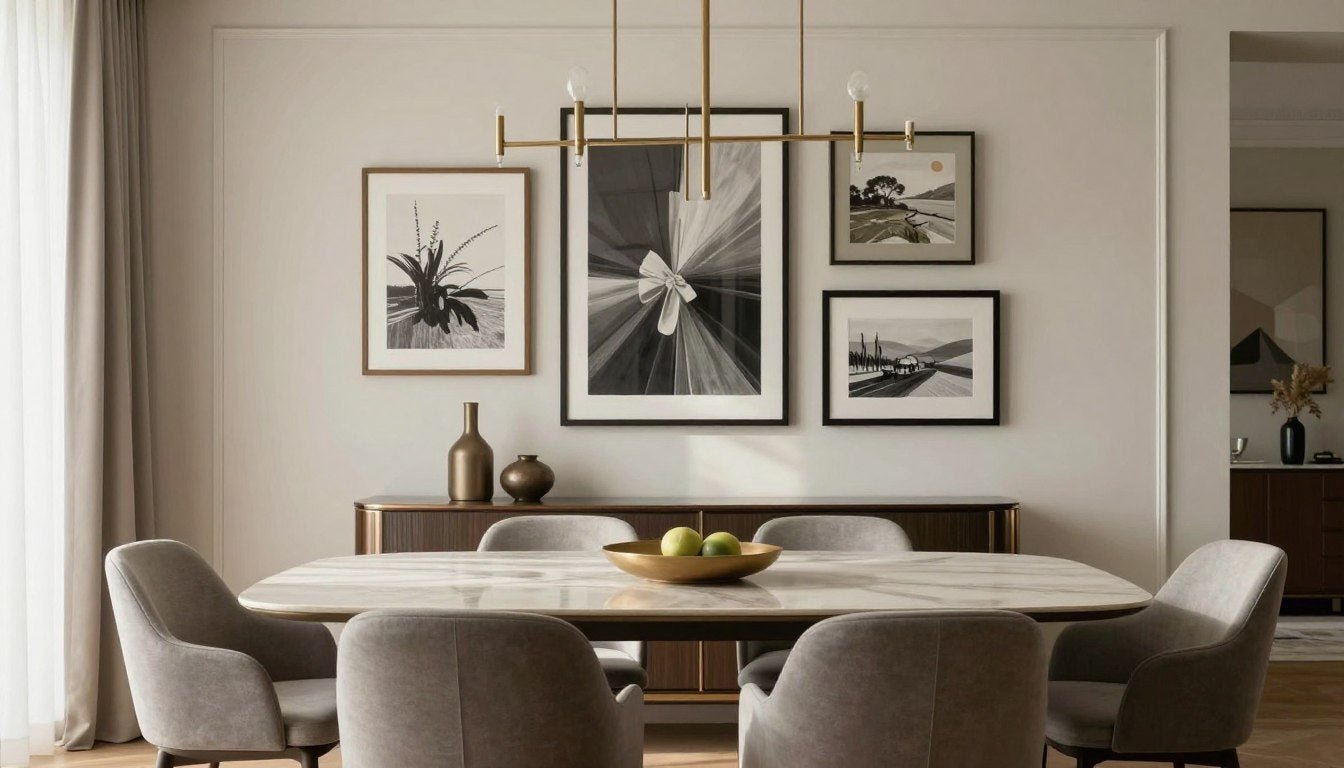
Your dining room walls tell a story about your home and your personal style. The right wall art can turn an ordinary dining space into a sophisticated gathering place where meals become memorable experiences. Whether you're hosting family dinners or entertaining guests, the art you choose sets the mood and creates visual interest that elevates every moment shared around your dining room table.
Finding the perfect dining room wall art doesn't have to feel overwhelming. This guide walks you through proven design strategies, style inspirations, and practical tips that help you create a dining space that reflects your personality while enhancing your home's overall aesthetic.
Why Your Dining Room Wall Art Choices Matter

The dining room serves as more than just a place to eat. It functions as a gathering space where conversations flow and memories form. The wall decor you select directly impacts how people feel when they enter this room.
Art brings personality to dining room walls that might otherwise feel empty or incomplete. A well-chosen piece becomes a conversation starter, drawing eyes upward and adding layers of visual texture to your space. When guests sit at your dining room table, the art behind you or across from them shapes their entire dining experience.
Your dining room wall art also establishes the formality level of your space. Bold, abstract pieces create a modern, relaxed atmosphere, while classical paintings or vintage prints add traditional sophistication. The power of art lies in its ability to communicate your design intentions without words.
Immediate Visual Impact
Wall art creates an instant focal point that draws attention and organizes the visual hierarchy of your dining room. Large statement pieces especially well command attention and anchor your room's design scheme.
Personal Expression Space
Your dining room offers a canvas for displaying art that represents your interests, travels, and aesthetic preferences. This personal touch makes your home feel uniquely yours rather than like a showroom.
Signature Pieces That Define Dining Room Elegance
These three carefully curated pieces represent popular styles that transform dining spaces. Each brings a distinct mood while maintaining the sophistication your dining room deserves.

Modern Abstract Statement
Bold geometric abstracts bring contemporary energy to your dining space. These pieces work especially well in modern and transitional dining rooms where clean lines meet artistic expression.

Botanical Serenity
Nature-inspired botanical prints create a calming atmosphere that enhances dining experiences. These timeless pieces bridge traditional and modern aesthetics with organic beauty.

Minimalist Line Art
Clean line art prints deliver sophistication through simplicity. These versatile pieces complement any color scheme while adding artistic interest to your walls.
Understanding Your Dining Room Space Before Choosing Art
Before selecting wall art, you need to assess your dining room's unique characteristics. The size, lighting, and existing decor of your space determine which art pieces will look best on your walls.
Measuring Your Wall Space Correctly
Start by measuring the wall space available above your dining room table or along empty walls. Most designers recommend that art pieces span about two-thirds to three-quarters of the width of the furniture below them. This proportion creates visual balance that feels neither too small nor overwhelming.
For walls without furniture, consider the entire wall as your canvas. A large statement piece measuring 40 to 60 inches works well as a focal point. Alternatively, a gallery wall arrangement can fill the same space with multiple smaller pieces that create cohesive visual interest.
Height matters as much as width when hanging dining room wall art. The center of your artwork should sit at eye level, typically 57 to 60 inches from the floor. When art hangs above a buffet or sideboard, leave 6 to 8 inches of space between the furniture and the bottom edge of the frame.
Evaluating Your Lighting Conditions
Natural light significantly affects how colors appear on your walls throughout the day. Rooms with abundant southern or western light can handle darker, more saturated artwork. Dining rooms with limited natural light benefit from pieces with lighter tones that reflect available light and make the space feel more open.
Consider your artificial lighting as well. Track lighting or picture lights can highlight specific pieces, while ambient lighting from a chandelier affects the overall mood. The interplay between your dining room wall art and lighting creates atmosphere during evening meals when your space is most often used.
Pro Tip: Test potential art choices by temporarily hanging large paper cutouts of the same dimensions on your walls. This simple technique helps you visualize scale and placement before making final decisions.
Classic Dining Room Wall Art Styles That Never Fade

Certain art styles have proven their staying power in dining rooms across decades. These classic approaches work because they complement the formal yet intimate nature of dining spaces.
Traditional Oil Paintings and Fine Art Reproductions
Traditional paintings bring old-world sophistication to dining room walls. Still life compositions featuring fruit, wine, and table settings feel especially appropriate for this space, creating thematic connections between the art and the room's purpose.
Landscape paintings offer windows to other worlds, expanding the perceived size of your dining room. Classical portraits add gravitas and historical character. For those who appreciate traditional art but want original works, original paintings from contemporary artists bridge the gap between classical techniques and modern sensibilities.
The frames you choose matter as much as the paintings themselves in traditional settings. Ornate gilded frames enhance formal dining rooms, while simpler frames in dark wood maintain traditional aesthetics without overwhelming smaller spaces. The texture and weight of framed oil paintings create a three-dimensional presence that flat prints cannot match.
Vintage and Antique Print Collections
Vintage botanical prints, architectural drawings, and antique maps bring historical charm to dining room walls. These pieces work particularly well in gallery wall arrangements where multiple prints create a collected-over-time appearance.
The aged patina of vintage pieces adds warmth that new art takes decades to develop. When selecting vintage prints, look for pieces with consistent color tones or themes that tie them together visually. Sepia-toned photographs, black and white etchings, and hand-colored botanical illustrations all pair beautifully with both traditional and transitional dining room furniture.
Authenticity matters less than aesthetic impact in most dining room settings. High-quality reproductions of vintage prints offer the same visual appeal as originals at more accessible price points, allowing you to create stunning gallery walls without the investment required for genuine antiques.
Modern and Contemporary Dining Room Wall Decor Approaches
Modern dining rooms call for art that embraces clean lines, bold statements, and innovative approaches to color and form. Contemporary pieces bring energy and freshness that align with current design trends.
Abstract Art for Visual Drama
Abstract paintings and prints create instant focal points that command attention without literal representation. The freedom of abstract art allows pieces to complement your existing color scheme or introduce bold new tones that energize your space.
Large-scale abstracts work exceptionally well in modern dining rooms with minimalist furniture. A single oversized abstract canvas print can anchor an entire wall, eliminating the need for additional decor. The interplay of color, shape, and texture in abstract pieces adds sophistication without competing with your dining room table and chairs for visual attention.
When selecting abstract art, consider whether you want pieces that match your existing color palette or introduce complementary accent colors. Paintings that pull tones from your dining room furniture, rugs, or window treatments create cohesive design flow. Alternatively, abstract art in contrasting colors adds visual pop that makes your walls the star of the space.
Minimalist Line Drawings and Silhouettes
The minimalist movement brought elegant simplicity to wall art. Line drawings executed in single continuous strokes capture figures, faces, and forms with remarkable economy. These pieces feel sophisticated and modern while maintaining a timeless quality that transcends passing trends.
Black and white line art offers incredible versatility in dining rooms. Line art canvas prints work with virtually any color scheme and complement both modern and transitional furniture styles. The stark contrast of black lines on white backgrounds creates graphic impact that draws the eye without overwhelming smaller spaces.
Minimalist art's power lies in what it omits rather than what it includes. The negative space around simple forms gives your walls breathing room, preventing the cluttered feeling that can occur with more detailed traditional pieces. This approach works especially well in dining rooms where you want art to enhance rather than dominate the space.
Geometric Patterns and Shapes
Geometric art brings order and rhythm to dining room walls through repeating patterns and mathematical precision. These pieces range from subtle tone-on-tone patterns to bold, high-contrast designs that make powerful statements.
The structured nature of geometric art complements the architectural elements already present in most dining rooms. Rectangular canvases echo the lines of tables, chairs, and doorways, creating visual harmony. Circles and curves in geometric pieces soften the angular quality of dining room furniture while maintaining modern sensibility.
Color plays a crucial role in geometric art. Monochromatic geometric pieces in shades of gray or beige add texture without introducing new colors to your palette. Multi-colored geometric designs can tie together various accent colors used throughout your dining room, serving as a unifying element that brings your entire design scheme together.
Nature-Inspired Art That Brings Life to Dining Spaces

Bringing elements of the natural world into your dining room creates connections between indoor spaces and the outdoors. Nature-inspired art adds organic beauty that feels both calming and invigorating.
Botanical Prints and Floral Artwork
Botanical prints have decorated dining room walls for centuries, and their appeal remains strong today. Detailed illustrations of plants, flowers, and leaves bring natural beauty indoors while maintaining the refined atmosphere appropriate for dining spaces.
Modern botanical wall art prints range from scientifically precise illustrations to loose, impressionistic interpretations of plant forms. Oversized tropical leaf prints create dramatic impact in contemporary spaces, while delicate wildflower compositions suit traditional rooms with vintage charm.
The green tones prevalent in botanical art naturally complement the dining experience. Studies show that green hues promote relaxation and well-being, making botanical pieces ideal for spaces where you want guests to linger comfortably over meals. These pieces also coordinate beautifully with natural wood dining room tables and furniture, creating organic design harmony.
Landscape Photography and Scenic Views
Landscape photography transforms dining room walls into windows overlooking mountains, oceans, forests, or fields. These views expand your space visually while providing peaceful focal points that don't distract from conversation and connection.
The scale of landscape photography matters in dining rooms. Panoramic prints spanning four to six feet create immersive experiences that transport viewers to distant locations. Smaller landscape pieces work well in gallery wall arrangements where multiple scenes create a travel-inspired collection.
Black and white landscape photography offers a sophisticated alternative to color images. The absence of color emphasizes form, light, and texture, creating timeless pieces that complement any decor scheme. Black and white canvas prints especially suit minimalist and modern dining rooms where restraint enhances impact.
Animal Art and Wildlife Imagery
Animal portraits and wildlife scenes bring personality and character to dining room walls. From majestic wildlife photography to whimsical illustrated creatures, animal art appeals to our connection with the natural world.
Consider the mood different animals create when selecting pieces for your space. Horses convey elegance and power, making them popular choices for formal dining rooms. Birds suggest freedom and lightness, working well in breakfast nooks and casual dining areas. Animal canvas prints in contemporary illustration styles bridge the gap between fine art and playful charm.
The color treatment of animal art significantly impacts its effect on your dining room. Realistic wildlife photography brings dramatic natural beauty, while stylized animal portraits in bold colors add contemporary energy. Vintage-style animal illustrations create nostalgic charm that pairs beautifully with traditional decor.
Creating Gallery Walls That Make Dining Rooms Unforgettable
Gallery walls allow you to display multiple pieces that tell a visual story. This approach works particularly well in dining rooms where wall space might not accommodate a single large statement piece or where you want to showcase a collection of meaningful art.
Planning Your Gallery Wall Layout
Successful gallery walls begin with careful planning before you hammer a single nail. Start by laying all your pieces on the floor and arranging them until you achieve a composition that feels balanced. The goal is creating a unified whole rather than a random collection of unrelated frames.
Several gallery wall layouts work well in dining rooms. Grid arrangements with frames of uniform size create ordered sophistication. Salon-style walls with varied frame sizes and organic spacing feel more collected and personal. Horizontal arrangements spanning the length of a buffet or sideboard create visual connection between furniture and wall art.
Maintain consistent spacing between frames throughout your gallery wall. Most designers recommend 2 to 3 inches between each piece. This spacing allows each artwork to breathe while maintaining the cohesive appearance of a unified installation. Use paper templates cut to match your frame sizes to plan spacing before creating permanent holes in your walls.
Choosing a Cohesive Theme or Color Palette
Gallery walls need unifying elements that tie disparate pieces together. Color serves as an excellent connecting thread. Select pieces that share a dominant color tone, even if subjects vary widely. A collection of photos featuring different subjects can feel cohesive when each contains similar blue tones or warm golden hues.
Thematic unity offers another approach to gallery wall cohesion. Collections centered on specific subjects like vintage botanical prints, family photos, or travel photography feel intentional rather than random. Canvas print sets designed to work together eliminate guesswork while ensuring visual harmony.
Frame consistency also creates unity in gallery wall arrangements. Using identical frames in the same finish makes varied artwork feel like a curated collection. Alternatively, frames in complementary finishes within the same style family maintain cohesion while adding subtle variety. Black frames work with virtually any art and create strong graphic impact, while natural wood frames add warmth that suits traditional and transitional dining rooms.
Mixing Frame Styles and Sizes Effectively
Varied frame sizes add visual interest to gallery walls when arranged thoughtfully. Place your largest piece first as an anchor, typically slightly off-center. Build around this anchor with medium and smaller pieces that balance the composition without creating symmetry.
When mixing frame styles, maintain some consistent element that ties everything together. Frames in different sizes but the same color create unity through repetition. Alternatively, varied frames that share similar proportions or detail levels maintain cohesion despite differences in size and finish.
Avoid overwhelming your gallery wall with too many competing elements. If your artwork features bold colors and varied subjects, simple matching frames prevent visual chaos. Conversely, subtle artwork in neutral tones can handle more decorative frame variety without overwhelming viewers.
Color Coordination Strategies for Dining Room Wall Art

Color plays a crucial role in how your dining room wall art integrates with your existing space. Understanding color relationships helps you select pieces that enhance rather than clash with your room's palette.
Matching Art to Your Existing Color Scheme
The safest approach involves selecting art that pulls colors already present in your dining room. Identify the dominant colors in your furniture, rugs, curtains, and table linens, then look for artwork featuring similar tones. This strategy creates harmonious flow that feels intentionally designed.
You don't need exact color matches for this approach to work effectively. Art featuring colors in the same family as your existing decor creates subtle connections that feel cohesive. A dining room with sage green curtains pairs beautifully with botanical prints in various green shades, from deep forest to pale mint.
Consider the undertones in your existing colors when selecting coordinating art. Cool grays have blue undertones that clash with art featuring warm grays with brown undertones. Paying attention to these subtle differences prevents purchases that look perfect in online images but clash in your actual space.
Using Art to Introduce Accent Colors
Wall art offers an opportunity to introduce new accent colors that energize your dining room without the commitment of painting walls or buying new furniture. A neutral dining room comes alive with artwork featuring bold jewel tones or vibrant primary colors that add personality and warmth.
When introducing new colors through art, repeat those accent colors elsewhere in your dining room for cohesive design. Throw pillows on dining chairs, fresh flowers on the table, or decorative objects on a sideboard can echo the new accent colors from your wall art, tying your design together.
Limit accent colors to two or three additional hues beyond your existing palette to avoid creating visual confusion. A neutral dining room can successfully incorporate artwork with red and gold accents, but adding red, gold, turquoise, and purple simultaneously creates chaos rather than interest.
Monochromatic and Neutral Art Options
Not every dining room needs colorful art. Monochromatic pieces in black, white, and gray offer sophisticated alternatives that work with any existing color scheme. These pieces add visual interest through form, texture, and composition rather than color.
Black and white photography brings timeless elegance to dining rooms. The absence of color focuses attention on subject matter, lighting, and composition. Black and white canvas prints suit both traditional and modern dining rooms, bridging style gaps through classic restraint.
Sepia-toned and neutral artwork creates warmth without introducing specific accent colors. Pieces in shades of cream, tan, and brown complement virtually any dining room while adding softness that pure black and white cannot achieve. These neutral pieces work particularly well in transitional spaces that blend traditional and contemporary elements.
Sizing and Placement Guidelines for Dining Room Wall Art
Even beautiful art fails to make the desired impact when sized incorrectly or hung at the wrong height. Understanding proper proportions and placement ensures your dining room wall art looks professionally styled.
Determining the Right Size for Your Space
Scale matters enormously in dining room art. Pieces that are too small disappear on large walls, while oversized art overwhelms intimate spaces. As a general rule, artwork should occupy about two-thirds to three-quarters of the width of the furniture below it.
For art hanging above a dining room table with no furniture beneath it, consider the table itself as your reference point. The width of your artwork should relate to your table's width rather than the wall's total width. This approach creates visual balance between horizontal dining room furniture and vertical wall space.
Large dining rooms with high ceilings need substantial art pieces to avoid looking empty and unfinished. A piece measuring 40 by 60 inches or larger serves as an appropriate focal point in spacious rooms. Smaller dining rooms feel more balanced with medium-sized pieces ranging from 24 by 36 inches to 30 by 40 inches.
Proper Height for Hanging Dining Room Art
The center of your artwork should sit at eye level, typically 57 to 60 inches from the floor. This standard height ensures comfortable viewing whether people are standing or seated at your dining room table. Eye level varies slightly based on ceiling height and your family's average height, so adjust this guideline to suit your specific circumstances.
When hanging art above furniture like buffets or sideboards, leave 6 to 8 inches of space between the top of the furniture and the bottom edge of the frame. This spacing creates visual connection between the furniture and art while preventing pieces from appearing to float unanchored on your walls.
Multiple pieces arranged vertically should follow the same eye-level guideline using the center point of the entire arrangement rather than the center of individual pieces. Calculate where the visual center of your gallery wall falls, then ensure that point sits at eye level for proper placement.
Creating Balance with Multiple Pieces
When displaying multiple pieces on the same wall, visual weight matters as much as physical size. A dark, detailed painting carries more visual weight than a light, minimalist print of the same dimensions. Distribute visual weight evenly across your wall to prevent lopsided compositions.
Symmetrical arrangements create formal balance appropriate for traditional dining rooms. Match the size and style of pieces on either side of a central focal point for classic symmetry. Asymmetrical arrangements feel more casual and collected but require careful attention to visual weight distribution for successful balance.
The negative space around your art pieces contributes to overall composition. Crowding too many pieces onto a single wall creates cluttered, chaotic effects even when individual pieces are beautiful. Allow breathing room around each piece so viewers can appreciate individual artworks without visual confusion.
Dining Room Wall Art Ideas for Specific Design Styles

Different interior design styles call for specific approaches to wall art. Matching your art selections to your dining room's overall aesthetic creates cohesive design that feels intentional and complete.
Farmhouse and Rustic Dining Room Art
Farmhouse style embraces vintage charm, natural materials, and nostalgic references to simpler times. Wall art for farmhouse dining rooms should reinforce these themes through subject matter and presentation style.
Vintage-inspired prints featuring farm animals, agricultural scenes, or botanical illustrations suit farmhouse aesthetics perfectly. Look for pieces with aged patina or weathered frames that suggest collected-over-time character. Antique signs, vintage advertisements, and salvaged architectural elements also serve as artistic focal points in rustic dining spaces.
The color palette for farmhouse art typically includes soft neutrals, faded pastels, and weathered wood tones. Avoid highly saturated colors or glossy finishes that feel too modern for this style. Matte prints in distressed frames or art printed on wood planks reinforce the rustic character farmhouse dining rooms require.
Mid-Century Modern Dining Room Decor
Mid-century modern style celebrates clean lines, organic forms, and bold color combinations. Wall art for this aesthetic should embrace these same principles through both subject matter and presentation.
Abstract art from the 1950s and 1960s feels native to mid-century spaces, but contemporary pieces capturing similar energy work equally well. Look for artwork featuring geometric shapes, atomic-age motifs, or organic abstraction. Colors should be bold but not overwhelming, with an emphasis on oranges, teals, mustard yellows, and olive greens characteristic of the period.
Frame selection matters significantly in mid-century dining rooms. Thin frames in warm wood tones like walnut or teak suit the aesthetic perfectly. Alternatively, simple black frames create the clean lines mid-century style demands. Avoid ornate or distressed frames that contradict the style's emphasis on streamlined modernity.
Traditional and Formal Dining Room Art
Traditional dining rooms call for art that conveys sophistication and timeless elegance. Classical subjects, refined presentation, and quality craftsmanship define successful traditional wall art selections.
Oil paintings or high-quality reproductions of classical works suit formal dining rooms beautifully. Still life compositions featuring fruit, flowers, or table settings connect thematically to the room's purpose. Landscape paintings and classical portraits add gravitas and cultural refinement that traditional spaces require.
Frames in traditional settings deserve as much attention as the artwork they surround. Ornate gilded frames enhance formal dining rooms, while carved wood frames in rich finishes add weight and presence. The frames should never feel like afterthoughts but rather integral components of the overall artistic presentation.
Contemporary and Transitional Style Art
Transitional style bridges traditional and contemporary aesthetics, creating spaces that feel current without abandoning classical principles. Art for transitional dining rooms must walk this same line between old and new.
Contemporary subjects rendered in classical techniques work beautifully in transitional spaces. Portrait canvas prints with modern composition but traditional rendering bridge stylistic gaps effectively. Abstract art in neutral color palettes adds contemporary energy without overwhelming traditional elements.
Transitional spaces allow more freedom in mixing frame styles and finishes than purely traditional or contemporary rooms. Pairing modern art with traditional frames or classical subjects with sleek contemporary frames creates the intentional blend transitional style requires. The key involves maintaining balance so neither traditional nor contemporary elements dominate completely.
Art Subjects That Work Especially Well in Dining Rooms
Certain subjects feel particularly appropriate for dining room walls because they connect thematically to the room's purpose or create moods conducive to comfortable dining experiences.
Food and Wine-Themed Artwork
Food and beverage art creates obvious thematic connections to dining room function. Vintage wine posters, contemporary food photography, and classical still life paintings featuring edible subjects all reinforce the room's purpose while adding decorative interest.
Approach food art with restraint to avoid literal, theme-restaurant effects. Sophisticated food photography presented in elegant frames elevates the subject to fine art status. Vintage European food advertisements bring nostalgic charm without feeling overly themed. Abstract interpretations of food subjects offer another sophisticated approach that suggests rather than depicts.
Wine-related art enjoys particular popularity in dining rooms. Maps of wine regions, vintage wine labels enlarged and framed, or photographs of vineyards add sophistication that appeals to adult sensibilities. These pieces work especially well in homes where wine plays a role in dining experiences and entertaining.
Cultural and Travel-Inspired Pieces
Art from your travels or depicting places you love adds personal meaning to dining room walls. Maps, travel photography, and cultural artifacts tell stories about your experiences and interests.
Vintage travel posters bring nostalgic charm combined with sophisticated design. Mid-century airline posters, railway advertisements, and destination prints from the golden age of travel offer bold graphics and retro appeal. Modern travel photography provides contemporary alternatives that capture specific places with artistic vision.
Consider creating gallery walls that chronicle family travels or celebrate cultural heritage. Cityscape canvas prints depicting places you've lived or visited become conversation starters that add personal dimension to your dining space. These pieces transform walls into visual memoirs that make your dining room uniquely yours.
Family Photos and Personal Portraits
Family photos belong in dining rooms where memories form around shared meals. The key involves presenting personal photos with the same care and intention as fine art to avoid the casual snapshot-wall appearance.
Black and white family photographs achieve timeless elegance that color snapshots rarely match. Professional portraits or carefully composed family photos matted and framed like fine art maintain sophisticated atmosphere while adding personal touches. Gallery walls combining family photos with complementary art pieces integrate personal and decorative elements successfully.
Consider commissioning custom portrait art rather than displaying standard photographs. Illustrated or painted portraits based on family photos create artistic interpretations that feel more like fine art than family snapshots. This approach particularly suits formal dining rooms where traditional portrait paintings enhance rather than diminish sophisticated aesthetics.
Beyond Flat Art: Adding Dimension to Dining Room Walls

Flat prints and paintings aren't your only options for dining room walls. Three-dimensional art and sculptural elements add textural interest and visual variety that flat pieces cannot achieve.
Wall Sculptures and Metal Art
Metal wall sculptures bring contemporary sophistication to dining room walls through their interplay with light and shadow. These pieces create visual interest that changes throughout the day as lighting conditions shift.
Abstract metal sculptures work particularly well in modern and contemporary dining rooms. Geometric forms in brushed metal or powder-coated finishes add industrial-chic appeal. Organic metal sculptures suggesting leaves, branches, or flowing forms bring natural elements into the space while maintaining modern aesthetics.
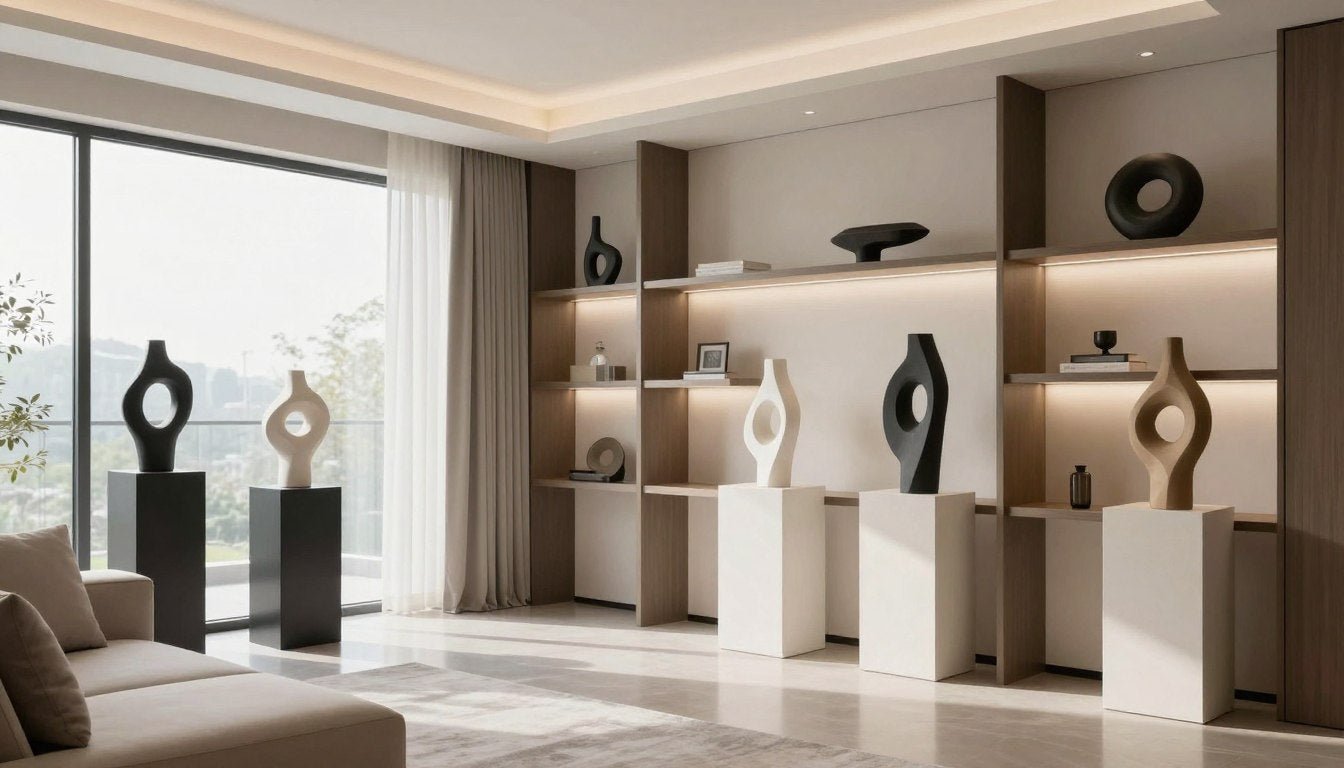
For those seeking unique three-dimensional wall art, modern sculptures offer alternatives to traditional two-dimensional pieces. While primarily designed as freestanding pieces, some sculptures mount on walls to create dramatic focal points that command attention.
Textile Art and Woven Wall Hangings
Textile art introduces softness and texture that hard surfaces lack. Woven wall hangings, tapestries, and fabric art add warmth that feels particularly appropriate in dining spaces where comfort matters.
Contemporary fiber art moves beyond traditional macramé to include sophisticated woven pieces in neutral palettes. These pieces add texture without introducing color complexity, making them ideal for spaces where subtle interest matters more than bold statements. The handcrafted quality of textile art also adds artisan character that machine-made prints cannot match.
Traditional tapestries suit formal dining rooms with classical furniture and traditional decor. Look for pieces with muted colors and classical subjects that complement rather than compete with ornate furnishings. The substantial presence of large tapestries creates focal points that anchor formal dining room designs.
Mirrors as Decorative Art Elements
Decorative mirrors serve dual purposes in dining rooms, functioning as both art pieces and practical tools that expand perceived space through reflection. Large statement mirrors add drama while making smaller dining rooms feel more spacious.
The mirror frame determines whether the piece reads as functional or artistic. Ornate carved frames or contemporary frames with unusual shapes transform functional mirrors into sculptural art pieces. Grouping multiple smaller mirrors in varied frames creates gallery-wall effects with the added benefit of reflected light.
Strategic mirror placement amplifies natural light and reflects beautiful elements like chandeliers or interesting architectural features. Position mirrors to reflect rather than directly face your dining room table to avoid awkward sightlines during meals. Mirrors on walls perpendicular to windows maximize natural light reflection without creating glare problems.
Seasonal and Changeable Dining Room Wall Art Ideas
Your dining room art doesn't need to remain static throughout the year. Rotating seasonal pieces keeps your space feeling fresh while allowing you to express different moods as seasons change.
Creating a Flexible Display System
Picture rails, gallery walls with interchangeable frames, and lean-against shelves allow easy art rotation without damaging walls. These systems let you swap pieces seasonally or whenever your aesthetic preferences shift.
Install a picture rail near ceiling height to create flexible hanging options. Use cable or chain systems to suspend frames at appropriate heights without putting new holes in walls. This approach particularly suits renters or anyone who enjoys frequently updating their decor.
Lean-against displays using floating shelves or mantels create casual art presentations that change easily. This approach works well for smaller pieces or for creating layered compositions where frames overlap slightly. The relaxed aesthetic suits contemporary and transitional dining rooms particularly well.
Seasonal Art Rotation Strategies
Seasonal art rotation keeps dining rooms feeling current and celebrates changing seasons. Spring calls for botanical prints and fresh colors. Summer welcomes bright beach scenes or abstract pieces in warm tones. Fall invites harvest themes and warmer color palettes. Winter accommodates cozy scenes and cooler color temperatures.
You don't need entirely different art collections for each season. Switching out a few key pieces while maintaining core artwork creates seasonal shifts without requiring massive investments. Replace one large statement piece or swap several smaller gallery wall components to refresh your space seasonally.
Consider how holiday entertaining affects your dining room throughout the year. More formal artwork might suit holiday dinner parties, while casual pieces work for everyday family dining. Creating an art "wardrobe" that includes both formal and casual options gives you flexibility for different occasions.
Budget-Friendly Dining Room Wall Art Ideas
Beautiful dining room art doesn't require unlimited budgets. Creative approaches and smart shopping yield stunning results at accessible price points.
Affordable Art Sources and Strategies
Canvas prints offer museum-quality appearance at fraction of original art prices. Modern printing technology creates rich colors and fine detail that rival traditional art media. Look for canvas prints from artists who maintain quality standards while offering accessible pricing.
Digital art downloads provide the most budget-friendly option. Purchase high-resolution files online, then print them at local print shops or office supply stores. Frame your prints in inexpensive ready-made frames for professional appearance. This approach works particularly well for building gallery walls where you need multiple coordinated pieces.
Thrift stores, estate sales, and antique markets often yield interesting vintage art at bargain prices. You might find pieces needing new frames, but the cost of reframing plus the purchase price often totals less than new art. Vintage finds also add collected-over-time character that new pieces lack.
DIY Art Projects for Dining Rooms
Creating your own art allows complete customization to match your exact color scheme and style preferences. Even those without artistic training can create sophisticated pieces using simple techniques.
Abstract painting requires no drawing skills, only color sense and composition awareness. Large canvas panels, acrylic paints in your chosen colors, and basic tools let you create custom abstracts scaled perfectly for your space. Watch online tutorials to learn techniques that achieve professional-looking results.
Fabric-covered canvas panels transform beautiful textiles into custom wall art. Stretch decorator fabric, vintage scarves, or interesting textiles over blank canvas panels for instant art. This approach works particularly well for adding texture and pattern to your walls while coordinating perfectly with existing decor.
Enlarged photography offers another accessible DIY approach. Have your favorite personal photos printed at large scale on canvas or poster paper. Black and white treatment often yields more sophisticated results than color for this application. Frame your oversized photos for custom art that holds personal meaning.
Lighting Your Dining Room Wall Art Effectively

Proper lighting transforms good art into stunning focal points while poor lighting diminishes even masterpieces. Consider lighting as integral to your wall art strategy as the pieces themselves.
Picture Lights and Accent Lighting
Picture lights mounted directly above or below artwork create dramatic illumination that highlights texture and color. LED picture lights offer energy efficiency and minimal heat output that won't damage art over time. Adjustable picture lights let you direct illumination precisely where needed.
Track lighting systems provide flexible accent lighting for multiple pieces or gallery walls. Position track heads to wash light across artwork at approximately 30-degree angles to minimize glare while maximizing illumination. Adjustable systems let you refocus lights when you rotate art seasonally.
Recessed spotlights create clean, architectural lighting without visible fixtures. This approach suits contemporary dining rooms where visible picture lights might disrupt minimalist aesthetics. Professional installation ensures proper placement and aiming for optimal results.
Natural Light Considerations
Natural light brings beauty to dining rooms but can damage artwork over time. Position valuable pieces away from direct sunlight to prevent fading. UV-filtering glazing on frames protects artwork in sunny dining rooms where avoiding light exposure isn't practical.
Consider how natural light changes throughout the day when planning art placement. Morning light differs significantly from afternoon light in both intensity and color temperature. Observe your dining room walls at different times before finalizing artwork placement to ensure pieces look good under all natural lighting conditions.
Window treatments offer control over natural light levels. Sheer curtains diffuse harsh direct sunlight while maintaining brightness. Adjustable blinds or shades let you control light levels throughout the day to protect artwork while maintaining the open, bright feeling natural light provides.
Maintaining and Caring for Your Dining Room Wall Art
Proper care ensures your dining room art maintains its beauty for years. Different art types require specific maintenance approaches.
Cleaning and Dusting Techniques
Regular dusting prevents buildup that dims colors and obscures details. Use soft, dry microfiber cloths or feather dusters for routine cleaning. Wipe frames and glazing gently without applying pressure that might damage artwork beneath.
Canvas prints without glass need gentler treatment than framed pieces. Avoid water or cleaning solutions directly on canvas surfaces. If canvas prints accumulate dust or grime, use barely damp cloths with extreme care, testing small inconspicuous areas first.
Glass or acrylic glazing on framed pieces can be cleaned like windows using appropriate glass cleaners. Spray cleaner onto your cloth rather than directly onto glass to prevent solution from seeping behind glazing and damaging artwork. Wipe in gentle circular motions to remove smudges and fingerprints.
Preventing Damage in Dining Environments
Dining rooms present specific challenges for artwork. Food odors, cooking fumes, and humidity from hot foods can affect art over time. Position artwork away from serving areas where steam or splashes might occur.
Monitor humidity levels in dining rooms, especially during winter when heating systems dry indoor air. Extreme dryness can cause canvas to crack or paper to become brittle. Humidifiers help maintain appropriate moisture levels, though avoid over-humidifying, which encourages mold growth.
Inspect artwork periodically for signs of damage or deterioration. Fading indicates excessive light exposure requiring repositioning or UV protection. Warping or bubbling suggests moisture problems needing attention. Addressing small issues early prevents costly restoration later.
Visual inspiration helps you imagine how different art styles transform dining spaces. The video above showcases various approaches to dining room wall art, demonstrating how piece selection, placement, and lighting work together to create cohesive designs.
Working with Design Professionals for Wall Art Selection
Professional interior designers bring expertise that helps you avoid costly mistakes while achieving polished results. Understanding when and how to work with design professionals ensures you get maximum value from their services.
When to Consider Professional Help
Complex projects involving multiple art pieces, challenging architectural features, or significant investments warrant professional guidance. Designers bring objective perspectives that overcome the overwhelm many people feel when facing blank walls and unlimited options.
If your dining room undergoes complete renovation, involving a designer from the beginning ensures wall art coordinates with all other design elements. Designers consider factors like wall color, lighting, furniture placement, and overall aesthetic cohesion that casual decorators might overlook.
Budget considerations might make you hesitate before hiring designers, but many offer consultation services at reasonable hourly rates. Even a single consultation can provide direction that saves money by preventing purchase mistakes. Some designers also offer virtual consultations that reduce costs further while still providing expert guidance.
Communicating Your Vision Effectively
Successful designer relationships require clear communication about your preferences, lifestyle, and budget. Create inspiration boards using Pinterest or similar platforms to show designers the styles, colors, and moods that appeal to you.
Be honest about your budget from the beginning. Professional designers work within budget constraints all the time and can suggest alternatives that achieve desired aesthetics at accessible price points. Attempting to hide budget limitations wastes everyone's time and leads to frustration.
Discuss how you use your dining room in detail. Designers need to understand whether your space hosts formal dinner parties weekly or serves primarily for casual family meals. Usage patterns inform appropriate art selections that suit your actual lifestyle rather than aspirational uses that might never materialize.
Museum-Quality Art, Delivered to Your Door
Transform your dining room with curated canvas prints from Chiara Rossetti. Each piece arrives ready to hang, backed by our quality guarantee and free worldwide shipping. No frames to buy, no assembly required—just beautiful art that elevates your space immediately.
Why Choose Rossetti Art
- Museum-quality canvas printing with archival inks
- Gallery-wrapped edges for frameless hanging
- Free worldwide shipping on all orders
- Artist-curated collections for cohesive design
- Ready to hang with included hardware
- Satisfaction guaranteed
Perfect for Every Style
- Modern abstract and geometric designs
- Classic botanical and nature prints
- Sophisticated black and white art
- Bold contemporary pieces
- Timeless portrait collections
- Coordinated multi-piece sets
Extending Your Art Style to Other Rooms
Once you've selected perfect art for your dining room, consider extending your aesthetic to adjacent spaces. Cohesive art throughout your home creates intentional design flow that makes your entire space feel professionally curated.
Coordinating with Living Room Art
Open floor plans that combine dining and living areas require coordinated art approaches. Select pieces in complementary styles and color palettes that feel related without being identical. This creates visual flow while allowing each space to maintain distinct character.
If your dining room features bold abstract art, consider living room wall art in similar colors but different compositions. Botanical prints in your dining room might extend to living room spaces through landscape photography or abstract nature-inspired pieces.
Scale typically differs between living and dining room art due to furniture differences. Living room art hangs above sofas and consoles, often requiring larger pieces than dining room walls accommodate. Maintain style and color consistency while adjusting scale to suit each room's proportions.
Creating Cohesive Home Art Collections
Building art collections across multiple rooms creates sophisticated homes where every space feels intentionally designed. Choose an overarching theme or color palette that appears throughout your home in various forms.
You might select black and white photography as your home's unifying element. Dining room photos depict food or table settings, while bedroom canvas prints feature peaceful landscapes and office canvas art showcases architectural photography. The shared black and white treatment unifies disparate subjects.
Consider entryway wall art as the introduction to your home's overall aesthetic. The art visitors see immediately upon entering should preview the style they'll encounter throughout your home. This creates expectations and establishes your design point of view from the first moment guests arrive.
Expert Tips and Insider Tricks for Dining Room Wall Art
Professional designers rely on tested strategies that elevate results beyond what typical homeowners achieve. These insider approaches help you create designer-quality dining room wall art displays.
The Power of Odd Numbers
Designers favor odd-numbered groupings because they create more dynamic, interesting compositions than even numbers. Three pieces create triangular visual relationships that guide eyes around arrangements. Five or seven pieces offer additional complexity while maintaining cohesion.
This principle extends beyond gallery walls to any multi-piece display. Three different-sized pieces on a console feel more intentional than two or four. Five botanicals arranged in a row create visual rhythm that four identical pieces cannot match.
Anchoring Large Walls
Large, empty walls intimidate many homeowners who struggle to fill the space appropriately. Start with one substantial anchor piece, then build around it gradually. This prevents the paralysis that comes from trying to solve the entire wall at once.
Your anchor piece should be large enough to command attention but not so large that it overwhelms the wall. Aim for a piece that fills roughly one-quarter to one-third of the total wall space. From there, add smaller coordinating pieces as budget and inspiration allow.
Testing Before Committing
Before making holes in walls, test your layout using removable adhesive strips or painter's tape. Mark frame positions on walls to visualize scale and placement. Live with taped outlines for several days, adjusting as needed before permanent installation.
This testing phase reveals problems that aren't obvious during initial planning. You might discover that your planned arrangement blocks switches, crowds furniture, or simply doesn't look as good as you imagined. Adjusting tape costs nothing, while fixing poorly placed nail holes requires patching and repainting.
Mixing Art with Functional Items
Don't limit dining room walls to pure art. Mixing artwork with functional items like mirrors, clocks, or decorative shelves creates lived-in character that pure art galleries lack. This layered approach feels collected over time rather than purchased all at once.
Ensure functional items coordinate with your art style and color palette. A rustic wooden clock complements farmhouse botanical prints, while a sleek metal mirror suits contemporary abstract pieces. The functional elements should enhance rather than distract from your art.
Common Dining Room Wall Art Mistakes to Avoid

Learning from common mistakes saves time, money, and frustration. These frequent errors compromise even carefully selected art pieces.
Choosing Art That's Too Small
The most common mistake involves selecting art that's too small for the space. Tiny pieces disappear on large walls, looking like afterthoughts rather than intentional design choices. When in doubt, size up rather than down.
People often underestimate how much space they actually have available. Measure your walls carefully, then shop for art sized appropriately for those dimensions. Remember that a piece looking substantial in a store or online image might shrink visually when placed on your actual walls.
Hanging Art Too High
Many people hang art too high because walls seem to demand upward placement. This creates disconnection between art and the room's usable space. Remember the eye-level rule, adjusting slightly for seated viewing in dining rooms where people spend most time sitting.
The relationship between art and furniture matters enormously. Art hung too high above a buffet or sideboard appears to float rather than anchor to the furniture. Maintain that 6 to 8-inch spacing to create visual connection.
Ignoring Color Temperature
Mixing warm and cool tones randomly creates dissonance that makes spaces feel chaotic. Understand the color temperature of your existing decor, then select art that harmonizes with those tones.
Cool grays and blues clash with warm beiges and browns. If your dining room features warm wood tones, select art with warm undertones. Cool-toned furniture calls for art with blue, gray, or green undertones. This attention to color temperature creates sophisticated cohesion that elevates your entire space.
Overlooking Proportion and Scale
Proportion relates not just to wall size but to ceiling height, furniture scale, and room dimensions. A piece that works in a dining room with 8-foot ceilings might look lost in a room with 10-foot ceilings.
Consider your dining room table size when selecting art. Large tables balanced by substantial art feel intentional, while large tables with tiny art look incomplete. Everything in your dining room should relate proportionally to everything else.
Following Trends Instead of Personal Taste
Trendy art dates quickly, leaving you with pieces that feel tired within a few years. Select art you genuinely love rather than what currently appears popular. Authentic personal taste creates timeless spaces that remain beautiful regardless of shifting trends.
This doesn't mean avoiding all contemporary styles. It means choosing contemporary pieces you love for their inherent qualities rather than their trendiness. Classic modern styles like abstract art, minimalist line drawings, and botanical prints transcend temporary trends through their enduring appeal.
Shopping for Dining Room Wall Art: A Practical Guide
Smart shopping strategies help you find perfect pieces while staying within budget. Understanding where and how to shop streamlines the process and improves results.
Online vs. In-Person Shopping
Online shopping offers incredible selection and competitive pricing. You can compare hundreds of options without leaving home, reading reviews and viewing detailed images before purchasing. However, colors might appear different on screens than in person, and scale can be difficult to judge accurately.
Combat online shopping challenges by ordering samples when possible or purchasing from retailers with generous return policies. Many online art retailers allow returns, letting you test pieces in your actual space before committing. Always check return policies carefully, noting any restocking fees or return shipping costs.
In-person shopping lets you see exact colors and assess quality before buying. You can hold pieces against walls to gauge scale and take paint chips or fabric samples to test color coordination. The downside involves more limited selection and potentially higher prices than online alternatives.
Questions to Ask Before Purchasing
Smart shoppers ask key questions before buying to ensure they receive expected quality and can return pieces if needed. Inquire about materials, printing methods, and construction details that affect longevity and appearance.
For canvas prints, ask whether edges are gallery-wrapped, whether hardware is included, and what type of ink produces the image. Archival-quality inks resist fading far better than standard inks. Ready-to-hang pieces with included hardware save money and hassle compared to pieces requiring separate framing.
Understand the seller's return policy completely. How long do you have to return items? Who pays return shipping? Are there restocking fees? These details significantly affect your actual cost if pieces don't work in your space.
Finding Quality at Various Price Points
Quality art exists at every price point when you know where to look and what to prioritize. At entry-level prices, focus on digital prints and canvas prints from reputable suppliers. Mid-range budgets access limited edition prints and higher-quality framing. Premium budgets allow original art and commissioned pieces.
Don't assume price always indicates quality. Some expensive pieces offer no better quality than affordable alternatives, while some budget options deliver excellent value. Read reviews, examine seller reputations, and compare similar pieces across retailers to identify best values.
Building an art collection over time spreads costs while letting you live with pieces before committing to complete sets. Start with one or two key pieces, then add coordinating works as budget allows. This approach often yields better results than forcing yourself to complete entire walls immediately with whatever fits current budgets.
Sustainability Considerations for Dining Room Wall Art
Environmentally conscious consumers increasingly consider sustainability when selecting home decor. Several strategies help you build beautiful art collections while minimizing environmental impact.
Eco-Friendly Art Production
Many art producers now offer eco-friendly options including sustainably sourced materials, water-based inks, and recyclable packaging. Look for certifications indicating environmentally responsible production practices when these concerns matter to you.
Canvas prints on organic cotton or recycled materials provide sustainable alternatives to conventional options. Some manufacturers use bamboo-based canvases that grow rapidly without pesticides or excessive water. These options perform identically to conventional materials while reducing environmental footprints.
Consider the entire lifecycle of art purchases. Pieces built to last decades create less waste than trendy items discarded after a few years. Quality construction and timeless designs make art more sustainable regardless of materials used.
Supporting Independent Artists
Purchasing directly from independent artists supports creative professionals while often yielding unique pieces you won't see in every other dining room. Many artists offer original works, limited editions, and custom pieces at competitive prices compared to mass-market retailers.
Independent artists typically use more sustainable practices than mass producers. They produce art on demand rather than creating excess inventory, reducing waste. Many prioritize eco-friendly materials and local production that minimizes shipping distances.
Artist-direct purchases also ensure more of your money goes to creators rather than corporate profits. This supports thriving artistic communities while giving you access to distinctive pieces that reflect individual creative visions.
Frequently Asked Questions About Dining Room Wall Art
The ideal size depends on your wall dimensions and furniture scale. For art above a buffet or sideboard, choose pieces spanning about two-thirds to three-quarters of the furniture width. On open walls, larger pieces from 40 to 60 inches work well as focal points in most dining rooms. Smaller rooms benefit from pieces in the 24 by 36 to 30 by 40-inch range.
Consider creating gallery walls with multiple smaller pieces if a single large piece exceeds your budget or feels too bold for your space. Canvas print sets designed to work together eliminate guesswork while providing substantial wall coverage at accessible prices.
Position art so the center sits at eye level, typically 57 to 60 inches from the floor. This standard works well for art on open walls. When hanging above furniture, maintain 6 to 8 inches between the furniture top and the bottom edge of your frame.
Consider seated viewing in dining rooms where people spend most time sitting at tables. You might lower art placement slightly compared to hallway art where people view while standing. The goal is comfortable viewing that creates visual connection between art and room occupants.
Choose colors that either coordinate with your existing palette or introduce intentional accent colors. Art pulling tones from your furniture, rugs, and curtains creates harmonious flow. Alternatively, use art to add energizing accent colors not present elsewhere in your dining room.
Warm colors like reds, oranges, and yellows stimulate appetite and conversation, making them particularly appropriate for dining spaces. Cool blues and greens create calming atmospheres suited to relaxed dining. Neutral art in black, white, and gray works with any color scheme while adding sophisticated restraint. Explore botanical prints for naturally harmonious green tones or abstract pieces for bold color statements.
Art in adjacent spaces should feel related without matching exactly. Select pieces in complementary styles and color palettes that create flow while allowing each room to maintain distinct character. This prevents your home from feeling like one large undifferentiated space while avoiding jarring transitions between rooms.
If your dining room features botanical prints, extend the nature theme to living areas through landscape photography or abstract nature-inspired pieces. Maintain consistent color temperatures and style sensibilities while varying specific subjects and compositions. Visit our blog for additional guidance on creating cohesive art throughout your home.
Family photos absolutely belong in dining rooms where memories form around shared meals. The key involves presenting personal photos with the same care as fine art to maintain sophisticated aesthetics. Black and white photos achieve timeless elegance that casual color snapshots rarely match.
Frame family photos in consistent frames and mat them professionally. Gallery walls combining family photos with complementary art pieces integrate personal touches without creating casual snapshot-wall appearances. Consider mixing family photos with portrait art or other pieces that echo photographic qualities.
Canvas prints involve printing images directly onto canvas material, then stretching the canvas over wooden frames. Gallery-wrapped edges mean the image continues around frame sides, eliminating the need for additional framing. Canvas prints arrive ready to hang and create substantial, gallery-like presence.
Framed prints involve printing on paper, then matting and framing behind glass or acrylic glazing. This approach offers more formal presentation and protects delicate paper prints. Framed pieces typically cost more due to matting and framing expenses but provide traditional presentation many people prefer. Canvas prints offer excellent value and contemporary aesthetics perfect for modern dining rooms.
Start by selecting pieces sharing unifying elements like color palette, subject matter, or frame style. Lay all pieces on the floor, arranging them until you achieve a balanced composition. Maintain 2 to 3 inches of consistent spacing between frames throughout your arrangement.
Place your largest piece first as an anchor, typically slightly off-center. Build around this anchor with medium and smaller pieces. Create paper templates matching your frame sizes, tape them to walls, and adjust positioning before making permanent holes. This planning prevents costly mistakes while letting you experiment freely with layouts.
Abstract art can work in traditional dining rooms when selected thoughtfully. Choose pieces featuring classical color palettes rather than neon brights. Abstracts suggesting natural forms or landscapes bridge modern and traditional aesthetics more successfully than purely geometric pieces.
Frame selection matters significantly when incorporating modern art into traditional spaces. Ornate frames in gold or carved wood lend formality that helps abstract pieces suit traditional rooms. The frame serves as a transitional element connecting contemporary art with classical surroundings. Consider abstract pieces with muted, sophisticated colors for traditional settings.
No rules dictate how often you must change art, but seasonal rotation keeps spaces feeling fresh. Many homeowners swap a few key pieces seasonally while maintaining core artwork year-round. This approach celebrates changing seasons without requiring complete redesigns.
Create flexible display systems using picture rails or lean-against shelves that make swapping easy. Build an art collection larger than what you display simultaneously, rotating pieces based on season, mood, or which works you most want to see currently. This keeps your dining room feeling dynamic and prevents design fatigue.
Position art away from direct sunlight to prevent fading. Use UV-filtering glazing on valuable pieces in sunny locations. Keep art away from serving areas where steam, splashes, or food odors might cause damage. Maintain consistent temperature and humidity levels to prevent warping or cracking.
Clean art regularly using soft, dry cloths to prevent dust buildup. For pieces behind glass, use appropriate glass cleaners on your cloth rather than spraying directly onto frames. Canvas prints without glass need gentler treatment using barely damp cloths with extreme care. Proper maintenance ensures your investment maintains its beauty for years.
Canvas prints offer excellent quality at accessible prices. Modern printing technology creates museum-quality results that rival traditional media at a fraction of the cost. Online retailers provide vast selection with competitive pricing, though verify return policies before purchasing.
Digital art downloads provide budget-friendly options you print yourself at local shops. Thrift stores and estate sales often yield interesting vintage pieces at bargain prices. Building collections gradually over time spreads costs while letting you curate thoughtfully. Explore curated collections offering quality pieces at various price points with free worldwide shipping.
Most homeowners successfully select art without professional help, especially when following proven guidelines about sizing, placement, and color coordination. However, complex projects involving substantial investments, challenging architectural features, or complete room renovations benefit from professional expertise.
Many designers offer affordable consultation services providing direction without the cost of full design packages. Even single consultations help you avoid expensive mistakes while building confidence in your own aesthetic judgment. Virtual consultations reduce costs further while still offering expert guidance tailored to your specific space and preferences.
Creating Your Perfect Dining Room Wall Art Display
Your dining room deserves wall art that transforms ordinary meals into special occasions and creates an atmosphere where conversation flows naturally. The right pieces reflect your personality while enhancing your home's overall design aesthetic.
Remember that selecting dining room wall art involves more than finding pretty pictures. Consider your room's dimensions, existing color palette, lighting conditions, and design style. Measure carefully, plan thoughtfully, and don't rush decisions that will affect your space for years.
Start with pieces you genuinely love rather than following trends that quickly feel dated. Build your collection gradually, living with choices before adding more. Trust your instincts while applying the proven principles designers use to create sophisticated spaces.
Whether you gravitate toward bold abstracts, serene botanicals, classic portraiture, or minimalist line drawings, the perfect art exists to make your dining room feel complete. Take time to explore options, test placement, and create a space where art and life beautifully intersect.
Your dining room walls offer blank canvases waiting for expressions of your unique style. With thoughtful selection and proper placement, wall art transforms your dining space from merely functional to truly memorable.

About the Author
Chiara Rossetti
Chiara Rossetti is the founder of Rossetti Art, a canvas print and original art brand. She writes about interior design, wall art styling, and the art of making a home feel alive.


Leave a comment
This site is protected by hCaptcha and the hCaptcha Privacy Policy and Terms of Service apply.