
There's something about walking into a room and feeling it just works. Often, that magic comes from the right piece of art on the wall. Canvas wall art has this quiet power to pull a space together, add personality, and make your home feel intentionally designed rather than just decorated.
Whether you're drawn to bold abstract prints or soft botanical scenes, the beauty of canvas art lies in its versatility and presence.

Why Canvas Wall Art Never Goes Out of Style
Canvas wall art has remained a favorite in home decor because it combines texture, depth, and a timeless quality that flat prints simply can't match. Unlike posters or framed paper prints, canvas brings a tactile, almost painterly feel to your walls.
The fabric texture catches light beautifully. It adds dimension without overwhelming a room.

Part of what makes canvas so enduring is its versatility. It works in minimalist spaces where clean lines matter. It fits beautifully in bohemian homes layered with textures and colors. From modern lofts to cozy cottages, canvas adapts.
High-quality canvas prints use archival inks that resist fading. This means your art stays vibrant for years, even in rooms with natural light. When you invest in quality, you're choosing artwork that ages gracefully rather than deteriorating quickly.

Pro Tip: Canvas prints don't require glass, which eliminates glare and makes them perfect for rooms with lots of windows or overhead lighting.
Another reason canvas endures? It feels collected and curated rather than mass-produced. Even when you're purchasing prints rather than original paintings, the texture and presence of canvas elevate the perception of quality. Your walls deserve that.

How to Choose the Right Canvas Art for Your Space
Choosing art isn't about following rules. It's about finding pieces that make you feel something when you look at them. That said, a few practical considerations help ensure your canvas wall art works beautifully in your home.
Match Your Existing Color Palette
Start by looking at the colors already living in your space. Your sofa, rugs, curtains, and even throw pillows create a color story. Your canvas art should complement that story, not fight it.

If your room features mostly neutrals, you have freedom to go bold with your art. A vibrant piece becomes a focal point. On the other hand, if your furniture and textiles already bring color, consider more subdued prints that add texture without competing for attention.
Explore Abstract Canvas Prints when you want flexibility with color and form. Abstract pieces work across different styles and color schemes.
Consider the Mood You Want to Create
Art sets emotional tone. Think about how you want each room to feel.

- Calm and restful: Soft botanical prints, gentle landscapes, or minimalist line art in muted tones work beautifully in bedrooms and bathrooms.
- Energizing and bold: Vibrant abstract pieces, geometric patterns, or high-contrast black and white prints enliven living rooms, kitchens, and home offices.
- Warm and inviting: Earthy tones, nature scenes, or portraits create welcoming energy in entryways and dining spaces.
When choosing prints for shared spaces, consider pieces that feel welcoming to everyone who uses the room. For personal spaces like bedrooms, follow your own preferences without compromise.

Think About Style Consistency
Your home likely has a design aesthetic, even if you've never formally named it. Canvas art should feel like a natural extension of that aesthetic.

Modern and minimalist homes shine with clean-lined art—think geometric abstracts, simple line drawings, or black and white photography. The emphasis is on form and negative space.
Traditional and classic spaces pair well with landscape prints, floral art, or more representational pieces that echo timeless themes.
Eclectic and bohemian interiors welcome layered gallery walls, mixed prints, and artwork with rich colors and expressive brushwork.
Check out Botanical Wall Art Prints for pieces that bridge traditional and modern sensibilities with organic, nature-inspired designs.

What Makes Canvas Prints Gallery-Quality
Not all canvas prints are created equal. The difference between a piece that looks cheap and one that feels collected comes down to materials and craftsmanship. When you're investing in art for your walls, quality matters more than price.
Archival Inks and UV-Resistant Printing
The longevity of your canvas art depends heavily on the inks used during printing. Archival inks are pigment-based rather than dye-based, which means they resist fading over time. This matters especially if your art will hang in rooms with natural light.

UV-resistant printing adds another layer of protection. It helps your artwork maintain its original vibrancy even when exposed to sunlight. This is crucial for pieces hung near windows or in bright rooms.
Rossetti Art uses premium archival inks on all canvas prints. This ensures your art stays beautiful for years without fading or discoloration.
Hand-Stretched Canvas and Frame Quality
The way a canvas is stretched onto its frame affects how it looks and lasts. Hand-stretched canvas is wrapped tightly and evenly around a wooden frame, creating clean edges and a professional gallery appearance.

Premium frames matter too. A sturdy hardwood frame provides structure without warping over time. For an elevated look, an oak floater frame adds a modern touch that makes your canvas appear to float slightly off the wall.
Gallery-quality canvas isn't just about aesthetics. It's about durability and presentation. When you buy cheap prints, corners often show staples or uneven wrapping. Quality pieces have clean sides, tight fabric, and frames that feel solid.

Gallery-Quality Standard: Look for prints that are made to order rather than mass-produced. Custom printing ensures attention to detail and quality control for each piece.
Canvas Weight and Texture
The thickness and texture of the canvas fabric itself impacts how your art looks on the wall. Heavier canvas holds detail better and feels more substantial. The texture should be visible enough to add dimension but not so rough that it obscures fine details in the print.
Professional-grade canvas has a smooth, consistent weave. When you run your hand over it, you should feel quality fabric, not thin or scratchy material.

Rossetti Art prints on premium cotton-poly blend canvas. It offers the perfect balance of texture, durability, and print clarity. Each piece is made to order, ensuring you receive a fresh, carefully crafted print rather than warehouse stock.

Styling Canvas Wall Art in Different Rooms
Each room in your home has its own personality and function. Your canvas art should enhance that purpose while adding visual interest. Here's how to approach art placement throughout your space.
Living Room Canvas Art
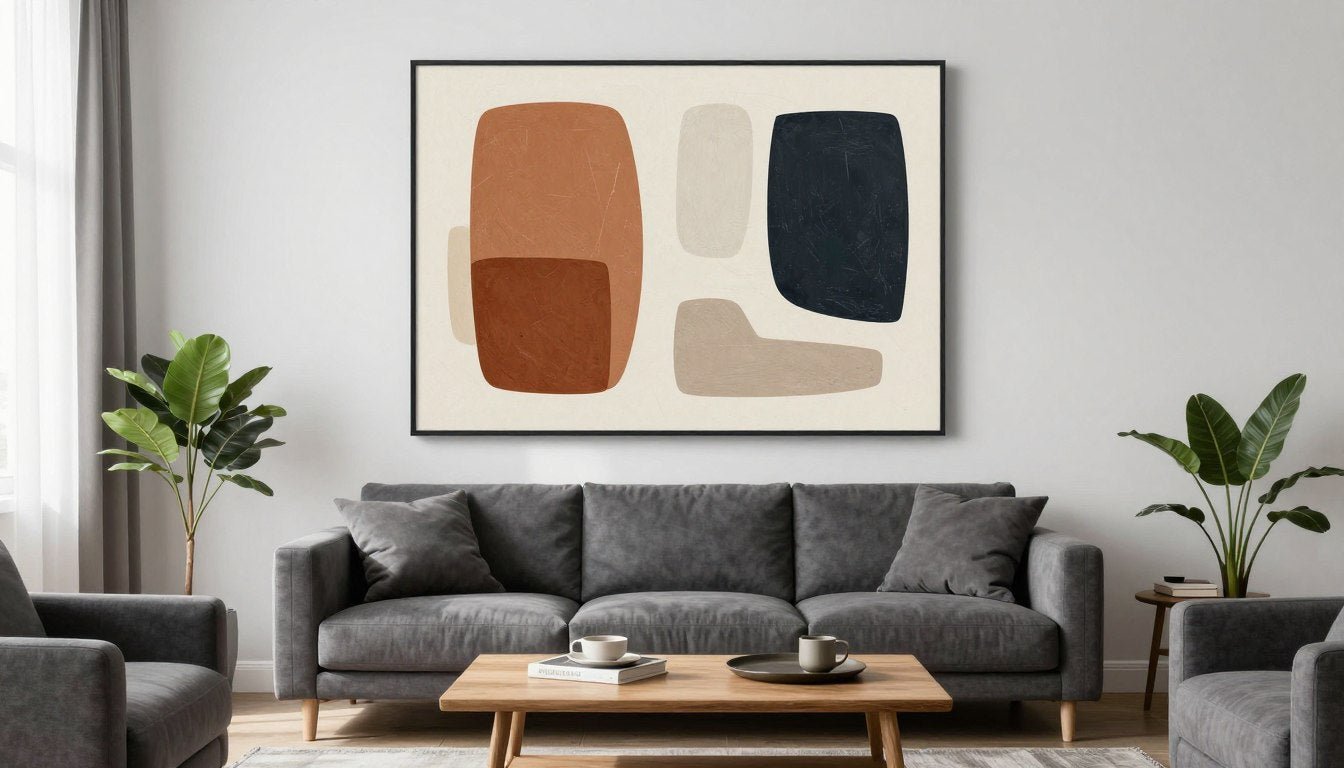
Your living room is often where you spend the most time and where guests gather. It's the perfect place for statement pieces that reflect your style. Large-scale canvas prints work beautifully above sofas, creating a focal point that anchors the room.

Consider the scale of your furniture. A canvas that's too small will look lost above a large sectional. Aim for artwork that spans roughly two-thirds the width of your sofa for balanced proportions.
Multi-panel canvas sets also work wonderfully in living spaces. Triptychs (three-panel pieces) add movement and can span larger wall sections without feeling overwhelming.

Bedroom Wall Art
Bedrooms benefit from calming, personal artwork. This is where you start and end each day, so choose prints that bring you peace or joy. Soft color palettes work well here—think muted tones, gentle abstracts, or nature-inspired prints.

Artwork above the bed should be positioned so the bottom of the canvas sits about 6 to 12 inches above the headboard. This creates visual connection without feeling cramped.
For smaller bedrooms, consider vertical canvas prints. They draw the eye upward, making ceilings feel higher and spaces feel larger.

Dining Room and Kitchen Art
Dining spaces invite sociable, warm artwork. Still life prints, food-themed art, or vibrant abstract pieces work well here. These rooms can handle bolder colors and more playful designs since they're gathering spaces meant for energy and conversation.

In kitchens, canvas prints are practical because they don't require glass that can collect grease or moisture. Place them on walls away from the stove to maintain their quality over time.
Home Office Canvas Prints
Your workspace deserves art that inspires focus and creativity. Geometric prints, cityscape art, or motivational line art pieces can energize your environment without distracting from work.

Position your art where you can see it when you look up from your screen. It becomes a visual break that helps prevent eye strain and mental fatigue.
Hallways and Entryways
These transitional spaces are perfect for gallery walls or a series of smaller prints. Since people typically move through hallways rather than linger, you can be more experimental with your choices.

Entryways set the tone for your entire home. A striking piece here makes an immediate impression. Choose something that reflects your personal style confidently.

Canvas Size and Placement Guidelines
Getting the size and placement right makes the difference between art that elevates your space and art that feels awkward or disconnected. These guidelines help you make confident decisions about where and how to hang your canvas prints.
Standard Canvas Print Sizes
Canvas wall art comes in a range of standard sizes, each suited to different applications and wall spaces.
| Size | Best Use | Ideal Room |
| 12" x 16" | Small accent pieces, gallery walls | Bathrooms, small nooks |
| 16" x 20" | Medium accent art, shelves | Bedrooms, offices |
| 24" x 36" | Large single pieces, above furniture | Living rooms, dining rooms |
| 30" x 40" | Statement art, focal points | Large living rooms, above beds |
| 36" x 48" | Oversized statement pieces | Large walls, open floor plans |

Hanging Height and Eye Level
The standard rule for hanging art is to position the center of the piece at eye level, typically around 57 to 60 inches from the floor. This creates comfortable viewing and makes your space feel professionally designed.

When hanging art above furniture, leave 6 to 12 inches of space between the top of the furniture and the bottom of the canvas. This creates visual connection without crowding.
Creating Gallery Walls
Gallery walls allow you to display multiple canvas prints together in a curated arrangement. Start by laying out your pieces on the floor to experiment with arrangement before putting holes in your wall.

Maintain consistent spacing between pieces—typically 2 to 3 inches works well. This keeps the collection feeling unified rather than scattered. Mix sizes and orientations for visual interest, but maintain a consistent style or color theme to tie everything together.

Gallery Wall Tip: Use paper templates cut to the size of each canvas and tape them to the wall first. This lets you perfect your layout before committing to nail holes.
Proportion and Scale
The relationship between your canvas art and the surrounding space matters greatly. A tiny print on a vast wall will look lost. An oversized piece in a small room can feel overwhelming.
For art above furniture, aim for the canvas to occupy about two-thirds to three-quarters the width of the furniture piece below it. This creates pleasing visual balance.

In open-concept spaces or rooms with high ceilings, don't be afraid to go large. Oversized art makes a bold statement and helps fill vertical space that might otherwise feel empty.

Lighting Your Canvas Art
Proper lighting brings your canvas prints to life. Natural light works beautifully, but be mindful of direct sunlight which can cause fading over time even with UV-resistant inks.
Picture lights mounted above your canvas create museum-quality illumination. Alternatively, track lighting or strategically placed wall sconces can highlight your art effectively.

Avoid placing canvas art directly across from windows where glare might obscure the image. Side lighting or angled placement works better in bright rooms.

Frequently Asked Questions About Canvas Wall Art
Q: How do I clean canvas wall art?
A: Dust your canvas prints gently with a soft, dry microfiber cloth every few months. For more stubborn dirt, very lightly dampen the cloth with water—never use cleaning chemicals or spray directly on the canvas. Always blot rather than rub to avoid damaging the print surface. Quality canvas prints with archival inks are remarkably durable, but gentle care keeps them looking their best for years.
Q: Can canvas prints get wet or be hung in bathrooms?
A: Canvas prints can tolerate some humidity, making them suitable for bathrooms if properly positioned. Hang them away from direct water spray and ensure your bathroom has adequate ventilation to prevent moisture buildup. UV-resistant and archival inks provide some protection against humidity-related fading. For high-moisture areas like directly above bathtubs, sealed canvas or alternative art materials may be more appropriate for long-term durability.
Q: What's the difference between canvas prints and framed prints?
A: Canvas prints are printed on fabric stretched over a wooden frame and don't require glass, creating a textured, three-dimensional appearance. Framed prints are typically paper-based artwork placed behind glass in a decorative frame. Canvas offers a more casual, contemporary gallery feel with no glare, while framed prints provide a more traditional, formal presentation. Canvas tends to work better in modern spaces and doesn't reflect light, making it ideal for bright rooms.
Q: How long do canvas prints last?
A: High-quality canvas prints made with archival inks can last 100 years or more when properly cared for. The key factors affecting longevity include ink quality (pigment-based archival inks last longest), UV protection, canvas material, and environmental conditions. Keep your prints out of direct sunlight, away from extreme humidity, and dust them regularly. Gallery-quality prints from reputable sources like Rossetti Art use materials specifically chosen for their archival properties and resistance to fading.
Q: Do I need to frame a canvas print?
A: Canvas prints are designed to be displayed without additional framing. The printed image wraps around the edges in a gallery-wrap style, creating a finished look ready to hang. However, some people prefer adding a floater frame (like an oak floater frame) for a more polished, gallery appearance. This is purely aesthetic preference—the canvas is complete and protected without a frame. Floater frames create a shadow gap between the canvas and frame, making the artwork appear to float.
Q: What size canvas print should I choose for above my sofa?
A: A canvas print above a sofa should be approximately two-thirds to three-quarters the width of the sofa for balanced proportions. For a standard three-seater sofa (around 84 inches wide), consider a canvas between 56 to 63 inches wide. Leave 6 to 12 inches of space between the top of the sofa and the bottom of the canvas. Alternatively, you can use a multi-panel canvas set or a grouping of smaller prints that collectively achieve this width ratio. When in doubt, go slightly larger rather than smaller—undersized art can look lost on a large wall.

Transform Your Space with Thoughtful Canvas Art
The right canvas wall art does more than fill empty walls. It tells your story, sets the mood in your home, and creates spaces you genuinely love spending time in. Whether you're drawn to minimalist line art, vibrant abstract prints, or serene botanical scenes, there's canvas artwork that speaks to your style.
Quality matters when choosing prints for your home. Hand-stretched canvas, archival inks, and attention to detail in framing ensure your art looks beautiful now and years from now.

Take time to consider scale, placement, and how each piece makes you feel. Your walls are waiting for art that makes your house feel like home.
Explore our Canvas Prints collection to find pieces that transform your space with style and substance.

About the Author
Chiara Rossetti
Chiara Rossetti is the founder of Rossetti Art, a canvas print and original art brand. She writes about interior design, wall art styling, and the art of making a home feel alive.


Leave a comment
This site is protected by hCaptcha and the hCaptcha Privacy Policy and Terms of Service apply.