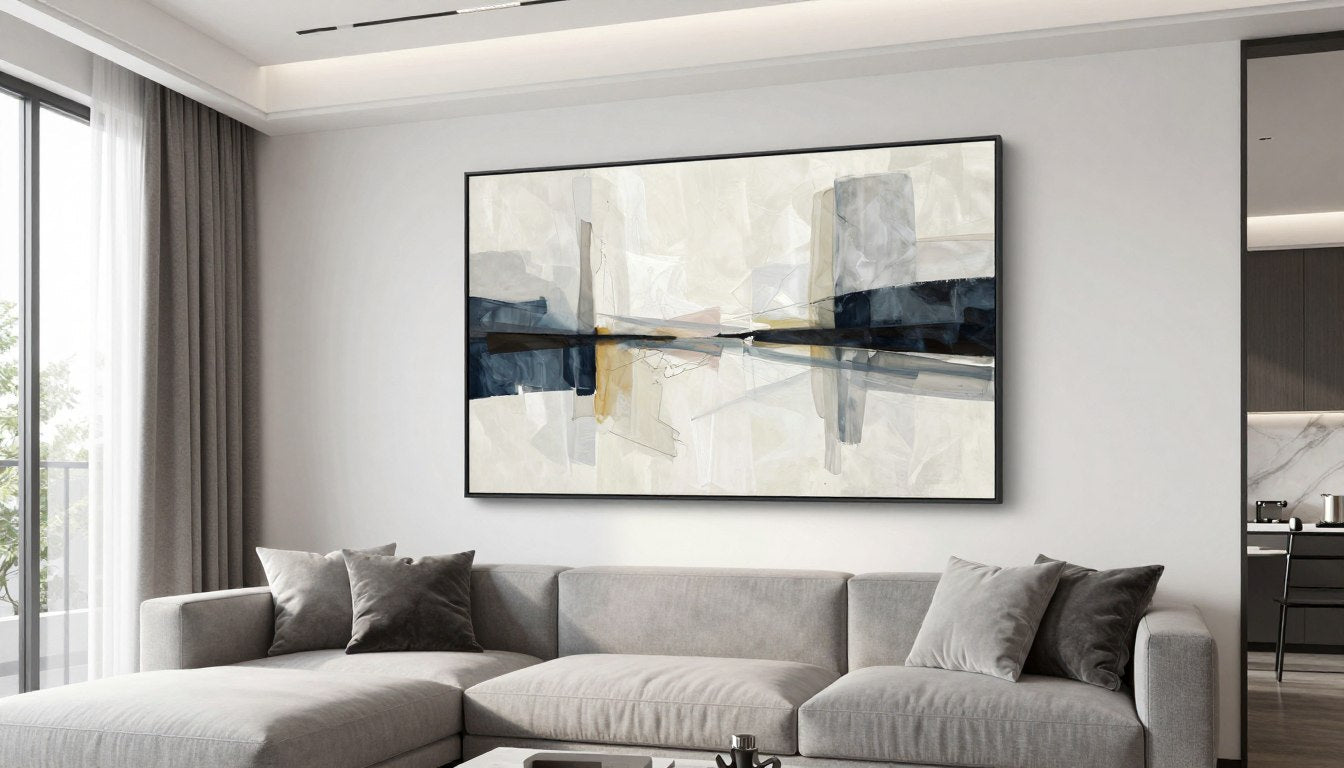

Buying canvas art online can feel overwhelming. You face hundreds of options with varying prices and quality claims. The wrong choice means wasted money and disappointing wall art.
This guide cuts through the confusion. You'll learn what separates premium canvas prints from mass-produced alternatives. We cover print quality, canvas materials, sizing strategies, and common purchasing mistakes.
By the end, you'll confidently order canvas art that transforms your space and lasts for years.
Understanding Print Quality: What Actually Makes a Difference

Print quality determines whether your canvas art looks professional or cheap. The difference comes down to three critical factors.
Resolution and Image Clarity
Premium canvas prints use high-resolution images with at least 300 DPI. This ensures sharp details even on large prints. Lower resolution creates pixelation and blurriness.
Mass-produced prints often use compressed images. You'll notice fuzzy edges and lack of detail. Professional printers verify image quality before printing.

Ink Types and Color Accuracy
Two ink types dominate canvas printing. Pigment-based inks offer superior longevity and fade resistance. Dye-based inks provide vibrant colors but fade faster.
The highest quality canvas prints use archival pigment inks. These inks resist fading for decades. They maintain color accuracy under various lighting conditions.
Cheap prints use inferior dye inks that fade within months. UV exposure accelerates this degradation. Your artwork loses vibrancy and becomes washed out.

Printing Technology
Giclée printing represents the gold standard for canvas art. This process uses specialized inkjet technology with multiple ink cartridges. The result delivers museum-quality reproductions.
Standard digital printing cannot match this quality. Colors appear flat and lack depth. Giclée printing creates rich tonal variations and accurate color reproduction.
When you buy canvas art prints online, ask about the printing method. Premium providers specify giclée or archival printing processes.
Discover Museum-Quality Canvas Prints
Rossetti Art uses professional giclée printing with UV- and fade-resistant HP latex inks. Every canvas print meets gallery standards for color accuracy and longevity.
Canvas Material Types: Choosing the Right Foundation

Canvas material impacts durability, appearance, and price. Three main types dominate the market.
Cotton Canvas
Pure cotton canvas delivers superior quality and longevity. The natural fibers create an authentic art texture. Professional artists prefer cotton for its archival properties.
Cotton canvas accepts ink beautifully. Colors appear rich and vibrant. The material resists cracking and maintains flexibility over time.
Premium cotton canvas costs more but justifies the investment. Your artwork retains its quality for decades. This material choice separates premium from budget options.

Polyester Canvas
Polyester offers a budget-friendly alternative. This synthetic material provides consistent texture and lower costs. However, it lacks the authentic feel of cotton.
Polyester canvas works for temporary displays or frequently changed artwork. The material resists moisture better than cotton. It suits high-humidity environments.
Quality concerns arise with pure polyester. The synthetic appearance diminishes the premium feel. Colors may not render as accurately compared to cotton.
Cotton-Polyester Blends
Blended canvas combines both materials. Common ratios include 65% cotton and 35% polyester. This compromise balances quality and affordability.
Blends offer improved durability over pure cotton. They resist warping and maintain tension better. The polyester component adds strength to the cotton base.
Consider blends for high-traffic spaces or commercial applications. Residential buyers seeking premium quality should choose pure cotton canvas.

Premium Cotton Benefits
- Authentic art gallery texture
- Superior ink absorption
- Long-term durability
- Maintains flexibility
- Archival quality standards
Polyester Considerations
- Lower cost option
- Moisture resistant
- Consistent texture
- Less authentic appearance
- Shorter lifespan
Rossetti Art exclusively uses premium cotton canvas for authentic gallery quality. This material choice ensures your framed wall art maintains its beauty for years.
Framing and Mounting Options Explained

How you frame or mount your canvas dramatically affects the final appearance. Multiple options suit different aesthetic preferences.
Gallery Wrap (Image Wrap)
Gallery wrap extends your image around the canvas edges. The artwork wraps around a wooden frame. No additional framing is needed.
This modern approach creates a clean, frameless look. The canvas sides become part of the display. Gallery wrap suits contemporary and minimalist spaces.
Depth options typically range from 0.75 to 2 inches. Deeper frames create more dramatic shadows and dimension. Consider your wall space and viewing distance.

Stretched Canvas with Border
This option maintains a border around your image. The canvas stretches over a frame with neutral-colored edges. The artwork doesn't wrap around sides.
Stretched canvas with borders accommodates future framing. You can add a traditional frame later without cropping the image. This flexibility appeals to many buyers.
Border colors typically include white, black, or matching the dominant image color. Choose based on your wall color and overall design scheme.
Traditional Framed Canvas
Traditional frames add elegance and protection. The canvas is stretched and mounted inside a wooden or metal frame. This approach suits classic and formal spaces.
Frames come in countless styles, colors, and materials. Wood frames offer warmth and traditional appeal. Metal frames provide contemporary sophistication.
Framed options cost more but protect canvas edges. The frame prevents accidental damage and adds structural support. Consider frames for high-value artwork or formal rooms.

Floating Frame
Floating frames create a gap between canvas and frame. The artwork appears to float within the frame boundary. This modern style adds dimension and visual interest.
Floating frames work exceptionally well with gallery-wrapped canvas. The combined effect creates sophisticated depth. This option suits contemporary and transitional interiors.
Frame depth and gap width vary by style. Typical gaps range from 0.25 to 0.5 inches. Deeper gaps create more dramatic shadow effects.
Canvas Size Selection: A Practical Room-by-Room Guide

Choosing the right size prevents the most common canvas art mistakes. Too small looks insignificant. Too large overwhelms the space.
The Two-Thirds Rule
Your canvas should occupy approximately two-thirds of the furniture width below it. For a 90-inch sofa, choose canvas art between 54 and 72 inches wide.
This proportion creates visual balance. The artwork anchors the furniture without overpowering it. Apply this rule to beds, consoles, and dining tables.

Wall Space Considerations
Leave breathing room around your canvas. Minimum spacing of 6 to 12 inches from furniture tops works best. Allow at least 4 to 8 inches from ceiling and adjacent walls.
Large walls accommodate multiple pieces or oversized single canvas. Group smaller prints into gallery walls for maximum impact. Maintain consistent spacing between multiple pieces.
Viewing Distance
Consider where viewers typically stand or sit. Larger rooms allow bigger canvas prints. Intimate spaces require smaller, appropriately scaled artwork.
For living rooms, viewers typically sit 8 to 12 feet from walls. This distance accommodates canvas prints 40 to 80 inches wide. Hallways need smaller dimensions due to closer viewing.
| Room Type | Wall Space | Recommended Canvas Size | Best Orientation |
| Living Room (above sofa) | Large wall, 8-10 ft | 54" - 72" wide | Horizontal landscape |
| Bedroom (above bed) | Medium wall, 6-8 ft | 36" - 54" wide | Horizontal landscape |
| Dining Room | Varies by table size | 40" - 60" wide | Horizontal or square |
| Hallway | Narrow wall, 3-4 ft | 16" - 24" wide | Vertical portrait |
| Home Office | Medium wall, 5-7 ft | 30" - 48" wide | Horizontal landscape |
| Entryway | Small to medium | 24" - 36" wide | Vertical or square |
Multiple Panel Considerations
Multi-panel canvas prints (diptychs, triptychs) require different calculations. Include gaps between panels in your total width measurement. Standard gaps measure 2 to 3 inches.
Three-panel sets work beautifully above sofas and beds. The separate pieces create visual rhythm and modern appeal. Ensure total width still follows the two-thirds rule.

Living Room Canvas Art

Transform your living space with perfectly sized canvas prints. Choose horizontal orientations for above-sofa placement or create gallery walls for added visual interest.
Bedroom Canvas Prints

Create a restful sanctuary with thoughtfully sized bedroom canvas art. Select calming imagery and proportions that complement your bed dimensions and personal style.
Common Mistakes When Ordering Canvas Prints Online

Avoiding these mistakes saves money and disappointment. Learn from common buyer errors.
Ignoring Image Resolution Requirements
Low-resolution photos create pixelated prints. Your smartphone photo might look sharp on screen but fails when printed large.
Always verify image resolution before ordering. Reputable sellers provide resolution guidelines for each size. They may reject images that won't print well.
For custom photo prints, use the highest quality original files. Avoid downloading compressed images from social media. These files lack sufficient detail for quality canvas prints.

Choosing Wrong Size Without Measuring
Many buyers guess at sizes without measuring their wall space. This leads to returns and frustration. Canvas arrives too large or disappointingly small.
Always measure your wall and furniture before ordering. Use painter's tape to mark canvas dimensions on your wall. This visualization prevents sizing mistakes.
Consider ceiling height and room proportions. Standard 8-foot ceilings accommodate different sizes than 10-foot ceilings. Room dimensions matter more than you think.
Neglecting Color Calibration
Colors on your monitor don't always match printed results. Screen brightness and color settings vary significantly. Your canvas may arrive with different tones than expected.
Professional printers use color-calibrated monitors and proofing processes. They ensure accurate color reproduction. Budget providers skip these quality controls.
Request color proofs for critical projects. Some premium sellers offer physical samples or digital proofs before printing. This extra step prevents color disappointment.

Overlooking Shipping and Packaging
Canvas prints require careful packaging for safe delivery. Cheap sellers use inadequate protection. Your artwork arrives damaged with bent corners or punctures.
Premium providers use reinforced corners, moisture protection, and sturdy boxes. They understand artwork vulnerability during shipping. This attention to packaging preserves your investment.
Check seller reviews specifically mentioning packaging quality. Damaged delivery ruins even the highest quality canvas art. Proper packaging matters as much as print quality.
Falling for Unrealistic Pricing
Extremely low prices signal quality compromises. You cannot produce museum-quality canvas prints at bargain prices. Materials and processes cost money.
Budget prints use inferior canvas, cheap inks, and rushed production. They fade quickly and look cheap from the start. True quality requires appropriate pricing.
Compare prices across multiple premium sellers. Legitimate quality providers price similarly. Outliers charging significantly less cut corners somewhere in the process.
Red Flags When Buying Canvas Art Online
- No information about ink types or printing process
- Vague canvas material descriptions
- Prices significantly below market average
- Limited or no customer reviews
- No satisfaction guarantee or return policy
- Stock photos without actual product images
- Unclear shipping and packaging information
Premium Canvas Prints vs. Mass-Produced: Understanding the Difference

Price differences reflect fundamental quality variations. Understanding these distinctions helps justify premium investment.
Material Quality Differences
Premium canvas uses 100% cotton with tight, consistent weaves. The surface texture appears natural and professional. Mass-produced prints use polyester or low-grade cotton blends.
Touch reveals immediate differences. Premium cotton feels substantial and natural. Cheap polyester feels synthetic and thin. The canvas weight differs significantly.
Stretcher bars matter too. Premium prints use kiln-dried wood that resists warping. Budget options use green wood that warps over time. Your canvas loses tension and sags.

Printing Process Standards
Premium providers use giclée printing with 12-color inkjet systems. This technology reproduces subtle color gradations and tonal variations. The result matches original artwork closely.
Mass producers use 4-color printing with inferior inks. Colors appear flat and lack depth. Fine details blur together. The printing process cannot capture nuanced tones.
Drying and curing processes also differ. Premium prints cure properly before shipping. This prevents smudging and ensures color stability. Rushed production ships prints before inks fully cure.
Longevity and Fade Resistance
Archival pigment inks resist fading for 100+ years when properly displayed. Premium canvas prints maintain their appearance for decades. This longevity justifies higher initial costs.
Budget prints fade within months to a few years. UV exposure accelerates degradation. Colors wash out and lose vibrancy quickly. Your investment disappears faster than you expect.
Professional prints include UV protection coatings. These treatments shield artwork from light damage. Mass-produced prints skip protective coatings to reduce costs.

Quality Control and Craftsmanship
Premium producers inspect each print individually. Color accuracy, proper stretching, and clean edges receive verification. Defective prints don't ship to customers.
Mass production prioritizes volume over quality. Automated processes minimize human inspection. Quality varies significantly between prints. You might receive flawed artwork.
Corner finishing demonstrates craftsmanship differences. Premium prints feature clean, tight corners with proper folding. Budget prints show sloppy corners with visible staples and puckering.
Premium Canvas Print Characteristics
- 100% cotton canvas material
- Giclée printing with archival inks
- 12-color printing systems
- UV protective coatings
- Kiln-dried stretcher bars
- Individual quality inspection
- Hand-stretched and finished
- 100+ year fade resistance
- Proper color calibration
- Museum-quality standards
Mass-Produced Print Characteristics
- Polyester or low-grade canvas
- Standard 4-color printing
- Dye-based inks
- No UV protection
- Green wood stretchers
- Minimal quality control
- Machine-automated process
- Fades within 1-3 years
- Inconsistent color output
- Budget-focused production
Cost Per Year Analysis
Premium canvas prints cost more initially but last decades. A $300 premium print lasting 20+ years costs $15 annually. Budget $50 prints lasting 2 years cost $25 annually.
Factor in replacement costs and disappointment. Premium prints deliver better long-term value. Quality canvas art becomes a lasting investment in your space.
Consider also the daily enjoyment factor. Premium prints provide consistent visual pleasure. Faded, poor-quality prints diminish your space and satisfaction.
Experience Premium Canvas Art Quality
Rossetti Art specializes in museum-quality canvas prints using archival materials and professional giclée printing. Every piece meets strict quality standards for longevity and color accuracy. Discover why discerning buyers choose premium craftsmanship over mass-produced alternatives.
Caring for Your Canvas Art Investment

Proper care extends canvas print lifespan significantly. Simple maintenance practices protect your investment.
Placement and Environmental Factors
Avoid direct sunlight exposure. UV rays fade even archival inks over time. Position canvas art away from windows or use UV-filtering window treatments.
Humidity affects canvas tension and stability. Extreme humidity causes sagging and potential mold growth. Maintain consistent indoor humidity between 40-60%.
Temperature fluctuations also impact canvas prints. Avoid placement near heating vents, fireplaces, or air conditioning units. Stable temperatures preserve canvas integrity.

Cleaning and Maintenance
Dust canvas prints regularly with soft, dry cloths. Microfiber dusters work excellently. Avoid feather dusters that can scratch surfaces.
Never use water or cleaning solutions on canvas. Moisture damages both canvas and inks. For stubborn dirt, consult professional art restorers.
Inspect stretcher bar tension annually. Canvas may loosen over time. Professional framers can re-stretch canvas to restore proper tension.
Long-Term Storage
Store canvas prints in climate-controlled spaces. Wrap in acid-free paper and store flat when possible. Never store canvas in damp basements or hot attics.
Protect from pests by inspecting storage areas regularly. Moths and insects can damage natural canvas fibers. Use appropriate pest deterrents in storage spaces.
What to Expect When Ordering Canvas Print Online

Understanding the ordering and delivery process helps set realistic expectations. Quality providers follow specific procedures.
Production Timeline
Custom canvas prints require production time. Premium providers typically need 3-7 business days for printing and stretching. Rush services may cost extra.
Mass producers offer faster turnaround but sacrifice quality. Proper curing, stretching, and inspection cannot be rushed. Quality requires appropriate production time.
Shipping adds additional days based on your location. Factor in production plus shipping time when planning. Order early for specific deadlines or events.
Delivery and Packaging
Premium canvas prints arrive in reinforced packaging. Expect corner protectors, moisture barriers, and sturdy outer boxes. This protection prevents shipping damage.
Inspect packaging for damage before signing delivery confirmation. Photograph any exterior damage immediately. This documentation helps with insurance claims if needed.
Unbox carefully and inspect your canvas upon arrival. Check for color accuracy, proper stretching, and corner quality. Most premium sellers offer satisfaction guarantees.

Returns and Satisfaction Guarantees
Reputable sellers stand behind their quality with satisfaction guarantees. Return windows typically range from 30-60 days. Review return policies before ordering.
Understand return conditions and who pays return shipping. Premium providers often cover return shipping for quality issues. Customer preference returns may require you to cover shipping.
Document any quality concerns with photographs. Contact customer service promptly. Professional companies address concerns quickly and fairly.
Making Your Canvas Art Decision

Choosing canvas art online requires attention to quality indicators. Print resolution, canvas materials, and framing options all impact your final satisfaction.
Remember the two-thirds sizing rule for proper proportions. Measure carefully before ordering. Consider viewing distances and room dimensions in your decision.
Avoid common mistakes by verifying image resolution requirements. Don't fall for unrealistic pricing that signals compromised quality. Premium materials and processes require appropriate investment.
The difference between premium and mass-produced prints becomes obvious over time. Archival materials and professional printing ensure decades of enjoyment. Budget prints fade quickly and disappoint.
Your canvas art should enhance your space and bring daily joy. Quality prints accomplish this goal. Poor-quality alternatives create frustration and require replacement.
Choose Rossetti Art for Premium Canvas Prints
Rossetti Art delivers museum-quality canvas art using archival materials, professional giclée printing, and meticulous quality control. Every print features artist-grade Fredrix poly-cotton canvas, fade-resistant pigment inks, and hand-stretched craftsmanship. Our collections span diverse styles perfect for any room. Experience the difference that premium quality makes in your space. Browse our curated collections and discover canvas art that lasts a lifetime.

Leave a comment
This site is protected by hCaptcha and the hCaptcha Privacy Policy and Terms of Service apply.