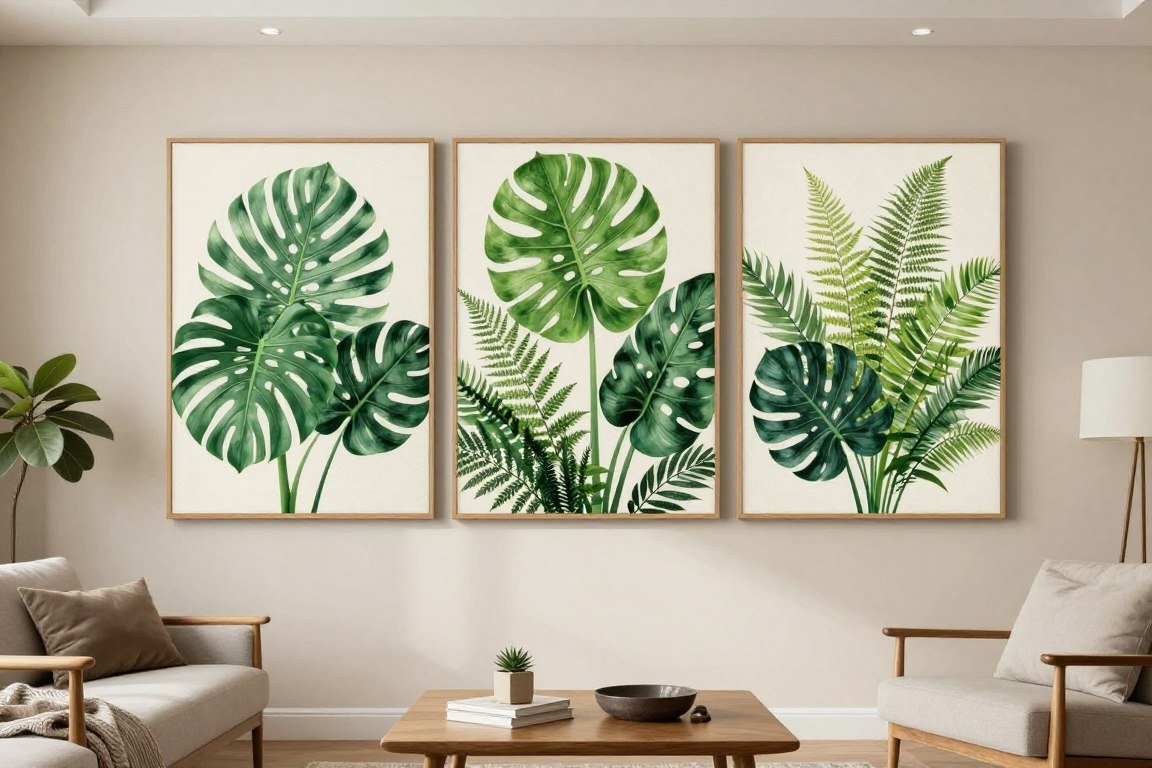
There's something quietly powerful about bringing nature indoors through art. Botanical wall art decor transforms blank walls into living, breathing spaces that connect us to the organic world outside our windows.
Whether you're drawn to vintage pressed flower prints or modern abstract leaves, botanical art offers endless possibilities for personal expression.


What Is Botanical Wall Art and Why It Matters
Botanical wall art decor encompasses any artistic representation of plants, flowers, leaves, or nature elements designed for wall display. This includes vintage scientific illustrations, modern photography, abstract interpretations, and pressed botanical specimens. These pieces serve both aesthetic and psychological purposes in contemporary homes.
The rise of botanical art isn't just a passing trend. Research shows that nature imagery reduces stress and improves mood even when we can't access outdoor spaces directly.

When you choose gallery-quality canvas prints from Rossetti Art, you're investing in pieces that bridge the gap between urban living and natural environments.
Botanical prints work across virtually every design style. A pressed fern print complements minimalist spaces with its clean lines. Lush tropical leaves energize bohemian interiors.

Vintage floral illustrations add romantic charm to traditional rooms. The versatility stems from botany's universal visual language.

Modern Botanical Style
Clean lines and abstract interpretations define contemporary botanical art. These pieces use simplified forms and neutral palettes.

Vintage Botanical Style
Historic scientific illustrations and pressed specimens create timeless elegance. These works reference centuries of botanical documentation.
The beauty of botanical decor lies in its adaptability. You can start with a single statement piece or build an entire gallery wall collection over time.

Choosing Botanical Prints for Your Space
Selecting the right botanical wall art starts with understanding your room's existing character. Consider the color palette already present in your furniture, textiles, and architectural details.

A room dominated by cool grays and blues benefits from prints featuring silver-green eucalyptus or blue-toned hydrangeas. Warm spaces with terracotta and cream tones pair beautifully with golden botanical prints or autumn leaves.

Size matters more than many realize. A common mistake involves choosing prints that are too small for the wall space. As a general rule, art should occupy roughly two-thirds to three-quarters of the available wall width.

For walls above sofas or beds, aim for pieces that span at least half the furniture width. Large canvas prints create dramatic focal points that anchor entire rooms.
Pro Tip: When working with vintage botanical prints, group smaller pieces in odd numbers (three, five, or seven) for visual balance. This creates impact without requiring oversized individual prints.

Think about the mood you want to create. Delicate watercolor florals evoke softness and romance. Bold tropical leaves suggest energy and vitality.

Black and white botanical photography delivers sophisticated minimalism. Each style speaks a different visual language that should align with your space's emotional intention.


Color Coordination
Match your botanical art to existing elements in the room. If you have green throw pillows, select prints with similar foliage tones to create visual harmony.

Frame Selection
The frame should complement your furniture finishes. Oak floater frames pair with natural wood pieces, while pine wood frames suit lighter Scandinavian aesthetics.
Don't overlook the power of botanical prints in unexpected spaces. Bathrooms become spa-like retreats with moisture-loving fern prints. Home offices gain tranquility through calming leaf patterns.

Styling Botanical Art in Modern Homes
Creating an impactful botanical display requires more than hanging a print on the wall. The arrangement, spacing, and supporting elements determine whether your art becomes a focal point or fades into the background.

Start with your largest piece and build around it. This anchor print should be positioned at eye level, typically with its center point 57 to 60 inches from the floor.
Gallery walls offer creative freedom, but they demand planning. Lay out your arrangement on the floor first or use paper templates on the wall before committing to nail holes.

Maintain consistent spacing between frames, usually two to three inches works well. Too much space fragments the collection, while too little creates visual clutter.
Styling Secret: Create depth by mixing framed botanical art with three-dimensional elements like floating shelves holding small plants or botanical specimens. This layered approach adds sophistication to flat wall displays.

Lighting transforms botanical art from pleasant to extraordinary. Picture lights or adjustable track lighting bring out details in vintage prints and add drama to modern pieces.

Natural daylight works beautifully too, but ensure your prints use archival inks and UV-resistant materials to prevent fading. Quality matters when preserving your investment.
Consider the rhythm of your space when placing multiple botanical prints. In hallways, evenly spaced identical prints create pleasing repetition. In living areas, varied sizes and subjects generate visual interest.


Statement Piece Approach
One large botanical print commands attention and anchors the entire room design. This works perfectly above sofas, beds, or dining tables.

Symmetrical Pairs
Matching botanical prints on either side of a window, fireplace, or bed create formal balance. This classical approach suits traditional and transitional spaces.

Collected Gallery
Mix vintage and modern botanical pieces in varying sizes for an organic, collected-over-time feel. This approach suits bohemian and eclectic interiors.
The space around your art matters as much as the art itself. Avoid overcrowding walls with furniture or decor that competes for attention. Let your botanical prints breathe.

When styling shelves near botanical art, echo the natural theme with organic objects. Wooden bowls, stone vessels, or dried flowers reinforce the connection to nature that inspired the prints.

📐 Not sure what size to choose? Use our free Wall Art Size Calculator → https://rossettiart.com/blogs/news/wall-art-size-calculator
Quality Matters: Canvas vs Paper Prints
The medium you choose for botanical wall art dramatically affects both appearance and longevity. Understanding the differences helps you make informed decisions that match your aesthetic goals and practical needs.

Canvas prints offer dimensional texture that adds depth to botanical images. The woven surface catches light differently throughout the day, creating subtle visual interest.
Hand-stretched canvas from Rossetti Art wraps around wooden frames, eliminating the need for additional framing. This gallery-wrapped style delivers a contemporary, finished look straight out of the box.

Paper prints require matting and framing, which adds cost but provides traditional elegance. The smooth surface showcases fine details in vintage botanical illustrations exceptionally well.

For high-moisture environments like bathrooms or kitchens, canvas proves more practical than paper. The material resists humidity better, though both benefit from UV-resistant treatments.

Canvas Benefits
- Durable for high-traffic areas
- No glass means no glare
- Lightweight and easy to hang
- Modern frameless aesthetic
- Texture adds visual depth

Paper Benefits
- Showcases fine detail
- Traditional fine art feel
- Archive-quality papers available
- Classic framed presentation
- Ideal for vintage prints
Quality inks separate temporary decor from lasting art. Archival inks resist fading for decades when properly cared for. Cheap prints lose vibrancy within months, especially in sunny rooms.

Gallery-quality materials justify their cost through longevity. A well-made botanical canvas print becomes part of your home's permanent collection rather than disposable decor requiring frequent replacement.

Avoid This Mistake: Don't sacrifice quality to save money on large prints. A faded, warped poster damages your interior design more than blank wall space. Invest in made-to-order pieces using professional materials.
Consider how your botanical art will age. Canvas tends to develop a pleasant patina over time, while paper behind glass maintains its original appearance longer with proper care.

The weight of the piece matters for installation. Canvas prints generally weigh less than framed paper prints of the same size, making them easier to hang and safer for plaster walls.

Think about your commitment level. If you like changing your decor frequently, canvas prints offer easier rotation. Their frameless construction means you can swap them seasonally without frame coordination hassles.

For collectors building a cohesive botanical gallery wall, mixing canvas and paper prints can work if you establish a unifying element. Consistent frame colors or mat styles bridge the different mediums successfully.

Frequently Asked Questions About Botanical Wall Art Decor
Q: What is botanical wall art?
A: Botanical wall art refers to any artistic representation of plants, flowers, leaves, seeds, or other natural elements designed for wall display. This category includes vintage scientific illustrations, modern photography, pressed specimens, watercolor paintings, and digital prints. The art celebrates nature's forms through various mediums and styles, from realistic botanical drawings to abstract interpretations of plant life.
Q: How do I choose the right size botanical print for my wall?
A: Select prints that fill approximately two-thirds to three-quarters of your available wall width. For walls above furniture like sofas or beds, your art should span at least half the furniture's width. A 60-inch sofa works well with a 30 to 40-inch wide print or gallery wall arrangement. Use our Wall Art Size Calculator at Rossetti Art to get precise recommendations based on your specific wall dimensions and furniture measurements.
Q: Where should I hang botanical art in my home?
A: Botanical prints work beautifully in virtually every room. Living rooms benefit from large statement pieces above sofas. Bedrooms become serene retreats with calming leaf prints above the bed. Bathrooms transform into spa-like spaces with moisture-loving fern or eucalyptus art. Dining rooms gain sophistication with vintage floral illustrations. Home offices improve focus with nature-inspired prints. Hallways come alive with gallery wall collections of botanical specimens.
Q: Should I choose canvas or framed paper prints for botanical art?
A: Canvas prints offer a modern, gallery-wrapped look without additional framing costs. They're durable, lightweight, and work well in high-traffic or humid spaces. Hand-stretched canvas adds dimensional texture that enhances botanical images. Framed paper prints provide traditional elegance ideal for showcasing fine details in vintage botanical illustrations. Choose canvas for contemporary spaces and practical durability, or select paper prints for classic formal presentation and archival collecting.
Q: How do I prevent my botanical prints from fading?
A: Invest in gallery-quality prints made with archival inks and UV-resistant materials. Position prints away from direct sunlight when possible, or use window treatments to filter harsh rays. Canvas prints naturally resist fading better than unprotected paper. For framed prints, use UV-protective glass or acrylic. Quality matters significantly, cheap prints fade regardless of placement. Rossetti Art uses archival inks designed for decades of vibrant color when properly cared for.
Q: Can I mix different botanical print styles together?
A: Yes, mixing vintage and modern botanical styles creates visual interest and personality. Establish a unifying element to maintain cohesion, such as consistent frame colors, similar color palettes across prints, or matching mat styles. Vary sizes but maintain balanced proportions. A gallery wall might combine vintage pressed flower prints with contemporary leaf photography if unified by black frames and neutral tones. The key is intentional curation rather than random collection.

Botanical wall art decor brings the restorative power of nature into your daily environment. Whether you choose a single dramatic canvas or build a curated gallery collection, these pieces transform houses into homes with personality and warmth.
The right botanical print speaks to your unique aesthetic while creating spaces that feel both grounded and inspiring. Start with pieces that genuinely move you, trust your instincts about scale and placement, and invest in quality that endures.

Explore our Canvas Prints collection to discover botanical art that will transform your walls into living, breathing expressions of nature's beauty.
Ready to Bring Nature Home?
Discover gallery-quality botanical canvas prints made with archival inks and hand-stretched on premium frames. Each piece is made to order and designed to last for generations.


Leave a comment
This site is protected by hCaptcha and the hCaptcha Privacy Policy and Terms of Service apply.