
The biophilic design movement connects us to nature within our built environments, enhancing wellbeing and creating spaces that feel alive. But contrary to popular belief, it's not about turning your home into an indoor jungle. Instead, it's a thoughtful approach that brings the essence of nature indoors through a balanced combination of materials, plants, and art. This guide will show you how to create a biophilic space that feels both sophisticated and nurturing—without overwhelming your rooms.

Quick Answer (Biophilic Design in 60 Seconds)
Biophilic design is about creating meaningful connections to nature in your home through:
- Natural materials that add warmth and texture (wood, stone, clay, linen)
- Living greenery strategically placed for impact without overwhelm
- Nature-referencing art that creates visual connections to the natural world
The key is balance—not filling every surface, but creating thoughtful moments that remind us of our connection to the natural world.
What Is Biophilic Design (and what it isn't)
Biophilic design stems from the concept of "biophilia"—our innate human connection to nature. Pioneered by biologist Edward O. Wilson in the 1980s, it recognizes that humans have evolved with nature for 99% of our history, making our connection to natural elements essential for wellbeing.
In interior design, biophilic principles create spaces that satisfy our biological need for nature connection, even when we're indoors. Research shows these environments can reduce stress, improve cognitive function, and enhance creativity—explaining why tech companies like Apple and Amazon have embraced biophilic workspaces.

Biophilic vs "plant-styling": why materials + light matter too
A common misconception is that biophilic design simply means adding lots of houseplants. While plants are important, true biophilic design is more holistic, incorporating:
What biophilic design IS:
- A thoughtful balance of natural materials, living elements, and nature-inspired forms
- Strategic use of natural light and air circulation
- Creating meaningful connections to nature through multiple senses
- Incorporating organic patterns, shapes, and textures
What biophilic design IS NOT:
- Simply filling spaces with as many plants as possible
- Cluttered surfaces with random natural objects
- Literal nature themes that feel like a themed restaurant
- Ignoring the importance of natural light and ventilation
The most successful biophilic spaces create a subtle dialogue between natural elements rather than overwhelming the senses. Let's explore how to achieve this balance.
Pillar 1 — Natural Materials That Instantly Read "Biophilic"
Natural materials form the foundation of biophilic design, creating immediate sensory connections to the natural world through texture, warmth, and visual interest.

Wood, stone, clay, linen, rattan (and how to use each without clutter)
| Material | Biophilic Quality | Best Uses | Styling Tip |
| Wood | Warmth, grain patterns, connection to trees | Furniture, flooring, accent walls, shelving | Mix wood tones but keep within the same temperature family (warm or cool) |
| Stone | Grounding, textural, connection to earth | Coffee tables, countertops, decorative objects | Use as an accent rather than dominant element to avoid coldness |
| Clay | Earthy, organic, handcrafted feel | Vases, planters, decorative vessels, tableware | Embrace imperfection—irregular shapes create visual interest |
| Linen | Tactile, natural fiber, breathable | Upholstery, curtains, bedding, throw pillows | Layer with other natural textiles in complementary tones |
| Rattan/Wicker | Woven texture, visual pattern, lightweight | Lighting, accent chairs, baskets, room dividers | Use as statement pieces rather than multiple small accents |
When incorporating these materials, consider how they interact with your existing space. For a comprehensive guide to incorporating natural textures in your home, check out our abstract floral canvas wall art guide, which explores how botanical art complements these materials.
The "texture > stuff" rule
The most effective biophilic spaces prioritize texture over quantity. Rather than accumulating numerous small natural objects, focus on fewer, more impactful pieces with rich textural qualities:
- Choose one statement wooden piece with visible grain over multiple small wooden objects
- Opt for a single textural wall hanging rather than several smaller decorative items
- Select upholstery with natural fibers and visible texture rather than synthetic smoothness
- Incorporate one dramatic stone element rather than scattered stone accessories

This approach creates a more sophisticated, intentional look while still providing the sensory richness that makes biophilic design so effective.
Pillar 2 — Greenery That Looks Intentional (Not Random)
Living plants are perhaps the most direct connection to nature in biophilic design. However, the key difference between sophisticated biophilic spaces and cluttered "plant-styling" lies in strategic placement and thoughtful selection.

Choose a plant strategy: one statement plant + 2 supporting greens
Rather than scattering many small plants throughout your space, consider this formula for more impactful greenery:
The Statement Plant

Choose one large, dramatic plant as your room's green focal point. Position it where it receives proper light and can be fully appreciated, typically in a corner or beside a window.
Examples: Fiddle leaf fig, bird of paradise, large monstera, olive tree
The Supporting Cast

Add 1-2 medium-sized plants in complementary positions to create depth and rhythm. These should enhance your statement plant rather than compete with it.
Examples: Snake plants, ZZ plants, pothos, philodendrons
The Accent Green

Include one small plant or succulent arrangement as a delicate accent on a coffee table, shelf, or desk. This adds a touch of life without overwhelming the space.
Examples: Succulents, air plants, small ferns, mini orchids
Where plants work best: entry, living room corners, beside windows
Strategic placement is crucial for both plant health and visual impact. Consider these prime locations:
- Entryway: A statement plant creates an immediate biophilic welcome
- Living room corners: Large plants fill awkward empty corners while adding height
- Beside windows: Natural light benefits both plants and creates beautiful shadow play
- On shelving: Small trailing plants soften hard edges of bookcases
- Bathroom: Humidity-loving plants thrive while adding life to utilitarian spaces

Remember that proper lighting is essential not just for plant health but for the overall biophilic effect. Position plants where they can be highlighted by natural light, creating dynamic shadows and movement throughout the day.
Pillar 3 — Botanical Art That Works in Modern Homes
Botanical art provides a powerful way to reinforce nature connections without requiring maintenance or perfect lighting conditions. However, choosing the right style is crucial for a sophisticated biophilic space.

Abstract botanicals vs literal florals (how to choose)
Botanical art spans a spectrum from highly realistic to completely abstract. Your choice should complement your overall aesthetic while reinforcing the biophilic connection:
Abstract Botanical Art
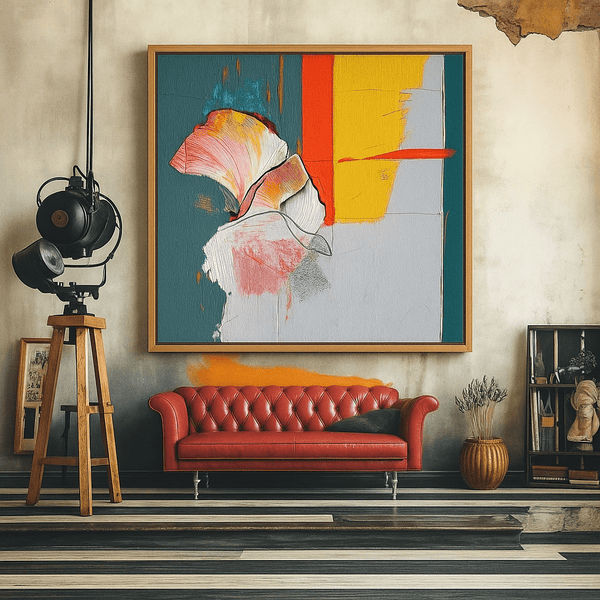
Abstract botanical art suggests natural forms without literal representation. These pieces work exceptionally well in modern, minimalist, and contemporary spaces.
For spaces that already have significant texture or pattern, consider a modern abstract botanical canvas print that complements rather than competes with existing elements.
Modern Floral Art
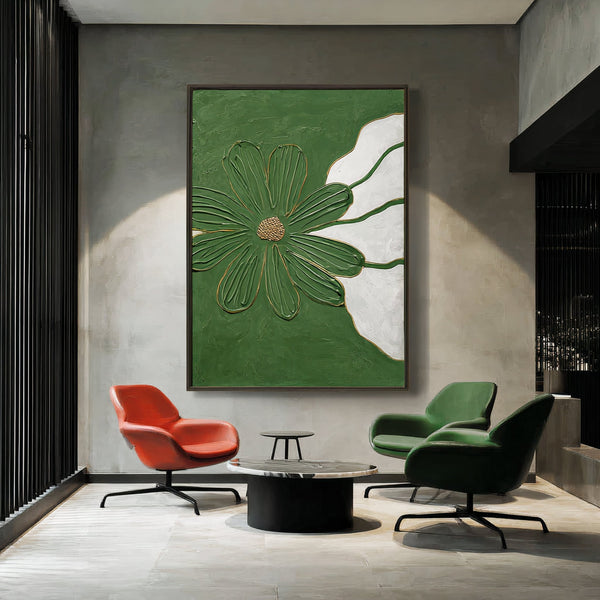
Modern floral art offers recognizable botanical elements with a contemporary twist. These pieces bridge traditional and modern aesthetics.
A green floral abstract painting can add a touch of nature while maintaining a sophisticated, current look that elevates your space.
For more guidance on selecting the perfect botanical art for your space, explore our comprehensive abstract floral canvas wall art guide.
Color harmony: greens + warm neutrals + one accent
The most effective biophilic color palettes mirror what we find in nature—a harmonious blend of greens, warm neutrals, and occasional pops of color:
- Base: Warm neutrals (beige, taupe, ivory, warm gray) create a grounding foundation
- Primary accent: Greens (sage, olive, emerald, forest) connect directly to plant life
- Secondary accent: One additional color (terracotta, rust, dusty blue) adds interest without chaos

When selecting botanical art, look for pieces that incorporate this natural color harmony. For spaces that need more energy, consider a modern floral wall art with green that introduces a complementary accent color while maintaining the biophilic connection.
Placement: over sofa, above console, bedroom calm zone
Strategic art placement reinforces the biophilic effect while creating focal points that draw the eye:
- Above sofa: A large botanical piece or triptych creates a dramatic focal wall
- Entry console: Botanical art paired with a small plant creates an immediate nature connection
- Dining area: Vertical botanical prints add height and reinforce the natural dining experience
- Bedroom: Serene botanical art promotes relaxation and connection to nature
For guidance on selecting properly scaled art for these spaces, our big wall art ideas (scale that feels calm) resource provides valuable insights.
Explore Our Botanical Art Collection
Discover our curated selection of botanical & nature canvas prints designed to bring the essence of nature into your home with sophisticated style.
View CollectionThe Biophilic Finishing Touch: Sculptures & Organic Forms
Beyond plants and botanical art, sculptural elements with organic forms provide another dimension to biophilic design—adding tactile interest and reinforcing natural patterns without requiring maintenance.

Why a single sculptural piece can replace "more décor"
A well-chosen sculpture with organic forms creates a powerful focal point while reducing visual clutter:
- Provides three-dimensional interest that flat décor cannot achieve
- Creates dynamic shadows and interacts with light throughout the day
- Offers tactile engagement with natural forms and materials
- Reduces the need for multiple small accessories
To understand the impact sculptural pieces can have in biophilic design, explore what sculpture artwork is and how it differs from other art forms.
Natural Material Sculptures

Sculptures crafted from wood, stone, or clay connect directly to natural materials while showcasing organic forms. These pieces add warmth and tactile interest to biophilic spaces.
Abstract Organic Forms

Contemporary sculptures with forms inspired by natural patterns—waves, growth patterns, cellular structures—reinforce biophilic connections in a subtle, sophisticated way.
A statement sculpture for an entryway creates an immediate impression while establishing the biophilic theme of your space.
Explore our collection of modern sculptures for home decor to find pieces that complement your biophilic design vision.
Biophilic "Room Formula" Matrix
Use this quick reference guide to implement biophilic design principles in different rooms of your home:
| Room | Natural Material Focus | Greenery Approach | Best Botanical Art Style | Suggested Palette | Sculpture Idea | Avoid This |
| Living Room | Wood + Linen | Statement (corner) + Small accent | Large abstract botanical | Warm neutrals + sage green | Organic wood form on coffee table | Multiple small plants on every surface |
| Bedroom | Linen + Wood | One medium plant near window | Serene, minimal botanical | Soft neutrals + muted green | Small stone form on nightstand | Busy floral patterns that disrupt calm |
| Home Office | Wood + Clay | Desktop plant + shelf trailing plant | Energizing botanical with structure | Neutrals + forest green + terracotta | Abstract desk sculpture in metal or wood | Cluttered plant collection blocking workspace |
| Dining Room | Wood + Stone | Statement plant in corner or centerpiece | Vertical botanical prints in series | Warm wood + olive green | Organic form as table centerpiece | Overwhelming centerpieces that block conversation |
| Bathroom | Stone + Wood | Humidity-loving trailing plant | Water-themed or simple leaf prints | Cool neutrals + blue-green | Stone or ceramic organic vessel | Too many small accessories on limited surfaces |
| Entryway | Wood + Rattan | Statement plant if space allows | Bold, welcoming botanical | Wood tones + emerald green | Vertical sculpture with movement | Crowding the entry path with too many elements |
Common Mistakes (and fast fixes)
Even with the best intentions, biophilic design can go awry. Here are the most common pitfalls and how to avoid them:
Plant Overload

The problem: Too many small plants scattered across surfaces create visual noise rather than calm.
The fix: Replace multiple small plants with one statement plant and 1-2 supporting plants. Group remaining small plants together for impact.
Cold Lighting

The problem: Cool, harsh lighting makes plants look artificial and disrupts the natural feel.
The fix: Layer warm lighting (2700-3000K) with task lighting. Use natural light during the day and ambient lighting at night.
Competing Elements

The problem: Too many competing patterns, colors, and textures create visual chaos.
The fix: Establish a cohesive color palette with greens and neutrals. Allow statement pieces room to breathe with negative space.
Biophilic Design Checklist
Your Biophilic Design Checklist
- Add 1 natural material upgrade per room (linen, wood, clay)
- Create one green focal point (statement plant)
- Add one botanical artwork that matches your palette
- Keep surfaces breathable (negative space)
- Layer light (warm ambient + task)
- Optional: one sculptural piece with organic form
Remember: Quality over quantity creates sophisticated biophilic spaces.
Frequently Asked Questions
What is biophilic design in interior design?
Biophilic design in interior design is an approach that incorporates natural elements, materials, and patterns to strengthen our connection to nature within built environments. It goes beyond simply adding plants to include natural materials, light, air quality, organic forms, and nature-inspired art. The goal is to satisfy our innate biological need for nature connection, which research shows improves wellbeing, reduces stress, and enhances creativity.
How do I make my home biophilic without adding lots of plants?
You can create a biophilic home without numerous plants by focusing on other nature-connecting elements: incorporate natural materials like wood, stone, and linen; maximize natural light; add botanical art or photography; introduce organic shapes and patterns through textiles and accessories; use a nature-inspired color palette with greens and earthy neutrals; and include sculptural pieces with organic forms. Even one or two well-placed plants combined with these elements can create a strong biophilic effect.
What natural materials are best for biophilic decor?
The most effective natural materials for biophilic decor include wood (with visible grain for maximum effect), natural stone (marble, slate, travertine), clay and ceramics (especially with organic textures), natural fibers (linen, cotton, wool, jute), rattan and wicker, and leather. For maximum impact, choose materials with visible texture and minimal processing that maintain their connection to their natural origin. Combining different natural materials creates a rich, layered biophilic experience.
What counts as botanical art (and what looks too busy)?
Botanical art encompasses any artwork that references plant forms, from realistic botanical illustrations to abstract interpretations of natural elements. Effective botanical art for biophilic design typically features clean compositions, thoughtful negative space, and a harmonious color palette that complements your space. Art becomes "too busy" when it contains overwhelming detail without rest for the eye, chaotic color combinations, or lacks compositional structure. For modern homes, abstract botanical art or simplified, stylized plant forms often work better than highly detailed realistic illustrations.
How do you decorate a living room with plants and art together?
To effectively combine plants and art in a living room, create intentional groupings rather than random placement. Position your statement plant in a corner or beside a window, then hang botanical art on an adjacent or opposite wall to create visual dialogue between the living and represented nature. Consider the viewing angles so the plant and art can be appreciated together from key seating positions. Use complementary colors in both the art and plant containers to create cohesion. Allow negative space between elements so each can be appreciated individually while contributing to the whole biophilic composition.
What colors work best for biophilic interiors?
The most effective biophilic color palettes mirror what we find in nature: a foundation of warm neutrals (beige, taupe, ivory, warm gray), accented with various greens (sage, olive, emerald, forest) as the primary accent color. Secondary accent colors might include earthy tones like terracotta, rust, or clay; soft blues reminiscent of sky or water; or muted yellows suggesting sunlight. The key is maintaining a harmonious palette where colors complement rather than compete, with greens serving as the connecting element to reinforce the nature connection.
Can biophilic design work in small apartments?
Absolutely! Biophilic design can be especially beneficial in small apartments where connection to nature might be limited. Focus on quality over quantity: one statement plant rather than many small ones; natural materials in key furniture pieces; a single large botanical artwork as a focal point; and maximizing natural light. Mirrors can amplify light and reflect greenery, creating the impression of more space and nature. Vertical elements like trailing plants or tall, slender plants use minimal floor space while adding significant biophilic impact. Even small interventions like natural wood accessories or linen textiles can strengthen nature connection in compact spaces.
How do sculptures fit into biophilic design?
Sculptures enhance biophilic design by introducing three-dimensional organic forms that mimic natural shapes, patterns, and processes. They provide tactile interest and create dynamic shadows that change throughout the day, adding movement to static spaces. Look for sculptures with flowing lines, asymmetrical balance, and forms inspired by natural elements like waves, growth patterns, or geological formations. Materials matter too—sculptures in wood, stone, or clay directly connect to natural elements, while metal or glass pieces can still evoke biophilic qualities through their organic forms. A single well-chosen sculptural piece can often replace multiple small accessories, reducing visual clutter while strengthening the biophilic effect.
Related Reading

Abstract Floral Canvas Wall Art: A Curated Guide
Discover how to select and style abstract floral art that elevates your space while maintaining a sophisticated aesthetic.

Big Wall Art Ideas: Transform Your Space with Scale
Learn how properly scaled art creates dramatic impact while maintaining visual harmony in your biophilic space.

What is Sculpture Artwork?
Explore how three-dimensional art forms can enhance your biophilic design and create powerful focal points.
Bringing Biophilic Design Home
Biophilic design offers more than just aesthetic appeal—it creates spaces that support our wellbeing by satisfying our innate need for nature connection. By thoughtfully incorporating natural materials, strategic greenery, and nature-referencing art, you can transform your home into a sanctuary that feels both sophisticated and alive.
Remember that successful biophilic design is about quality over quantity. A few well-chosen elements with room to breathe will create a more powerful effect than numerous small interventions. Start with one room, applying the three-part formula—materials, greenery, and art—then expand your approach throughout your home.
Explore Our Biophilic Art Collection
Discover our curated selection of botanical art and organic sculptures designed to enhance your biophilic space.
Shop Botanical Art Explore Sculptures
About the Author
Chiara Rossetti
Chiara Rossetti is the founder of Rossetti Art, a canvas print and original art brand. She writes about interior design, wall art styling, and the art of making a home feel alive.


Leave a comment
This site is protected by hCaptcha and the hCaptcha Privacy Policy and Terms of Service apply.