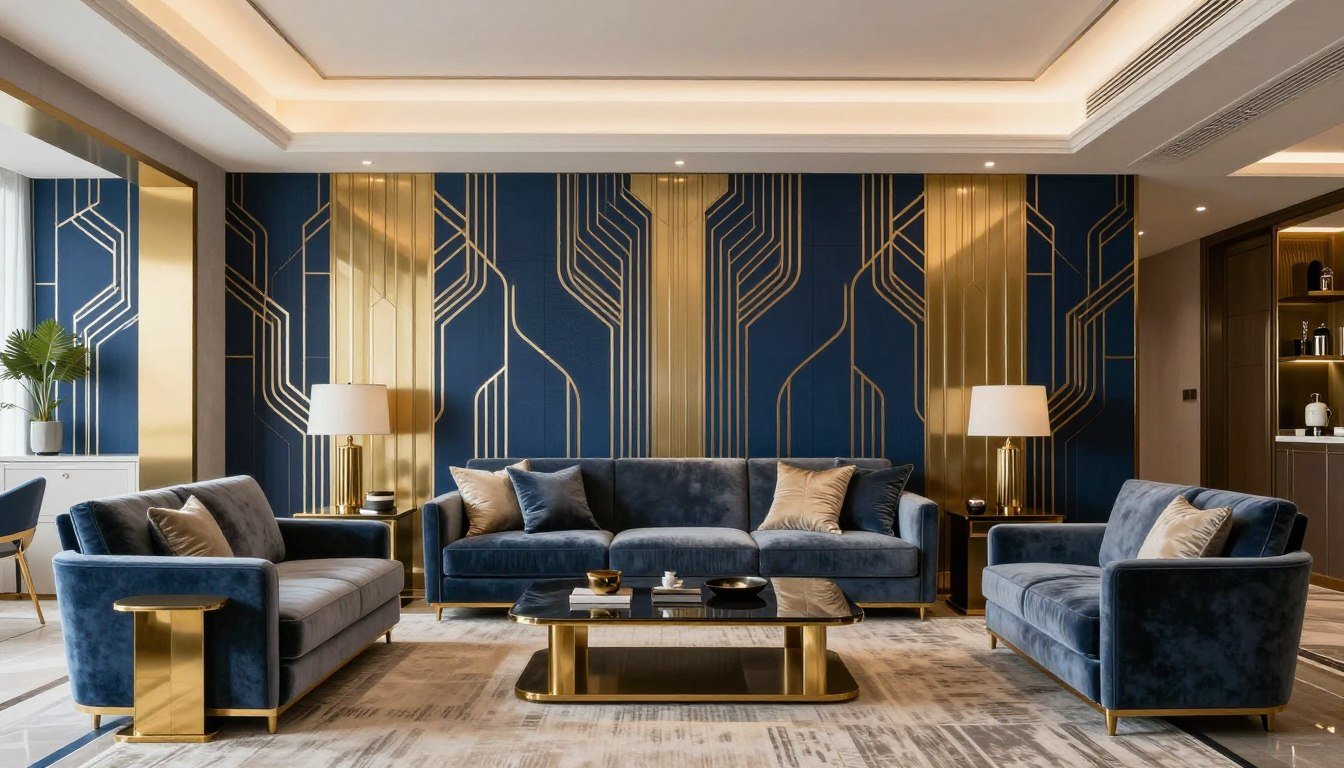
The roaring twenties gave birth to one of history's most distinctive design movements. Today, art deco style resurfaces in homes worldwide with fresh relevance. Bold geometric patterns meet luxurious materials. Gleaming brass accents catch light in unexpected ways. This revival isn't about recreating the past.
Contemporary designers reinterpret classic forms for modern living spaces. The movement's signature elements translate beautifully into current interiors. Metallic finishes add sophistication without overwhelming rooms. Patterns bring visual interest while maintaining clean lines. This timeless aesthetic adapts to today's design preferences.
Modern interpretations honor the deco era while feeling completely current. Discover how this iconic style transforms contemporary spaces. Learn which elements work best in your home. Our design blog explores more ways to incorporate vintage glamour into modern settings.

The Art Deco Movement: From Past to Present
The international exhibition in Paris during 1925 launched art deco onto the world stage. Designers showcased revolutionary forms that broke from tradition. Sleek lines replaced ornate Victorian excess. The movement captured optimism of the era.
Art deco designs celebrated progress and modernity throughout the 20th century. Machine age aesthetics influenced everything from architecture to fashion. Geometric forms dominated visual culture across continents. Luxury materials signaled sophisticated taste.
The 1960s saw the first major revival of interest in deco style. Collectors recognized the movement's enduring appeal. Today's contemporary designers draw fresh inspiration from these historic pieces. The art deco movement continues influencing interior design generations later.

Key Elements That Define the Style
Symmetry creates visual balance in art deco interiors. Clean geometric lines provide structure and sophistication. Luxurious materials elevate everyday spaces. These core principles remain relevant across decades.
Geometric Patterns
Bold shapes create striking visual impact in any room setting.
- Chevron and zigzag motifs
- Sunburst and fan designs
- Stepped and tiered forms
- Angular and linear compositions
Premium Materials
Quality finishes distinguish authentic deco style from imitations.
- Polished brass and chrome
- Exotic woods and veneers
- Marble and stone surfaces
- Lacquered and glossy finishes
Rich Color Palettes
Dramatic color combinations define the movement's visual identity.
- Deep jewel tones with metallics
- Black, white, and gold contrasts
- Navy blue and brass pairings
- Emerald green with chrome
Streamlined Forms
Sleek silhouettes reflect machine age optimism and efficiency.
- Curved and aerodynamic shapes
- Vertical emphasis in design
- Symmetrical arrangements
- Smooth polished surfaces
Geometric Patterns That Command Attention
Art deco patterns bring instant drama to contemporary interiors. Sunburst motifs radiate from central points. Chevron designs create dynamic movement across surfaces. These bold forms make powerful statements in modern homes.
Stepped patterns echo the era's architectural landmarks. Fan shapes suggest elegance and refinement. Geometric forms work beautifully in various applications. From wallpaper to textiles, these designs maintain visual interest.

Incorporating Patterns Without Overwhelming
Balance creates harmony when working with bold designs. Use patterns strategically rather than covering every surface. One statement wall generates impact without visual chaos. Mix geometric prints with solid colors for breathing room.
Scale matters when selecting deco patterns for different spaces. Large-scale designs suit spacious rooms with high ceilings. Smaller patterns work better in intimate settings. Contemporary designers often pair vintage-inspired prints with minimal furniture.

Transform Your Space with Geometric Art
Our canvas prints bring authentic art deco patterns into modern homes. Each piece features museum-quality printing that captures every detail. Bold geometric designs create focal points in any room. These prints complement contemporary furnishings while adding vintage glamour.
The deco era established patterns that remain stylish today. These designs transcend fleeting trends. Contemporary applications prove their lasting appeal. Pattern selection shapes the entire atmosphere of interior spaces.
Metallics and Brass: The Signature Shimmer
Brass accents define art deco style more than any other element. The warm metal catches light beautifully throughout the day. Polished surfaces reflect and amplify ambient illumination. This material brings instant luxury to modern interiors.
Chrome offered cooler alternatives during the movement's peak years. Contemporary designers now mix various metallic finishes freely. Brass hardware transforms ordinary furniture into statement pieces. Door handles, light fixtures, and decorative objects showcase this versatile material.

Modern Applications of Classic Metallics
Lighting fixtures present perfect opportunities for brass elements. Geometric sconces echo the deco era's architectural forms. Pendant lights with metallic finishes become sculptural focal points. These pieces blend function with visual impact.
Furniture legs and frames benefit from brass detailing. Small touches create cohesion across different pieces. Cabinet hardware updates vintage furniture affordably. The material works equally well in kitchens, bathrooms, and living areas.

Sculptural Statements in Brass
Three-dimensional art brings deco style into contemporary homes. Our modern sculptures feature geometric forms inspired by the movement's golden age. Brass finishes complement various interior palettes. These pieces serve as conversation starters and design anchors.
Each sculpture balances artistic vision with functional display. Sizes range from tabletop accents to floor-standing statements. The warm metallic tones add sophistication to minimalist spaces. Quality craftsmanship ensures lasting beauty and value.
Shop Modern SculpturesMetallic elements require thoughtful placement to avoid overwhelming spaces. Too much shine creates visual confusion. Strategic use of brass generates intended impact. Balance shiny surfaces with matte textures for dimensional interest.

Glamorous Prints That Make Rooms Shine
Deco style celebrated bold visual statements through printed designs. Fabrics featured dramatic patterns in contrasting colors. Wallpapers transformed ordinary rooms into spectacular spaces. These prints combined artistic ambition with manufacturing innovation.
Animal prints gained popularity during the roaring twenties. Exotic motifs suggested worldly sophistication and adventure. Tropical themes appeared in textiles and decorative arts. Contemporary designers reinterpret these classic prints for modern sensibilities.

Selecting Prints for Contemporary Spaces
Color intensity determines how prints integrate into existing designs. Bold prints demand neutral surroundings for visual balance. Subtle variations work better in already colorful rooms. Consider existing furniture before committing to dramatic wallcoverings.
Print scale affects perceived room dimensions significantly. Large patterns make small spaces feel cramped. Delicate designs get lost in expansive areas. Test samples in actual lighting conditions before final decisions.
Original Paintings with Art Deco Influence
Our collection features hand-painted artworks inspired by deco era glamour. Each original painting brings unique character to modern interiors. Rich colors and metallic accents capture the movement's essence. These pieces become family heirlooms that appreciate over time.
Textile choices influence room atmosphere profoundly. Velvet suggests luxury consistent with deco aesthetics. Silk adds subtle sheen that complements metallic accents. Natural fibers ground bolder design choices effectively.

Color Schemes That Define the Era
The art deco movement embraced dramatic color contrasts. Black and gold pairings suggested opulence and sophistication. Navy blue with brass created nautical elegance. Deep jewel tones reflected luxury and refinement.
Emerald green symbolized wealth during the 1920s. Ruby red added passion to interior schemes. Sapphire blue brought depth and mystery. These rich hues contrast sharply with modern minimalist palettes.

Adapting Historic Colors for Today
Contemporary spaces benefit from slightly muted versions of deco colors. Pure saturated hues can overwhelm modern sensibilities. Softer interpretations maintain period character without period heaviness. This approach respects history while embracing current preferences.
Metallic paints offer another way to reference the era. Gold leaf techniques seem excessive in most modern homes. Metallic wall paint provides similar impact with less commitment. These finishes work particularly well in powder rooms and accent walls.
Classic Combinations
Traditional pairings that never fail to impress discriminating viewers.
- Black, white, and gold
- Navy blue with brass
- Emerald and chrome
- Burgundy with silver
Modern Interpretations
Updated versions suitable for contemporary interior design approaches.
- Charcoal, cream, and rose gold
- Teal with brushed brass
- Sage green and copper
- Blush pink with gold
Bold Statements
Dramatic choices for confident designers seeking maximum visual impact.
- Deep purple with gold
- Peacock blue and bronze
- Crimson with black and gold
- Midnight blue with silver
Lighting dramatically affects how colors appear in actual spaces. Test paint samples at different times of day. Natural light reveals true color characteristics. Artificial lighting can shift tones significantly from original intentions.
Furniture Forms and Functional Design
Art deco furniture emphasized streamlined silhouettes and geometric forms. Designers created pieces that celebrated modern materials and manufacturing. Chrome tubular frames supported innovative seating. Exotic wood veneers covered case goods in geometric patterns.
The movement valued both beauty and functionality equally. Storage pieces featured clever compartments and hidden sections. Tables incorporated multiple tiers for display and use. This practical luxury defines deco furniture's enduring appeal.

Incorporating Vintage-Inspired Pieces
Authentic deco furniture commands premium prices at auction houses. Reproduction pieces offer similar aesthetics at accessible costs. Contemporary manufacturers create new designs inspired by historic forms. Mix vintage and new pieces for collected-over-time appearance.
Scale considerations prevent overpowering modern room proportions. Original deco furniture often suits larger spaces better. Smaller interpretations work in typical contemporary homes. Choose pieces proportional to available square footage.

Upholstery choices significantly impact overall aesthetic success. Velvet remains the quintessential deco fabric choice. Leather adds masculine edge to traditionally feminine forms. Geometric patterned fabrics reinforce the style's visual language.
Lighting as Sculptural Art
The deco era elevated lighting fixtures to art objects. Chandeliers featured geometric crystal arrangements catching light spectacularly. Wall sconces became architectural elements rather than mere functional items. Designers treated lamps as sculptures that happened to illuminate.
Materials ranged from humble brass to precious metals. Glass in various forms created different lighting effects. Frosted globes provided soft ambient light. Cut crystal threw rainbow patterns across ceilings and walls.

Modern Lighting Solutions with Period Style
Contemporary lighting technology fits beautifully into deco-inspired fixtures. LED bulbs reduce energy consumption without compromising aesthetics. Dimmer switches allow mood adjustment throughout the day. Smart home integration adds convenience to classic beauty.
Pendant lights work exceptionally well in kitchens and dining areas. Geometric shades in metal or glass suit various interior schemes. Multiple pendants at different heights create visual interest. This layered approach adds dimension to flat ceiling planes.

Floor lamps bring ambient light while serving as decorative elements. Tripod bases suggest the period's machine age aesthetic. Adjustable arms add functionality to sculptural forms. These pieces anchor seating areas effectively.
Wall Art and Decorative Accessories
The art deco movement produced distinctive decorative objects across all categories. Vases featured geometric forms and metallic glazes. Mirrors incorporated sunburst frames and stepped profiles. These accessories completed interior schemes with cohesive style.
Wall art from the period includes both fine art and decorative prints. Streamlined figures in bronze became popular sculpture subjects. Geometric abstractions adorned walls in fashionable homes. Today's collectors prize these pieces highly.

Curating a Cohesive Collection
Start with one significant piece that establishes color and style direction. Add complementary items gradually over time. Avoid matching sets that appear too coordinated. Collected arrangements suggest sophisticated taste and discerning eye.
Mirrors multiply light while expanding perceived space visually. Geometric frames reference period aesthetics without overwhelming. Group smaller mirrors for greater impact than individual placement. Strategic positioning opposite windows maximizes natural light reflection.

Decorative Vases
Geometric vessels in metallic finishes add instant deco glamour to shelves and tables.

Statement Mirrors
Sunburst and geometric frames transform functional mirrors into decorative focal points.

Functional Objects
Bookends, boxes, and desk accessories blend utility with period-appropriate design.
Accessory placement requires careful consideration of scale and proportion. Large rooms accommodate substantial objects comfortably. Smaller spaces benefit from restrained selections. Quality matters more than quantity in successful arrangements.
Creating Your Art Deco Revival Space
Successful deco-inspired interiors balance historic reference with contemporary comfort. Start with one or two key elements rather than complete room overhauls. Gradual incorporation allows adjustment and prevents costly mistakes. This measured approach builds confidence over time.
Mix periods and styles to avoid museum-like stiffness. Pure period rooms rarely suit modern life comfortably. Contemporary pieces ground vintage elements effectively. This layered approach creates living spaces rather than stage sets.

Personal taste should guide all design decisions ultimately. Not every deco element suits every personality or lifestyle. Select pieces that genuinely resonate rather than following formulas. Authentic personal style transcends trend-driven decoration.
Budget constraints need not prevent achieving desired aesthetics. Reproduction pieces cost less than authentic antiques. Strategic splurges on key items paired with affordable accessories create balanced looks. Thrift stores and estate sales yield surprising treasures for patient hunters.
Resources for Continued Inspiration
Design magazines regularly feature deco-inspired interiors and products. Museums maintain extensive collections available for study and inspiration. Online resources provide endless examples of successful modern interpretations. Our blog offers regular updates on incorporating vintage glamour into contemporary homes.
Stay Inspired with Design Ideas
Subscribe to our blog for weekly inspiration on bringing timeless style into modern spaces. Discover new collections, design tips, and exclusive previews of upcoming pieces. Join a community passionate about beautiful interiors.
The Timeless Appeal of Art Deco Revival
The art deco movement endures because it celebrated beauty, craftsmanship, and optimism. These values remain relevant regardless of changing trends. Contemporary designers continue finding fresh inspiration in historic forms. The style adapts beautifully to modern sensibilities while maintaining distinctive character.
Patterns, metallics, and glamorous prints translate remarkably well into current interiors. Geometric designs provide visual interest without feeling dated. Brass accents add warmth and luxury affordably. Bold prints make rooms feel considered and intentional.
Your home deserves the sophistication that art deco style provides. Start small with accessories and gradually expand your collection. Mix vintage inspiration with contemporary comfort for spaces that feel both timeless and current. This approach creates interiors with lasting appeal and personal significance.
The revival continues gaining momentum as homeowners seek alternatives to minimal austerity. Rich materials and bold forms satisfy desires for visual interest. This century-old movement speaks to contemporary needs surprisingly well. Its glamorous legacy enriches modern life beautifully.


Leave a comment
This site is protected by hCaptcha and the hCaptcha Privacy Policy and Terms of Service apply.