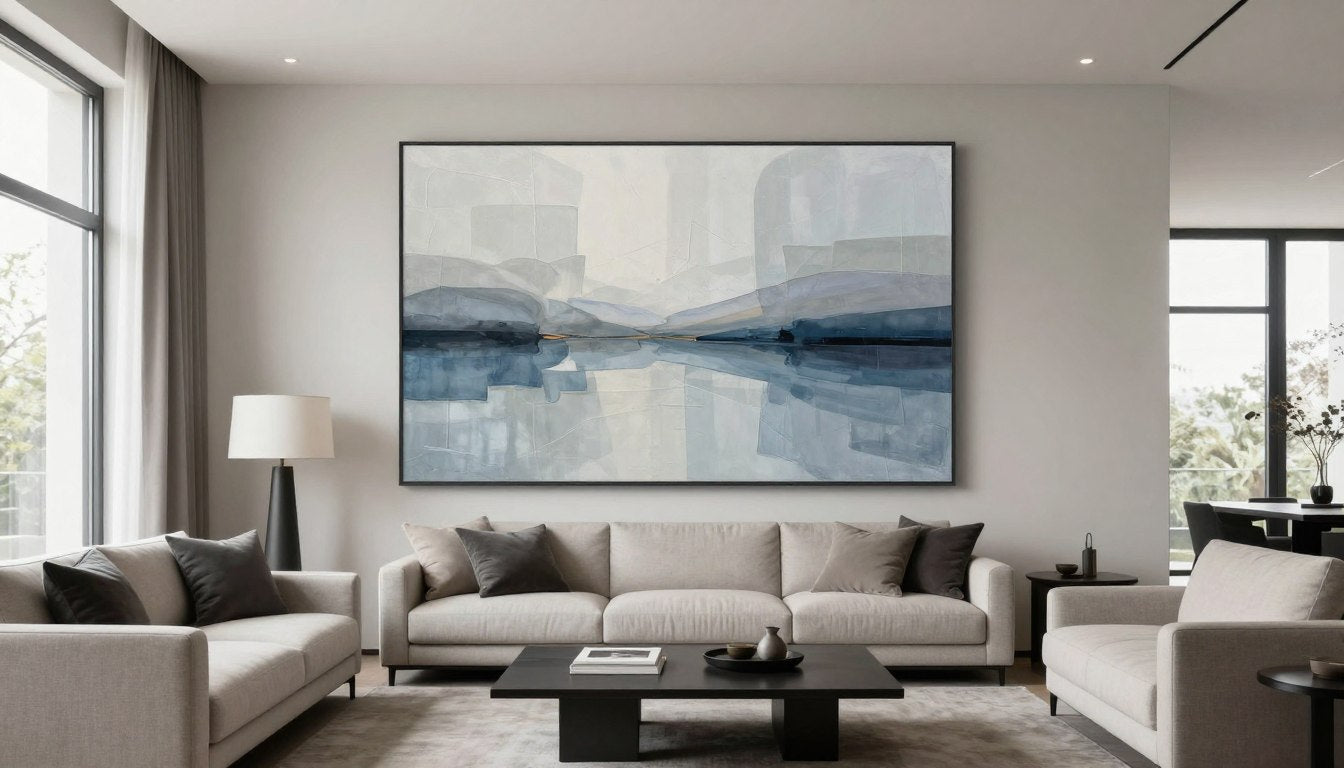

Creating a calm, balanced space starts with thoughtful design choices. Abstract wall art styling transforms ordinary rooms into serene sanctuaries. The right pieces bring harmony to your living areas.
Many homeowners struggle with art placement. They wonder how abstract pieces work with existing furniture. This guide solves those challenges.
You'll discover proven abstract wall art styling techniques. These methods help you curate spaces that promote tranquility. Your home deserves artwork that enhances its peaceful atmosphere.
Abstract art offers unique advantages for interior design. Unlike representational pieces, abstract works blend seamlessly with various decor styles. Rossetti Art specializes in premium abstract pieces that elevate modern homes.
Understanding Abstract Wall Art for Interior Balance

Abstract wall art creates visual interest without overwhelming your senses. These pieces use color, form, and texture to evoke emotion. Understanding this foundation helps you select the right artwork.
The beauty of abstract pieces lies in their versatility. They complement minimalist spaces and eclectic rooms equally well. Abstract art adapts to your personal interpretation.
Why Abstract Art Promotes Calmness
Abstract art encourages mental relaxation through non-representational forms. Your mind doesn't work to identify objects. Instead, you experience pure visual harmony.
Research shows that abstract artwork reduces visual clutter. This creates psychological space. Your room feels more open and breathable.
- Non-representational forms prevent mental overstimulation
- Soft color palettes promote emotional balance
- Organic shapes create visual flow throughout spaces
- Minimalist abstract works enhance architectural features
- Textured canvas prints add depth without complexity
Key Elements of Abstract Art Design

Successful abstract wall art styling relies on understanding core design elements. Color, composition, and scale work together. These factors determine how art impacts your space.
Color temperature affects room ambiance significantly. Cool tones like blues and greens create calmness. Warm neutrals add comfort without overstimulation.
Visual Elements
Abstract pieces utilize fundamental design components that influence perception and mood:
- Color harmonies establish room tone
- Line movement guides eye flow
- Shape balance creates stability
- Texture adds tactile dimension
Compositional Balance
Effective abstract art maintains equilibrium through strategic arrangement of elements:
- Symmetrical layouts provide structure
- Asymmetrical designs add interest
- Radial patterns create focal points
- Negative space enhances calmness
Color Psychology in Abstract Wall Art Styling

Color selection determines emotional impact in any room. Abstract wall art styling leverages color psychology deliberately. The palette you choose influences daily mood and energy levels.
Understanding color temperature helps create desired atmospheres. Cool colors recede visually, making spaces feel larger. Warm tones advance, creating intimacy and coziness.
Calming Color Palettes for Balanced Spaces
Serene spaces rely on carefully selected color schemes. Monochromatic and analogous palettes work exceptionally well. These combinations create visual continuity without jarring contrasts.
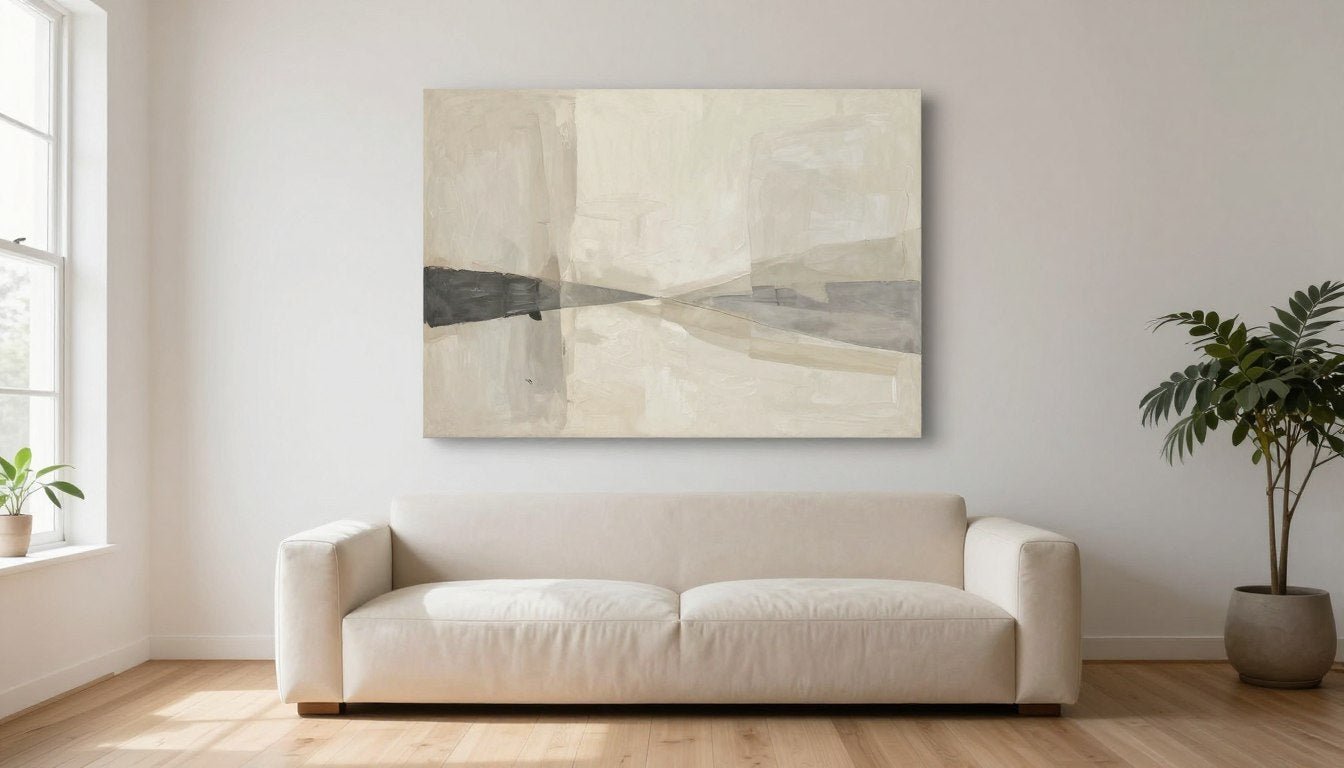
Neutral abstract pieces serve as foundation elements. They anchor more colorful decor choices. Grays, beiges, and soft whites provide versatility.

Recommended Color Families
- Soft blues evoke tranquility and spaciousness
- Sage greens connect with natural calm
- Warm grays provide sophisticated neutrality
- Muted terracottas add grounded warmth
- Cream tones create airy openness
- Dusty purples introduce gentle depth
Coordinating Art Colors with Room Elements

Abstract wall art should complement existing room elements. Pull accent colors from your artwork into textiles and accessories. This creates cohesive design flow.
Consider your room's dominant colors when selecting abstract pieces. Art can either harmonize with these tones or provide intentional contrast. Both approaches work when executed thoughtfully.
- Identify your room's three main colors
- Choose abstract art featuring at least one matching hue
- Use artwork to introduce one complementary accent color
- Repeat art colors in three room areas for balance
- Maintain 60-30-10 color distribution rule
Discover Your Perfect Color Palette
Explore Rossetti Art's curated collection of abstract pieces in calming color schemes designed for balanced, serene spaces.
Mastering Size and Scale in Abstract Wall Art Styling

Proper sizing makes the difference between professional design and amateur attempts. Abstract wall art styling demands attention to proportional relationships. Your artwork should complement furniture scale, not compete with it.
Many people choose pieces that are too small. Undersized art looks disconnected and insignificant. Oversized pieces can overwhelm intimate spaces.
The Two-Thirds Rule for Wall Art
Professional designers follow the two-thirds guideline for furniture-adjacent art. Your artwork should span roughly two-thirds of the furniture width beneath it. This creates visual harmony and proper balance.
For sofas measuring 90 inches wide, select art spanning 60 inches. This proportion feels naturally balanced. The furniture anchors the composition without dwarfing the artwork.
| Furniture Width | Recommended Art Width | Ideal Canvas Size | Room Size |
| 60 inches | 40-45 inches | 36x48 or 40x40 inches | Small to medium |
| 72 inches | 48-54 inches | 48x60 or 48x48 inches | Medium |
| 84 inches | 56-63 inches | 60x72 or 54x54 inches | Medium to large |
| 96 inches | 64-72 inches | 72x84 or 60x60 inches | Large |
Statement Pieces Versus Gallery Walls

Large-scale abstract pieces create immediate impact. They serve as room focal points and conversation starters. Single statement artworks simplify styling decisions.
Gallery walls offer flexibility and personality. Multiple abstract pieces at various sizes create dynamic visual interest. This approach works well in eclectic or transitional spaces.
Statement Piece Advantages
- Simplified styling process
- Strong focal point creation
- Clean, modern aesthetic
- Easier installation requirements
- Better for minimalist spaces
Gallery Wall Benefits
- Flexible arrangement options
- Personality expression opportunity
- Budget-friendly approach
- Easy to update over time
- Works with existing art pieces
Ceiling Height Considerations
Room height dramatically affects art selection. Standard 8-foot ceilings accommodate most artwork comfortably. Higher ceilings demand larger-scale pieces to maintain visual balance.
Vertical canvas prints work beautifully in rooms with 10-foot ceilings. They draw the eye upward, enhancing the sense of spaciousness. Horizontal pieces work better in standard-height rooms.

Strategic Placement Principles for Abstract Wall Art

Placement determines how effectively abstract wall art styling enhances your space. Even exceptional artwork fails when positioned incorrectly. Eye level placement creates natural viewing comfort.
The 57-inch rule guides professional art hanging. Center your artwork 57 inches from the floor. This height accommodates most adult eye levels comfortably.
Eye Level and Viewing Distance
Proper viewing distance equals approximately 1.5 to 2 times the artwork's diagonal measurement. Stand back and assess impact from typical room positions. Your art should remain visible and engaging from key seating areas.
Living room abstract wall art should be viewable from primary seating. Bedroom pieces work best positioned for bed viewing. Consider room traffic patterns when finalizing placement.
- Measure 57 inches from floor to artwork center
- Adjust for furniture blocking lower portions
- Leave 6-8 inches between furniture top and art bottom
- Ensure clear sightlines from main seating areas
- Consider room entry point perspectives
- Account for lighting effects at different times
Creating Focal Points with Abstract Pieces

Abstract wall art naturally draws attention. Position your strongest pieces where eyes land upon room entry. This establishes visual hierarchy and design intention.
Architectural features like fireplaces and large furniture pieces create natural focal opportunities. Abstract art above these elements reinforces their prominence. Avoid competing focal points within single rooms.
Optimal Focal Point Locations
Strategic placement maximizes abstract art impact throughout your home:
- Above living room sofas creates primary focus
- Fireplace mantels frame artwork beautifully
- Bedroom headboard walls establish tranquil centers
- Dining room statement walls anchor gathering spaces
- Entry hallways make immediate first impressions
- Staircase walls utilize vertical space effectively

Gallery Wall Arrangement Strategies
Gallery walls require careful planning for cohesive results. Create floor templates using paper cutouts before hammering nails. This prevents costly placement mistakes.
Maintain consistent spacing between gallery wall pieces. Professional designers use 2-3 inches between frames. This creates unity while allowing individual pieces to shine.


Grid Gallery Style
Uniform spacing and sizes create structured, calm arrangements perfect for minimalist spaces.

Salon Gallery Style
Mixed sizes and organic arrangements add personality while maintaining visual balance through color coordination.

Linear Gallery Style
Horizontal or vertical lines of artwork guide eye movement and work beautifully in hallways.
Room-Specific Abstract Wall Art Styling Techniques

Each room serves distinct purposes and requires tailored abstract wall art styling approaches. Living spaces demand different considerations than private bedrooms. Understanding these nuances elevates your entire home design.
Room function influences art selection significantly. Active spaces benefit from energizing abstract pieces. Restful areas require calmer, more contemplative artwork.
Living Room Abstract Art Styling

Living rooms serve as social hubs and relaxation centers. Abstract wall art in these spaces should balance energy with tranquility. Choose pieces that spark conversation without overwhelming peaceful moments.
Scale matters tremendously in living room applications. Larger pieces suit spacious areas, while medium-sized works better serve compact living spaces. Consider furniture arrangement when determining optimal sizes.
Living Room Art Guidelines
- Position above main seating for focal impact
- Choose calming palettes for relaxation promotion
- Scale to furniture using two-thirds rule
- Consider room lighting when selecting colors
- Coordinate with existing textile patterns
Recommended Sizes
- Small living rooms: 36x48 to 40x40 inches
- Medium living rooms: 48x60 to 54x54 inches
- Large living rooms: 60x72 to 72x84 inches
- Gallery walls: Mixed sizes totaling furniture width
Bedroom Abstract Art for Tranquility

Bedrooms demand the most calming abstract wall art styling. These intimate spaces benefit from soothing color palettes and gentle compositions. Avoid stimulating colors like bright reds or intense oranges.
Horizontal canvas prints work particularly well in bedroom settings. They complement bed proportions naturally. Position artwork to be visible from bed while maintaining restful energy.
- Select soft blues, greens, or neutral abstract pieces
- Position 6-8 inches above headboard or furniture
- Choose horizontal orientations for visual calm
- Avoid overly complex or busy compositions
- Maintain cohesion with bedding color schemes
- Consider dimmable lighting to adjust mood
Dining Room Statement Pieces

Dining rooms offer opportunities for bolder abstract art choices. These gathering spaces can accommodate more dynamic compositions and richer color palettes. Art becomes conversation catalyst during meals.
Consider sight lines from all seating positions when hanging dining room art. Everyone at the table should enjoy the artwork. Centered placement above sideboards or buffets creates symmetrical balance.
Professional Tip: Dining room abstract pieces should be positioned to avoid direct sunlight, which can fade colors over time. Consider window placement and install UV-protective glass for valuable artwork.
Home Office and Workspace Art

Workspace abstract wall art styling should promote focus and creativity. Minimalist abstract pieces work exceptionally well in office environments. They provide visual interest without causing distraction.
Cool colors enhance concentration and productivity. Blues and greens prove particularly effective for workspaces. Avoid overly stimulating compositions that might disrupt workflow.
- Minimalist abstract works prevent visual distraction
- Cool color palettes enhance focus and concentration
- Position at eye level when seated at desk
- Choose pieces that inspire without overwhelming
- Coordinate with professional workspace aesthetics
Advanced Abstract Wall Art Styling Techniques

Professional abstract wall art styling extends beyond simple hanging. Layering, lighting, and accessory coordination elevate artwork presentation. These advanced techniques create gallery-quality results in residential spaces.
Understanding design principles separates amateur attempts from professional outcomes. Intentional styling choices make abstract pieces feel integrated rather than added afterthought.
Layering Art with Furniture and Decor
Layering creates depth and visual interest throughout rooms. Position furniture, plants, and accessories in relationship to abstract wall art. This technique builds dimensional compositions.
Lean smaller abstract pieces against walls on mantels or shelves. This casual approach adds personality to more formal arrangements. Mix framed and unframed works for textural variety.

Layering Elements
- Position furniture 12-18 inches from walls
- Add plants to soften art edges naturally
- Use varied heights for dimensional interest
- Incorporate textural elements like wood or metal
- Balance visual weight across entire wall
- Create asymmetry for organic, collected look
Lighting Abstract Art Effectively

Proper lighting transforms abstract art presentation dramatically. Natural light reveals true colors but risks fading. Artificial lighting offers control while protecting artwork longevity.
Picture lights mounted above artwork provide focused illumination. Track lighting offers flexibility for gallery wall configurations. LED options minimize heat damage while reducing energy consumption.
- Position lights at 30-degree angles to minimize glare
- Use warm white LEDs (2700-3000K) for inviting ambiance
- Install dimmer switches for adjustable mood control
- Combine ambient and accent lighting layers
- Avoid direct sunlight on valuable canvas prints
- Consider UV-filtering glass for framed pieces
Texture and Material Coordination
Abstract wall art styling benefits from thoughtful material relationships. Canvas texture contrasts beautifully with smooth leather sofas. Wood frames complement natural furniture finishes.
Consider your room's dominant materials when selecting abstract pieces. Metal frames suit industrial aesthetics. Natural wood frames enhance organic, bohemian spaces.
Canvas Textures
Visible canvas weave adds tactile dimension and casual elegance to abstract art presentations.
Frame Materials
Frame selection should complement furniture finishes while protecting canvas edges professionally.
Accent Elements
Incorporate materials from artwork into room accessories for cohesive, intentional design flow.
Creating Visual Flow Between Rooms

Open floor plans benefit from coordinated abstract wall art styling across connected spaces. Choose pieces sharing common colors or compositional styles. This creates seamless transitions between areas.
Repeat key colors from main living area art in adjacent spaces. This doesn't mean matching exactly. Instead, pull accent tones that appear throughout connected rooms.
- Use similar color families across open spaces
- Vary sizes while maintaining style consistency
- Create rhythm through repeated elements
- Balance bold pieces with quieter works
- Consider sight lines from multiple room angles
Transform Your Entire Home
Rossetti Art offers curated collections designed to create visual harmony throughout your living spaces. Discover pieces that work beautifully together.
Common Abstract Wall Art Styling Mistakes to Avoid

Even design enthusiasts make predictable abstract wall art styling errors. Understanding these pitfalls prevents costly mistakes. Learn from common missteps to achieve professional results immediately.
Recognition precedes correction in design improvement. These frequent errors undermine otherwise beautiful spaces. Simple adjustments create dramatic improvements.
Sizing Errors and Proportion Issues
Undersized artwork represents the most common mistake. People fear choosing pieces that feel too large. The result appears tentative and disconnected from furniture.
Oversized art in small rooms creates opposite problems. Massive pieces overwhelm intimate spaces. Balance requires honest assessment of room dimensions and furniture scale.
Correct Sizing Approaches
- Follow two-thirds furniture width guideline
- Measure wall space before shopping
- Test with paper templates first
- Consider viewing distances carefully
- Scale up rather than down when uncertain
Sizing Mistakes to Avoid
- Choosing art significantly smaller than furniture
- Hanging multiple small pieces when one large works better
- Ignoring ceiling height in size selection
- Purchasing before measuring available wall space
- Forgetting to account for frame dimensions
Poor Placement and Hanging Errors

Hanging art too high ranks among the most frequent placement mistakes. The "57-inch center" rule prevents this error. Measure from floor to artwork center, not top edge.
Insufficient spacing between furniture and art creates visual cramping. Maintain 6-8 inches minimum between furniture top and artwork bottom. This breathing room feels essential for balanced compositions.
- Never hang art flush against ceiling lines
- Avoid placing pieces where doors would hit them
- Don't center art on walls without considering furniture
- Never hang heavy pieces without proper anchors
- Avoid positioning art in direct sunlight paths
- Don't ignore room traffic flow patterns
Color and Style Clashes
Mixing too many competing color schemes creates visual chaos. Abstract wall art should enhance existing palettes, not fight them. Limit your color families to three maximum per room.
Style inconsistency undermines cohesive design. Mixing minimalist abstract works with busy traditional decor rarely succeeds. Choose art that complements your overall aesthetic direction.
Design Warning: Avoid purchasing abstract art based solely on trends. Choose pieces that genuinely resonate with your personal taste and existing decor. Trendy art dates quickly while timeless compositions remain relevant indefinitely.
Neglecting Proper Installation

Inadequate hanging hardware causes artwork damage and safety hazards. Heavy canvas prints require wall anchors, not simple nails. Invest in proper installation supplies for peace of mind.
Crooked artwork broadcasts amateur installation immediately. Use quality levels and take time ensuring perfect alignment. Rushed installations show in finished results.
- Locate wall studs for heavy piece installations
- Use appropriate weight-rated hanging hardware
- Install wire or D-rings on frames securely
- Level artwork carefully before final mounting
- Distribute weight across multiple anchor points
- Consider professional installation for valuable pieces
Budget-Friendly Abstract Wall Art Styling Strategies

Professional abstract wall art styling doesn't require unlimited budgets. Strategic choices create high-end looks at accessible price points. Quality canvas prints offer alternatives to original paintings.
Rossetti Art provides museum-quality canvas prints at various price levels. These reproductions deliver visual impact without original artwork investment. Smart styling makes affordable art appear expensive.
Maximizing Impact with Canvas Prints
Modern canvas print quality rivals original paintings visually. High-resolution printing technology captures subtle color gradations and textural details. Stretched canvas over wooden frames provides dimensional authenticity.
Gallery-wrapped canvas prints eliminate framing costs while maintaining professional presentation. The printed image wraps around frame edges, creating finished sides. This contemporary approach suits modern and transitional spaces perfectly.
Canvas Print Advantages
- Significantly lower cost than original art
- Consistent quality across prints
- Easy replacement or rotation options
- Lightweight for simple installation
- Resistant to fading with quality inks
Quality Indicators
- Archival inks ensure color longevity
- Thick canvas (380gsm minimum) provides durability
- Solid wood stretcher frames prevent warping
- Gallery wrap eliminates framing costs
- UV-resistant coatings protect investment
Starting with Accent Pieces

Begin abstract wall art styling with one quality statement piece. Build your collection gradually rather than purchasing multiple inexpensive items simultaneously. This approach allows thoughtful curation.
Single impactful pieces create stronger focal points than scattered small artworks. Invest in larger sizes for primary rooms first. Add complementary pieces to secondary spaces over time.
- Choose your main living area for first investment
- Select versatile neutral abstract pieces initially
- Add colorful accent art once foundation established
- Build collections around cohesive color palettes
- Purchase during seasonal sales for better value
- Consider print series for coordinated gallery walls
DIY Framing for Cost Savings
Custom framing costs often exceed artwork prices. DIY framing using quality pre-made frames saves substantially. Many canvas prints arrive ready to hang without additional framing.
Floating frames add contemporary elegance to canvas prints inexpensively. These frames attach around canvas edges, creating shadow gaps. The effect appears custom and high-end.
Budget Tip: Purchase larger single pieces rather than multiple small ones. One substantial abstract work creates more visual impact than several tiny pieces while often costing less overall.

Minimalist Neutrals Collection
Timeless abstract pieces in versatile neutrals that complement any evolving decor style and color scheme.

Ready-to-Hang Canvas Prints
Gallery-wrapped canvas prints arrive ready for immediate installation, eliminating additional framing expenses.

Coordinated Art Sets
Curated sets of coordinating pieces offer gallery wall solutions at better value than individual purchases.
Maintaining Your Abstract Wall Art Collection

Proper maintenance extends abstract wall art longevity significantly. Canvas prints require minimal care but benefit from occasional attention. Protective measures preserve color vibrancy and structural integrity.
Environmental factors affect artwork gradually. Humidity, temperature fluctuations, and light exposure cause cumulative damage. Understanding preservation basics protects your investment.
Cleaning Canvas Prints Safely
Dust accumulation dulls canvas appearance over time. Gentle cleaning with soft microfiber cloths removes surface debris safely. Never use water or cleaning solutions on unprotected canvas.
Work from top to bottom using light pressure. Avoid scrubbing motions that might damage canvas texture. Clean frames separately using appropriate materials for their finish.
- Dust gently with dry microfiber cloths only
- Vacuum canvas surface using soft brush attachments
- Never apply liquids directly to unprotected canvas
- Clean wooden frames with appropriate wood cleaners
- Address stains immediately with professional help
- Avoid touching canvas surface with bare hands
Protecting Art from Environmental Damage

Direct sunlight fades canvas prints gradually. Position artwork away from unfiltered sun exposure. UV-filtering window treatments provide additional protection in bright rooms.
Humidity extremes cause canvas expansion and contraction. Maintain consistent indoor humidity between 40-60 percent. Avoid hanging canvas prints in bathrooms or other high-moisture areas.
| Environmental Factor | Ideal Condition | Risk Level | Protection Method |
| Light Exposure | Minimal direct sunlight | High | UV-filtering glass, window treatments |
| Humidity | 40-60% relative humidity | Medium | Climate control, dehumidifiers |
| Temperature | 65-75°F consistent | Medium | Avoid exterior walls, heating vents |
| Air Quality | Clean, dust-free environment | Low | Regular dusting, air purification |
When to Seek Professional Conservation
Valuable abstract art warrants professional conservation attention. Canvas tears, water damage, or significant fading require expert restoration. Don't attempt DIY repairs on important pieces.
Professional conservators assess damage accurately and recommend appropriate treatments. They possess specialized materials and techniques unavailable to consumers. Investment in conservation protects artwork value long-term.
- Consult professionals for canvas tears or punctures
- Seek expert help for water or moisture damage
- Address significant fading with conservation specialists
- Have valuable pieces professionally cleaned periodically
- Obtain condition assessments before purchasing expensive art
- Consider conservation framing for important works
Seasonal Abstract Wall Art Styling Updates

Permanent abstract wall art adapts beautifully to seasonal decor changes. Update accessories and textiles while maintaining core artwork. This approach refreshes spaces without major investments.
Neutral abstract pieces provide year-round foundations. Seasonal accents in pillows, throws, and small decor items create timely updates. Your artwork remains constant while surroundings shift.
Spring and Summer Styling
Lighter, brighter accessories complement abstract art during warm months. Introduce crisp whites and soft pastels through textiles. These additions create airy, refreshed atmospheres.
Natural elements like fresh flowers echo organic shapes in abstract compositions. Coordinate bloom colors with artwork accent tones. This connection unifies permanent and temporary elements.
- Add white or cream throws for brightness
- Introduce floral arrangements matching art colors
- Swap heavy textiles for lighter fabrics
- Use glass and lucite accessories for airiness
- Incorporate natural wood tones warmly
Fall and Winter Styling

Richer textures and deeper colors create cozy fall and winter styling. Layer textiles in velvets, wools, and faux furs. These additions provide warmth without changing wall art.
Adjust lighting for shorter days and longer evenings. Warmer light temperatures enhance autumn and winter ambiance. Dimmed lighting creates intimate atmospheres around abstract artwork.

Cool Weather Updates
- Layer plush throws and textured pillows
- Add warm metallic accents like brass or copper
- Introduce deeper jewel tones through accessories
- Use warmer light bulbs (2700K) for ambiance
- Display seasonal natural elements like branches
- Adjust art lighting for darker evenings
Maintaining Year-Round Cohesion
Successful seasonal styling maintains connection to permanent abstract wall art. Pull seasonal colors from existing artwork rather than introducing completely new palettes. This creates seamless transitions.
Limit seasonal updates to 20-30 percent of visible decor. Your abstract art and major furniture remain constant anchors. This restraint prevents disjointed, over-decorated appearances.
Final Recommendations for Abstract Wall Art Success

Successful abstract wall art styling combines technical knowledge with personal taste. These guidelines provide framework for confident decisions. Your unique preferences create distinctive, personal spaces.
Start with quality pieces from reputable sources like Rossetti Art. Build collections thoughtfully over time. Rushed purchases lead to mismatched results and buyer's remorse.
Essential Styling Checklist
Review these critical elements before finalizing any abstract wall art installation. Attention to fundamentals ensures professional results. Skip steps at your own risk.
Before Purchase
Complete these steps before buying any abstract art piece:
- Measure your wall space accurately
- Determine furniture width for sizing
- Identify room color palette
- Consider lighting conditions
Installation Phase
Follow these guidelines during art installation:
- Mark 57-inch center point
- Use appropriate hardware weight ratings
- Level artwork carefully
- Step back and assess from seating
Styling Integration
Integrate artwork with existing decor thoughtfully:
- Coordinate accent colors
- Balance visual weight
- Layer with furniture and accessories
- Adjust lighting for optimal viewing
Long-Term Maintenance
Protect your investment with proper care:
- Dust regularly with soft cloths
- Monitor environmental conditions
- Avoid direct sunlight exposure
- Address damage immediately
Working with Professional Designers

Professional designers offer valuable perspective for challenging spaces. They understand proportions, color theory, and spatial relationships intuitively. Consider consultation for expensive purchases or major renovations.
Many designers work hourly for specific projects. This limited engagement provides expert guidance without full design service costs. Investment in professional advice prevents expensive mistakes.
- Designers access trade-only artwork sources
- Professional eye catches proportion issues immediately
- Expertise in complex gallery wall layouts
- Knowledge of current and timeless trends
- Connections to quality framers and installers
Create Your Calm, Balanced Space Today
Rossetti Art offers premium abstract wall art curated specifically for creating serene, harmonious interiors. Explore our complete collection of museum-quality canvas prints and original pieces designed to transform your home.
Frequently Asked Questions About Abstract Wall Art Styling
What size abstract wall art should I choose for my living room sofa?
Select abstract wall art spanning approximately two-thirds of your sofa width. For a standard 90-inch sofa, choose pieces measuring 60 inches wide. This proportion creates visual balance. Measure your furniture before shopping to ensure proper sizing.
How high should I hang abstract art above furniture?
Position abstract wall art 6-8 inches above furniture surfaces. The artwork center should sit at 57 inches from the floor. This height accommodates average eye levels comfortably. Adjust slightly for unusually tall or short ceilings.
What colors work best for calm, balanced spaces?
Soft blues, muted greens, warm grays, and neutral beiges promote calmness effectively. These colors reduce visual stimulation while maintaining interest. Avoid intense reds, bright oranges, or highly saturated hues in relaxation spaces. Minimalist abstract pieces in these palettes create serene atmospheres.
Should I choose one large piece or multiple smaller pieces?
Single large abstract pieces create stronger focal points and simplified styling. Gallery walls with multiple pieces add personality and flexibility. For minimalist spaces, choose one statement work. Eclectic rooms accommodate curated gallery wall arrangements better. Consider your overall design aesthetic when deciding.
How do I coordinate abstract art with existing room colors?
Select abstract wall art featuring at least one color from your existing palette. Use the artwork to introduce one new accent color. Repeat art colors in three room locations through pillows, throws, or accessories. This creates cohesive design flow. Maintain the 60-30-10 color distribution rule for balance.
Can canvas prints look as good as original paintings?
Quality canvas prints from Rossetti Art rival original paintings visually. Modern printing technology captures subtle details and color gradations accurately. Gallery-wrapped canvas over wooden frames provides dimensional authenticity. Choose prints with archival inks and thick canvas for longevity. Professional presentation makes canvas prints indistinguishable from originals at typical viewing distances.
How do I protect abstract art from fading?
Position abstract wall art away from direct sunlight exposure. Install UV-filtering window treatments in bright rooms. Use LED lighting instead of incandescent bulbs near artwork. Consider UV-protective glass for valuable pieces. Quality canvas prints with archival inks resist fading better than cheaper alternatives.
What's the best way to create a gallery wall with abstract art?
Start with paper templates matching your frame sizes. Arrange templates on the floor until satisfied with composition. Maintain 2-3 inches spacing between pieces consistently. Choose a unifying element like color palette or frame style. Mix sizes while maintaining visual balance. Transfer template arrangement to wall carefully.
Transform Your Space with Thoughtful Abstract Wall Art Styling

Abstract wall art styling elevates ordinary rooms into personal sanctuaries. The principles covered here provide foundation for confident design decisions. Your space deserves artwork that promotes daily tranquility.
Start with quality pieces that genuinely resonate with your aesthetic. Build collections gradually while maintaining cohesive vision. Proper sizing, placement, and coordination transform good intentions into beautiful reality.
Remember that successful abstract wall art styling balances technical knowledge with personal expression. Follow guidelines while trusting your instincts. Your home should reflect your unique taste and lifestyle.
Rossetti Art offers curated collections specifically designed for creating calm, balanced interiors. Each piece undergoes careful selection for quality, aesthetic merit, and versatility. Premium canvas prints and original works provide options for every budget and style preference.
Transform your living spaces today with thoughtfully selected abstract art. The investment pays dividends in daily enjoyment and enhanced home value. Your perfectly styled sanctuary awaits.
Begin Your Abstract Art Journey
Explore Rossetti Art's complete collection of premium abstract wall art designed to create the calm, balanced space you deserve. Free shipping across Canada on all orders.


Leave a comment
This site is protected by hCaptcha and the hCaptcha Privacy Policy and Terms of Service apply.