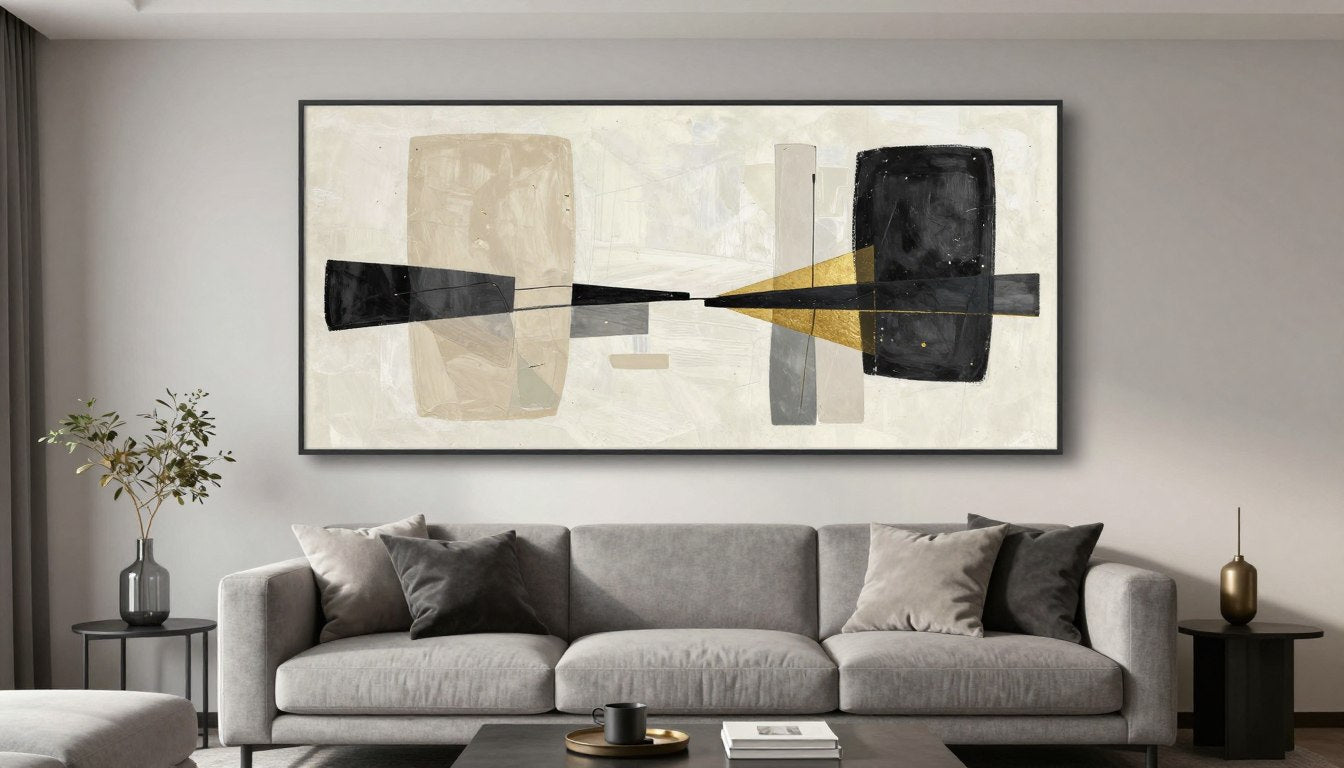
Your living room deserves art that speaks to you. Abstract wall art creates instant visual impact while reflecting your personal style. Whether you prefer bold geometric shapes or soft flowing forms, the right piece transforms empty walls into conversation starters.
Choosing abstract art feels overwhelming with countless options available. This guide walks you through every decision, from understanding different abstract styles to selecting the perfect size for your wall. You'll discover how colors affect mood, where to hang your artwork, and which formats work best for your space.
Modern living rooms benefit from the versatility of abstract wall art. These pieces complement any décor style, from minimalist Scandinavian to eclectic bohemian. Let's explore how to find artwork that elevates your home.

Why Abstract Art Works Perfectly in Living Rooms
Abstract art adapts to any interior design vision. Unlike representational artwork that depicts specific subjects, abstract pieces use color, shape, and texture to create mood. This flexibility makes them ideal focal points for living spaces.
Your living room serves multiple purposes throughout the day. Morning coffee, afternoon reading, evening entertainment—each activity benefits from art that enhances the atmosphere without overwhelming it. Abstract wall art provides visual interest while maintaining versatility.
Design Versatility Benefits
Abstract artwork complements changing décor trends. You can update throw pillows, furniture, or accent pieces without worrying if your art still matches. The timeless nature of quality abstract pieces means they grow with your style evolution.
These works create balance in rooms with busy patterns or solid focal points in minimalist spaces. The same abstract canvas print looks equally stunning above a velvet sofa or leather sectional.

Creating Emotional Connections
Art affects how you feel in your space. Soft, flowing abstracts promote relaxation after long days. Bold geometric patterns energize conversations during gatherings. The emotional response to abstract art remains deeply personal, making your selection uniquely yours.
Studies show that people respond to abstract art on an intuitive level. Your brain processes colors, shapes, and compositions without needing literal interpretation. This immediate emotional connection makes abstract pieces powerful tools for creating the atmosphere you want.


Popular Abstract Canvas Prints That Transform Living Rooms
Explore our best-selling abstract pieces designed to create stunning focal points in your living space. Each print comes ready to hang with museum-quality materials and free worldwide shipping.

Coastal Silence Horizon
This neutral abstract horizontal wall art brings serene coastal vibes to modern living rooms. Soft beige and cream tones create a calming focal point above sofas or consoles.

Abstract Chaos Dance
Dynamic geometric shapes and bold contrasts make this modern canvas wall art perfect for contemporary spaces. The interplay of form and color commands attention without overwhelming.

Zen Circle Harmony
Minimalist elegance defines this zen-inspired abstract print. The simple circular form creates a meditation point in your living room while complementing any color scheme.
Visual Guide to Styling Abstract Wall Art
Seeing abstract art in real living room settings helps visualize how pieces transform spaces. This video showcases different abstract styles and placement techniques to inspire your selection.
Notice how the scale of artwork relates to furniture proportions. Large pieces anchor seating areas while smaller works create gallery wall compositions. The video demonstrates these principles across various living room layouts.
Understanding Different Abstract Art Styles for Your Living Room
Abstract art encompasses diverse visual languages. Recognizing different styles helps you identify pieces that resonate with your aesthetic preferences and complement your existing décor.
Geometric Abstract Art
Clean lines and precise shapes define geometric abstraction. This style works beautifully in modern and contemporary living rooms. Geometric abstract canvas prints create structure and balance, especially in spaces with soft furnishings and curved furniture.

Circles, triangles, rectangles, and squares combine to form compelling compositions. These shapes can be bold and high-contrast or subtle and tonal. The mathematical precision appeals to those who appreciate order and symmetry.
Many geometric pieces draw inspiration from mid-century modern design. This timeless aesthetic fits seamlessly into both period-appropriate interiors and contemporary spaces seeking retro touches. Consider browsing our abstract geometric canvas prints for structured compositions.
Organic and Fluid Abstract Art
Flowing forms and natural shapes characterize organic abstraction. These pieces evoke natural elements like water, clouds, or landscapes without depicting them literally. Soft edges and gentle color transitions create calming atmospheres perfect for relaxation spaces.


Expressionist and Gestural Abstract Art
Bold brushstrokes and dynamic energy define expressionist abstraction. These works convey emotion through vigorous mark-making and intense color relationships. They bring vitality to living rooms, serving as conversation starters during gatherings.
The spontaneous quality of gestural abstraction adds human warmth to interiors. Unlike the cool precision of geometric work, these pieces feel alive with movement. They pair well with both modern and traditional furniture styles.
Minimalist Abstract Art
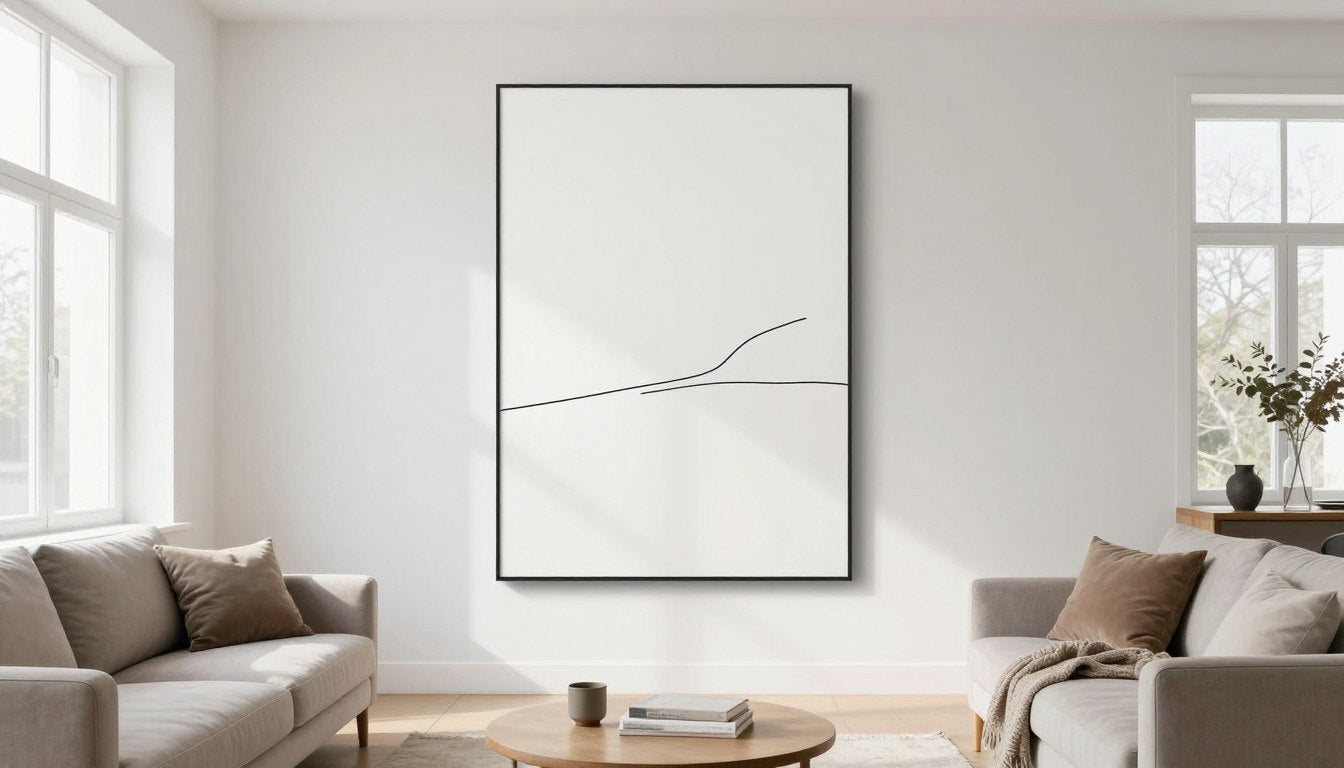
Less is more in minimalist abstraction. These pieces use limited color palettes and simple forms to create powerful statements. A single line, a subtle color gradient, or negative space becomes the focal point.
Minimalist abstract wall art works exceptionally well in small living rooms. The restrained compositions don't compete for visual attention, making spaces feel larger and more open. They also complement maximalist décor by providing visual rest points.
This style appeals to those who appreciate Scandinavian design, Japanese aesthetics, or contemporary minimalism. The simplicity allows the quality of materials and craftsmanship to shine. Our black and white canvas prints exemplify minimalist elegance.

Textured and Layered Abstract Art
Physical texture adds dimension to abstract artwork. Layers of paint, mixed media elements, or printing techniques that simulate texture create tactile interest. These pieces reward closer examination, revealing details not visible from across the room.
Textured abstract art particularly suits living rooms with smooth, sleek surfaces. The contrast between glossy furniture and textured canvas creates visual balance. Light plays across textured surfaces throughout the day, making the artwork appear different in various conditions.

Choosing Colors That Create the Right Atmosphere
Color profoundly affects mood and perception in living spaces. Understanding basic color psychology helps you select abstract wall art that supports the atmosphere you want to create. Different hues evoke specific emotional responses that can enhance your daily experience.
Warm Colors: Energy and Intimacy
Reds, oranges, and yellows bring warmth and energy to living rooms. These colors stimulate conversation and create intimate, cozy feelings. Abstract art featuring warm tones works beautifully in spaces designed for entertaining and social interaction.


Red abstract art makes bold statements. It draws the eye immediately and becomes the room's focal point. Use red-dominant pieces sparingly, as the color can overwhelm if covering large wall areas. Accent walls or above statement furniture work best.
Yellow and gold tones bring sunshine indoors. These cheerful colors brighten north-facing rooms with limited natural light. Abstract pieces with yellow create optimistic, uplifting environments perfect for family gathering spaces.
Cool Colors: Calm and Spaciousness
Blues, greens, and purples promote relaxation and tranquility. Cool-toned abstract wall art helps create peaceful retreats within busy homes. These colors also make small living rooms feel more spacious.


Blue abstract art particularly suits living rooms used for unwinding. The color's association with sky and water creates instinctive calm. Deeper navy tones add sophistication while lighter aquas feel airy and fresh.
Green bridges warm and cool palettes naturally. As the most prevalent color in nature, green feels inherently balanced and restful. Abstract pieces incorporating green tones connect indoor spaces with outdoor views. Explore our botanical wall art prints for nature-inspired options.
Neutral Palettes: Versatility and Timelessness
Black, white, gray, beige, and cream form the foundation of neutral abstract art. These versatile pieces adapt to any color scheme and never go out of style. Neutral abstract wall art allows you to change accent colors in your room without replacing artwork.

Black and white abstract art delivers maximum impact with minimal color. The stark contrast creates dramatic focal points while maintaining flexibility. These pieces work equally well in colorful or monochromatic rooms.
Beige and cream abstracts provide warmth without committing to specific color families. They complement wood furniture, natural fibers, and earth-tone palettes popular in contemporary design. The subtlety allows texture and form to take center stage.
Multi-Color Abstract Art: Bridging Your Palette
Some abstract pieces incorporate multiple colors, pulling together various elements in your living room. These works can bridge existing colors in furniture, rugs, and accessories, creating cohesive design schemes.
When selecting multi-color abstract art, identify which hue dominates the composition. This dominant color should complement your largest furniture pieces. Secondary colors can echo accent pillows, throws, or decorative objects.

Consider browsing our complete living room wall art collection to find pieces that match your color vision.
Sizing and Placement: Getting the Proportions Right
Even the most beautiful abstract art loses impact when sized or placed incorrectly. Proper proportions create visual balance and ensure your artwork enhances rather than overwhelms your living room. Follow these guidelines to achieve professional-looking results.
The Sofa Rule: Two-Thirds Coverage
For artwork hanging above sofas or sectionals, aim for a width that spans approximately two-thirds of the furniture's length. This proportion creates visual harmony without dwarfing or floating above the seating.
Measure your sofa width and multiply by 0.66 to find the ideal artwork width. A 90-inch sofa works best with art around 60 inches wide. You can achieve this with a single large piece or multiple smaller works arranged together.
Leave 6-8 inches of space between the sofa top and artwork bottom. This breathing room prevents the piece from appearing to sit directly on the furniture. The gap also protects canvas from accidental damage from people leaning back.

Eye-Level Hanging Heights
The center of your abstract wall art should hang at average eye level, approximately 57-60 inches from the floor. This standard gallery height ensures comfortable viewing whether standing or seated. Adjust slightly based on ceiling height and room scale.
In rooms with high ceilings, you can raise artwork slightly higher while maintaining proper spacing from furniture. Very low ceilings benefit from placing art lower to maintain proportion with the room's vertical dimensions.


Sizing for Different Wall Spaces
Different wall locations require different sizing approaches. Large empty walls benefit from oversized statement pieces or gallery wall arrangements. Smaller wall sections between windows or doors need more modest dimensions.
- 60+ inches wide for single pieces
- Multiple pieces in odd numbers (3, 5, 7)
- Horizontal orientations often work best
- Consider canvas print sets for cohesive look
- Leave adequate white space around edges
Large Wall Spaces
- 30-50 inches wide ideal range
- Single statement piece or pair
- Square or vertical orientations work well
- Perfect above consoles or accent chairs
- Maintain 4-6 inch margins from edges
Medium Wall Spaces
- 16-24 inches for tight areas
- Single pieces or small groupings
- Vertical orientations maximize space
- Great for hallways leading to living room
- Don't overcrowd small walls
Small Wall Spaces
Creating Gallery Walls with Abstract Art
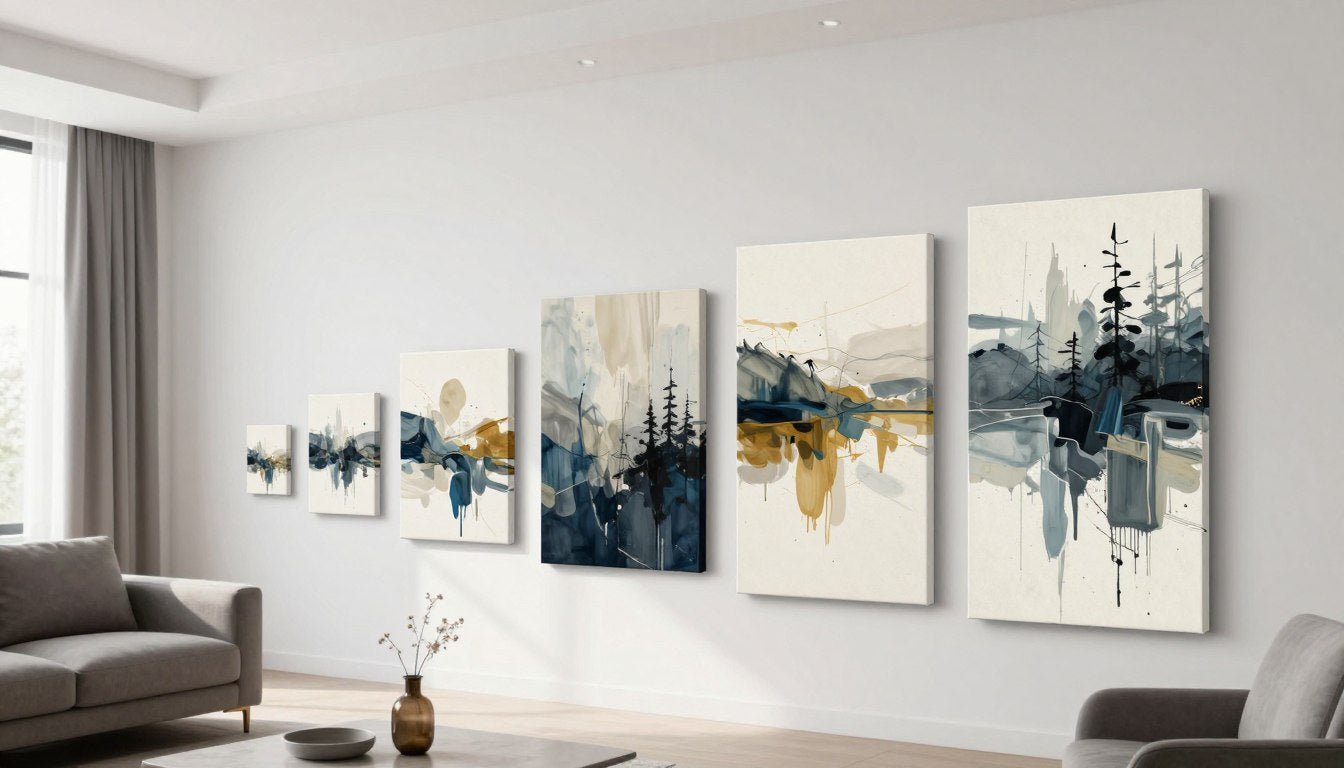
Multiple pieces arranged together create dynamic gallery walls. This approach works beautifully with abstract art, as varied compositions and color palettes can interact in interesting ways. Plan layouts before hanging to ensure balanced arrangements.
Start with your largest piece as an anchor, typically positioned slightly off-center. Build around this focal point with smaller works, maintaining consistent spacing between frames. A 2-3 inch gap between pieces creates cohesion without crowding.


Our canvas print sets offer pre-coordinated pieces designed to work together, simplifying the gallery wall creation process.
Focal Point Placement
Identify your living room's focal point before placing abstract wall art. This might be a fireplace, entertainment center, or picture window. Your artwork should enhance rather than compete with this architectural feature.
Above fireplaces, center artwork horizontally and position it 4-8 inches above the mantel. For walls with entertainment centers, flank the TV with vertical abstract pieces or hang a large horizontal work above the entire unit.

Match This Vibe to Your Space
Discover curated collections organized by mood and style. Whether you're creating a calming retreat or an energetic gathering space, find abstract art that perfectly expresses your vision.

Bold & Dramatic
Make powerful statements with high-contrast pieces featuring intense colors and dynamic compositions. Perfect for contemporary spaces that embrace strong visual impact.

Soft & Minimalist
Create tranquil environments with subtle color palettes and gentle compositions. These pieces bring calm sophistication to living rooms designed for relaxation.

Earthy & Organic
Connect with nature through warm terracotta, sage, and cream tones. Organic shapes and natural textures create grounded, inviting living spaces.
Understanding Canvas Print Formats and Framing Options
Abstract wall art comes in various physical formats, each offering distinct advantages. Understanding these options helps you choose the presentation style that best suits your living room's aesthetic and your practical needs.
Stretched Canvas: Ready to Hang
Stretched canvas prints arrive mounted on wooden frames, ready for immediate display. This popular format offers a clean, modern look with gallery-wrapped edges that continue the image around the sides. No additional framing required.
The stretcher bars provide structure while keeping the piece lightweight. You can hang stretched canvas using simple hooks or nails without professional installation. The frameless presentation creates contemporary, floating effects on walls.
Gallery-wrapped edges mean you can choose whether your image wraps around sides or features solid colors. This flexibility affects how the artwork appears from angles. Most of our canvas prints come ready to hang as stretched canvases.

Framed Canvas: Classic Presentation
Adding frames to canvas prints creates traditional, polished presentations. Frames protect edges while adding another design element that can complement or contrast with the artwork and room décor.


Frame colors should coordinate with existing elements in your living room. Black frames suit modern and minimalist spaces. Natural wood tones warm up interiors and complement mid-century furniture. White frames brighten spaces and create Scandinavian-inspired looks.
Rolled Canvas: Custom Framing Options
Rolled canvas ships without stretching or framing, offering maximum flexibility for custom installations. This format suits those wanting specific frame styles or working with professional framers to achieve exact visions.
Local framers can stretch and frame rolled canvas to your specifications. You control every detail, from mat colors to frame styles to glazing options. This approach costs more but delivers completely personalized results.
Choosing Between Options
Your choice depends on aesthetic preferences, budget, and timeline. Stretched canvas offers immediate gratification and contemporary style. Framed canvas provides traditional elegance and edge protection. Rolled canvas enables complete customization.
Stretched Canvas Benefits
- Ready to hang immediately upon arrival
- Modern frameless aesthetic
- Lightweight and easy to install
- No additional costs for framing
- Gallery-quality presentation
Considerations
- Edges can show wear over time
- Limited frame color options
- May not suit traditional décor styles
- Requires careful handling during moves
Styling Abstract Wall Art in Different Living Room Layouts
Every living room presents unique styling opportunities and challenges. Your furniture arrangement, architectural features, and traffic flow all influence how you should position and select abstract wall art. These strategies help you navigate common layout scenarios.
Open Concept Living Spaces
Open floor plans connecting living rooms to dining areas or kitchens benefit from abstract art that defines zones while maintaining visual flow. Use larger pieces to anchor the living area and create psychological boundaries without physical walls.

Choose abstract wall art with colors that appear in multiple zones. This creates cohesion across the open space. A blue abstract in the living room can echo blue bar stools in the kitchen, tying areas together visually.
Consider the view from different angles in open layouts. Your abstract art will be visible from various positions, so select pieces that look interesting from multiple perspectives. Avoid highly detailed works that only read well straight-on.
Small Living Rooms
Limited square footage doesn't mean limited art possibilities. Strategic abstract wall art actually makes small living rooms feel larger when selected and placed thoughtfully.

Vertical abstract pieces draw eyes upward, creating the illusion of higher ceilings. Light colors and minimal contrast prevent overwhelming tight spaces. Avoid very large horizontal works that can make walls feel crowded.
Single statement pieces work better than gallery walls in small rooms. Too many frames fragment limited wall space. One well-chosen abstract canvas print provides a focal point without visual clutter.
Living Rooms with High Ceilings
Tall walls present exciting opportunities for dramatic abstract art installations. High ceilings accommodate oversized pieces that would overwhelm standard rooms. Embrace scale to fill vertical space appropriately.

Vertical formats emphasize ceiling height while horizontal works can make tall rooms feel more intimate. Consider your goal—accentuating or moderating the vertical dimension—when choosing orientation.
Symmetrical Furniture Arrangements
Formal living rooms with balanced furniture layouts pair beautifully with centered abstract art. Symmetry creates calm, organized feelings appropriate for traditional and transitional styles.


Center your abstract wall art precisely above focal furniture or architectural features. Use levels and measuring tools to ensure perfect alignment. Even slight off-center placement disrupts the intentional symmetry.
Asymmetrical and Casual Layouts
Relaxed, asymmetrical furniture arrangements benefit from more playful art placement. Off-center abstract pieces or varied gallery walls complement the informal vibe while adding visual interest.
Layer art at different heights or create asymmetrical groupings that balance visual weight rather than mirror positioning. This approach feels collected and personal rather than decorated. Mix frame sizes and orientations for dynamic, casual effects.
In casual layouts, abstract wall art can float above furniture groups without centering precisely. The eye naturally creates balance through color and visual weight distribution. Trust your instincts more than strict measurement rules.
Browse our full living room canvas art collection to find pieces that match your layout style.

Advanced Styling Techniques for Abstract Art
This video demonstrates professional techniques for styling abstract wall art in various living room configurations. Watch how designers layer art with other décor elements to create cohesive, magazine-worthy spaces.
Pay attention to how lighting affects abstract art in the video. Proper illumination brings out colors and textures, making artwork truly shine. Consider adding picture lights or adjusting existing fixtures to highlight your pieces.
What Makes Quality Abstract Canvas Prints
Not all canvas prints deliver the same quality. Understanding what separates premium products from budget options helps you invest wisely in artwork that looks beautiful and lasts for years. Quality affects everything from color vibrancy to durability.
Canvas Material and Weight
Premium canvas uses tightly woven cotton or poly-cotton blends. Heavier weights (340-400 gsm) provide better structure and durability than lightweight alternatives. The weave texture affects how ink sits on the surface and how light interacts with the finished piece.
Museum-quality canvas resists sagging over time. Cheaper materials stretch and warp, distorting images within months. Feel the canvas weight when possible—substantial fabric indicates better construction.
The canvas texture should be consistent without thin spots or irregularities. Premium manufacturers inspect materials carefully before printing. These quality controls ensure your abstract wall art maintains its appearance through years of display.

Printing Technology and Inks
Giclée printing produces the highest quality canvas art. This process uses archival inks and precise color calibration to create prints that rival original paintings. UV-resistant inks prevent fading when exposed to natural light.
Standard inkjet prints lack the longevity of giclée work. Colors shift and fade within a few years, especially in rooms with significant sunlight. Investing in UV-resistant, archival-quality prints protects your purchase.
Stretcher Bar Construction
The wooden frame supporting canvas affects the final product's stability and longevity. Kiln-dried wood resists warping in changing humidity. Properly constructed stretcher bars include crossbars on larger sizes to prevent sagging.


Corner joints should fit tightly without gaps. Staples or tacks securing canvas should be evenly spaced and professional in appearance. Check the back of stretched canvases—quality shows in construction details customers don't always see.
Color Calibration and Accuracy
Reputable canvas print companies calibrate equipment regularly to ensure color accuracy. What you see online should closely match what arrives at your door. Significant color shifts indicate poor quality control.
Read reviews mentioning color accuracy before purchasing. Companies committed to quality provide detailed color management information. Some offer color matching guarantees or sample programs to verify quality before full purchases.
Environmental Considerations
Eco-conscious buyers should investigate manufacturing practices. Water-based inks, sustainable forestry sources for frames, and recyclable packaging demonstrate commitment to environmental responsibility without sacrificing quality.
Quality manufacturers balance environmental concerns with product durability. A canvas print lasting decades creates less waste than cheap alternatives requiring replacement every few years. Longevity itself represents sustainability.
Mixing Abstract Art with Other Décor Styles
Abstract wall art's versatility extends beyond abstract-only spaces. These pieces integrate beautifully with various interior design styles, adding modern touches to traditional rooms or grounding contemporary spaces with classic elements.
Abstract Art in Traditional Living Rooms
Traditional interiors benefit from abstract art's fresh perspective. The juxtaposition creates interesting tension between classic furniture and contemporary art. This mixing prevents spaces from feeling like museum period rooms.

Choose abstract pieces with colors from your traditional palette. Rich jewel tones or muted earth colors bridge the style gap more smoothly than neon brights. Framed abstract works feel more at home in traditional settings than frameless stretched canvas.
Balance abstract art with classical elements elsewhere in the room. If your walls feature modern abstract works, incorporate traditional accessories, antique furniture, or classic architectural details. The contrast elevates both styles.
Abstract Art in Modern and Contemporary Spaces
Modern and contemporary interiors provide natural homes for abstract wall art. Clean lines, minimal ornamentation, and focus on form create perfect backdrops for bold abstract statements. These styles practically demand striking artwork.

In modern spaces, abstract art can be the primary color source. Neutral furniture and walls allow artwork to provide the visual punch. Large-scale pieces work beautifully in minimalist rooms with ample negative space.
Abstract Art in Eclectic and Bohemian Interiors
Eclectic and bohemian styles embrace mixing patterns, colors, and eras. Abstract wall art fits naturally into this creative approach, adding another layer of visual interest to already rich environments.
Don't fear color clashes in eclectic spaces. Abstract art with multiple hues can pull together disparate elements throughout the room. The freedom of these styles allows experimental combinations that wouldn't work in more formal settings.
Layer abstract art with textiles, plants, and collections. Bohemian interiors thrive on abundance and personality. Your abstract canvas becomes one element in a larger story rather than standing alone as a focal point.

Abstract Art in Scandinavian and Minimalist Interiors
Scandinavian design principles of simplicity, functionality, and connection to nature align beautifully with certain abstract art styles. Minimalist abstract works in neutral or nature-inspired palettes feel right at home.


Choose abstract pieces with restraint in Scandinavian spaces. Simple compositions, limited color palettes, and plenty of negative space match the style's ethos. Our line art canvas prints exemplify this aesthetic.
Abstract Art in Industrial and Urban Loft Spaces
Exposed brick, concrete, and metal create perfect backdrops for bold abstract art. Industrial spaces handle large-scale, high-contrast pieces that might overwhelm traditional rooms. The raw architecture balances strong artistic statements.
Black and white abstract art complements industrial materials naturally. Alternatively, inject color through artwork to soften hard surfaces and add warmth to potentially cold environments. The contrast between rough textures and smooth canvas creates appealing tension.

Refreshing Your Space: Seasonal Abstract Art Styling
While abstract wall art typically remains in place year-round, small styling adjustments create seasonal freshness without major redecorating. These techniques keep your living room feeling current throughout the year.
Spring and Summer Lightness
Warmer months call for airy, light feelings. If your permanent abstract art features bold or dark colors, balance it with light, bright accessories. White or cream throw pillows, light-colored blankets, and fresh flowers create seasonal contrast.
Consider rotating smaller abstract pieces seasonally if you have storage space. Display vibrant, energetic works in spring and summer. Pastels and bright colors feel appropriate when sunshine floods through windows.
Layer your main abstract wall art with lightweight seasonal elements. A delicate shelf below abstract canvas can hold seasonal objects—beach finds in summer, flowering branches in spring—that complement without competing.

Fall and Winter Warmth
Cooler months invite cozier aesthetics. Abstract art in warm tones—reds, oranges, earth colors—creates psychological warmth. If your primary pieces feature cool colors, add warm-toned accessories and lighting to shift the mood.


Texture becomes more important in fall and winter styling. Pair smooth abstract canvas with chunky knits, velvet pillows, and plush throws. The textural contrast makes spaces feel more inviting during cold weather months.
Permanent Pieces with Seasonal Flexibility
Select abstract wall art with year-round appeal by choosing versatile color palettes. Neutrals, earth tones, and balanced compositions work through all seasons. You can then adjust accessories rather than changing artwork.
Multi-colored abstract pieces offer particular flexibility. Draw out different colors seasonally through accessories. Emphasize blues and greens in summer, warm oranges and reds in fall. The same artwork feels different with shifted context.
Lighting Your Abstract Wall Art Properly
Proper lighting transforms how abstract art appears and impacts your living room. Light affects color perception, reveals textures, and creates drama. Understanding lighting basics helps you showcase your artwork effectively.
Natural Light Considerations
Windows provide beautiful illumination but pose challenges for art preservation. Direct sunlight fades colors over time, even with UV-resistant inks. Position abstract wall art perpendicular to windows when possible, receiving indirect light without direct sun exposure.
North-facing rooms in the Northern Hemisphere receive consistent, indirect natural light ideal for displaying art. South-facing windows bring intense direct sunlight requiring more careful positioning. East and west exposures change throughout the day.
Window treatments help control light exposure. Sheer curtains diffuse harsh sunlight while maintaining brightness. UV-filtering window films protect art without significantly reducing natural light levels.

Artificial Lighting Techniques
Dedicated art lighting elevates abstract wall art from decoration to gallery-quality display. Picture lights, track lighting, and recessed fixtures each offer advantages depending on your living room layout and ceiling height.
- Mount directly above or below artwork
- Provide focused illumination
- Work well with lower ceilings
- Create dramatic gallery effects
- Available in various finishes to match décor
- Easy to install on existing walls
Picture Lights
- Adjustable beam angles and positions
- Illuminate multiple pieces with one system
- Requires ceiling mounting
- Offers maximum flexibility
- Modern aesthetic suits contemporary rooms
- Can highlight art and provide ambient light
Track Lighting
- Create clean, minimal appearance
- Require ceiling modifications for installation
- Provide even, diffused illumination
- Work best with higher ceilings
- Blend seamlessly with architecture
- Offer permanent lighting solutions
Recessed Lights
Color Temperature and Art Perception
Light color temperature dramatically affects how you perceive abstract art colors. Warm light (2700-3000K) enhances reds, oranges, and yellows while cooling blues and greens. Cool light (4000-5000K) does the opposite.

Neutral white light (3500K) provides the most accurate color rendering for abstract wall art. This balanced temperature shows artwork close to how it appears in natural daylight. Art galleries typically use neutral lighting for this reason.
Consider your living room's overall lighting when selecting bulb temperatures. If warm ambient lighting dominates, slightly cooler art lighting can balance the space. Matching temperatures throughout creates cohesive, harmonious environments.
Avoiding Common Lighting Mistakes
Harsh overhead lighting creates glare on canvas surfaces, obscuring colors and details. Position lights at 30-degree angles to minimize reflections. This angled approach illuminates without creating bright spots that distract from the artwork itself.
Underlighting makes artwork disappear in evenings. Ensure adequate illumination after dark when you'll spend most time enjoying your living room. Dimmers provide flexibility to adjust light levels for different activities and moods.


Maintaining and Caring for Your Abstract Canvas Art
Proper care ensures your abstract wall art maintains its beauty for decades. Canvas prints require minimal maintenance but benefit from simple protective measures. These practices preserve your investment and keep colors vibrant.
Regular Cleaning and Dusting
Dust accumulates on canvas surfaces over time, dulling colors and textures. Gently dust your abstract art monthly using a soft, dry microfiber cloth or feather duster. Work from top to bottom with light strokes, avoiding pressure that might damage the canvas.

Never use water or cleaning solutions directly on canvas unless specifically recommended by the manufacturer. Moisture can damage canvas fibers and cause colors to run. For stubborn marks, consult professional art conservators rather than attempting DIY cleaning.
Avoid compressed air dusters that can blow particles into canvas weave or leave residue. The gentle touch of a soft cloth provides safer, more effective cleaning for stretched canvas prints.
Protecting from Environmental Damage
Temperature and humidity fluctuations stress canvas and stretcher bars. Maintain consistent conditions in your living room, avoiding extreme heat or cold. Keep abstract art away from heating vents, fireplaces, and air conditioning units that create localized temperature changes.
Ideal Environmental Conditions for Canvas Art:
- Temperature: 65-75°F (18-24°C)
- Humidity: 40-50% relative humidity
- Avoid direct sunlight exposure
- Keep away from moisture sources (bathrooms, kitchens)
- Prevent contact with walls prone to condensation
Handling and Moving Artwork
When relocating abstract wall art, handle canvas by the stretcher bars, never pulling on the canvas surface itself. Two people should move large pieces to prevent bending or dropping. Transport canvas face-to-face when stacking multiple pieces, with protective material between them.
Wrap canvas in acid-free paper or bubble wrap for storage or moving. Avoid plastic directly against the canvas surface, as it can trap moisture. Store canvas prints upright rather than flat to prevent warping.
Addressing Minor Damage
Small surface scratches sometimes respond to gentle rubbing with a soft cloth. For dents or punctures, professional restoration offers the best results. Attempting repairs without proper training can worsen damage.
Canvas corners occasionally lift from stretcher bars. This usually indicates loose staples or tacks. Professional framers can re-stretch canvas to restore proper tension. Don't attempt DIY re-stretching unless you have experience and proper tools.
If you notice sagging in the center of large canvases, the stretcher bars may need adjustment or additional support. Many quality stretcher bars include corner keys that allow tightening. Consult installation instructions before making adjustments.

Long-Term Preservation
Quality abstract canvas prints last for generations with proper care. UV-resistant inks and archival materials resist fading and degradation. Still, rotating extremely valuable pieces out of direct light preserves them even longer.
Consider professional cleaning every 5-10 years for important pieces. Conservators use specialized techniques to remove accumulated grime without damaging canvas or colors. This professional maintenance proves worthwhile for cherished artwork.
Abstract Wall Art Options for Every Budget
Beautiful abstract art exists at every price point. Understanding what drives costs helps you make informed decisions that balance quality, aesthetics, and budget. You don't need to spend thousands to find pieces that elevate your living room.
Entry-Level Abstract Canvas Prints
Affordable abstract wall art typically ranges from $50-150 for medium sizes. These pieces use standard printing processes on basic canvas with simple stretcher bars. While not archival quality, they provide attractive décor for budget-conscious buyers.
Entry-level prints work well in rentals or spaces you plan to redecorate frequently. The lower investment makes experimentation easier. You can try bold colors or styles without significant financial commitment.
Look for sales and promotions from reputable online retailers. Many offer seasonal discounts on canvas prints. Our collection includes accessible options starting under $50, allowing you to build an art collection gradually.

Mid-Range Quality Canvas Art
The $150-500 range offers significantly better quality. Expect archival inks, heavier canvas, and superior stretcher bar construction. These pieces last for years and maintain color vibrancy with proper care.


Mid-range pieces from established artists or galleries provide the best value. You invest in quality materials and construction without paying premium prices for famous names. Browse our canvas prints collection for quality at accessible prices.
Investment-Grade Abstract Art
Original paintings and limited edition prints command higher prices, typically $500-5000 or more. These pieces offer investment potential beyond decoration. Artist reputation, edition size, and provenance affect value.
Investing in original abstract art supports living artists while acquiring unique pieces. Unlike prints, no one else owns identical artwork. The exclusivity and potential appreciation make originals worthwhile for serious collectors. Explore our original paintings collection for one-of-a-kind pieces.
Maximizing Value at Any Price Point
Regardless of budget, certain factors ensure you receive good value. Research sellers and read reviews. Request detailed product specifications including canvas weight, ink types, and stretcher bar materials.
Value Indicators
- Detailed product specifications provided
- Positive customer reviews mentioning quality
- Clear return and satisfaction policies
- Responsive customer service
- Transparent shipping and handling practices
- Archival materials and UV-resistant inks
Red Flags
- Vague or missing product details
- No customer reviews or consistently poor ratings
- Restrictive return policies
- Unresponsive or difficult-to-reach sellers
- Suspiciously low prices for claimed quality
- No information about materials or processes
Commissioning Custom Abstract Art for Your Living Room
Sometimes perfect abstract wall art means creating something unique to your vision. Custom commissions ensure exact colors, sizes, and styles that complement your living room perfectly. This personalized approach delivers truly one-of-a-kind results.
Benefits of Custom Abstract Artwork
Custom pieces address specific needs that ready-made art can't meet. You control every aspect—dimensions that fit unusual wall spaces, colors matching existing décor precisely, and styles reflecting personal aesthetic preferences. The result integrates seamlessly into your home.

Working directly with artists creates meaningful connections to your artwork. You understand the creative process and story behind pieces. This context adds value beyond the physical object, making custom art more personally significant.
Custom commissions also solve practical challenges like oddly shaped walls, specific color requirements, or desired subjects not available in existing collections. Artists can adapt their style to meet your vision while maintaining artistic integrity.
Finding the Right Artist
Research artists whose existing work aligns with your aesthetic preferences. Review portfolios carefully, noting color palettes, compositional approaches, and overall style. An artist whose past work appeals to you will likely create something you love.
Discuss commission process details before committing. Understand timelines, revision policies, payment structures, and what happens if you're unsatisfied with results. Clear communication prevents misunderstandings and ensures positive experiences.
The Commission Process
Most artists request deposits before beginning work, typically 30-50% of the total price. This commitment ensures both parties invest seriously in the project. Final payment usually occurs upon completion and approval.
Pricing Custom Abstract Art
Custom work typically costs more than comparable ready-made pieces. Artists factor in their time, expertise, materials, and the exclusive nature of commissions. Expect prices starting around $500 for emerging artists and increasing significantly for established names.
Size dramatically affects pricing, as larger works require more materials and time. Complex compositions with multiple layers or techniques also command higher prices than simple designs. Discuss budget openly to ensure realistic expectations.

Protecting Your Investment
Request certificates of authenticity for custom abstract art. Documentation includes artist information, creation date, materials used, and edition details if applicable. This paperwork proves provenance and protects value.
Professional photography of completed custom works serves multiple purposes. High-quality images document the piece for insurance, create portfolio additions for the artist, and allow you to share your commission with others digitally.
Abstract Art vs. Representational Art: Making the Choice
Deciding between abstract and representational wall art involves understanding how each type functions in living spaces. Both styles offer distinct advantages and create different atmospheres. Your choice depends on personal preferences, existing décor, and the mood you want to establish.
How Abstract Art Differs
Abstract wall art focuses on color, form, and composition rather than depicting recognizable subjects. This non-representational approach offers interpretive freedom. Viewers bring their own meanings and emotional responses to abstract pieces.
The ambiguity of abstract art prevents it from becoming dated or clichéd. A landscape painting might feel tired after years, but geometric abstraction remains fresh. Abstract pieces adapt to changing trends and personal evolution.
Abstract art also works across diverse décor styles. The same piece suits modern minimalist spaces and traditional interiors with appropriate framing and placement. This versatility provides long-term value as your tastes develop.

When Representational Art Makes Sense
Representational artwork depicting specific subjects appeals to those wanting recognizable imagery. Landscapes, cityscapes, portraits, and still lifes provide immediate context and clear subject matter. Some people find comfort in understanding exactly what they're viewing.
Representational art can reinforce specific themes in living rooms. Beach house interiors benefit from coastal scenes. Urban lofts complement cityscape photography. The literal connection between subject and setting creates cohesive design stories.
Combining Both Styles
Many collectors mix abstract and representational pieces throughout their homes. This eclectic approach prevents monotony while allowing each work to shine in appropriate contexts. The variation creates visual interest and demonstrates broad artistic appreciation.


When mixing styles, ensure some unifying element—color palette, framing style, or scale—creates cohesion. Without connection, combinations can feel random rather than intentional. Thoughtful curation makes eclectic arrangements successful.
Ready-to-Hang, Museum-Quality Canvas Art
Transform your living room with abstract canvas prints designed by Chiara Rossetti. Each piece features premium materials, UV-resistant archival inks, and arrives ready to hang. Enjoy free worldwide shipping on all orders.

Why Choose Rossetti Art
- Museum-quality archival canvas and inks
- Designed by established artist Chiara Rossetti
- Free worldwide shipping on all orders
- Ready-to-hang stretched canvas or framed options
- Multiple sizes to fit any living room wall
- Satisfaction guarantee with easy returns
- Eco-friendly materials and processes
Current Collections
Browse our curated collections organized by style, color, and room:
- Abstract & Geometric Canvas Prints – Bold modern compositions
- Black & White Canvas Prints – Timeless monochrome elegance
- Line Art Canvas Prints – Minimalist sophistication
- Living Room Wall Art – Curated for your space
- Canvas Print Sets – Pre-coordinated collections
Questions about sizing, framing, or shipping? Visit our blog for detailed guides and inspiration, or contact our team for personalized recommendations.
Expert Tips for Displaying Abstract Wall Art
Interior designers and art consultants offer professional insights for maximizing abstract art's impact. These expert strategies help you create gallery-worthy displays in your own living room.
The Power of Negative Space
Don't overcrowd walls with artwork. Negative space around abstract pieces allows them to breathe and command proper attention. Asian design principles emphasize the importance of emptiness in creating balance and focus.
Calculate the visual weight of furniture and architectural elements when determining art placement. Heavy furniture groups can balance a large abstract canvas on the opposite wall. Lighter furnishings pair better with smaller works or gallery groupings.
Leave at least 6-12 inches of empty wall space around artwork edges. This margin prevents crowded feelings and allows the eye to rest between visual elements. More space often creates more dramatic impact than larger pieces with insufficient breathing room.

Creating Rhythm Through Repetition
Repeating colors, shapes, or themes across multiple abstract pieces creates visual rhythm. This technique unifies disparate works and guides eyes through a space. Interior designers use rhythm to create sophisticated, cohesive environments.


Balancing Visual Weight
Abstract art with dark colors or dense compositions carries more visual weight than light, airy pieces. Balance heavy artwork with lighter elements on adjacent walls or opposite sides of rooms. This equilibrium prevents spaces from feeling lopsided.
Asymmetrical balance often feels more dynamic than perfect symmetry. Place a large dark abstract on one wall and balance it with several smaller, lighter pieces on another. The total visual weight balances without mirror-image positioning.
Considering Traffic Flow
Place abstract wall art where people naturally pause or sit. Art positioned along walking paths gets glanced at rather than contemplated. Above seating areas or across from entryways creates proper viewing opportunities.
In open layouts, position artwork visible from multiple rooms to create visual anchors. A striking abstract canvas seen from the dining room, kitchen, and living area ties spaces together and provides consistent beauty throughout your home.
Scale Surprises
Contrary to intuition, larger art can make small rooms feel more spacious. Oversized abstract pieces create bold statements that expand perceived boundaries. The key is maintaining proper proportions to furniture and leaving adequate breathing room.
Conversely, collections of smaller pieces can overwhelm large walls. The fragmentation dilutes impact. When dealing with expansive wall space, choose appropriately scaled works or create tight gallery clusters rather than spreading small pieces across vast areas.
Test scales using painter's tape to outline proposed artwork dimensions on walls before purchasing. Live with the taped outline for a few days to ensure the size feels right. This simple trick prevents expensive sizing mistakes.

Current Trends in Abstract Wall Art for Living Rooms
Abstract art trends evolve with broader design movements, though quality pieces remain timeless. Understanding current directions helps you select contemporary works while avoiding fleeting fads that quickly date interiors.
Organic and Biophilic Abstracts
Nature-inspired abstract art dominates current trends. Flowing organic shapes, earth tones, and textures mimicking natural materials connect interiors with the outdoors. This biophilic design approach promotes well-being through nature references.


Earthy color palettes—terracotta, sage, cream, warm grays—reflect this natural direction. These hues create calming environments while remaining sophisticated. The palette works across various design styles from Scandinavian to modern farmhouse. Explore our botanical wall art collection for nature-inspired options.
Maximalist Color and Pattern
Bold, vibrant abstract art makes a comeback after years of minimalist neutrals. Rich jewel tones, unexpected color combinations, and complex layered compositions appeal to those seeking personality and drama in living spaces.
This trend rejects the "greige" neutrality dominating recent years. Emerald greens, sapphire blues, and ruby reds energize interiors. Abstract pieces become the room's color story rather than simply complementing existing palettes.
Maximalist abstract art requires confidence. Start with one bold piece as a focal point if you're hesitant about full commitment. You can always build toward more color as comfort grows.

Textural and Three-Dimensional Works
Abstract art with pronounced texture and dimensional elements adds tactile interest to living rooms. Heavy impasto techniques, mixed media applications, and sculptural canvas treatments create shadows and depth that flat prints cannot achieve.
Textured abstract pieces particularly suit contemporary and transitional interiors where they provide visual and tactile contrast against smooth surfaces. The play of light across textured surfaces changes throughout the day, making artwork appear dynamic and alive.
Digital and AI-Influenced Aesthetics
Technology influences abstract art creation and aesthetic preferences. Glitch art, pixel-inspired compositions, and algorithmically generated patterns reflect our digital age. These pieces appeal to tech-savvy collectors and modern minimalist spaces.


Vintage Modern Revival
Mid-century modern abstract art experiences renewed popularity. Geometric compositions, atomic age motifs, and retro color schemes appeal to those embracing vintage-inspired interiors. This trend offers nostalgia with contemporary relevance.
Unlike pure reproduction, current vintage modern abstracts reinterpret classic aesthetics through contemporary lenses. Artists blend period sensibilities with current techniques and perspectives, creating fresh takes on familiar themes. Our pop art collection captures retro energy.
Collaborating with Interior Designers on Abstract Art Selection
Interior designers bring professional expertise to art selection, ensuring pieces work within comprehensive design schemes. Understanding how to collaborate effectively helps you benefit from their knowledge while maintaining personal preferences.
When to Involve a Designer
Consider professional help when renovating entire living rooms, struggling with cohesive design visions, or investing significantly in furniture and art. Designers prevent costly mistakes and create polished results faster than trial-and-error approaches.

Designers access trade resources and wholesale pricing unavailable to consumers. These savings often offset design fees. Additionally, their relationships with artists, galleries, and vendors provide options beyond public retail channels.
Even single consultation sessions provide valuable guidance. Many designers offer hourly consultations where you can discuss abstract art selection specifically. This limited engagement gives professional input without full-service commitments.
Communicating Your Preferences
Prepare for designer consultations by gathering inspiration images, color swatches, and examples of abstract art you love. Pinterest boards, magazine clippings, and saved online images communicate preferences more clearly than verbal descriptions alone.
Understanding Design Perspectives
Designers consider factors beyond personal taste. They evaluate scale, proportion, color theory, lighting, traffic flow, and long-term flexibility. Trust their expertise while maintaining honest communication about what resonates with you personally.
If a designer suggests abstract art that initially seems wrong, ask them to explain their reasoning. Understanding the professional rationale often reveals considerations you hadn't recognized. You might gain appreciation for pieces that didn't immediately appeal.
Balancing Professional Guidance and Personal Taste
Remember that designers work for you. While respecting their expertise, you shouldn't accept recommendations that make you uncomfortable. Great designers welcome dialogue and adjust suggestions based on feedback.
Request alternative options if initial proposals miss the mark. Professional designers typically present multiple directions for this reason. Seeing varied approaches helps clarify what does and doesn't work for your vision.
The best designer-client relationships balance professional knowledge with personal preference. You live with the results daily, so ultimate satisfaction matters more than rigid adherence to design rules.

Sustainable and Ethical Abstract Wall Art Choices
Environmentally conscious consumers increasingly consider sustainability when purchasing abstract wall art. Understanding production impacts and seeking eco-friendly options allows you to decorate responsibly without sacrificing aesthetics.
Sustainable Materials in Canvas Production
Look for canvas prints made from organic cotton or recycled polyester blends. These materials reduce environmental impact compared to conventional fabrics. Sustainable forestry certifications (FSC) for stretcher bars ensure wood comes from responsibly managed forests.
Water-based, non-toxic inks minimize environmental harm and improve indoor air quality. Traditional solvent-based inks release volatile organic compounds (VOCs) into your living room. Eco-friendly alternatives deliver equal quality without chemical exposure.
Packaging matters too. Recyclable cardboard and minimal plastic wrap demonstrate company commitment to sustainability. Some manufacturers use biodegradable packing materials or recycled content packaging.

Supporting Independent and Local Artists
Purchasing directly from artists supports creative communities while reducing carbon footprints from shipping and warehousing. Many independent artists prioritize sustainable practices in their studios, using eco-friendly materials and minimizing waste.


Local artists eliminate international shipping emissions entirely. Regional purchasing strengthens local economies while reducing environmental costs. Visit local galleries and art fairs to discover abstract artists in your area.
Longevity as Sustainability
Quality abstract wall art that lasts decades proves more sustainable than cheap pieces requiring frequent replacement. Investing in archival materials and proper construction reduces waste and resource consumption over time.
Care for artwork properly to maximize lifespan. Well-maintained canvas prints serve multiple generations, becoming heirloom pieces rather than disposable décor. This longevity represents the ultimate sustainability—buying once rather than repeatedly.
Ethical Production Practices
Research companies' labor practices and manufacturing locations. Ethical producers ensure fair wages, safe working conditions, and reasonable hours for everyone involved in creating your abstract art. Transparency about production processes indicates responsible businesses.
Questions to Ask About Sustainability
- What materials are used in canvas and frames?
- Are inks water-based and non-toxic?
- Where is the product manufactured?
- What certifications does the company hold?
- How is the artwork packaged for shipping?
- Does the company have sustainability commitments?
- Are workers paid fairly and treated ethically?
The Psychology of Abstract Art in Living Spaces
Abstract wall art affects our psychological states in subtle but significant ways. Understanding these effects helps you select pieces that support the atmosphere and emotional tone you want in your living room.
How Abstract Art Influences Mood
Colors and forms in abstract art trigger emotional responses. Warm colors like reds and oranges energize and stimulate, while cool blues and greens calm and soothe. Curved organic shapes feel gentler than sharp angular forms.

Complexity affects engagement levels. Highly detailed abstract works invite prolonged viewing and contemplation. Simple, minimal pieces provide visual rest. Match complexity to your living room's purpose—contemplation spaces versus high-energy gathering areas.
Personal associations override general color psychology sometimes. If blue reminds you of unhappy experiences, even scientifically calming blue abstracts won't feel peaceful. Trust your emotional responses when selecting art.
Abstract Art and Creativity
Exposure to abstract art stimulates creative thinking. The open-ended nature encourages interpretation and imagination. Living rooms featuring abstract wall art may foster more creative conversations and innovative problem-solving.
Research suggests that viewing abstract art activates different brain regions than representational imagery. This neural stimulation promotes flexible thinking and new perspectives. Your living room art collection subtly influences how you and guests think.
Creating Psychological Safety
Familiar, comfortable abstract art contributes to psychological safety in homes. Pieces that resonate personally make spaces feel more "yours," reducing stress and increasing relaxation. This effect intensifies over time as artwork becomes associated with positive home experiences.


Social and Cultural Signaling
Art choices communicate values and identities to visitors. Abstract wall art often signals cultural sophistication, contemporary sensibilities, and openness to interpretation. These subtle messages affect how guests perceive you and feel in your space.
Different abstract styles send different signals. Minimalist geometric works suggest order and precision. Chaotic expressionist pieces imply spontaneity and emotion. Consider what you want to communicate through your living room art.
Common Mistakes When Choosing Abstract Wall Art
Even experienced decorators make errors when selecting abstract art. Awareness of common pitfalls helps you avoid disappointing purchases and create more successful living room displays.
Buying Art Too Small
The most frequent mistake involves choosing undersized artwork. Small pieces floating on large walls lack impact and look like afterthoughts. When uncertain between sizes, larger almost always proves better.

People underestimate appropriate sizes because wall spaces appear smaller when empty. Furniture, décor, and people fill rooms, making walls seem smaller than bare measurements suggest. Use the two-thirds rule for sizing above furniture.
Test sizes with cardboard cutouts or painter's tape before purchasing. This visualization prevents expensive sizing errors. Photos of the taped outline help you assess proportions objectively.
Ignoring Existing Color Schemes
Selecting abstract art without considering room colors creates clashing, uncomfortable results. While art can introduce new accent colors, it should relate somehow to existing palettes. Total disconnection feels jarring and random.
Bring paint swatches, fabric samples, or photos when shopping for abstract wall art. These references help you evaluate whether pieces will harmonize or clash. Many online retailers offer virtual room visualizers to preview artwork in your space.
Prioritizing Trends Over Personal Taste
Buying trendy abstract art you don't genuinely love leads to regret when trends shift. Your living room art should please you first, others second. Timeless pieces matching your authentic preferences outlast fleeting fashions.
Red Flags Indicating Trend-Chasing:
- Choosing art because "everyone's doing it" rather than personal appeal
- Buying pieces that don't match your existing style
- Selecting trendy colors you don't typically wear or decorate with
- Feeling pressure to update art frequently to stay current
- Choosing art primarily for social media rather than daily enjoyment
Hanging Art at Wrong Heights
Incorrect hanging heights diminish even beautiful abstract wall art. Center artwork at 57-60 inches from the floor for proper eye-level viewing. This standard works for most ceiling heights and furniture arrangements.
Above furniture, maintain 6-8 inches between the furniture top and artwork bottom. This spacing connects pieces visually without making them appear to sit on the furniture. Proper heights feel natural and balanced.
Overlooking Lighting Needs
Inadequate or improper lighting wastes beautiful abstract art. Dark corners can't showcase colors and details effectively. Plan lighting when selecting and hanging art, not as an afterthought.
Natural light alone rarely suffices, especially for evening viewing. Add dedicated picture lights, track lighting, or recessed fixtures to illuminate artwork properly. Dimmers provide flexibility for different times and activities.
Consider how existing room lighting affects art perception. Warm bulbs shift colors differently than cool ones. View art under your home's actual lighting conditions before purchasing when possible.

Neglecting Quality for Price
Extremely cheap abstract art often disappoints with poor materials, inaccurate colors, and short lifespans. While budget constraints exist, rock-bottom prices usually signal low quality. Save longer for better pieces rather than settling for inadequate alternatives.
Quality abstract wall art represents an investment in your living space. Calculate cost-per-year rather than focusing on upfront prices. A $200 piece lasting 20 years costs $10 annually—better value than a $50 piece needing replacement every two years.
Frequently Asked Questions About Abstract Wall Art for Living Rooms
What size abstract wall art is best for a living room?
The ideal size depends on your wall dimensions and furniture scale. For art above sofas, choose pieces approximately two-thirds the width of the furniture. Large empty walls benefit from oversized pieces (60+ inches wide) or gallery wall arrangements. Medium walls (40-60 inches) work well with 30-50 inch artworks. Always aim larger rather than smaller when uncertain—undersized art lacks impact.
Explore our living room wall art collection with detailed sizing information for each piece.
How do I choose abstract art colors for my living room?
Start by identifying your existing color palette—furniture, walls, rugs, and accessories. Your abstract art can either complement these colors or introduce controlled contrast. Warm colors (reds, oranges, yellows) energize spaces, while cool tones (blues, greens, purples) create calm. Neutrals (black, white, gray, beige) offer maximum versatility. Consider the mood you want—relaxing, energizing, or balanced—and select colors supporting that atmosphere.
Multi-colored abstract pieces provide flexibility, allowing you to emphasize different hues through accessories. Browse our abstract canvas prints organized by color palette.
Where should I hang abstract wall art in my living room?
The most common placement is above the sofa, centered on the wall at eye level (57-60 inches from floor to artwork center). Leave 6-8 inches between sofa and art. Other excellent locations include above fireplaces, on accent walls opposite seating, or flanking entertainment centers. Choose walls visible from main seating areas where you'll frequently enjoy the art. Avoid positions behind furniture or in high-traffic corridors where pieces receive only passing glances.
Can I mix abstract art with other art styles in my living room?
Yes, mixing abstract and representational art creates interesting, personalized spaces. The key is finding unifying elements—color palette, framing style, or scale—that create cohesion. For example, pair abstract geometric prints with black and white photography using matching frames. Or combine abstract and landscape pieces sharing earth-tone palettes. Avoid random combinations without visual connections, which appear haphazard rather than intentionally curated.
What's the difference between stretched canvas and framed prints?
Stretched canvas arrives mounted on wooden stretcher bars with the image wrapping around edges, ready to hang without frames. This frameless presentation offers modern, gallery-style aesthetics. Framed prints include outer frames (wood, metal, etc.) providing traditional, polished appearances and protecting canvas edges. Stretched canvas typically costs less and installs easily, while framed options offer more formal presentations. Both formats use the same quality printing—your choice depends on aesthetic preferences and existing décor style.
Our canvas prints are available in multiple format options.
How do I clean and maintain abstract canvas art?
Dust canvas prints monthly using a soft, dry microfiber cloth or feather duster with gentle strokes from top to bottom. Never use water, cleaning solutions, or compressed air unless specifically recommended by the manufacturer. Avoid touching the canvas surface directly. Keep art away from direct sunlight, humidity extremes, and temperature fluctuations. For valuable pieces, consider professional cleaning every 5-10 years. Quality canvas prints with UV-resistant inks require minimal maintenance and last for decades with basic care.
Is abstract art suitable for traditional living rooms?
Absolutely. Abstract wall art creates beautiful contrast in traditional spaces, preventing them from feeling dated or museum-like. Choose abstract pieces with colors matching your traditional palette—rich jewel tones or muted earth colors work well. Consider framed abstract art rather than frameless stretched canvas for more formal presentations. The juxtaposition of contemporary art with classic furniture creates sophisticated, layered interiors that feel collected over time rather than decorated all at once.
How much should I spend on abstract wall art?
Quality abstract canvas prints range from $50-500 depending on size, materials, and whether it's an original or reproduction. Entry-level prints ($50-150) offer decent quality for budget-conscious buyers. Mid-range pieces ($150-500) provide archival materials and superior construction worth the investment for permanent installations. Original abstract paintings start around $500 and increase based on artist reputation and size. Budget approximately 10-15% of your overall room budget for art, or save for fewer high-quality pieces rather than buying multiple low-quality alternatives.
View our abstract collection with transparent pricing and quality guarantees.
Can abstract art make a small living room look bigger?
Yes, when chosen strategically. Large-scale abstract art can actually expand perceived space by creating bold focal points that draw eyes across the room. Choose pieces with light colors and minimal contrast to avoid overwhelming small areas. Vertical orientations emphasize ceiling height, making rooms feel taller. Avoid gallery walls with many small pieces, which fragment limited wall space and create visual clutter. A single well-chosen abstract canvas often makes more impact and creates better spatial illusion than multiple smaller works.
What abstract art styles work best with modern furniture?
Modern furniture pairs beautifully with geometric abstract art, minimalist compositions, and bold color-block pieces. Clean-lined furniture complements abstract works with precise shapes and structured compositions. For mid-century modern furniture, consider retro-inspired geometric abstracts with atomic age aesthetics. Ultra-contemporary furniture suits cutting-edge abstract styles including digital-influenced works and experimental compositions. The key is matching the visual language—modern furniture's emphasis on form and function aligns naturally with abstract art's focus on composition and color.
Discover pieces perfect for modern spaces in our living room art collection.
Should abstract art match my throw pillows and décor?
Abstract art should complement rather than exactly match accessories. Too-perfect coordination looks staged and prevents natural evolution of your décor. Instead, let artwork share one or two colors with pillows, throws, or rugs while maintaining independence. This relationship creates cohesion without feeling overly coordinated. Remember that accessories change more frequently than wall art—choose abstract pieces you'll love long-term rather than those perfectly matching current pillows you might replace next year.
How does lighting affect abstract wall art?
Lighting dramatically impacts how you perceive abstract art colors, textures, and overall appearance. Natural light provides ideal illumination but can fade colors over time if too direct. Position art perpendicular to windows when possible. Add dedicated art lighting (picture lights, track lights, or recessed fixtures) for evening viewing and enhanced drama. Light color temperature matters—warm bulbs (2700-3000K) enhance warm colors but mute cool tones, while neutral white (3500K) provides most accurate color rendering. Proper lighting transforms good art into stunning focal points.
Still have questions about selecting the perfect abstract wall art for your living room? Visit our blog for additional guides and inspiration, or browse our curated collections designed specifically for living spaces.
Creating Your Perfect Living Room with Abstract Wall Art
Abstract wall art transforms living rooms from simple functional spaces into personalized sanctuaries reflecting your unique style. The journey from blank walls to curated gallery involves understanding your preferences, learning design principles, and trusting your instincts.
Remember that selecting art is deeply personal. While this guide provides frameworks and suggestions, your emotional response matters most. Choose abstract pieces that genuinely move you rather than simply following trends or rules. The best living room art makes you smile each time you see it.
Start with one statement piece if the process feels overwhelming. Live with it for weeks or months before adding more. This measured approach prevents hasty decisions and allows you to understand what works in your specific space. You can always expand your collection gradually.
Quality trumps quantity in abstract wall art selection. One stunning canvas print creates more impact than several mediocre pieces. Invest in fewer high-quality works that will bring joy for decades rather than filling walls with disposable décor.

Your living room should evolve with you. As tastes develop and life circumstances change, your abstract art collection can grow and shift too. This evolution keeps spaces feeling fresh and relevant rather than frozen in time.
The beauty of abstract wall art lies in its interpretive nature. What you see today might reveal different meanings tomorrow. This ongoing dialogue between viewer and artwork creates lasting engagement that representational pieces can't always provide.

Take your time exploring options. Visit galleries, browse online collections like our abstract canvas prints, and observe art in friends' homes. Exposure builds your visual literacy and clarifies preferences.
Most importantly, enjoy the process. Selecting abstract wall art for your living room should feel exciting rather than stressful. This creative act of self-expression transforms houses into homes and blank walls into stories worth telling.
Ready to begin your abstract art journey? Explore our collections of museum-quality canvas prints designed to transform living spaces. Each piece arrives ready to hang with free worldwide shipping, backed by our satisfaction guarantee. Your perfect living room awaits.

Leave a comment
This site is protected by hCaptcha and the hCaptcha Privacy Policy and Terms of Service apply.