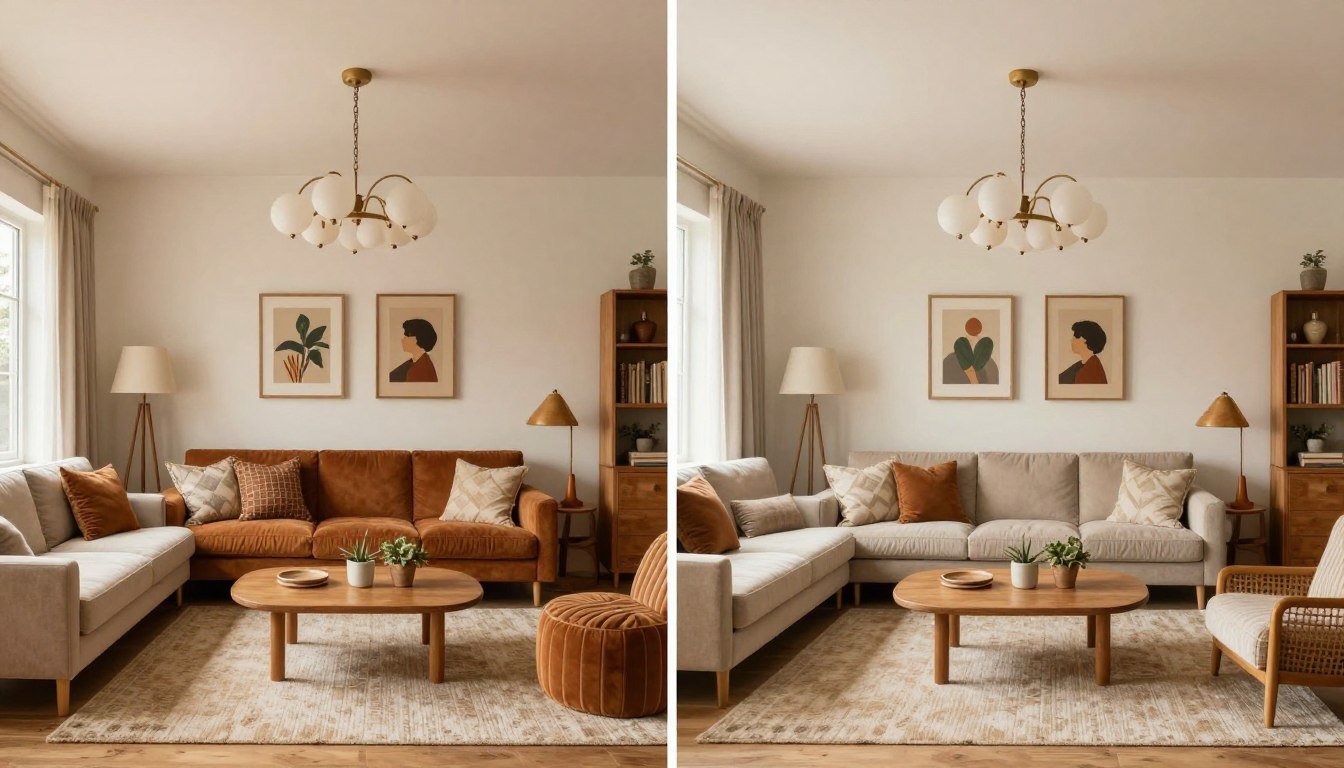

Walk into any home decor store today and you might experience déjà vu. Those earth tones and curved furniture pieces feel oddly familiar. Perhaps you saw them in your grandmother's living room decades ago.
Interior design trends don't simply vanish. They cycle back with remarkable predictability. Understanding why some interior home decor trends repeat helps you make smarter decorating decisions.
Fashion and interior design follow similar patterns. What feels fresh today often mirrors styles from 20 or 30 years ago. This phenomenon affects everything from paint colors to furniture shapes to art styles.
This cyclical nature isn't random. Several factors drive these repeated patterns. Economic conditions, cultural nostalgia, sustainability movements, and generational preferences all play vital roles.
The 30-Year Cycle Rule in Interior Design Trends

Design experts consistently point to a 30-year pattern. Trends from three decades ago regularly resurface with modern updates. This timeframe isn't coincidental.
A generation typically spans about 30 years. When people reach their peak earning and decorating years, they often gravitate toward aesthetics from their childhood. These memories carry powerful emotional connections.
The 1990s minimalism has returned in today's living spaces. Similarly, 1970s earthy tones and organic shapes dominate current interior design magazines. The pattern holds across multiple decades.
This cycle affects every aspect of home decor. Color palettes shift from bold to neutral and back again. Furniture styles alternate between curved and angular lines. Even art preferences follow this rhythm.
Investing in canvas prints that reflect timeless artistic movements helps your space transcend these cycles. Classic art styles like abstract expressionism and portraiture never fully disappear from the design scene.
Nostalgia: The Emotional Engine Behind Recurring Trends
Nostalgia drives purchasing decisions more than many realize. People seek comfort in familiar aesthetics during uncertain times. Home becomes a sanctuary filled with reassuring visual elements.
The concept influences everything from color choices to decorative patterns. A particular shade of avocado green might trigger childhood memories of a beloved family room. Those emotional connections prove powerful.
Designers and retailers understand this psychology. They reintroduce vintage styles knowing consumers will respond emotionally. The strategy works because these aren't exact replicas but updated interpretations.
Mid-century modern design exemplifies this trend perfectly. Originally popular in the 1950s and 1960s, it experienced massive revival in the 2010s. Today's versions maintain the clean lines while incorporating contemporary materials and colors.
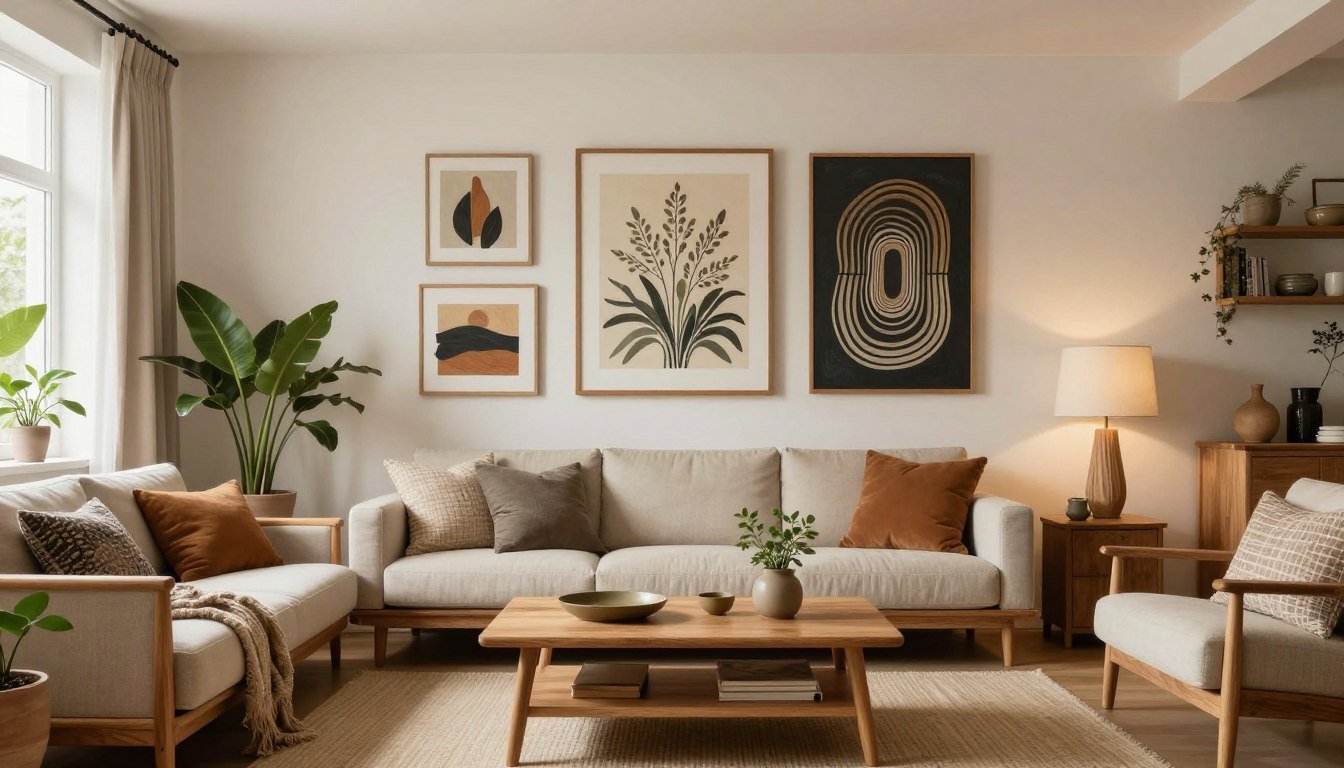
Art serves as an anchor point in these nostalgic spaces. Abstract canvas prints echo the artistic movements that defined earlier decades while fitting seamlessly into modern interiors.
Timeless Art Movements That Keep Coming Back
These classic art styles have repeated across decades, transcending temporary design fads. Each piece represents an enduring aesthetic movement that complements evolving interior trends.

Abstract Geometric Expression
Bold shapes and balanced compositions that work across design eras. These prints anchor spaces with artistic confidence regardless of surrounding trend shifts.
Explore Abstract Prints
Figurative Portrait Art
Human form representations that span artistic movements. Portrait art maintains relevance through decades, offering timeless sophistication to any room design.
View Portrait Collection
Botanical Nature Studies
Organic patterns inspired by the natural world. Botanical prints connect to recurring biophilic design trends that emerge whenever society craves nature connection.
Shop Botanical ArtEconomic Influences on Repeating Design Patterns

Economic conditions significantly impact design trend cycles. During recessions, minimalism and practicality dominate. Prosperity periods bring maximalist approaches with bold patterns and luxurious materials.
The 2008 financial crisis ushered in Scandinavian minimalism. Simple, functional design with neutral colors appealed to budget-conscious consumers. That aesthetic dominated for years.
Now, as economies recover, maximalism returns. Layered textures, rich colors, and abundant decor reflect renewed confidence. This pattern repeats throughout design history.
Vintage and secondhand furniture sales increase during economic downturns. This practical trend often sparks renewed interest in past design eras. What begins as necessity becomes fashionable.
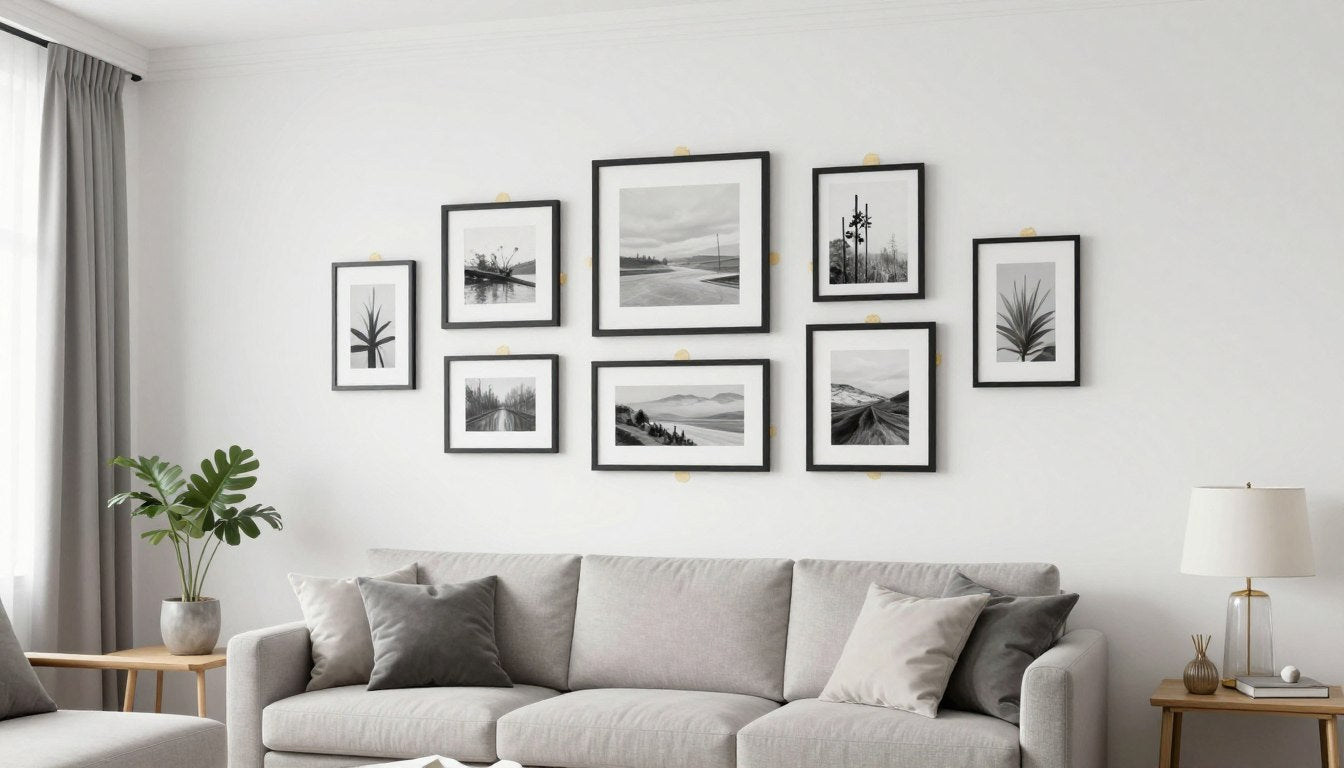
Art purchases follow similar economic patterns. During uncertain times, collectors invest in proven classic styles. Black and white canvas prints exemplify this timeless approach that transcends economic cycles.
Sustainability Movement Driving Vintage Revival
Environmental consciousness plays an increasingly important role in trend repetition. The sustainability movement encourages reusing and reimagining older design elements rather than constantly consuming new ones.
Fast furniture has faced criticism similar to fast fashion. Consumers now seek durable, quality pieces that won't require replacement every few years. This shift naturally draws attention to vintage and vintage-inspired design.
Upcycling and restoration have become popular. A mid-century dresser receives new life with fresh paint. This practice connects modern sustainability values with appreciation for past design quality.
The concept extends to color and material choices. Natural, untreated materials popular in earlier decades align with today's eco-conscious preferences. Organic cotton, untreated wood, and natural stone return to prominence.
Art production methods also reflect these values. Quality canvas prints offer longevity without the environmental cost of mass-produced decor items that quickly end up in landfills.
Media, Pop Culture, and Design Trend Cycles

Television, film, and social media dramatically accelerate trend cycles. A popular period drama can spark immediate interest in that era's design aesthetic. This phenomenon grows stronger as media consumption increases.
Shows like "Mad Men" revitalized mid-century modern style. "Stranger Things" brought 1980s design elements back into conversation. These cultural touchpoints make vintage aesthetics feel current again.
Social media platforms amplify these effects. A vintage interior photo can reach millions within hours. Pinterest boards and Instagram feeds create visual trend libraries that span decades.
Influencers and designers mine past decades for fresh content. They present vintage styles to audiences too young to remember the original trend. For these viewers, the aesthetic feels genuinely new.
This accelerated cycle means trends repeat faster than ever before. Elements from the early 2000s already experience nostalgia-driven revivals. The traditional 30-year rule compresses as media speeds cultural memory.
How Different Generations Shape Recurring Trends
Each generation brings distinct preferences shaped by their formative years. As they gain purchasing power, their preferred aesthetics influence the broader market. This creates predictable trend waves.
Baby Boomers gravitated toward styles from their youth when they reached peak earning years. Generation X did the same, bringing 1980s and 1990s elements back into fashion. Millennials now drive demand for early 2000s nostalgia.
Generation Z approaches vintage differently. They blend multiple eras freely, creating eclectic spaces that cherry-pick elements from various decades. This approach may alter traditional trend cycles.
Each generation also responds to the previous generation's dominant style. Children who grew up in minimalist homes might crave maximalism as adults. This reactionary pattern contributes to cyclical swings between design extremes.
Understanding these generational shifts helps predict which trends might resurface next. Observing what younger consumers collect and share online provides clues about future mainstream design directions.
Match Cyclical Design Trends to Your Space
Whether your style leans toward vintage-inspired warmth or contemporary minimalism, certain art collections complement any trending aesthetic while maintaining timeless appeal.
The Predictable Return of Color Palettes

Color trends demonstrate some of the most obvious cyclical patterns in interior design. Specific palettes emerge, dominate for several years, then fade before eventually returning with minor adjustments.
Earth tones ruled the 1970s with avocado, harvest gold, and burnt orange. These colors disappeared through the 1980s and 1990s. Today, terracotta, sage, and ochre dominate design magazines - essentially the same palette with updated names.
Cool gray tones defined the 2010s. Before that, warm beiges dominated the 2000s. As we move through the 2020s, warmer neutrals return alongside earth tones. The pendulum swings between warm and cool continuously.
Accent colors follow similar patterns. Millennial pink had its moment. Jewel tones resurge periodically. Even specific shades of blue cycle through popularity on predictable timelines.
Paint companies track these cycles carefully. They release color forecasts that often predict returns to palettes from 20 or 30 years prior. These predictions prove surprisingly accurate.
Choosing art that works with multiple color schemes provides flexibility as palettes shift. Line art canvas prints in neutral tones complement various color cycles without requiring replacement.
Furniture Shapes and Styles That Keep Coming Back
Furniture design exhibits clear cyclical patterns. Curved, organic forms alternate with angular, geometric shapes. Each style eventually gives way to its opposite before returning again.
The 1950s and 1960s featured sleek, angular mid-century pieces. The 1970s brought curved, sculptural furniture. The 1980s returned to sharp lines and geometric forms. This pattern continues through subsequent decades.
Material preferences cycle similarly. Wood dominates, then metal and glass take over, then wood returns. Natural materials give way to synthetics before swinging back to organic options.
Furniture scale also follows trends. Oversized sectionals and large statement pieces alternate with smaller, modular options. Current preferences for multifunctional, space-saving furniture reflect both trend cycles and practical housing considerations.
These furniture cycles influence how we display art and decor. Large, bold furniture pieces require different artwork scale than minimalist furniture arrangements. Understanding these relationships helps create cohesive spaces.
Recurring Patterns and Textures in Home Decor

Decorative patterns demonstrate remarkably consistent cycles. Geometric patterns, florals, and abstract designs take turns dominating the design scene. Each pattern type experiences regular revivals.
Geometric patterns surged in the 1960s, returned in the 1990s, and currently enjoy renewed popularity. Floral patterns follow their own cycle, moving from delicate to bold and back again.
Texture trends also repeat. Smooth, glossy surfaces alternate with rough, tactile materials. The current popularity of textured walls, bouclé fabric, and raw wood echoes similar preferences from past decades.
These pattern cycles extend to wallpaper, textiles, and decorative accessories. A chinoiserie pattern popular in the 18th century resurges periodically. Damask patterns experience similar cyclical interest.
Animal prints represent another recurring pattern category. Leopard, zebra, and other wildlife-inspired patterns regularly cycle through mainstream acceptance. They typically transition from bold statement to subtle accent and back.
Wall art offers an opportunity to incorporate trending patterns without major renovation commitment. Animal canvas prints bring these cyclical pattern trends into your space through easily changeable decor.
Cultural Exchange and Global Design Influences
Globalization affects how quickly design trends spread and repeat. Styles from different cultures enter mainstream consciousness, dominate briefly, then cycle back years later with renewed appreciation.
Japanese minimalism influenced Western design significantly in the 1980s. It faded somewhat through the 1990s before returning stronger in the 2000s. Today, Japanese-inspired design remains prominent alongside other aesthetic influences.
Moroccan, Scandinavian, and other regional styles follow similar patterns. They emerge, become trendy, then settle into the background before eventually experiencing revival. Each cycle brings slightly different interpretations.
This cultural exchange accelerates through social media and global commerce. A design style popular in Europe quickly reaches American homes. Asian aesthetics influence Western spaces almost simultaneously rather than decades later.
These global influences create more complex trend cycles. Instead of simple repetition, we see fusion styles that blend elements from multiple traditions and time periods. This evolution complicates predictions but maintains the underlying cyclical nature.
Psychological Factors in Trend Acceptance and Repetition

Understanding why people adopt recurring trends requires examining psychological motivations. Familiarity provides comfort while novelty creates excitement. Repeated trends offer both simultaneously.
The mere-exposure effect explains part of this phenomenon. People develop preferences for things they've encountered before, even subconsciously. A design element seen in childhood feels comfortable decades later.
Social proof drives trend adoption significantly. When enough people embrace a style, others follow to maintain social connection. This herd behavior accelerates trend cycles and makes repetition more likely.
Fear of making wrong choices also influences decisions. Choosing styles with historical precedent feels safer than embracing completely novel aesthetics. This conservatism ensures past trends regularly resurface.
The Diderot Effect plays a role as well. One vintage piece often triggers desire for complementary items from the same era. This psychological pattern helps entire design aesthetics repeat rather than just isolated elements.
Understanding these psychological factors helps you make intentional choices rather than simply following trends. Selecting pieces with personal meaning creates spaces that transcend temporary fashions.
Making Smart Decor Investments That Transcend Cycles
Recognizing trend cycles empowers smarter decorating decisions. Instead of chasing every new style, you can invest in elements that work across multiple trend periods. This approach saves money and creates more cohesive spaces.
Focus on quality over quantity. Well-made furniture and art pieces survive multiple trend cycles. Cheap, trendy items require replacement when styles shift, creating ongoing expense and waste.
Choose neutral foundations that accommodate changing accents. A classic sofa shape in a neutral color works with various decor styles. You can update the look through pillows, throws, and art without replacing major pieces.
Incorporate vintage or vintage-inspired items intentionally. These pieces gain character and often increase in value. They also provide authentic connection to the design eras they represent.
Mix periods and styles deliberately rather than creating single-era rooms. This eclectic approach remains fresh longer because it doesn't depend on one trend dominating. Varied elements create visual interest that transcends specific cycles.
Art represents one of the best investments for trend-proof decor. Quality pieces maintain appeal regardless of surrounding style shifts. Bedroom canvas prints and dining room wall art anchor these spaces with lasting visual impact.
Predicting Which Trends Will Repeat Next

Understanding cyclical patterns enables educated predictions about future design directions. Several indicators suggest which past trends might resurface soon.
Early 2000s aesthetics already show signs of revival. Millennials and Gen Z consumers increasingly embrace Y2K-era colors, patterns, and furniture shapes. This follows the predictable 20-30 year cycle.
Maximalism appears poised for growth after years of minimalist dominance. Pattern mixing, bold colors, and abundant decor signal this shift. Economic recovery often triggers such transitions from restraint to abundance.
Jewel tones and rich colors gain traction as neutral fatigue sets in. After years of gray and beige dominance, consumers crave deeper, more saturated palettes. Historical patterns suggest this shift continues strengthening.
Handcrafted and artisanal elements will likely increase in prominence. As technology becomes more prevalent in daily life, people seek tangible, human-made items for their homes. This pattern repeats throughout design history.
Curved, organic furniture forms continue gaining popularity. After decades of angular mid-century influence, the pendulum swings toward softer shapes. This shift mirrors similar transitions in past design eras.
Smart home technology integration will influence how vintage styles manifest. Expect to see historical aesthetics blended with modern functionality, creating unique hybrid styles that honor past design while embracing contemporary needs.
Invest in Art That Transcends Temporary Trends
Ready-to-hang, gallery-quality canvas prints that work beautifully across changing design cycles. Each piece ships free worldwide with our commitment to lasting quality and timeless style.
Creating Personal Style Beyond Trend Cycles

Understanding why interior home decor trends repeat empowers you to make intentional choices. Rather than feeling pressured to adopt every new style, you can select elements that genuinely resonate while recognizing their place in broader design cycles.
The most successful interiors blend timeless elements with personal touches. They incorporate quality pieces that survive trend shifts while expressing individual personality. This approach creates spaces with lasting appeal.
Trend cycles will continue as new generations discover past aesthetics and economic conditions shift. Rather than fighting this reality, work with it. Choose foundational pieces that transcend trends and update accents as your preferences evolve.
Your home should reflect your story, not just current design magazines. Embrace elements from various periods if they speak to you. The most compelling spaces mix eras thoughtfully rather than adhering strictly to one aesthetic.
Remember that today's trendy piece becomes tomorrow's vintage treasure. Quality items maintain value and charm across decades. Investing in well-made furniture and art ensures your space remains beautiful regardless of which trends dominate at any given moment.
Design trends repeat because they represent enduring human needs and preferences. Comfort, beauty, connection to nature, and personal expression remain constant even as their visual expression cycles through various forms.
For more insights on creating timeless interiors, explore our design blog featuring expert guidance on selecting art that complements your unique style across changing trends.
Frequently Asked Questions About Repeating Interior Design Trends
Why do some interior home decor trends repeat every 20-30 years?
Interior design trends repeat in 20-30 year cycles primarily due to generational nostalgia. When people reach their peak decorating years, they often gravitate toward aesthetics from their childhood.
This emotional connection to formative visual experiences drives renewed interest in past design eras. Economic factors, cultural influences, and media also contribute to these predictable cycles.
How can I create a timeless interior that won't feel dated?
Focus on quality over quantity and choose neutral foundations that accommodate changing accents. Invest in well-made furniture with classic lines and complement it with easily changeable elements like pillows, throws, and art.
Mix periods and styles intentionally rather than creating single-era rooms. Incorporate canvas art in classic styles that transcend temporary trends while adding personal character to your space.
Are vintage furniture pieces a good investment?
Quality vintage furniture often represents excellent investment value. Well-made pieces from past eras typically feature superior craftsmanship compared to many modern mass-produced items.
These pieces also gain character over time and may appreciate in value. Their proven longevity demonstrates they can survive multiple trend cycles, making them more sustainable choices than constantly replacing trendy items.
What design trends from the past are currently returning?
Early 2000s Y2K aesthetics currently experience revival, along with 1970s earth tones, curved organic furniture, and maximalist layering. Jewel tones, textured materials like bouclé, and bold geometric patterns also resurge.
These returns follow predictable cycles based on generational preferences and cultural nostalgia. Sustainability movements also drive interest in vintage and vintage-inspired design elements.
How does social media affect design trend cycles?
Social media dramatically accelerates trend cycles by spreading visual ideas instantly to global audiences. Platforms like Pinterest and Instagram create vast libraries of design inspiration spanning multiple decades.
This acceleration means trends may repeat faster than the traditional 30-year rule. Elements from the early 2000s already experience nostalgia-driven revivals, compressing the typical cycle timeline significantly.
Should I follow current design trends or ignore them completely?
The best approach balances awareness of trends with personal preference. Understand current movements without feeling obligated to adopt every new style. Use trends as inspiration while prioritizing elements that genuinely resonate with you.
Invest in quality foundational pieces that transcend trends, then incorporate trendy accents through easily changeable items. This strategy keeps your space feeling current without requiring constant expensive updates.
What role does nostalgia play in design trend repetition?
Nostalgia serves as a primary driver of recurring design trends. People seek comfort in familiar aesthetics, especially during uncertain times. Emotional connections to specific colors, patterns, or furniture styles from childhood prove remarkably powerful.
Designers and retailers leverage this psychology by reintroducing vintage styles with modern updates. These aren't exact replicas but contemporary interpretations that honor past aesthetics while meeting current functional needs.
How can I incorporate art that works with multiple design trends?
Choose art based on artistic merit and personal connection rather than current trends. Classic styles like abstract art, portraiture, and botanical prints maintain appeal across various design eras and work with different color palettes.
Quality canvas prints in versatile styles complement evolving room aesthetics without requiring replacement. Consider pieces from collections designed for specific rooms that anchor spaces with timeless visual impact while accommodating changing decor around them.

About the Author
Chiara Rossetti
Chiara Rossetti is the founder of Rossetti Art, a canvas print and original art brand. She writes about interior design, wall art styling, and the art of making a home feel alive.

Leave a comment
This site is protected by hCaptcha and the hCaptcha Privacy Policy and Terms of Service apply.