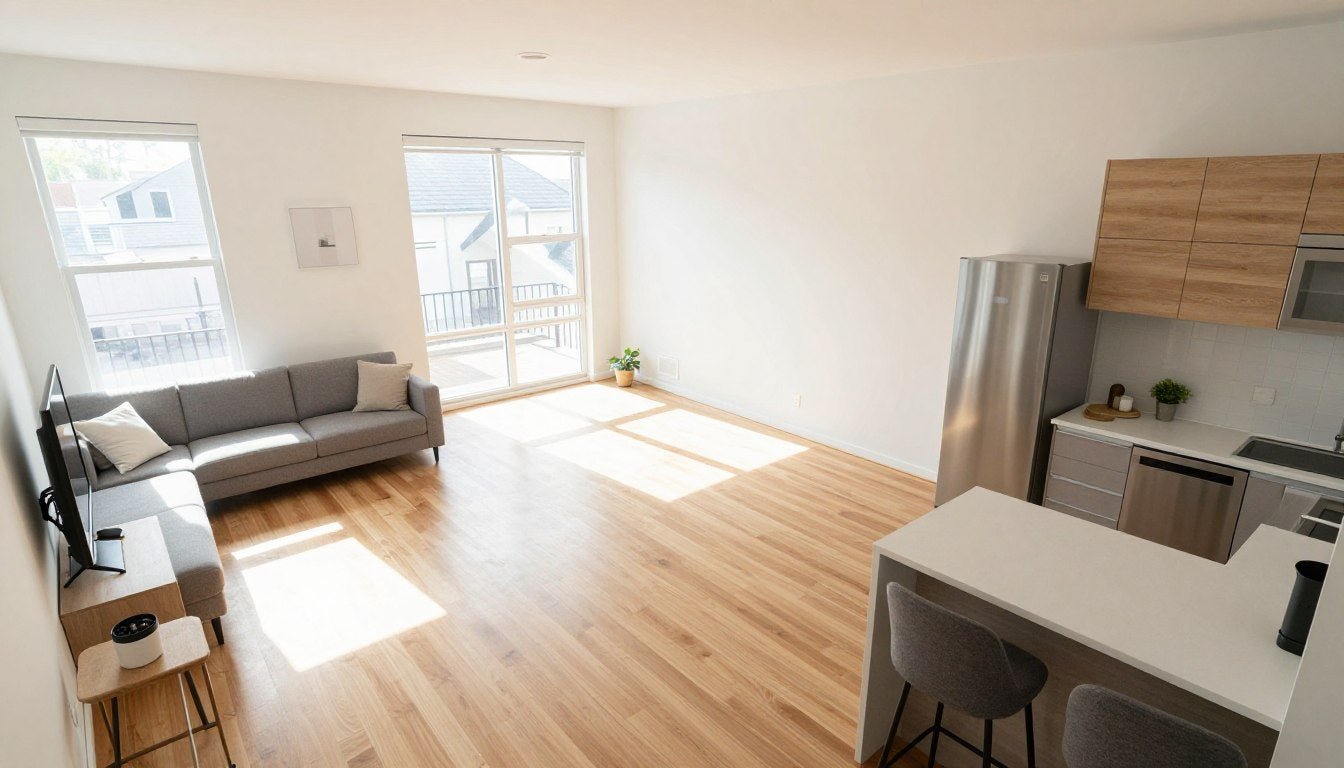

Choosing the right studio apartment size can transform your living experience from cramped to comfortable. A studio combines your bedroom, living room, and kitchen into one open space, making every square foot count.
Most people find that studio apartments ranging from 400 to 600 square feet offer the best balance between affordability and livability. This size provides enough room to create distinct functional areas without feeling overwhelming to maintain or heat.
The ideal size ultimately depends on your lifestyle, furniture needs, and how you plan to use your space. Understanding standard dimensions helps you make an informed decision that matches your daily habits and long-term comfort.
Understanding Studio Apartment Basics
A studio apartment features one main room that serves multiple purposes. This open-concept design includes your sleeping area, living space, and kitchen all within the same room.
The only separate room in a traditional studio is the bathroom. This layout requires thoughtful furniture placement and creative design solutions to maximize functionality.

Studios differ from one-bedroom apartments because they lack a separate bedroom with walls and a door. This open design creates a more spacious feeling but offers less privacy.
The typical studio layout maximizes vertical space and relies on smart storage solutions. Many renters appreciate studios for their lower rent prices and easier maintenance compared to larger apartments.
What Studios Include
- One open living space
- Compact kitchen or kitchenette
- Separate bathroom
- Closet space (varies by unit)
- Windows for natural light
What Studios Don't Have
- Separate bedroom walls
- Private sleeping area
- Multiple rooms
- Extensive storage space
- Room for large furniture sets
Understanding these basics helps you set realistic expectations. Studios work best for individuals or couples who value location and price over square footage and privacy.
Transform Your Studio with Minimalist Art
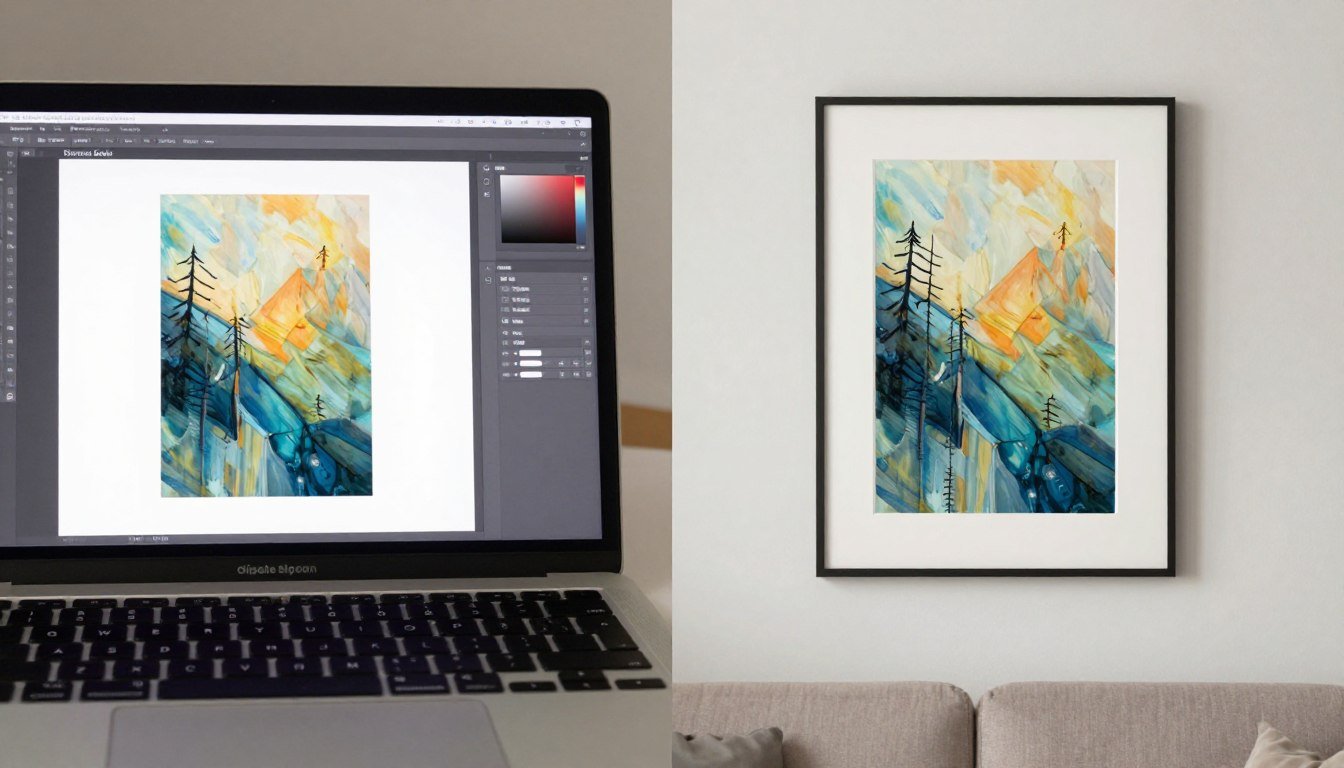
If you love modern minimalism, here are prints that bring that mood into a room without overwhelming your space. These carefully curated pieces create visual interest while maintaining the open, airy feel essential in studio living.

Abstract Geometric Prints - Clean lines that draw the eye upward, making ceilings feel higher

Line Art Minimalism - Simple sophistication that adds character without visual clutter

Black & White Botanicals - Natural elements that bring calm to compact spaces
Discover how the right abstract canvas prints can visually expand your studio while reflecting your personal style. These space-conscious designs complement modern apartment living.
Ideal Square Footage for Studios
The standard studio apartment typically measures between 400 and 600 square feet. This range provides enough space for essential furniture and comfortable movement throughout your home.
A 500 square foot studio represents the sweet spot for most renters. This size allows you to fit a bed, sofa, dining table, and storage furniture without feeling cramped.
| Studio Size | Square Footage | Best For | Typical Features |
| Micro Studio | 250-350 sq ft | Single minimalists | Murphy bed, compact kitchenette |
| Small Studio | 350-450 sq ft | One person, minimal furniture | Standard bed, small seating area |
| Standard Studio | 450-550 sq ft | One or two people | Full bed, separate living area |
| Large Studio | 550-700 sq ft | Couples, home office needs | Queen bed, dining space, desk area |
Smaller studios under 400 square feet work for minimalists who spend little time at home. These micro units require creative furniture solutions like murphy beds or loft sleeping areas.

Studios exceeding 600 square feet approach the size of a one-bedroom apartment. These larger units command higher rent but offer more flexibility for furniture arrangement and storage.
According to the National Association of Realtors, the average studio apartment in major U.S. cities measures around 472 square feet. Urban areas like New York and San Francisco often feature smaller studios due to limited space and high demand.
Your ideal square footage depends on your lifestyle needs. Consider how much time you spend at home, whether you work remotely, and how much furniture you own.
Pro Tip: Visit studios in different size ranges before signing a lease. Walking through the space gives you a better sense of what footage feels comfortable than looking at floor plans alone.
Factors Affecting Ideal Studio Size
Several personal factors determine what size studio will work best for you. Understanding these elements helps narrow your search and prevents choosing a space that feels too small or unnecessarily large.
Your Lifestyle and Daily Habits
People who work from home need more square footage than those who only sleep in their studio. A home office requires at least 30 to 50 additional square feet for a desk and proper workspace.
If you cook frequently, you'll want extra kitchen space and storage for cookware. Studios with full kitchens rather than kitchenettes add approximately 50 square feet but provide much more functionality.
Social habits matter too. Renters who entertain guests regularly benefit from studios in the 550 to 650 square foot range to accommodate seating for visitors.
Furniture and Belongings
Take inventory of your essential furniture before apartment hunting. A queen bed requires about 50 square feet of floor space, while a full-size sofa needs another 30 to 40 square feet.

People with extensive book collections, hobby equipment, or clothing need more storage space. Each additional closet or storage unit adds value to smaller studios.
Space Requirements by Item
- Queen bed - 50 sq ft
- Sofa - 35 sq ft
- Dining table for two - 20 sq ft
- Home office desk - 25 sq ft
- Dresser - 12 sq ft
- Bookshelf - 8 sq ft
Adding these common furniture pieces totals approximately 150 square feet. This leaves 250 to 450 square feet in a typical studio for walking space, kitchen area, and bathroom.
Smart furniture choices like wall-mounted desks or storage ottomans help maximize usable space without increasing your footage needs.
Location and Climate Considerations
Studios in warmer climates can feel more spacious because you can use outdoor areas as extensions of your living space. Balconies and patios effectively add square footage to your usable area.
Cold-weather locations require more indoor space since you'll spend nearly all your time inside. Studios in these areas benefit from being at least 500 square feet to prevent cabin fever.
Urban studios trade size for location advantages. A 400 square foot studio in a walkable neighborhood with nearby amenities often feels more livable than a 600 square foot unit in an isolated area.
Your personal tolerance for small spaces plays a significant role. Some people thrive in compact environments while others need more room to feel comfortable and avoid stress.
Optimizing Studio Layout and Design
Smart layout design makes any studio feel larger and more functional. The key lies in creating distinct zones for different activities without physical walls.
Visual separation works better than furniture barriers in small spaces. Use canvas wall art to define areas and add personality while maintaining the open flow essential in studio living.
Creating Functional Zones
Divide your studio into three main areas: sleeping, living, and dining. Position your bed in the area farthest from the entrance to create a sense of privacy.

Place your sofa perpendicular to your bed to create a natural divider. This arrangement helps your brain separate relaxation time from sleep time.
The dining area works best near the kitchen. A small table that seats two requires minimal space but provides a dedicated eating spot separate from your bed or couch.
Maximizing Vertical Space
Tall bookshelves and wall-mounted storage draw the eye upward and make ceilings feel higher. This vertical emphasis creates an illusion of more space.
Install floating shelves above furniture for books, plants, and decorative items. These shelves add storage without consuming floor space.
Wall art placed at proper height guides the eye around the room and creates visual interest. Living room canvas art serves as both decoration and a focal point that defines your main living area.
Light and Color Strategies
Light colors make spaces feel larger and more open. White, cream, and soft gray walls reflect natural light and create an airy atmosphere.
Maximize natural light by keeping window treatments minimal. Sheer curtains provide privacy while allowing sunlight to fill the space.
Layer lighting with overhead fixtures, floor lamps, and task lighting. Multiple light sources eliminate dark corners and make your studio feel more spacious during evening hours.
Mirrors strategically placed opposite windows double the amount of perceived light and create depth. A large floor mirror can make a 400 square foot studio feel like 500 square feet.
Furniture Selection Tips
Choose multi-functional furniture whenever possible. Storage ottomans serve as seating, footrests, and hidden storage compartments.
A murphy bed frees up floor space during the day, transforming your sleeping area into additional living room. This solution works exceptionally well in studios under 450 square feet.
Invest in furniture with exposed legs rather than pieces that sit directly on the floor. The visible floor space underneath creates an impression of more room.
Scale matters tremendously in small spaces. A large sectional sofa overwhelms a studio, while a loveseat or apartment-size sofa maintains proper proportions.
Match This Vibe to Your Space

The right art collection transforms your studio from a single room into a curated living space with distinct personality. Our living room canvas art collection features pieces sized perfectly for apartment walls.
Small to medium prints (16x20 to 24x36 inches) create impact without overwhelming limited wall space. Choose pieces that complement your furniture and reflect the mood you want to create in your home.
Consider vertical orientations that draw the eye upward, making your ceilings appear higher and your space feel more expansive.
Storage Solutions for Studio Apartments
Effective storage separates comfortable studios from cluttered ones. Every item needs a designated home to maintain the clean, open feeling that makes small spaces livable.
Built-in storage adds significant value to studio apartments. Units with floor-to-ceiling closets or wall-mounted cabinets provide more usable space than those with minimal storage options.
Creative Storage Ideas
Under-bed storage containers maximize otherwise wasted space. Bed risers create additional height for larger storage bins that can hold seasonal clothing or extra linens.

Over-door organizers work perfectly in studios with limited closet space. These hanging storage systems accommodate shoes, accessories, cleaning supplies, and more without requiring floor space.
Furniture with hidden storage serves dual purposes. Coffee tables with lift-top storage, benches with interior compartments, and beds with built-in drawers maximize every piece you own.
Closet Organization
Maximize vertical closet space with double hanging rods. This simple addition instantly doubles your hanging storage capacity.
Invest in slim hangers to fit more clothing in the same space. Velvet hangers prevent clothes from slipping while taking up less room than plastic or wooden options.
Effective Storage Solutions
- Vertical shelving units
- Multi-functional furniture
- Under-bed containers
- Wall-mounted organizers
- Vacuum storage bags
Storage Mistakes to Avoid
- Floor clutter and piles
- Oversized furniture pieces
- Keeping unnecessary items
- Ignoring vertical space
- Blocking natural light
Kitchen Storage Strategies
Kitchen space in studios ranges from compact kitchenettes to full-size cooking areas. Maximize cabinet space with shelf risers and stackable organizers.
Magnetic knife strips and hanging pot racks free up drawer and cabinet space. Wall-mounted storage keeps cooking tools accessible while maintaining clear countertops.
The inside of cabinet doors offers hidden storage potential. Mount small racks or hooks for measuring spoons, pot lids, and other flat items.
Minimalist Mindset
Living in a studio requires a more minimalist approach to possessions. Regular decluttering prevents accumulation of items you don't need or use.
Apply the one-in-one-out rule: when you buy something new, remove something old. This practice maintains balance and prevents storage overflow.
Quality over quantity applies especially in small spaces. Owning fewer, better-quality items creates a more intentional and less cluttered environment.
Comparing Studios to One-Bedroom Apartments
Understanding the difference between studios and one-bedroom apartments helps you make the right rental decision. Each layout offers distinct advantages depending on your needs and budget.
A one-bedroom apartment includes a separate room with walls and a door for sleeping. This physical separation provides privacy that studios cannot match.
Size and Layout Differences
One-bedroom apartments typically start around 600 square feet and range up to 900 square feet or more. Studios usually max out around 700 square feet, with most falling between 400 and 600 square feet.

The separate bedroom in a one-bedroom apartment adds approximately 100 to 150 square feet to the total. This dedicated sleeping space doesn't include living area furniture, allowing for a true living room setup.
Studios require furniture to serve multiple purposes and share space. One-bedroom apartments let you separate sleeping furniture from living furniture completely.
Privacy and Lifestyle Considerations
One-bedroom apartments offer privacy for couples and better accommodate guests. Overnight visitors can sleep on a living room sofa without being in your bedroom.
Studios work well for single people who value location and budget over privacy. Couples in studios need strong relationships since personal space is limited.
Working from home proves easier in one-bedroom apartments where you can close the bedroom door and create a separate office space in the living area.
Cost Comparison
Studios typically rent for 20 to 30 percent less than comparable one-bedroom apartments in the same building or neighborhood. This price difference represents significant monthly savings.
| Factor | Studio Apartment | One-Bedroom Apartment |
| Average Size | 400-600 sq ft | 600-900 sq ft |
| Monthly Rent | Lower by 20-30% | Higher baseline |
| Utility Costs | Lower (less space) | Higher (more space) |
| Privacy Level | Minimal | Moderate to high |
| Best For | Singles, minimalists | Couples, remote workers |
Utility costs run lower in studios due to less square footage to heat and cool. The smaller space also requires less furniture, reducing initial moving costs.
One-bedroom apartments justify higher rent when you need separation between work and personal life or when hosting guests regularly. The extra room provides flexibility that studios cannot offer.
Your choice depends on budget priorities versus space needs. Studios maximize affordability while one-bedroom apartments prioritize comfort and functionality.
Location-Specific Studio Sizes
Studio apartment sizes vary dramatically by city and region. Understanding local market standards helps set realistic expectations during your apartment search.
Major Urban Centers
New York City studios average around 450 square feet, with many Manhattan units falling closer to 350 square feet. The city's premium real estate prices push developers to maximize rental units per building.
San Francisco studios typically measure between 400 and 500 square feet. The city's housing shortage drives demand for smaller, more affordable units.
Chicago offers more generous studio sizes, averaging 500 to 600 square feet. The Midwest generally provides more space per rental dollar compared to coastal cities.

Los Angeles studios range from 450 to 550 square feet depending on neighborhood. Coastal areas feature smaller units while inland neighborhoods offer more space.
Secondary Markets and Suburbs
Smaller cities and suburban areas typically offer studios between 500 and 650 square feet. Lower land costs allow developers to build larger units.
Austin, Texas studios average around 525 square feet, reflecting the city's newer construction and more available land. Similar patterns appear in other growing Sun Belt cities.
According to U.S. Census Bureau data, newer studio construction tends toward larger sizes as building codes evolve and quality-of-life standards increase.
Suburban studio apartments often include amenities like private balconies or patios, effectively adding outdoor living space to your total usable area.
Price Per Square Foot Analysis
Expensive markets charge premium prices per square foot, making smaller studios necessary for budget-conscious renters. New York City averages $4 to $6 per square foot for rentals.
Mid-sized cities typically charge $1.50 to $3 per square foot. This lower rate makes 500 to 600 square foot studios more accessible and affordable.
When comparing apartments across different sizes and locations, calculate the price per square foot to determine true value. A 600 square foot studio at $1,800 monthly ($3/sq ft) offers better value than a 400 square foot studio at $1,600 monthly ($4/sq ft).
Regional building standards also affect layouts. West Coast studios often feature more open floor plans while East Coast units sometimes include alcoves or separated sleeping nooks within the same square footage.
Ready-to-Hang, Museum-Quality Canvas

Every piece from our collection arrives ready to transform your space immediately. Our canvas prints feature gallery-wrapped edges and include all hanging hardware.
Free worldwide shipping means your perfect piece arrives at no extra cost. Each print undergoes rigorous quality control to ensure colors match exactly what you see online.
Whether you're styling a compact 400 square foot studio or a spacious 600 square foot space, the right bedroom canvas prints create the atmosphere you want to come home to every day.
Explore our curated collections designed specifically for apartment living. From abstract geometric prints to calming botanical wall art, find pieces that match your style and space.
Questions to Ask Before Renting a Studio
Viewing a studio apartment in person reveals details that photos and floor plans cannot capture. Prepare specific questions to evaluate whether a studio meets your needs.
Space and Layout Questions
Ask about the exact square footage and request a floor plan if one isn't provided. Knowing precise measurements helps you plan furniture placement before moving in.
Inquire about ceiling height since taller ceilings make studios feel more spacious. Standard ceiling height is 8 feet, but many modern buildings feature 9 or 10 foot ceilings.
Must-Ask Questions
These essential questions reveal important information about living in the space:
- What is the exact square footage?
- Are utilities included in rent?
- What storage options are available?
- Is there in-unit laundry or a laundry room?
- What furniture is allowed?
- Can I paint or hang wall art?
Building Amenities
Shared amenities extend your living space beyond your unit:
- Fitness center access
- Common area availability
- Package receiving services
- Bike storage options
- Guest parking availability
- Outdoor space access
Practical Concerns
Daily life details matter tremendously in small spaces:
- Natural light exposure
- Noise levels from neighbors
- HVAC effectiveness
- Kitchen appliance quality
- Bathroom size and layout
- Closet and storage space
Lease Terms
Understanding lease flexibility protects your interests:
- Lease length options
- Renewal terms and price increases
- Guest and overnight visitor policies
- Pet policy and fees
- Subletting permissions
- Early termination options
Storage and Furniture Limitations
Confirm what furniture the landlord allows and whether any restrictions apply to bed frames, shelving units, or wall-mounted items.
Ask about additional storage options outside your unit. Some buildings offer basement storage lockers or bike rooms that effectively expand your usable space.
Measure doorways and hallways to ensure your furniture can actually fit into the unit. A sofa that fits perfectly in your studio may not fit through the entrance door.
Lifestyle Compatibility
Visit the studio at different times of day to assess noise levels. Morning and evening visits reveal traffic patterns and neighbor activity.
Test the water pressure and heating/cooling systems during your visit. These utilities significantly impact daily comfort in any apartment.
Ask current residents about their experiences if possible. Building tenants often provide honest feedback about management responsiveness and living conditions.
Research the neighborhood for nearby amenities that extend your living space. Proximity to parks, cafes, and libraries makes smaller studios more livable.
Making the Most of Small Spaces
Living comfortably in a studio requires intentional design choices and smart habits. Small space living can be incredibly rewarding when you optimize every element.
Daily Habits for Small Space Living
Clean and organize daily to prevent clutter accumulation. Spending just 10 minutes each evening tidying makes a dramatic difference in how spacious your studio feels.
Put items away immediately after use rather than leaving them out. This habit prevents surfaces from becoming cluttered and maintains clear sightlines throughout your space.

Establish designated spots for frequently used items like keys, bags, and mail. This organization system reduces visual clutter and saves time searching for essentials.
Seasonal Adjustments
Rotate seasonal items in and out of storage to maximize closet space. Store winter coats during summer and vice versa using vacuum-sealed bags.
Switch out decorative items seasonally to keep your space feeling fresh without accumulating excessive belongings. Rotating canvas art creates new visual interest throughout the year.
Adjust furniture layout seasonally if needed. Moving your bed closer to or farther from windows can improve comfort during temperature extremes.
Creating Mental Space
Living in one room requires mental boundaries between different activities. Establish routines that signal transitions between work, relaxation, and sleep.
Change your lighting based on activity. Bright task lighting for work time, softer ambient lighting for relaxation, and minimal lighting for sleep preparation help your brain recognize different modes.
Personalize your space with meaningful items rather than filling it with decorations. A few carefully chosen pieces create more impact than numerous random items.
Technology Integration
Smart home devices help maximize limited space. Wall-mounted tablets can control lighting, temperature, and entertainment without requiring floor or surface space.
Wireless technology eliminates cable clutter that makes small spaces feel messy. Invest in wireless chargers, speakers, and peripherals to maintain clean surfaces.
Digital storage reduces the need for physical filing cabinets and paper storage. Scanning important documents frees up valuable closet or drawer space.
Streaming services eliminate the need for physical media storage. Removing DVD collections, books you've already read, and old magazines opens up significant storage space.
Finding Your Perfect Studio Size
The ideal studio apartment size balances your budget, lifestyle needs, and personal comfort preferences. Most renters find their sweet spot between 450 and 550 square feet.
Smaller studios under 400 square feet work for minimalists and those prioritizing location over space. Larger studios approaching 600 to 700 square feet offer more flexibility but command higher rent.
Visit multiple studios in your target size range before making a decision. Walking through the space gives you a much better sense of livability than photos or floor plans alone.
Remember that smart design, organization, and furniture choices matter more than raw square footage. A well-designed 450 square foot studio often feels more comfortable than a poorly laid out 550 square foot unit.
Consider your long-term plans when choosing a studio size. If you anticipate lifestyle changes within a year, factor in flexibility for those transitions.
The right studio apartment provides comfortable living space, fits your budget, and supports your daily routines. Trust your instincts when a space feels right.
For more inspiration on creating your perfect living space, explore our design blog featuring tips on apartment styling and décor. Transform your studio into a home that reflects your personality while maximizing every square foot.
Frequently Asked Questions
What is considered a good size for a studio apartment?
A good size for a studio apartment typically ranges from 450 to 550 square feet. This provides enough space for a bed, seating area, dining table, and storage without feeling cramped. Studios under 400 square feet work for minimalists, while those over 600 square feet offer more flexibility but cost more in rent.
How many square feet do I need in a studio apartment?
Most people need at least 400 square feet to live comfortably in a studio apartment. This allows space for essential furniture including a bed, small sofa, dining table, and storage. If you work from home or have extensive belongings, aim for 500 to 600 square feet to accommodate a desk and additional storage.
Is a 300 square foot studio too small?
A 300 square foot studio, often called a micro studio, works for individuals with minimal possessions who spend little time at home. These units require murphy beds or loft sleeping arrangements and creative storage solutions. Most people find 300 square feet challenging for long-term living, but it can work as a temporary or budget-conscious solution.
What's the difference between a studio and a one-bedroom apartment?
A studio apartment combines sleeping, living, and kitchen areas in one open space with only the bathroom separated by walls. A one-bedroom apartment has a separate bedroom with walls and a door, providing privacy and distinct spaces. One-bedroom apartments typically start around 600 square feet, while studios usually range from 400 to 600 square feet.
Can two people comfortably live in a studio apartment?
Two people can live in a studio apartment of 500 square feet or larger, though it requires compromise on privacy and personal space. Couples do best in studios measuring 550 to 650 square feet. Success depends on compatible schedules, good communication, and efficient storage solutions. Studios under 450 square feet typically feel too cramped for two people long-term.
How do I make a small studio apartment feel bigger?
Make a small studio feel bigger by using light colors on walls, maximizing natural light, and choosing furniture with exposed legs. Mirrors reflect light and create depth, while vertical storage draws the eye upward. Keep clutter minimal, use multi-functional furniture, and create distinct zones for different activities to maximize the sense of space.
What furniture do I need for a studio apartment?
Essential studio apartment furniture includes a bed, small sofa or loveseat, dining table for two, and storage pieces like a dresser or shelving unit. Choose multi-functional items such as storage ottomans, fold-down desks, or murphy beds to maximize space. Scale furniture appropriately - apartment-size pieces work better than full-size options in studios under 500 square feet.
How much does a studio apartment typically cost?
Studio apartment rent varies dramatically by location. In major cities like New York or San Francisco, studios range from $1,800 to $3,000+ monthly. Mid-sized cities typically charge $800 to $1,500 for studios. Smaller markets and suburban areas offer studios for $600 to $1,000. Studios generally rent for 20 to 30 percent less than comparable one-bedroom apartments in the same area.
What storage solutions work best in studio apartments?
The best studio storage solutions include under-bed containers, vertical shelving units, over-door organizers, and furniture with hidden storage compartments. Maximize closet space with double hanging rods and slim hangers. Use wall-mounted shelves and hooks to free up floor space. Storage ottomans, lift-top coffee tables, and beds with built-in drawers provide hidden storage without taking up extra room.
Should I choose a studio or one-bedroom apartment?
Choose a studio if you prioritize budget savings and location over privacy, live alone or with a compatible partner, and have minimal belongings. Choose a one-bedroom if you work from home frequently, need privacy for sleeping areas, entertain guests regularly, or share the space with a roommate. One-bedroom apartments cost 20 to 30 percent more but provide separate living and sleeping spaces.
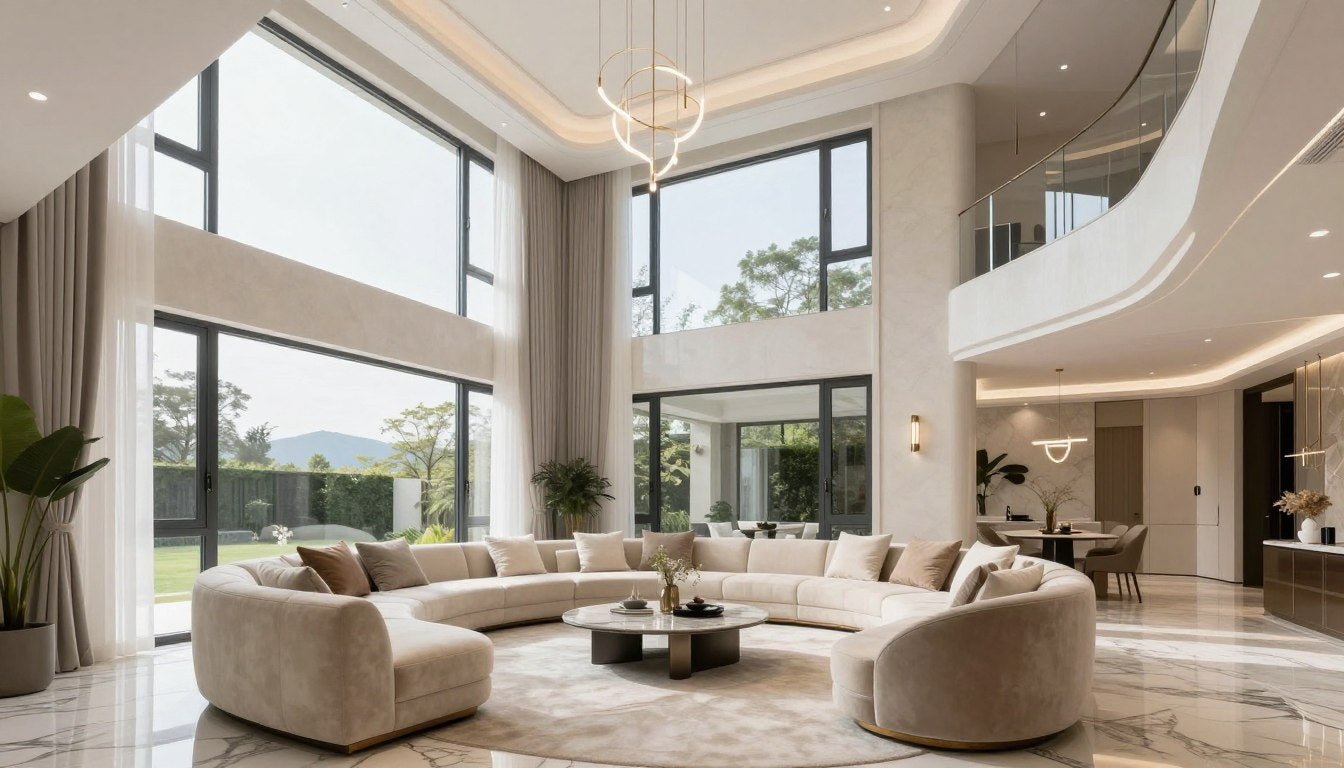

Leave a comment
This site is protected by hCaptcha and the hCaptcha Privacy Policy and Terms of Service apply.