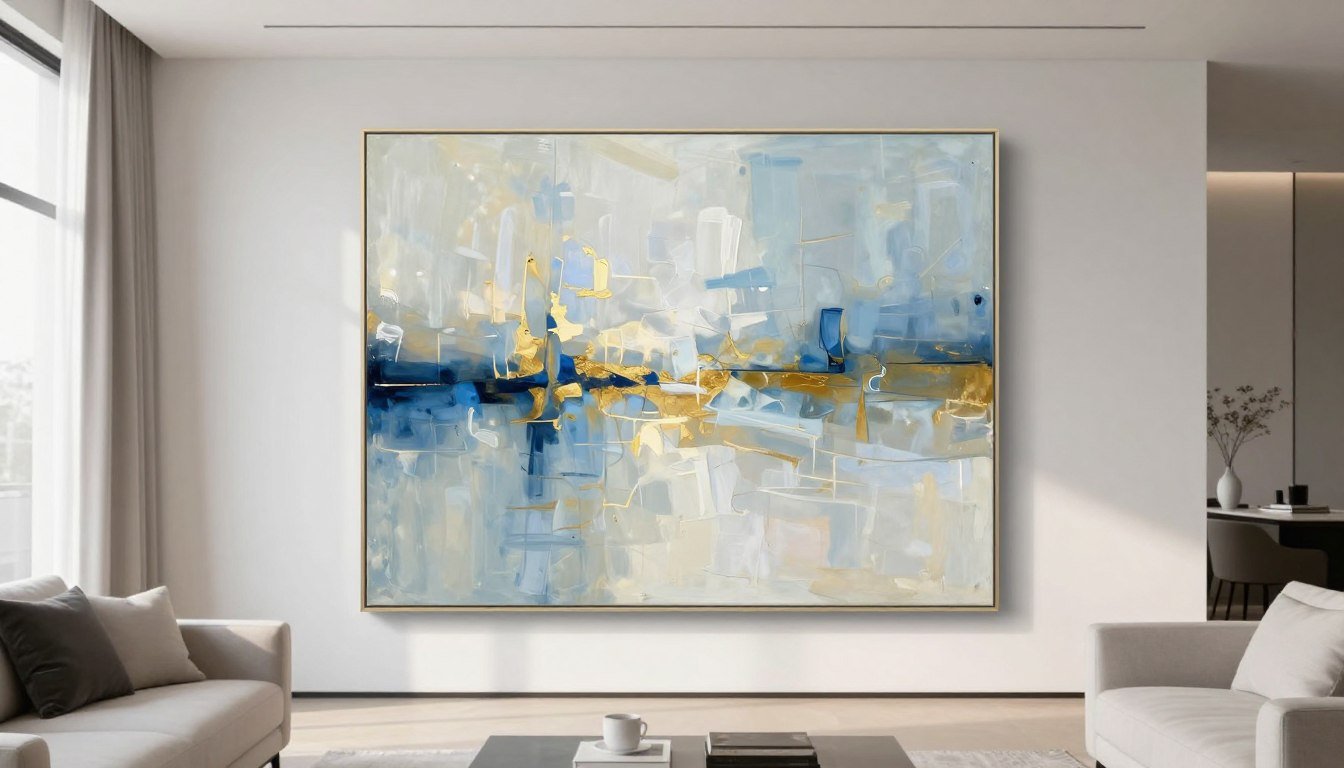
A canvas painting is a timeless form of artistic expression where pigments are applied directly to a stretched fabric surface, creating a work with unique texture, depth, and presence. Whether you're decorating your first home, expanding your art collection, or simply curious about the art adorning gallery walls, understanding canvas paintings opens a world of artistic appreciation and informed collecting.

What is a canvas painting?
A canvas painting is an artwork created by applying paint directly onto a canvas surface—a tightly woven fabric typically stretched over a wooden frame. This traditional medium has been the foundation of fine art for centuries, offering artists a versatile surface that accommodates various painting techniques and styles.
Canvas paintings are characterized by their textural quality, which allows the artist's brushstrokes to create dimension and depth. Unlike works on paper or board, canvas paintings have a distinctive presence, with the fabric's weave often subtly visible beneath the layers of paint, contributing to the artwork's character and aesthetic appeal.
The term "canvas painting" generally refers to original artworks where paint—whether oil, acrylic, or mixed media—has been applied by hand directly to the canvas surface. Each canvas painting is inherently unique, bearing the marks of the artist's hand and creative process.

What is canvas made of? Materials explained
Canvas is a durable, plain-woven fabric that serves as the foundation for paintings. Understanding the materials used in canvas creation helps appreciate the quality and characteristics of different canvas artworks.
Cotton Canvas
Cotton canvas is the most common and accessible material used today. It offers a balanced texture that's suitable for most painting styles and techniques. The surface has enough "tooth" (textural grip) to hold paint well while remaining relatively smooth for detailed work.
Cotton canvas is valued for its versatility, affordability, and consistent quality. It's an excellent choice for beginners and professionals alike, providing a reliable surface that works well with both oil and acrylic paints.
Linen Canvas
Linen canvas, made from flax fibers, is considered premium quality and is often preferred by professional artists for important works. It offers superior strength, durability, and a finer weave than cotton, resulting in a smoother surface with subtle texture.
The natural oils in linen make it more resistant to decay and less prone to stretching or sagging over time. While more expensive than cotton, linen canvas is prized for its archival quality and elegant appearance.
Canvas Preparation
Before painting begins, canvas is typically prepared with a primer called gesso—a white, chalky substance that creates a protective barrier between the fabric and the paint. This preparation serves several important purposes:
- Seals the porous canvas surface to prevent paint absorption into the fibers
- Creates an ideal texture or "tooth" for paint to adhere to
- Provides a consistent base color (usually white) that enhances the vibrancy of applied colors
- Protects the canvas from deterioration caused by acidic components in oil paints
The number of gesso layers and application technique significantly influence the final texture of the painting surface, allowing artists to customize their canvas to suit their specific style and technique.

Common types of canvas paintings
Canvas paintings are categorized primarily by the medium used to create them. Each type offers distinct characteristics, techniques, and visual effects that influence both the creation process and the finished artwork.
Acrylic on canvas
Acrylic paint on canvas has become increasingly popular since its development in the mid-20th century. This water-based medium dries quickly, allowing artists to work efficiently and build layers without extended waiting periods.
Acrylic paintings are characterized by their vibrant colors, versatility, and durability. The paint maintains its color brilliance over time and is resistant to cracking. Artists appreciate acrylics for their adaptability—they can be applied in thin, transparent washes similar to watercolor or in thick, textured strokes resembling oil paint.
The fast-drying nature of acrylics makes them ideal for contemporary techniques like blending, layering, and creating textural effects. Many modern and abstract works are created using acrylics on canvas.

Oil on canvas
Oil painting on canvas represents one of the oldest and most revered traditions in art history. Oil paints consist of pigments suspended in drying oils, creating a medium known for its rich depth, luminosity, and remarkable blending capabilities.
The slow drying time of oils allows artists to work "wet-on-wet," blending colors directly on the canvas to achieve subtle gradations and smooth transitions. This characteristic gives oil paintings their distinctive depth and atmospheric quality.
Oil paintings typically have a lustrous finish and dimensional quality created by the natural behavior of the medium. The paint can be applied in thin, transparent glazes that allow light to reflect off lower layers, or in thick, textural impasto that creates physical dimension on the canvas surface.
Many classical masterpieces and traditional portraits are oil on canvas works, though the medium remains popular with contemporary artists who value its timeless qualities and expressive potential.

Mixed media on canvas
Mixed media canvas paintings represent the innovative spirit of contemporary art, combining multiple materials and techniques on a single canvas surface. These works might incorporate traditional paint alongside collage elements, fabric, paper, found objects, or digital imagery.
The textural diversity of mixed media creates visually complex and tactile artworks that engage viewers on multiple levels. Artists often use this approach to express conceptual ideas or create narrative works with layered meanings.
Mixed media techniques might include collage, assemblage, image transfer, incorporating textiles, or applying unconventional materials like sand, metal, or natural elements to create dimensional surfaces and unexpected visual effects.
This experimental approach allows for unlimited creative possibilities, making mixed media canvas paintings particularly popular in contemporary art scenes and with collectors seeking unique, boundary-pushing works.

Canvas painting vs canvas print: Understanding the difference
The distinction between canvas paintings and canvas prints is fundamental for art buyers and collectors. While both may enhance your space beautifully, they represent different artistic processes, values, and investment considerations.
Original Canvas Paintings
An original canvas painting is a one-of-a-kind artwork created directly by the artist's hand. Paint is applied directly to the canvas surface, creating a unique piece that cannot be exactly replicated.
Original paintings feature authentic brushstrokes, texture, and dimension that create a tactile, three-dimensional quality. The surface reveals the artist's process—layers, corrections, and decisions made during creation.
These works typically appreciate in value over time, especially for established or emerging artists with growing recognition. Each original painting represents hours of creative labor and artistic vision.

Canvas Prints
Canvas prints are reproductions of existing artwork or photographs that are digitally printed onto canvas material. The image is transferred to the canvas using specialized printers and inks designed for durability and color accuracy.
High-quality canvas prints, particularly giclée prints, can offer excellent color reproduction and visual appeal. However, they lack the dimensional texture and unique variations found in original paintings.
Canvas prints from curated collections, like those offered by Rossetti Art, provide an accessible way to enjoy beautiful imagery with the aesthetic appeal of canvas without the investment required for original art.

Which is better?
The question of "which is better" between canvas paintings and prints depends entirely on your goals, budget, and aesthetic preferences. Neither option is inherently superior—they serve different purposes in art collection and home decoration.
Original Canvas Paintings
- One-of-a-kind artwork with investment potential
- Authentic texture and dimensional quality
- Direct connection to the artist's creative process
- Potential appreciation in value over time
Canvas Prints
- More affordable than original artwork
- Wider variety of images and styles available
- Consistent quality and appearance
- Easier to match with specific décor schemes
Many art enthusiasts incorporate both original paintings and quality prints into their collections, enjoying the unique benefits each brings to their living spaces.

Stretched canvas vs framed canvas: How it changes the look
The presentation of a canvas artwork significantly influences its visual impact and how it integrates with your interior design. Understanding the differences between stretched and framed canvas helps you make informed decisions about displaying art in your space.
Gallery Wrap / Stretched Canvas
Gallery wrap refers to canvas that is stretched around wooden stretcher bars and secured on the back, leaving clean, frameless edges. The painting extends around the sides of the stretcher, creating a three-dimensional, contemporary presentation.
This modern, minimalist approach allows the artwork to appear as if it's floating on the wall. Without a frame's visual boundary, the painting becomes more integrated with the surrounding space.
Gallery-wrapped canvases are particularly effective for contemporary, abstract, or large-scale works where the painting's immersive quality is emphasized without the visual interruption of a frame.

Framed Canvas
Framed canvas incorporates a traditional or contemporary frame around the stretched canvas, adding a finished, polished appearance to the artwork. Frames create a visual boundary that separates the painting from the wall and surrounding environment.
Frames can complement the artwork's style, enhance certain colors, or add a level of formality and importance to the piece. They also provide additional protection for the canvas edges.
Two common framing approaches include:
- Traditional frames that overlap the edges of the canvas, creating a classic, formal presentation
- Floater frames that create a small gap between the frame and canvas, allowing the entire painted surface to remain visible while still providing the finished look of a frame

Styling Suggestions
Minimalist Interiors
In clean, minimalist spaces, gallery-wrapped canvases without frames maintain the uncluttered aesthetic. Consider large-scale abstract works with monochromatic or limited color palettes that complement the simplified environment.
The absence of frames allows the artwork to blend seamlessly with architectural elements, creating a harmonious, integrated look that enhances the minimalist philosophy.

Modern/Statement Spaces
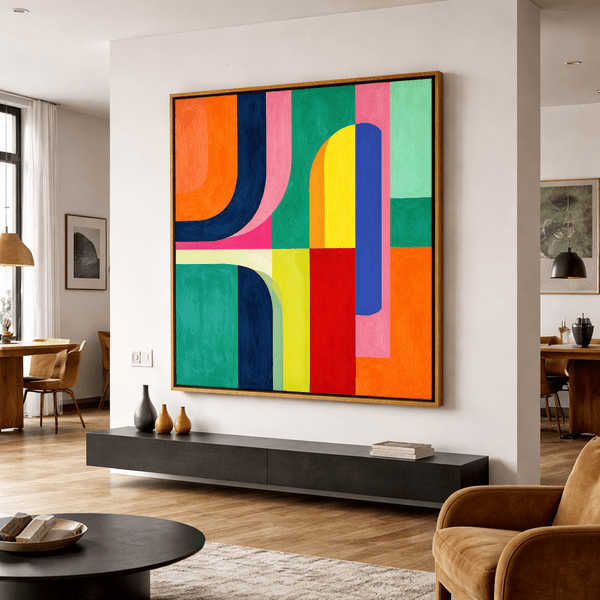
For contemporary interiors seeking visual impact, consider bold, colorful canvases in floating frames that add definition without overwhelming the artwork. This approach creates a deliberate statement while maintaining a modern sensibility.
Floating frames in metallic finishes or contrasting colors can enhance the artwork's presence while adding a sophisticated, curated quality to the space.

Traditional Rooms
In classical or traditional interiors, canvas paintings benefit from substantial, ornate frames that complement architectural details and furnishings. Consider gold-toned or wood frames for landscapes, portraits, or still life paintings.
The frame becomes an integral part of the presentation, adding historical context and formality that enhances traditional décor schemes and creates a gallery-like atmosphere.

How to choose a canvas painting for your home
Selecting the perfect canvas painting for your space involves considering both practical aspects and aesthetic preferences. This actionable guide will help you navigate the selection process with confidence.
Essential Selection Checklist
Room and Wall Considerations
- Wall size: Measure your available wall space before shopping. As a general rule, artwork should occupy about 2/3 to 3/4 of the wall space above furniture.
- Viewing distance: Larger rooms require larger artwork to maintain visual impact from a distance.
- Ceiling height: Higher ceilings can accommodate taller vertical pieces, while lower ceilings work better with horizontal orientations.
- Room function: Consider the purpose of the room—energetic, vibrant pieces for active spaces; calming, subdued works for restful areas.

Aesthetic Elements
- Color palette: Choose artwork that either complements your existing color scheme (tone-on-tone) or provides intentional contrast as a focal point.
- Subject matter: Select subjects that resonate with you personally—landscapes, abstracts, figurative works, or still life compositions.
- Style consistency: Consider how the artwork's style (contemporary, traditional, minimalist, etc.) aligns with your overall interior design approach.
- Emotional response: The most important factor—choose art that evokes the feeling you want to experience in that space.

Lighting Considerations
The way light interacts with a canvas painting dramatically affects its appearance and impact. Consider these lighting factors when selecting and placing artwork:
- Natural light changes throughout the day, altering how colors appear—view potential purchases in lighting similar to your home
- Avoid placing valuable or vibrant artwork in direct sunlight, which can cause fading over time
- Consider dedicated art lighting (picture lights or track lighting) to highlight texture and enhance colors
- Glossy finishes may create glare in bright rooms, while matte finishes diffuse light more evenly
Common Mistakes to Avoid
When selecting and displaying canvas art, avoid these pitfalls:
- Choosing artwork that's too small for the wall, creating a disconnected, floating appearance
- Hanging paintings too high—the center should generally be at eye level (57-60 inches from the floor)
- Ignoring color undertones that clash with existing décor (e.g., cool blues with warm yellow walls)
- Selecting based solely on matching colors rather than emotional connection to the artwork
- Overcrowding walls with too many small pieces instead of fewer, more impactful works
Remember that the perfect canvas painting for your home is ultimately one that speaks to you personally while enhancing your space. Quality canvas art from curated collections can transform an ordinary room into an extraordinary one, reflecting your unique taste and creating a distinctive atmosphere.

Care & hanging basics
Proper care and display of canvas paintings ensure their longevity and optimal visual impact. These practical guidelines will help you maintain your canvas art's beauty and integrity for years to come.
Gentle Cleaning and Maintenance
Canvas paintings require minimal but thoughtful maintenance to preserve their condition:
- Dust canvas surfaces gently using a soft, clean brush or microfiber cloth—always brush in one direction without applying pressure
- For more thorough cleaning, use a slightly damp (not wet) cloth and pat gently rather than rubbing
- Never use household cleaners, solvents, or chemicals on canvas paintings—these can damage the paint and canvas
- If a painting requires significant cleaning or restoration, consult a professional art conservator
- Inspect the canvas periodically for any signs of sagging, which may indicate that re-stretching is needed
Environmental Considerations
The environment in which you display canvas art significantly affects its preservation:
- Avoid hanging canvas paintings in direct sunlight, which can fade colors and deteriorate the canvas over time
- Maintain moderate, stable humidity levels (40-60%)—excessive humidity can cause canvas to sag, while very dry conditions may cause brittleness
- Keep canvas art away from heat sources like fireplaces, radiators, and heating vents, which can dry out and damage the materials
- Avoid areas with significant temperature fluctuations, such as uninsulated exterior walls or seasonal porches

Proper Hanging Techniques
Secure and appropriate hanging ensures both the safety of your artwork and its optimal presentation:
- Select hanging hardware appropriate for the weight of your canvas—D-rings with wire are ideal for most stretched canvases
- Use wall anchors suitable for your wall type (drywall, plaster, concrete) and the weight of the artwork
- For larger or heavier pieces, consider professional installation or multiple anchor points
- Position the center of the artwork at approximately 57-60 inches from the floor—the standard "museum height" that works well in most homes
- When hanging above furniture, position the bottom edge 8-10 inches above the furniture to create a visual connection
With proper care and display, your canvas paintings will remain vibrant and beautiful, continuing to enhance your space and bring joy for many years.

Where to buy canvas art
Finding the perfect canvas art involves knowing what to look for and where to shop — see our full guide to buying canvas prints online. Whether you're seeking original paintings or high-quality canvas prints, understanding how to evaluate sources helps ensure you'll find pieces you'll treasure for years to come.
Buyer's Checklist
When purchasing canvas art online or in person, consider these important factors:
Quality Indicators
- Clear, detailed images that show the texture and finish of the artwork
- Material specifications including canvas type, stretcher quality, and paint/printing materials
- Size options with accurate dimensions (including depth for stretched canvas)
- Framing details if applicable, including frame materials and construction
Purchase Considerations
- Secure packaging information to ensure safe transit
- Shipping timeframes and delivery methods
- Return policy transparency in case the artwork doesn't meet expectations
- Authentication for original artworks, including certificates or signatures
Canvas art at Rossetti Art
For those seeking a curated approach to canvas art, Rossetti Art offers a thoughtfully selected collection that balances artistic quality with accessible options for various tastes and spaces.
Discover Curated Canvas Art
Rossetti Art provides a gallery-inspired selection of canvas prints and original paintings that bring artistic excellence into your home. Each piece is chosen for its aesthetic quality, emotional resonance, and ability to transform living spaces with authentic artistic presence.
Explore Canvas Print CollectionWhether you're drawn to the accessibility of canvas prints or the unique character of original paintings, finding the right source ensures you'll acquire artwork that genuinely enhances your space and brings lasting enjoyment.

Frequently Asked Questions
What is a canvas painting?
A canvas painting is an artwork created by applying paint directly onto a fabric surface (canvas) that's typically stretched over wooden stretcher bars. The canvas provides a textured, durable surface that allows artists to create works with dimensional quality and lasting presence. Canvas paintings can be created using various media including oils, acrylics, or mixed materials.
Is a canvas print considered a painting?
No, a canvas print is not considered a painting in the traditional sense. While both use canvas as their base, a canvas print is a reproduction created by digitally printing an image onto canvas using specialized printers and inks. Unlike an original painting, which features hand-applied paint and unique textural qualities, a canvas print reproduces an existing image with a more uniform surface. Canvas prints are valuable decorative art pieces but differ from original paintings in creation process, texture, and uniqueness.
What's the difference between acrylic and oil on canvas?
The main differences between acrylic and oil on canvas involve drying time, blending properties, and finish. Acrylic paint dries quickly (within minutes to hours), is water-soluble when wet, and creates a matte to semi-gloss finish with vibrant, stable colors. Oil paint dries slowly (days to weeks), allows for extended blending and layering techniques, and produces a luminous finish with rich depth. Acrylics are more versatile and forgiving for beginners, while oils offer traditional techniques and exceptional blending capabilities preferred by many professional artists.
What does "stretched canvas" mean?
Stretched canvas refers to canvas fabric that has been pulled tightly over wooden supports (stretcher bars) and secured on the back, creating a taut, flat surface for painting. The stretching process creates tension that provides stability and prevents sagging. Gallery-wrapped stretched canvas extends the painted image around the sides, allowing the piece to be displayed without a frame. Properly stretched canvas offers the ideal painting surface—firm enough to support brushwork while maintaining the slight give that characterizes canvas art.
Do canvas paintings need glass?
No, canvas paintings typically do not need glass protection. Unlike works on paper, properly prepared canvas paintings have a durable surface that resists environmental damage. The varnish applied to finished paintings provides sufficient protection from dust and minor contact. Adding glass can actually create problems by trapping moisture and preventing the canvas from "breathing." However, in extremely dusty environments or high-traffic areas, some collectors opt for glazing with UV-protective acrylic (not glass) that includes spacers to prevent contact with the canvas surface.
How do I clean a canvas painting safely?
To clean a canvas painting safely, use a soft, clean brush (like a makeup brush or soft paintbrush) to gently dust the surface using light, downward strokes. For slightly more thorough cleaning, use a clean microfiber cloth, again with very gentle motions. Never use water, cleaning solutions, or household products on canvas paintings, as these can damage the paint and canvas. If your painting requires more significant cleaning due to smoke damage or grime buildup, consult a professional art conservator rather than attempting aggressive cleaning yourself.
How do I choose the right size for my wall?
To choose the right canvas size for your wall, follow these guidelines: For artwork displayed above furniture, select a piece that is approximately 2/3 to 3/4 the width of the furniture beneath it. For standalone wall art, consider the viewing distance—larger rooms require larger artwork to maintain visual impact. As a general rule, the center of the artwork should hang at eye level (approximately 57-60 inches from the floor). For impactful presentation, it's better to choose one larger piece rather than several small ones, unless you're creating an intentional gallery arrangement.
Are canvas paintings good for modern interiors?
Yes, canvas paintings are excellent for modern interiors. Their versatility allows them to complement any contemporary design approach, from minimalist to eclectic. Gallery-wrapped canvases offer a clean, frameless aesthetic that aligns perfectly with modern sensibilities. Abstract, geometric, or monochromatic canvas works particularly enhance modern spaces by adding texture and visual interest without disrupting clean lines. Canvas art also provides warmth and personality to modern interiors that might otherwise feel stark or impersonal, creating focal points that anchor the design while expressing individual style.
Conclusion
Canvas paintings represent one of art's most enduring and versatile forms, offering a unique combination of visual impact, textural presence, and artistic expression. Whether you choose an original painting with its one-of-a-kind brushstrokes or a high-quality canvas print that brings curated imagery into your space, canvas art has the remarkable ability to transform rooms and create atmosphere.
The beauty of canvas lies in its accessibility—it bridges the gap between fine art and everyday enjoyment, allowing us to live with art that resonates personally while enhancing our surroundings. From understanding the materials and techniques to making informed choices about selection and display, appreciating canvas art enriches both our spaces and our lives.
For those ready to explore how canvas art can elevate their home, Rossetti Art's curated collection offers thoughtfully selected canvas prints and original works that bring artistic excellence into everyday living. Discover pieces that speak to your aesthetic sensibilities and transform your walls into personalized galleries that reflect your unique taste and vision.


About the Author
Chiara Rossetti
Chiara Rossetti is the founder of Rossetti Art, a canvas print and original art brand. She writes about interior design, wall art styling, and the art of making a home feel alive.

Leave a comment
This site is protected by hCaptcha and the hCaptcha Privacy Policy and Terms of Service apply.