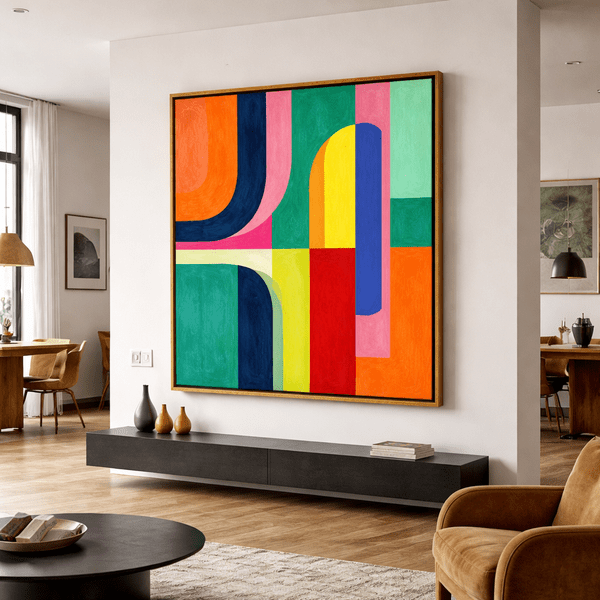
A colorful contemporary painting does more than fill an empty wall—it sets the emotional temperature of a room. Like a perfectly tuned instrument, the right artwork resonates with your space, amplifying its character while creating a visual conversation that evolves with each viewing. The interplay of color, texture, and composition can transform a mundane Monday morning into a moment of unexpected joy or contemplative calm.
In this guide, we'll explore ten distinctive colorful contemporary painting styles, each with its own visual language and emotional register. You'll discover which rooms best showcase each style, how to pair them with your existing décor, and practical styling tips to elevate your space. Whether you're drawn to bold geometric statements or subtle color field gradients, there's a contemporary art style waiting to bring your walls—and your home—to life.
Quick Guide Before You Choose
10 Colorful Contemporary Painting Styles for Every Room

1. Luminous Color Field
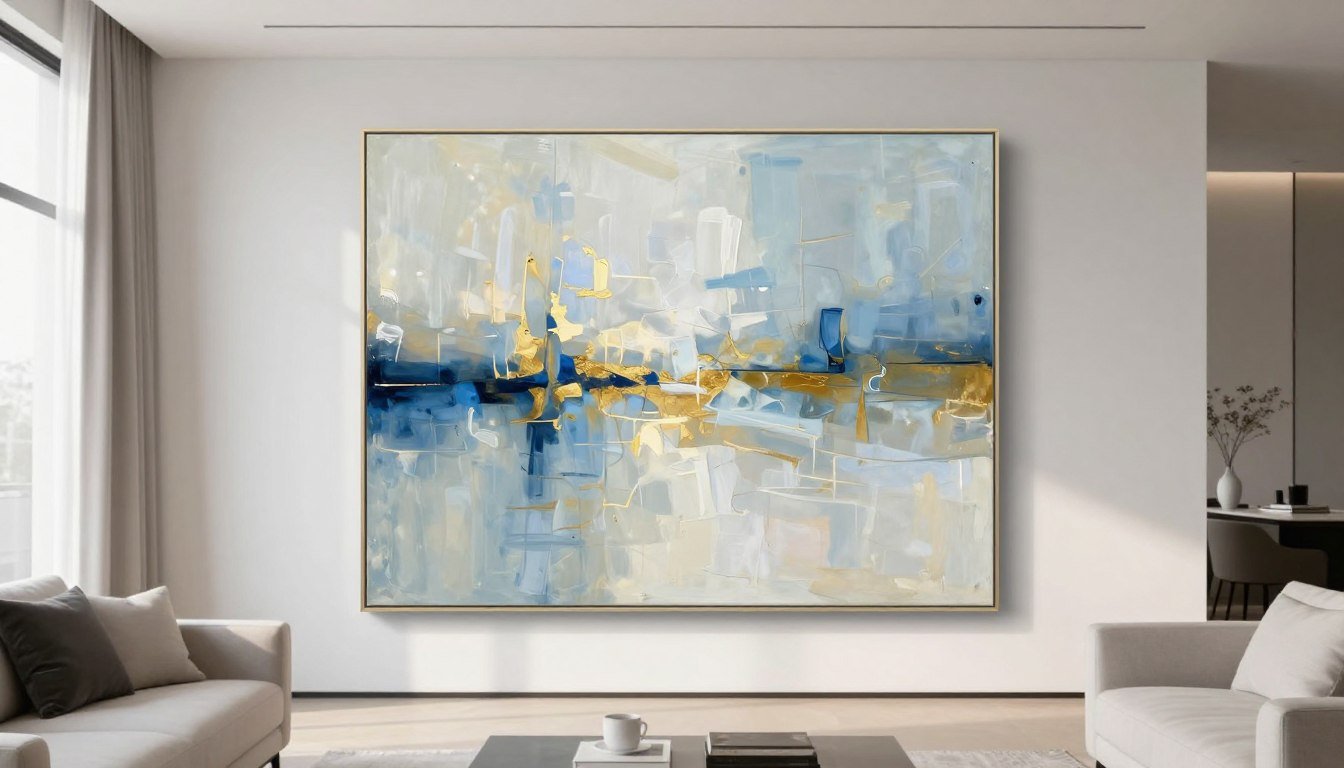
What it looks like: Expansive, atmospheric gradients that seem to glow from within. These paintings feature soft transitions between related hues, creating a sense of infinite depth. The boundaries between colors blur like fog rolling over a landscape at dawn.
Best rooms: Bedroom, meditation space
Ideal palettes: Blush + lavender + pale blue; amber + terracotta + cream
Why it works: Creates a sense of expansiveness and calm that decompresses the mind after a busy day.
Styling tip: Float-mount in a minimalist frame with ample negative space around the artwork. Consider directional lighting that enhances the luminous quality without creating glare.
Best for: The contemplative soul seeking visual serenity in a chaotic world.
Immerse yourself in the tranquil depth of these atmospheric pieces that transform your walls into portals of light and color.
2. Bold Geometric Abstraction
What it looks like: Sharp-edged forms in high-contrast colors that command attention. These paintings feature precise lines, angular shapes, and a rhythmic visual logic that creates movement across the canvas. Think architectural precision meets playful color experimentation.
Best rooms: Home office, dining room
Ideal palettes: Cobalt + mustard + black; emerald + coral + white
Why it works: Stimulates intellectual energy and conversation with its visual problem-solving and dynamic tension.
Styling tip: Frame in sleek, thin black metal to emphasize the crisp edges. Pair with furniture that echoes the geometric theme through subtle details rather than competing patterns.
Best for: The modernist who appreciates mathematical harmony and bold visual statements.
Let these structured yet vibrant compositions bring architectural energy and sophisticated playfulness to your most dynamic spaces.
3. Expressive Brushwork
What it looks like: Energetic, gestural strokes that capture emotional movement. These paintings celebrate the physical act of painting itself—sweeping arcs, textured impasto, and visible brushwork create a sense of spontaneous creation frozen in time.
Best rooms: Living room, creative studio
Ideal palettes: Ultramarine + crimson + ochre; viridian + magenta + gold
Why it works: Infuses spaces with raw creative energy and emotional resonance that shifts with your mood.
Styling tip: Choose a floating frame with ample space to showcase the textured edges. Position where natural light will cast subtle shadows across the textural elements throughout the day.
Best for: The passionate expressionist who values emotional authenticity over perfect order.
Surround yourself with the vibrant energy of artistic expression that speaks directly to the heart. Explore our collection of expressive contemporary works that bring emotional depth to your living spaces.
4. Pop-Contemporary
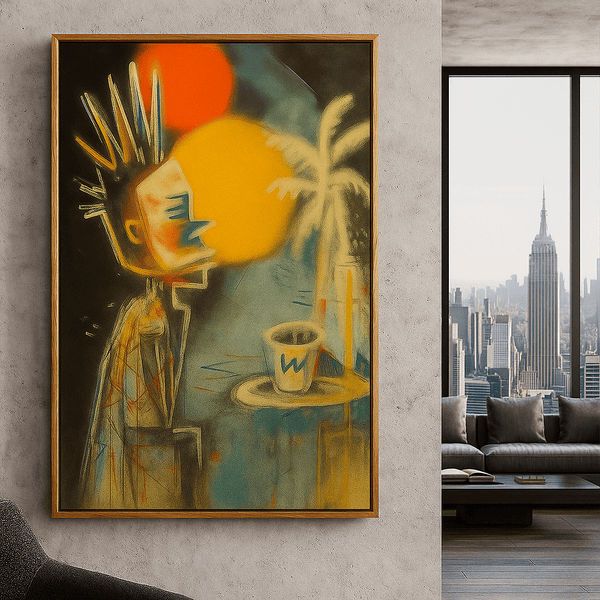
What it looks like: Playful, graphic compositions with cultural references and bold outlines. These paintings combine the clean edges of commercial design with artistic subversion, often incorporating unexpected juxtapositions of imagery and vibrant, almost electric color combinations.
Best rooms: Kitchen, game room
Ideal palettes: Neon pink + turquoise + black; canary yellow + royal purple + white
Why it works: Injects playful energy and cultural conversation into everyday spaces with its accessible visual language.
Styling tip: Frame in glossy white to create a gallery-like presentation. Pair with one or two accessories in matching accent colors to create visual connections throughout the room.
Best for: The cultural magpie who collects references, enjoys irony, and celebrates visual wit.
Bring a sense of playful sophistication to your space with these conversation-starting pieces that blend high art concepts with popular visual language.
5. Mixed Media Collage
What it looks like: Richly layered compositions combining paint with paper, fabric, and other materials. These textural feasts create visual depth through physical dimension, with elements that catch light differently and reward close inspection with hidden details and surprising material contrasts.
Best rooms: Study, reading nook
Ideal palettes: Rust + indigo + cream; sage + copper + charcoal
Why it works: Creates an intellectually engaging visual experience that reveals new details with each viewing.
Styling tip: Install with museum lighting that casts light at a 30-degree angle to maximize textural shadows. Frame under glass with a deep mat to protect delicate elements while creating distance for visual appreciation.
Best for: The tactile explorer who values process, layers of meaning, and material discovery.
Discover the rich complexity of these multi-dimensional works that invite both visual and intellectual exploration with their layered narratives.
6. Minimalist Bright
What it looks like: Deceptively simple compositions where a single vibrant hue takes center stage. These paintings use subtle variations in tone, texture, or geometric interruption to create sophisticated studies of color behavior that shift dramatically with changing light conditions.
Best rooms: Minimalist living room, meditation space
Ideal palettes: Klein blue + white; cadmium red + cream
Why it works: Creates a powerful focal point that anchors clean, architectural spaces without visual clutter.
Styling tip: Install in a floating frame that allows the painting to appear as if hovering slightly away from the wall. Position where natural light will interact with the surface throughout the day.
Best for: The essentialist who believes in the power of doing one thing perfectly rather than many things adequately.
Embrace the profound impact of concentrated color that transforms with the light and your perspective throughout the day.
7. Botanical Contemporary
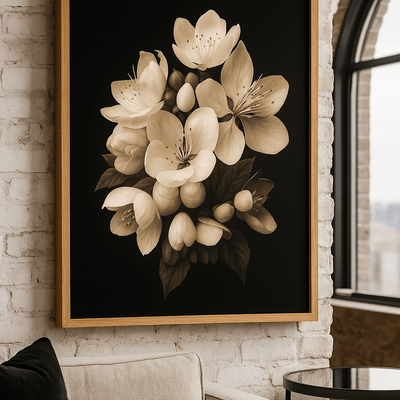
What it looks like: Stylized interpretations of natural forms in unexpected color combinations. These paintings reimagine the botanical world through a contemporary lens, with abstracted leaves, flowers, and organic shapes rendered in colors that transcend literal representation while maintaining natural rhythms.
Best rooms: Dining room, sunroom
Ideal palettes: Emerald + fuchsia + gold; teal + tangerine + navy
Why it works: Bridges the gap between nature and abstraction, bringing organic energy to contemporary spaces.
Styling tip: Pair with actual plants whose forms echo elements in the painting. Frame in natural wood to enhance the organic connection while maintaining contemporary elegance.
Best for: The nature lover with a modern sensibility who finds beauty in both wild gardens and architectural design.
Bring the vibrant energy of reimagined nature into your space with these botanical-inspired works that celebrate organic forms through a contemporary color lens. Explore our botanical contemporary collection to find the perfect piece for your space.
8. Figurative Color Accent
What it looks like: Representational figures or portraits with unexpected color treatments. These paintings ground themselves in recognizable human forms while using non-literal color to convey emotion, energy, or conceptual layers—think blue skin, violet shadows, or gradient hair.
Best rooms: Living room, bedroom
Ideal palettes: Sienna + turquoise + gold; violet + chartreuse + burgundy
Why it works: Creates an immediate emotional connection through human representation while maintaining contemporary edge through color innovation.
Styling tip: Frame with a substantial mat to give the figure "breathing room." Position at eye level where the gaze of any portrayed figures creates a sightline that works with your room's flow.
Best for: The people-person with an edge who values human connection but rejects literal representation.
Connect with these emotionally resonant works that use the human form as a vehicle for color exploration and psychological depth.
9. Neo-Mediterranean
What it looks like: Sun-washed color blocks reminiscent of Mediterranean architecture and landscapes. These paintings capture the essence of whitewashed walls, terracotta roofs, and azure waters through abstracted forms and a distinctive palette that evokes travel memories.
Best rooms: Kitchen, outdoor living space
Ideal palettes: Terracotta + cobalt + olive; sand + azure + burnt orange
Why it works: Transports viewers to sun-drenched coastal scenes while maintaining sophisticated abstraction.
Styling tip: Pair with natural materials like linen, jute, and unglazed ceramics. Frame simply in whitewashed wood to enhance the Mediterranean connection without competing with the artwork.
Best for: The sophisticated traveler who collects experiences rather than souvenirs.
Let these evocative works transport you to sun-drenched coastal scenes through their distinctive palette and abstracted architectural forms.
10. Monochrome + Electric Accent
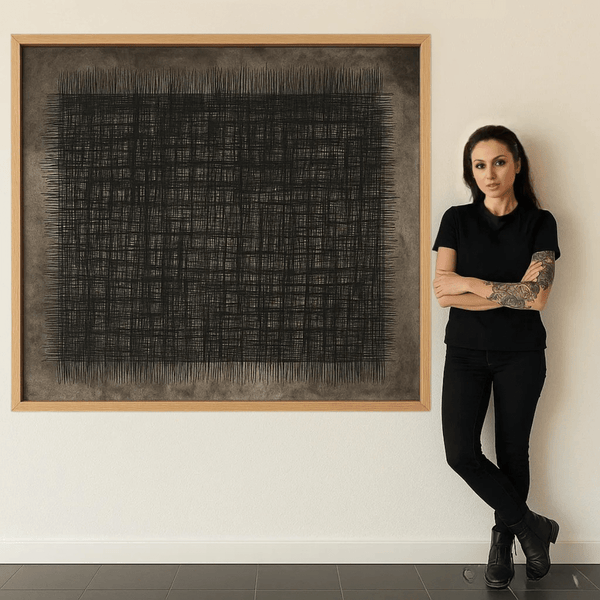
What it looks like: Sophisticated studies in a single color family interrupted by a shocking contrasting accent. These paintings create visual tension between restraint and rebellion, with the unexpected color moment functioning like a perfectly placed punctuation mark in a well-crafted sentence.
Best rooms: Entryway, minimalist bedroom
Ideal palettes: Grayscale + neon yellow; taupe + electric blue
Why it works: Creates dramatic visual impact while maintaining sophisticated restraint through controlled color deployment.
Styling tip: Frame in a finish that echoes the dominant monochrome tone. Avoid repeating the accent color elsewhere in the room—let it remain special and unexpected.
Best for: The strategic minimalist who understands the power of the perfectly placed unexpected element.
Embrace the sophisticated drama of these carefully calibrated works that demonstrate the power of restraint punctuated by perfectly placed boldness.
Room-by-Room Pairing Cheat Sheet
FAQ
What makes a painting "contemporary"?
Contemporary painting refers to works created by living artists or those working within approximately the last 20-30 years. Unlike "modern art" (which refers to a specific historical period from roughly 1860-1970), contemporary art reflects current cultural contexts, techniques, and concerns. Contemporary paintings often feature experimental approaches, cross-disciplinary influences, and engagement with present-day themes. They may incorporate traditional techniques alongside digital processes, found objects, or unconventional materials.
How do I choose the right size colorful painting for my living room?
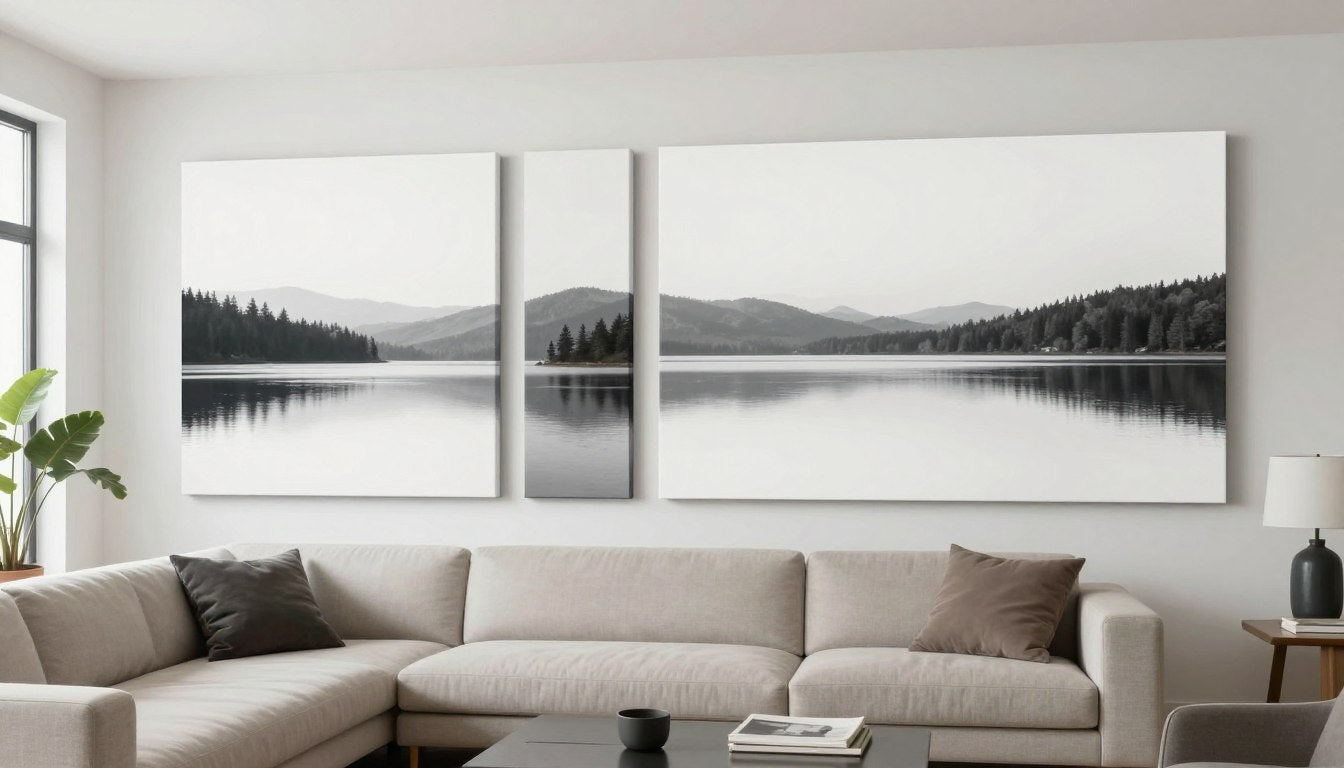
For living rooms, the painting should be proportional to your wall and furniture. Above a sofa, choose a piece (or grouping) that spans roughly 2/3 to 3/4 of the sofa's width, leaving at least 8 inches of wall space on each side. The bottom edge should hang 8-10 inches above the sofa back. For freestanding walls, the center of the artwork should be at approximately 57-60 inches from the floor (eye level for most adults). Large, statement pieces work well in living rooms, but ensure there's enough negative space around the artwork to let it "breathe."
Can colorful contemporary art work in minimalist interiors?
Absolutely! In fact, colorful contemporary paintings often shine brightest in minimalist spaces. The restrained background of white walls and clean-lined furniture creates a gallery-like setting that allows vibrant artwork to take center stage. Consider the Minimalist Bright or Monochrome + Electric Accent styles, which offer controlled color impact that complements minimalist principles. The key is balance—let the artwork be the dominant color statement rather than competing with multiple colorful accessories.
What's the best height to hang a painting above a sofa?
The bottom edge of your painting (or frame) should hang approximately 8-10 inches above the back of your sofa. This creates a visual connection between the furniture and artwork while keeping the piece at a comfortable viewing height. If your ceilings are particularly high, you might go slightly higher, but avoid creating a large gap that disconnects the painting from the furniture grouping. For very large or tall sofas, you might reduce this to 6-8 inches to maintain proportion.
How do I match a vibrant artwork with my rug and cushions?
Rather than exact matching, aim for thoughtful coordination. Select one or two secondary colors from your painting (not the dominant hue) and echo these in textiles and accessories. This creates harmony without becoming predictable or overwhelming. Alternatively, choose neutral rugs and furnishings that allow your colorful contemporary painting to be the star. If your artwork features complex patterns, pair it with solid textiles; if it's a color field or minimalist piece, you have more freedom to incorporate patterned textiles that complement its palette.
Is an original painting better than a canvas print?
This depends on your priorities and budget. Original paintings offer unique texture, depth, and investment value that prints cannot replicate. However, high-quality canvas prints from reputable artists and galleries can provide excellent visual impact at a more accessible price point. Many contemporary artists create limited edition prints that offer a middle ground—unique, collectible works with the artist's direct involvement. Consider factors like texture (if the original has significant impasto or mixed media elements), size requirements, and whether the piece is an investment or primarily decorative.
What lighting is best for colorful paintings?
Natural, indirect light is ideal for viewing colorful contemporary paintings, as it reveals the true colors without glare. For artificial lighting, LED lights with a Color Rendering Index (CRI) of 90+ and color temperature between 2700K-3000K (warm white) provide excellent color accuracy. Position lights at a 30-degree angle to the artwork to minimize glare on glossy surfaces. Avoid direct sunlight and harsh spotlights, which can cause fading and create distracting reflections. Picture lights, track lighting, or recessed fixtures with adjustable heads offer the most control for highlighting your artwork.
How do I avoid clashing colors?
To avoid color clashes, consider the undertones in both your artwork and room. Colors with the same undertone (warm or cool) typically harmonize better. Another approach is to embrace color theory—complementary colors (opposite on the color wheel) create vibrant contrast, while analogous colors (adjacent on the color wheel) create harmony. When in doubt, introduce your colorful contemporary painting to a neutral backdrop, allowing it to set the tone rather than competing with existing colors. Remember that some tension between colors can be intentional and energizing—perfect clashing is an art form itself in contemporary design.
Conclusion
Choosing a colorful contemporary painting for your home is more than a decorating decision—it's selecting the emotional atmosphere you'll live within daily. The right artwork becomes a visual anchor that grounds your space while simultaneously lifting it beyond the ordinary. It creates moments of unexpected joy, contemplative pause, or energizing stimulation exactly where you need them most.
As you consider which style resonates with your space and sensibility, remember that the most successful interiors reflect personal connection rather than passing trends. The painting that stops you in your tracks, that you find yourself returning to again and again—that's the one that belongs on your wall.
At Rossetti Art, we specialize in canvas prints, original paintings, and modern sculptures that celebrate the beauty of emotion and design. Each piece created by Chiara Rossetti is more than décor—it's a reflection of your personality and a window into how you experience the world. Explore the collection and let your walls speak with authentic artistic voice.

Leave a comment
This site is protected by hCaptcha and the hCaptcha Privacy Policy and Terms of Service apply.