Creating a home that feels expensive doesn't require a designer budget or complete renovation. The secret lies in strategic interior elements that designers use to transform ordinary spaces into luxurious sanctuaries.
This guide reveals exactly what interior elements make a home feel expensive. From textures to lighting, you'll discover practical ways to elevate your space without breaking the bank.

The right combination of design tricks can make any room look like a million dollars. Understanding these elements helps you make smart decisions that create lasting impact in your home.
Art That Delivers Instant Sophistication
Transform your space with these carefully curated pieces that interior designers use to create expensive-looking rooms.

Abstract Canvas Prints
Modern abstract pieces add sophisticated visual interest. They work as statement focal points in living rooms and offices.

Black & White Portraits
Timeless monochrome art creates instant elegance. These pieces bring gallery-quality sophistication to bedrooms and entryways.

Botanical Wall Art
Nature-inspired prints bring organic luxury to any space. Perfect for creating serene, expensive-looking dining rooms and bathrooms.
Statement Art Creates Instant Luxury
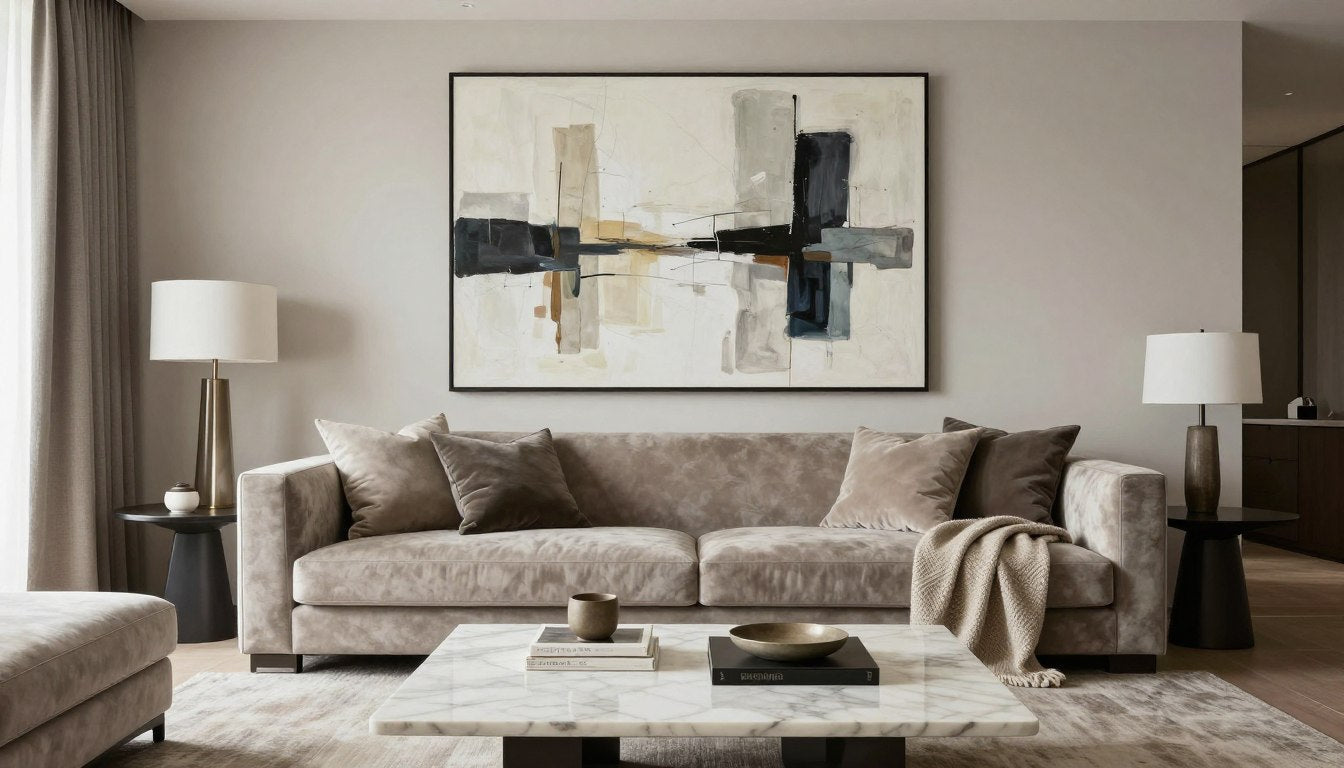
The fastest way to make a home feel expensive is through carefully chosen art. Large-scale pieces command attention and establish sophisticated design from the moment someone enters your space.
Interior designers consistently use canvas prints as their secret weapon for affordable luxury. A single museum-quality piece transforms a room more effectively than multiple small decorations scattered across walls.

Scale matters tremendously in creating that expensive feeling. Choose art that fills at least two-thirds of your sofa width for proper visual weight in a living room. This designer trick creates the illusion of thoughtful curation rather than afterthought decoration.
How Art Placement Affects Perceived Value
Proper art placement elevates the entire room. Hang pieces at eye level, approximately 57 to 60 inches from the floor to the center of the artwork. This museum-standard height instantly makes your space feel professionally designed.
Consider creating a gallery wall with canvas print sets for dramatic impact. The key is maintaining consistent spacing between pieces, typically 2 to 3 inches, which creates cohesion that screams intentional design.
Choosing Art That Matches Expensive Aesthetics
Different art styles convey different luxury messages. Abstract canvas prints work beautifully in modern spaces, while line art delivers minimalist sophistication.
Black and white photography or portraits add timeless elegance to any interior. These pieces never go out of style and complement virtually any color scheme you choose over time.

For dining rooms and kitchens, botanical wall art brings organic luxury that feels both fresh and expensive. Natural elements create a sense of calm sophistication that designers charge thousands to achieve.
Lighting Transforms Ordinary Spaces Into Luxury Retreats
Nothing reveals cheap design faster than poor lighting. The right lighting scheme is what interior designers manipulate first when creating expensive-looking rooms.
Layer your lighting sources to create depth and dimension. Combine ambient lighting from ceiling fixtures with task lighting at work areas and accent lighting to highlight art and architectural features.
Statement Fixtures as Jewelry for Rooms
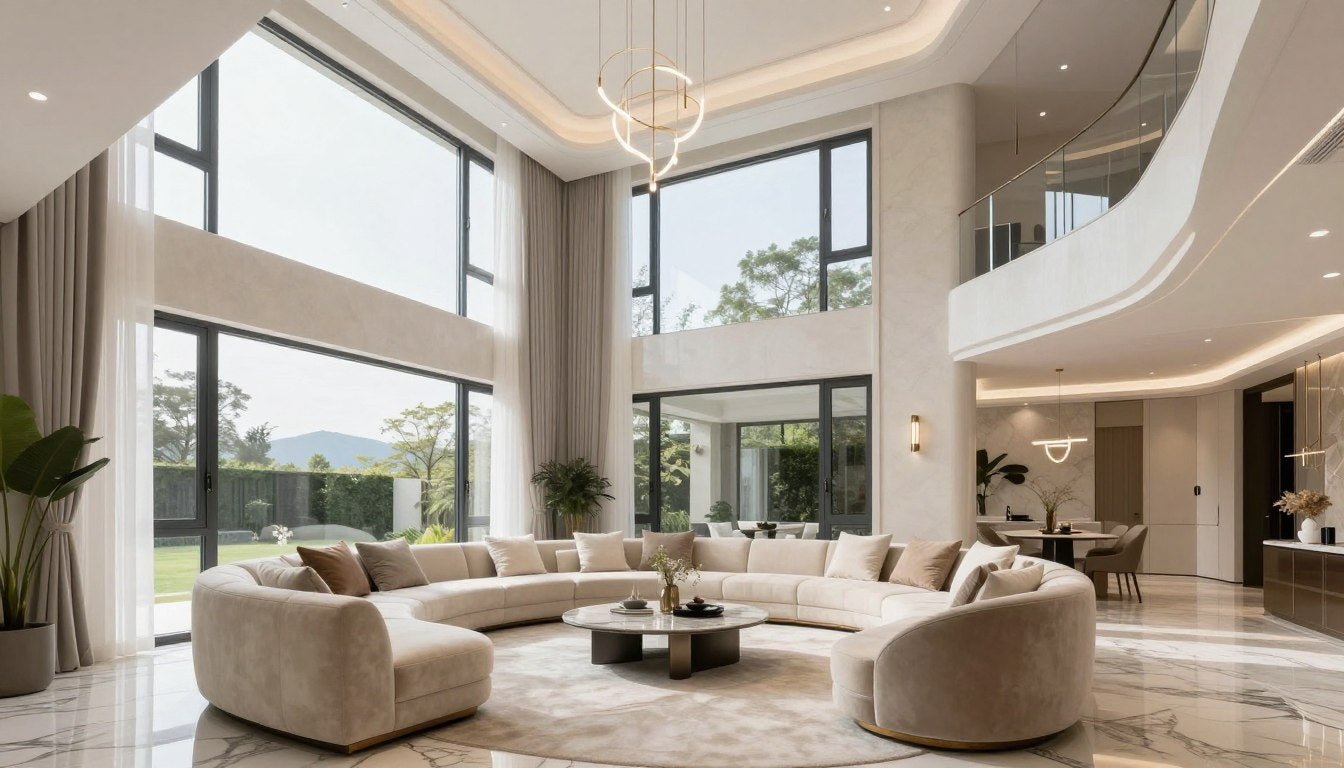
A beautiful chandelier or sculptural pendant serves as room jewelry. This single investment piece draws the eye upward, making ceilings feel higher and spaces more grand.

Consider oversized fixtures in unexpected places. A dramatic pendant in the bathroom or a chandelier in the bedroom instantly elevates the perceived value of these spaces beyond standard home design.
Dimmer Switches and Warm Bulbs
Install dimmer switches on every light fixture you can. The ability to adjust lighting creates ambiance that feels custom and intentional, hallmarks of expensive interior design.
Choose warm-toned LED bulbs between 2700K and 3000K. Cool white lighting feels institutional, while warm light mimics the glow of luxury hotels and high-end restaurants.
Add table lamps and floor lamps to create pools of warm light throughout your living room. This layered approach eliminates harsh shadows and creates the inviting atmosphere found in designer spaces.
Layered Textures Add Depth and Richness
Expensive homes feel tactile and dimensional. The secret lies in combining multiple textures within a single space to create sensory richness that flat, single-texture rooms lack.
Mix smooth surfaces like glass and marble with soft elements like velvet and linen. This contrast creates visual interest that keeps the eye moving and the space feeling complex and curated.

Fabric Choices That Signal Quality
Natural fabrics instantly upgrade perceived value. Linen curtains, wool throws, and cotton velvet cushions feel more expensive than synthetic alternatives, even at similar price points.
Choose heavyweight fabrics for window treatments. Thin, flimsy curtains scream budget, while substantial linen drapes that puddle slightly on the floor suggest custom luxury.
Hard Surface Textures Matter Too
Wood finishes bring warmth and sophistication to any room. Real wood or high-quality wood-look materials feel more expensive than obviously plastic laminates.
Incorporate stone or stone-look surfaces where possible. A marble tray on a coffee table, travertine coasters, or a stone planter adds instant luxury for minimal investment.

Metal accents in brass, bronze, or brushed nickel add another texture layer. These reflective surfaces catch light and add subtle glamour to everything from picture frames to hardware.
Sophisticated Color Palettes Elevate Any Space
The color schemes in expensive homes tend toward cohesive, intentional palettes rather than random color combinations. This doesn't mean boring neutrals, but rather carefully selected colors that work together harmoniously.
Start with a neutral base in larger elements like walls, sofas, and major furniture pieces. Then add personality through accent colors in art, pillows, and decorative objects that can change over time.
The Power of Monochromatic Schemes
Monochromatic color schemes feel inherently sophisticated. Using varying shades of a single color creates depth while maintaining the visual calm associated with expensive interior design.
Layer different tones of the same color family through textures. A room with cream walls, beige linen sofa, caramel leather chair, and abstract art in warm tones feels cohesive and expensive.

Strategic Color Accents
When you do use bold colors, use them strategically and consistently. Choose two or three accent colors maximum and repeat them throughout the space in various elements.
Deep, saturated colors often feel more expensive than bright, primary tones. Navy, emerald, burgundy, and charcoal convey luxury more effectively than bright red, yellow, or electric blue.
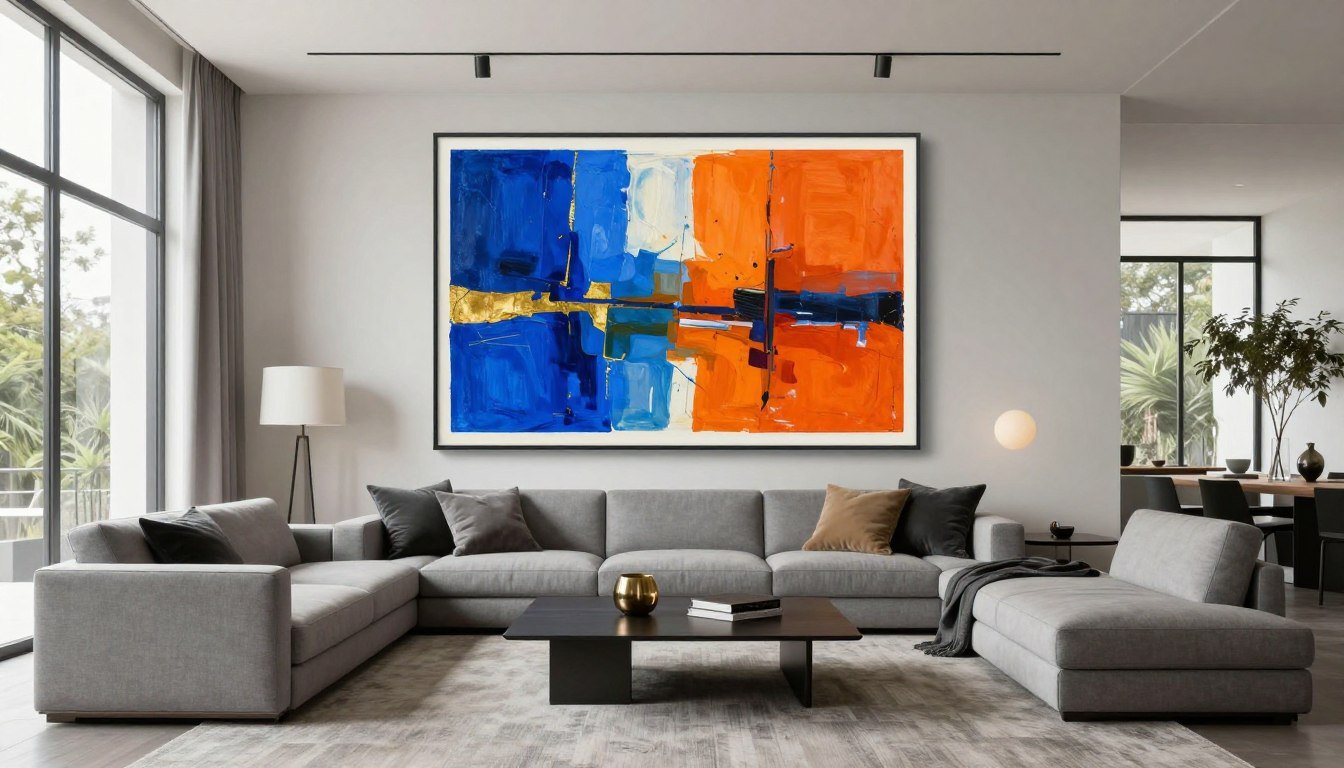
Your living room wall art can anchor your color scheme. Pull accent colors from your art into pillows, throws, and accessories to create that designer look of intentional coordination.
Match Your Luxury Vision to the Perfect Art
Whether your style is modern minimalist, organic elegance, or bold contemporary, discover curated collections that bring your aesthetic to life.
Modern Minimalist
Clean lines and sophisticated restraint define this timeless approach. Black and white art and line drawings create calm, expensive-looking spaces.
Organic Luxury
Natural elements bring sophisticated warmth. Botanical prints and nature-inspired pieces create serene, upscale environments.
Bold Contemporary
Make a statement with vibrant abstracts and pop art. These pieces anchor modern spaces with confidence and personality.
Quality Furniture Over Quantity Creates Expensive Ambiance
One well-made sofa looks more expensive than a room full of cheap furniture. Interior designers always prioritize quality over quantity when creating luxurious spaces on any budget.
Invest in foundational pieces that you use daily. A quality sofa, dining table, or bed frame serves as the backbone of room design and justifies spending more upfront.

The Visual Weight of Substantial Furniture
Furniture with visual weight grounds a space and creates stability. Avoid spindly legs and flimsy frames that make rooms feel temporary and cheap.
Choose sofas and chairs with substantial frames and generous proportions. Pieces that look too small for the space diminish the room's perceived value, while properly scaled furniture creates balance.
Classic Styles Over Trendy Pieces
Classic furniture silhouettes maintain their appeal across decades. While trendy pieces date quickly and cheapen your space over time, timeless designs continue looking intentional and expensive.
A classic Chesterfield sofa, simple platform bed, or clean-lined dining table works with changing decor. You can update the look through accessories and bedroom canvas prints rather than replacing major furniture.
Coordinate bedroom furniture with carefully selected art that complements your style. This creates cohesion that looks professionally designed rather than randomly assembled.
Architectural Details Add Permanent Luxury
Architectural elements create the bones of expensive-looking spaces. Even simple additions like crown molding transform basic rooms into sophisticated interiors that feel custom and high-end.
Crown molding draws the eye upward and makes ceilings appear higher. This vertical expansion creates the airy, spacious feeling associated with luxury homes regardless of actual square footage.
Ceiling Treatments That Elevate
Paint your ceiling a shade lighter than walls, or try a subtle color for added dimension. Even this small trick makes the ceiling recede and the room feel taller and more expensive.

Coffered ceilings or simple beam additions create architectural interest in otherwise plain rooms. These details suggest custom construction even when added to existing spaces.
Window and Door Casings
Upgrade basic door and window trim to wider, more substantial moldings. This small change creates a custom look that dramatically increases perceived home value.
Paint trim in crisp white or a contrasting color to walls. This definition adds polish and makes rooms look finished and intentional rather than builder-grade basic.
Built-In Storage Solutions
Built-in bookshelves, window seats, or entertainment centers look expensive because they appear permanent and custom. Even affordable DIY versions create this effect when painted to match walls.
Frame your office canvas art with built-in shelving for a curated library look that suggests custom millwork and designer intervention.
Strategic Mirror Placement Multiplies Space and Light
Mirrors serve as interior designers' magic trick for making spaces feel larger and more luxurious. The right mirror placement doubles perceived space while reflecting light to brighten rooms naturally.
Large-scale mirrors make the biggest impact. A floor-to-ceiling mirror or oversized wall mirror creates drama and expansiveness that small decorative mirrors cannot achieve.

Mirrors as Art Alternatives
A beautiful mirror with an interesting frame functions as both art and practical element. This dual purpose creates perceived value while serving a functional role in your space.
Position mirrors opposite windows to maximize natural light reflection. This free lighting trick brightens rooms and creates the airy quality found in expensive homes.
Creating Focal Points with Mirrors
Hang a statement mirror above a fireplace, console table, or in an entryway to create instant focal points. The reflective surface draws attention and anchors the space like sculpture or entryway wall art.
Layer mirrors with other elements for maximum impact. A mirror behind a console table with a table lamp creates depth through reflection, making the vignette feel more substantial and curated.
Flooring Provides the Foundation for Luxury
The floor beneath your feet sets the baseline for perceived quality throughout your home. Cheap or damaged flooring undermines even the most beautiful furniture and decor above it.
Hardwood floors or convincing wood-look alternatives feel inherently more expensive than worn carpet or dated vinyl. The investment in quality flooring pays dividends in overall home aesthetics.
Area Rugs Define Luxury Zones
Large area rugs anchor furniture groupings and add softness to hard floors. Size matters tremendously here, with too-small rugs making spaces feel disjointed and cheap.

All front furniture legs should sit on the rug, or all furniture legs should be completely on the rug. This proper scaling creates cohesion and makes your living room feel professionally designed.
Material Choices That Matter
Natural fiber rugs like wool, jute, or sisal feel more expensive than synthetic alternatives. These materials add texture and durability that justifies their cost over time.
Layer rugs for added luxury and visual interest. A cowhide or sheepskin over a larger jute rug creates dimension that feels custom and expensive.
Coordinate floor coverings with wall elements like dining room wall art to create that pulled-together look that suggests designer involvement.
Fresh Flowers and Plants Bring Life and Luxury
Nothing says luxury quite like fresh flowers displayed throughout a home. This living element suggests abundance and care that instantly elevates perceived home value.
Keep arrangements simple and elegant rather than fussy. A single type of flower in a beautiful vase looks more expensive than mixed arrangements with too many competing elements.

Strategic Plant Placement
Large-scale plants in beautiful planters function as living sculpture. A fiddle-leaf fig or bird of paradise in a ceramic or woven basket planter adds organic luxury to any room.
Group plants at varying heights to create dimension. This layered approach mimics professional interior design and makes spaces feel more intentional and curated.
The Power of Greenery
Even if you lack a green thumb, high-quality artificial plants now look convincingly real. The key is choosing realistic options and placing them in quality planters that suggest you value living elements.
Bathroom plants create a spa-like atmosphere that feels expensive and serene. Even small spaces benefit from trailing plants on shelves or a single orchid on the counter.
Combine natural elements with botanical wall art prints to reinforce the organic luxury theme throughout your home.
Decluttered, Curated Spaces Signal Sophistication
Expensive homes feel calm and uncluttered. The less stuff on display, the more intentional and valuable each remaining piece appears to observers.
Edit your belongings ruthlessly, keeping only items that serve a purpose or bring genuine joy. This minimalist approach creates breathing room that luxury spaces require.
The Art of Negative Space
Empty space around objects makes them feel more important and valuable. Crowded shelves and surfaces diminish everything displayed, while thoughtful spacing elevates individual pieces.

Leave at least 40% of surfaces clear. This restraint creates the sophisticated, uncluttered look that characterizes high-end interior design across every room in your house.
Curated Collections Over Random Objects
Display collections of similar items rather than random decorative pieces. Three matching vases, a collection of brass objects, or grouped black and white canvas prints create cohesion that feels intentional.
Quality over quantity applies to decorative objects too. One beautiful sculpture makes more impact than five mediocre pieces scattered around a room.
Hidden Storage Solutions
Invest in furniture with hidden storage to keep everyday clutter out of sight. Ottomans with storage, coffee tables with drawers, and credenzas maintain that clean, expensive aesthetic.
Use beautiful boxes, baskets, and trays to corral necessary items. These functional pieces serve double duty, keeping things tidy while adding texture and design interest to your space.
Quality Window Treatments Transform Natural Light
Windows dress a room like jewelry, and cheap treatments undermine otherwise beautiful spaces. Floor-length curtains in quality fabrics instantly upgrade perceived room value.
Hang curtain rods higher than the window frame and wider than the actual window. This trick makes windows appear larger and ceilings higher, creating expensive architectural proportions.

Fabric Choices That Elevate
Natural linen curtains feel inherently more expensive than synthetic alternatives. The texture and weight of linen drapes create sophisticated movement and light filtration.
Choose solid colors or subtle patterns over busy prints. Simple, elegant fabrics create the timeless look that characterizes expensive interior design.
Layering for Luxury
Layer sheers under heavier drapes for light control and visual interest. This dimensional approach mirrors techniques used in high-end homes and hotels.
Let curtains puddle slightly on the floor for a custom, luxurious look. This extra fabric suggests abundance and attention to detail rather than cost-cutting measures.
Coordinate window treatments with bedroom canvas prints and bedding to create the cohesive, designed look that defines expensive spaces.
Upgraded Hardware and Fixtures Polish the Details
Small details like cabinet hardware, light switches, and door handles seem minor but collectively determine whether spaces feel expensive or builder-grade basic.
Replace dated brass or chrome hardware with modern alternatives in brushed nickel, matte black, or aged brass. This simple swap updates kitchens and bathrooms dramatically for minimal investment.
Consistent Finish Throughout
Choose one metal finish and use it consistently throughout connected spaces. This cohesion suggests intentional design rather than random replacements over time.

Mix metal finishes only when done deliberately. Combining brass and chrome requires a designer's eye; safer to stick with one finish family for a cohesive, expensive look.
The Impact of Quality Faucets
Kitchen and bathroom faucets receive daily use and constant visibility. Upgrading to substantial, well-designed faucets creates immediate luxury impact in these hardworking spaces.
Choose faucets with clean lines and solid construction. The difference between cheap and quality faucets is immediately apparent in both appearance and operation.
Light Switch and Outlet Upgrades
Replace plastic switch plates with metal alternatives. This tiny detail creates a more finished, expensive appearance throughout your entire house.
Consider installing rocker switches instead of standard toggle switches for a more contemporary, upscale look. Modern switches suggest recent updates rather than original builder fixtures.
Kitchen and Bathroom Details Determine Home Value Perception
These two rooms disproportionately affect how expensive your entire home feels. Even small upgrades in kitchens and bathrooms create outsized impact on perceived luxury.
Focus on surfaces first in these spaces. Countertops, backsplashes, and flooring establish the quality baseline that other elements build upon.
Countertop Materials That Communicate Quality
Natural stone or convincing quartz alternatives feel more expensive than laminate or tile. The continuous surface and depth of material suggests investment and permanence.

Keep counters as clear as possible in the kitchen. Store appliances in cabinets to maintain that clean, uncluttered look that characterizes expensive spaces.
Bathroom Spa Experience
Create a spa-like bathroom through simple upgrades. Plush towels, a beautiful soap dispenser, and cohesive accessories transform basic bathrooms into luxury retreats.
Add botanical wall art to bathrooms for an organic, spa-inspired feeling. Natural imagery creates the calm, expensive atmosphere found in high-end hotels.
Open Shelving for Curated Display
Replace some upper kitchen cabinets with open shelving to display beautiful dishes and glassware. This designer trick works only with restraint and careful curation.
Keep open shelves minimal and organized. Too much stuff negates the expensive look, while carefully arranged items in cohesive colors create magazine-worthy appeal.
Personal Touches Create Authentic Expensive Feeling
The most expensive-looking homes feel personal and collected rather than decorated all at once. Layer meaningful pieces acquired over time for authentic luxury that cannot be purchased in a single shopping trip.
Display family photos in quality frames with proper matting. This elevates personal memories to art status and creates the collected, multigenerational feeling of expensive family homes.
Travel Souvenirs as Design Elements
Incorporate meaningful travel finds as decorative elements. A Moroccan rug, Italian ceramics, or African textiles add global sophistication that suggests worldly taste and experience.

Mix these personal pieces with contemporary art from Rossetti Art to create layers of visual interest that feel both personal and professionally designed.
Books as Decorative Elements
Display beautiful books with interesting covers on coffee tables and shelves. Stack books horizontally to create varying heights for styling other objects.
Invest in a few large-format art or design books. These substantial volumes suggest cultural interests and create the intellectual luxury associated with expensive homes.
Collected Art Over Time
Build an art collection gradually rather than buying everything at once. This creates the layered, personal quality that characterizes truly expensive, well-designed homes.
Mix different art styles and mediums throughout your space. Combining original paintings with modern sculptures and canvas prints creates gallery-like depth and interest.
Scent Creates Invisible Luxury Throughout Your Home
Expensive homes smell beautiful the moment you enter. This often-overlooked sensory element completes the luxury experience in ways visual elements alone cannot achieve.
Invest in quality candles or diffusers with sophisticated scents. Avoid overly sweet or artificial fragrances in favor of natural, subtle aromas like fig, cedar, or fresh linen.
Signature Scent Strategy
Choose one signature scent for your home and use it consistently. This creates olfactory memory and the sense of intentional design that extends beyond visual elements.

Place subtle scent sources throughout the house rather than one overpowering fragrance in a single room. This creates gentle, pervasive ambiance without overwhelming the senses.
Natural Scent Sources
Fresh flowers provide natural fragrance along with visual beauty. Eucalyptus in the bathroom, lavender in the bedroom, or roses in the living space add organic luxury.
Simmer citrus peels and herbs on the stove for natural, welcoming scents. This old trick creates the warm, homey feeling that makes expensive houses feel inviting rather than sterile.
Museum-Quality Art, Delivered to Your Door
Every canvas print from Rossetti Art comes ready to hang with gallery-wrapped edges and premium materials. Transform your space with art that looks and feels expensive.
- Gallery-wrapped canvas with 1.5" depth for professional presentation
- Fade-resistant archival inks that maintain vibrancy for decades
- Ready-to-hang with included mounting hardware
- Free worldwide shipping on all orders
- Curated by designer Chiara Rossetti for sophisticated spaces
Seasonal Updates Keep Spaces Feeling Fresh and Current
Expensive homes evolve with the seasons through subtle updates that keep spaces feeling current. This doesn't require major overhauls, just strategic swaps of textiles and accessories.
Change throw pillows and blankets seasonally. Linen and cotton for warm months, velvet and wool for cooler seasons. This simple rotation keeps your living room feeling fresh and intentional.
Seasonal Color Adjustments
Adjust accent colors subtly with the seasons. Warm earth tones in fall, crisp whites and blues in summer. These shifts create visual interest while maintaining your core design aesthetic.

Rotate smaller decorative objects based on season. Shells and coral for summer, pinecones and branches for fall. Natural elements cost nothing but create timely, expensive-looking displays.
Adjusting Lighting for Seasons
Use brighter bulbs in winter months when natural light decreases. This maintains the bright, airy quality that feels expensive year-round regardless of outdoor conditions.
Add extra lamps in darker seasons to maintain proper lighting layers. Table lamps with warm bulbs create cozy luxury during long winter evenings.
Designer Tricks That Cost Nothing But Add Luxury
Interior designers know countless tricks that create expensive looks without spending money. These professional secrets transform ordinary spaces through smart styling rather than purchasing.
Symmetry creates instant order and luxury. Pair table lamps, arrange furniture symmetrically, or hang art in balanced groupings. This classical approach suggests professional design intervention.
The Power of Proper Scaling
Use fewer, larger pieces rather than many small items. One substantial piece of furniture or art makes more impact than several small pieces scattered throughout a room.

Anchor lightweight furniture with heavier visual pieces. If your sofa is sleek and modern, balance it with a substantial coffee table or large-scale abstract canvas print.
Styling in Odd Numbers
Group decorative objects in threes, fives, or sevens rather than even numbers. This designer trick creates more dynamic, interesting arrangements that feel professionally styled.
Vary heights when grouping objects. Combine tall, medium, and short pieces for visual interest that draws the eye through the entire arrangement.
Editing for Impact
Remove one thing from every room. This restraint exercise often reveals that less truly creates more impact, allowing remaining pieces to shine.
Step back and view rooms from the doorway. This visitor's perspective reveals what actually catches attention first and what detracts from your space's expensive feeling.
Room-by-Room Priorities for Maximum Luxury Impact
Different rooms require different priorities when creating that expensive feeling throughout your entire home. Focus efforts where they create the most significant impact.
The living room receives the most attention and use, making it the priority space for creating luxury. Invest here first with quality seating, proper lighting, and statement living room wall art.
Entryway Sets First Impressions
Your entryway creates the first impression of your entire home. A beautiful mirror, console table, and statement entryway wall art establish expectations for the rest of the space.

Keep the entryway uncluttered with hidden storage for shoes and coats. Clear surfaces and clean floors maintain that expensive first impression.
Bedroom as Personal Sanctuary
Create hotel-like luxury in the bedroom through quality bedding, proper lighting, and carefully chosen bedroom canvas prints that create a serene atmosphere.
Invest in the best mattress and bedding you can afford. Nothing undermines bedroom luxury faster than cheap, uncomfortable bedding.
Dining Room for Gathering
The dining room benefits from dramatic lighting and beautiful dining room wall art decor print that creates atmosphere for gatherings.
Set the table even when not in use. A simple runner, candlesticks, or bowl of fruit makes the room feel ready and intentional rather than neglected.
Office for Productivity and Style
Home offices need both function and beauty. Quality office canvas art creates an inspiring environment that feels professional and expensive.
Keep the office organized with beautiful storage solutions. Leather desk accessories, woven baskets, and matching binders create cohesive luxury even in working spaces.
Maintaining the Expensive Look Over Time
Creating an expensive-looking home requires ongoing maintenance. Regular cleaning, repairs, and updates keep spaces looking intentional and well-cared-for rather than neglected.
Clean regularly and thoroughly. Dust, smudges, and clutter undermine even the most beautiful design. Pristine surfaces maintain that luxury hotel feeling in your own house.
Prompt Repairs Prevent Deterioration
Fix problems immediately rather than letting them accumulate. A dripping faucet, chipped paint, or loose cabinet handle cheapens the entire space until addressed.

Touch up paint regularly to maintain fresh, crisp walls. Dingy or marked walls make even expensive furniture and art look shabby.
Refresh Textiles Regularly
Replace worn pillows, throws, and rugs before they look obviously tired. Fresh textiles maintain the crisp, new feeling that characterizes expensive spaces.
Rotate art and accessories occasionally to keep rooms feeling current. Even small changes prevent visual fatigue and maintain your interest in your own space.
Invest in Quality Cleaning Products
Use appropriate cleaning products for each surface. Proper care extends the life of quality materials and maintains their expensive appearance over decades.
Professional cleaning for upholstery and rugs yearly maintains their like-new condition. This investment protects larger furniture investments and keeps spaces looking fresh.
Creating Your Expensive-Looking Home
Understanding what interior elements make a home feel expensive empowers you to make strategic decisions that elevate your space. The combination of quality materials, proper scale, and thoughtful design creates luxury at any budget.
Start with foundational elements like lighting, paint color, and key furniture pieces. Layer in textures, art, and accessories gradually to build that collected, expensive look over time.

Remember that less is often more in creating sophisticated spaces. Edit ruthlessly, choose quality over quantity, and allow breathing room around beautiful pieces.
The key to maintaining an expensive feeling lies in ongoing care and thoughtful updates. Keep spaces clean, make prompt repairs, and refresh elements seasonally to prevent stagnation.
Transform your space with carefully chosen canvas prints, original paintings, and modern sculptures that anchor your luxury aesthetic.
Your home deserves to feel as expensive as you've always imagined. These interior elements work together to create the sophisticated sanctuary you'll love coming home to every single day.
For more inspiration and design insights, explore our design blog featuring expert tips and curated collections.
Frequently Asked Questions
What interior elements make a home feel expensive on a budget?
The most impactful budget-friendly elements include proper lighting with dimmer switches, large-scale statement art, quality window treatments hung high and wide, fresh paint in sophisticated colors, decluttering surfaces, and upgrading small hardware like cabinet pulls and light switches. One substantial piece of furniture beats multiple cheap items.
How does art make a room look more expensive?
Large-scale art creates instant focal points and suggests curated taste. Properly sized pieces (filling at least two-thirds of furniture width below) make spaces feel intentionally designed. Abstract canvas prints, black and white art, and botanical prints add sophistication without overwhelming budgets.
What colors make a house look expensive?
Neutral base colors (cream, greige, soft white) create sophisticated backdrops. Deep, saturated accent colors (navy, emerald, burgundy, charcoal) feel more luxurious than bright primary tones. Monochromatic schemes using varying shades of one color create the cohesive look characteristic of expensive interior design.
How do I make my living room feel luxurious?
Focus on quality seating with substantial proportions, layer lighting with multiple sources, add a properly sized area rug with furniture legs on it, incorporate varied textures through pillows and throws, hang statement living room wall art, and declutter surfaces to 40% clear space. Fresh flowers and quality window treatments complete the luxury feeling.
What textures make a home feel expensive?
Natural materials feel inherently luxurious: linen curtains and bedding, wool or silk throws, velvet upholstery, real wood furniture, marble or stone accents, and jute or sisal rugs. Mix smooth surfaces (glass, metal) with soft textiles (cotton, cashmere) to create the layered, tactile richness found in expensive homes.
How important is lighting in creating a luxury look?
Lighting is critical—it's often the first element designers manipulate. Layer ambient, task, and accent lighting throughout each room. Use dimmer switches everywhere possible, choose warm-toned bulbs (2700-3000K), add statement fixtures as room jewelry, and incorporate table and floor lamps to create pools of warm light that eliminate harsh shadows.
Should I invest in expensive furniture or focus on decor?
Prioritize quality foundational pieces you use daily (sofa, bed, dining table) over decorative items. One well-made piece looks more expensive than a room full of cheap furniture. Then layer in affordable luxury through textiles, art from Rossetti Art, mirrors, and accessories that can update easily over time.
What's the biggest mistake that makes a home look cheap?
Clutter is the number one luxury killer. Too many small items, crowded surfaces, and visible storage undermine even beautiful furniture. Other common mistakes include poor lighting, too-small rugs, cheap window treatments, mismatched metal finishes, and neglecting repairs. Scale issues—furniture too small for the room—also cheapen spaces significantly.
How can I make my bedroom look like a luxury hotel?
Invest in quality bedding with high thread count sheets and a plush duvet. Layer pillows (at least four standard plus two euro shams). Add bedside table lamps for soft lighting. Hang bedroom canvas prints above the bed. Keep surfaces clear except for minimal styling. Use blackout curtains or quality blinds. A bench at the foot of the bed adds luxury functionality.
What type of art makes a room look expensive?
Large-scale pieces in sophisticated styles create instant luxury. Abstract art suits modern spaces, line art delivers minimalist elegance, and botanical prints bring organic sophistication. Black and white photography adds timeless refinement. Proper sizing (filling two-thirds of furniture width) and correct hanging height (57-60 inches to center) maximize expensive appearance.
How do I choose the right size art for my space?
Art above furniture should fill at least two-thirds of the furniture width below it. For a standard sofa, this means 50-75 inches wide. Alternatively, create a gallery wall spanning similar dimensions. Too-small art makes rooms feel unfinished and cheap. When in doubt, go larger—oversized art creates drama and sophistication that smaller pieces cannot achieve.
What are the best affordable luxury upgrades for a home?
Paint walls in sophisticated neutral colors, upgrade cabinet hardware and light switches, add dimmer switches, install crown molding, replace builder-grade light fixtures with statement pieces, invest in quality window treatments, purchase large-scale art from affordable canvas print collections, add fresh flowers weekly, and declutter ruthlessly. These changes create maximum impact without renovation costs.

Leave a comment
This site is protected by hCaptcha and the hCaptcha Privacy Policy and Terms of Service apply.