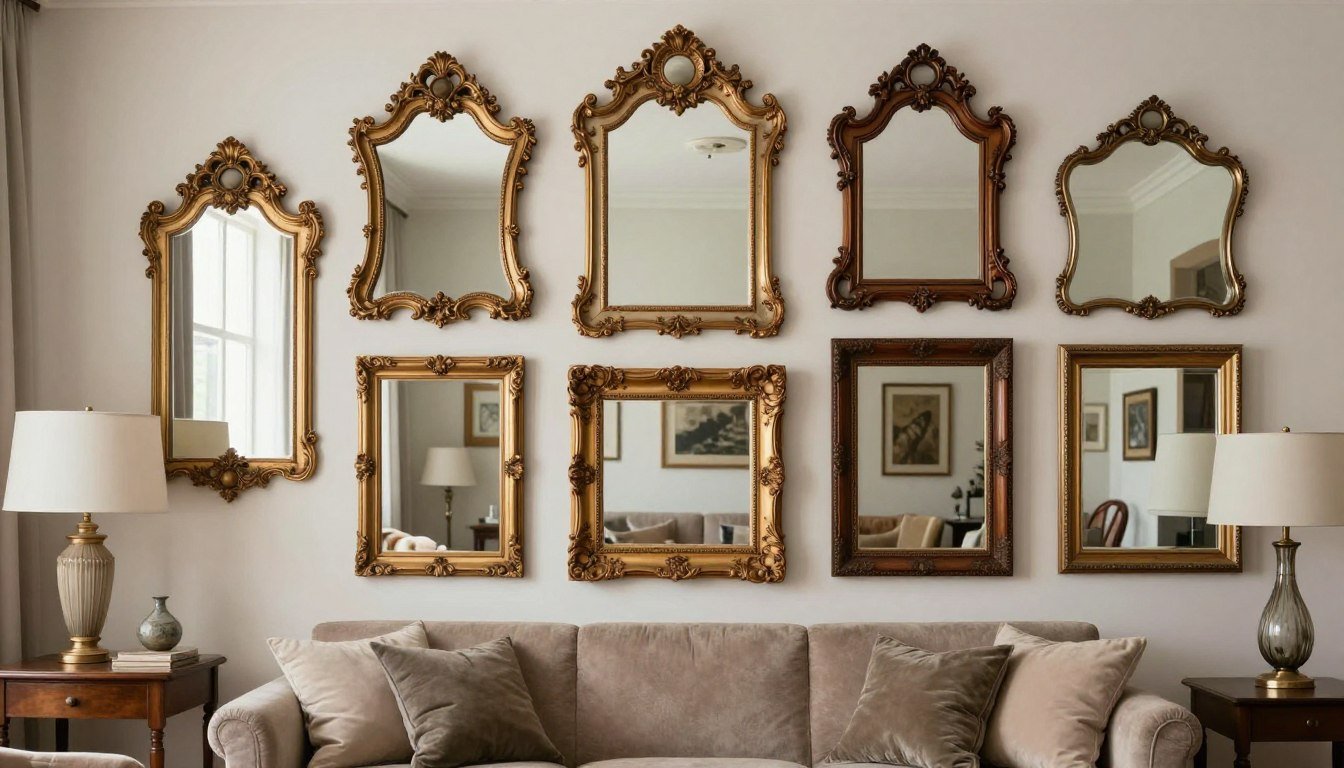

Vintage mirror and frames transform ordinary rooms into captivating spaces filled with character and history. These timeless pieces bring depth, light, and architectural interest to any wall. Whether you're decorating a cozy bedroom or an expansive living area, the right vintage mirror creates a focal point that tells a story.
Finding the perfect vintage mirror involves more than just picking something old. You need to consider style, condition, authenticity, and how it fits your existing decor. The frame material, the mirror's age, and even the patina on the glass all contribute to its appeal and value.
This comprehensive guide walks you through everything you need to know about selecting vintage mirror and frames. You'll discover how to identify quality pieces, authenticate antiques, and integrate them seamlessly into modern spaces. At Rossetti Art, we understand how vintage aesthetics complement contemporary art, creating layered, sophisticated interiors that feel both timeless and fresh.
Understanding Different Vintage Mirror and Frame Styles

The world of vintage mirrors spans centuries of design evolution. Each era produced distinctive frame styles that reflect the artistic movements and craftsmanship of their time. Understanding these styles helps you make informed choices that align with your aesthetic vision.
19th century mirrors often feature elaborate gilt frames with intricate carvings. These pieces showcase exceptional craftsmanship with hand-carved details in wood or gesso. The gold leaf application creates a warm, luxurious appearance that works beautifully in traditional settings.
Art deco mirrors from the early 20th century embrace geometric patterns and streamlined designs. These pieces typically feature chrome, brass, or metal frames with bold, symmetrical shapes. The style brings a glamorous, sophisticated edge to contemporary interiors.

Victorian and Ornate Frame Mirrors
Victorian mirrors represent the height of decorative excess. These frames often incorporate carved florals, scrollwork, and classical motifs. The gilt finish ranges from bright gold to aged patina, each offering a different visual impact.
Original Victorian pieces command higher prices due to their age and craftsmanship. However, well-made reproductions can provide the same aesthetic at more accessible price points. Look for quality details in the carving depth and gilt application.
These mirrors work exceptionally well above mantels or as focal points in entryways. The ornate frames draw the eye and create instant drama. Pair them with portrait canvas prints for a gallery-style wall arrangement.

Mid-Century Modern Mirror Designs
Mid-century mirrors emphasize clean lines and organic shapes. Frames might feature teak wood, brass accents, or distinctive sunburst designs. These pieces bring warmth and retro charm without overwhelming modern spaces.
Sunburst mirrors became iconic during this period. Metal rays extend from a central mirror, creating a sculptural wall element. These versatile pieces work in various room styles, from minimalist to eclectic.
Bamboo and rattan frames also gained popularity in mid-century design. These natural materials add texture and a casual, bohemian vibe. They're particularly effective in bedroom settings or coastal-inspired spaces.

Art Deco and Geometric Frames
Art deco mirrors celebrate symmetry and geometric precision. Frames often incorporate stepped designs, chevrons, and bold linear elements. Chrome, mirror glass, and exotic woods create striking combinations.
These mirrors suit modern and contemporary spaces beautifully. The geometric forms complement abstract geometric canvas prints, creating cohesive design schemes. The style bridges vintage appeal with contemporary aesthetics.
Beveled edge details add another layer of sophistication. The angled glass edges catch light beautifully, creating subtle reflections that enhance the mirror's presence. This detail became a hallmark of quality in deco-era mirrors.

If you love vintage aesthetics, these three prints bring that classic mood into your room. Each piece works beautifully alongside ornate frames and antique mirrors.

Classic Portrait Collection
Timeless portrait prints that echo the elegance of 19th century art. These pieces pair perfectly with gilt frames and Victorian mirrors.

Black & White Classics
Monochromatic prints that complement any vintage mirror style. The timeless palette works in both traditional and modern settings.

Botanical Vintage Prints
Nature-inspired art with vintage charm. These botanical prints create beautiful gallery walls when combined with antique mirrors.
How to Evaluate Authenticity and Quality of Vintage Mirrors

Authenticating vintage mirrors requires careful examination of multiple factors. The glass itself tells much about a mirror's age and authenticity. Antique mirrors often display characteristic imperfections that modern reproductions lack.
Look for natural aging in the silvering on the back of the glass. Genuine antique mirrors show patina, dark spots, or slight cloudiness. These imperfections add character and confirm age. Modern mirrors have perfectly uniform backing.
Frame construction provides crucial authentication clues. Hand-carved wooden frames show tool marks and slight irregularities. Machine-made reproductions display uniform, repetitive patterns. The wood itself should show age-appropriate wear and patina.

Examining Frame Materials and Construction
Different periods favored specific frame materials. Understanding these preferences helps date mirrors accurately. Wood, gilt, metal, and composite materials each have distinct characteristics worth examining.
Genuine gilt frames use gold leaf applied over gesso. The application shows slight variations and natural wear patterns. Reproduction gilt often uses metallic paint that appears too uniform. Real gold leaf develops a warm patina over time.
Wood frames should match the construction methods of their claimed era. Dovetail joints, hand-cut mortise and tenon, and wooden pegs indicate older craftsmanship. Modern screws or staples suggest recent manufacture or restoration.

Identifying Age-Appropriate Patina
Patina develops naturally over decades of exposure to air and handling. This aging cannot be accurately replicated in new pieces. Genuine patina appears in predictable patterns based on how people interact with mirrors.
Frame edges and high points show more wear than recessed areas. The patina deepens in crevices while raised surfaces may wear down to bare wood. This natural pattern confirms authentic age and use.
Glass patina concentrates around edges where the seal deteriorates first. Black spots appear where the silvering oxidizes. These imperfections reduce reflection quality slightly but significantly increase authenticity and value.

Understanding Price Indicators and Value
Price reflects multiple factors including age, condition, rarity, and provenance. 19th century mirrors from renowned makers command premium prices. Lesser-known pieces from the same period may offer better value.
Condition significantly impacts price. Perfect condition isn't always desirable in antiques. Some wear confirms authenticity, but structural damage reduces value. Original glass and frames are worth more than restored pieces.
Size affects pricing, with larger mirrors generally commanding higher prices. However, unusually small or oversized pieces might be rarer and more valuable. The current market demand for specific sizes also influences price.

Selecting the Right Size and Scale for Your Space

Size and scale dramatically affect how a vintage mirror impacts your space. A mirror that's too small disappears on the wall, while an oversized piece can overwhelm the room. Finding the right proportion creates balance and enhances your design.
Consider the wall space available and the furniture below the mirror. A general rule suggests mirrors should be roughly two-thirds the width of the furniture they hang above. This proportion creates visual harmony and proper scale.
Ceiling height influences ideal mirror size. Rooms with high ceilings accommodate taller mirrors that draw the eye upward. Standard ceiling heights work better with horizontal or square mirrors that emphasize width rather than height.

Proportion Guidelines for Different Rooms
Living rooms can handle larger statement mirrors. A substantial wall mirror becomes a focal point that anchors the entire space. Consider living room wall art alongside your mirror to create a curated gallery wall.
Entryway mirrors should be tall enough to see your full outfit. A minimum height of 48 inches works for most adults. The frame style sets the tone for your entire home, making this an important design decision.
Bedroom mirrors benefit from softer proportions. Oval mirrors create a gentle, romantic feel. Avoid placing mirrors directly opposite the bed, as this can feel uncomfortable. Instead, position them on adjacent walls.

Creating Gallery Walls with Multiple Mirrors
Gallery walls combine mirrors and art for dynamic visual interest. Mix different sizes, shapes, and frame styles for an eclectic look. Maintain some unifying element, such as color palette or era, to prevent chaos.
Start with the largest piece as your anchor. Arrange smaller mirrors and artwork around this focal point. Maintain consistent spacing between pieces, typically 2-3 inches, for a cohesive appearance.
Combining mirrors with canvas prints adds depth and variety. The reflective surfaces interact beautifully with art, creating layers of visual interest. This approach works especially well in dining rooms and entryways.

Vertical versus Horizontal Orientation
Vertical mirrors create the illusion of height. They work well in spaces with low ceilings or narrow walls. The upward emphasis makes rooms feel more spacious and airy.
Horizontal mirrors emphasize width and work beautifully above sofas or long console tables. They make narrow rooms appear wider. This orientation suits modern and mid-century design schemes particularly well.
Round and oval mirrors offer versatility without directional emphasis. These shapes soften angular rooms and provide visual relief from rectangular furniture and architecture. They're particularly effective in bathrooms and bedrooms.

Create a cohesive vintage-inspired interior by pairing your antique mirror with art that shares its timeless aesthetic. Our curated collections help you achieve that perfect balance.

Curated Style Collections
Whether your vintage mirror features ornate gold gilt or sleek mid-century lines, we have art collections that complement every aesthetic.
- Black & White prints for classic elegance
- Botanical art for natural vintage charm
- Line art for modern vintage fusion
- Portrait prints for traditional sophistication
Understanding Frame Materials and Finishes

Frame materials define a mirror's character and durability. Each material ages differently and suits specific design styles. Understanding these materials helps you select pieces that will maintain their beauty over time.
Wood frames represent the most traditional choice. Different woods offer distinct grain patterns and colors. Oak, walnut, mahogany, and pine each bring unique character. Solid wood frames last longer than veneer, though both can be beautiful.
Metal frames gained popularity in the 20th century. Brass develops a natural patina that many collectors prize. Chrome maintains its shine longer but can show pitting with age. The metal choice affects both appearance and maintenance requirements.

Gold Gilt and Gold Leaf Frames
Gold gilt frames epitomize luxury and traditional elegance. Genuine gold leaf application involves painstaking handwork over a gesso base. The resulting finish possesses a depth and warmth that paint cannot replicate.
The quality of gilt work varies significantly. Multiple layers of thin gold leaf create richer, more durable finishes. Look for subtle variations in the gold tone, which indicate hand application rather than sprayed metallic paint.
Aged gilt develops beautiful patina over time. The gold darkens slightly, and the gesso may show through in worn areas. This aging enhances rather than diminishes value, proving the piece's authenticity and history.

Wood Frames: Types and Treatments
Carved wood frames showcase remarkable craftsmanship. Hand-carved details create depth and movement that machine work cannot match. Look for subtle irregularities that confirm hand craftsmanship rather than mass production.
Different woods suit different styles. Dark walnut and mahogany create formal, traditional appearances. Lighter oak and pine offer casual, rustic charm. Painted wood frames allow for color customization while hiding the wood grain.
Wood finishes range from natural oil to high-gloss lacquer. Original finishes add value, even when worn. Refinishing should preserve the wood's character while protecting it from further damage. Avoid overly perfect modern finishes on antique pieces.

Metal Frames: Brass, Chrome, and Iron
Brass frames warm any space with their golden tone. Unlike gilt, solid brass develops natural green or brown patina over time. Many collectors prefer this aged appearance, though brass can be polished to restore its original shine.
Chrome and nickel plating create sleek, modern appearances. These finishes suit art deco and mid-century mirrors perfectly. Check for pitting or peeling in the plating, which can be difficult and expensive to restore properly.
Iron frames offer industrial charm. Wrought iron pieces display artistic metalwork, while simple iron frames provide sturdy, minimalist support. Rust can be an issue, so check carefully for structural integrity.

Bamboo and Natural Material Frames
Bamboo frames became fashionable in mid-century design. These frames bring organic warmth and texture to spaces. The natural material works beautifully in coastal, bohemian, and tropical design schemes.
Quality bamboo frames feature tight joinery and thick bamboo stalks. Check connections carefully, as bamboo can split or separate over time. The natural finish should show even aging without major cracks or breaks.
Rattan and wicker variations offer similar aesthetic appeal. These woven materials create interesting texture and patterns. They're lighter than wood or metal, making them easier to hang but potentially more fragile.

Strategic Placement to Maximize Impact and Light

Placement determines how effectively a vintage mirror enhances your space. Strategic positioning can make rooms appear larger, brighter, and more inviting. Understanding light reflection and visual flow helps you maximize your mirror's impact.
Position mirrors opposite or adjacent to windows to reflect natural light. This placement brightens dark rooms and makes small spaces feel more open. The reflected light bounces throughout the room, creating an airy atmosphere.
Avoid placing mirrors where they reflect clutter or unattractive views. Instead, position them to reflect beautiful elements like artwork, plants, or architectural details. The mirror effectively doubles whatever it reflects, so choose carefully.

Entryway and Foyer Placement
Entryway mirrors serve both functional and aesthetic purposes. They allow final appearance checks before leaving while creating welcoming first impressions. A statement mirror immediately elevates your entryway's design impact.
Hang mirrors at eye level, typically with the center about 57-60 inches from the floor. This height works for most adults while maintaining proper visual balance. Adjust slightly based on ceiling height and furniture below.
Pair your entryway mirror with entryway wall art to create a welcoming gallery display. The combination of reflective surfaces and artwork adds depth and personality to this transitional space.

Living Room and Dining Room Strategies
Living room mirrors often hang above mantels or sofas. These prominent positions demand substantial pieces that command attention. The mirror becomes a focal point that anchors the entire seating area.
In dining rooms, mirrors reflect candlelight and create intimate ambiance. Position them on walls adjacent to windows rather than directly opposite to avoid harsh glare during daytime meals. The soft reflection enhances evening gatherings beautifully.
Consider hanging height in relation to furniture and eye level when seated. The mirror should feel connected to the furniture grouping below rather than floating independently on the wall. This creates cohesive, intentional design.

Bedroom and Bathroom Considerations
Bedroom mirrors require thoughtful placement for both function and feng shui principles. Many prefer mirrors on walls adjacent to the bed rather than directly facing it. This arrangement maintains functionality while promoting restful sleep.
Vanity mirrors need adequate lighting and proper height. Position them where natural or artificial light illuminates your face evenly without harsh shadows. This ensures accurate makeup application and grooming.
Bathroom mirrors contend with humidity and temperature fluctuations. Ensure proper ventilation to protect vintage frames from moisture damage. Consider sealing wood frames with appropriate protectants before hanging in bathrooms.

Creating Depth in Small Spaces
Small rooms benefit tremendously from well-placed mirrors. They visually double the space and reflect light, making cramped areas feel more open and airy. The effect is particularly dramatic in narrow hallways and small bathrooms.
Lean large mirrors against walls for a casual, artistic look. This approach works well in small bedrooms and dressing areas. The angle creates interesting reflections while remaining accessible for full-length viewing.
Corner placement can maximize impact in tight spaces. Positioning mirrors in corners captures light from multiple directions and creates the illusion of an additional room beyond. This clever trick opens up even the smallest areas.

Proper Care and Maintenance of Vintage Mirrors

Vintage mirrors require specialized care to preserve their beauty and value. Improper cleaning can damage delicate surfaces and diminish worth. Understanding proper maintenance techniques protects your investment for future generations.
Never spray cleaners directly onto vintage mirrors. Moisture can seep behind the glass and damage the silvering. Instead, lightly dampen a soft cloth and gently wipe the glass surface. Dry immediately with a clean, dry cloth.
Frame cleaning depends on the material. Dust gilt frames with soft brushes, avoiding harsh rubbing that might remove gold leaf. Clean wood frames with furniture polish appropriate to the finish. Metal frames may need specialized cleaners for their specific materials.

Cleaning Different Frame Materials
Gilt frames demand the gentlest touch. Use only soft natural-bristle brushes to remove dust. For stubborn dirt, consult a professional conservator rather than risking damage. Water and modern cleaners can irreparably harm delicate gilt.
Wood frames tolerate careful cleaning with products designed for antique furniture. Apply sparingly with soft cloths, following the wood grain. Avoid silicone-based products that can build up over time and attract more dust.
Metal frames benefit from cleaners specific to their composition. Brass polish works for brass frames, but avoid it on gilt or plated surfaces. Chrome and nickel need gentler approaches. Always test cleaners on inconspicuous areas first.

Protecting Against Environmental Damage
Sunlight fades and damages both frames and silvering over time. Hang mirrors away from direct sun exposure, or use window treatments to filter harsh light. This simple precaution significantly extends mirror life.
Humidity poses serious risks, especially in bathrooms. Excessive moisture causes silvering deterioration and frame damage. Ensure adequate ventilation and consider alternative locations for particularly valuable pieces.
Temperature fluctuations stress old materials. Avoid hanging mirrors near heating vents, fireplaces, or exterior walls in extreme climates. Stable conditions preserve mirrors better than constantly changing temperatures.

Restoration versus Preservation
Decide whether restoration adds or detracts from value. Some collectors prize original condition with its imperfections. Others prefer restored pieces that look newer. The choice depends on your goals and the mirror's significance.
Professional restoration can revive damaged pieces, but it affects authenticity. Re-silvering creates clear reflections but eliminates aged patina many collectors value. Frame restoration should respect original techniques and materials whenever possible.
Minor repairs may preserve rather than restore. Stabilizing loose joints prevents further damage without altering the mirror's character. This approach maintains authenticity while ensuring the piece remains usable.

Storage and Moving Considerations
Store mirrors vertically, never flat, to prevent glass stress. Wrap frames in acid-free paper and bubble wrap, securing with tape that won't leave residue. Store in climate-controlled areas away from temperature extremes.
Moving mirrors requires careful planning. Remove mirrors from walls well before moving day. Pack them in custom boxes with padding on all sides. Label boxes as fragile and indicate which side should stay up.
Transport mirrors upright in vehicles, secured to prevent shifting. Lying mirrors flat risks cracking from vehicle vibration. Professional art movers offer specialized services for valuable or delicate pieces.

Combining Vintage Mirrors with Modern Decor Elements

Vintage mirrors bring warmth and character to contemporary spaces. The contrast between old and new creates sophisticated, layered interiors. Successful integration requires balancing the mirror's period features with modern design elements.
Let the mirror serve as your room's jewelry - a special piece that elevates surrounding simplicity. In minimalist spaces, an ornate vintage mirror provides necessary visual interest without requiring additional decoration.
Color palette bridges vintage and modern aesthetics. Pull accent colors from the mirror frame to use in pillows, artwork, or accessories. This creates cohesion while allowing both vintage and contemporary pieces to shine.

Pairing Mirrors with Contemporary Art
Combining vintage mirrors with modern art creates dynamic visual conversations. The traditional frame style gains fresh relevance alongside contemporary pieces. This juxtaposition prevents spaces from feeling too themed or period-specific.
Gallery walls benefit from this mix tremendously. Arrange your vintage mirror among abstract geometric prints or other modern artwork. The variety in style, texture, and dimension creates compelling visual interest.
Consider scale relationships when combining mirrors and art. Larger mirrors anchor arrangements, while smaller artworks fill surrounding space. Maintain consistent spacing between all pieces for professional, intentional appearance.

Furniture and Fixture Coordination
Modern furniture provides clean-lined contrast that highlights ornate mirror frames. A sleek console table beneath an elaborate Victorian mirror creates appealing tension between styles. The simple furniture prevents visual overwhelm.
Conversely, pair simple mid-century mirrors with more decorative contemporary furniture. This reversed approach works equally well. The key lies in balancing ornate and simple elements throughout the space.
Lighting fixtures offer another coordination opportunity. Modern sconces flanking a vintage mirror marry old and new beautifully. The combination provides both task lighting and design interest.

Textile and Accessory Integration
Textiles soften the hard surfaces of mirrors and frames. Modern fabrics in updated patterns keep vintage mirrors from feeling dated. Choose contemporary colors that complement the frame's finish and patina.
Accessories bridge decorating eras effectively. Mix modern vases with vintage books, contemporary sculptures with antique candlesticks. These combinations feel collected and personal rather than overly designed.
Plants bring life and freshness to vintage mirror arrangements. Modern planters filled with lush greenery create appealing contrast against ornate frames. The organic element prevents spaces from feeling too formal or museum-like.

Room Style Considerations
Scandinavian minimalism welcomes vintage mirrors as warm focal points. The ornate frames provide necessary visual interest against spare, neutral backgrounds. This pairing feels intentional rather than cluttered.
Industrial interiors gain softness from vintage mirrors. The refined frames contrast beautifully with exposed brick, metal fixtures, and reclaimed wood. This combination creates balanced, livable industrial spaces.
Bohemian styles naturally accommodate vintage mirrors alongside eclectic collections. Layer multiple mirrors in various sizes and styles for maximum boho impact. Mix with textiles, plants, and global accessories for rich, personal spaces.

Smart Shopping Strategies for Vintage Mirrors

Finding quality vintage mirrors requires knowledge, patience, and strategic shopping. Different sources offer varying selections, prices, and authentication levels. Understanding where and how to shop ensures better purchases and fair pricing.
Antique shops provide curated selections with knowledgeable staff. Dealers can answer questions about provenance, age, and value. Prices may be higher than other sources, but you're paying for expertise and authentication.
Estate sales and auctions offer opportunities for bargains. However, you'll need to assess condition and authenticity yourself. Arrive early for best selection, and research comparable pieces beforehand to recognize fair pricing.

Online Marketplace Considerations
Online shopping expands options but requires extra caution. Request multiple detailed photos showing the entire mirror, close-ups of damage, and frame construction. Ask sellers specific questions about condition, measurements, and authenticity.
Check seller ratings and return policies carefully. Reputable platforms like Chairish and 1stDibs vet sellers and authenticate pieces. General marketplaces require more buyer vigilance but may offer better prices.
Factor in shipping costs and insurance when comparing prices. Large mirrors require professional packing and handling. The cheapest purchase price may not represent the best overall value after shipping damages or costs.

Negotiation and Pricing Tactics
Research comparable pieces before negotiating. Understanding current market values strengthens your position. Note any condition issues that justify lower offers, such as damaged silvering or frame repairs.
Many sellers expect negotiation, especially at estate sales and antique shops. Start 10-20% below the asking price for pieces in good condition. Offer less for damaged pieces, clearly explaining needed repairs to justify your price.
Bundle purchases for better deals. If you're buying multiple items from one seller, request a package discount. Dealers often reduce prices to complete larger sales and clear inventory.

Red Flags and Warning Signs
Be skeptical of prices far below market value. Extremely low prices may indicate reproductions, heavy damage, or stolen goods. If something seems too good to be true, investigate thoroughly before purchasing.
Examine silvering carefully for recent re-silvering. Perfect, uniform backing suggests modern work that diminishes antique value. Original silvering with natural aging and imperfections is more desirable in genuine antiques.
Check frame backs for hardware and construction clues. Modern screws, staples, or mass-production marks indicate reproductions. Period-appropriate joinery and attachment methods confirm authenticity.

Building Relationships with Dealers
Developing relationships with antique dealers provides long-term benefits. Regular customers receive first notice of new inventory and better pricing. Dealers remember your preferences and can source specific pieces.
Ask dealers to educate you about their inventory. Most passionate dealers love sharing knowledge about their pieces. This education helps you make better independent purchases over time.
Visit shops regularly to understand their inventory turnover and pricing patterns. You'll learn which shops offer better values and which specialize in particular styles or periods relevant to your interests.

Complete your vintage-inspired interior with premium canvas prints that complement your carefully chosen mirrors and frames. Every piece ships free worldwide and arrives ready to hang.

Museum-Quality Materials
Premium canvas and archival inks ensure your art looks stunning for decades. Each print receives the same quality standards as gallery pieces.

Free Worldwide Shipping
Your art arrives safely packaged and ready to enhance your space. No hidden costs, no complicated checkout processes.
Understanding Investment Value and Appreciation

Certain vintage mirrors appreciate significantly over time, making them sound investments beyond their decorative appeal. Understanding what drives value helps you select pieces with both beauty and investment potential.
Provenance dramatically affects value. Mirrors with documented history, especially those from notable estates or makers, command premium prices. Original receipts, maker's marks, or historical records substantially increase worth.
Rarity influences appreciation potential. Unusual sizes, distinctive designs, or pieces from short-lived artistic movements become more valuable as they become scarcer. Common styles appreciate more slowly regardless of age.

Factors Affecting Long-Term Value
Condition preservation is crucial for maintaining value. Mirrors in original condition, even with minor age-appropriate wear, hold value better than heavily restored pieces. Protect your investment through proper care and maintenance.
Market trends affect short-term values. Certain styles fall in and out of fashion, causing price fluctuations. However, truly exceptional pieces from any period maintain baseline value regardless of current trends.
Size impacts both current price and appreciation potential. Moderately sized mirrors (30-50 inches) maintain steadier value than extremely large or small pieces. The wider market for standard sizes provides more liquidity.

Identifying Investment-Grade Pieces
Look for mirrors by recognized makers or from prestigious workshops. Names like Chippendale, Hepplewhite, or notable Italian and French workshops add substantial value. Research makers' marks and signatures to identify these pieces.
Exceptional craftsmanship justifies higher initial investment. Hand-carved details, superior materials, and complex techniques indicate quality that appreciates over time. These features distinguish investment pieces from merely old mirrors.
Historical significance increases value. Mirrors from important design periods or representing significant artistic movements command premium prices. Art deco pieces from the 1920s-30s currently enjoy strong market interest.

Insurance and Appraisal Considerations
Insure valuable vintage mirrors against damage, theft, or loss. Standard homeowner's policies may not adequately cover antiques. Consider specialized fine arts insurance for high-value pieces.
Professional appraisals establish documented value for insurance purposes. Choose appraisers certified by recognized organizations like the American Society of Appraisers. Update appraisals every 3-5 years as values change.
Document your mirrors with detailed photographs and condition notes. Keep purchase receipts, authentication documents, and appraisals in secure, accessible locations. This documentation proves ownership and supports insurance claims if needed.

Market Cycles and Selling Strategies
Antique markets experience cycles influenced by design trends, economic conditions, and generational preferences. Understanding these cycles helps time purchases and sales for optimal value.
Sell through appropriate channels for your mirror's value level. High-end auction houses suit exceptional pieces, while online marketplaces work for mid-range mirrors. Matching the platform to the piece maximizes sale price.
Condition presentation significantly affects sale prices. Professional cleaning, minor stabilization repairs, and quality photography increase appeal to buyers. However, avoid over-restoration that might diminish authenticity and value.

Exploring Regional and Cultural Frame Styles

Vintage mirrors reflect the cultural aesthetics and craftsmanship traditions of their origins. French, Italian, English, and American mirrors each display distinctive characteristics. Understanding these regional differences enriches your appreciation and helps identify authentic pieces.
French mirrors epitomize elegance and refinement. Louis XIV, XV, and XVI styles showcase increasingly delicate ornamentation. Gilt frames with carved ribbons, flowers, and classical motifs characterize French work. The attention to symmetry and proportion reflects French design philosophy.
Italian mirrors often display more exuberant decoration than their French counterparts. Venetian mirrors particularly feature elaborate etched glass and ornate frames. The craftsmanship shows remarkable creativity and technical skill passed through generations of specialized artisans.

English and American Traditional Styles
English mirrors range from austere Georgian simplicity to elaborate Victorian decoration. Mahogany and walnut frames demonstrate superior woodworking. The restrained elegance reflects British sensibilities and craftsmanship traditions.
American Federal and Empire mirrors drew inspiration from European styles while developing distinct characteristics. Eagle motifs, patriotic symbols, and native woods like cherry and maple identify American pieces. The craftsmanship equals European counterparts while expressing American identity.
Colonial and Early American mirrors show simpler construction reflecting frontier practicality. Pine and local woods replace expensive imports. These pieces possess charm and historical significance despite less elaborate decoration.

Asian-Influenced and Exotic Styles
Chinese and Japanese decorative traditions influenced Western mirror design, particularly during Chinoiserie's popularity. Lacquered frames, bamboo construction, and Asian motifs appear in European and American mirrors from specific periods.
These cross-cultural pieces represent fascinating design history moments. The blend of Eastern aesthetics with Western mirror technology created unique hybrid styles. Collectors particularly prize well-executed examples showing sophisticated cultural synthesis.
Moroccan and Middle Eastern influences appear in some vintage mirrors. Intricate metalwork, geometric patterns, and distinctive arch shapes reflect Islamic artistic traditions. These pieces add exotic character to eclectic interiors.

Art Movement Influences
Art Nouveau mirrors feature organic, flowing lines inspired by nature. Frames incorporate floral motifs, curved forms, and stylized natural elements. The style represents a reaction against industrial mass production, celebrating handcraftsmanship.
Arts and Crafts mirrors emphasize honest materials and visible construction. Simple wood frames showcase grain and joinery rather than elaborate decoration. The philosophy valued integrity and craftsmanship over ornamentation.
These movement-specific mirrors appeal to collectors interested in design history and artistic philosophy. The pieces represent more than decoration - they embody specific aesthetic ideologies and cultural moments.

DIY Restoration and Repair Basics

Simple restoration projects can revive neglected vintage mirrors without professional intervention. Understanding which repairs you can safely attempt yourself saves money while building skills. However, knowing when to consult professionals protects valuable pieces from irreversible damage.
Basic cleaning represents the safest DIY starting point. Remove decades of dust and grime to reveal the mirror's true condition. Use only appropriate materials and gentle techniques to avoid damaging delicate surfaces.
Minor frame repairs like stabilizing loose joints or filling small chips are manageable for careful DIY enthusiasts. More complex work involving re-silvering, extensive carving repair, or gilding requires professional expertise.

Safe Cleaning Techniques
Start with dry cleaning using soft brushes to remove loose dust. Work gently to avoid scratching delicate surfaces or dislodging loose elements. Natural bristle brushes work best for frames while microfiber works for glass.
Mix gentle cleaning solutions appropriate to each material. Diluted dish soap works for many surfaces, but test in inconspicuous areas first. Never use ammonia-based cleaners on antique mirrors as they damage old silvering.
Apply cleaners with barely damp cloths, never spray bottles. Excess moisture seeps into joints and behind glass, causing damage. Dry immediately with separate clean cloths to prevent water spots and moisture damage.

Minor Frame Repairs
Stabilize loose joints with appropriate adhesives. Wood glue works for wooden frames, while epoxy suits other materials. Carefully clean joints before applying adhesive, then clamp gently while drying. Remove excess glue immediately.
Fill small chips or cracks with wood filler, gesso, or appropriate material matching the frame. Apply in thin layers, allowing each to dry completely. Sand lightly between coats for smooth integration with surrounding surfaces.
Touch up minor finish damage carefully. Match existing finish color and sheen as closely as possible. Apply sparingly with fine brushes, blending edges into original finish. Remember that obvious repairs may reduce value more than leaving minor damage visible.

When to Call Professionals
Re-silvering requires specialized knowledge and equipment beyond DIY capabilities. Professionals can re-silver mirrors while preserving frames. However, consider whether re-silvering adds or detracts from an antique's value before proceeding.
Extensive gilt repair or restoration demands professional expertise. Improper gilt work destroys value and authenticity. True gold leaf application requires years of practice to master. Amateur attempts are immediately obvious and difficult to reverse.
Structural frame damage like broken corners or separated joints may need professional intervention. Expert conservators possess specialized tools and reversible techniques. They can repair damage while maintaining the piece's integrity and value.

Preservation versus Restoration Philosophy
Decide your philosophy before beginning any restoration work. Preservation maintains existing condition while preventing further deterioration. Restoration attempts to return pieces to original or improved appearance.
Many collectors prefer preservation, valuing authentic age and history over pristine appearance. Minor wear and patina prove authenticity and add character. This approach maintains maximum value for important pieces.
Restoration suits severely damaged pieces or those intended for daily use rather than collection. The work should be reversible when possible, allowing future conservators to access the original surface. Document all restoration work performed.

Seasonal Decorating with Vintage Mirrors

Vintage mirrors provide constant focal points while surrounding decor changes seasonally. Their timeless appeal works with fresh flowers in spring, coastal elements in summer, harvest themes in fall, and festive decorations in winter.
Layer seasonal elements around your mirror rather than covering it. Garlands, wreaths, or florals frame the mirror while allowing its beauty to shine. This approach creates festive atmospheres without storing the mirror away.
Seasonal styling keeps spaces feeling fresh throughout the year. The mirror remains constant while accessories rotate, providing both stability and variety. This decorating approach maximizes your vintage mirror investment across all seasons.

Spring and Summer Styling
Spring styling emphasizes fresh florals and light colors. Position flowering branches or garden flowers near your mirror. The reflections multiply blooms, creating abundance from simple arrangements.
Light, airy textiles in whites and pastels complement vintage mirrors during warmer months. Remove heavy winter accessories, allowing the mirror's inherent elegance to dominate. Less is more in spring and summer styling.
Summer coastal themes work beautifully with vintage mirrors. Coral, shells, and driftwood create beach-inspired vignettes. The mirror's reflective quality suggests water, enhancing the coastal mood even in landlocked homes.

Fall and Winter Decorating
Autumn styling embraces rich colors and natural elements. Position your mirror above arrangements of pumpkins, gourds, and fall foliage. The warm tones complement gilt frames particularly beautifully.
Layer textures during fall months. Velvet, wool, and natural fibers create cozy atmospheres. The mirror adds necessary reflective contrast against these matte textures, preventing spaces from feeling heavy or dull.
Winter holiday decorating can incorporate vintage mirrors as focal points for garlands and greenery. Drape evergreen swags around frames or position decorated trees nearby. The mirror reflects twinkling lights, multiplying their magical effect.

Holiday-Specific Styling Ideas
Christmas decorating traditionally incorporates mirrors to multiply candlelight and tree lights. Position your vintage mirror where it reflects your tree or menorah. The doubled glow creates enchanting ambiance.
Valentine's Day offers opportunities for romantic mirror styling. Roses, candles, and soft fabrics in reds and pinks create intimate settings. The mirror's reflections enhance the romantic atmosphere.
Halloween styling can be surprisingly elegant with vintage mirrors. Black frames work particularly well. Add candlesticks, dark florals, and moody elements for sophisticated seasonal decoration that avoids kitsch.

Frequently Asked Questions About Vintage Mirror and Frames
How can I tell if my vintage mirror is valuable?
Value depends on age, condition, maker, rarity, and craftsmanship quality. Look for maker's marks or labels indicating prestigious manufacturers. Examine the frame construction - hand-carved details and quality materials indicate higher value. Original glass with characteristic aging typically adds value compared to replaced glass. The frame finish, especially original gilt work, significantly affects worth. Consult professional appraisers for valuable pieces to get accurate assessments.
What's the difference between antique and vintage mirrors?
Antique mirrors are typically over 100 years old, while vintage mirrors range from 20 to 100 years old. This distinction matters for pricing, collecting, and legal definitions in some jurisdictions. Antique mirrors often feature hand craftsmanship and techniques no longer commonly used. Vintage mirrors may show some machine production alongside hand finishing. Both categories offer beauty and character, but antiques generally command higher prices due to age and rarity.
Should I re-silver my antique mirror?
Re-silvering improves reflection quality but removes valuable original patina and aging characteristics that confirm authenticity. For important antique pieces, original silvering typically maintains higher value despite imperfections. Consider re-silvering only for severely deteriorated mirrors intended for functional use rather than collection. If the mirror has significant historical or monetary value, consult conservation experts before proceeding. Many collectors specifically seek mirrors with original aged glass and characteristic imperfections.
How do I hang a heavy vintage mirror safely?
Use appropriate wall anchors rated for the mirror's weight plus 50% safety margin. Locate wall studs when possible for maximum support. Install D-rings or wire on the frame back, ensuring hardware is properly secured to the frame structure rather than decorative elements. Use level during installation to ensure straight hanging. For very large or valuable mirrors, consider professional installation. Distribute weight across multiple anchor points and regularly inspect hanging hardware for security.
Can vintage mirrors work in modern minimalist interiors?
Vintage mirrors work beautifully in minimalist spaces, providing necessary visual interest and warmth against spare backgrounds. The ornate frame becomes a statement piece or "jewelry" for the room without requiring additional decoration. Choose mirrors with cleaner lines like Art Deco or mid-century styles for easier integration. Alternatively, use highly ornate pieces as intentional contrast against minimalism. The key lies in allowing the mirror adequate space to shine without surrounding clutter. Pair with minimalist line art prints for cohesive contemporary aesthetics.
What causes black spots on antique mirrors?
Black spots occur when the silver or mercury backing oxidizes and deteriorates, typically around edges where moisture penetrates the seal. This aging process is natural in antique mirrors and actually confirms authenticity and age. The spots cannot be removed without complete re-silvering, which eliminates the valuable original glass. Many collectors prize these imperfections as evidence of genuine age. Prevent further deterioration by controlling humidity and avoiding moisture exposure, but accept existing spots as part of the mirror's character and history.
Creating Timeless Interiors with Vintage Mirrors

Vintage mirror and frames offer enduring beauty that transcends passing design trends. These pieces connect us to craftsmanship traditions while enhancing our contemporary lives. The right vintage mirror transforms ordinary walls into captivating focal points filled with light, depth, and history.
Selecting quality vintage mirrors involves understanding styles, authenticating age, evaluating condition, and envisioning how pieces will enhance your specific spaces. This knowledge empowers you to make confident purchases that bring lasting satisfaction and value.
Remember that vintage mirrors work beautifully alongside modern elements, especially contemporary canvas art. The combination creates layered, sophisticated interiors that feel both timeless and fresh. At Rossetti Art, we celebrate this blend of old and new, helping you create spaces that reflect your unique style and appreciation for quality design.
Whether you're drawn to ornate gold gilt frames, sleek mid-century designs, or geometric art deco styles, the perfect vintage mirror awaits. Start your search with knowledge, patience, and vision. Your ideal piece will enhance your space for decades to come, proving that true quality never goes out of style.



Leave a comment
This site is protected by hCaptcha and the hCaptcha Privacy Policy and Terms of Service apply.