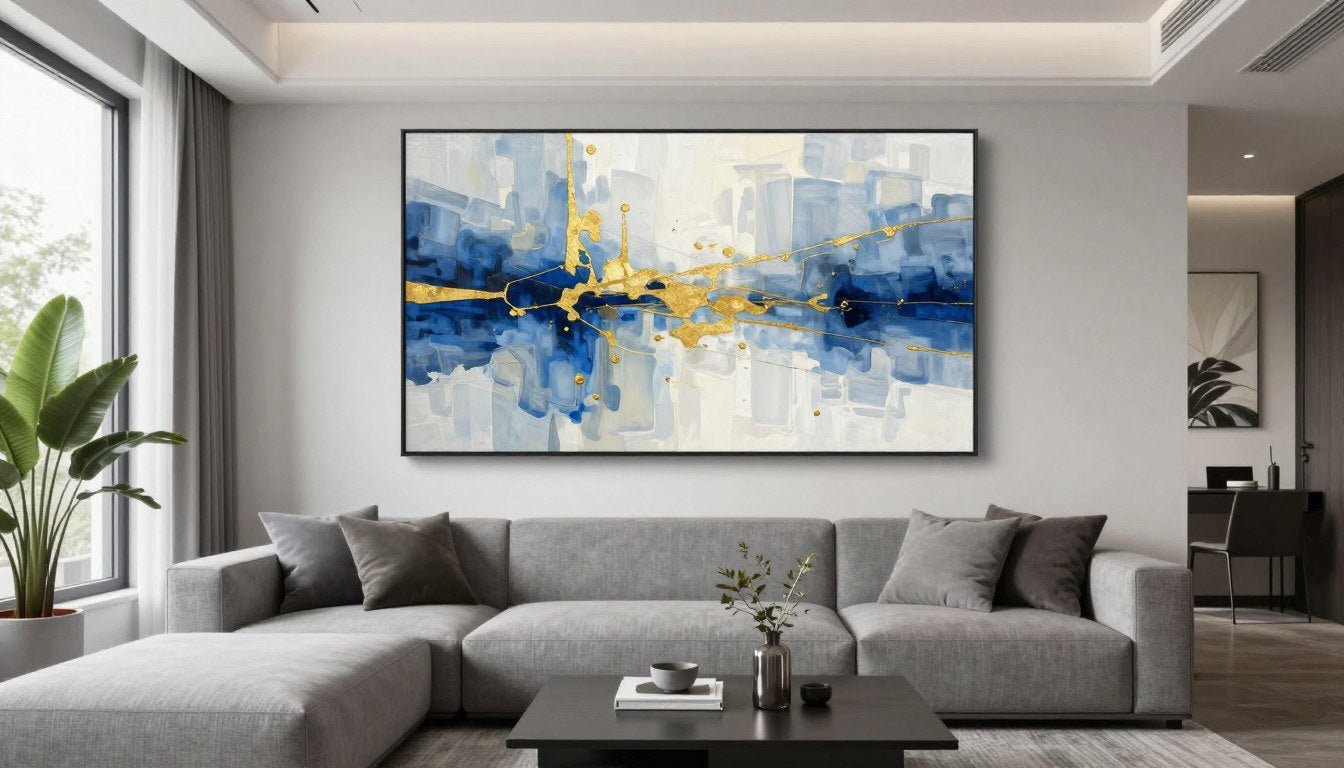
Your walls speak before you do. The art you choose transforms empty spaces into personal stories, creating atmosphere and mood in ways furniture alone never could. Understanding different types of wall art opens endless possibilities for expressing your unique style while enhancing every room's character.
From canvas prints to original paintings, each art type brings distinct advantages to your home decor. The right choice depends on your aesthetic preferences, budget, and the specific atmosphere you want to create in each space.
Canvas Prints: Timeless Elegance for Modern Homes
Canvas prints represent the most popular type of wall art for contemporary spaces. These gallery-quality pieces combine museum-worthy presentation with accessibility, making fine art available to everyone.
Canvas prints are high-quality reproductions printed on cotton or polyester canvas material, then stretched over wooden frames to create a frameless, gallery-wrapped appearance. This format eliminates glare while delivering rich colors and textures that closely mimic original paintings.

The beauty of canvas prints lies in their versatility. They work seamlessly in living rooms, bedrooms, offices, and dining areas. Their frameless edges create a modern, clean aesthetic that complements both minimalist and eclectic design styles.
Why Canvas Prints Dominate Modern Wall Decor
Several factors make canvas prints the preferred choice for homeowners and designers. The texture of canvas adds depth and dimension that flat prints cannot achieve. Light interacts with the woven surface, creating subtle shadows and highlights that bring images to life.

Quality matters tremendously in canvas prints. Look for pieces created with archival inks that resist fading for decades. UV-resistant coatings protect your investment from sun damage, ensuring colors stay vibrant in any lighting condition.
Modern production methods deliver exceptional quality. Hand-stretched canvas over sturdy pine wood frames ensures prints arrive ready to hang, with gallery-wrapped edges that eliminate the need for additional framing.
Selecting Canvas Prints for Different Rooms
Each room in your home calls for different visual approaches. Living rooms benefit from large statement pieces that anchor seating areas and set the mood for gatherings. Bold abstract canvas prints create conversation starters and add sophistication to social spaces.

Bedrooms require calmer energy. Consider botanical wall art prints or serene landscapes that promote relaxation. Soft colors and organic forms help create restful environments conducive to sleep and rejuvenation.
Home offices need inspiration without distraction. Line art canvas prints or black and white canvas prints maintain visual interest while supporting focus and productivity. These understated options add personality without overwhelming your workspace.

Canvas Print Sizes and Placement Tips
Size dramatically impacts visual presence. Small pieces work beautifully in arrangements or narrow wall spaces, while oversized options make powerful focal points. The rule of thirds suggests your art should cover roughly two-thirds of the furniture width beneath it.
Height placement matters too. Center your canvas at eye level, typically 57-60 inches from the floor to the center of the piece. This museum-standard height ensures optimal viewing and professional presentation.

Consider creating canvas print sets for added impact. Diptychs and triptychs tell visual stories across multiple panels, adding drama and sophistication to larger walls that single pieces cannot fill effectively.
Framed Art: Classic Sophistication That Never Fades
Framed art brings traditional elegance to any room. The frame itself becomes part of the artwork, adding layers of visual interest while protecting the print or painting inside from environmental damage.

Different frame styles transform the same image dramatically. Modern oak floater frames create breathing room around the artwork, making pieces appear to float within the frame. This contemporary approach works beautifully with abstract and modern art styles.
Frame Materials and Their Impact
Wood frames remain the most versatile option. Natural wood tones complement nearly any decor style, from rustic farmhouse to mid-century modern. Oak, walnut, and maple each bring distinct warmth and character to your wall art.
Metal frames deliver sleek, contemporary aesthetics. Black aluminum or brushed steel options pair perfectly with black and white canvas prints or photography. Their slim profiles keep focus on the artwork while providing structural support and protection.

White gallery frames create museum-quality presentation. They work especially well with colorful pieces, providing neutral borders that prevent visual competition. This classic choice suits formal spaces and traditional home decor ideas.
Matching Frames to Art and Room Style
Your frame choice should harmonize with both the artwork and surrounding decor. Portrait canvas prints often benefit from traditional frames that echo the classical nature of figurative art. Ornate frames suit formal portraits, while simple wood frames keep focus on the subject.

Consider matching frame finishes to existing furniture. If your space features warm wood tones, choose frames in similar hues. For rooms with predominantly metal accents, metal frames create visual continuity and design coherence.
Rooms with bold personality can handle ornate frames. Spaces with busy patterns and rich colors balance well with detailed frame designs that add to the maximalist aesthetic. Simpler rooms need simpler frames to maintain visual calm.
Framing Options for Different Art Types
Paper prints require glass or acrylic glazing for protection. Choose museum-quality glass with UV protection to prevent fading. Anti-reflective coatings reduce glare, ensuring your art looks stunning from every angle in various lighting conditions.

Canvas prints offer more flexibility. You can frame stretched canvases for added protection and formality, or display them frameless for contemporary appeal. Gallery-quality canvas often looks best with minimal framing or floater frames that showcase the canvas edges.
Original paintings deserve archival framing. Acid-free mats, conservation glass, and proper spacing between art and glass preserve valuable artwork for generations. Professional framing protects your investment while enhancing presentation quality.
Posters: Affordable Style with Maximum Impact
Posters democratize wall art, making stunning visuals accessible regardless of budget. Modern printing technology produces museum-quality posters that rival more expensive options in color accuracy and detail resolution.

The versatility of posters makes them perfect for experimental decorating. Change your wall decor seasonally or whenever your mood shifts. This flexibility allows constant refresh without significant financial investment or long-term commitment.
Modern Poster Quality and Options
Today's posters surpass vintage expectations. High-resolution digital printing delivers sharp images with vibrant colors that hold up over time when properly displayed. Quality paper stocks prevent yellowing and maintain crisp appearance for years.
Pop art canvas prints often begin as poster designs before being reproduced on canvas. These bold, graphic images translate beautifully to poster format, offering affordable access to iconic artistic styles that defined mid-century modern aesthetics.

Specialty posters cater to specific interests. Movie canvas art prints celebrate cinema legends and iconic films. Music posters honor favorite artists and albums. Typography posters featuring inspiring quotes add motivation and positive energy to workspaces and personal areas.
Displaying Posters with Style
Proper display elevates poster presentation dramatically. Frame your posters to give them gallery-worthy appearance. Simple black or white frames work universally, while colored frames can coordinate with poster hues for cohesive looks.

Poster hangers offer contemporary alternatives to traditional framing. Magnetic wooden hangers or clip systems create casual, modern aesthetics perfect for frequently changed displays. These options suit rental spaces where nail holes present problems.
Grid arrangements work beautifully with poster collections. Equal spacing and consistent frame styles create organized visual impact. Mix sizes thoughtfully, placing larger posters as anchors with smaller pieces supporting the overall design composition.
Best Rooms for Poster Displays
Kids room canvas prints often start as posters before parents invest in more permanent options. Posters allow children's spaces to evolve with their changing interests without breaking the budget. Encourage creativity by letting kids choose and arrange their own wall art.

Home theaters benefit from movie posters that set cinematic mood. Create dedicated entertainment spaces celebrating film history and favorite genres. Bold graphics and dramatic imagery enhance the theater experience even before the show begins.
Dorm rooms and first apartments gain personality through poster collections. Limited budgets and temporary living situations make posters ideal for young adults establishing personal style without major investment or permanent installation requirements.

Garages and hobby spaces embrace poster casualness. Vintage advertising, automotive art, and sports memorabilia create themed environments. These functional spaces allow more playful decor choices without concern for formal design rules.
📐 Not sure what size to choose? Use our free Wall Art Size Calculator → https://rossettiart.com/blogs/news/wall-art-size-calculator
Metal Prints: Contemporary Edge for Bold Spaces
Metal prints represent cutting-edge wall art technology. Images infused directly into aluminum sheets create luminous, durable pieces with stunning color depth and unique reflective qualities that traditional prints cannot match.

The process bonds ink to metal surfaces permanently. This creates waterproof, scratch-resistant art suitable for high-humidity environments like bathrooms and kitchens where traditional paper or canvas prints might deteriorate over time.
Unique Qualities of Metal Art
Metal's reflective surface adds dimension impossible with other mediums. Colors appear more saturated and vibrant. Highlights shimmer while shadows deepen, creating almost three-dimensional visual effects that change with viewing angle and lighting conditions.
Durability sets metal prints apart. They resist fading indefinitely when kept indoors. The aluminum won't warp, crack, or yellow with age. This longevity makes metal prints excellent investments for pieces you plan to display for decades.

Lightweight construction surprises most people. Despite appearing substantial, metal prints weigh less than glass-framed options of similar sizes. This makes installation easier and reduces wall stress, especially important for larger pieces in modern living spaces.
Where Metal Prints Shine Brightest
Modern and industrial spaces embrace metal prints naturally. The contemporary medium complements steel, glass, and concrete elements common in urban lofts and minimalist designs. The sleek presentation aligns perfectly with modern aesthetic values and clean lines.

Cityscape canvas prints translate beautifully to metal format. Urban photography gains extra impact through metal's reflective qualities. Skyscraper lights shimmer convincingly, creating dynamic visual experiences that flat prints simply cannot deliver with the same atmospheric effect.
Automotive enthusiasts love metal prints for garage and workshop displays. Cars canvas prints depicting vintage and modern vehicles gain authenticity through metallic presentation. The industrial medium matches the mechanical subject matter perfectly, creating thematic coherence.

Bathrooms become gallery spaces with metal prints. The waterproof surface handles humidity without damage. Choose calming landscapes or abstract designs that create spa-like atmospheres without the moisture concerns that rule out paper or canvas options.
Metal Print Design Considerations
Image selection matters significantly with metal. High-contrast photographs with bold colors showcase metal's strengths. Subtle pastels may appear washed out. Choose images with strong visual elements that benefit from enhanced saturation and luminosity.

Mounting options affect final presentation. Frameless float mounts create modern suspended appearance. Standard frame mounts provide traditional looks. Consider your room's existing style when choosing installation methods to ensure visual harmony with surrounding decor.
Lighting dramatically influences metal print appearance. Position pieces where natural or artificial light enhances rather than overwhelms the reflective surface. Avoid direct glare while maximizing the luminous qualities that make metal prints special and distinctive.
Original Paintings: Unique Statements That Tell Your Story
Nothing matches the presence of original paintings. Each brushstroke carries the artist's energy and intention. Owning original art connects you directly to creative process and human expression in ways reproductions cannot replicate or capture.

Original artwork makes powerful statements about values and priorities. Collectors support living artists while acquiring pieces that appreciate in value. Beyond financial considerations, originals bring authenticity and soul to spaces that mass-produced prints simply cannot provide.
Types of Original Paintings for Homes
Oil paintings offer timeless appeal. Rich colors and slow-drying properties allow subtle blending and layering. Traditional techniques create depth and luminosity that feel warm and inviting. Oil works suit formal spaces and traditional decor schemes beautifully.
Acrylic paintings bring vibrant energy to contemporary homes. Fast-drying acrylics allow bold, spontaneous mark-making. Modern abstract canvas prints often originate as acrylic paintings before reproduction. The medium's versatility supports countless styles from realistic to completely abstract expression.

Watercolor paintings create delicate, ethereal atmospheres. Transparent washes and flowing pigments produce gentle, calming effects perfect for bedrooms and quiet contemplation spaces. The medium's softness brings subtle sophistication without visual aggression or overwhelming presence.
Commissioning Custom Original Artwork
Custom commissions ensure perfect fit for your space and vision. Work directly with artists to specify size, color palette, and subject matter. This collaborative process creates truly personalized pieces that reflect your unique story and individual aesthetic preferences.

Budget significantly for original work. Quality pieces require time, skill, and expensive materials. Expect to invest considerably more than reproduction costs. However, originals retain and often increase in value, making them investments rather than simple purchases.
Allow adequate time for creation. Rushed art rarely achieves excellence. Most artists need weeks or months to complete commissioned paintings. Plan ahead for special occasions or room redesigns to ensure your custom piece arrives when you need it.
Caring for Original Paintings
Proper care preserves original artwork for generations. Keep paintings away from direct sunlight to prevent fading. UV-resistant glass on framed pieces adds protection without sacrificing visibility. Climate control prevents cracking and deterioration of paint and substrate materials.

Dust gently with soft brushes. Never use water or cleaning products on original paintings. For valuable pieces, hire professional conservators for cleaning and restoration. Proper handling maintains value and ensures future generations can enjoy these irreplaceable treasures.
Insurance protects significant investments. Document your collection with professional photographs and appraisals. Store documentation separately from the artwork itself. These records prove ownership and value if theft or damage occurs, facilitating insurance claims and recovery efforts.
Wall Sculptures: Dimensional Drama for Living Spaces
Wall sculptures break free from two-dimensional limitations. These three-dimensional pieces add tactile interest and cast shadows that change throughout the day. They transform walls into dynamic surfaces that engage multiple senses beyond just visual perception.

Material diversity defines sculptural wall art. Wood, metal, ceramic, and mixed media each bring distinct textures and visual weight. These physical elements add warmth and personality that flat art cannot achieve, creating focal points with genuine three-dimensional presence.
Popular Wall Sculpture Styles
Abstract metal sculptures dominate contemporary spaces. Geometric forms in brushed steel or copper create industrial elegance. These pieces complement modern furniture and architectural elements, adding artistic sophistication without competing with existing design schemes.
Wood wall art brings natural warmth indoors. Carved reliefs, assembled wood pieces, and reclaimed barnwood arrangements add rustic charm or modern organic aesthetic depending on finish and arrangement. Wood works beautifully in both casual and upscale environments.

Ceramic wall plates and tile arrangements add color and pattern. Traditional or contemporary designs suit various decor styles. Glazed ceramics catch light beautifully, adding sparkle and visual interest to otherwise plain wall surfaces in kitchens and dining areas.
Placement and Installation Considerations
Weight matters with sculptural art. Ensure proper anchoring with appropriate hardware. Heavy pieces require wall studs or robust anchoring systems. Professional installation prevents damage to both artwork and walls, especially important for valuable or irreplaceable pieces.

Lighting becomes crucial for sculptural pieces. Shadows add dimension and drama when properly illuminated. Install directional spotlights or track lighting to highlight textures and create shifting visual effects as natural light changes throughout the day and evening hours.
Consider viewing angles carefully. Unlike flat art, sculptures present different appearances from various positions. Ensure the piece looks compelling from all typical viewing locations in the room. Test placement before permanent installation to verify visual impact from multiple perspectives.
Mixing Sculptures with Other Art Types
Gallery walls can incorporate sculptural elements. Combine flat prints with dimensional pieces for varied visual texture. This layering creates sophisticated, curated looks that demonstrate design confidence and artistic appreciation beyond basic picture hanging.

Balance sculptural weight visually. Large, heavy-looking pieces need ample wall space. Pair lighter, delicate sculptures with simpler surroundings. Consider the visual weight distribution across entire rooms when planning sculptural installations and complementary decor elements.
Create rhythm through repetition. Series of similar sculptural pieces arranged in patterns adds architectural interest. This approach works especially well in long hallways or large open walls that benefit from distributed visual weight rather than single focal points.
Textile Art: Warmth and Texture Combined
Textile wall art introduces softness and warmth that rigid materials cannot provide. Woven pieces, tapestries, and fiber art add acoustic benefits alongside visual appeal. They soften harsh spaces while bringing handcrafted authenticity to modern interiors.

The resurgence of fiber arts celebrates traditional techniques in contemporary contexts. Weavings, macrame, and embroidered pieces connect us to craft heritage while creating relevant, modern aesthetic statements that resonate with current design trends favoring handmade elements.
Textile Art Varieties for Modern Homes
Woven wall hangings range from minimalist to maximalist. Simple geometric designs suit modern spaces. Elaborate tapestries featuring scenes or patterns become statement pieces in traditional or eclectic rooms. Color choices determine whether pieces blend subtly or command attention.
Macrame experienced major revival recently. Knotted cord creates beautiful dimensional patterns. Natural cotton in cream or brown tones adds bohemian charm. Dyed variations introduce color while maintaining the handcrafted aesthetic that appeals to design-conscious homeowners.

Quilted wall art brings folk tradition into contemporary contexts. Modern quilters create abstract compositions and graphic designs that transcend traditional patterns. These pieces add both visual interest and cultural connection to American craft heritage and storytelling traditions.
Benefits of Textile Wall Decor
Sound absorption improves room acoustics. Hard surfaces echo and amplify noise. Textile art dampens sound reflection, creating quieter, more peaceful environments. This practical benefit makes fiber art especially valuable in open-concept spaces with minimal soft furnishings.

Temperature insulation provides subtle climate control. Wall hangings add thin insulation layers that help maintain comfortable temperatures. This traditional function remains relevant in modern homes, especially on exterior walls where additional insulation brings tangible comfort benefits.
Seasonal changes become easier with textile art. Lighter pieces for warm months, heavier textiles for cold seasons. This flexibility allows your decor to evolve with the calendar without requiring major investments or complicated installations that permanent art demands.
Displaying and Caring for Textile Art
Hanging methods vary by textile type. Lightweight pieces can use standard picture hanging hardware. Heavier weavings require proper support distributed across the width to prevent sagging and distortion. Decorative rods or bars provide both support and finished presentation.

Protect textiles from direct sunlight to prevent fading. Rotate pieces periodically to ensure even light exposure. For valuable or antique textiles, use UV-resistant window treatments to filter harmful rays while maintaining natural lighting benefits.
Vacuum gently using low suction to remove dust. Never wet-clean unless specifically recommended by the artist or conservator. Professional textile cleaning services handle valuable pieces safely. Proper care ensures your textile art remains beautiful and intact for years.
Photography Prints: Captured Moments as Home Decor
Photography prints transform captured moments into lasting wall art. Whether family memories or fine art photography, these pieces add personal significance and emotional connection. Modern printing technology ensures photographs rival painted art in quality and presentation.

The range spans from personal snapshots to museum-quality fine art prints. Each serves different purposes in home design. Understanding print quality and display methods helps you create professional-looking photographic displays that enhance rather than cheapen your spaces.
Types of Photography for Wall Display
Landscape photography brings nature indoors. Dramatic vistas, peaceful forests, and stunning seascapes create windows to the natural world. These images add tranquility and expansiveness to interior spaces, making rooms feel larger and more connected to outdoor beauty.
Portrait photography celebrates people and relationships. Family photos document your unique story. Fine art portraits by professional photographers become conversation pieces. Both approaches add human warmth and emotional resonance that abstract art cannot provide.

Abstract photography explores form, color, and texture. Macro shots reveal hidden beauty in everyday objects. Experimental techniques create unique visual effects. These pieces bridge traditional photography and abstract art, offering sophisticated alternatives to conventional photographic subjects.
Photography Print Quality Factors
Resolution determines sharpness and detail. High-resolution files allow large prints without pixelation. For wall-sized prints, ensure original files contain sufficient pixel density. Professional photographers provide properly sized files specifically for large-format reproduction.

Paper choice affects final appearance dramatically. Glossy papers enhance color vibrancy but show glare. Matte papers reduce reflection while softening colors slightly. Metallic papers add shimmer to appropriate subjects. Choose paper based on image content and display location lighting conditions.
Gallery-quality prints use archival inks on acid-free paper. These materials prevent yellowing and fading for decades. Investment in quality printing preserves precious memories and valuable art photography far longer than economy printing services offer.
Creating Personal Photo Galleries
Family photo walls celebrate your unique story. Chronicle your journey through milestone moments and everyday joys. Arrange chronologically or thematically. Consistent framing unifies diverse photos into cohesive displays that honor your personal history and relationships.

Travel photography brings adventure home. Display favorite destinations and memorable experiences. Create themed collections by location or create world tours across your walls. These galleries keep travel inspiration alive while decoration your spaces with meaningful personal memories.
Mix sizes and orientations for dynamic visual interest. Combine large anchor images with smaller supporting shots. Balance horizontal and vertical formats. This varied approach creates engaging displays that guide the eye through your photographic stories effectively.
Mixed Media: Creative Fusion of Materials and Ideas
Mixed media art combines multiple materials and techniques into single compositions. These pieces blur boundaries between traditional categories, creating unique artworks that defy simple classification. The layered approach adds complexity and depth impossible with single-medium techniques.

Artists using mixed media enjoy unlimited creative freedom. Paint, paper, fabric, found objects, photography, and digital elements combine in endless variations. This experimental approach produces fresh, unexpected results that challenge viewers and spark conversation in home environments.
Common Mixed Media Techniques
Collage forms the foundation of many mixed media pieces. Layered paper, photographs, and ephemera create rich visual textures. Contemporary artists combine analog collage with digital printing for hybrid works that bridge traditional and modern creative techniques.
Paint and ink over photography creates dramatic effects. Hand-painted details add artistic interpretation to photographic bases. This combination produces unique pieces that exist between painting and photography, offering the best qualities of both mediums simultaneously.

Three-dimensional additions bring sculptural elements to flat compositions. Found objects, fabric, wire, and natural materials extend beyond the picture plane. These dimensional aspects cast shadows and create genuine depth that pure painting or printing cannot achieve.
Where Mixed Media Works Best
Eclectic spaces embrace mixed media naturally. Rooms with varied furniture styles and diverse color palettes benefit from art that similarly combines multiple elements. The visual complexity complements rather than conflicts with maximalist decorating approaches.

Creative studios and artistic homes suit mixed media pieces. These works celebrate the creative process itself. In spaces dedicated to making and imagination, mixed media art feels authentically at home and reinforces the creative spirit of the environment.
Transitional spaces benefit from mixed media's versatility. Hallways and entryways create first impressions. Eye-catching mixed media pieces establish your home's creative character immediately. These statement works announce personality before guests enter main living areas.
Commissioning and Collecting Mixed Media
Local artists often specialize in mixed media. Visit galleries, art fairs, and studio tours to discover regional talent. Supporting local artists provides unique pieces unavailable elsewhere while contributing to your community's creative economy and cultural development.

Online marketplaces connect collectors with artists worldwide. Platforms specializing in original art offer curated selections with detailed artist information. Research artists thoroughly, read reviews, and request additional photos to ensure pieces meet expectations before purchasing sight-unseen.
Frame mixed media carefully. Depth accommodation may be necessary for dimensional elements. Spacers keep raised areas from touching glazing. Professional framers experienced with three-dimensional art ensure proper protection while displaying pieces to their best advantage.
Gallery Walls: Curated Collections That Showcase Personality
Gallery walls transform multiple individual pieces into cohesive artistic statements. This approach maximizes visual impact while displaying diverse collections meaningfully. Strategic arrangement creates greater effect than the sum of individual parts could achieve separately.

The curated look requires planning but rewards effort. Gallery walls demonstrate design confidence and artistic appreciation. They personalize spaces more effectively than single large pieces, telling richer stories through careful selection and thoughtful arrangement of multiple elements.
Planning Your Gallery Wall Layout
Start with paper templates. Trace each frame on kraft paper, cut out the shapes, and arrange on the wall using painter's tape. This risk-free method lets you experiment with layouts before making nail holes. Adjust until the arrangement feels balanced and visually pleasing.
Choose an anchor piece first. Select your largest or most important artwork as the foundation. Build the gallery around this focal point. Other pieces should complement without competing, creating hierarchy that guides viewers through your collection systematically.

Consider negative space carefully. Don't overcrowd. Leave breathing room between pieces. Generally, maintain 2-4 inches between frames. Consistent spacing creates organized appearance while allowing each piece to shine individually without visual competition.
Gallery Wall Styles and Themes
Grid layouts create formal, organized aesthetics. Equal-sized frames in perfect alignment suit traditional spaces. This structured approach works beautifully with matching prints or photographs that share common themes, colors, or styles for maximum visual coherence.
Salon-style arrangements embrace organized chaos. Mix frame sizes, colors, and art types. This eclectic approach suits creative personalities and maximalist decorating styles. Balance becomes intuitive rather than measured, creating dynamic, energetic walls that reflect sophisticated artistic curation.

Themed collections tell focused stories. All family photos, all botanical prints, all black and white images—thematic unity creates cohesive impact. This approach works especially well for canvas print sets designed specifically to work together as coordinated collections.
Making Gallery Walls Work in Different Spaces
Stairways offer perfect gallery wall opportunities. Follow the stair angle or create horizontal lines above it. This often-neglected space becomes an engaging art display that makes climbing stairs more interesting and transforms utilitarian spaces into exhibition areas.

Living rooms benefit from large-scale gallery walls behind sofas. This traditional placement grounds seating areas while creating focal points. Ensure the gallery width roughly matches the furniture width below for proper visual proportion and balanced design composition.
Bedroom gallery walls add personality above beds or dressers. Choose calming pieces that support restful atmospheres. Personal photos, gentle landscapes, or serene abstracts work better than energetic or dramatic images in spaces dedicated to sleep and relaxation.

Dining rooms showcase collections that spark conversation. Display pieces reflecting your interests and travels. Gallery walls give guests something to admire and discuss, enhancing the social atmosphere of shared meals and entertaining occasions.
Choosing the Right Art Style for Your Home
Selecting appropriate art styles requires understanding both your personal preferences and your home's existing design language. Successful art choices harmonize with architecture, furniture, and overall aesthetic while reflecting your unique personality and values authentically.

Your art should enhance rather than fight your decor. Modern spaces call for contemporary art. Traditional homes suit classical pieces. However, intentional contrast can create sophisticated eclectic looks when executed thoughtfully with clear design vision and confident execution.
Matching Art to Interior Design Styles
Modern and minimalist interiors need clean-lined art. Abstract geometric canvas prints and line art canvas prints complement simple furnishings without adding visual clutter. Limited color palettes and bold shapes make statements while respecting the minimalist philosophy of "less is more."
Traditional spaces welcome classical subjects and ornate frames. Portrait canvas prints and landscape paintings suit formal living rooms and dining areas. Rich colors and detailed imagery complement wood furniture and traditional architectural details beautifully.

Bohemian and eclectic rooms embrace diverse art styles. Mix vintage finds with contemporary pieces. Combine different types freely—paintings, prints, textiles, sculptures. The key is creating intentional rather than accidental collections that reflect genuine personal aesthetic development.
Color Coordination and Contrast
Pull colors from existing decor when selecting art. Artwork can echo accent pillow hues, rug tones, or wall colors. This coordination creates cohesive design schemes where art feels integral rather than added as afterthought to completed spaces.

Alternatively, use art to introduce new colors. Bold artwork can become the inspiration for entire room redesigns. Let a striking piece dictate your palette, building decor around artwork rather than fitting art into existing schemes.
Neutral rooms benefit from colorful art. Gray, white, and beige spaces need visual energy. Vibrant paintings or prints prevent neutral palettes from feeling bland. The art becomes the room's personality, adding life and mood to otherwise understated environments.
Scale and Proportion Guidelines
Large walls need substantial art. Tiny pieces on expansive walls appear lost and insignificant. When in doubt, go bigger. Oversized art makes bold statements and fills space more effectively than undersized pieces ever can, regardless of subject matter quality.

Small walls require appropriately sized pieces. Oversized art overwhelms tight spaces. Consider the wall dimensions and viewing distance. Art should feel substantial without dominating every other design element in the immediate environment.
Furniture relationships matter significantly. Art above sofas should span roughly two-thirds the furniture width. Leave 6-12 inches between furniture tops and art bottoms. These proportional guidelines create balanced, professionally styled appearances in any room configuration.
Personal Expression Through Art Selection
Your art should reflect your interests and values. Love travel? Display cityscape canvas prints from favorite destinations. Music enthusiast? Hang movie canvas art prints celebrating musical legends. Authentic collections tell your unique story more powerfully than generic decoration.

Don't follow trends blindly. Timeless pieces you genuinely love bring lasting satisfaction. Trendy art dates quickly. Choose works that resonate emotionally regardless of current fashion. Your emotional connection ensures pieces remain meaningful as trends evolve and change.
Trust your instincts ultimately. If you love a piece, find a place for it. Rules guide but shouldn't restrict. The best home decor reflects genuine personality rather than perfect adherence to design principles. Confidence in your choices creates the most successful spaces.
Frequently Asked Questions
Q: What are the most popular types of wall art for modern homes?
A: Canvas prints dominate modern wall art choices due to their versatility, affordability, and professional appearance. Abstract designs, botanical prints, and minimalist line art particularly suit contemporary spaces. Metal prints and large-scale photography also rank highly for modern interiors seeking clean, sophisticated aesthetics.
Q: How do I choose the right size wall art for my space?
A: Follow the two-thirds rule: your artwork should cover approximately 2/3 the width of the furniture below it. For empty walls, measure the wall width and height, then select pieces that fill about 60-75% of the available space. Larger pieces create more impact than small art on big walls.
Q: What's the difference between canvas prints and framed prints?
A: Canvas prints feature images printed on canvas material stretched over wooden frames, creating a frameless, gallery-wrapped look. Framed prints involve paper or canvas prints protected behind glass or acrylic within decorative frames. Canvas offers modern, casual aesthetics while framed prints provide traditional, protected presentation.
Q: How should I arrange a gallery wall?
A: Start by creating paper templates of each frame and arranging them on the wall with painter's tape. Choose a focal anchor piece first, then build around it. Maintain 2-4 inches of consistent spacing between frames. Use a level to ensure proper alignment, and hang pieces at average eye level (57-60 inches to center).
Q: What wall art works best in small spaces?
A: Light-colored art and mirrors help small rooms feel larger. Vertical pieces draw eyes upward, creating height illusion. Choose one statement piece rather than multiple small items that create visual clutter. Abstract or minimalist designs prevent overwhelming tight spaces while adding personality and style.
Q: How do I protect wall art from fading?
A: Keep art away from direct sunlight or use UV-filtering window treatments. Choose prints made with archival, UV-resistant inks that naturally resist fading. For valuable pieces, use museum-quality glass with UV protection. Maintain stable humidity and temperature to prevent deterioration of materials over time.
Q: Can I mix different art styles in one room?
A: Yes, mixing art styles creates dynamic, personalized spaces. Maintain cohesion through consistent framing, color palette coordination, or thematic connections. Balance different styles carefully—pair bold pieces with subtle ones. Eclectic mixing works best when executed with intentional design vision rather than random selection.
Q: What wall art is best for renters?
A: Lightweight canvas prints and posters offer easy installation and removal without wall damage. Use removable hanging strips instead of nails. Gallery walls with smaller pieces distribute weight and minimize holes. Choose versatile styles that work in multiple spaces, allowing your art collection to move with you.
Exploring different types of wall art opens endless possibilities for personalizing your home. From accessible canvas prints to investment-worthy original paintings, each medium brings unique advantages to your living spaces and reflects your aesthetic sensibility.
The art you choose tells your story while transforming bare walls into meaningful expressions of style and personality. Whether you prefer bold abstracts, serene botanicals, or dynamic photography, selecting pieces that genuinely resonate ensures your decor remains timeless and personally significant.
Transform Your Space with Gallery-Quality Canvas Prints
Discover museum-quality canvas prints featuring archival inks, UV-resistant coatings, and hand-stretched canvas over premium pine wood frames. Each made-to-order piece arrives ready to hang and transform your walls.

Leave a comment
This site is protected by hCaptcha and the hCaptcha Privacy Policy and Terms of Service apply.