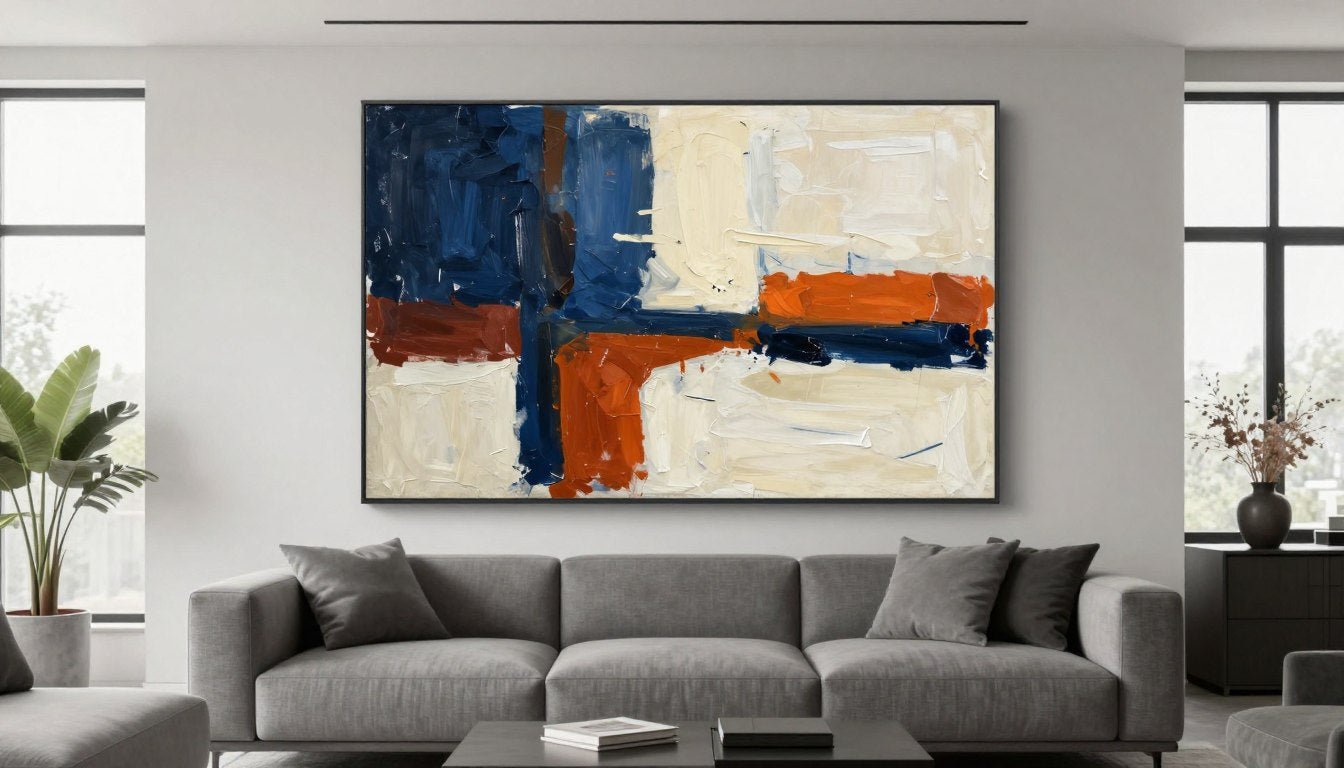
Your walls tell a story about who you are. When you walk into a room, the right piece of art can stop you in your tracks, shift your mood, and completely transform the energy of a space. Statement abstract wall art does exactly that—it commands attention, sparks conversation, and brings sophisticated style to any room in your home.
Abstract art breaks free from literal representation. It uses color, shape, texture, and composition to create visual impact that speaks directly to emotion. Whether you're drawn to bold geometric patterns, soft organic shapes, or dramatic color contrasts, the right abstract wall piece becomes the focal point that ties your entire room together.
This comprehensive guide will help you discover how to choose, place, and style statement abstract wall art that reflects your unique taste. You'll learn about different abstract styles, how to match art to your space, and where to find museum-quality canvas prints that arrive ready to hang.

3 Statement Abstract Pieces That Transform Any Room
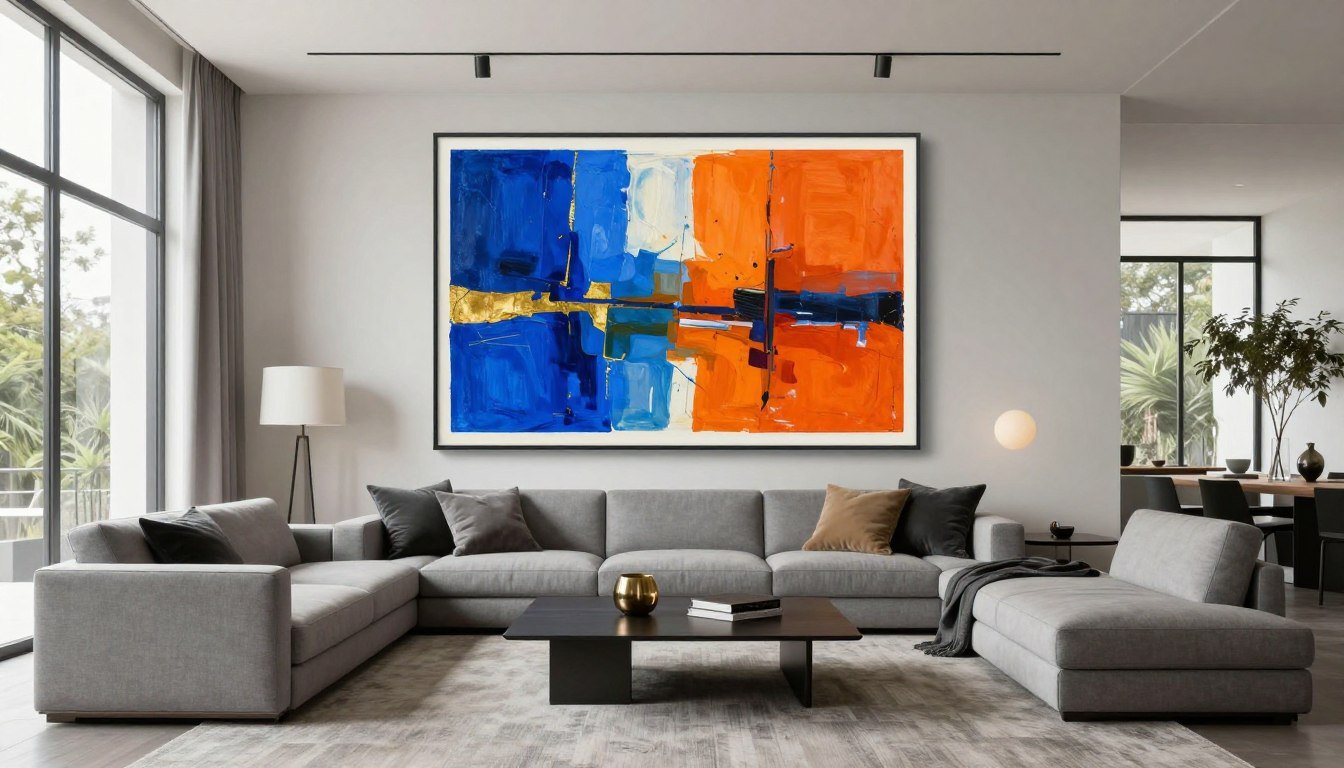
Sometimes the best way to understand the power of statement abstract wall art is to see it in action. These three carefully curated pieces by Chiara Rossetti represent different approaches to abstract expression—each one designed to create instant visual impact in your space.

Bold Geometric Energy
Angular shapes and contrasting colors create dynamic movement. This style works beautifully in modern living rooms and offices where you want to energize the space.

Organic Minimalism
Flowing forms and neutral palettes bring calm sophistication. Perfect for bedrooms and spaces where you want to create a serene, grounded atmosphere.

Monochrome Drama
Black and white abstract art offers timeless elegance. These pieces complement any color scheme and add instant sophistication to dining rooms and entryways.
Each of these approaches to abstract expression serves a different purpose in your home. The key is matching the energy of the artwork to the feeling you want to create in each specific room.
What Makes Abstract Wall Art a "Statement Piece"?
Not every piece of art qualifies as a statement piece. The term refers to artwork that immediately draws the eye and sets the tone for an entire space. Statement abstract wall art accomplishes this through several key characteristics that work together to create undeniable visual impact.

Scale and Proportion
Size matters when it comes to making a statement. A statement piece typically occupies significant wall space—usually at least 40 inches on the longest side for standard rooms. The artwork should be proportional to your furniture and wall dimensions. For instance, art hanging above a sofa should span roughly two-thirds to three-quarters of the sofa's width to create visual balance.
Larger spaces demand larger art. A piece that looks substantial in a small room might feel lost on a vast dining room wall. When evaluating options in living room wall art, consider how the canvas dimensions will interact with your existing furniture layout.

Bold Color Choices
Statement pieces don't whisper—they speak with confidence through color. This doesn't always mean bright, saturated hues. A dramatic piece might use deep, moody tones like charcoal and navy, or it might feature vibrant jewel tones that energize a space.
The key is intentionality. Your abstract wall art should either complement your existing color palette by pulling accent colors from your textiles and accessories, or it should introduce a fresh color story that breathes new life into the room. Many designers use statement art as the starting point for a room's entire color scheme.
Unique Composition and Texture
Abstract art creates interest through composition—the arrangement of shapes, lines, and forms on the canvas. Statement pieces often feature dramatic compositions with strong directional elements, compelling textures, or unexpected contrasts that hold your attention.
Texture adds another dimension. Even in canvas prints, visible brushstrokes, layered paint effects, and varied surface treatments create depth that flat, one-dimensional prints cannot match. This tactile quality makes the artwork feel more substantial and valuable.

Emotional Resonance
The most important quality of statement abstract wall art is harder to quantify—it's how the piece makes you feel. Great abstract art connects with you on an emotional level. It might evoke calm, excitement, nostalgia, or wonder. This emotional response is what transforms a decorative object into a meaningful part of your home.
When browsing collections like abstract canvas prints, pay attention to your gut reaction. The right statement piece will grab your attention immediately and keep drawing your eye back.
Popular Abstract Art Styles for Statement Pieces
Abstract art encompasses a rich variety of styles, each with its own visual language and emotional impact. Understanding these different approaches helps you identify which style resonates with your personal aesthetic and complements your interior design goals.

Geometric Abstract Art
Geometric abstraction uses clean lines, precise shapes, and mathematical precision to create order and structure. Think circles, squares, triangles, and rectangles arranged in deliberate compositions. This style emerged from movements like Constructivism and De Stijl in the early 20th century.
Geometric abstract wall art brings a sense of sophistication and modernity to any space. The structured nature of these pieces works exceptionally well in contemporary homes, offices, and minimalist interiors. The predictability of geometric forms creates a calming, organized feeling that many find appealing in busy households.

Best Rooms for Geometric Abstract Art
- Home offices where structure and focus are priorities
- Modern living rooms with clean-lined furniture
- Entryways where you want to make a strong first impression
- Bedrooms that benefit from visual order
The abstract geometric canvas prints collection offers numerous options that demonstrate how mathematical precision can create stunning visual impact.
Organic and Fluid Abstract Styles
In contrast to geometric precision, organic abstract art embraces flowing forms, irregular shapes, and naturalistic movement. These pieces often reference forms found in nature—think clouds, water, landscapes, or cellular structures—without explicitly depicting them.
Artists working in this style use soft edges, gradual color transitions, and curving lines to create artwork that feels alive and dynamic. The result is abstract wall art that brings warmth and approachability to your space while maintaining sophisticated visual interest.

This style works beautifully in spaces where you want to promote relaxation and comfort. Bedroom canvas prints often feature organic abstracts because these pieces create a soothing atmosphere conducive to rest.
Gestural and Expressionist Abstract Art
Gestural abstraction, associated with Abstract Expressionism, emphasizes the physical act of painting. These statement pieces showcase visible brushstrokes, drips, splatters, and energetic mark-making. The artist's movement and emotion become part of the artwork itself.
This style brings raw energy and passion to your walls. Gestural abstract art works as a powerful focal point in spaces where you want to inject personality and vitality. The spontaneous quality of these pieces adds an element of artistic authenticity that many collectors value.
Characteristics of Gestural Abstract Art
- Visible, energetic brushstrokes that show the artist's hand
- Dynamic composition with strong directional movement
- Emotional intensity expressed through color and application
- Spontaneous, sometimes chaotic visual rhythm
- Thick paint application creating textural depth
These pieces often become conversation starters, inviting viewers to interpret the artist's creative process and emotional state. They pair well with both modern and eclectic interior designs.

Color Field Abstract Painting
Color field painting focuses on large expanses of solid or subtly varied color. Rather than emphasizing texture or composition, these pieces explore the emotional and psychological effects of color itself. Think Rothko's luminous rectangles or Barnett Newman's vertical zips.
Color field abstract wall art creates meditative, contemplative spaces. The simplicity of form allows the color to work on your emotions without distraction. These statement pieces excel in creating atmosphere and can significantly influence the mood of a room.

Because color field works tend toward minimalism, they integrate seamlessly into both contemporary and traditional interiors. They're particularly effective in dining room wall art applications where you want sophistication without visual chaos.
Mixed Media and Collage Abstract Styles
Some contemporary abstract artists combine painting with collage, incorporating paper, fabric, or digital elements. These mixed media pieces offer rich visual complexity and textural variety that creates layers of interest for viewers to discover over time.
The layered quality of mixed media abstract art means you'll notice new details each time you look at the piece. This makes them excellent long-term investments—artwork you won't tire of even after years of daily viewing.
See Statement Abstract Art in Real Spaces
Sometimes the best way to understand how statement abstract wall art transforms a room is to see it in action. This video tour showcases various abstract pieces in carefully styled interiors, giving you inspiration for your own space.
Notice how each piece anchors its room and influences the overall aesthetic. The right abstract canvas becomes more than decoration—it becomes the design element around which everything else revolves.
Choosing the Right Colors for Your Space
Color selection is perhaps the most critical decision when choosing statement abstract wall art. The colors in your artwork will interact with everything else in the room—your wall color, furniture, textiles, and natural light. Getting this right creates harmony, while getting it wrong can make even beautiful art feel out of place.

The Complementary Color Approach
One reliable strategy is choosing artwork that incorporates your room's existing accent colors. If you have navy blue throw pillows and mustard yellow accessories, look for abstract pieces that feature these hues. This approach creates cohesion and makes the art feel intentionally integrated into your design scheme.
However, you don't want the art to match too perfectly. The goal is to pull colors that appear in your space, not to create a matchy-matchy effect. A statement piece that echoes your accent colors while introducing new tones adds depth to your color palette.
The Contrasting Statement
Sometimes the most dramatic approach is intentional contrast. If your room features mostly neutral tones—grays, whites, beiges—a bold abstract canvas in vibrant colors becomes the room's focal point and energy source.
This strategy works particularly well in minimalist spaces. The pop art canvas prints collection demonstrates how strategic color contrast can electrify an otherwise subdued interior.
Cool Color Palettes
Blues, greens, and purples create calm, serene environments. These colors recede visually, making spaces feel larger and more peaceful.
- Navy and teal for sophisticated depth
- Soft blues for bedrooms and bathrooms
- Emerald greens for natural, grounding energy
- Lavender and purple for creative spaces
Warm Color Palettes
Reds, oranges, and yellows advance visually, creating energizing, intimate atmospheres. These colors work well in social spaces.
- Rust and terracotta for earthy warmth
- Golden yellows for cheerful energy
- Deep reds for dramatic sophistication
- Coral and peach for approachable warmth
Neutral Color Schemes
Blacks, whites, grays, and beiges offer timeless versatility. These colors work with any design style and won't feel dated.
- Black and white for high-contrast drama
- Warm grays for sophisticated neutrality
- Beige and cream for soft elegance
- Charcoal for modern, masculine edge
Mixed and Complex Palettes
Multi-color abstracts offer flexibility, pulling various accent colors from your room and tying them together visually.
- Rainbow abstracts for eclectic spaces
- Analogous color schemes for harmony
- Metallic accents for luxury touch
- Earth tone combinations for organic feel
Considering Your Lighting Conditions
Natural and artificial light dramatically affect how colors appear. A canvas that looks vibrant in bright daylight might feel muddy in low evening light. Before committing to a piece, consider when and how you'll use the room.
North-facing rooms receive cool, indirect light that can make warm colors appear more muted. South-facing rooms get warm, direct sunlight that intensifies colors. East and west-facing rooms experience significant light changes throughout the day.

For rooms with limited natural light, consider abstract wall art in lighter colors with warm tones to brighten the space. In rooms flooded with sunlight, you can embrace darker, bolder colors without the space feeling heavy.
Testing Colors Before Committing
Many online galleries now offer visualization tools or generous return policies. Take advantage of these options. If possible, view the artwork image on your phone or tablet held up against your actual wall with your existing furniture in frame. This gives you a rough sense of how the colors will interact.
Pay attention to undertones. A piece that appears gray online might have blue, green, or purple undertones that become apparent when you see it in your specific lighting. Understanding these nuances helps you make confident color choices.
Match This Vibe to Your Space
Every room has a unique personality and purpose. Whether you're creating an energizing workspace, a calming bedroom retreat, or a sophisticated dining area, there's an abstract art style that perfectly complements your vision. Explore curated collections designed for specific moods and spaces.
Sizing and Placement Guide for Statement Abstract Wall Art
Even the most beautiful abstract canvas won't make the impact you want if it's the wrong size or poorly placed. Understanding proper sizing and placement principles ensures your investment creates the dramatic focal point you're envisioning.

The Rule of Two-Thirds
For artwork hanging above furniture, a general guideline is that the art should span approximately two-thirds to three-quarters of the furniture width. This creates visual balance without the piece feeling lost or overwhelming.
For a standard 84-inch sofa, you're looking at artwork roughly 56 to 63 inches wide. For a queen bed with a 60-inch headboard, aim for art around 40 to 45 inches wide. These proportions create a cohesive, professionally designed look.
Height Placement Guidelines
The center of your artwork should typically hang at eye level, which is generally 57 to 60 inches from the floor. This museum-standard height ensures comfortable viewing for most people.
When hanging art above furniture, leave 6 to 8 inches of space between the top of the furniture and the bottom of the frame. This creates breathing room while maintaining visual connection between the two elements.

Common Placement Mistakes to Avoid
- Hanging art too high, which disconnects it from the room
- Choosing artwork too small for the wall space
- Placing multiple small pieces when one large piece is needed
- Ignoring the wall's architectural features
- Centering art on the wall instead of the furniture below
Size Recommendations by Room
Different rooms have different artwork size requirements based on their dimensions and function. Here's a practical guide to help you choose appropriate sizes for various spaces.
| Room Type | Recommended Minimum Size | Ideal Size Range | Maximum Size |
| Living Room (above sofa) | 40" x 30" | 50" x 40" to 70" x 50" | 80" x 60" |
| Bedroom (above bed) | 36" x 24" | 40" x 30" to 60" x 40" | 72" x 48" |
| Dining Room | 40" x 30" | 50" x 40" to 66" x 48" | 80" x 60" |
| Entryway | 24" x 36" | 30" x 40" to 40" x 50" | 48" x 60" |
| Home Office | 30" x 24" | 36" x 28" to 48" x 36" | 60" x 40" |
These are starting points, not rigid rules. Your specific wall dimensions, ceiling height, and furniture scale may require adjustments. When in doubt, go slightly larger rather than smaller for statement pieces.
Gallery Walls vs. Single Statement Pieces
One common question is whether to use a single large canvas or create a gallery wall with multiple smaller pieces. Both approaches have merit, but they serve different purposes.
A single statement abstract wall art piece creates a bold, cohesive focal point. It's easier to hang, offers cleaner visual impact, and typically feels more sophisticated and curated. This approach works best in modern, minimalist, or contemporary spaces.

Gallery walls with multiple pieces offer more flexibility and personal expression. They work well in eclectic interiors and allow you to combine different styles, sizes, and even media. However, they require more planning and precision to execute successfully.
For statement abstract art specifically, a single large piece typically delivers more impact. If you love the gallery wall concept, consider using canvas print sets designed to work together as a cohesive collection.
Working with Architectural Features
Your walls aren't always blank canvases. Windows, doors, fireplaces, and built-in shelving create challenges and opportunities for art placement.
Above a fireplace, choose artwork that's narrower than the mantel width. The piece should feel centered on the mantel, not the entire wall. For walls with windows, place art on the adjacent wall where it won't compete with natural views, or hang it between windows if you have the space.
Awkward nooks and narrow wall sections often benefit from vertical-oriented abstract pieces. Don't force a horizontal canvas into a space that clearly calls for vertical dimensions.
Statement Abstract Wall Art Recommendations by Room
Each room in your home serves a different function and creates a different mood. The right abstract wall art enhances these purposes while reflecting your personal style. Here's how to choose pieces that work specifically for each space.

Living Room Statement Pieces
Your living room is typically the most social space in your home and often the first room guests see. This is where you can make your boldest artistic statement. Living room abstract art should reflect your personality while creating conversation and visual interest.
Large-scale pieces work beautifully in living rooms, especially above the sofa. Look for artwork with dynamic composition and compelling color stories. The piece should anchor the room's design and can even serve as the inspiration for your overall color palette.
Geometric abstracts bring modern sophistication to contemporary living rooms. Bold color field paintings create dramatic focal points in larger spaces. Gestural, energetic pieces add personality and creative flair to more eclectic interiors.
Consider how the room functions. If it's primarily for relaxing and watching TV, you might prefer calmer, more meditative abstract styles. If it's a space for entertaining and socializing, energetic, conversation-starting pieces work well.
The living room wall art collection offers carefully curated options designed specifically for these social spaces, with sizes and styles that create appropriate impact.

Bedroom Abstract Art Selections
Bedrooms are personal sanctuaries where you start and end each day. The art in this space should promote relaxation, reflect your personal taste, and create a serene atmosphere conducive to rest.
Softer color palettes typically work best in bedrooms. Think muted blues, gentle greens, warm neutrals, and blush tones. Abstract pieces with organic, flowing forms often feel more restful than sharp geometric compositions, though personal preference should guide your choice.

Scale is important in bedrooms. The artwork above your bed should relate to the bed's width, typically spanning about half to two-thirds of the headboard width. For king beds, this often means pieces in the 40 to 50-inch range.
Many people choose bedroom canvas prints that incorporate colors from their bedding or window treatments, creating a cohesive, intentionally designed space.
Dining Room Sophistication
Dining rooms offer excellent opportunities for sophisticated abstract wall art. These spaces typically see less daily use than living rooms, allowing you to choose pieces that might feel too bold or avant-garde for more lived-in spaces.
Consider artwork that stimulates conversation and creates ambiance for meals. Abstract pieces in rich, saturated colors can make dining experiences feel more special and intentional. Darker, moodier palettes work particularly well in dining rooms, adding drama and intimacy.
Color Recommendations
Dining rooms benefit from rich, saturated hues that create atmosphere.
- Deep reds and burgundy for warmth
- Navy and teal for sophisticated depth
- Gold and metallic accents for luxury
- Black and white for timeless elegance
Style Recommendations
More formal abstract styles complement dining room purposes.
- Color field paintings for contemplative elegance
- Geometric abstracts for modern refinement
- Textured pieces for tactile interest
- Monochromatic schemes for sophisticated restraint
The dining room wall art collection features pieces specifically selected for these formal spaces, with appropriate scales and sophistication levels.
Home Office Inspiration
Your home office deserves art that energizes, focuses, and inspires your work. Abstract pieces in this space should reflect professionalism while maintaining personal expression.
Structured geometric abstracts often work well in office settings, promoting focus and mental clarity. Bold colors can energize your workday, while more neutral palettes create calm, distraction-free environments.

Consider the wall you face while working. Art in your direct sightline should inspire without distracting. Pieces with interesting composition invite brief mental breaks, which can actually boost productivity.
Browse office canvas art prints designed to bring professional polish and creative inspiration to work-from-home spaces.
Entryway First Impressions
Your entryway art makes an immediate statement about your home's style. This is your chance to surprise, delight, and set the tone for everything that follows.
Entryways often have limited wall space, so choose pieces that deliver maximum impact in smaller dimensions. Vertical orientations often work better in narrow entry halls. Bold, confident abstract pieces make memorable first impressions.
Don't be afraid to go dramatic in entryways. This transitional space can handle artwork that might feel too bold in living areas. Unexpected color combinations and avant-garde compositions work beautifully here.

The entryway wall art collection offers pieces specifically proportioned and styled for these important transitional spaces.
Quality Considerations: What Makes Museum-Quality Canvas Art
Not all canvas prints are created equal. When investing in statement abstract wall art, understanding quality markers helps ensure you're getting pieces that will look stunning for years and justify their price point.

Printing Technology and Archival Inks
Museum-quality canvas art uses giclée printing technology with archival inks. Giclée (pronounced "zhee-clay") refers to high-resolution inkjet printing that produces exceptional color accuracy and detail. These prints use pigment-based inks rather than dye-based inks.
Archival inks resist fading from UV light exposure and environmental factors. Quality pieces should be rated for 75 to 100 years of colorfastness under normal indoor lighting conditions. This longevity means your investment maintains its visual impact decade after decade.
Cheaper prints often use dye-based inks that fade quickly, sometimes within just a few years. The colors lose vibrancy, turning muddy and dull. This is particularly problematic for abstract art, where color is often the primary element.
Canvas Material and Stretching
Premium canvas prints use heavyweight cotton or poly-cotton blend canvas, typically 400 GSM (grams per square meter) or higher. This substantial material provides better texture, durability, and a more authentic art feel compared to thin, flimsy canvas.
Gallery-wrapped stretching means the printed image continues around the edges of the wooden frame, creating finished sides that don't require additional framing. The canvas should be stretched tightly over solid wood stretcher bars, not stapled to a cardboard backing.

Quality Canvas Characteristics
- Heavyweight material (400+ GSM) that feels substantial
- Tight, drum-like stretch without sagging or wrinkles
- Gallery wrap with printed edges, not blank white sides
- Solid wood stretcher bars with proper corner bracing
- Hand-stretched by skilled artisans, not machine-stretched
Ready-to-Hang Convenience
Quality abstract canvas art should arrive ready to hang with hardware included. This typically means pre-installed sawtooth hangers or wire hanging systems on the back of the frame. You shouldn't need to purchase additional hardware or take the piece to a framing shop.
Professional canvas prints also include protective corner bumpers on the back to prevent wall damage and allow proper air circulation. These small details indicate attention to quality and customer experience.
Color Accuracy and Reproduction
For reproductions of original artwork, color accuracy matters enormously. Reputable sellers use color-calibrated monitors and printers to ensure the print matches the original artwork as closely as possible.
Look for sellers who photograph their canvases professionally under neutral lighting and provide accurate color representations in their product images. The piece that arrives should match what you see online, accounting for normal variations in monitor displays.

The canvas prints from Rossetti Art meet these museum-quality standards, using premium materials and archival inks to ensure your statement pieces maintain their impact for generations.
Styling Your Space Around Statement Abstract Wall Art
Once you've selected your statement piece, the next step is styling the surrounding space to showcase the artwork effectively. The right accessories, furniture arrangement, and lighting can amplify your art's impact while poor styling choices can diminish even the most beautiful canvas.

Creating Visual Balance
Statement abstract wall art works best when it's the clear focal point of the room. This means keeping the surrounding wall relatively clear. Avoid cluttering the same wall with additional art, shelving, or decorative objects that compete for attention.
Balance doesn't mean symmetry. You can create visual equilibrium through color, weight, and scale. If your artwork leans left compositionally, balance it with a substantial piece of furniture or tall plant on the right side of the space.
Pulling Colors into Your Decor
One of the most effective styling techniques is echoing colors from your abstract art throughout the room. Choose two to three colors from the artwork and repeat them in throw pillows, blankets, vases, books, or other accessories.
This doesn't mean matching everything to the art perfectly. Instead, pull similar tones that create harmony. If your canvas features a particular shade of teal, find pillows in complementary blue-green tones. This technique makes the art feel integrated rather than afterthought.

Textiles and Fabrics
Pillows, throws, and rugs offer easy ways to connect your art's colors to the room's overall palette.

Decorative Objects
Vases, bowls, books, and sculptures in complementary colors create visual connections throughout the space.

Natural Elements
Plants in pots that echo art colors, natural wood tones, and organic materials create cohesive design layers.
Furniture Arrangement Considerations
Your furniture layout should direct attention toward your statement art, not away from it. Arrange seating to face the artwork when possible. In living rooms, angle chairs slightly toward the art wall to create natural sight lines.
Avoid blocking your statement piece with tall furniture. A low-profile sofa, console, or credenza beneath the art works well. Tall bookcases or cabinets should flank the art wall rather than compete with it.
Lighting Your Abstract Art
Proper lighting transforms good art into exceptional art. Statement pieces deserve dedicated lighting that highlights their colors, textures, and composition while protecting them from damage.
Picture lights mounted above the frame provide focused illumination specifically for the artwork. LED picture lights are ideal—they don't produce heat that can damage canvas and they're energy efficient for extended use.

Track lighting offers flexibility, allowing you to adjust beam direction to highlight specific areas. Wall wash lighting creates even illumination across the entire canvas. Avoid direct sunlight on artwork, which can cause fading even with archival inks.
The ideal lighting level for viewing art is 200-300 lux. This is bright enough to see details and colors clearly without being harsh or creating glare on the canvas surface.
Keeping the Focus on the Art
When you have a true statement piece, less is more with surrounding decor. A simple console or credenza below the art can hold a few curated objects—perhaps a sculptural vase, a stack of art books, and one organic element like a branch or plant.
Avoid the temptation to fill every surface. Negative space around your artwork gives the eye room to rest and ensures the abstract piece remains the star of the room.
Consider pairing your statement abstract canvas with complementary pieces from modern sculptures to create a curated, gallery-like atmosphere in your home.
Caring for Your Statement Canvas Art
Quality abstract wall art represents a significant investment in your home's aesthetic. Proper care ensures your canvas maintains its beauty and value for decades. Fortunately, modern canvas prints are relatively low-maintenance compared to traditional framed art behind glass.

Regular Cleaning and Maintenance
Dust your canvas art every few months using a soft, dry cloth or a clean makeup brush. Gently wipe or brush in one direction to remove accumulated dust. Avoid applying pressure or using circular motions that might work dust into the canvas texture.
Never use water, cleaning solutions, or chemical sprays on canvas prints. These can damage the inks, leave stains, or cause the canvas to warp. If your canvas requires more than simple dusting, consult a professional art conservator.
Protecting from Environmental Damage
While archival inks resist fading, direct sunlight still poses risks over time. Avoid hanging canvas art in locations where it receives direct sun exposure for hours daily. UV-filtering window treatments help protect artwork in bright rooms.
Maintain moderate humidity levels in your home. Excessive humidity can cause canvas to sag or develop mold, while very dry conditions can make canvas brittle. Aim for 40-50% relative humidity when possible.
Ideal Conditions
Maintaining proper environmental conditions preserves your investment.
- Temperature: 65-75°F (18-24°C)
- Humidity: 40-50% relative humidity
- Lighting: Indirect natural light or LED illumination
- Location: Away from heating vents and air conditioners
Conditions to Avoid
Certain environments can damage canvas art over time.
- Direct sunlight for extended periods
- High humidity areas like bathrooms
- Extreme temperature fluctuations
- Locations near cooking areas with grease exposure
Handling and Moving Canvas Art
When moving or repositioning your canvas, always lift it by the wood frame, never by the canvas itself. Pressure on the canvas surface can create permanent indentations or cause the material to stretch unevenly.
If storing canvas art temporarily, keep it upright rather than stacking pieces flat. Laying canvases flat can create pressure points that damage the surface. Store in a climate-controlled environment away from dampness.
Checking for Issues
Periodically inspect your canvas for any developing issues. Look for sagging canvas, which indicates the stretching has loosened. Professional framers can restretch canvas if needed. Check for any discoloration, spotting, or damage to corners and edges.
Small issues addressed early prevent larger problems. If you notice anything concerning about your statement abstract wall art, consult an art professional rather than attempting DIY repairs that might cause additional damage.
Expert Styling and Display Tips
Watch this expert guide to styling abstract art in different room settings. You'll see how professional designers arrange furniture, choose complementary accessories, and use lighting to showcase statement pieces effectively.
Notice how each room featured in the video demonstrates the principles discussed throughout this article—proper sizing, strategic placement, color coordination, and thoughtful styling that allows the abstract art to shine as the focal point.
The Investment Value of Quality Abstract Wall Art
Statement abstract wall art represents more than decoration—it's an investment in your living environment and, in many cases, a financial asset. Understanding the value proposition helps you make confident purchasing decisions.

Emotional and Aesthetic Returns
The primary return on art investment is emotional. A piece you love enhances your daily life every time you see it. Unlike most home purchases that depreciate or wear out, quality artwork provides consistent aesthetic value year after year.
Consider the cost per day of enjoyment. A $500 canvas that brings you joy for ten years costs about 14 cents per day. Few purchases offer such sustained value. The right statement piece can literally change how you feel about coming home each day.
Increasing Home Value
While you generally don't recoup art costs in home sale prices, well-chosen artwork makes homes more appealing to buyers. Staged homes with art sell faster and often command better prices than empty spaces. Abstract pieces are particularly effective because they appeal to diverse tastes.
Real estate professionals consistently note that art helps buyers envision themselves living in a space. Statement pieces create memorable impressions during showings and photographs that market your home.
Collectibility and Appreciation
Original abstract paintings can appreciate significantly over time, especially work by recognized artists. Even high-quality limited edition prints gain value as editions sell out. When purchasing from curated collections like those at Rossetti Art original paintings, you're investing in pieces with artistic integrity.
The art market has shown consistent growth over decades. While no investment is guaranteed, established artists with gallery representation often see their work increase in value, particularly after their careers mature or if they gain critical recognition.

Factors That Support Value
- Limited edition prints with numbered certificates
- Work by artists with gallery representation
- Museum-quality materials and archival processes
- Provenance documentation from reputable sources
- Artist signatures or studio stamps
- Proper care and maintenance over time
Building a Cohesive Collection
Rather than buying single pieces randomly, consider developing a cohesive collection over time. This might mean focusing on specific abstract styles, particular color palettes, or works by related artists. Collections often appreciate more than individual pieces because they tell a curatorial story.
Many collectors start with one statement piece they love, then gradually add complementary works that share aesthetic qualities. This approach allows you to develop your eye and understanding while building meaningful value.
Browse the full range of canvas prints to identify potential collection directions that resonate with your vision.
Current Trends in Abstract Wall Art
The abstract art world continuously evolves as artists experiment with new techniques, materials, and concepts. Understanding current trends helps you make choices that feel fresh and contemporary while identifying timeless pieces that transcend temporary fads.

Organic Shapes and Natural Forms
One dominant trend involves soft, organic shapes inspired by nature. These pieces feature flowing forms, irregular edges, and compositions that reference landscapes, water, clouds, or cellular structures without literally depicting them.
This movement responds to our increasing time spent in built environments and on screens. Organic abstract art brings a sense of natural world connection into indoor spaces. Earth-tone palettes—terracotta, sage, warm grays, cream—dominate this style.
The appeal extends beyond aesthetics. These pieces create calming environments that counterbalance the hard edges and straight lines of modern architecture and furniture. They're particularly popular in bedroom spaces where relaxation is priority.
Maximalist Color and Pattern
After years of minimalist neutrals, vibrant color is making a strong comeback. Contemporary abstract artists embrace bold, saturated hues and complex layering that creates visual richness and depth.
This trend celebrates joy, optimism, and personality. Maximalist abstract pieces often combine multiple patterns, textures, and color families in single compositions. The result feels exuberant and confident rather than chaotic.

Minimalist Abstraction
Simultaneously, minimalist abstraction continues strong. These pieces use limited color palettes, simple geometric forms, and lots of negative space to create contemplative, zen-like compositions.
The minimalist trend appeals to those seeking calm, uncluttered environments. Single brushstrokes on neutral backgrounds, subtle tonal variations, and reductive compositions characterize this approach. Black and white canvas prints exemplify this aesthetic perfectly.
Textured and Mixed Media Works
Advances in printing technology now allow reproduction of heavily textured artworks with remarkable fidelity. Artists create pieces with dimensional layers, collaged elements, and varied surface treatments that add tactile interest.
This trend bridges the gap between flat prints and sculptural wall art. The texture catches light differently throughout the day, creating dynamic visual interest. These pieces photograph beautifully but must be seen in person to fully appreciate their dimensionality.
Sustainability and Eco-Conscious Art
Growing environmental awareness influences both subject matter and production methods. Abstract artists increasingly use recycled materials, non-toxic media, and sustainable processes. Collectors value artwork created with environmental responsibility.
This extends to canvas print production. Look for companies using water-based inks, FSC-certified wood frames, and eco-friendly packaging. Quality doesn't require environmental compromise, and many buyers now consider sustainability an essential value marker.
Trend Adoption Strategy
How to engage with trends while maintaining timeless appeal.
- Use trends as accent pieces, not whole-room themes
- Choose trendy colors in classic abstract compositions
- Balance contemporary pieces with timeless selections
- Follow your personal taste over trend pressure
Timeless Qualities
Elements that ensure your art remains relevant beyond current trends.
- Strong composition and visual balance
- Quality materials and construction
- Emotional resonance and personal connection
- Versatile colors that work with multiple palettes
Common Mistakes When Choosing Statement Abstract Wall Art
Even with the best intentions, buyers often make predictable mistakes when selecting and displaying abstract art. Awareness of these pitfalls helps you avoid expensive errors and ensures your statement pieces achieve their full impact.

Choosing Art That's Too Small
The single most common mistake is selecting artwork that's undersized for the space. What looks substantial in online photos often appears surprisingly small on your actual wall. When in doubt, go larger. A piece that's slightly oversized creates better impact than one that's too small.
Remember that art appears smaller on the wall than it does when you're holding it or viewing it up close. That 30x40-inch canvas that seems huge in your hands might look modest once it's on a 12-foot wall above your sofa.
Matching Too Perfectly
Another frequent error is choosing art that matches your existing decor too exactly. When your canvas pulls every color from your throw pillows in identical shades, the result feels forced and uninspired. Art should complement your space, not copy it.
The most successful rooms use art to introduce new colors and textures that add depth to the existing palette. Your statement piece should feel harmonious with the room but also bring something fresh and unexpected to the design.
Ignoring Lighting Conditions
Many people choose abstract wall art based solely on how it looks in online images, forgetting to consider how their room's specific lighting will affect the piece. Art that looks vibrant in bright gallery lighting might appear muddy in a north-facing room with limited natural light.
Before committing to bold, dark pieces, honestly assess your space's lighting. If your room lacks abundant natural light, you might need to add picture lights or choose artwork with lighter tones that won't disappear into shadowy walls.

Following Trends Over Personal Taste
Trendy art can quickly feel dated. While it's fine to draw inspiration from current design movements, your statement pieces should primarily reflect your personal aesthetic. You'll live with this art daily, possibly for years or decades.
Choose pieces that genuinely resonate with you rather than what Instagram influencers promote. Timeless personal connections outlast temporary trends. Trust your instinctive response to artwork more than trend forecasts.
Compromising on Quality
Budget constraints are real, but extremely cheap canvas prints often disappoint. Poor print quality, thin canvas, flimsy frames, and rapid fading mean you'll need to replace the piece sooner than expected, ultimately spending more.
It's better to save longer for one quality statement piece than to fill your walls with multiple low-quality options. Museum-grade canvas prints from reputable sources like Rossetti Art's abstract collection represent investments that maintain their beauty and value.
Improper Hanging Height
Hanging art too high is extremely common and undermines the piece's impact. The center of your artwork should be at eye level, approximately 57-60 inches from the floor. When hanging above furniture, leave 6-8 inches between the furniture top and the frame bottom.
Many people instinctively hang art higher than optimal because empty wall space feels unbalanced. Resist this impulse. Properly hung art integrates with your living space rather than floating disconnected near the ceiling.
Museum-Quality Canvas Art, Ready to Transform Your Space
Every piece in the Rossetti Art collection arrives ready to hang with premium stretched canvas, archival inks, and solid wood frames. Curated by artist Chiara Rossetti, these statement abstract pieces bring gallery-quality sophistication to your home. Free worldwide shipping ensures your investment arrives safely, wherever you are.
Budget Guide: Investing in Statement Abstract Wall Art
Quality abstract art spans a wide price range, from affordable canvas prints to investment-grade originals. Understanding what influences pricing helps you make informed decisions that align with your budget and expectations.

Print vs. Original Pricing
Canvas prints reproduce original artwork or digital designs, making art accessible at lower price points. Prints typically range from $100 to $800 depending on size, quality, and artist recognition. Limited edition prints with lower production numbers command higher prices than open edition prints.
Original abstract paintings carry significantly higher prices, often starting at $500 and extending into thousands or tens of thousands for established artists. When you purchase an original, you're buying the unique artwork created by the artist's hand, complete with original brushstrokes and texture.
For those interested in original work, the original paintings collection offers pieces by Chiara Rossetti that bridge accessibility and collectible value.
Size and Price Correlation
Larger canvases naturally cost more due to material costs and production complexity. The price increase isn't always linear—a 60x40-inch canvas might cost significantly more than double a 30x20-inch piece because larger formats require more careful production and shipping.
| Canvas Size Range | Typical Price Range (Prints) | Best For | Wall Space Required |
| Small (16x20 to 24x30 inches) | $100 - $250 | Small rooms, gallery walls, accent pieces | 3-4 feet wide |
| Medium (30x40 to 36x48 inches) | $250 - $450 | Bedrooms, offices, dining rooms | 5-6 feet wide |
| Large (40x60 to 48x72 inches) | $450 - $800 | Living rooms, statement walls, large spaces | 7-9 feet wide |
| Oversized (60x80+ inches) | $800 - $1,500+ | Dramatic focal points, high ceilings, commercial spaces | 10+ feet wide |
Quality Tiers and What You Get
Understanding quality tiers helps you allocate budget appropriately. Entry-level canvas prints use basic inkjet printing and thin canvas. Mid-range options offer better ink quality and heavier canvas. Premium tier includes giclée printing, archival inks, gallery-wrap construction, and often artist oversight.
The quality difference is immediately visible and becomes more significant over time. Entry-level pieces may fade within a few years, while premium pieces maintain color integrity for decades. For statement art you'll display prominently, premium quality justifies the investment.
Smart Budget Strategies
You don't need unlimited funds to build a beautiful art collection. Start with one quality statement piece for your most important room—likely your living room. This becomes your home's artistic anchor. Add additional pieces over time as budget allows.
Watch for artist releases and seasonal offerings. Many galleries and artists offer occasional promotions on select pieces. Sign up for newsletters from sources you trust, like the Rossetti Art blog, to learn about new releases and special opportunities.

Financing and Payment Options
Some galleries and online retailers offer payment plans for larger purchases. This makes premium statement pieces more accessible by spreading costs over several months. Read terms carefully to understand any interest or fees.
Consider the cost per use perspective. A $600 canvas you'll enjoy daily for ten years costs just 16 cents per day. This reframing helps justify investments in pieces you truly love rather than compromising on cheaper alternatives you'll want to replace.
When to Splurge vs. Save
Allocate your budget strategically. Splurge on the statement piece in your main living area where it will make maximum impact and receive the most viewing. Save on art for less prominent spaces like hallways or bathrooms where smaller, less expensive pieces work fine.
Invest in quality for pieces you're confident about—artwork that immediately resonates with you. For experimental choices where you're less certain, starting with more affordable options makes sense until you define your preferences.
Where and How to Shop for Statement Abstract Wall Art
The art market offers numerous purchasing channels, each with distinct advantages and considerations. Knowing where to shop and what to look for ensures you find quality pieces at fair prices while avoiding common pitfalls.

Online Galleries and Artist Websites
Online shopping offers convenience, extensive selection, and often better prices than physical galleries. Reputable online art sources provide detailed images, size specifications, and clear information about materials and production methods.
When shopping online, look for sites offering high-resolution zoom features so you can examine details. Read return policies carefully—reputable sellers stand behind their work with satisfaction guarantees. Customer reviews provide valuable insights into quality, shipping, and customer service.
Direct artist websites like Rossetti Art offer advantages including artist authenticity, direct communication with creators, and often better pricing by eliminating middleman markups. You're buying directly from the source with transparency about creation and production.
Physical Galleries and Art Fairs
Traditional galleries allow you to see artwork in person, experiencing true colors, scale, and texture before purchasing. Gallery staff can provide expertise about artists, techniques, and investment potential. This personal interaction adds value, especially for significant purchases.
Gallery pricing typically includes markup to cover overhead and expert curation. You're paying for the viewing experience, staff knowledge, and the gallery's reputation. For emerging collectors, this guidance can be valuable.
Art fairs offer opportunities to see numerous artists and galleries in one location. Prices at fairs can be negotiable, particularly toward the end of events when vendors prefer selling to packing and shipping work home.
Marketplace Platforms
Platforms like Saatchi Art, Artsy, and Etsy connect buyers with numerous artists and galleries. These marketplaces offer extensive selection and competitive pricing but require more research to verify quality and authenticity.
Read seller ratings and reviews carefully. Look for detailed product descriptions and multiple photos from different angles. Be wary of prices that seem too good to be true—they often indicate inferior quality or reproductions misrepresented as originals.
What to Ask Before Purchasing
Whether shopping online or in person, ask these essential questions to ensure you're making an informed purchase:
- Is this an original artwork, limited edition print, or open edition print?
- What printing technology and ink type are used?
- What is the canvas weight and material composition?
- Are frames included, and what materials are they made from?
- Does it arrive ready to hang with hardware included?
- What is the expected lifespan with proper care?
- What is the return policy if I'm not satisfied?
- Are shipping and handling included in the price?
- Do you provide certificates of authenticity?

Red Flags to Watch For
Certain warning signs indicate potential quality issues or questionable business practices. Extremely low prices compared to similar items often signal inferior materials or misrepresentation. Sellers who can't or won't answer basic questions about materials and production raise concerns.
Be cautious of sites using stock photos rather than actual product images. Vague descriptions lacking specific details about size, materials, and production methods suggest the seller may not have direct knowledge of their products.
Check that secure payment methods are available. Legitimate businesses don't request payment through unconventional channels. Verify that the website has secure checkout (look for https:// and padlock icon in your browser).
Leveraging Social Proof
Customer reviews, testimonials, and social media presence indicate reliability. Look for businesses with established reputations, professional websites, and transparent communication. Artists and galleries active on social media often share behind-the-scenes content that demonstrates authenticity and expertise.
Don't hesitate to reach out with questions before purchasing. Responsive, knowledgeable customer service distinguishes reputable sellers from questionable ones. Quality businesses want you to be informed and confident in your purchase.
Creating Your Perfect Space with Statement Abstract Wall Art
Statement abstract wall art transforms houses into homes. The right piece anchors a room's design, expresses your personality, and creates daily moments of beauty that enrich your living experience. Whether you're drawn to bold geometric compositions, soft organic forms, or dramatic monochrome palettes, abstract art offers endless possibilities for creative expression.
This journey starts with understanding your space, identifying your aesthetic preferences, and making informed choices about quality and value. Take time to explore different styles, consider how art interacts with your existing design, and trust your instinctive responses to pieces that resonate with you.

Remember that art is personal. While guidelines about sizing, placement, and style provide helpful structure, your emotional connection to a piece matters most. The best statement abstract wall art is the piece that makes you happy every time you see it, that reflects who you are, and that makes your space feel complete.
Start with one thoughtfully chosen statement piece for your most important space. Let that anchor your collection as you gradually add complementary works over time. This approach allows you to develop your artistic eye while creating a cohesive, personally meaningful collection that grows with you.
Explore the curated collections at Rossetti Art to discover museum-quality abstract canvas prints designed to transform your space. Every piece arrives ready to hang with premium materials, archival inks, and the artistic vision of Chiara Rossetti. Free worldwide shipping brings gallery sophistication directly to your door.
Your walls are waiting for their perfect statement piece. The art that will define your space, express your style, and bring you joy for years to come is out there. With the knowledge you've gained from this guide, you're ready to find it.
Frequently Asked Questions About Statement Abstract Wall Art
What size abstract art do I need for above my sofa?
Your abstract wall art should span approximately two-thirds to three-quarters of your sofa's width. For a standard 84-inch sofa, look for artwork around 56 to 63 inches wide. The piece should hang 6 to 8 inches above the sofa back, with its center approximately at eye level when you're seated. This creates visual balance and proper proportion. Browse living room canvas art for appropriately sized options.
How do I choose colors for abstract art that will match my room?
Rather than exact matching, choose abstract pieces that echo two or three accent colors already present in your space through pillows, rugs, or accessories. The art should complement your palette while introducing fresh tones that add depth. Consider your lighting—cool north-facing rooms benefit from warm colors, while bright south-facing spaces can handle cooler or darker palettes. View your existing room colors on your phone next to online art images to preview how they'll interact.
What's the difference between canvas prints and original paintings?
Canvas prints are high-quality reproductions of original artwork or digital designs, printed using archival inks on stretched canvas. They offer accessibility and affordability while maintaining museum-quality appearance. Original paintings are unique, one-of-a-kind pieces created directly by the artist with actual paint application, brushstrokes, and texture. Originals command higher prices due to their uniqueness and collectibility. Quality canvas prints from sources like Rossetti Art's abstract collection provide excellent value and visual impact.
How high should I hang abstract wall art?
The center of your artwork should be at eye level, typically 57 to 60 inches from the floor. This is the museum standard for comfortable viewing. When hanging art above furniture, leave 6 to 8 inches between the furniture top and the frame bottom, then ensure the overall placement looks balanced. For artwork hung alone on a wall without furniture below, center it at 57-60 inches regardless of ceiling height.
Can I hang abstract art in a bathroom?
Yes, but choose carefully. Bathrooms with good ventilation and limited direct moisture exposure work fine for quality canvas prints. Avoid hanging art directly above bathtubs or in shower spray zones. Ensure your bathroom has adequate ventilation to prevent excess humidity that can damage canvas over time. Consider pieces with water-resistant coatings or explore the canvas print collections for options suitable for higher-moisture environments.
What is giclée printing and why does it matter?
Giclée (pronounced "zhee-clay") is a high-resolution inkjet printing process using archival, pigment-based inks. It produces superior color accuracy, detail, and longevity compared to standard printing. Giclée prints resist fading for 75 to 100+ years under normal indoor conditions, whereas lower-quality prints fade within a few years. For statement abstract wall art you'll display long-term, giclée printing with archival inks is essential for maintaining the piece's beauty and investment value.
Should I choose horizontal or vertical orientation?
Orientation depends on your wall space and furniture. Horizontal (landscape) orientations work above sofas, beds, and long furniture pieces, creating visual balance with the horizontal lines below. Vertical (portrait) orientations suit narrow wall spaces, areas beside tall furniture, and spaces where you want to draw the eye upward. Consider your wall's proportions—wide walls call for horizontal art, while tall, narrow spaces benefit from vertical pieces.
How do I clean my canvas art?
Dust your canvas gently every few months using a soft, dry cloth or clean makeup brush. Wipe or brush in one direction to remove accumulated dust without pressing it into the canvas texture. Never use water, cleaning solutions, or chemical sprays, as these can damage archival inks and canvas material. For more thorough cleaning needs, consult a professional art conservator rather than attempting DIY methods that might cause permanent damage.
Is abstract art a good investment?
Quality abstract art offers both aesthetic and potential financial value. Limited edition prints from recognized artists can appreciate over time, especially as editions sell out. Original paintings by emerging artists may increase in value as their careers develop. However, the primary investment value is emotional—the daily joy and aesthetic enhancement quality art brings to your living space. Focus on pieces you love that are created with museum-quality materials from reputable sources like Rossetti Art's original collection.
Can I return canvas art if I don't like it?
Return policies vary by seller. Reputable online galleries typically offer satisfaction guarantees with return windows of 14 to 30 days. Always review return policies before purchasing, noting who pays return shipping and whether restocking fees apply. Some sellers provide virtual preview tools or samples to help you make confident decisions. When buying statement pieces, generous return policies provide important protection for your investment.
What's the best abstract art style for a minimalist home?
Minimalist homes pair beautifully with geometric abstracts featuring clean lines and limited color palettes, or color field paintings with simple compositions and subtle tonal variations. Black and white canvas prints offer timeless elegance that complements minimalist aesthetics without adding visual complexity. Look for pieces with strong negative space, restrained color use, and clear, uncluttered compositions that echo minimalist design principles.
How much should I expect to spend on quality statement abstract art?
Quality canvas prints typically range from $100 for smaller pieces to $800+ for large statement works, depending on size, artist recognition, and production quality. Medium-sized pieces (30x40 to 36x48 inches) from reputable sources generally cost $250 to $450. Original abstract paintings start around $500 and extend into thousands for established artists. For long-lasting, museum-quality statement pieces, expect to invest $300 to $600 for appropriately sized works that will maintain their beauty for decades.


Leave a comment
This site is protected by hCaptcha and the hCaptcha Privacy Policy and Terms of Service apply.